
Ultimate Guide: Multicolored Butterfly Species

Quick Summary: Multicolored Butterfly Species
Want to discover some of the most vibrant butterflies on Earth? Multicolored butterfly species, like the Painted Lady, Monarch, and Rainbow Feathertail, showcase nature’s artistry. These butterflies feature dazzling patterns and colors that not only captivate us but also play crucial roles in pollination and ecosystem balance. Join us as we explore these stunning insects and learn how to protect them!
Have you ever been mesmerized by a butterfly flitting through your garden, its wings a kaleidoscope of colors? It’s easy to be captivated by these delicate creatures, but figuring out what makes each one unique can be a bit tricky. With so many species, each sporting its own dazzling array of hues, identifying them can feel overwhelming.
Don’t worry, you’re not alone! In this guide, we’ll explore some of the most beautiful multicolored butterfly species, breaking down their key characteristics and habitats. Get ready to discover the fascinating world of these winged jewels and learn how you can help protect them. Let’s dive in!
What Makes a Butterfly Multicolored?
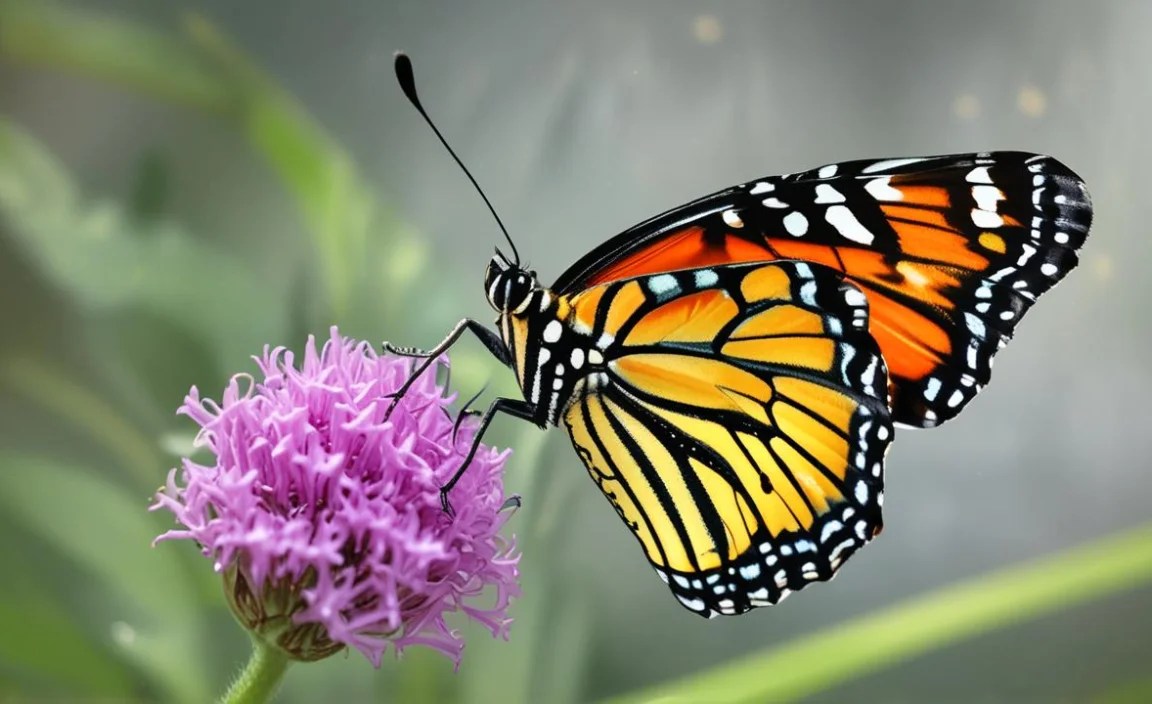
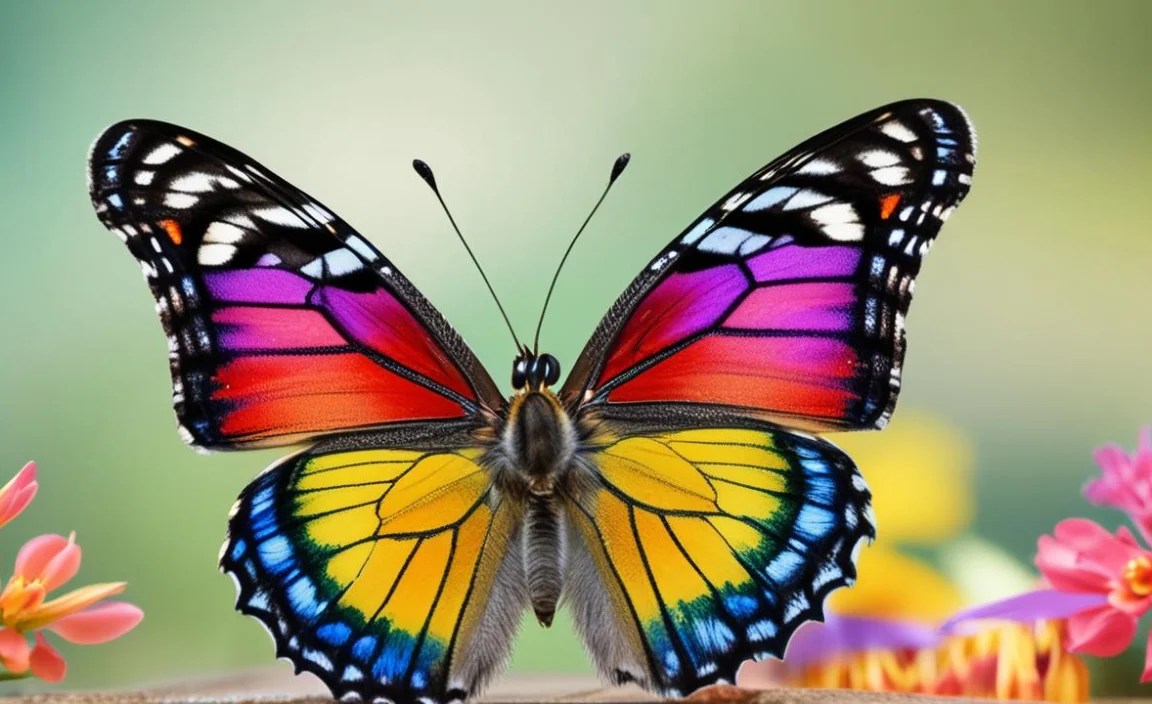
Before we dive into specific species, let’s understand what exactly makes a butterfly “multicolored.” The vibrant hues we see on a butterfly’s wings are created by tiny scales that reflect light in different ways. These scales contain pigments, chemical compounds that absorb certain wavelengths of light and reflect others. Additionally, some colors are produced by the physical structure of the scales themselves, creating iridescent effects.
A butterfly is considered multicolored when it displays a variety of these colors and patterns. This can include combinations of reds, oranges, yellows, blues, greens, and purples, often arranged in intricate designs that serve various purposes, such as camouflage, attracting mates, or warning predators.
Popular Multicolored Butterfly Species

Here are some of the most popular and visually stunning multicolored butterfly species you might encounter:
1. Painted Lady (Vanessa cardui)
The Painted Lady is one of the most widespread butterfly species in the world, found on every continent except Antarctica. Its wings feature a striking pattern of orange, brown, black, and white, making it easily recognizable.
- Appearance: Predominantly orange with black spots and white markings on the wingtips.
- Habitat: Found in a wide range of habitats, including gardens, meadows, and open fields.
- Diet: Nectar from various flowers, including thistles and asters.
- Fun Fact: Known for its long-distance migrations, sometimes traveling thousands of miles.
2. Monarch (Danaus plexippus)
The Monarch butterfly is famous for its incredible migratory journey across North America. Its bright orange wings, laced with black veins and white spots, are a familiar sight in gardens and meadows.
- Appearance: Bright orange with black veins and a black border containing white spots.
- Habitat: Meadows, fields, and gardens with milkweed plants (their larval food source).
- Diet: Nectar from milkweed and other flowers.
- Fun Fact: Undertakes a multi-generational migration, with some butterflies traveling over 3,000 miles.
The Monarch butterfly’s habitat is closely tied to the milkweed plant. You can learn more about the species and its conservation on the U.S. Fish & Wildlife Service website.
3. Rainbow Feathertail (Polyura pyrrhus)
Native to Southeast Asia and Australia, the Rainbow Feathertail is prized for its iridescent wings. The striking mix of colors makes it a captivating sight.
- Appearance: Features a vibrant mix of green, blue, and black, with a distinctive “feathered” tail on each hindwing.
- Habitat: Tropical and subtropical forests.
- Diet: Nectar from flowering plants and sap from trees.
- Fun Fact: Known for its swift and erratic flight.
4. Ulysses Butterfly (Papilio ulysses)
Also known as the Blue Emperor, the Ulysses Butterfly is a large and striking butterfly found in Australia, Indonesia, Papua New Guinea, and the Solomon Islands. Its iridescent blue wings are edged with black, making it a spectacular sight.
- Appearance: Brilliant iridescent blue wings with black borders.
- Habitat: Tropical rainforests and coastal areas.
- Diet: Nectar from various flowering plants.
- Fun Fact: Males are more vibrant in color than females.
5. Madagascan Sunset Moth (Chrysiridia rhipheus)
Though technically a moth, the Madagascan Sunset Moth is often mistaken for a butterfly due to its bright and colorful wings. It displays a stunning array of reds, greens, yellows, and blacks.
- Appearance: Iridescent wings with bands of red, green, yellow, and black.
- Habitat: Native to Madagascar.
- Diet: Nectar from flowers.
- Fun Fact: Its bright colors serve as a warning to predators, as it is toxic due to its larval diet.
6. Peacock Pansy (Junonia almana)
Found in South and Southeast Asia, the Peacock Pansy is noted for the prominent eyespots on its wings. These eyespots, combined with its mix of brown, yellow, and black, make it a visually interesting butterfly.
- Appearance: Brown and yellow with distinctive eyespots on both forewings and hindwings.
- Habitat: Open woodlands, gardens, and grassy areas.
- Diet: Nectar from various flowering plants.
- Fun Fact: The size and intensity of the eyespots can vary depending on the season.
7. Red Admiral (Vanessa atalanta)
The Red Admiral is a striking butterfly with black wings adorned with red bands and white spots. It is found in North America, Europe, and Asia.
- Appearance: Black wings with bright red bands and white spots near the wingtips.
- Habitat: Gardens, woodlands, and open areas.
- Diet: Nectar from flowers, sap from trees, and rotting fruit.
- Fun Fact: Known for its strong and erratic flight, often seen in urban areas.
For more detailed information on the Red Admiral and other butterfly species, the Butterflies and Moths of North America website is an excellent resource.
Identifying Multicolored Butterflies
Identifying multicolored butterflies can be a rewarding experience. Here are some tips to help you distinguish between different species:
- Observe the Colors and Patterns: Note the dominant colors, patterns, and any unique markings such as spots, stripes, or eyespots.
- Consider the Size and Shape: Butterfly sizes can vary greatly. Pay attention to the overall size and shape of the wings.
- Note the Habitat: Different butterfly species prefer different habitats. Knowing the location can help narrow down the possibilities.
- Use Field Guides and Apps: Carry a field guide or use a butterfly identification app on your smartphone to compare your observations with known species.
Attracting Multicolored Butterflies to Your Garden

One of the best ways to enjoy multicolored butterflies is to attract them to your garden. Here’s how you can create a butterfly-friendly habitat:
- Plant Nectar-Rich Flowers: Choose a variety of flowers that bloom at different times of the year to provide a continuous food source. Some favorites include milkweed, butterfly bush, zinnias, and asters.
- Provide Host Plants: Butterflies need specific plants for their caterpillars to feed on. For example, Monarchs rely on milkweed, while Black Swallowtails need plants like parsley, dill, and fennel.
- Offer a Water Source: Butterflies need water to stay hydrated. Provide a shallow dish of water with pebbles or sand for them to land on.
- Avoid Pesticides: Pesticides can harm or kill butterflies and other beneficial insects. Opt for organic gardening practices instead.
- Provide Shelter: Plant shrubs and trees to provide shelter from wind and predators.
The Importance of Butterfly Conservation

Butterflies play a vital role in our ecosystem. They are important pollinators, helping to fertilize plants and ensure the production of fruits, vegetables, and seeds. Additionally, they serve as a food source for birds, bats, and other animals.
Unfortunately, many butterfly species are facing threats such as habitat loss, pesticide use, and climate change. By taking steps to protect butterflies, we can help preserve biodiversity and maintain a healthy environment.
Here are some ways you can contribute to butterfly conservation:
- Create Butterfly Gardens: As mentioned earlier, planting nectar-rich flowers and host plants can provide essential resources for butterflies.
- Support Conservation Organizations: Donate to or volunteer with organizations dedicated to butterfly conservation.
- Educate Others: Share your knowledge and passion for butterflies with friends, family, and community members.
- Reduce Pesticide Use: Avoid using pesticides in your garden and encourage others to do the same.
- Advocate for Habitat Preservation: Support policies and initiatives that protect butterfly habitats.
Table of Multicolored Butterfly Species
| Species | Appearance | Habitat | Diet | Fun Fact |
|---|---|---|---|---|
| Painted Lady (Vanessa cardui) | Orange, brown, black, and white patterns. | Gardens, meadows, open fields. | Nectar from thistles and asters. | Known for long-distance migrations. |
| Monarch (Danaus plexippus) | Bright orange with black veins and white spots. | Meadows, fields with milkweed. | Nectar from milkweed and other flowers. | Undertakes multi-generational migration. |
| Rainbow Feathertail (Polyura pyrrhus) | Green, blue, and black with feathered tails. | Tropical and subtropical forests. | Nectar from flowering plants and sap. | Known for swift, erratic flight. |
| Ulysses Butterfly (Papilio ulysses) | Iridescent blue wings with black borders. | Tropical rainforests, coastal areas. | Nectar from various flowering plants. | Males are more vibrant than females. |
| Madagascan Sunset Moth (Chrysiridia rhipheus) | Red, green, yellow, and black bands. | Native to Madagascar. | Nectar from flowers. | Toxic due to larval diet. |
| Peacock Pansy (Junonia almana) | Brown and yellow with distinctive eyespots. | Open woodlands, gardens, grassy areas. | Nectar from various flowering plants. | Eyespot size varies by season. |
| Red Admiral (Vanessa atalanta) | Black wings with red bands and white spots. | Gardens, woodlands, open areas. | Nectar, tree sap, rotting fruit. | Strong and erratic flight, often in urban areas. |
Butterfly Coloration: More Than Just Beauty
The colors on a butterfly’s wings are not just for show. They serve several important functions:
- Camouflage: Some butterflies have colors and patterns that help them blend in with their surroundings, making them less visible to predators.
- Warning Signals: Bright colors can warn predators that a butterfly is toxic or distasteful.
- Mate Attraction: Males often have vibrant colors to attract females during courtship.
- Thermoregulation: Darker colors can help butterflies absorb heat from the sun, while lighter colors can reflect heat.
Life Cycle of a Multicolored Butterfly
Understanding the life cycle of a butterfly can deepen your appreciation for these amazing creatures. The butterfly life cycle consists of four stages:
- Egg: Butterflies lay their eggs on or near their host plants.
- Larva (Caterpillar): The caterpillar hatches from the egg and spends its time eating and growing. It molts several times as it grows larger.
- Pupa (Chrysalis): The caterpillar transforms into a pupa, also known as a chrysalis. Inside the chrysalis, the caterpillar undergoes metamorphosis, transforming into a butterfly.
- Adult Butterfly: The adult butterfly emerges from the chrysalis. Its wings are initially soft and crumpled, but they soon expand and harden. The butterfly then flies off to feed and reproduce.
The National Geographic website offers an in-depth look into the Monarch butterfly’s life cycle, illustrating the incredible transformation from caterpillar to butterfly.
How Climate Change Affects Multicolored Butterflies
Climate change is posing significant threats to butterfly populations worldwide. Changes in temperature and precipitation patterns can disrupt their life cycles, alter their habitats, and affect the availability of food sources.
Here are some ways climate change is impacting butterflies:
- Habitat Loss: As temperatures rise and habitats change, some butterfly species may be unable to adapt and could face extinction.
- Disrupted Migration Patterns: Changes in weather patterns can disrupt the timing and routes of butterfly migrations.
- Mismatch with Host Plants: Butterflies may emerge earlier in the spring due to warmer temperatures, but their host plants may not be ready yet, leading to food shortages.
- Increased Pest and Disease Outbreaks: Climate change can create conditions that favor the spread of pests and diseases that affect butterflies.
Engaging Children with Multicolored Butterflies
Introducing children to the world of multicolored butterflies can spark a lifelong love of nature and conservation. Here are some fun and educational activities you can do with kids:
- Visit a Butterfly Garden: Many botanical gardens and nature centers have butterfly exhibits where children can see different species up close.
- Raise Butterflies at Home: You can purchase butterfly-raising kits that allow children to observe the entire life cycle from caterpillar to butterfly.
- Read Butterfly Books: There are many wonderful children’s books about butterflies that can teach them about their biology and ecology.
- Create Butterfly Art: Encourage children to draw, paint, or create collages of butterflies.
- Plant a Butterfly Garden Together: Involve children in planning and planting a butterfly garden in your backyard or at school.
FAQ About Multicolored Butterfly Species
1. What is the most common multicolored butterfly?
The Painted Lady is one of the most common multicolored butterflies due to its wide distribution across the globe.
2. How can I attract more multicolored butterflies to my garden?
Plant nectar-rich flowers and host plants, provide a water source, and avoid using pesticides to create a butterfly-friendly habitat.
3. Are multicolored butterflies endangered?
Some multicolored butterfly species, like the Monarch, face significant threats due to habitat loss and climate change.
4. What do multicolored butterflies eat?
Adult butterflies primarily feed on nectar from flowers, while caterpillars eat the leaves of specific host plants.
5. Why are some butterflies so colorful?
Butterfly colors serve various purposes, including camouflage, warning signals, mate attraction, and thermoregulation.
6. How long do multicolored butterflies live?
The lifespan of a butterfly varies by species, but most live for a few weeks to several months as adults.
7. What is the difference between a butterfly and a moth?
Butterflies typically have slender antennae with a clubbed end, while moths have feathery or comb-like antennae. Butterflies are also usually active during the day, while moths are often nocturnal.
Conclusion
Exploring the world of multicolored butterfly species is a journey into nature’s most vibrant artistry. From the widespread Painted Lady to the majestic Monarch, each species showcases unique colors and patterns that are both beautiful and functional. By understanding these fascinating creatures and the challenges they face, we can all play a role in protecting them for future generations.
Whether you’re planting a butterfly garden, supporting conservation efforts, or simply sharing your appreciation for these winged jewels, every action counts. Let’s continue to marvel at the beauty of multicolored butterflies and work together to ensure their survival. Happy butterfly watching!


