
European Butterfly Species Behavior: Powerful Secrets

European butterfly species exhibit a fascinating range of behaviors, from complex migration patterns and intricate courtship rituals to clever camouflage techniques and diverse feeding habits. Understanding these behaviors is key to appreciating the vital role butterflies play in our ecosystems and how we can help protect them.
Have you ever wondered why some butterflies flutter erratically while others glide gracefully? Or how they manage to find their favorite flowers from miles away? The world of European butterflies is full of amazing behaviors that help them survive and thrive. It might seem complicated, but it’s easier than you think to understand their habits. This guide will walk you through the key behaviors of these beautiful insects, making it simple to spot them and understand their role in nature. Ready to uncover the secrets of European butterflies? Let’s get started!
Understanding European Butterfly Species Behavior

Butterflies are more than just pretty faces. Their behavior is crucial for their survival and the health of the ecosystems they inhabit. From finding food and mates to avoiding predators and harsh weather, butterflies have evolved a wide array of fascinating behaviors.
Migration: A Journey for Survival
Migration is a remarkable behavior seen in some European butterfly species. It involves long-distance movements, often across generations, to find suitable breeding grounds or escape unfavorable conditions. The Monarch butterfly is famous for this, but several European butterflies also migrate.
- Painted Lady (Vanessa cardui): One of the most widespread butterflies globally, the Painted Lady undertakes impressive migrations across Europe and beyond, often triggered by population booms in North Africa.
- Clouded Yellow (Colias croceus): This butterfly migrates from Southern Europe to Northern Europe during the summer months, seeking out fresh clover fields for laying eggs.
- Red Admiral (Vanessa atalanta): Similar to the Painted Lady, the Red Admiral migrates northward in the spring and summer, returning south in the autumn to avoid freezing temperatures.
The triggers for migration can include seasonal changes in temperature, availability of food plants, and population density. Migrating butterflies use a combination of cues, including the sun’s position, magnetic fields, and landmarks, to navigate.
Feeding Habits: Nectar, Pollen, and More
Butterflies primarily feed on nectar from flowers, which provides them with the energy they need to fly and reproduce. However, their feeding habits can be more diverse, depending on the species and their life stage.
- Nectar Feeding: Most adult butterflies use a long, straw-like proboscis to sip nectar from flowers. They have preferences for certain flower shapes and colors, often those with easy access to nectar.
- Pollen Feeding: Some butterflies also consume pollen, which provides them with essential proteins and nutrients.
- Other Food Sources: A few species feed on tree sap, rotting fruit, or even dung, especially when nectar sources are scarce. These alternative food sources can be crucial for survival in certain habitats.
Butterfly feeding habits play a vital role in pollination. As they move from flower to flower, they transfer pollen, helping plants reproduce. This makes butterflies important pollinators in many ecosystems.
Courtship and Mating Rituals: Finding a Partner
Courtship and mating rituals are complex behaviors that ensure successful reproduction. These rituals often involve visual displays, pheromones, and physical interactions.
- Visual Displays: Male butterflies often perform elaborate flight displays to attract females. These displays can include aerial acrobatics, wing fluttering, and chasing.
- Pheromones: Many butterflies use pheromones, chemical signals, to attract mates. Males release pheromones that females can detect from a distance, allowing them to find each other.
- Physical Interactions: Once a male attracts a female, he may engage in physical interactions, such as touching her antennae or wings, to further stimulate her interest.
The specific courtship rituals vary widely among different butterfly species. Some species have very elaborate and prolonged rituals, while others have simpler and quicker interactions. These rituals are essential for ensuring that mating occurs between compatible individuals.
Camouflage and Defense Mechanisms: Avoiding Predators
Butterflies face many predators, including birds, lizards, and insects. To survive, they have evolved a variety of camouflage and defense mechanisms.
- Camouflage: Many butterflies have wing patterns that resemble leaves, bark, or other natural objects, allowing them to blend in with their surroundings. This camouflage helps them avoid detection by predators.
- Mimicry: Some butterflies mimic the appearance of toxic or distasteful species. This mimicry fools predators into thinking they are also unpleasant to eat, protecting them from attack.
- Eye Spots: Many butterflies have eye spots on their wings, which can startle predators or redirect their attacks away from vital body parts.
- Toxicity: Some butterflies ingest toxins from their host plants during their larval stage. These toxins make them unpalatable to predators, providing them with a chemical defense.
These defense mechanisms are crucial for butterfly survival, allowing them to avoid predation and reproduce successfully.
Territoriality: Defending Resources
Some male butterflies exhibit territorial behavior, defending specific areas from other males to secure access to females or resources.
- Patrolling: Males patrol their territories, flying back and forth and chasing away any intruders.
- Perching: Males perch on prominent objects, such as trees or rocks, to watch for females and defend their territory.
- Aggression: Males may engage in aggressive interactions with other males, such as chasing, bumping, or even fighting, to maintain control of their territory.
Territoriality is more common in species where resources are limited or females are scarce. By defending a territory, males increase their chances of finding a mate and passing on their genes.
Diurnal vs. Nocturnal Behavior
Most butterflies are diurnal, meaning they are active during the day. However, some butterfly-like insects, such as moths, are nocturnal, meaning they are active at night. Understanding the difference between diurnal and nocturnal behavior can help you identify butterflies and moths more easily.
| Feature | Diurnal Butterflies | Nocturnal Moths |
|---|---|---|
| Activity Time | Daytime | Nighttime |
| Wing Position at Rest | Wings held upright or open | Wings held flat or wrapped around body |
| Antennae Shape | Clubbed or knobbed | Feathery or comb-like |
| Body Shape | Slender and streamlined | Plump and furry |
| Coloration | Bright and colorful | Dull and camouflaged |
Diurnal butterflies rely on sunlight for warmth and navigation, while nocturnal moths have adaptations for seeing in the dark, such as larger eyes and more sensitive antennae.
Hibernation and Overwintering Strategies
Many European butterfly species must survive harsh winter conditions. They have developed various strategies for hibernation and overwintering.
- Hibernation as Adults: Some adult butterflies, such as the Brimstone (Gonepteryx rhamni), hibernate in sheltered locations, such as under bark or in evergreen foliage. They enter a state of dormancy, slowing down their metabolism and conserving energy.
- Overwintering as Larvae: Other species overwinter as larvae (caterpillars). They may burrow into the ground, hide under leaf litter, or create a protective shelter to survive the cold.
- Overwintering as Pupae: Some butterflies overwinter as pupae (chrysalises). They attach themselves to plants or other objects and remain dormant until spring.
- Overwintering as Eggs: A few species overwinter as eggs. The eggs are laid on or near the host plant and remain dormant until the weather warms up.
The specific overwintering strategy depends on the species and the climate. Butterflies that hibernate as adults tend to live longer than those that overwinter in other life stages.
Impact of Climate Change on Butterfly Behavior
Climate change is having a significant impact on butterfly behavior, altering their migration patterns, breeding cycles, and distribution ranges.
- Changes in Migration Patterns: Warmer temperatures are causing some butterflies to migrate earlier in the year or to new areas that were previously too cold.
- Altered Breeding Cycles: Climate change is disrupting the timing of butterfly breeding cycles, leading to mismatches between butterfly emergence and the availability of host plants.
- Shifts in Distribution Ranges: As temperatures rise, some butterfly species are shifting their distribution ranges northward or to higher elevations to find suitable habitats.
These changes in behavior can have significant consequences for butterfly populations and the ecosystems they inhabit. Conservation efforts are needed to help butterflies adapt to the changing climate and protect their habitats.
How to Observe Butterfly Behavior Ethically
Observing butterfly behavior can be a rewarding experience. However, it’s essential to do so ethically, minimizing your impact on the butterflies and their environment.
- Maintain a Safe Distance: Avoid getting too close to butterflies, as this can disturb their natural behavior. Use binoculars or a telephoto lens to observe them from a distance.
- Avoid Touching Butterflies: Do not touch butterflies, as this can damage their delicate wings and remove protective scales.
- Respect Their Habitat: Stay on established trails and avoid trampling vegetation. Do not disturb or remove any plants or objects from the habitat.
- Do Not Collect Butterflies: Collecting butterflies can harm populations, especially of rare or endangered species. Instead, focus on observing and photographing them.
- Be Mindful of Your Impact: Avoid using pesticides or other chemicals that can harm butterflies and their host plants.
By following these guidelines, you can enjoy observing butterfly behavior without causing harm to these beautiful creatures.
Butterfly Species Behavior: Detailed Examples
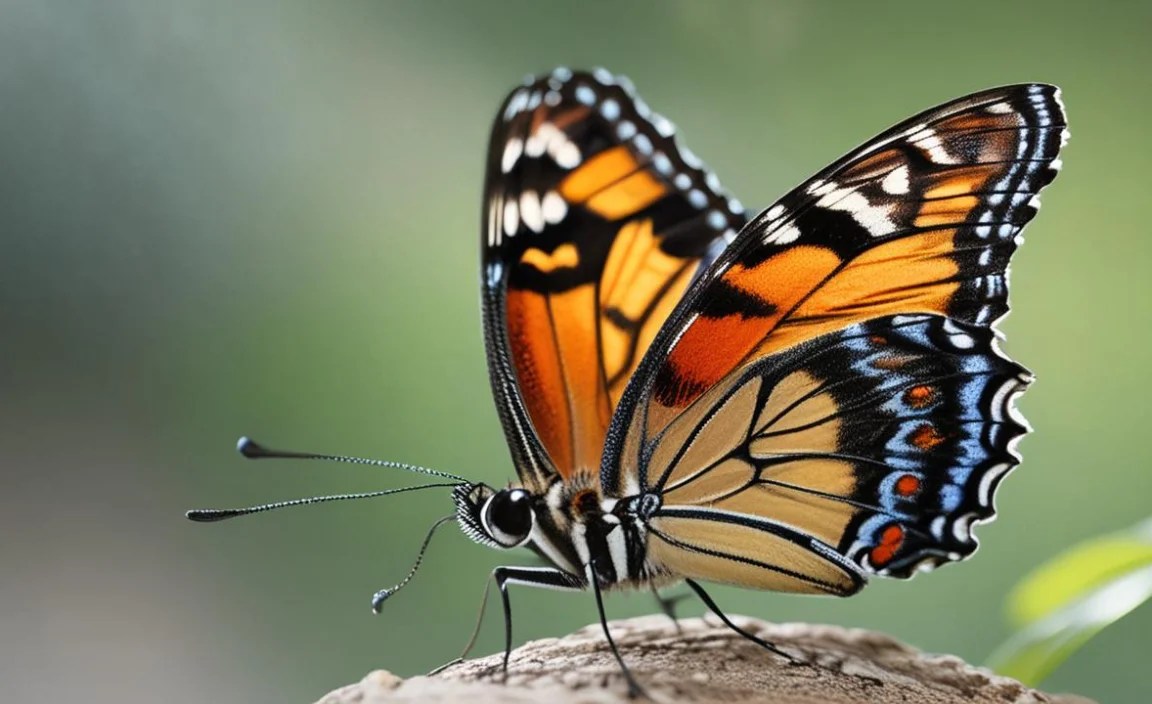
Let’s delve into some specific examples of European butterfly species and their unique behaviors.
The Brimstone (Gonepteryx rhamni)
The Brimstone is a long-lived butterfly known for its bright yellow color (in males) and its ability to hibernate as an adult. Its behavior includes:
- Hibernation: Brimstones hibernate in evergreen bushes, resembling a leaf to avoid predators.
- Flight Pattern: They have a strong, fast flight, often seen patrolling hedges and woodland edges.
- Egg-Laying: Females lay eggs singly on the leaves of buckthorn plants, the sole food source for their caterpillars.
The Swallowtail (Papilio machaon)
The Swallowtail is one of Europe’s largest and most striking butterflies. Its behavior includes:
- Flight: A powerful and graceful flier, often soaring high in the sky.
- Feeding: Adults visit a variety of flowers for nectar, while caterpillars feed on plants like fennel and milk parsley.
- Defense: Caterpillars have a defensive organ called an osmeterium, which they display when threatened, emitting a foul odor.
The Small Tortoiseshell (Aglais urticae)
The Small Tortoiseshell is a common and widespread butterfly known for its distinctive orange, black, and blue markings. Its behavior includes:
- Basking: They often bask in the sun to warm up their bodies, especially in the early morning.
- Migration: Some populations undertake short migrations, moving to more favorable breeding grounds.
- Hibernation: Adults hibernate in sheds, garages, and other sheltered locations, often emerging on warm winter days.
The Adonis Blue (Lysandra bellargus)
The Adonis Blue is a beautiful butterfly with bright blue wings (in males) and a close association with chalk grasslands. Its behavior includes:
- Habitat Preference: They are highly dependent on chalk grasslands with short turf, where their larval food plant, horseshoe vetch, grows.
- Myrmecophily: Caterpillars have a symbiotic relationship with ants, which protect them from predators in exchange for sugary secretions.
- Courtship: Males engage in elaborate courtship displays, fluttering around females and releasing pheromones.
Attracting Butterflies to Your Garden

One of the best ways to observe butterfly behavior is to attract them to your garden. By providing the right food, shelter, and water, you can create a butterfly-friendly habitat that supports these beautiful creatures.
- Plant Nectar-Rich Flowers: Choose a variety of flowers that provide nectar throughout the butterfly season. Some good options include buddlejas, lavender, coneflowers, and asters.
- Provide Host Plants: Plant the host plants that butterfly caterpillars need to feed on. Some examples include milkweed for Monarchs, nettles for Small Tortoiseshells, and buckthorn for Brimstones.
- Offer a Water Source: Butterflies need water to drink. Provide a shallow dish of water with pebbles or sand for them to land on.
- Provide Shelter: Plant trees and shrubs to provide butterflies with shelter from wind and rain.
- Avoid Pesticides: Do not use pesticides in your garden, as they can harm butterflies and other beneficial insects.
By following these tips, you can create a beautiful and ecologically valuable garden that attracts a wide variety of butterflies.
Tools and Resources for Butterfly Observation
To enhance your butterfly observation experience, consider using these tools and resources:
- Binoculars: A good pair of binoculars will allow you to observe butterflies from a distance without disturbing them.
- Butterfly Field Guide: A field guide will help you identify different butterfly species and learn about their behavior and habitat.
- Camera: A camera with a telephoto lens will allow you to capture stunning photos of butterflies in their natural environment.
- Notebook and Pen: Keep a notebook and pen handy to record your observations, including the date, time, location, and behavior of the butterflies you see.
- Online Resources: Explore websites like the Butterfly Conservation and the Xerces Society for information on butterfly identification, conservation, and habitat management.
FAQ About European Butterfly Species Behavior
What is the most common butterfly behavior to observe?
One of the most common behaviors to observe is nectar feeding. Butterflies are often seen visiting flowers to sip nectar, which provides them with energy.
How do butterflies find their mates?
Butterflies use a combination of visual displays, pheromones, and physical interactions to find mates. Males often perform elaborate flight displays to attract females, and both sexes release pheromones to communicate.
What do butterflies do in the winter?
Butterflies have various overwintering strategies, including hibernating as adults, larvae, pupae, or eggs. The specific strategy depends on the species and the climate.
Are butterflies important for the environment?
Yes, butterflies are important pollinators and play a vital role in the ecosystems they inhabit. They help plants reproduce and contribute to the biodiversity of their habitats.
How can I help protect butterflies?
You can help protect butterflies by planting nectar-rich flowers and host plants in your garden, avoiding pesticides, and supporting conservation organizations that work to protect butterfly habitats.
What is mimicry in butterflies?
Mimicry is a defense mechanism where some butterflies resemble toxic or distasteful species. This fools predators into thinking they are also unpleasant to eat, protecting them from attack.
Do all butterflies migrate?
No, not all butterflies migrate. However, some European species, like the Painted Lady and Clouded Yellow, undertake impressive long-distance migrations to find suitable breeding grounds or escape unfavorable conditions.
Conclusion
Understanding the behavior of European butterfly species opens a window into the intricate workings of nature. From their incredible migrations and delicate courtship rituals to their ingenious defense mechanisms, butterflies showcase the beauty and complexity of the natural world. By learning about their habits and needs, we can better appreciate these fascinating creatures and take steps to protect them. Whether you’re a seasoned naturalist or a budding butterfly enthusiast, there’s always something new to discover in the world of European butterflies. So, get outside, observe, and let the wonder of these winged jewels inspire you to become a steward of our planet!


