
Butterflies in Himalayan Biodiversity Hotspot: A Secret?

The Himalayan biodiversity hotspot boasts an incredible array of butterflies! This region is home to over 600 butterfly species, many of which are found nowhere else on Earth. Discover their vibrant colors, unique adaptations, and the vital role they play in this fragile ecosystem. We’ll also cover how you can help protect these beautiful creatures.
Have you ever dreamed of seeing a kaleidoscope of butterflies flitting through lush, green landscapes? The Himalayas are one of the best places to witness this magical sight! This region is a biodiversity hotspot, meaning it’s packed with an extraordinary number of plant and animal species. But figuring out where to start and how to appreciate these delicate creatures can be daunting. Don’t worry; we’re here to help you understand the world of Himalayan butterflies and how you can contribute to their conservation.
In this guide, we’ll explore the amazing diversity of butterflies in the Himalayas, their habitats, and the threats they face. We’ll also provide practical tips on how to identify different species and how to support their protection. Get ready to embark on a colorful journey into the heart of the Himalayas!
Butterflies in the Himalayan Biodiversity Hotspot: A Colorful Introduction

The Himalayas, a majestic mountain range stretching across several countries, are not only known for their breathtaking peaks but also for their rich biodiversity. Among the most captivating inhabitants of this region are the butterflies. With their vibrant colors and delicate wings, they add a touch of magic to the Himalayan landscape.
What Makes the Himalayas a Butterfly Hotspot?
Several factors contribute to the incredible butterfly diversity in the Himalayas:
- Diverse Habitats: The Himalayas offer a wide range of habitats, from subtropical forests to alpine meadows. Each habitat supports different butterfly species adapted to specific conditions.
- Varied Climate: The climate varies greatly with altitude, creating a mosaic of microclimates that cater to different butterfly species.
- Rich Flora: The Himalayas are home to a vast array of flowering plants, providing ample food sources for butterfly larvae (caterpillars) and adult butterflies.
- Geographical Isolation: The isolation of certain valleys and mountain ranges has led to the evolution of unique, endemic butterfly species.
Why are Butterflies Important?
Butterflies play a crucial role in the Himalayan ecosystem:
- Pollination: Butterflies are important pollinators, helping to fertilize plants and maintain plant diversity.
- Food Source: They serve as a food source for birds, reptiles, and other animals.
- Indicators of Environmental Health: Butterfly populations are sensitive to environmental changes, making them valuable indicators of ecosystem health. A decline in butterfly numbers can signal habitat degradation or pollution.
Identifying Himalayan Butterflies: A Beginner’s Guide

Identifying butterflies can seem challenging, but with a few basic tips, you can start recognizing different species. Here are some key features to look for:
- Size and Shape: Note the overall size of the butterfly and the shape of its wings. Some butterflies have rounded wings, while others have pointed or elongated wings.
- Color and Pattern: Pay attention to the colors and patterns on the wings. Are there stripes, spots, or bands? What colors are dominant?
- Habitat: Where did you see the butterfly? Different species prefer different habitats, such as forests, meadows, or streamsides.
- Flight Behavior: How does the butterfly fly? Is it a strong, fast flier, or does it flutter gently?
Common Himalayan Butterfly Families
Here are some of the most common butterfly families you’ll encounter in the Himalayas:
- Papilionidae (Swallowtails): These are large, striking butterflies with distinctive “tails” on their hindwings. Examples include the Common Yellow Swallowtail and the Himalayan Swallowtail.
- Pieridae (Whites and Yellows): As the name suggests, these butterflies are typically white or yellow, often with black markings. Common species include the Cabbage White and the Lemon Emigrant.
- Nymphalidae (Brush-footed Butterflies): This is a large and diverse family, including butterflies like the Monarch, Painted Lady, and various fritillaries. They are called “brush-footed” because their front legs are reduced and used for sensory purposes rather than walking.
- Lycaenidae (Blues, Coppers, and Hairstreaks): These are small, often brightly colored butterflies. Many species have delicate “tails” on their hindwings and iridescent scales that give them a shimmering appearance.
Key Butterfly Species to Look Out For
Here’s a table highlighting some key butterfly species found in the Himalayan region, along with their common habitats and distinguishing features:
| Species Name | Family | Habitat | Distinguishing Features |
|---|---|---|---|
| Common Yellow Swallowtail (Papilio machaon) | Papilionidae | Open meadows, gardens | Yellow wings with black stripes and “tails” |
| Himalayan Swallowtail (Princeps memnon) | Papilionidae | Forests, hillsides | Large, black wings with iridescent blue markings |
| Cabbage White (Pieris brassicae) | Pieridae | Gardens, agricultural areas | White wings with black tips |
| Lemon Emigrant (Catopsilia pomona) | Pieridae | Open woodlands, roadsides | Yellow wings, sometimes with pinkish hues |
| Monarch (Danaus plexippus) | Nymphalidae | Fields, gardens | Orange wings with black veins and white spots |
| Indian Red Admiral (Vanessa indica) | Nymphalidae | Forest edges, gardens | Dark brown wings with red bands and white spots |
| Common Blue (Polyommatus icarus) | Lycaenidae | Grasslands, meadows | Bright blue wings (males), brownish-blue (females) |
| Common Pierrot (Castalius rosimon) | Lycaenidae | Gardens, scrublands | White wings with black spots |
Where to See Butterflies in the Himalayas

The Himalayas offer numerous locations for butterfly enthusiasts to explore. Here are some of the best places to see butterflies:
- National Parks and Sanctuaries: Many national parks and wildlife sanctuaries in the Himalayas provide protected habitats for butterflies. Some notable examples include:
- Great Himalayan National Park (Himachal Pradesh, India): Known for its diverse flora and fauna, including a wide variety of butterfly species.
- Nanda Devi National Park (Uttarakhand, India): A UNESCO World Heritage Site, home to numerous butterfly species adapted to high-altitude environments.
- Eaglenest Wildlife Sanctuary (Arunachal Pradesh, India): A biodiversity hotspot with a rich butterfly fauna, including several rare and endemic species.
- Botanical Gardens: Botanical gardens often cultivate butterfly-friendly plants, attracting a variety of species.
- Hiking Trails: Exploring hiking trails through forests and meadows can be a rewarding way to observe butterflies in their natural habitat.
- Butterfly Gardens: Some areas have established butterfly gardens specifically designed to attract and conserve butterfly species.
Best Time to Visit
The best time to see butterflies in the Himalayas is during the warmer months, from late spring to early autumn (April to October). During this period, many butterfly species are active, and flowering plants provide ample nectar sources.
Threats to Himalayan Butterflies

Despite their beauty and ecological importance, Himalayan butterflies face numerous threats:
- Habitat Loss: Deforestation, urbanization, and agricultural expansion are destroying butterfly habitats.
- Climate Change: Changing climate patterns can disrupt butterfly life cycles and alter their distribution.
- Pesticide Use: Pesticides used in agriculture can harm or kill butterflies and their larvae.
- Over-collection: In some areas, butterflies are collected for trade, further threatening their populations.
The Impact of Climate Change
Climate change poses a significant threat to Himalayan butterflies. Rising temperatures can cause butterflies to shift their ranges to higher altitudes, potentially leading to habitat loss and competition with other species. Changes in rainfall patterns can also affect butterfly breeding cycles and food availability. According to a study by the International Union for Conservation of Nature (IUCN), many Himalayan butterfly species are vulnerable to climate change due to their limited dispersal abilities and specialized habitat requirements.
How to Help Protect Himalayan Butterflies

There are many ways you can contribute to the conservation of Himalayan butterflies:
- Support Conservation Organizations: Donate to or volunteer with organizations working to protect butterfly habitats in the Himalayas.
- Promote Sustainable Practices: Advocate for sustainable land management practices that minimize habitat destruction and pesticide use.
- Create Butterfly-Friendly Gardens: Plant native flowering plants that provide nectar for adult butterflies and food for caterpillars.
- Educate Others: Share your knowledge and passion for butterflies with friends, family, and your community.
- Reduce Your Carbon Footprint: By reducing your carbon footprint, you can help mitigate the impacts of climate change on butterfly populations.
- Citizen Science: Participate in citizen science projects that monitor butterfly populations and collect data on their distribution and abundance.
Creating Butterfly-Friendly Gardens
One of the most effective ways to help butterflies is to create butterfly-friendly gardens. Here are some tips:
- Plant Native Species: Choose native plants that are adapted to your local climate and provide the best food sources for butterflies and caterpillars.
- Provide Nectar Sources: Plant a variety of flowering plants that bloom at different times of the year to provide a continuous supply of nectar.
- Offer Host Plants: Include host plants that caterpillars can feed on. Different butterfly species have different host plant preferences.
- Avoid Pesticides: Use natural pest control methods to protect butterflies and other beneficial insects.
- Provide Water: Butterflies need water to drink. Provide a shallow dish of water with pebbles or sand for them to land on.
- Offer Shelter: Provide shelter from wind and rain by planting shrubs and trees.
Host Plants for Himalayan Butterflies
Here’s a table of some host plants that caterpillars of Himalayan butterfly species can feed on:
| Butterfly Species | Host Plant |
|---|---|
| Common Yellow Swallowtail (Papilio machaon) | Fennel, Dill, Rue |
| Himalayan Swallowtail (Princeps memnon) | Citrus trees, Curry leaf |
| Cabbage White (Pieris brassicae) | Cabbage, Broccoli, Mustard |
| Indian Red Admiral (Vanessa indica) | Nettle (Urtica species) |
| Common Blue (Polyommatus icarus) | Clovers, Bird’s-foot Trefoil |
Documenting Your Butterfly Sightings
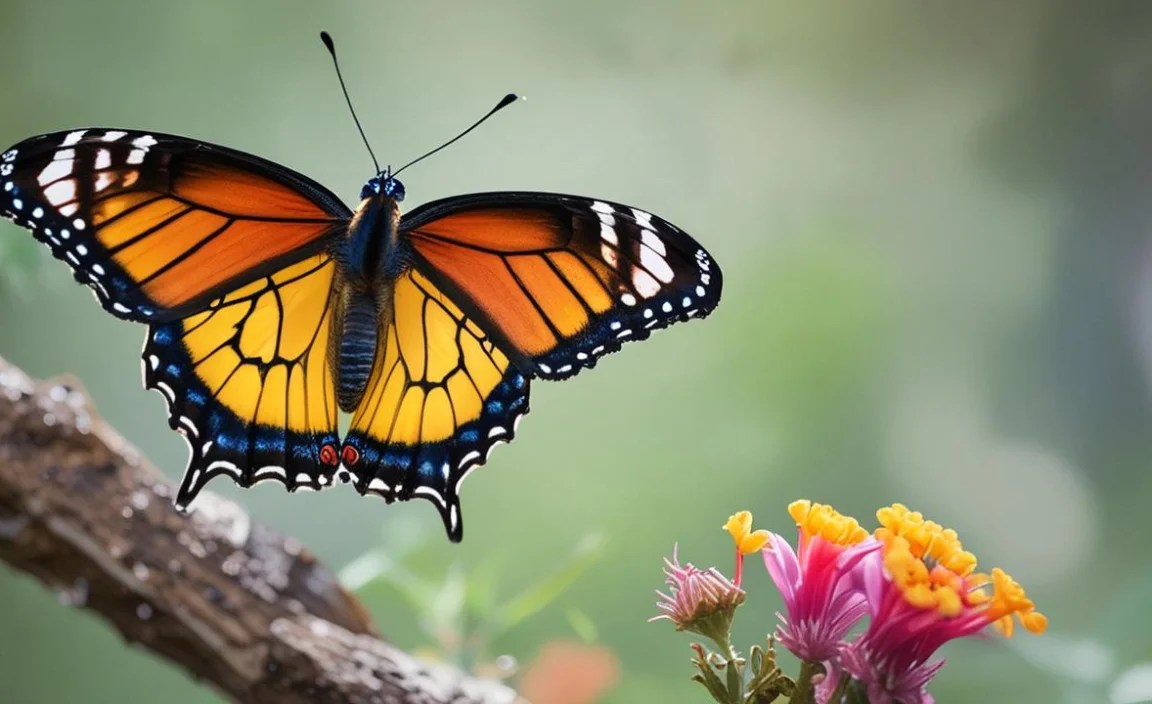
Documenting your butterfly sightings is a valuable way to contribute to butterfly conservation. By recording the species, date, location, and habitat of your sightings, you can help scientists track butterfly populations and monitor changes in their distribution. Here are some tips for documenting your butterfly sightings:
- Take Photos: Capture clear photos of the butterflies you see. Photos can help you identify the species later and provide valuable documentation for researchers.
- Keep a Notebook: Record your sightings in a notebook or journal. Include the date, time, location, habitat, and any other relevant information.
- Use a GPS: If possible, use a GPS device to record the exact coordinates of your sightings.
- Submit Your Data: Share your data with citizen science projects or local butterfly monitoring programs.
Several online platforms and mobile apps can help you identify and document butterflies. Some popular options include:
- iNaturalist: A citizen science platform where you can record your observations of plants and animals, including butterflies.
- eButterfly: A website and mobile app specifically designed for tracking butterflies.
- Project Noah: Another citizen science platform where you can share your wildlife sightings.
FAQ: Butterflies in the Himalayan Biodiversity Hotspot
Q1: What is a biodiversity hotspot?
A1: A biodiversity hotspot is a region with a high concentration of endemic species (species found nowhere else) that is also experiencing significant habitat loss.
Q2: How many butterfly species are found in the Himalayas?
A2: The Himalayan biodiversity hotspot is home to over 600 species of butterflies, making it one of the richest butterfly regions in the world.
Q3: What are the main threats to butterflies in the Himalayas?
A3: The main threats include habitat loss due to deforestation and urbanization, climate change, pesticide use, and over-collection.
Q4: What can I plant in my garden to attract butterflies?
A4: Plant native flowering plants that provide nectar for adult butterflies and host plants that caterpillars can feed on. Some examples include fennel, dill, citrus trees, and clovers.
Q5: What is the best time of year to see butterflies in the Himalayas?
A5: The best time to see butterflies is during the warmer months, from late spring to early autumn (April to October).
Q6: How can I participate in butterfly conservation?
A6: You can support conservation organizations, promote sustainable practices, create butterfly-friendly gardens, educate others, and participate in citizen science projects.
Q7: Are there any butterfly gardens in the Himalayas?
A7: Yes, some areas have established butterfly gardens specifically designed to attract and conserve butterfly species. Check local tourist information centers for locations.
Conclusion: Embrace the Beauty and Protect the Future of Himalayan Butterflies
The butterflies of the Himalayan biodiversity hotspot are a treasure worth protecting. Their vibrant colors, delicate beauty, and crucial role in the ecosystem make them an essential part of this unique region. By understanding the threats they face and taking action to support their conservation, we can ensure that future generations will have the opportunity to witness the magic of Himalayan butterflies.
Whether you’re a seasoned naturalist or a curious beginner, there’s always something new to discover in the world of butterflies. So, get out there, explore the Himalayan landscape, and marvel at the beauty of these incredible creatures. And remember, every small action counts when it comes to protecting our planet’s biodiversity.


