
Swallowtail Butterfly Reproducing Habits: Secret Tips

Swallowtail butterfly reproduction involves a fascinating sequence, starting with courtship rituals where males attract females through vibrant displays. After mating, the female lays her eggs, typically one at a time, on specific host plants that will nourish the caterpillars. These eggs hatch into larvae (caterpillars), which grow and molt several times before forming a chrysalis. Inside the chrysalis, the caterpillar transforms into a beautiful adult butterfly, ready to start the cycle anew.
Have you ever wondered how those magnificent swallowtail butterflies grace our gardens year after year? Understanding their reproduction is key to appreciating and protecting these beautiful creatures. It might seem complex at first, but it’s actually a wonderfully intricate process. Many gardeners find it frustrating when they don’t see these butterflies thriving, and knowing their reproductive habits can make all the difference.
In this guide, we’ll explore each step of the swallowtail butterfly’s reproductive cycle, from courtship to the emergence of new butterflies. We will look at the host plants they need, the conditions that help them thrive, and how you can create a butterfly-friendly habitat in your own backyard. Get ready to uncover the secrets of swallowtail reproduction and turn your garden into a butterfly paradise!
Swallowtail Butterfly Reproduction: A Step-by-Step Guide
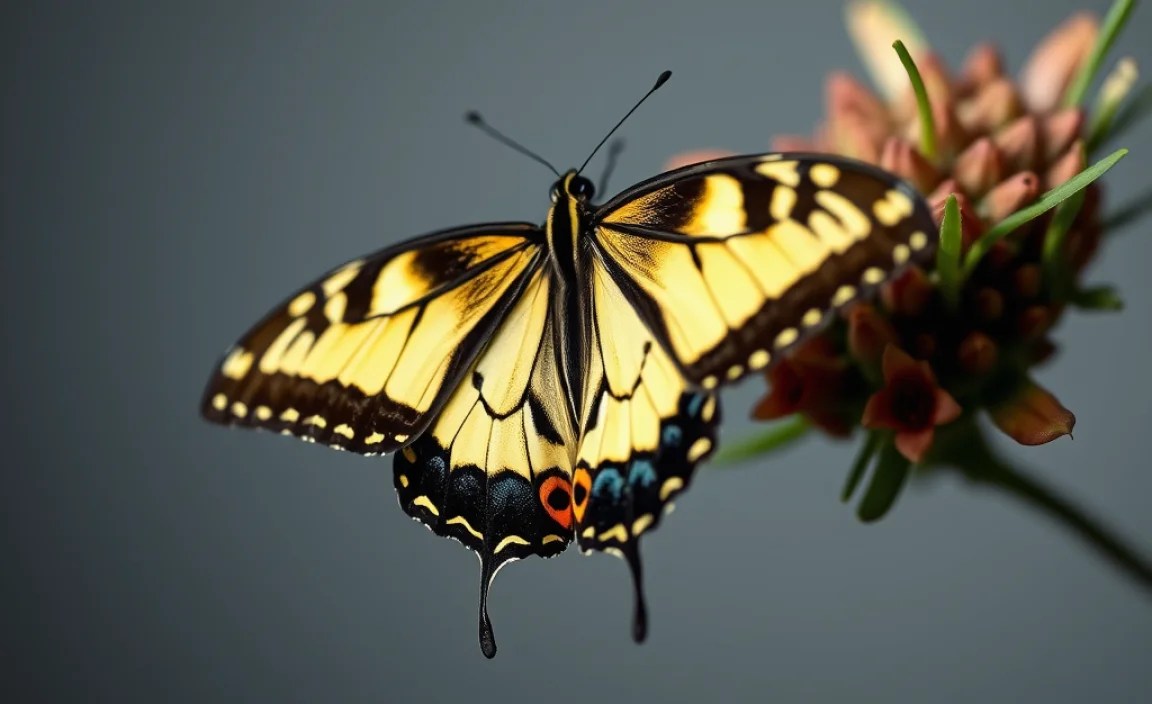
Swallowtail butterfly reproduction is a multi-stage process that involves courtship, mating, egg-laying, larval development, pupation, and emergence. Each stage is crucial for the continuation of the species.
1. Courtship and Mating
The swallowtail butterfly reproductive journey begins with courtship. Male swallowtails use visual cues and pheromones to attract females. These displays are often elaborate and mesmerizing.
- Visual Displays: Males perform aerial dances to catch the attention of females. This can involve specific flight patterns that highlight their bright colors.
- Pheromones: Male butterflies release pheromones, chemical signals that attract females. These scents are species-specific, ensuring that mating occurs between the correct types of butterflies.
- Territorial Behavior: Males often establish territories and defend them against other males. This ensures that they have exclusive access to females within their territory.
Once a female is attracted, mating occurs. Swallowtail butterflies typically mate multiple times throughout their lives.
2. Egg Laying
After mating, the female swallowtail begins the crucial task of laying eggs. This is a critical stage as the survival of the next generation depends on the mother’s choice of host plant.
- Host Plant Selection: Female swallowtails are very particular about where they lay their eggs. They choose specific host plants that will provide the right nutrition for their caterpillars.
- Single Egg Laying: Most swallowtail species lay their eggs singly on the host plant. This reduces competition among the caterpillars when they hatch.
- Egg Placement: The female carefully places the egg on a leaf, stem, or flower of the host plant, ensuring it is securely attached.
Here’s a list of common host plants for different swallowtail species:
| Swallowtail Species | Common Host Plants |
|---|---|
| Eastern Black Swallowtail | Parsley, dill, fennel, carrot |
| Tiger Swallowtail | Wild cherry, tulip tree, birch |
| Giant Swallowtail | Citrus trees, Hercules’ club |
| Pipevine Swallowtail | Pipevine (Aristolochia) |
3. Larval Stage (Caterpillar)
Once the eggs hatch, the larval stage begins. The larva, or caterpillar, is primarily a feeding machine, growing rapidly and molting several times.
- Feeding: Caterpillars have a voracious appetite. They eat constantly to accumulate the energy needed for growth and metamorphosis.
- Molting: As the caterpillar grows, it sheds its skin (molts) several times. Each stage between molts is called an instar. Swallowtail caterpillars typically go through five instars.
- Defense Mechanisms: Caterpillars have various defense mechanisms to protect themselves from predators. These include camouflage, bright colors, and osmeteria, which are forked, foul-smelling organs that can be everted from behind the head.
4. Pupation (Chrysalis)
After the final larval instar, the caterpillar enters the pupal stage, forming a chrysalis. This is a period of dramatic transformation.
- Chrysalis Formation: The caterpillar finds a secure location and transforms into a chrysalis. The chrysalis can be suspended from a branch or hidden among leaves.
- Metamorphosis: Inside the chrysalis, the caterpillar undergoes a complete metamorphosis. Its tissues break down and reorganize to form the adult butterfly.
- Duration: The duration of the pupal stage varies depending on the species and environmental conditions, typically lasting from a week to several months.
5. Emergence (Adult Butterfly)
The final stage of the reproductive cycle is the emergence of the adult butterfly from the chrysalis. This is a delicate and critical time.
- Emergence Process: The butterfly emerges from the chrysalis, its wings crumpled and wet. It pumps hemolymph (insect blood) into its wings to expand them.
- Wing Drying: The butterfly must dry its wings before it can fly. This process can take several hours.
- Reproduction: Once the wings are dry and the butterfly is ready to fly, it seeks a mate, and the reproductive cycle begins anew.
Factors Influencing Swallowtail Butterfly Reproduction

Several factors influence the reproductive success of swallowtail butterflies. These include environmental conditions, habitat availability, and the presence of predators and parasites.
Environmental Conditions
Environmental conditions play a significant role in swallowtail butterfly reproduction. Temperature, humidity, and sunlight affect the growth and development of both the caterpillars and the chrysalises.
- Temperature: Warm temperatures are generally favorable for swallowtail reproduction. They speed up the development of caterpillars and chrysalises.
- Humidity: Adequate humidity is necessary to prevent the eggs and caterpillars from drying out.
- Sunlight: Sunlight provides the energy needed for plant growth, which is essential for the caterpillars’ food supply.
Habitat Availability
The availability of suitable habitat is crucial for swallowtail butterfly reproduction. This includes the presence of host plants, nectar sources, and shelter from predators.
- Host Plants: The most important factor is the availability of host plants for the caterpillars. Without these plants, the caterpillars cannot survive.
- Nectar Sources: Adult butterflies need nectar for energy. Planting nectar-rich flowers can attract butterflies to your garden and encourage them to reproduce.
- Shelter: Butterflies need shelter from wind and rain. Trees, shrubs, and tall grasses can provide this shelter.
Predators and Parasites
Predators and parasites can significantly impact swallowtail butterfly reproduction. Birds, spiders, and parasitic wasps can prey on eggs, caterpillars, and chrysalises.
- Birds: Birds are a major predator of caterpillars. Providing shelter and hiding places can help protect caterpillars from birds.
- Spiders: Spiders can prey on eggs and caterpillars. Keeping your garden clean and free of spiderwebs can help reduce spider predation.
- Parasitic Wasps: Parasitic wasps lay their eggs inside caterpillars or chrysalises. The wasp larvae then feed on the host, eventually killing it. Attracting beneficial insects that prey on parasitic wasps can help control their populations.
How to Attract Swallowtail Butterflies to Your Garden

Creating a butterfly-friendly garden is a great way to support swallowtail butterfly reproduction. By providing the right host plants, nectar sources, and shelter, you can create a welcoming habitat for these beautiful creatures.
Plant Host Plants
The most important thing you can do to attract swallowtail butterflies to your garden is to plant their host plants. Different swallowtail species have different host plant preferences, so research which species are common in your area and plant their preferred host plants.
- Eastern Black Swallowtail: Plant parsley, dill, fennel, and carrot.
- Tiger Swallowtail: Plant wild cherry, tulip tree, and birch.
- Giant Swallowtail: Plant citrus trees and Hercules’ club.
- Pipevine Swallowtail: Plant pipevine (Aristolochia).
Provide Nectar Sources
Adult butterflies need nectar for energy. Plant a variety of nectar-rich flowers that bloom throughout the growing season to provide a continuous food supply.
- Good Nectar Sources: Include butterfly bush (Buddleja), zinnias, coneflowers (Echinacea), and milkweed (Asclepias).
- Planting Strategy: Plant flowers in clusters to make it easier for butterflies to find them.
- Avoid Pesticides: Avoid using pesticides, as they can harm butterflies and other beneficial insects.
Create Shelter
Butterflies need shelter from wind, rain, and predators. Provide trees, shrubs, and tall grasses to create a safe and welcoming habitat.
- Trees and Shrubs: Plant trees and shrubs to provide shelter from wind and rain.
- Tall Grasses: Allow some areas of your garden to grow wild with tall grasses, which can provide shelter for caterpillars and chrysalises.
- Rock Piles: Create rock piles to provide basking spots for butterflies.
Provide a Water Source
Butterflies need water to stay hydrated. Provide a shallow dish of water with pebbles or marbles for them to land on.
- Shallow Dish: Use a shallow dish or saucer filled with water.
- Pebbles or Marbles: Place pebbles or marbles in the dish to provide landing spots for butterflies.
- Clean Water: Keep the water clean and fresh.
Avoid Pesticides
Pesticides can harm butterflies and other beneficial insects. Avoid using pesticides in your garden, or use them sparingly and selectively.
- Organic Gardening: Practice organic gardening techniques to control pests without harming butterflies.
- Beneficial Insects: Attract beneficial insects that prey on pests.
- Hand-Picking: Hand-pick pests off plants whenever possible.
Conservation Efforts for Swallowtail Butterflies
Swallowtail butterflies face numerous threats, including habitat loss, pesticide use, and climate change. Conservation efforts are essential to protect these beautiful creatures and ensure their survival.
Habitat Preservation
Protecting and restoring butterfly habitats is crucial for swallowtail butterfly conservation. This includes preserving natural areas, creating butterfly gardens, and promoting sustainable land management practices.
- Natural Areas: Support efforts to protect natural areas, such as forests, meadows, and wetlands.
- Butterfly Gardens: Create butterfly gardens in your backyard, school, or community.
- Sustainable Land Management: Promote sustainable land management practices that protect butterfly habitats.
Pesticide Reduction
Reducing pesticide use is essential to protect butterflies and other beneficial insects. This includes promoting organic farming practices, using pesticides sparingly and selectively, and educating the public about the dangers of pesticides.
- Organic Farming: Support organic farming practices that do not use pesticides.
- Selective Pesticide Use: Use pesticides sparingly and selectively, targeting only the pests that are causing problems.
- Public Education: Educate the public about the dangers of pesticides and promote alternatives.
Climate Change Mitigation
Climate change poses a significant threat to swallowtail butterflies. Mitigating climate change by reducing greenhouse gas emissions is essential to protect these creatures and their habitats.
- Reduce Emissions: Reduce your carbon footprint by using less energy, driving less, and eating locally.
- Support Climate Action: Support policies and initiatives that address climate change.
- Plant Trees: Plant trees to help absorb carbon dioxide from the atmosphere.
Citizen Science
Participating in citizen science projects can help researchers monitor butterfly populations and track their movements. This information can be used to inform conservation efforts.
- Butterfly Counts: Participate in butterfly counts to help monitor butterfly populations.
- Reporting Sightings: Report butterfly sightings to online databases.
- Monitoring Projects: Join monitoring projects to track butterfly movements and behaviors.
Swallowtail Butterfly Life Cycle Table

Here is a quick overview of the swallowtail butterfly life cycle:
| Stage | Description | Duration |
|---|---|---|
| Egg | Small, round or oval, laid on host plant | 3-7 days |
| Larva (Caterpillar) | Feeding stage, molts several times | 2-4 weeks |
| Pupa (Chrysalis) | Transformation stage, enclosed in a protective shell | 1-4 weeks |
| Adult Butterfly | Reproductive stage, feeds on nectar | 2-4 weeks |
FAQ About Swallowtail Butterfly Reproduction
1. What do swallowtail caterpillars eat?
Swallowtail caterpillars eat the leaves of specific host plants. The type of plant depends on the swallowtail species. For example, Eastern Black Swallowtail caterpillars eat plants like parsley, dill, and fennel.
2. How can I tell if a swallowtail egg is fertile?
Fertile swallowtail eggs often change color as they develop. They may start as pale yellow or green and darken over time. If the egg remains the same color and appears shriveled, it may not be fertile.
3. How long does it take for a swallowtail caterpillar to turn into a butterfly?
The entire process, from egg to butterfly, typically takes about one month. The larval stage lasts 2-4 weeks, and the pupal stage lasts 1-4 weeks, depending on the species and environmental conditions.
4. What is the chrysalis made of?
The chrysalis is made of a hardened protein material secreted by the caterpillar. This protective shell encases the caterpillar as it undergoes metamorphosis.
5. Do swallowtail butterflies migrate?
Some swallowtail species, like the Anise Swallowtail, may migrate short distances in response to seasonal changes or food availability. However, most swallowtail butterflies do not undertake long-distance migrations like Monarch butterflies.
6. How do I protect swallowtail caterpillars from predators?
You can protect swallowtail caterpillars by providing shelter, such as trees and shrubs, and by avoiding the use of pesticides. You can also cover host plants with netting to prevent birds and other predators from reaching the caterpillars.
7. What is the lifespan of an adult swallowtail butterfly?
The lifespan of an adult swallowtail butterfly is typically 2-4 weeks. During this time, they focus on reproduction and feeding on nectar.
Conclusion
Understanding the reproductive habits of swallowtail butterflies allows us to appreciate the intricacies of nature and take meaningful steps to protect these beautiful creatures. By providing the right host plants, nectar sources, and shelter, we can create butterfly-friendly habitats that support their life cycle. Conservation efforts, such as habitat preservation and pesticide reduction, are essential to ensure the survival of swallowtail butterflies for generations to come. So, let’s all do our part to create a world where these magnificent butterflies can thrive!


