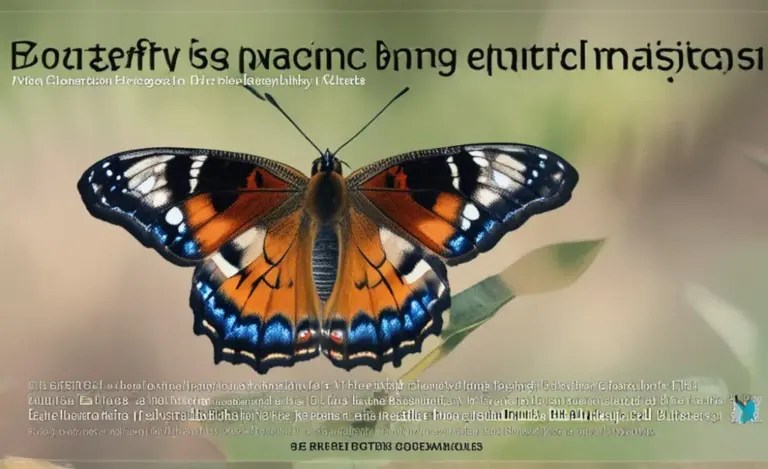
Rare European Butterfly List: Spot Them All!

Discover Europe’s rarest butterflies! This list highlights some of the most endangered and unique butterfly species across the continent. Learn about their habitats, threats, and conservation efforts. Spotlighting species like the Apollo, Large Blue, and Scarce Swallowtail, we’ll explore the challenges they face and how you can help protect these precious insects. From specific habitats to conservation initiatives, there are many ways to support these beautiful creatures.
Have you ever wondered about the butterflies that are on the brink? It’s easy to admire the common butterflies fluttering around our gardens, but what about the rare and endangered ones? These butterflies, often hidden away in specialized habitats, are facing serious threats. Habitat loss, climate change, and pollution are pushing them closer to extinction. It can feel overwhelming, but understanding the challenges and learning about conservation efforts can make a difference.
In this guide, we’ll explore a list of rare European butterflies, uncovering their unique characteristics and the dangers they face. We’ll also look at what’s being done to protect them and how you can contribute. Get ready to discover the hidden world of Europe’s rarest butterflies and find out how you can help preserve these delicate creatures for future generations.
Frequently Asked Questions (FAQs)
What makes a butterfly “rare”?
A butterfly is considered rare when its population size is small, its geographic distribution is limited, or both. Several factors, such as habitat loss and climate change, can contribute to a species’ rarity.
Why are rare butterflies important?
Rare butterflies are crucial indicators of ecosystem health. Their presence or absence can reflect the overall condition of their habitat. Protecting them helps preserve biodiversity and the natural balance of the environment.
What are the main threats to rare butterflies?
The primary threats include habitat destruction due to agriculture and urbanization, climate change altering their habitats, pollution from pesticides, and over-collection by enthusiasts.
Where can I find rare butterflies in Europe?
Rare butterflies are often found in specific, undisturbed habitats like alpine meadows, ancient woodlands, and coastal regions. Specific locations vary depending on the species.
How can I help protect rare butterflies?
You can support conservation organizations, participate in citizen science projects to monitor butterfly populations, create butterfly-friendly gardens, and advocate for policies that protect natural habitats.
What is being done to conserve rare butterflies?
Conservation efforts include habitat restoration, captive breeding programs, legislation to protect key habitats, and research to better understand the needs of these species.
Are there any specific laws protecting rare butterflies?
Yes, many European countries have laws protecting endangered species and their habitats. Additionally, international agreements like the Bern Convention also play a role in butterfly conservation.
A Glimpse into the World of Rare European Butterflies

Europe is home to a diverse array of butterfly species, each playing a vital role in its ecosystems. Sadly, many of these beautiful creatures are facing unprecedented threats. Let’s explore some of the rarest butterflies in Europe, understanding their unique characteristics and the challenges they encounter.
The Apollo (Parnassius apollo)
The Apollo is one of Europe’s most iconic and threatened butterflies. With its striking white wings adorned with distinctive red spots, it’s a sight to behold. The Apollo prefers alpine meadows and rocky slopes, habitats that are increasingly under threat from climate change and habitat degradation.
Key Characteristics:
- Large size with a wingspan of 62-80 mm
- Translucent white wings with prominent red spots
- Found in mountainous regions across Europe
Threats:
- Habitat loss due to ski resorts and infrastructure development
- Climate change affecting alpine habitats
- Over-collection in the past
Conservation Efforts:
- Habitat protection and restoration
- Reintroduction programs in some areas
- Monitoring of populations
The Large Blue (Phengaris arion)
The Large Blue is not just a rare butterfly, but also one with an extraordinary life cycle. This butterfly relies on a specific species of Myrmica ant to complete its development. The caterpillar feeds on Knapweed flowers, then tricks the ants into carrying it back to their nest, where it feeds on ant larvae.
Key Characteristics:
- Bright blue wings with black borders
- Complex lifecycle involving specific host plants and ant species
- Found in grassland habitats
Threats:
- Loss of grassland habitats
- Decline in Myrmica ant populations
- Changes in land management practices
Conservation Efforts:
- Habitat management to promote both the butterfly and its host ant
- Reintroduction programs
- Monitoring of populations
The Scarce Swallowtail (Iphiclides podalirius)
The Scarce Swallowtail is a stunning butterfly with elongated wings and elegant tails. It is found in warmer regions of Europe, favouring orchards and open woodlands. Its caterpillars feed on the leaves of fruit trees, making it vulnerable to pesticide use and habitat alteration.
Key Characteristics:
- Pale yellow wings with black stripes and long tails
- Found in warmer regions of Europe
- Caterpillars feed on fruit tree leaves
Threats:
- Pesticide use in orchards
- Habitat loss due to agricultural expansion
- Climate change affecting its distribution range
Conservation Efforts:
- Promoting sustainable agricultural practices
- Habitat conservation and restoration
- Monitoring of populations
The Chequered Skipper (Carterocephalus palaemon)
The Chequered Skipper is a small, but distinctive butterfly found in damp woodlands and grasslands. Its chequered wing pattern makes it easily recognizable. This species is highly sensitive to habitat changes, making it an indicator of healthy, undisturbed environments.
Key Characteristics:
- Small size with a chequered wing pattern
- Found in damp woodlands and grasslands
- Sensitive to habitat changes
Threats:
- Habitat loss due to drainage and afforestation
- Changes in woodland management
- Fragmentation of habitats
Conservation Efforts:
- Habitat management to maintain open woodlands and grasslands
- Restoration of degraded habitats
- Monitoring of populations
The Marsh Fritillary (Euphydryas aurinia)
The Marsh Fritillary is a butterfly of conservation concern across Europe. It is found in damp grasslands and meadows, where its caterpillars feed on Devil’s-bit Scabious. The butterfly’s populations fluctuate greatly, making it vulnerable to local extinctions due to habitat loss and fragmentation.
Key Characteristics:
- Orange and brown chequered wing pattern
- Found in damp grasslands and meadows
- Caterpillars feed on Devil’s-bit Scabious
Threats:
- Habitat loss due to agricultural intensification and drainage
- Fragmentation of habitats
- Changes in land management practices
Conservation Efforts:
- Habitat management to maintain suitable conditions for Devil’s-bit Scabious
- Restoration of degraded habitats
- Monitoring of populations
The High Brown Fritillary (Argynnis adippe)
The High Brown Fritillary is a striking butterfly with orange wings and intricate black markings. It prefers woodland clearings and bracken-dominated habitats. This species has suffered significant declines due to habitat loss and changes in woodland management practices.
Key Characteristics:
- Orange wings with intricate black markings
- Found in woodland clearings and bracken-dominated habitats
- Declining populations across Europe
Threats:
- Habitat loss due to woodland closure
- Changes in woodland management practices
- Lack of suitable bracken habitats
Conservation Efforts:
- Habitat management to create and maintain open woodland clearings
- Bracken management to provide suitable breeding habitats
- Monitoring of populations
The Silver-spotted Skipper (Hesperia comma)
The Silver-spotted Skipper is a small, but distinctive butterfly found on chalk grasslands. Its caterpillars feed on Sheep’s Fescue grass. This species has expanded its range in recent years, possibly due to climate change, but it remains vulnerable to habitat loss and fragmentation.
Key Characteristics:
- Small size with silver spots on the underside of the wings
- Found on chalk grasslands
- Caterpillars feed on Sheep’s Fescue grass
Threats:
- Habitat loss due to agricultural intensification
- Fragmentation of chalk grasslands
- Changes in grazing practices
Conservation Efforts:
- Habitat management to maintain chalk grasslands
- Restoration of degraded habitats
- Monitoring of populations
Threats to Rare European Butterflies

Several factors contribute to the decline of rare butterfly populations in Europe. Understanding these threats is crucial for implementing effective conservation strategies.
Habitat Loss and Fragmentation
The destruction and fragmentation of natural habitats are the primary drivers of butterfly decline. Urbanization, agricultural expansion, and infrastructure development all contribute to the loss of vital butterfly habitats. Fragmentation isolates populations, reducing genetic diversity and making them more vulnerable to extinction.
Climate Change
Climate change poses a significant threat to many butterfly species. Rising temperatures, altered rainfall patterns, and increased frequency of extreme weather events can disrupt butterfly life cycles and shift their distribution ranges. Alpine species like the Apollo are particularly vulnerable as their habitats shrink and become unsuitable.
Pollution
Pollution from pesticides, herbicides, and industrial emissions can have detrimental effects on butterflies and their habitats. Pesticides can directly kill butterflies and their caterpillars, while herbicides can eliminate the host plants they depend on. Air and water pollution can also degrade habitat quality, making it less suitable for butterflies.
Changes in Land Management Practices
Changes in agricultural and forestry practices can negatively impact butterfly populations. Intensification of agriculture, including the use of fertilizers and pesticides, reduces habitat diversity and eliminates food sources for caterpillars. Changes in woodland management, such as the cessation of traditional coppicing, can lead to the loss of open woodland habitats favoured by many butterfly species.
Over-Collection
Although less of a threat now than in the past, over-collection by butterfly enthusiasts can still impact rare and localized populations. Sustainable and ethical practices are essential for those interested in collecting or studying butterflies.
Conservation Efforts: Protecting Europe’s Rare Butterflies

Fortunately, numerous conservation efforts are underway to protect rare butterflies and their habitats. These initiatives involve collaboration between governments, conservation organizations, and local communities.
Habitat Protection and Restoration
Protecting and restoring butterfly habitats is a crucial conservation strategy. This can involve designating protected areas, implementing sustainable land management practices, and restoring degraded habitats. Habitat restoration may include planting native host plants, creating open woodland clearings, and managing grazing regimes.
Captive Breeding and Reintroduction Programs
Captive breeding programs can help boost populations of critically endangered butterflies. Butterflies are bred in controlled environments and then released into suitable habitats. These programs are often combined with habitat restoration efforts to ensure the butterflies have a suitable environment to thrive in.
Legislation and Policy
Strong environmental legislation and policies are essential for protecting butterflies and their habitats. This includes laws that protect endangered species, regulate pesticide use, and promote sustainable land management practices. International agreements, such as the Bern Convention, also play a role in butterfly conservation.
Monitoring and Research
Monitoring butterfly populations and conducting research are crucial for understanding their needs and the effectiveness of conservation efforts. Citizen science projects, where volunteers collect data on butterfly sightings, can provide valuable information for monitoring population trends and identifying conservation priorities. Research can also help identify the specific threats facing butterfly populations and develop targeted conservation strategies.
How You Can Help Rare European Butterflies

Everyone can play a role in protecting rare European butterflies. Here are some ways you can contribute:
Create a Butterfly-Friendly Garden
Planting native host plants and nectar sources in your garden can provide food and shelter for butterflies. Avoid using pesticides and herbicides, and provide a source of water. A butterfly-friendly garden can be a haven for local butterfly populations.
Support Conservation Organizations
Donating to or volunteering with conservation organizations that work to protect butterflies and their habitats can make a significant difference. These organizations often rely on public support to carry out their conservation activities.
Participate in Citizen Science Projects
Join a citizen science project to monitor butterfly populations in your area. This can involve recording butterfly sightings, participating in butterfly counts, and submitting data to online databases. Your contributions can help scientists track population trends and identify conservation priorities.
Advocate for Butterfly Conservation
Contact your elected officials and advocate for policies that protect butterflies and their habitats. Support legislation that promotes sustainable land management practices, regulates pesticide use, and protects endangered species. Your voice can make a difference in shaping environmental policy.
Educate Others
Share your knowledge about rare butterflies and the importance of conservation with your friends, family, and community. Educating others can raise awareness and inspire action to protect these beautiful creatures.
Examples of Successful Conservation Projects

Across Europe, numerous successful conservation projects have helped to protect rare butterfly populations. Here are a few examples:
The Large Blue Butterfly Project in the UK
The Large Blue butterfly went extinct in the UK in 1979 due to habitat loss and changes in land management practices. A long-term conservation project, involving habitat restoration and reintroduction, has successfully brought the Large Blue back from the brink. The project focused on restoring grassland habitats and managing grazing regimes to benefit both the butterfly and its host ant.
The Apollo Butterfly Conservation in the Alps
The Apollo butterfly has been the focus of numerous conservation efforts in the Alps. These efforts include habitat protection, reintroduction programs, and sustainable tourism initiatives. By working with local communities and promoting responsible tourism, conservationists have helped to protect Apollo populations and their alpine habitats.
The Marsh Fritillary LIFE Project in Ireland
The Marsh Fritillary LIFE Project in Ireland aimed to improve the conservation status of the Marsh Fritillary butterfly by restoring and managing its grassland habitats. The project involved working with farmers to implement sustainable grazing practices and restore degraded habitats. As a result, Marsh Fritillary populations have increased in the project areas.
Resources for Further Learning
If you’re interested in learning more about rare European butterflies, here are some valuable resources:
- Butterfly Conservation Europe: A leading organization dedicated to the conservation of European butterflies and their habitats.
- The Xerces Society: An international organization that protects wildlife through the conservation of invertebrates and their habitats.
- National Butterfly Recording Scheme: A UK-based scheme that collects data on butterfly sightings to monitor population trends and inform conservation efforts.
- European Environment Agency: Provides information on the state of the environment in Europe, including data on biodiversity and conservation efforts.
Conclusion
The world of rare European butterflies is a fascinating and fragile one. These butterflies, each with their unique characteristics and ecological roles, are facing unprecedented threats from habitat loss, climate change, and pollution. By understanding these challenges and supporting conservation efforts, we can help protect these precious creatures for future generations.
Whether it’s creating a butterfly-friendly garden, participating in citizen science projects, or advocating for stronger environmental policies, every action counts. Let’s work together to ensure that the skies of Europe continue to be graced by the beauty of these rare and wonderful butterflies. The future of these delicate creatures depends on our collective efforts. Let’s make a difference, one butterfly at a time.