
Painted Lady Nectar Plants: The Ultimate Guide

Have you ever seen a butterfly flutter by? Did you know they love to sip nectar from flowers? Butterflies need nectar to fly and live. One amazing butterfly is the painted lady. Painted lady butterflies travel far. They need special nectar plants. These plants give them energy for their long trips.
Painted lady butterflies are beautiful. They have orange, brown, and white wings. They can fly thousands of miles! That’s like flying from New York to California. To do this, they need lots of energy. Nectar plants are like their special fuel. These plants give them the sugary drink they need to keep going. So, what are the best painted lady nectar plants?
Many plants help these butterflies. Some plants have bright colors. Others have a sweet smell. These things attract the painted ladies. When the butterfly lands, it uses its long tongue. This tongue is like a straw. It sucks up the nectar. This gives the butterfly the energy it needs. Let’s learn about some of these amazing painted lady nectar plants.
It is important to help painted lady butterflies. We can plant their favorite nectar plants. This gives them food during their travels. It also helps them lay eggs. More butterflies mean more beauty for everyone. Are you ready to learn more about these important plants? Let’s explore the world of painted lady nectar plants!
Key Takeaways
- Painted lady butterflies need nectar plants to fuel their long migrations.
- Popular nectar plants include thistle, asters, and various wildflowers.
- Planting these plants helps support painted lady butterfly populations.
- Brightly colored and fragrant plants are especially attractive to painted ladies.
- Providing a variety of painted lady nectar plants ensures a constant food source.
Choosing the Best Painted Lady Nectar Plants

Choosing the best painted lady nectar plants is important. These butterflies need nectar for energy. The right plants can help them thrive. Consider the location where you live. Some plants grow better in certain areas. Think about the time of year, too. Some plants bloom in spring. Others bloom in summer or fall. Having plants that bloom at different times provides a constant food source. This helps the painted ladies throughout their life cycle. Look for plants with bright colors. Painted lady butterflies love bright colors. Also, choose plants with a strong scent. A sweet smell can attract butterflies from far away. Don’t forget to check if the plants are easy to grow. You want plants that you can take care of. This will ensure the plants stay healthy and produce lots of nectar for the butterflies.
- Select plants that bloom at different times.
- Choose plants native to your area.
- Look for brightly colored flowers.
- Consider plants with a strong, sweet scent.
- Make sure the plants are easy to care for.
Remember, a good mix of painted lady nectar plants is key. Variety is important for the butterflies. Different plants offer different nutrients. This helps the butterflies stay healthy and strong. You can create a beautiful garden for yourself. At the same time, you are helping the painted lady butterflies. It is a win-win situation for everyone. So, start planning your butterfly garden today. Choose the best painted lady nectar plants for your area. Watch the butterflies flutter and enjoy the beauty of nature.
What Kind of Garden Do Painted Ladies Need?
Have you ever wondered what makes a great butterfly garden? It is more than just pretty flowers. Painted ladies need a sunny spot. They also need shelter from the wind. A garden with different heights of plants is ideal. This gives them places to rest and hide. Include some rocks or flat stones. Butterflies like to bask in the sun on these. Make sure there is a water source nearby. A shallow dish with water and pebbles works well. The pebbles give the butterflies a place to land while they drink. Avoid using pesticides in your garden. These can harm the butterflies and other insects. Choose organic gardening methods instead. Plant a variety of nectar plants to attract painted ladies. This will create a beautiful and healthy habitat for them.
Why are Native Plants Important for Butterflies?
Imagine you are on a trip far away. Would you want food you recognize? Native plants are like familiar food for butterflies. They have grown together for a long time. Butterflies have adapted to feed on these plants. Native plants often provide the best nectar. They also serve as host plants for butterfly eggs. This means the caterpillars can eat the leaves of these plants. Non-native plants may not be as nutritious. They might even be harmful to the butterflies. Planting native plants helps support local butterfly populations. It also helps preserve biodiversity. Choose native painted lady nectar plants for a healthy garden. This will help the butterflies thrive in your area.
How Can You Attract More Painted Ladies?
Want to see more painted lady butterflies in your garden? One trick is to plant in clusters. Butterflies can spot a large group of flowers more easily. Use bright colors like purple, pink, and orange. These colors attract butterflies from a distance. Provide a shallow dish of water with some rocks. Butterflies need water, too. Add a butterfly house to your garden. This gives them a place to shelter from the rain and wind. Avoid using pesticides or herbicides. These chemicals can harm butterflies and other beneficial insects. Plant host plants for caterpillars. This will encourage butterflies to lay eggs in your garden. Observe your garden regularly and enjoy the beauty of the butterflies.
Fun Fact or Stat: Did you know that painted lady butterflies can fly up to 100 miles in a single day during their migration?
Top Nectar Plants for Painted Lady Butterflies
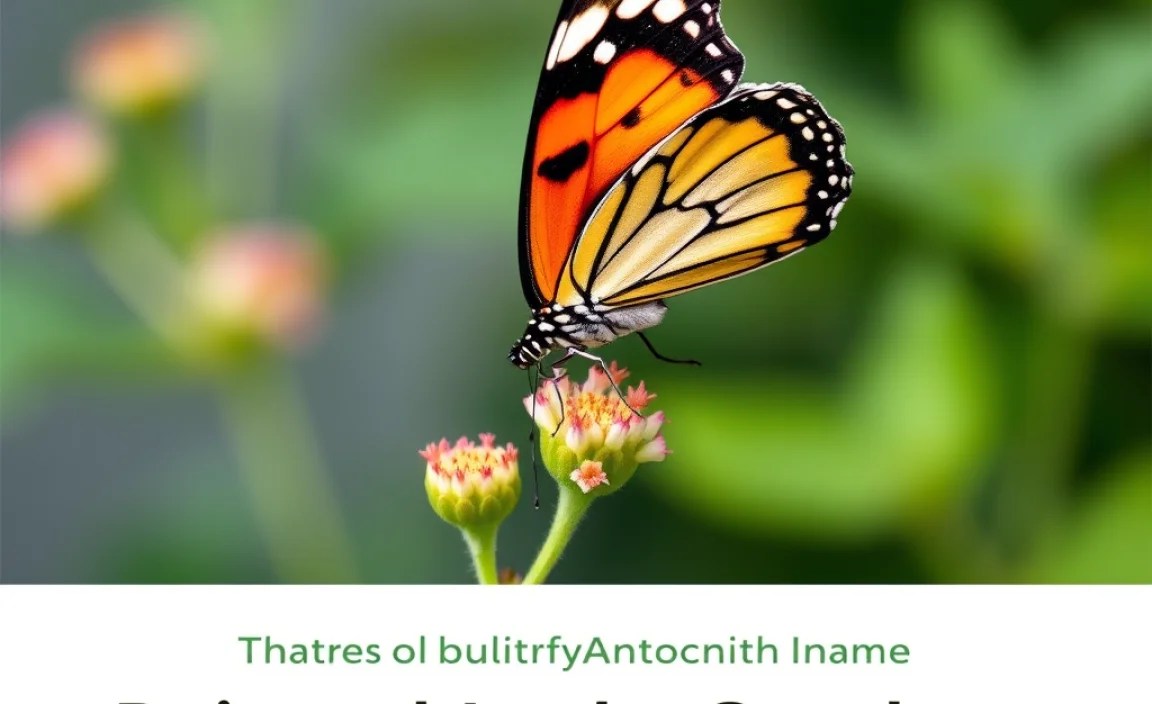
There are many great nectar plants for painted lady butterflies. Thistle is a popular choice. It has purple flowers that attract many butterflies. Asters are another good option. They bloom in the fall, providing late-season nectar. Zinnias are easy to grow and come in many colors. They are a favorite of painted ladies. Butterfly bush is another popular choice. It has long, fragrant flowers that butterflies love. Milkweed is important because it is a host plant for monarch butterflies. But painted ladies also enjoy its nectar. Goldenrod is a native plant that blooms in the fall. It provides a valuable food source for butterflies preparing for winter. Choose a variety of these plants to attract painted ladies to your garden. This will help them thrive and complete their life cycle.
- Thistle provides abundant nectar.
- Asters offer late-season blooms.
- Zinnias are easy to grow and colorful.
- Butterfly bush is fragrant and attractive.
- Milkweed supports both monarchs and painted ladies.
- Goldenrod provides fall nectar.
When selecting painted lady nectar plants, consider your local climate. Some plants grow better in certain regions. Native plants are always a good choice. They are well-suited to the local environment. They also provide the best food source for native butterflies. Check with your local garden center for recommendations. They can help you choose the best plants for your area. Remember to provide a sunny location and well-drained soil. This will help your plants thrive and attract more butterflies. By choosing the right nectar plants, you can create a beautiful and beneficial garden for painted lady butterflies.
What Makes Thistle a Great Nectar Source?
Have you ever looked closely at a thistle flower? Thistle is a fantastic nectar source for butterflies. It has many small flowers packed together. This creates a large landing pad for butterflies. The flowers are also rich in nectar. This provides a lot of energy for the butterflies. Thistle blooms for a long time. This gives butterflies a consistent food source. Many different kinds of butterflies are attracted to thistle. This makes it a great addition to any butterfly garden. Be careful when handling thistle. It has prickly leaves. But the benefits for butterflies make it worth it. Consider adding thistle to your painted lady nectar plants.
Why Are Asters Important for Fall Butterflies?
Imagine it’s late in the year. Many flowers have already faded. Where do butterflies get their food? Asters are the answer! They bloom in the fall when other flowers are gone. This makes them a vital nectar source for butterflies preparing for winter. Asters come in many colors, including purple, pink, and white. They are easy to grow and attract many different butterflies. Planting asters helps support butterfly populations. It provides them with the energy they need to survive. Include asters in your selection of painted lady nectar plants. This will help butterflies thrive even in the cooler months.
How Do Zinnias Attract Painted Ladies?
Have you ever noticed how colorful zinnias are? Painted ladies love these bright flowers. Zinnias come in many different colors and shapes. This makes them very attractive to butterflies. They also produce a lot of nectar. This gives butterflies the energy they need to fly. Zinnias are easy to grow from seed. This makes them a great choice for beginner gardeners. They bloom for a long time, providing a constant food source. Adding zinnias to your garden will attract painted ladies. It will also add beauty and color to your yard. Consider zinnias when choosing your painted lady nectar plants.
Fun Fact or Stat: Painted lady butterflies are one of the most widespread butterfly species in the world, found on every continent except Antarctica!
Creating a Butterfly Garden with Nectar Plants
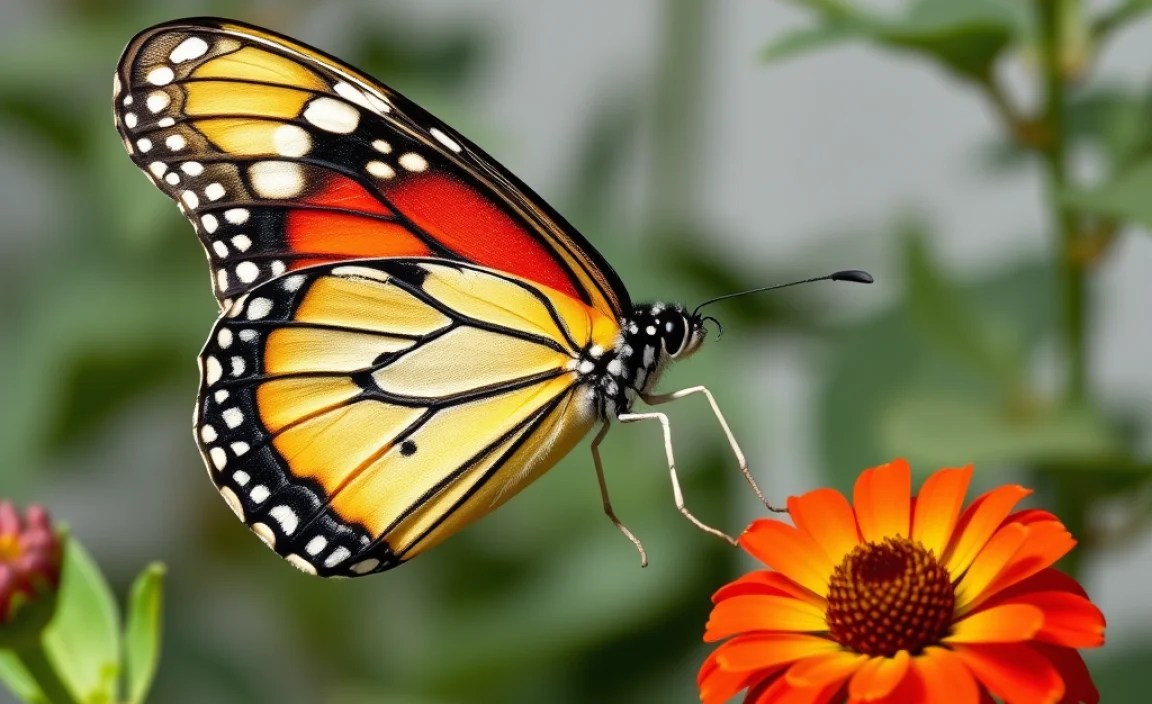
Creating a butterfly garden with nectar plants is fun. First, choose a sunny spot in your yard. Butterflies need sunlight to warm their bodies. Make sure the area has well-drained soil. Add compost to improve the soil quality. Select a variety of nectar plants. Choose plants that bloom at different times of the year. This provides a constant food source for the butterflies. Group similar plants together. This makes it easier for butterflies to find them. Include some host plants for caterpillars. This will encourage butterflies to lay eggs in your garden. Add a water source, such as a shallow dish with water. Avoid using pesticides or herbicides. These chemicals can harm butterflies and other insects. Enjoy watching the butterflies flutter around your garden. This is a rewarding experience for you and the butterflies.
- Choose a sunny location for your garden.
- Improve the soil with compost.
- Select a variety of nectar plants.
- Group similar plants together.
- Include host plants for caterpillars.
- Provide a water source for the butterflies.
Remember, a butterfly garden is more than just nectar plants. It is a habitat for butterflies to thrive. Consider adding rocks or logs for butterflies to bask on. Provide shelter from the wind with shrubs or trees. Plant native plants whenever possible. These plants are best suited to the local environment. They also provide the best food source for native butterflies. By creating a butterfly garden, you are helping to support butterfly populations. You are also creating a beautiful and enjoyable space for yourself. So, start planning your butterfly garden today. Choose the right painted lady nectar plants and enjoy the beauty of nature.
What Kind of Soil Do Nectar Plants Need?
Imagine you are building a house. The foundation is very important. Soil is like the foundation for plants. Most nectar plants need well-drained soil. This means the water doesn’t stay soggy around the roots. Soggy soil can cause the roots to rot. Add compost or other organic matter to improve the soil. This helps the soil drain better. It also provides nutrients for the plants. Some plants prefer sandy soil. Others prefer loamy soil. Check the specific needs of each plant before planting. Test your soil to see what kind it is. You can buy a soil testing kit at a garden center. Proper soil preparation is key to a healthy butterfly garden. This will help your nectar plants thrive and attract more butterflies.
How Can You Protect Butterflies from Predators?
Butterflies are beautiful, but they are also vulnerable. Birds, spiders, and other insects prey on butterflies. You can take steps to protect them. Provide shelter with shrubs and trees. This gives butterflies a place to hide. Avoid using pesticides, which can harm butterflies and other beneficial insects. Encourage natural predators of butterfly predators. Ladybugs and lacewings eat aphids and other pests. Create a water source for butterflies. This helps them stay hydrated and healthy. Observe your garden regularly and remove any pests or predators you see. By taking these steps, you can help protect butterflies. You will also create a safe and healthy habitat for them. Consider these tips when planting painted lady nectar plants.
Why is Watering Important for Nectar Plants?
Water is essential for all living things. Nectar plants need water to grow and produce nectar. Water helps the plants absorb nutrients from the soil. It also helps them stay healthy and strong. Water your plants regularly, especially during dry periods. Water deeply and less often. This encourages the roots to grow deeper. Avoid watering the leaves of the plants. This can lead to fungal diseases. Use a soaker hose or drip irrigation to water the roots directly. Check the soil moisture regularly. Stick your finger into the soil to see if it is dry. If the soil is dry, it is time to water. Proper watering is essential for healthy nectar plants. This will help attract more butterflies to your garden.
Fun Fact or Stat: Butterflies taste with their feet! Sensors on their feet help them find nectar sources.
Specific Plants and Their Nectar Qualities

Some plants are better nectar sources than others. It is important to know the nectar qualities of different plants. Butterfly bush is known for its abundant nectar. It attracts many different types of butterflies. Zinnias also produce a lot of nectar. They are easy to grow and come in many colors. Lantana is another good choice. It has colorful flowers and a long bloom time. Salvia is a great option for attracting hummingbirds and butterflies. It has long, tubular flowers that are rich in nectar. Coneflowers are native plants that provide nectar and seeds for wildlife. Milkweed is essential for monarch butterflies. But painted ladies also enjoy its nectar. Choose a variety of these plants to provide a diverse nectar source for butterflies.
- Butterfly bush offers abundant nectar.
- Zinnias are easy to grow and colorful.
- Lantana has a long bloom time.
- Salvia attracts hummingbirds and butterflies.
- Coneflowers provide nectar and seeds.
- Milkweed is essential for monarch butterflies and good for painted ladies.
When choosing painted lady nectar plants, consider the bloom time. Some plants bloom in the spring. Others bloom in the summer or fall. Having plants that bloom at different times provides a constant food source. Also, consider the size and shape of the flowers. Butterflies prefer flowers with a wide landing pad. This makes it easier for them to access the nectar. Observe the butterflies in your garden. See which plants they visit most often. This will help you choose the best nectar plants for your area. By selecting the right plants, you can create a thriving butterfly garden.
How Does Butterfly Bush Attract Butterflies?
Have you ever seen a butterfly bush covered in butterflies? The butterfly bush is a magnet for butterflies. It has long, cone-shaped flowers that are packed with nectar. The flowers come in many colors, including purple, pink, and white. The butterfly bush also has a strong, sweet scent. This attracts butterflies from a distance. It blooms for a long time, providing a constant food source. The butterfly bush is easy to grow and requires little maintenance. It is a great addition to any butterfly garden. Add butterfly bush to your list of painted lady nectar plants.
Why is Milkweed Important for Monarchs and Painted Ladies?
Imagine a butterfly without its favorite food. Milkweed is essential for monarch butterflies. It is the only food source for monarch caterpillars. But painted ladies also benefit from milkweed. The flowers provide a rich source of nectar for adult butterflies. Milkweed is easy to grow and attracts many different insects. It is a native plant that supports biodiversity. There are many different kinds of milkweed. Choose one that is native to your area. Plant milkweed in your garden to help monarch and painted lady butterflies. This will support their populations and ensure their survival.
What Makes Coneflowers a Good Choice for Nectar?
Have you ever seen a coneflower in bloom? Coneflowers are a great choice for nectar. They have large, daisy-like flowers with a raised center cone. The flowers come in many colors, including purple, pink, and white. Coneflowers bloom for a long time, providing a constant food source. They are also drought-tolerant and easy to grow. Coneflowers attract many different butterflies and bees. They are a native plant that supports local ecosystems. Plant coneflowers in your garden to provide nectar for butterflies. This will help them thrive and beautify your yard. Don’t forget to add them to your list of painted lady nectar plants.
Fun Fact or Stat: The painted lady butterfly migration can cover over 7,500 miles, one of the longest known insect migrations!
Maintaining Your Painted Lady Nectar Plant Garden
Maintaining your painted lady nectar plant garden is important. This ensures the plants stay healthy and produce lots of nectar. Water your plants regularly, especially during dry periods. Fertilize your plants in the spring with a balanced fertilizer. Remove any dead or diseased leaves and flowers. This helps prevent the spread of disease. Weed your garden regularly to keep the plants healthy. Mulch around the plants to help retain moisture and suppress weeds. Prune your plants as needed to encourage new growth. Monitor your plants for pests and diseases. Take action quickly to prevent problems from spreading. By following these tips, you can keep your painted lady nectar plant garden thriving. This will provide a beautiful and beneficial habitat for butterflies.
- Water your plants regularly.
- Fertilize in the spring.
- Remove dead or diseased foliage.
- Weed your garden regularly.
- Mulch around the plants.
- Prune as needed to encourage growth.
Remember, a healthy garden is a happy garden. By taking care of your painted lady nectar plants, you are helping to support butterfly populations. You are also creating a beautiful and enjoyable space for yourself. Consider adding new plants to your garden each year. This will provide a diverse food source for butterflies. Also, consider adding a butterfly house to your garden. This gives butterflies a place to shelter from the rain and wind. By maintaining your butterfly garden, you are making a positive impact on the environment. So, get out there and enjoy the beauty of nature.
How Often Should You Water Nectar Plants?
Imagine you are thirsty on a hot day. How often should you drink water? Nectar plants also need water to stay healthy. How often you water depends on the weather and the type of soil. Check the soil moisture regularly. Stick your finger into the soil to see if it is dry. If the soil is dry, it is time to water. Water deeply and less often. This encourages the roots to grow deeper. Avoid watering the leaves of the plants. This can lead to fungal diseases. Water more often during hot, dry weather. Water less often during cool, wet weather. Proper watering is essential for healthy nectar plants. This will help attract more butterflies to your garden. Use these tips when caring for your painted lady nectar plants.
What Kind of Fertilizer is Best for Nectar Plants?
Imagine you are feeding a baby. You want to give them the right food. Nectar plants also need the right kind of food. Fertilizer provides nutrients for the plants. Choose a balanced fertilizer with equal amounts of nitrogen, phosphorus, and potassium. Organic fertilizers are a good choice. They release nutrients slowly and improve the soil. Avoid using fertilizers with high levels of nitrogen. This can promote leaf growth at the expense of flowers. Fertilize your plants in the spring. Follow the instructions on the fertilizer label. Over-fertilizing can harm the plants. Proper fertilization is essential for healthy nectar plants. This will help them produce lots of flowers and attract more butterflies. Keep this in mind for your painted lady nectar plants.
How Can You Prevent Pests and Diseases?
Imagine you are protecting your home from intruders. You want to keep it safe and healthy. Nectar plants also need protection from pests and diseases. Choose disease-resistant plants whenever possible. Plant plants in well-drained soil. This helps prevent root rot. Water your plants properly. Avoid over-watering or under-watering. Monitor your plants regularly for signs of pests or diseases. Remove any infected leaves or stems. Use organic pest control methods. Insecticidal soap and neem oil are effective against many pests. Encourage beneficial insects like ladybugs. They eat aphids and other pests. Proper care and maintenance are essential for preventing pests and diseases. This will keep your nectar plants healthy and attract more butterflies. Take care of your painted lady nectar plants.
Fun Fact or Stat: Painted lady butterflies can lay up to 500 eggs in their lifetime!
The Life Cycle of a Painted Lady Butterfly
The life cycle of a painted lady butterfly is amazing. It starts with an egg. The female butterfly lays her eggs on a host plant. The egg hatches into a larva, or caterpillar. The caterpillar eats the leaves of the host plant. It grows and molts several times. Molting means shedding its skin. After several weeks, the caterpillar turns into a pupa, or chrysalis. The chrysalis is a hard, protective shell. Inside the chrysalis, the caterpillar transforms into a butterfly. After about two weeks, the butterfly emerges from the chrysalis. The butterfly flies away to find nectar plants. It drinks the nectar to fuel its flight. The cycle repeats itself with the butterfly laying eggs. Understanding the life cycle helps us protect these beautiful creatures.
- The life cycle starts with an egg.
- The egg hatches into a caterpillar.
- The caterpillar eats and grows.
- The caterpillar turns into a chrysalis.
- The butterfly emerges from the chrysalis.
- The butterfly finds nectar plants.
To support the painted lady butterfly life cycle, it is important to provide both host plants and nectar plants. Host plants are the food source for the caterpillars. Nectar plants are the food source for the adult butterflies. By planting both types of plants, you are providing a complete habitat for these butterflies. This will help them thrive and complete their life cycle. Remember to avoid using pesticides or herbicides. These chemicals can harm the butterflies and their caterpillars. Choose organic gardening methods to protect the environment. By understanding the life cycle of the painted lady butterfly, you can help to ensure its survival.
What Do Painted Lady Caterpillars Eat?
Imagine you are a tiny caterpillar. What would you want to eat? Painted lady caterpillars love to eat leaves. Their favorite foods are thistle, mallow, and nettle. These plants are called host plants. The caterpillars eat the leaves to grow big and strong. They need a lot of food to prepare for their transformation. Without these host plants, the caterpillars cannot survive. Planting host plants in your garden is important. This provides food for the caterpillars. It helps them complete their life cycle. Remember to include host plants when planning your painted lady nectar plants.
How Long Does It Take for a Butterfly to Emerge?
Have you ever waited for something exciting? The wait for a butterfly to emerge is like that. The caterpillar forms a chrysalis. Inside, it transforms into a butterfly. This process takes about two weeks. The exact time depends on the temperature. Warmer temperatures speed up the process. Cooler temperatures slow it down. During this time, the butterfly is developing its wings and body. When it is ready, the chrysalis splits open. The butterfly emerges, wet and crumpled. It takes a few hours for its wings to dry and expand. Then, it is ready to fly and find nectar plants.
What Happens After a Butterfly Emerges?
Imagine you are a brand-new butterfly. What would you do first? The first thing a butterfly does is dry its wings. They are wet and crumpled after emerging from the chrysalis. The butterfly pumps fluid into its wings to expand them. This takes a few hours. Once its wings are dry, the butterfly can fly. It flies off to find nectar plants. The nectar provides energy for the butterfly. It needs energy to fly and reproduce. The butterfly also looks for a mate. After mating, the female butterfly lays her eggs. Then, the life cycle begins again. The butterfly depends on painted lady nectar plants.
Fun Fact or Stat: A painted lady butterfly can travel up to 100 miles per day during its migration.
| Plant Name | Bloom Time | Color | Attracts |
|---|---|---|---|
| Thistle | Summer | Purple | Painted Ladies, other butterflies |
| Asters | Fall | Purple, Pink, White | Painted Ladies, bees |
| Zinnias | Summer, Fall | Various | Painted Ladies, other butterflies |
| Butterfly Bush | Summer | Purple, Pink, White | Painted Ladies, other butterflies |
| Milkweed | Summer | Pink, White | Monarchs, Painted Ladies |
Summary
Painted lady butterflies are beautiful insects. They need nectar plants for food. These plants give them energy to fly. Popular nectar plants include thistle and asters. Zinnias and butterfly bushes are also good choices. Milkweed helps monarchs and painted ladies. Creating a butterfly garden helps these insects. Choose a sunny spot with good soil. Plant a variety of nectar plants. Water the plants regularly. Avoid using pesticides. This protects the butterflies. By providing these plants, you support their life cycle. You also enjoy the beauty of nature. You can make a difference for these butterflies.
Conclusion
Helping painted lady butterflies is easy. Plant their favorite nectar plants. These plants provide food and energy. A butterfly garden is beautiful and beneficial. It supports local butterfly populations. Remember to water and care for the plants. Avoid using harmful chemicals. Every little bit helps. You can make a difference. Enjoy the beauty of painted lady butterflies in your garden.
Frequently Asked Questions
Question No 1: What are the best plants for attracting painted lady butterflies?
Answer: Painted lady butterflies love a variety of nectar plants. Some of the best choices include thistle, asters, zinnias, and butterfly bush. These plants offer plenty of nectar. They also bloom at different times of the year. This provides a constant food source for the butterflies. Remember to choose plants that are native to your area. This will ensure they thrive and attract even more butterflies. Having a diverse selection of painted lady nectar plants is key to a successful butterfly garden.
Question No 2: How can I create a butterfly garden for painted ladies?
Answer: Creating a butterfly garden is fun and rewarding! Start by choosing a sunny spot in your yard. Butterflies need sunlight to warm their bodies. Make sure the soil is well-drained. Add compost to improve the soil quality. Select a variety of nectar plants. Group similar plants together for visual appeal. Include a water source, like a shallow dish with water. Avoid using pesticides or herbicides. These chemicals can harm butterflies. By following these steps, you can create a beautiful butterfly garden. It also helps painted lady butterflies thrive in your area.
Question No 3: Why are native plants important for butterflies?
Answer: Native plants are very important for butterflies. They have grown together for a long time. Butterflies have adapted to feed on these plants. Native plants often provide the best nectar. They also serve as host plants for butterfly eggs. Non-native plants may not be as nutritious. They might even be harmful to the butterflies. Planting native plants helps support local butterfly populations. It also helps preserve biodiversity. When choosing painted lady nectar plants, always consider native options.
Question No 4: How do I care for my painted lady nectar plants?
Answer: Caring for your nectar plants is important. This ensures they stay healthy and produce lots of nectar. Water your plants regularly, especially during dry periods. Fertilize your plants in the spring with a balanced fertilizer. Remove any dead or diseased leaves and flowers. Weed your garden regularly to keep the plants healthy. Mulch around the plants to help retain moisture. Prune your plants as needed to encourage new growth. By following these tips, you can keep your painted lady nectar plants thriving.
Question No 5: What is the life cycle of a painted lady butterfly?
Answer: The life cycle of a painted lady butterfly is amazing! It starts with an egg. The egg hatches into a larva, or caterpillar. The caterpillar eats the leaves of its host plant. After several weeks, it turns into a pupa, or chrysalis. Inside the chrysalis, the caterpillar transforms into a butterfly. After about two weeks, the butterfly emerges. It flies off to find nectar plants. The cycle repeats itself when the butterfly lays eggs. Understanding this cycle helps us support these creatures by providing host and nectar plants.
Question No 6: How can I protect butterflies from predators in my garden?
Answer: Butterflies are beautiful but vulnerable. Birds, spiders, and other insects prey on butterflies. You can protect them by providing shelter. Plant shrubs and trees for butterflies to hide in. Avoid using pesticides, which can harm them. Encourage natural predators of butterfly predators. Create a water source for butterflies. Observe your garden regularly and remove any pests you see. These steps will create a safe habitat. You’ll also help the butterflies that visit your painted lady nectar plants.


