
Swallowtail Butterfly in Africa: Spot These Beauties!

Swallowtail butterflies in Africa are some of the most stunning and diverse butterflies on the planet! From the vibrant Citrus Swallowtail to the giant African Giant Swallowtail, these beauties boast unique colors, patterns, and sizes. Understanding their habitats, life cycles, and conservation needs is key to protecting these fluttering jewels for future generations.
Have you ever been captivated by the sight of a large, colorful butterfly gracefully flitting through your garden? In Africa, that might very well be a swallowtail butterfly! These magnificent insects are a true delight to behold, but identifying them and understanding their role in the ecosystem can sometimes feel overwhelming. Don’t worry, you’re not alone! In this guide, we’ll take you on a journey to discover the fascinating world of African swallowtail butterflies, providing you with easy-to-understand information and practical tips. Get ready to explore their amazing diversity, life cycle, and how you can help protect them!
African Swallowtail Butterflies: An Introduction

Africa is home to a dazzling array of swallowtail butterflies, belonging to the family Papilionidae. These butterflies are known for their distinctive “tails” on their hindwings, which give them their common name. But there’s so much more to these creatures than just their appearance!
Swallowtails play a vital role in the African ecosystem as pollinators. As they flutter from flower to flower, they help transfer pollen, which is essential for plant reproduction. This process ensures that plants can produce seeds and fruits, which in turn provide food and shelter for other animals. In addition to their ecological importance, swallowtail butterflies also hold cultural significance in many African communities, often appearing in traditional stories and art.
Diversity of African Swallowtails
With over 100 different species of swallowtail butterflies found across the continent, Africa is a true hotspot for these insects. Each species has its own unique characteristics, including wing patterns, colors, and sizes. Some of the most well-known and striking African swallowtails include:
- Citrus Swallowtail (Papilio demodocus): This common swallowtail is found throughout Africa and is known for its striking black and yellow markings. It’s often seen in gardens and citrus groves, as its caterpillars feed on citrus leaves.
- African Giant Swallowtail (Papilio antimachus): As its name suggests, this is one of the largest butterflies in Africa, with a wingspan of up to 9 inches. It has distinctive orange and brown wings and is found in forests across central and western Africa.
- Mocker Swallowtail (Papilio dardanus): This fascinating butterfly is known for its ability to mimic other butterfly species, particularly those that are poisonous or unpalatable to predators. This helps protect the Mocker Swallowtail from being eaten.
- Green-banded Swallowtail (Papilio nireus): With its vibrant green bands across its black wings, this swallowtail is a true beauty. It’s found in forests and woodlands across eastern and southern Africa.
Identifying African Swallowtails: Key Features
Identifying different species of swallowtail butterflies can be a fun and rewarding experience. Here are some key features to look for:
- Size: Swallowtails vary in size, with some species being quite small and others being very large. Pay attention to the wingspan of the butterfly.
- Wing Shape: The shape of the wings can also be a helpful identifying feature. Some swallowtails have long, pointed wings, while others have more rounded wings.
- Color and Pattern: The colors and patterns on the wings are often the most distinctive feature of a swallowtail butterfly. Take note of the colors, the arrangement of spots and stripes, and any unique markings.
- Tails: Of course, the “tails” on the hindwings are a key feature of swallowtails. Some species have long, prominent tails, while others have shorter or less noticeable tails.
Using a field guide or online resources with pictures can be very helpful in identifying different species of swallowtail butterflies. Remember to observe the butterfly carefully and take note of as many details as possible.
Life Cycle of a Swallowtail Butterfly

Like all butterflies, swallowtails undergo complete metamorphosis, which means they have four distinct life stages: egg, larva (caterpillar), pupa (chrysalis), and adult.
Egg Stage
The life cycle begins when a female swallowtail butterfly lays her eggs on a host plant. Host plants are specific plants that the caterpillars will feed on when they hatch. Different species of swallowtails have different host plant preferences. For example, the Citrus Swallowtail lays its eggs on citrus trees, while other species may prefer plants in the parsley or rue families. The eggs are typically small and round, and they may be laid singly or in small groups.
Larva (Caterpillar) Stage
Once the egg hatches, the larva, or caterpillar, emerges. The caterpillar’s primary job is to eat and grow. It will feed voraciously on the host plant, molting (shedding its skin) several times as it grows larger. Caterpillars can look very different from the adult butterflies they will eventually become. They may be brightly colored or camouflaged to blend in with their surroundings. Some caterpillars also have defensive mechanisms, such as spines or poisonous hairs, to protect them from predators.
Pupa (Chrysalis) Stage
When the caterpillar is fully grown, it will enter the pupa stage, also known as the chrysalis. The caterpillar will find a safe place to pupate, often on a stem or leaf. It will then shed its skin one last time, revealing a hard, protective shell called a chrysalis. Inside the chrysalis, the caterpillar undergoes a remarkable transformation, reorganizing its body into the form of a butterfly. This process can take several weeks or even months, depending on the species and environmental conditions.
Adult Stage
Finally, the adult butterfly emerges from the chrysalis. When it first emerges, the butterfly’s wings are soft and crumpled. It will pump fluid through its veins to expand its wings and allow them to harden. Once the wings are fully hardened, the butterfly is ready to fly and begin its adult life. The adult butterfly’s primary job is to reproduce. It will feed on nectar from flowers to get energy and search for a mate. After mating, the female will lay her eggs on a host plant, and the life cycle will begin again.
| Life Stage | Description | Duration |
|---|---|---|
| Egg | Small, round, laid on host plants | 3-7 days |
| Larva (Caterpillar) | Eats and grows, molts several times | 2-4 weeks |
| Pupa (Chrysalis) | Transformation inside a protective shell | 1-4 weeks |
| Adult | Reproduces, feeds on nectar | 2 weeks to several months |
Habitat and Distribution
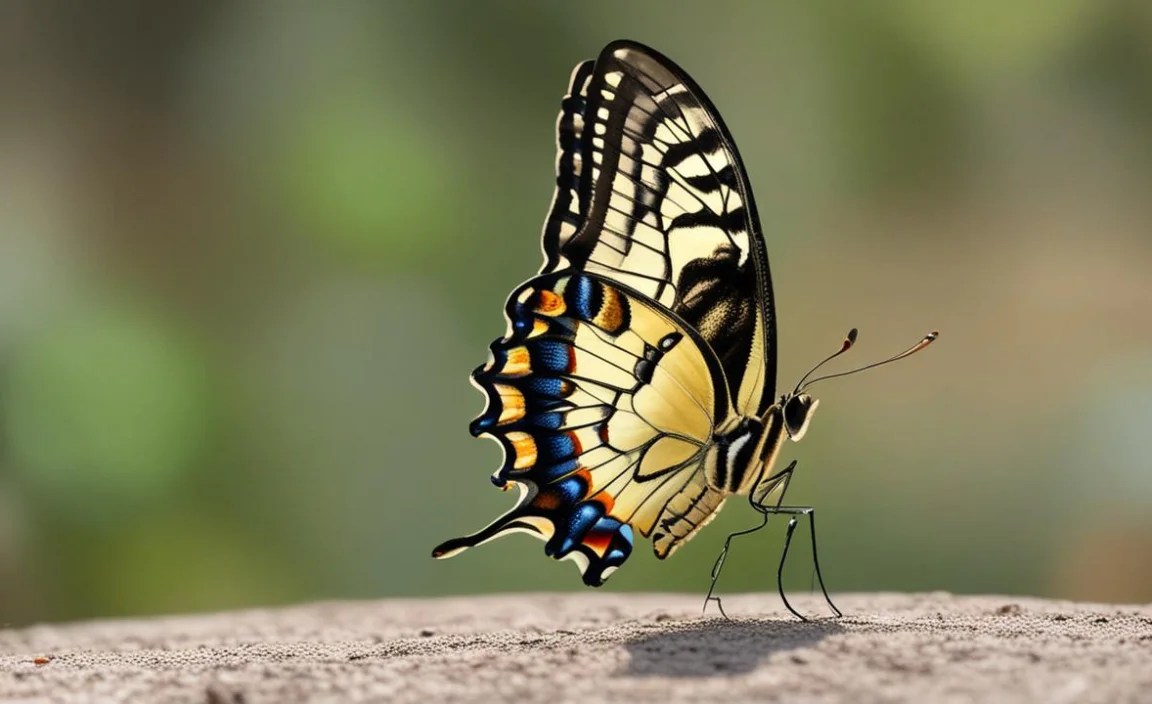
African swallowtail butterflies can be found in a wide range of habitats across the continent, from lush rainforests to dry savannas. The specific habitat preferences of a species will depend on its food source and other environmental factors.
Preferred Habitats
- Forests: Many swallowtail species, such as the African Giant Swallowtail and the Green-banded Swallowtail, are found in forests. These habitats provide plenty of shade, moisture, and food sources for the butterflies and their caterpillars.
- Woodlands: Woodlands, with their mix of trees and open areas, are also popular habitats for swallowtails. The open areas provide sunny spots for the butterflies to bask in, while the trees provide shelter and food.
- Savannas: Some swallowtail species are adapted to life in the drier savannas. These butterflies are often more tolerant of heat and drought and may have special adaptations to conserve water.
- Gardens: Many swallowtails, such as the Citrus Swallowtail, are commonly found in gardens and urban areas. These butterflies are attracted to the flowering plants and citrus trees that are often found in gardens.
Geographic Distribution
Swallowtail butterflies are found throughout Africa, from the northern coast to the southern tip. Some species have very wide distributions, while others are restricted to specific regions or habitats. For example, the Citrus Swallowtail is found throughout sub-Saharan Africa, while the African Giant Swallowtail is only found in central and western Africa.
Understanding the habitat and distribution of different swallowtail species is important for conservation efforts. By protecting the habitats that these butterflies depend on, we can help ensure their survival.
Attracting Swallowtail Butterflies to Your Garden

One of the best ways to appreciate swallowtail butterflies is to attract them to your own garden. By providing the right food and shelter, you can create a haven for these beautiful creatures.
Planting Host Plants
The first step in attracting swallowtails to your garden is to plant their host plants. This will provide food for the caterpillars and encourage the butterflies to lay their eggs in your garden. Some popular host plants for African swallowtails include:
- Citrus trees: These are the host plants for the Citrus Swallowtail.
- Rue (Ruta graveolens): This is a host plant for several swallowtail species.
- Parsley, dill, and fennel: These herbs are host plants for the Anise Swallowtail, which can be found in some parts of Africa.
- Cape Chestnut (Calodendrum capense): Host plant for the stunning Emperor Swallowtail.
Providing Nectar Sources
In addition to host plants, it’s also important to provide nectar sources for the adult butterflies. Nectar is a sugary liquid that provides energy for the butterflies. Some popular nectar plants for swallowtails include:
- Lantana
- Pentas
- Zinnias
- Buddleja (Butterfly Bush)
Creating a Butterfly-Friendly Habitat
To create a truly butterfly-friendly habitat, consider the following tips:
- Provide sunny spots for basking: Butterflies need to bask in the sun to warm their bodies and regulate their temperature.
- Provide shelter from wind and rain: Plant trees and shrubs to provide shelter from the elements.
- Avoid using pesticides: Pesticides can be harmful to butterflies and other beneficial insects.
- Provide a water source: Butterflies need water to drink. You can provide a shallow dish of water with pebbles for them to land on.
By following these tips, you can create a beautiful and inviting garden that will attract swallowtail butterflies and other pollinators.
Conservation Status and Threats
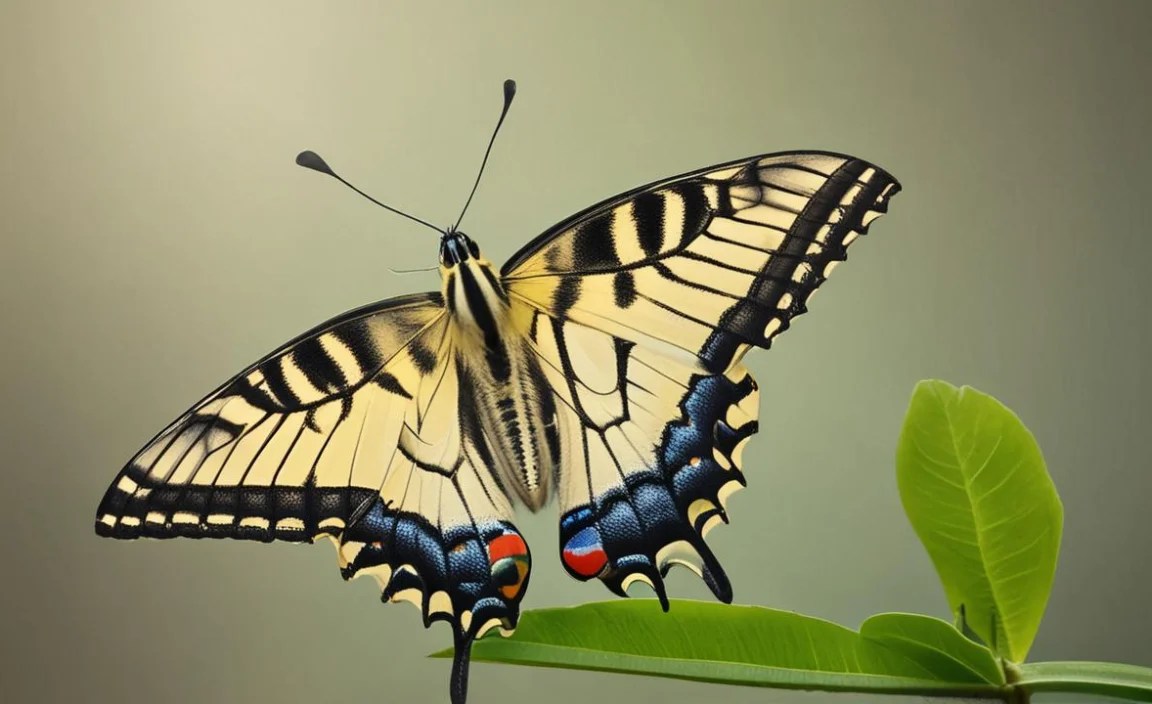
While some species of African swallowtail butterflies are common and widespread, others are facing threats to their survival. Habitat loss, pesticide use, and climate change are all major concerns for these butterflies.
Habitat Loss
One of the biggest threats to swallowtail butterflies is habitat loss. As forests and other natural habitats are cleared for agriculture, development, and logging, the butterflies lose their food sources and breeding grounds. This can lead to a decline in butterfly populations.
Pesticide Use
Pesticides can also be harmful to butterflies, both directly and indirectly. Direct exposure to pesticides can kill butterflies, while indirect exposure can harm them by reducing their food sources or contaminating their habitat. It’s important to avoid using pesticides in areas where butterflies are present.
Climate Change
Climate change is another growing threat to swallowtail butterflies. Changes in temperature and rainfall patterns can disrupt the butterflies’ life cycles and alter their habitats. Some species may be unable to adapt to these changes, leading to population declines.
Conservation Efforts
Fortunately, there are many things that can be done to protect African swallowtail butterflies. Some conservation efforts include:
- Protecting and restoring habitats: This is one of the most important things that can be done to help butterflies. By protecting and restoring forests, woodlands, and other natural habitats, we can provide butterflies with the food and shelter they need to survive.
- Promoting sustainable agriculture: Sustainable agricultural practices can help reduce the use of pesticides and protect butterfly habitats.
- Raising awareness: Educating people about the importance of butterflies and the threats they face can help inspire conservation action.
- Supporting butterfly conservation organizations: There are many organizations that are working to protect butterflies and their habitats. By supporting these organizations, you can help make a difference.
Swallowtail Butterfly Symbolism and Cultural Significance
Beyond their ecological importance, swallowtail butterflies often hold symbolic and cultural meanings in different societies.
Symbolism
Across many cultures, butterflies are seen as symbols of transformation, rebirth, and hope. The swallowtail, with its elegant shape and vibrant colors, often amplifies these meanings. They can represent:
- Transformation and Change: The metamorphosis from caterpillar to butterfly mirrors personal growth and change.
- Beauty and Grace: Their delicate wings and fluttering flight evoke feelings of beauty and grace.
- Freedom and Joy: Butterflies are often associated with freedom and the joy of living.
- Soul and Spirituality: In some cultures, butterflies are believed to represent the human soul or a connection to the spiritual realm.
Cultural Significance in Africa
In various African cultures, butterflies can hold specific meanings. While symbolism varies from region to region, some common themes include:
- Good Luck and Prosperity: Seeing a butterfly can be a sign of good fortune or a blessing.
- Ancestral Spirits: Butterflies might represent the presence or visitation of ancestors.
- Celebrations and Rituals: Butterflies can be incorporated into dances, songs, and artwork during festivals or ceremonies.
The specific meaning of a butterfly, including swallowtails, can depend on the color, pattern, and behavior of the butterfly, as well as the cultural context in which it is observed.
Frequently Asked Questions
What is the largest swallowtail butterfly in Africa?
The African Giant Swallowtail (Papilio antimachus) is the largest swallowtail butterfly in Africa, with a wingspan of up to 9 inches.
What do swallowtail caterpillars eat?
Swallowtail caterpillars feed on specific host plants, which vary depending on the species. Some common host plants include citrus trees, rue, parsley, dill, and fennel.
Are swallowtail butterflies poisonous?
Some swallowtail butterflies, like the Mocker Swallowtail, mimic poisonous butterflies to avoid predation. While they are not inherently poisonous, they gain protection through mimicry.
How long do swallowtail butterflies live?
The lifespan of an adult swallowtail butterfly varies depending on the species and environmental conditions. Most adult swallowtails live for about two weeks to several months.
How can I attract swallowtail butterflies to my garden?
You can attract swallowtail butterflies to your garden by planting their host plants and providing nectar sources. Also, provide sunny spots for basking, shelter from wind and rain, and avoid using pesticides.
Are swallowtail butterflies endangered?
Some species of African swallowtail butterflies are facing threats to their survival, but not all are endangered. Habitat loss, pesticide use, and climate change are all major concerns for these butterflies.
Where can I find swallowtail butterflies in Africa?
Swallowtail butterflies can be found in a wide range of habitats across Africa, from forests and woodlands to savannas and gardens. The specific species you find will depend on the region and habitat.
Conclusion
The world of African swallowtail butterflies is a rich tapestry of beauty, diversity, and ecological importance. From the common Citrus Swallowtail to the majestic African Giant Swallowtail, these butterflies captivate us with their vibrant colors and graceful flight. By understanding their life cycles, habitats, and conservation needs, we can all play a part in protecting these amazing creatures for generations to come. Whether you’re planting a butterfly garden, supporting conservation organizations, or simply spreading the word about the importance of butterflies, every effort makes a difference. So, step outside, explore the natural world, and discover the wonder of African swallowtail butterflies!


