
Swallowtail Butterfly Sexual Dimorphism: See the Secret!

Quick Summary: Swallowtail butterfly sexual dimorphism refers to the distinct visual differences between males and females of the same swallowtail species. These differences often include variations in wing shape, size, color patterns, and the presence or absence of tails. Recognizing these features is crucial for butterfly identification and understanding their mating behaviors.
Have you ever been captivated by the elegant dance of swallowtail butterflies in your garden? Maybe you’ve noticed that some look slightly different from others, even if they belong to the same species. It can be a bit confusing, right? That’s because many swallowtail butterflies exhibit something called sexual dimorphism—where males and females have different physical characteristics. Don’t worry; it’s easier to understand than it sounds! We’ll walk you through the key differences, helping you identify male and female swallowtails with confidence. Get ready to unlock the secrets of these beautiful creatures!
Understanding Swallowtail Butterfly Sexual Dimorphism

Sexual dimorphism, simply put, means that males and females of a species have different appearances. In swallowtail butterflies, these differences can be quite striking, aiding in species recognition and providing insights into their mating behaviors. Let’s explore the common types of differences you might encounter.
Wing Shape and Size
One of the most noticeable differences between male and female swallowtails can be the shape and size of their wings. Here’s what to look for:
- Size: Females are often larger than males. This is common in many butterfly species because females need more resources to produce eggs.
- Shape: The shape of the wings can also vary. For instance, females might have broader wings, providing them with greater lift for carrying eggs.
Color and Pattern Variations
Color and pattern variations are another key aspect of sexual dimorphism in swallowtails. Keep an eye out for these differences:
- Color Intensity: Males often have brighter, more vibrant colors than females. This is to attract the attention of potential mates.
- Pattern Complexity: The patterns on the wings can also differ. Males might have more intricate designs, while females may have simpler patterns for camouflage.
- Specific Markings: Some species have unique markings that are exclusive to one sex. For example, a specific spot or band may only appear on the wings of male butterflies.
Tail Differences
The tails on swallowtail butterflies can also exhibit sexual dimorphism. Here’s what to look for:
- Length: Males might have longer tails than females, or vice versa, depending on the species.
- Shape: The shape of the tails can also differ, with males sometimes having more pronounced or differently shaped tails compared to females.
Examples of Sexual Dimorphism in Common Swallowtail Species
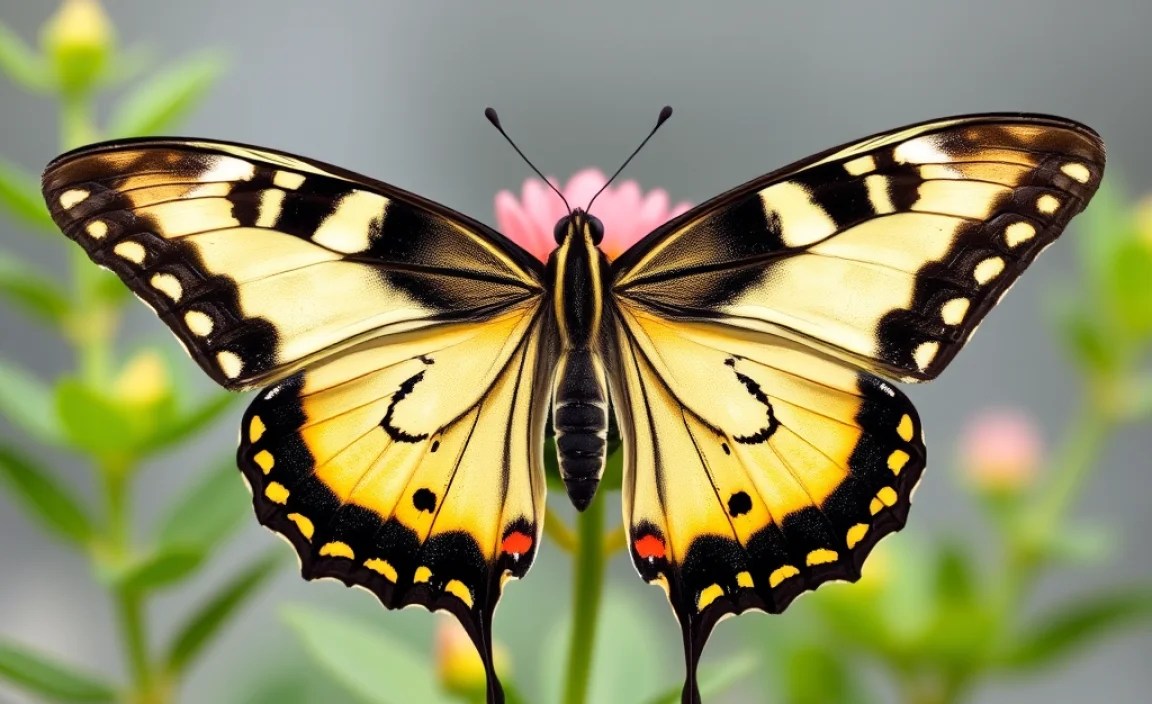
Let’s look at some specific examples to illustrate how sexual dimorphism manifests in different swallowtail species. This will give you a clearer idea of what to look for when identifying butterflies in your own backyard.
Eastern Tiger Swallowtail (Papilio glaucus)
The Eastern Tiger Swallowtail is a well-known example of sexual dimorphism. Here are the key differences:
- Females: Exist in two forms. One form is yellow with black stripes, similar to males, while the other form is black with faint dark stripes. This dark form is more common in areas where the Pipevine Swallowtail (Battus philenor) is prevalent, as it mimics the Pipevine Swallowtail’s toxic appearance to deter predators (a form of Batesian mimicry).
- Males: Typically yellow with black stripes and possess a noticeable black bar on their forewings.
Black Swallowtail (Papilio polyxenes)
The Black Swallowtail also shows distinct sexual dimorphism:
- Females: Have more blue scaling on their hindwings and larger yellow spots compared to males. They also tend to be larger overall.
- Males: Have less blue scaling and smaller yellow spots on their hindwings.
Spicebush Swallowtail (Papilio troilus)
In Spicebush Swallowtails, the differences are subtle but present:
- Females: Have brighter blue markings on the hindwings and a more pronounced iridescent sheen.
- Males: Have less vibrant blue markings and a duller sheen.
Table: Comparing Sexual Dimorphism in Swallowtail Species
| Species | Male Characteristics | Female Characteristics |
|---|---|---|
| Eastern Tiger Swallowtail (Papilio glaucus) | Yellow with black stripes, black bar on forewings | Yellow with black stripes (similar to males) or black with faint dark stripes |
| Black Swallowtail (Papilio polyxenes) | Less blue scaling, smaller yellow spots on hindwings | More blue scaling, larger yellow spots on hindwings, larger overall |
| Spicebush Swallowtail (Papilio troilus) | Less vibrant blue markings, duller sheen | Brighter blue markings, more pronounced iridescent sheen |
Why Does Sexual Dimorphism Exist?

Understanding why sexual dimorphism exists requires looking at the evolutionary pressures that shape these differences. Here are the primary factors:
Sexual Selection
Sexual selection is a key driver of sexual dimorphism. It occurs when one sex (usually males) competes for the attention of the other sex (usually females). This competition can lead to the evolution of traits that make males more attractive or better at competing.
- Male Competition: Males with brighter colors or more elaborate patterns may be more successful at attracting mates.
- Female Choice: Females may prefer males with certain traits, leading to the selection and amplification of those traits over generations.
Camouflage and Predator Avoidance
While males often benefit from bright colors to attract mates, females may benefit from more subdued colors and patterns that help them blend into their environment. This is particularly important for females who need to lay eggs safely.
- Egg-Laying Safety: Females spend a significant amount of time laying eggs, making them vulnerable to predators. Camouflage helps them avoid detection.
- Mimicry: As seen in the dark form of the female Eastern Tiger Swallowtail, mimicry can also play a role. By mimicking toxic species, females can deter predators.
Resource Allocation
Differences in resource allocation can also contribute to sexual dimorphism. Females often require more resources to produce eggs, which can affect their size and appearance.
- Egg Production: Producing eggs requires a lot of energy and nutrients. This can lead to females being larger and having different metabolic needs than males.
- Larval Development: Differences in larval development can also contribute to sexual dimorphism. For example, if female larvae need to consume more food, they may grow larger than males.
How to Identify Male and Female Swallowtails
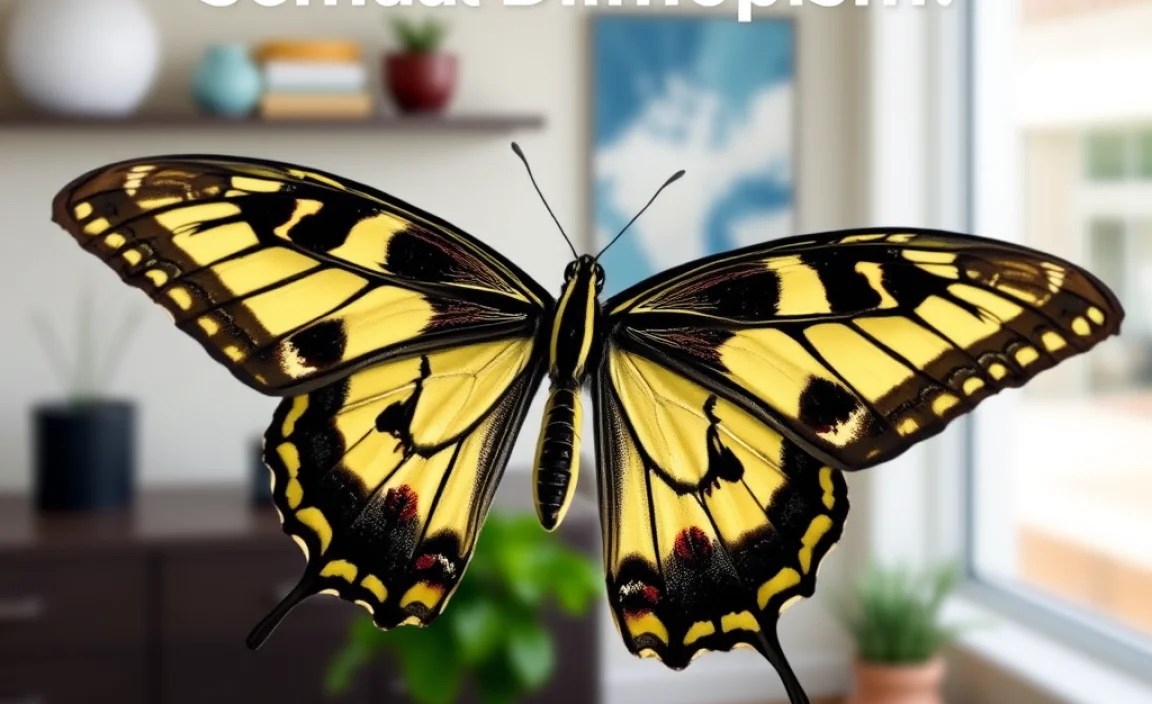
Now that you understand the key differences and the reasons behind them, let’s go through a step-by-step guide on how to identify male and female swallowtails.
Step 1: Observe the Size and Shape
Start by noting the overall size and shape of the butterfly. Females are often larger and may have broader wings.
- Check Wing Size: Compare the wingspan to known averages for the species.
- Examine Wing Shape: Look for differences in the shape of the wings, such as broader or more rounded wings in females.
Step 2: Examine the Color and Patterns
Next, pay close attention to the colors and patterns on the wings. Use a field guide or online resources to compare the markings to known male and female characteristics.
- Look for Color Intensity: Males often have brighter, more vibrant colors.
- Identify Specific Markings: Check for unique spots, bands, or patterns that are exclusive to one sex.
Step 3: Check the Tails
If the swallowtail has tails, examine their length and shape. Differences in tail morphology can be a clear indicator of sex.
- Measure Tail Length: Compare the length of the tails to known averages for the species.
- Observe Tail Shape: Look for differences in the shape of the tails, such as more pronounced or differently shaped tails in males.
Step 4: Consider the Location and Time of Year
The location and time of year can also provide clues. Some species may have different forms depending on the region or season.
- Regional Variations: Be aware that some species have regional variations in color and pattern.
- Seasonal Forms: Some butterflies have different forms depending on the time of year. For example, the Spring Azure (Celastrina ladon) has different forms in the spring and summer.
Step 5: Use Field Guides and Online Resources
Field guides and online resources are invaluable tools for butterfly identification. Look for guides that specifically highlight sexual dimorphism in swallowtail species.
- Field Guides: Peterson Field Guides, Kaufman Field Guides, and National Audubon Society Field Guides are excellent resources.
- Online Resources: Websites like BugGuide.net and Butterflies and Moths of North America (BAMONA) provide detailed information and images.
Tools for Butterfly Identification
Having the right tools can make butterfly identification easier and more accurate. Here are some essential tools to consider:
- Binoculars: A good pair of binoculars can help you get a closer look at butterflies without disturbing them. Look for binoculars with a close focus distance.
- Camera: Taking photos of butterflies allows you to examine them more closely later and compare them to images in field guides.
- Field Notebook: Keep a field notebook to record your observations, including the date, time, location, and any identifying characteristics.
- Magnifying Glass: A magnifying glass can be helpful for examining small details on the wings.
- Butterfly Net: While not always necessary, a butterfly net can be useful for capturing butterflies for closer examination. Be sure to handle them gently and release them unharmed.
Attracting Swallowtails to Your Garden
One of the best ways to observe swallowtail butterflies and practice your identification skills is to attract them to your garden. Here are some tips for creating a butterfly-friendly habitat:
Plant Host Plants
Host plants are plants that butterflies use to lay their eggs. Swallowtail caterpillars feed on the leaves of these plants. Some popular host plants for swallowtails include:
- Eastern Tiger Swallowtail: Tulip tree, wild cherry, and sweetbay magnolia.
- Black Swallowtail: Parsley, dill, fennel, and carrots.
- Spicebush Swallowtail: Spicebush and sassafras.
Provide Nectar Sources
Nectar sources provide adult butterflies with the energy they need to fly and reproduce. Choose a variety of nectar-rich flowers that bloom throughout the growing season. Some good options include:
- Butterfly Bush (Buddleja davidii): A classic butterfly magnet.
- Zinnia (Zinnia elegans): Easy to grow and available in a variety of colors.
- Coneflower (Echinacea purpurea): A native plant that attracts a variety of pollinators.
- Lantana (Lantana camara): Provides a long season of bloom.
Offer a Water Source
Butterflies need water to stay hydrated. Provide a shallow dish of water with pebbles or marbles for them to land on.
Avoid Pesticides
Pesticides can harm or kill butterflies and other beneficial insects. Avoid using pesticides in your garden, or choose organic options. The Xerces Society offers guidance on protecting pollinators from pesticides.
Provide Shelter
Butterflies need shelter from wind and rain. Plant trees and shrubs to provide them with protected areas.
The Cultural Significance of Swallowtail Butterflies
Beyond their ecological importance, swallowtail butterflies also hold cultural significance in many societies. They are often seen as symbols of transformation, beauty, and freedom.
Symbolism
- Transformation: The butterfly’s life cycle, from egg to caterpillar to pupa to adult, is a powerful symbol of transformation and rebirth.
- Beauty: Their vibrant colors and graceful flight make them symbols of beauty and joy.
- Freedom: Butterflies are often seen as symbols of freedom and the ability to move freely.
Cultural Significance
- Japan: In Japan, butterflies are often associated with the souls of the living and the dead. They are also symbols of joy and longevity.
- China: In China, butterflies are symbols of love and happiness. They are often depicted in art and literature as symbols of marital bliss.
- Native American Cultures: In some Native American cultures, butterflies are seen as messengers from the spirit world.
FAQ About Swallowtail Butterfly Sexual Dimorphism
Here are some frequently asked questions about sexual dimorphism in swallowtail butterflies:
What is sexual dimorphism?
Sexual dimorphism refers to the differences in physical appearance between males and females of the same species. In swallowtail butterflies, these differences can include variations in wing size, shape, color, and the presence or absence of tails.
Why do male and female swallowtails look different?
Sexual dimorphism is primarily driven by sexual selection, where males compete for mates and females choose mates based on certain traits. Camouflage and resource allocation also play a role, with females often needing more subdued colors for protection and more resources for egg production.
How can I tell the difference between a male and female Eastern Tiger Swallowtail?
Male Eastern Tiger Swallowtails are typically yellow with black stripes and have a black bar on their forewings. Females can be either yellow with black stripes (similar to males) or black with faint dark stripes. The dark form is more common in areas where the Pipevine Swallowtail is prevalent.
Do all swallowtail species exhibit sexual dimorphism?
While many swallowtail species exhibit sexual dimorphism, the degree of difference varies. Some species have very distinct differences between males and females, while others have more subtle variations.
What are host plants and why are they important for swallowtails?
Host plants are plants that swallowtail butterflies use to lay their eggs. The caterpillars feed on the leaves of these plants. Planting host plants in your garden is essential for attracting and supporting swallowtail populations.
What other factors besides sex can influence a butterfly’s appearance?
Besides sex, factors such as geographic location, seasonal variations, and genetic variations can influence a butterfly’s appearance. Some species have different forms depending on the region or time of year.
How can I contribute to butterfly conservation?
You can contribute to butterfly conservation by planting native host plants and nectar sources, avoiding pesticides, providing a water source, and supporting organizations that work to protect butterfly habitats. You can also participate in citizen science projects to help monitor butterfly populations.
Conclusion
Understanding sexual dimorphism in swallowtail butterflies not only enhances your ability to identify these beautiful creatures but also deepens your appreciation for the intricate workings of nature. By observing the subtle differences in wing shape, color patterns, and tail morphology, you can unlock a deeper understanding of their evolutionary adaptations and behaviors. So, grab your binoculars, head out to your garden or local park, and start exploring the fascinating world of swallowtail butterflies. Happy butterflying!


