
Blue Morpho Data Collection: Powerful Insights Revealed

Have you ever seen a butterfly with shiny blue wings? That might be a Blue Morpho! These butterflies are not just pretty. Scientists study them to learn about nature. Blue Morpho data collection helps us understand them. It also helps us protect their homes.
Scientists watch Blue Morphos in the rainforest. They write down what they see. This helps us learn about their lives. We can learn how they eat and grow. We can also learn how they stay safe.
Key Takeaways
- Blue Morpho data collection helps us understand these amazing butterflies.
- Scientists study their habitats to learn about their lives.
- We learn about their food, growth, and safety in the rainforest.
- This data helps protect Blue Morphos and their rainforest homes.
- Everyone can help by learning and sharing what they know.
Understanding Blue Morpho Data Collection
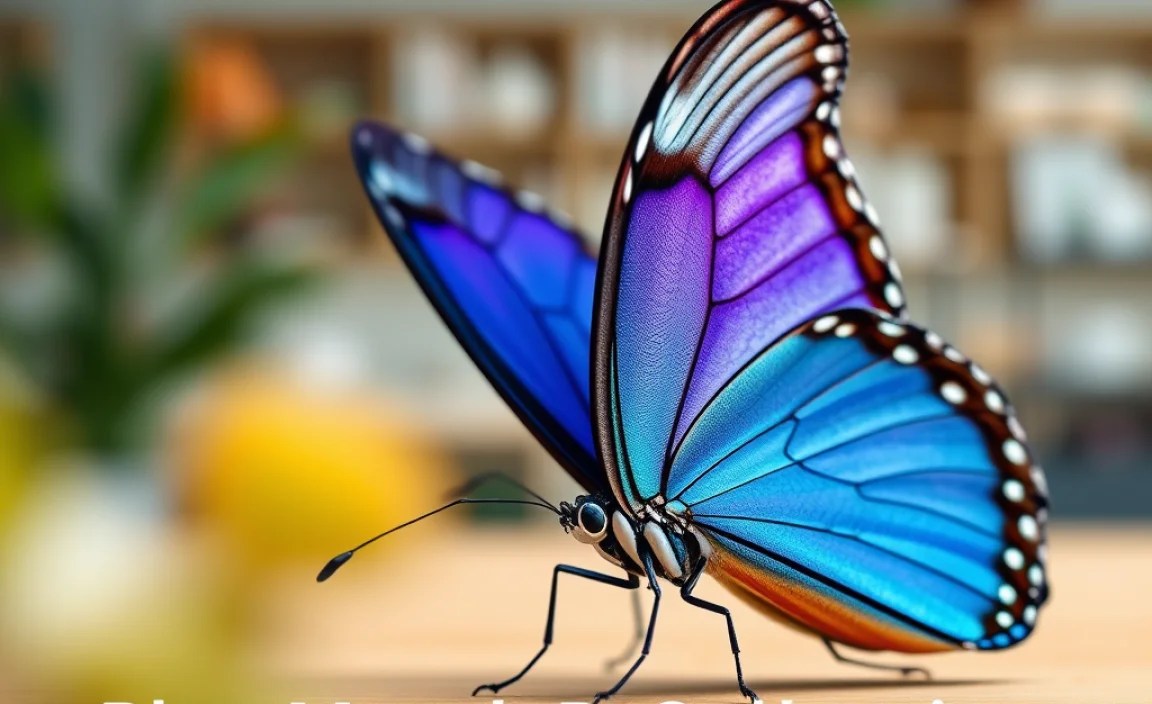
Blue Morpho data collection is like being a detective for butterflies. Scientists go to the rainforest. They watch Blue Morphos very carefully. They write down everything they see. What do they eat? Where do they lay their eggs? How do they fly? All these notes become data. This data helps us understand the Blue Morpho. It tells us how they live and what they need to survive. Scientists use special tools. They might use nets to catch butterflies gently. They might use cameras to take pictures. They might use notebooks to write down their observations. It is important to be very careful. We don’t want to hurt the butterflies or their home. Collecting data is a big job. It takes time and patience. But it is very important work!
- Scientists watch Blue Morphos.
- They write down what they see.
- This becomes important data.
- Data helps us understand them.
- We learn about their lives.
Imagine you are a scientist in the rainforest. You see a Blue Morpho butterfly. It is drinking nectar from a flower. You write that down. You see it flying near a big tree. You write that down too. You do this every day. Soon, you have lots of data. You can use this data to answer questions. How many flowers does a Blue Morpho visit each day? How far does it fly? Where does it sleep? The more data we have, the better we understand these beautiful creatures. We can then use this information to help protect them.
What is Data Collection?
Data collection is gathering information. It is like collecting clues to solve a puzzle. Scientists collect data about Blue Morphos. They want to learn about them. They record what they eat. They note where they live. They observe how they act. This data helps us understand Blue Morphos better. Good data collection is very important. It needs to be accurate. It needs to be careful. Scientists use different tools. They use notebooks to write. They use cameras to take pictures. They use nets to catch butterflies gently. All these tools help them collect data. The data must be organized. It must be easy to read. Then scientists can use it to learn.
Why Collect Data on Blue Morphos?
Have you ever wondered why we study butterflies? Studying Blue Morphos helps us learn about nature. It tells us about the rainforest. It teaches us about how animals live. Blue Morphos are part of the food chain. They eat plants. Other animals eat them. If Blue Morphos disappear, it affects everything. Collecting data helps us protect them. We learn what they need to survive. We can protect their homes. We can make sure they have enough food. Data collection is like being a doctor for the rainforest. We check on the Blue Morphos. We make sure they are healthy. We help them stay safe.
Ethical Data Collection
Collecting data must be done carefully. We don’t want to hurt the butterflies. We don’t want to damage their homes. Ethical data collection is very important. It means being kind to nature. It means respecting the animals. Scientists follow rules. They make sure the butterflies are safe. They don’t take too many butterflies. They don’t stay too long in one place. They leave the rainforest as they found it. Ethical data collection helps us learn. It also protects the environment. We can study Blue Morphos without harming them. We can help them thrive in the rainforest.
Fun Fact or Stat: Blue Morpho butterflies taste with sensors on their feet!
Methods for Blue Morpho Data Collection
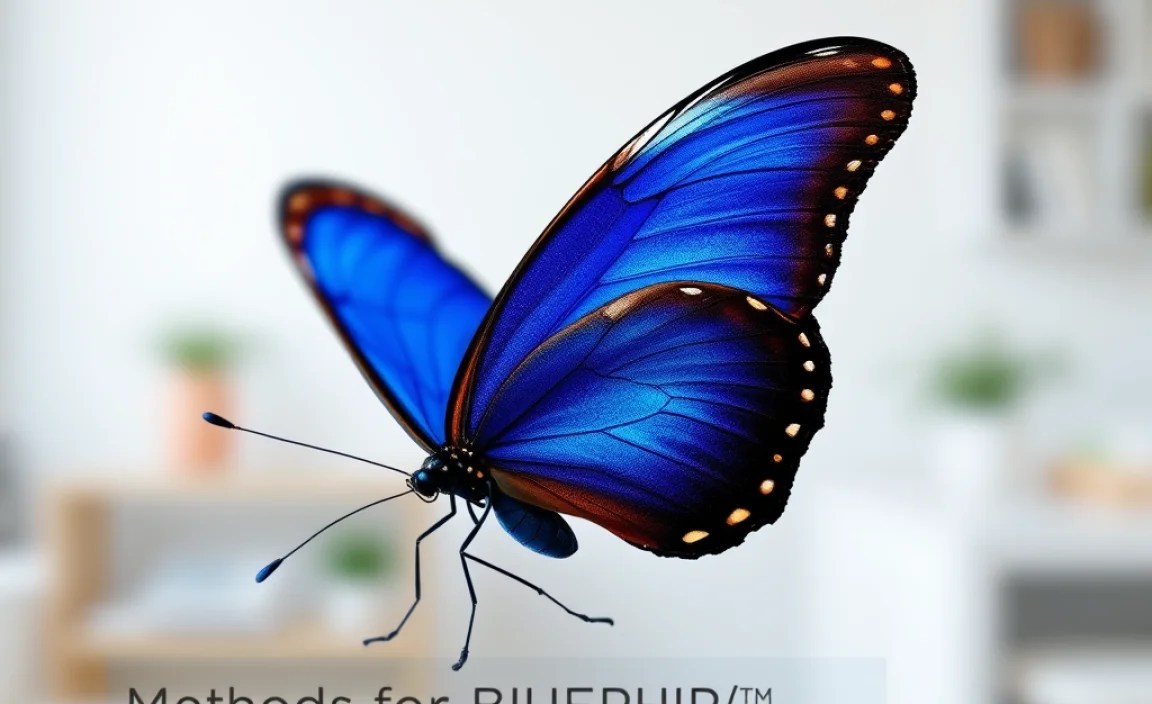
There are many ways to collect data on Blue Morphos. Scientists use different methods. It depends on what they want to learn. One way is to watch them. This is called observation. Scientists sit quietly in the rainforest. They watch the butterflies. They write down what they do. They note where they go. Another way is to catch them. This is called trapping. Scientists use nets to catch butterflies gently. They look at them closely. They might measure their wings. They might take a small sample of their scales. Then they let them go. Some scientists use technology. They use cameras to track butterflies. They use GPS to see where they fly. All these methods help us learn about Blue Morphos.
- Observation: watching butterflies.
- Trapping: catching butterflies gently.
- Measuring: looking at their size.
- Tracking: following their movements.
- Using technology: cameras and GPS.
Imagine you want to know how far a Blue Morpho flies in a day. You could use a tiny GPS tracker. You attach it to the butterfly very carefully. The tracker records where the butterfly goes. You can then download the data. You can see its entire flight path. This is a very helpful method. It tells us a lot about their behavior. It helps us understand how they use the rainforest. We can then protect the areas they need most. Some methods are better for certain questions. Scientists choose the best method for their study. They always make sure to be ethical.
Visual Observation Methods
Visual observation is watching carefully. Scientists use their eyes. They watch Blue Morphos in the rainforest. They write down what they see. They notice colors and patterns. They observe how the butterflies fly. They record where they lay eggs. This method is simple. It doesn’t need special tools. But it needs patience. Scientists must be quiet and still. They must watch for a long time. Visual observation is good for learning about behavior. It helps us understand what Blue Morphos do. It tells us how they interact with their environment. It is a basic but important method.
Butterfly Trapping Techniques
Have you ever seen a butterfly net? Scientists use them to catch butterflies. It is a gentle way to study them. They use special nets. These nets are soft. They don’t hurt the butterflies. Scientists catch the Blue Morphos carefully. They look at them closely. They might measure their wings. They might take a small sample. Then they let them go. Trapping helps us learn about their health. It tells us about their genetics. It helps us identify different species. It is important to be gentle. We don’t want to harm the butterflies. We want to study them safely.
Using Technology
Technology helps us study Blue Morphos in new ways. Cameras can take pictures of them. GPS trackers can follow their movements. Scientists use these tools to learn more. They can see where the butterflies go. They can track their flight paths. They can study their behavior in detail. Technology makes data collection easier. It makes it more accurate. It helps us understand Blue Morphos better than ever before. We can use this knowledge to protect them. We can help them thrive in the rainforest. Technology is a powerful tool for conservation.
Fun Fact or Stat: The bright blue color on a Blue Morpho’s wings isn’t pigment, but light reflecting off tiny structures!
Tools Used in Data Collection

Scientists use many tools for Blue Morpho data collection. These tools help them gather information. They use notebooks and pencils. They write down their observations. They use cameras to take pictures. Pictures help them identify butterflies. They use nets to catch butterflies gently. They use rulers to measure wings. They use GPS devices to track movement. They use computers to store data. They use microscopes to study scales. Each tool has a special purpose. All the tools help scientists learn. They learn about Blue Morphos and their lives. They learn about the rainforest. They learn how to protect them.
- Notebooks and pencils for notes.
- Cameras for taking pictures.
- Nets for catching butterflies.
- Rulers for measuring wings.
- GPS to track movement.
Imagine you are going on a Blue Morpho data collection trip. What would you pack in your backpack? You would need a notebook and pencil. You would need a camera. You would need a butterfly net. You might need a GPS device. You would also need a good pair of hiking boots. The rainforest can be muddy. You would need to be prepared for anything. Having the right tools makes the job easier. It also makes it more fun. You can collect better data. You can learn more about these amazing butterflies.
The Importance of a Notebook
A notebook is a scientist’s best friend. They write down everything they see. They record their observations. They note the date and time. They describe the location. They draw pictures of the butterflies. A notebook is like a diary. It keeps track of all the data. It helps scientists remember what they saw. It helps them organize their thoughts. A good notebook is clear and neat. It is easy to read. It is a valuable tool. It helps us understand Blue Morphos better. It helps us protect their homes.
Cameras and Photography
Have you ever tried to take a picture of a butterfly? It can be tricky. They move quickly. They are small. But cameras are very useful for data collection. They capture images of Blue Morphos. They show their colors and patterns. They help us identify different species. They record their behavior. Scientists use special cameras. These cameras have good zoom lenses. They can take clear pictures from far away. Photography is a powerful tool. It helps us learn about Blue Morphos. It helps us share our knowledge with others.
GPS and Tracking Devices
GPS devices help us track Blue Morphos. These devices use satellites. They tell us where the butterflies are. Scientists attach small GPS trackers. These trackers are very light. They don’t bother the butterflies. The trackers record the butterfly’s location. They send the data to scientists. Scientists can then see where the butterfly flew. They can see its flight path. They can learn about its habitat. GPS is a very useful tool. It helps us understand how Blue Morphos use the rainforest. It helps us protect the areas they need most.
Fun Fact or Stat: Some Blue Morpho butterflies can fly up to 12 miles per hour!
Analyzing the Collected Data

After collecting data, scientists must analyze it. This means looking at the data closely. They search for patterns. They look for trends. They try to answer questions. What do Blue Morphos eat? Where do they lay their eggs? How far do they fly? Analyzing data can be hard work. It takes time and patience. Scientists use computers to help them. They use special software. This software can create graphs and charts. These visuals help them see patterns. Analyzing data is very important. It helps us understand Blue Morphos. It helps us protect them.
- Looking for patterns in data.
- Using computers and software.
- Creating graphs and charts.
- Answering important questions.
- Protecting Blue Morphos.
Imagine you have collected data on Blue Morpho butterfly wing size. You have measured the wings of 100 butterflies. Now you need to analyze the data. You can use a computer program to create a graph. The graph shows the range of wing sizes. You see that most butterflies have wings that are 5-6 inches wide. But some have wings that are smaller or larger. This information is useful. It helps you understand the variation in wing size. It might tell you about the health of the butterfly population. Analyzing data helps us turn raw information into knowledge.
Identifying Patterns
Patterns are things that repeat. Scientists look for patterns in data. They might see that Blue Morphos always lay eggs on a certain plant. This is a pattern. They might see that they fly more during sunny days. This is another pattern. Identifying patterns helps us understand their behavior. It tells us what they need. It helps us protect them. Patterns can be hard to find. They can be hidden in the data. But with careful analysis, we can find them. Patterns are like clues. They help us solve the puzzle of the Blue Morpho.
Using Software for Analysis
Computers are very helpful for data analysis. They can do things that humans can’t. They can sort through large amounts of data. They can create graphs and charts. They can find patterns quickly. Scientists use special software programs. These programs are designed for data analysis. They help them understand the data. They help them answer questions. Software makes data analysis easier. It makes it more accurate. It helps us learn more about Blue Morphos. It helps us protect them better.
Drawing Conclusions
After analyzing the data, scientists draw conclusions. This means they decide what the data tells them. They might conclude that Blue Morphos need a certain plant to survive. They might conclude that they are threatened by habitat loss. Conclusions are based on the data. They are not just guesses. They are supported by evidence. Drawing conclusions is important. It helps us make decisions. It helps us protect Blue Morphos. We can use the conclusions to create conservation plans. We can help them thrive in the rainforest.
Fun Fact or Stat: The underside of a Blue Morpho’s wings is brown with eyespots, which helps camouflage it when its wings are closed!
Challenges in Blue Morpho Data Collection

Blue Morpho data collection is not always easy. The rainforest can be a tough place to work. It is hot and humid. There are many insects. It can be hard to find the butterflies. They fly quickly. They blend in with the trees. Sometimes the weather is bad. It rains a lot. This makes it hard to see the butterflies. It can also be hard to get the right equipment. Cameras and GPS devices can be expensive. Analyzing the data can also be challenging. There can be a lot of information to sort through. Despite these challenges, scientists keep working hard. They know that Blue Morpho data collection is important.
- The rainforest is hot and humid.
- Insects can be a problem.
- Butterflies are hard to find.
- The weather can be bad.
- Equipment can be expensive.
Imagine you are trying to study Blue Morphos during a rainstorm. The rain is coming down hard. It is hard to see anything. The butterflies are hiding under leaves. Your notebook is getting wet. Your camera is fogging up. It is very difficult to collect data. This is just one of the challenges that scientists face. They have to be prepared for anything. They have to be patient and persistent. They have to be dedicated to their work. The rewards are worth the effort. They learn about these amazing butterflies. They help protect them for future generations.
Environmental Challenges
The rainforest is a challenging environment. It is hot and humid. It rains a lot. There are many insects. These conditions can make data collection difficult. Scientists have to be prepared. They need to wear appropriate clothing. They need to bring insect repellent. They need to protect their equipment from the rain. They need to be careful of dangerous animals. The rainforest is a beautiful place. But it can also be dangerous. Scientists must respect the environment. They must take care of themselves. They must be careful when collecting data.
Technological Limitations
Technology can be helpful. But it also has limitations. Cameras can break down. GPS devices can lose signal. Batteries can run out. Scientists need to be prepared for these problems. They need to bring extra equipment. They need to know how to fix things. They need to be resourceful. Technology is a tool. It is not a solution. Scientists still need to use their skills and knowledge. They need to be able to collect data even when technology fails.
Ethical Considerations
Collecting data ethically is very important. We don’t want to harm the butterflies. We don’t want to damage their habitat. Scientists must follow rules. They must be gentle. They must be respectful. They must not take too many butterflies. They must not stay too long in one place. They must leave the rainforest as they found it. Ethical considerations are important. They help us protect Blue Morphos. They help us protect the rainforest. We can study these amazing creatures without harming them.
Fun Fact or Stat: Blue Morpho caterpillars are cannibalistic; they sometimes eat each other!
The Future of Blue Morpho Data Collection
Blue Morpho data collection will keep changing. New technology will help us learn more. Drones can fly over the rainforest. They can take pictures from above. Sensors can track butterflies automatically. Computers can analyze data faster. Citizen scientists can help collect data. They can use apps on their phones. They can share their observations. The future of Blue Morpho data collection is exciting. We will learn more about these amazing butterflies. We will be able to protect them better. Everyone can help.
- Drones can take pictures.
- Sensors can track butterflies.
- Computers can analyze data faster.
- Citizen scientists can help.
- We will learn more and protect better.
Imagine a world where everyone can help study Blue Morphos. You could download an app on your phone. The app would show you where Blue Morphos have been seen. You could go to those locations. You could take pictures of the butterflies. You could upload the pictures to the app. Scientists would use your data to learn more about them. This is the power of citizen science. It allows everyone to get involved. It helps us collect more data. It helps us protect these amazing creatures.
Advancements in Technology
Technology is always changing. New tools are being developed. These tools can help us study Blue Morphos. Drones can fly over the rainforest. They can take pictures and videos. Sensors can track butterflies automatically. Computers can analyze data faster. These advancements will help us learn more. They will help us protect these amazing creatures. Technology is a powerful tool. We must use it wisely. We must use it ethically. We must use it to help Blue Morphos thrive.
The Role of Citizen Scientists
Citizen scientists are people who help scientists. They don’t need to be experts. They just need to be interested. They can collect data. They can share their observations. They can help analyze data. Citizen science is a powerful tool. It allows everyone to get involved. It helps us collect more data. It helps us protect Blue Morphos. You can become a citizen scientist. You can learn about these amazing butterflies. You can help us protect them for future generations.
Long-Term Monitoring
Long-term monitoring is important. It means studying Blue Morphos over time. We can see how their populations change. We can see how they respond to changes in the environment. We can see the effects of climate change. Long-term monitoring helps us understand the big picture. It helps us make informed decisions. It helps us protect Blue Morphos for the long term. It requires commitment. It requires patience. But it is essential for conservation.
Fun Fact or Stat: A Blue Morpho’s wingspan can reach up to 8 inches wide!
Conservation Efforts Based on Data
Data from Blue Morpho data collection helps conservation. We learn what they need to survive. We protect their rainforest homes. We make sure they have enough food. We create protected areas. We educate people about them. Conservation efforts help Blue Morphos. They also help other rainforest animals. Protecting their habitat is very important. It helps the entire ecosystem. Everyone can help with conservation. We can learn about Blue Morphos. We can share what we know. We can support conservation organizations.
| Conservation Action | Description | Benefit to Blue Morphos |
|---|---|---|
| Habitat Protection | Creating protected areas in the rainforest. | Ensures they have a safe place to live and breed. |
| Reforestation | Planting trees to restore damaged areas. | Provides food and shelter for Blue Morphos. |
| Education | Teaching people about Blue Morphos and their importance. | Raises awareness and encourages conservation. |
| Sustainable Practices | Promoting ways to use the rainforest without harming it. | Reduces deforestation and protects their habitat. |
Imagine a group of people working together. They are planting trees in a damaged area of the rainforest. These trees will provide food and shelter for Blue Morphos. They are also educating local communities. They are teaching them about the importance of protecting the rainforest. This is what conservation looks like. It is a collaborative effort. It requires the support of many people. It is essential for the survival of Blue Morphos and their ecosystem.
Habitat Preservation
Habitat preservation is protecting their homes. It means keeping the rainforest safe. We need to stop deforestation. We need to prevent pollution. We need to protect the trees and plants. Habitat preservation is essential. It gives Blue Morphos a place to live. It gives them food and shelter. It allows them to thrive. We can all help with habitat preservation. We can reduce our use of paper. We can support sustainable businesses. We can protect the rainforest.
Sustainable Practices
Sustainable practices are ways of living. They don’t harm the environment. We can use the rainforest without destroying it. We can harvest resources responsibly. We can protect the soil and water. Sustainable practices are important. They allow us to use the rainforest. They also protect it for future generations. We can support sustainable businesses. We can choose eco-friendly products. We can live in harmony with nature.
Community Involvement
Community involvement is very important. Local people know the rainforest best. They can help protect it. They can monitor the Blue Morphos. They can educate others. Community involvement empowers people. It gives them a voice. It helps them protect their environment. We can support community-based conservation projects. We can listen to local voices. We can work together to protect Blue Morphos.
Fun Fact or Stat: Some scientists believe Blue Morpho scales may inspire new technologies due to their unique light-reflecting properties!
Summary
Blue Morpho data collection is very important. Scientists study these butterflies. They learn about their lives. They use notebooks, cameras, and GPS. They analyze the data. This helps us understand them better. There are challenges. The rainforest is hot and humid. But scientists keep working hard. New technology will help us in the future. Citizen scientists can also help. The data helps conservation efforts. We protect their habitat. We make sure they have enough food. We educate people about them. This helps Blue Morphos survive.
Conclusion
Blue Morphos are amazing butterflies. Blue Morpho data collection is key to protecting them. Scientists gather information. They analyze it carefully. This data informs conservation efforts. We can all help by learning and sharing. Protecting Blue Morphos protects the rainforest. We must continue to study and protect them. They are a treasure of nature.
Frequently Asked Questions
Question No 1: What is Blue Morpho data collection?
Answer: Blue Morpho data collection is when scientists gather information about Blue Morpho butterflies. They watch them in the rainforest. They write down what they see. They use tools like cameras and GPS. This information helps us understand how they live. It tells us what they need to survive. It helps us protect them. Data collection is like being a detective. We are trying to solve the puzzle of the Blue Morpho.
Question No 2: Why is it important to collect data on Blue Morphos?
Answer: Collecting data is important for many reasons. It helps us learn about nature. It teaches us about the rainforest ecosystem. Blue Morphos are part of the food chain. If they disappear, it affects everything. Data collection helps us protect them. We learn what they need to survive. We can protect their habitat. We can make sure they have enough food. It’s like being a doctor for the rainforest. We check on the Blue Morphos and help them stay healthy.
Question No 3: What tools do scientists use for Blue Morpho data collection?
Answer: Scientists use many different tools. They use notebooks to write down their observations. They use cameras to take pictures of the butterflies. They use nets to catch butterflies gently. They use rulers to measure their wings. They use GPS devices to track their movements. They use computers to store and analyze the data. Each tool helps them gather information about Blue Morphos. These tools help them understand the butterflies better.
Question No 4: What are some of the challenges in collecting data on Blue Morphos?
Answer: There are many challenges. The rainforest can be a tough place to work. It is hot and humid. There are many insects. It can be hard to find the butterflies. They fly quickly and blend in with the trees. Sometimes the weather is bad. It rains a lot. This makes it hard to see the butterflies. It can also be hard to get the right equipment. Despite these challenges, scientists keep working hard to collect Blue Morpho data.
Question No 5: How can I help with Blue Morpho conservation?
Answer: There are many ways you can help. You can learn about Blue Morphos and their habitat. You can share what you learn with others. You can support conservation organizations. You can reduce your use of paper. You can choose eco-friendly products. You can visit the rainforest and see these amazing butterflies for yourself. Every little bit helps. Even small actions can make a big difference in protecting Blue Morphos.
Question No 6: What happens to the data after it is collected?
Answer: After scientists collect the data, they analyze it. This means they look for patterns and trends. They use computers and special software. They create graphs and charts. This helps them understand the data better. They can then use the data to answer questions. How many Blue Morphos are there? Where do they live? What do they eat? The answers to these questions help us protect them. This Blue Morpho data collection turns into knowledge.


