Easy Identification of Metalmark Butterflies: A Smart Guide

Have you ever seen a tiny, shiny butterfly? It might have been a metalmark! These little butterflies are special. They have bright colors and patterns. But identification of metalmark butterflies can be tricky. There are many kinds! How can you tell them apart?
Metalmarks are small and quick. Spotting one is already lucky. Knowing what to look for helps. Let’s learn about these amazing insects. We will explore their unique features. This will make identification of metalmark butterflies easier.
Key Takeaways
- Identification of metalmark butterflies involves looking at size, color, and wing patterns.
- Metalmarks have distinct metallic markings that help tell them apart from other butterflies.
- Pay attention to the location where you spot the butterfly; it helps narrow down species.
- Understanding their host plants can give clues about which metalmark species you’re seeing.
- Use field guides and online resources to confirm your identification of these butterflies.
Understanding Metalmark Butterflies
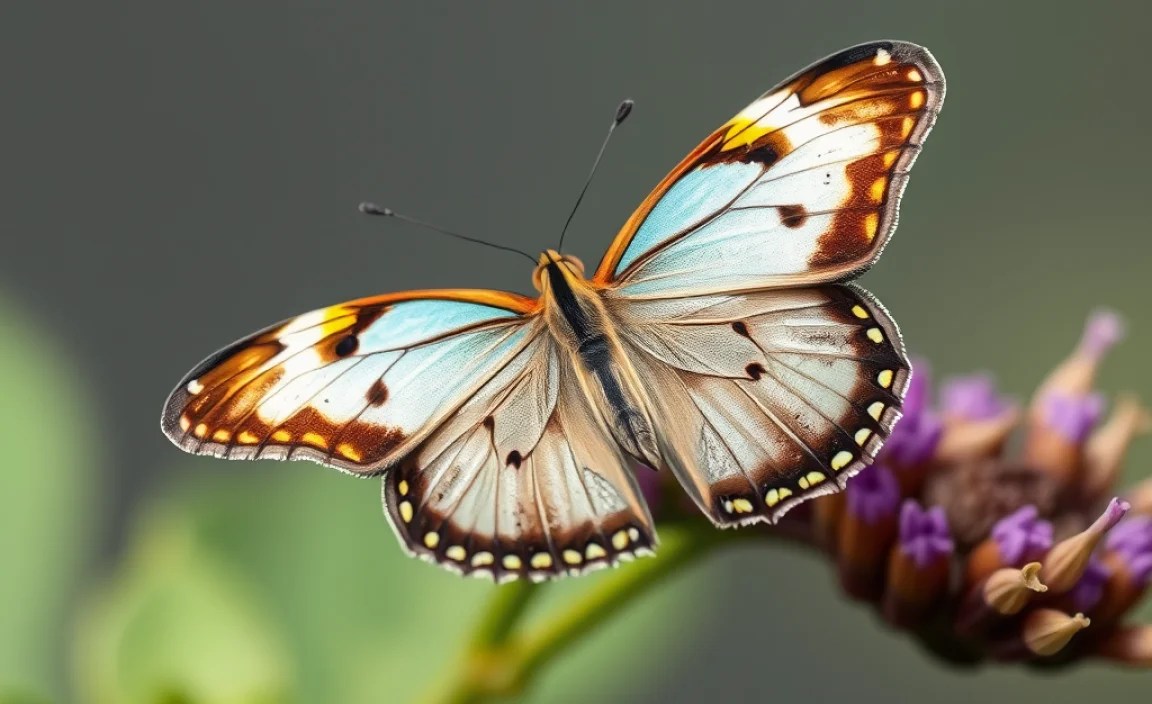
Metalmark butterflies are a fascinating group. They belong to the Riodinidae family. These butterflies are known for their small size and bright colors. Many have metallic spots on their wings. This gives them their name. Metalmarks live all over the world. You can find them in North and South America. They also live in Asia and Africa. Each region has its own types of metalmarks. Identification of metalmark butterflies starts with knowing where they live. Some metalmarks are very common. Others are rare and hard to find. These butterflies play an important role in their ecosystems. They help pollinate flowers. They also serve as food for other animals. Learning about metalmarks helps us protect them.
- Metalmarks belong to the Riodinidae family.
- They are known for small size.
- Many have metallic spots.
- They live worldwide.
- They help pollinate flowers.
Identifying metalmark butterflies requires careful observation. Look closely at their wing patterns. Notice the colors and shapes. Some metalmarks have stripes. Others have spots or bands. The metallic markings can be different colors too. They might be silver, gold, or copper. Size also matters. Some metalmarks are tiny, while others are larger. The butterfly’s behavior can give you clues. Some metalmarks fly very fast. Others flutter gently. The plants they visit can also help. Some metalmarks only lay eggs on certain plants. By paying attention to these details, you can learn to identify different metalmark butterflies. It takes practice, but it’s a fun and rewarding hobby.
Fun Fact or Stat: There are over 1,000 different species of metalmark butterflies around the world!
What Makes Metalmarks Unique?
Have you ever wondered what makes metalmark butterflies so special? It’s not just their shiny wings! Metalmarks have unique behaviors. They often perch with their wings open. This lets them soak up the sun. They also have special relationships with ants. Some metalmark caterpillars produce sweet liquids. The ants drink this liquid and protect the caterpillars. This is called mutualism. Metalmarks also have diverse diets. Some feed on nectar. Others feed on pollen or sap. Their life cycle is interesting too. The eggs, caterpillars, and pupae all look different. Each stage plays a role in the butterfly’s life. Identification of metalmark butterflies includes knowing their life cycle stages.
Metalmark Habitats
Imagine you’re a metalmark butterfly. Where would you want to live? Metalmarks live in many different places. Some like tropical rainforests. Others prefer dry deserts. You can find them in meadows and forests too. The type of habitat affects which metalmarks live there. Some species are adapted to specific environments. For example, some metalmarks can survive in very hot climates. Others can tolerate cold temperatures. Habitat also affects their food. Metalmarks need plants to lay their eggs on. The caterpillars eat these plants. Without the right plants, they cannot survive. When trying identification of metalmark butterflies, consider the habitat.
Threats to Metalmarks
Metalmark butterflies face many dangers. Their habitats are being destroyed. Forests are cut down for farms and cities. This leaves metalmarks with nowhere to live. Pollution also harms them. Pesticides can kill the caterpillars. Climate change is another threat. As the weather changes, metalmarks may not be able to adapt. Some species are already becoming rare. We need to protect these beautiful creatures. We can plant native plants. This gives them food and shelter. We can also reduce pollution. By helping metalmarks, we help the whole ecosystem. Identification of metalmark butterflies can motivate conservation efforts.
Key Characteristics for Identification

Identification of metalmark butterflies relies on observing key features. Wing shape is important. Some metalmarks have rounded wings. Others have pointed wings. The edges of the wings can also be different. Some are smooth. Others are jagged. Wing patterns are crucial. Look for stripes, spots, and bands. Note the colors and how they are arranged. The metallic markings are a key identifier. Pay attention to their location and color. Body size and shape also matter. Some metalmarks are small and slender. Others are larger and more robust. Antennae can also vary. Some are long and thin. Others are short and thick. By examining these characteristics, you can learn to tell different metalmarks apart.
- Observe the wing shape carefully.
- Note the wing patterns.
- Pay attention to metallic markings.
- Consider body size and shape.
- Examine the antennae.
The process of identifying metalmark butterflies can be challenging. But it’s also very rewarding. Start by taking clear photos. This allows you to study the butterfly later. Use a field guide to compare your photos. Look for similar patterns and colors. Online resources can also help. Websites like BugGuide.net have many photos and descriptions. Don’t be afraid to ask for help. Join a local butterfly club. Experts can help you identify tricky species. Remember, practice makes perfect. The more you observe and study, the better you will become at identification of metalmark butterflies. Enjoy the journey of discovery!
Fun Fact or Stat: Metalmark butterflies often have intricate patterns that look like tiny brushstrokes!
Using Wing Patterns to Identify
Imagine you’re an artist trying to paint a metalmark butterfly. What patterns would you use? Wing patterns are a key to identification of metalmark butterflies. Look for spots, stripes, and bands. Notice how they are arranged on the wings. Some metalmarks have a series of small spots. Others have bold, contrasting stripes. The patterns can be different on the upper and lower wings. Pay attention to the edges of the wings. Some have a fringe of hairs. Others have small tails. The patterns can also change with age. Freshly emerged butterflies may have brighter colors. Older butterflies may be faded. By studying the wing patterns carefully, you can unlock the secrets of metalmark identification.
Focusing on Metallic Markings
Have you ever seen a butterfly that looks like it’s wearing jewelry? That’s probably a metalmark! The metallic markings are what give these butterflies their name. They can be silver, gold, copper, or bronze. The markings can be spots, lines, or patches. Their location on the wings is important. Some metalmarks have markings near the edge of the wing. Others have them closer to the body. The shape of the markings also varies. Some are round, while others are elongated. The metallic shine comes from tiny scales on the wings. These scales reflect light in different ways. When trying identification of metalmark butterflies, focus on these shiny details.
Considering Size and Shape
If you lined up all the metalmark butterflies, what differences would you see? Size and shape are important clues. Metalmarks range in size from very small to medium. Some are dainty and delicate. Others are more robust. The shape of the wings can also vary. Some are rounded, while others are more angular. The body shape can also differ. Some metalmarks have slender bodies. Others have thicker bodies. The length of the antennae can also be a clue. Some have long, thin antennae. Others have shorter, thicker ones. When you attempt identification of metalmark butterflies, look at the whole picture, including size and shape.
Metalmark Colors And Markings
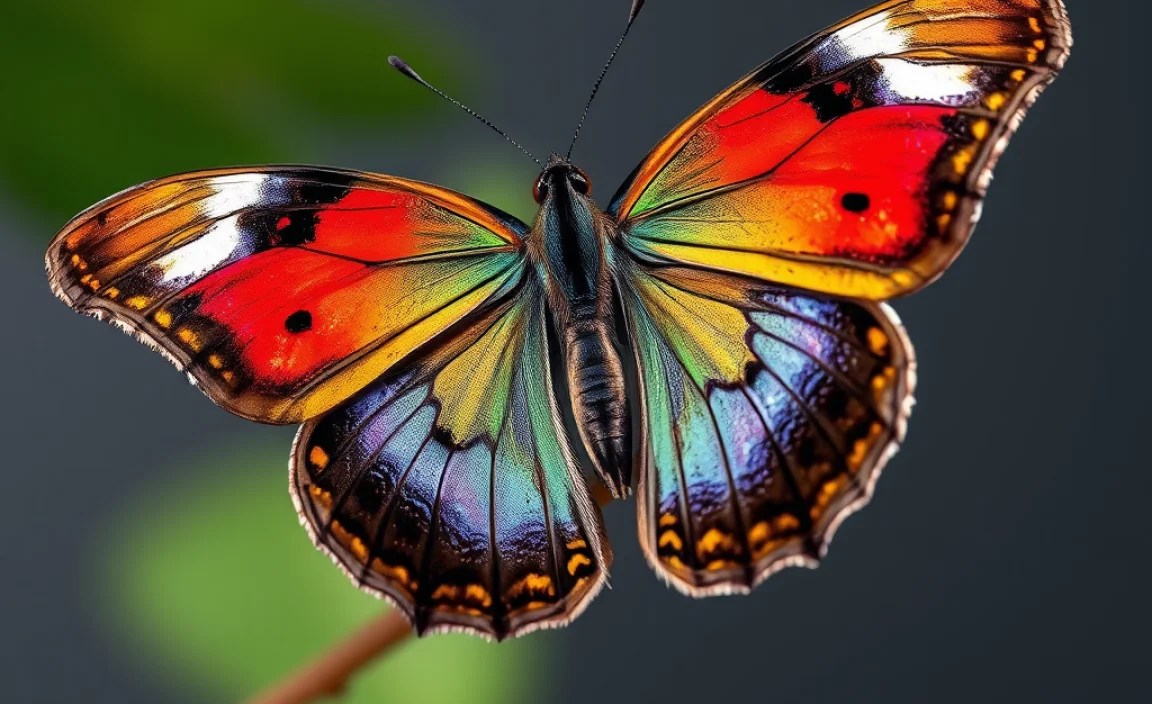
The colors and markings of metalmark butterflies are amazing. They help with identification of metalmark butterflies. Some metalmarks are bright orange or red. Others are brown or black. Many have a mix of colors. The patterns can be simple or complex. Some have just a few spots. Others have intricate designs. The metallic markings add to the beauty. They can be silver, gold, or copper. The colors and markings help metalmarks blend in with their surroundings. This protects them from predators. They also help them attract mates. The patterns can also confuse predators. By understanding the colors and markings, you can identify different species.
- Colors range from orange to black.
- Patterns can be simple or complex.
- Metallic markings add shine.
- Colors help with camouflage.
- Patterns can confuse predators.
To really master identification of metalmark butterflies, use all your senses. Observe the colors in natural light. This will help you see the true shades. Pay attention to how the light reflects off the metallic markings. Notice the contrast between different colors. Look for subtle variations in patterns. Use a magnifying glass to see the details. Take notes on what you observe. Compare your observations with photos in a field guide. Ask yourself questions. What colors are most prominent? How are the patterns arranged? Are the metallic markings shiny or dull? By asking these questions, you can sharpen your observation skills and become a better metalmark identifier.
Fun Fact or Stat: Some metalmark butterflies have wing patterns that mimic spiderwebs to deter predators!
Understanding Color Variations
Have you ever noticed how colors can look different depending on the light? Color variations are common in metalmark butterflies. The same species can look different depending on where it lives. Butterflies in sunny areas may be brighter. Those in shady areas may be duller. The time of year can also affect color. Freshly emerged butterflies may have more vibrant colors. Older butterflies may be faded. Even the butterfly’s diet can change its color. Some caterpillars eat plants that affect their wing color. When trying identification of metalmark butterflies, consider these variations.
Decoding Metallic Markings
Imagine you’re a scientist studying the shiny parts of metalmark wings. What would you discover? The metallic markings are made of tiny scales. These scales reflect light in different ways. The color of the markings depends on the angle of the light. Some markings appear silver in one light and gold in another. The shape of the scales also affects the shine. Some scales are smooth and flat. Others are ridged or textured. The arrangement of the scales creates different patterns. Some patterns are simple lines. Others are complex designs. To help with identification of metalmark butterflies, study the metallic markings closely.
Patterns as Clues
If metalmark wings could talk, what stories would their patterns tell? Patterns on the wings are important clues. They can tell you about the butterfly’s species. They can also tell you about its age and sex. Some patterns are unique to certain regions. Others are found in many different places. The patterns can change over time. Some butterflies have different patterns as caterpillars. The patterns can also be affected by the environment. Butterflies that live in polluted areas may have different patterns. When attempting identification of metalmark butterflies, use patterns as your guide.
Comparing Metalmark Species
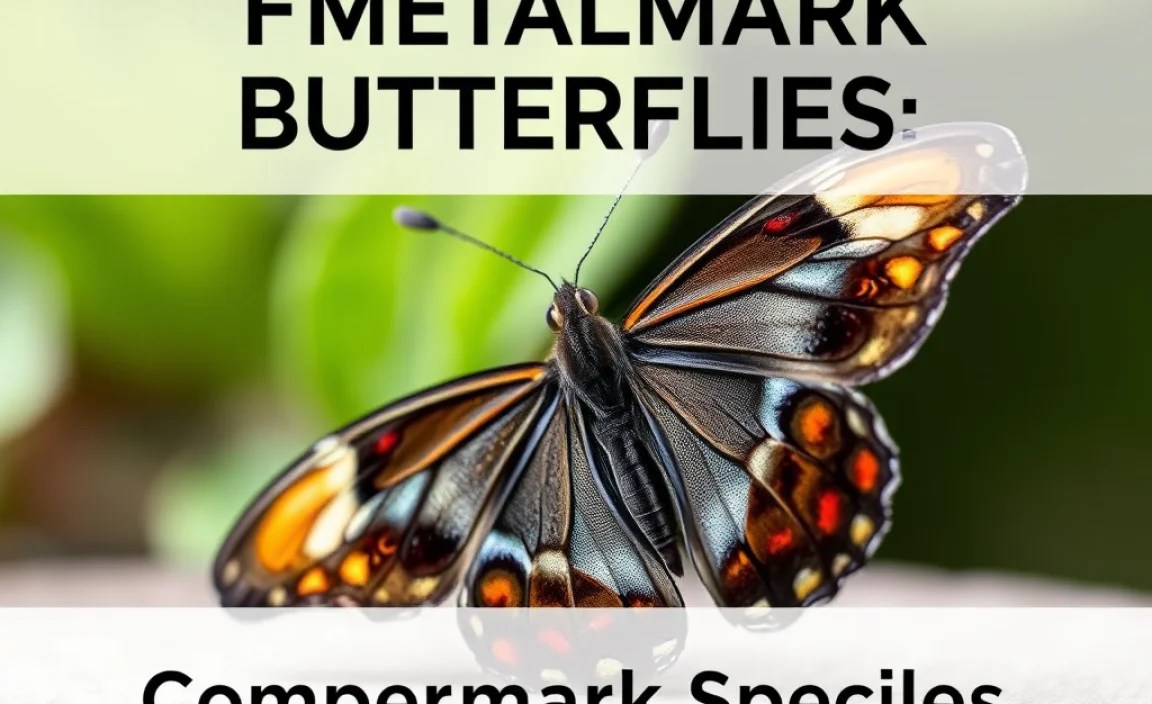
To master identification of metalmark butterflies, you must compare species. Each species has unique features. These features set them apart. Look at the wing shape. Some have rounded wings. Others have pointed wings. Compare the colors. Some are bright and bold. Others are muted and subtle. Examine the patterns. Some have simple patterns. Others have complex designs. The metallic markings are also important. Some are silver. Others are gold or copper. Consider the size. Some are tiny. Others are larger. The habitat also matters. Some live in forests. Others live in meadows. By comparing these features, you can learn to identify different species.
- Compare wing shapes.
- Compare colors.
- Examine patterns.
- Note metallic markings.
- Consider size.
- Think about habitat.
Comparing metalmark species requires careful observation. Start by taking detailed notes. Write down everything you see. Draw sketches of the wings and patterns. Take photos from different angles. Use a magnifying glass to see the details. Compare your notes with a field guide. Look for similar features. Pay attention to the differences. Ask yourself questions. What is the most distinctive feature? Which species is most similar? Are there any unusual markings? By asking these questions, you can improve your identification skills and learn to identify metalmark butterflies with confidence.
Fun Fact or Stat: Some metalmark species can only be found in very small, specific areas, making them extremely rare!
Using a Field Guide
Imagine you’re a detective trying to solve a butterfly mystery. What tools would you use? A field guide is your best friend! Field guides are books that help you identify plants and animals. They have photos and descriptions of different species. They also have information about their habitat and behavior. To use a field guide, start by looking at the photos. Find a photo that looks like the butterfly you saw. Read the description carefully. Pay attention to the key features. Compare the description with your notes. Check the habitat information. Does it match where you saw the butterfly? Identification of metalmark butterflies is easier with a good field guide.
Online Resources for Comparison
Have you ever used the internet to identify a butterfly? Online resources are a great way to compare metalmark species. Websites like BugGuide.net have many photos and descriptions. You can search for butterflies by location or features. Online forums let you ask experts for help. You can post photos of your butterfly. Other butterfly enthusiasts can help you identify it. Online resources are constantly updated. They have the latest information about metalmark butterflies. When attempting identification of metalmark butterflies, explore the web!
Creating Your Own Comparison Chart
If you were a scientist studying metalmark butterflies, how would you organize your data? Creating a comparison chart is a great way to learn. Draw a table with columns for different features. Include wing shape, color, pattern, and size. Add rows for different metalmark species. Fill in the table with information about each species. Use your field guide and online resources. Compare the features side by side. This will help you see the differences. You can also add photos to your chart. This will make it even easier to compare. Using a comparison chart helps with identification of metalmark butterflies.
Metalmark Butterfly Habitats
The habitat of a metalmark butterfly is very important. It helps with identification of metalmark butterflies. Metalmarks live in many places. Some live in rainforests. Others live in deserts. You can find them in forests and meadows too. The habitat affects what they eat. It also affects their behavior. Metalmarks need specific plants to survive. The caterpillars eat these plants. The adults drink nectar from flowers. The habitat also provides shelter. Metalmarks need places to hide from predators. They also need places to lay their eggs. Understanding their habitat helps us protect them.
- Metalmarks live in diverse habitats.
- Habitat affects their food.
- It affects their behavior too.
- They need specific plants.
- Habitat provides shelter.
When you try identification of metalmark butterflies, pay attention to the habitat. Ask yourself questions. What kind of plants are growing there? Is it sunny or shady? Is it wet or dry? The answers to these questions can help you narrow down the possibilities. For example, if you find a metalmark in a rainforest, it’s probably a different species than one you find in a desert. By considering the habitat, you can make the identification process much easier and learn more about these fascinating insects.
Fun Fact or Stat: Some metalmark butterflies live in very specific habitats, like only on certain types of rocky outcrops!
Forest Dwellers
Imagine you’re walking through a forest, searching for metalmark butterflies. What would you look for? Forest metalmarks often live in shady areas. They prefer forests with lots of trees and plants. They need trees for shelter. They also need plants for food. Some forest metalmarks feed on tree sap. Others feed on nectar from forest flowers. The caterpillars eat leaves from trees and shrubs. When you attempt identification of metalmark butterflies in a forest, look for these clues.
Meadow Metalmarks
Have you ever seen a butterfly flitting through a sunny meadow? Meadow metalmarks love open spaces. They prefer meadows with lots of wildflowers. They need flowers for nectar. The caterpillars eat grasses and other meadow plants. Meadow metalmarks often have bright colors. This helps them attract mates in the open. When you try identification of metalmark butterflies in a meadow, look for these colorful fliers.
Desert Survivors
If you were a butterfly living in the desert, how would you survive? Desert metalmarks are tough. They can survive in hot, dry conditions. They need special adaptations to survive. Some desert metalmarks are small and light-colored. This helps them reflect sunlight. They also have long legs. This helps them stay cool on the hot sand. The caterpillars eat desert plants. The adults drink nectar from desert flowers. When trying identification of metalmark butterflies in a desert, look for these hardy survivors.
Host Plants And Metalmark ID
Host plants play a big role in identification of metalmark butterflies. Host plants are the plants that caterpillars eat. Metalmark caterpillars are picky eaters. They often only eat one or two types of plants. The adults lay their eggs on these plants. When the eggs hatch, the caterpillars have food. Knowing the host plant can help you identify the butterfly. If you see a metalmark near a certain plant, it’s likely that the plant is its host. You can use this information to narrow down the possibilities. Look for caterpillars on the plant. This can also help with identification.
- Host plants are food for caterpillars.
- Caterpillars are picky eaters.
- Adults lay eggs on host plants.
- Knowing host plants helps with ID.
- Look for caterpillars on plants.
To use host plants for identification of metalmark butterflies, start by learning about the local plants. Visit a local nature center or botanical garden. Ask about the common plants in your area. Learn what they look like. Take photos of the plants. Then, when you see a metalmark, look for nearby plants. If you know what the plant is, you can check a field guide. See if that plant is a host for any metalmark species. If it is, you may have found your butterfly! This method takes practice, but it can be very helpful in identifying these beautiful insects.
Fun Fact or Stat: Some metalmark butterfly caterpillars have a symbiotic relationship with ants, who protect them in exchange for honeydew!
Finding Host Plants
Imagine you’re a metalmark mom, looking for the perfect place to lay your eggs. Where would you look? Finding host plants is key. Start by searching in the right habitat. If you’re in a forest, look for trees and shrubs. If you’re in a meadow, look for wildflowers and grasses. Look for plants that are healthy and growing well. Metalmark caterpillars need good food to grow. Check the leaves for signs of caterpillars. Look for small holes or chewed edges. If you find a plant with these signs, it might be a host plant.
Matching Plants to Butterflies
If you were a scientist studying metalmark butterflies, how would you connect them to their host plants? Matching plants to butterflies takes observation. Watch the butterflies carefully. See where they lay their eggs. Collect caterpillars and raise them. This will help you identify the butterfly. Take photos of the plants and butterflies. Compare them to photos in a field guide. Talk to experts at a local nature center. They can help you identify the plants and butterflies. Over time, you will learn to match plants to butterflies. This helps greatly with identification of metalmark butterflies.
Using Host Plants as a Tool
Have you ever used a plant to identify an insect? Host plants are a useful tool. If you see a metalmark near a certain plant, you can make an educated guess. Check a field guide to confirm your guess. Look for other clues, like wing patterns and colors. Consider the habitat. The more clues you have, the better your chances of success. Host plants can be a valuable tool for identification of metalmark butterflies.
Resources For Metalmark Identification
To become a pro at identification of metalmark butterflies, use different resources. Field guides are great for comparing pictures. Websites offer up-to-date information. Butterfly clubs provide expert advice. Museums have collections to study. Apps can help you identify butterflies on the go. Each resource has its own strengths. Using a combination of resources is best. This will give you a well-rounded understanding. It helps you identify metalmarks with confidence.
- Use field guides for pictures.
- Websites offer current information.
- Butterfly clubs have experts.
- Museums offer collections.
- Apps help with on-the-go ID.
When you use these resources, be critical. Compare information from different sources. Not all resources are created equal. Some may be outdated or inaccurate. Look for resources that are reputable and well-researched. Check the authors’ credentials. Are they experts in the field? Look for reviews from other users. What do they say about the resource? By being critical, you can choose the best resources for identification of metalmark butterflies. This will help you become a more accurate and confident identifier.
Fun Fact or Stat: Some online databases have thousands of photos of metalmark butterflies, taken by citizen scientists around the world!
Field Guides
Imagine you’re going on a butterfly adventure. What book would you bring? A field guide is essential. Field guides have photos and descriptions of butterflies. They also have information about their habitat and behavior. Look for a field guide that covers your region. Choose one with clear photos and accurate descriptions. Practice using the field guide at home. This will help you identify butterflies in the field. Field guides are a valuable resource for identification of metalmark butterflies.
Websites and Apps
Have you ever used an app to identify a butterfly? Websites and apps are useful tools. They offer up-to-date information and photos. Some apps can even identify butterflies from photos you take. Look for websites and apps that are reputable. Check the reviews before you download anything. Be careful about sharing your location data. Websites and apps can be helpful for identification of metalmark butterflies, but use them wisely.
Butterfly Clubs
If you love butterflies, why not join a club? Butterfly clubs are groups of people who share your passion. They organize field trips and workshops. They also have experts who can help you identify butterflies. Joining a butterfly club is a great way to learn and connect with others. It is also a good way to improve your skills with identification of metalmark butterflies.
Summary
Identification of metalmark butterflies can seem hard at first. These small, shiny butterflies have many variations. But by focusing on key features, you can learn to tell them apart. Look at the wing patterns carefully. Notice the colors and metallic markings. Consider the size and shape of the butterfly. Pay attention to the habitat. What plants are growing nearby? Use field guides and online resources to help you. Join a butterfly club to learn from experts. Remember, practice makes perfect. The more you observe and study, the better you will become. Soon, you’ll be able to identify metalmark butterflies with confidence.
Metalmarks are an important part of our ecosystem. Protecting them starts with understanding them. By learning to identify them, we can appreciate their beauty and help conserve their habitats. So, grab your field guide and head outside. Start exploring the world of metalmark butterflies!
Conclusion
Identification of metalmark butterflies is a fun and rewarding challenge. These small, shiny insects have many unique features. By paying attention to wing patterns, colors, and habitats, you can learn to identify them. Use field guides, online resources, and butterfly clubs to help you. The more you learn, the more you will appreciate these amazing creatures. Protecting metalmarks is important. They play a vital role in our ecosystem. By learning to identify them, you can help conserve their habitats and ensure their survival for future generations.
Frequently Asked Questions
Question No 1: What are metalmark butterflies?
Answer: Metalmark butterflies are a group of small butterflies known for their metallic spots on their wings. They belong to the Riodinidae family. There are over 1,000 different species of metalmarks around the world. They live in many different habitats, from rainforests to deserts. They are an important part of their ecosystems. They help pollinate flowers and serve as food for other animals. Their unique markings and behaviors make identification of metalmark butterflies both challenging and rewarding.
Question No 2: How can I identify a metalmark butterfly?
Answer: Identification of metalmark butterflies involves looking at several key features. Start by observing the wing shape. Is it rounded or pointed? Next, examine the colors and patterns. Are there stripes, spots, or bands? Pay attention to the metallic markings. What color are they? Consider the size and shape of the butterfly. Finally, note the habitat. What plants are growing nearby? Use a field guide or online resource to compare your observations. With practice, you can learn to identify different metalmark species.
Question No 3: What are some common metalmark butterflies in North America?
Answer: North America is home to many different metalmark species. Some common ones include the American Metalmark, the Little Metalmark, and the Mormon Metalmark. The American Metalmark is found in the eastern United States. It has orange and brown wings with metallic spots. The Little Metalmark is found in the southwestern United States. It is smaller and has darker wings. The Mormon Metalmark is found in the western United States. It has white and black wings with metallic markings. Identification of metalmark butterflies requires knowing the regional species.
Question No 4: What are host plants and why are they important for metalmark butterflies?
Answer: Host plants are the plants that metalmark caterpillars eat. Metalmark caterpillars are picky eaters. They often only eat one or two types of plants. The adults lay their eggs on these plants. When the eggs hatch, the caterpillars have food. Knowing the host plant can help you with identification of metalmark butterflies. If you see a metalmark near a certain plant, it’s likely that the plant is its host. Host plants are essential for the survival of metalmark butterflies.
Question No 5: What resources can I use to identify metalmark butterflies?
Answer: There are many resources available to help you. Field guides are a great starting point. They have photos and descriptions of different species. Websites like BugGuide.net offer up-to-date information and photos. Butterfly clubs provide expert advice and organize field trips. Museums have collections of butterflies to study. Apps can help you identify butterflies on the go. Using a combination of these resources will improve your skills at identification of metalmark butterflies.
Question No 6: How can I help protect metalmark butterflies?
Answer: Protecting metalmark butterflies starts with understanding them. Learn about their habitats and host plants. Plant native plants in your garden. This provides food and shelter for metalmarks. Reduce your use of pesticides. Pesticides can harm or kill caterpillars. Support organizations that conserve butterfly habitats. Educate others about the importance of metalmark butterflies. By taking these steps, you can help ensure the survival of these beautiful creatures. Identification of metalmark butterflies is the first step toward conservation.