
Butterfly Identification Eastern USA: Your Easy Guide

Have you ever seen a butterfly flutter by? The Eastern USA is home to many kinds. Figuring out what kind it is can be fun. It is like being a nature detective! Butterfly identification Eastern USA can be tricky. But with some practice, you can learn to tell them apart.
Butterflies are beautiful insects. They start as caterpillars and change a lot. This change is called metamorphosis. Wouldn’t you like to know more about it?
Learning about butterfly identification Eastern USA opens up a new world. You can impress your friends with your knowledge. You can also help scientists track butterfly populations. It’s a great way to connect with nature. So, let’s get started on our butterfly adventure!
Key Takeaways
- Butterfly identification Eastern USA involves looking at size, color, and wing patterns.
- Different butterfly families have unique traits that aid in identification.
- Knowing a butterfly’s habitat and food source helps narrow down the possibilities.
- Using field guides and online resources makes identification easier and more accurate.
- Practice and patience are key to becoming good at identifying butterflies.
Basics of Butterfly Identification Eastern USA

Butterfly identification Eastern USA requires looking at different things. Size is one of the first clues. Some butterflies are tiny, while others are quite large. Color is another important factor. Butterflies come in all colors of the rainbow. Wing patterns are also key. Look for spots, stripes, and other markings. These patterns can help you tell one kind of butterfly from another. You also need to know the parts of a butterfly. Wings, body, head and antennae are important. All these details help you figure out the butterfly’s name. With some time and effort, you’ll become a butterfly expert! It is a skill that you can use anywhere in the Eastern USA.
- Observe the butterfly’s size carefully.
- Note the colors and patterns on its wings.
- Pay attention to the shape of the wings.
- Look at the butterfly’s behavior.
- Check the butterfly’s habitat.
- Use a field guide for reference.
Learning about butterflies is like learning a new language. You start with the basics. Then, you slowly learn more complex things. The more you practice, the better you get. Don’t get discouraged if you can’t identify every butterfly right away. Even experts sometimes have trouble. The key is to keep learning and keep exploring. There are many resources available to help you. Books, websites, and local experts can all provide valuable information. So, grab your field guide and get ready to discover the amazing world of butterflies! Remember, every butterfly you see is a chance to learn something new.
Fun Fact or Stat: Did you know that some butterflies migrate thousands of miles each year?
What are the Main Butterfly Families?
Do you know that butterflies have families? Yes, they do! Just like how you have a family, butterflies do too. Learning about these families can make butterfly identification Eastern USA easier. Some common families include Swallowtails, Whites and Sulphurs, Blues and Hairstreaks, and Brush-foots. Swallowtails are often large and have tails on their wings. Whites and Sulphurs are usually white or yellow. Blues and Hairstreaks are small and often blue. Brush-foots have hairy front legs. Each family has unique characteristics. By learning these, you can narrow down your search when identifying a butterfly. It’s like having secret codes for butterflies!
Why is Habitat Important for Identification?
Imagine you are trying to find a friend in a big park. Would it help to know where they usually hang out? Of course! The same is true for butterflies. Where you see a butterfly can help with identification. Some butterflies like forests. Others prefer meadows. Some live near water. Knowing the habitat helps you narrow down the possibilities. For example, if you see a butterfly in a swampy area, it’s probably not a Monarch. Habitat is a crucial clue in the butterfly detective game. So, pay attention to where you spot each butterfly.
What Tools Can Help with Identification?
Have you ever used a magnifying glass to look at something small? It helps you see the details, right? There are tools that can help with butterfly identification Eastern USA too. Field guides are like butterfly encyclopedias. They have pictures and descriptions of different species. Websites and apps can also be helpful. Some let you upload a photo and get an identification. A good pair of binoculars can help you see butterflies from a distance. These tools can make the process easier and more fun. So, gather your tools and get ready to explore!
Identifying Swallowtail Butterflies
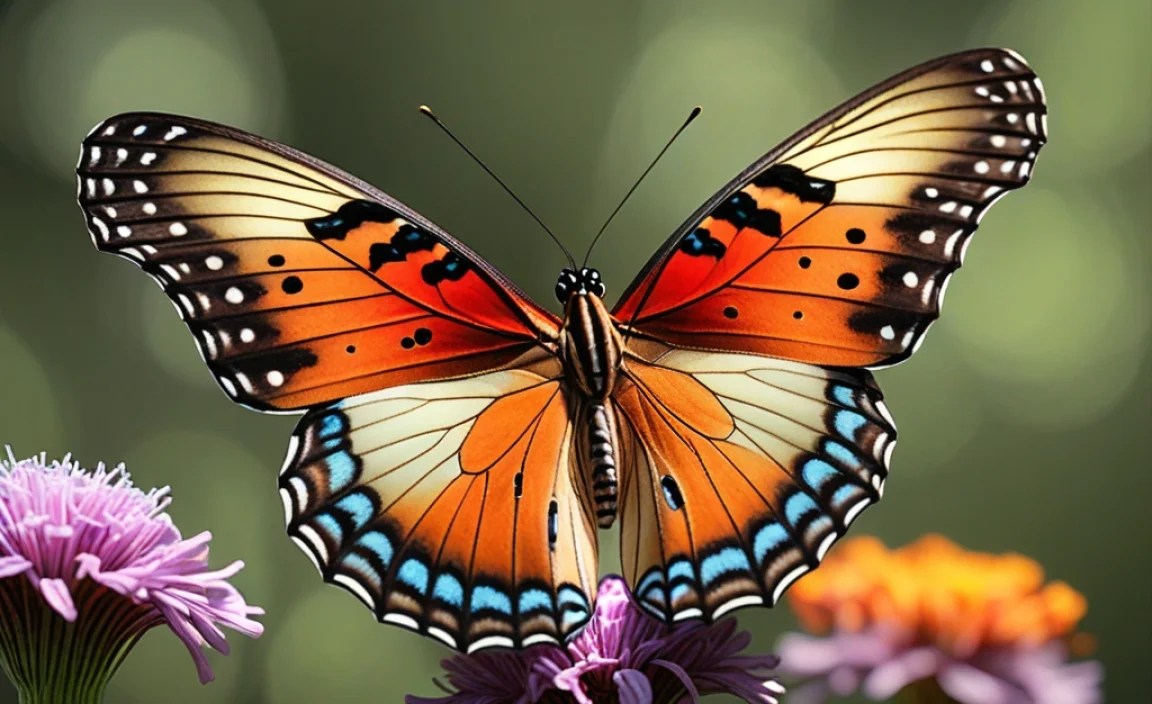
Swallowtail butterflies are among the most stunning in the Eastern USA. They are large and have beautiful patterns. They often have “tails” on their hind wings, which is how they got their name. Some common Swallowtails include the Eastern Tiger Swallowtail and the Black Swallowtail. The Eastern Tiger Swallowtail is yellow with black stripes. The Black Swallowtail is black with colorful spots. These butterflies are often seen in gardens and meadows. They like to feed on nectar from flowers. Learning to identify Swallowtails is a great start to your butterfly journey. They are easy to spot and fun to watch. You will be able to recognize them from miles away after practice.
- Look for the distinctive tails on the wings.
- Note the size of the butterfly.
- Observe the colors and patterns.
- Check the habitat where you find it.
- See what kind of flowers it visits.
- Compare your findings to a field guide.
Identifying Swallowtails can be like solving a puzzle. Each detail is a clue. The more clues you gather, the easier it becomes. Pay attention to the small things. The shape of the tails, the color of the spots, and the way it flies. These all tell you something about the butterfly. Don’t be afraid to ask for help. Local butterfly experts can offer valuable insights. They can also point you to resources that can help you learn more. With practice, you’ll become a Swallowtail expert in no time. Keep exploring and keep learning. The world of butterflies is full of surprises!
Fun Fact or Stat: Some Swallowtail caterpillars mimic bird droppings to avoid being eaten!
What is Unique About Tiger Swallowtails?
Have you ever seen a butterfly that looks like a tiger? The Tiger Swallowtail is named for its stripes. These stripes look a lot like a tiger’s. Tiger Swallowtails are large and yellow. They are common in the Eastern USA. They are often seen in gardens and forests. Female Tiger Swallowtails can be yellow or black. This is called polymorphism. It helps them avoid predators. Tiger Swallowtails are beautiful and fascinating butterflies. Learning about them can teach you a lot about nature. Keep an eye out for these amazing creatures!
How to Identify Black Swallowtails?
Imagine a butterfly dressed in black. That’s a Black Swallowtail! Black Swallowtails are dark with colorful spots. The spots are usually yellow, orange, and blue. Male and female Black Swallowtails look different. Males have more yellow spots. Females have more blue spots. Black Swallowtails lay their eggs on plants in the parsley family. This includes dill, parsley, and fennel. If you grow these plants, you might attract Black Swallowtails. They are a welcome sight in any garden. Try planting some of these to attract them.
Where Do Swallowtails Usually Live?
Think about where you like to spend your time. Do you prefer the park, the woods, or the beach? Butterflies also have favorite places. Swallowtails can be found in different habitats. Some like open fields. Others prefer forests. Eastern Tiger Swallowtails often live in deciduous forests. Black Swallowtails are common in gardens and meadows. Knowing where a butterfly lives can help you identify it. It’s like knowing where to find your friends. So, pay attention to the habitat when you are looking for butterflies. You can find them in different locations.
| Butterfly | Color | Size | Habitat |
|---|---|---|---|
| Eastern Tiger Swallowtail | Yellow with black stripes | Large | Forests, gardens |
| Black Swallowtail | Black with colorful spots | Large | Gardens, meadows |
| Spicebush Swallowtail | Black with green and blue | Medium | Woodlands, swamps |
| Zebra Swallowtail | White with black stripes | Medium | Woodlands, near pawpaw trees |
Recognizing Monarch and Viceroy Butterflies
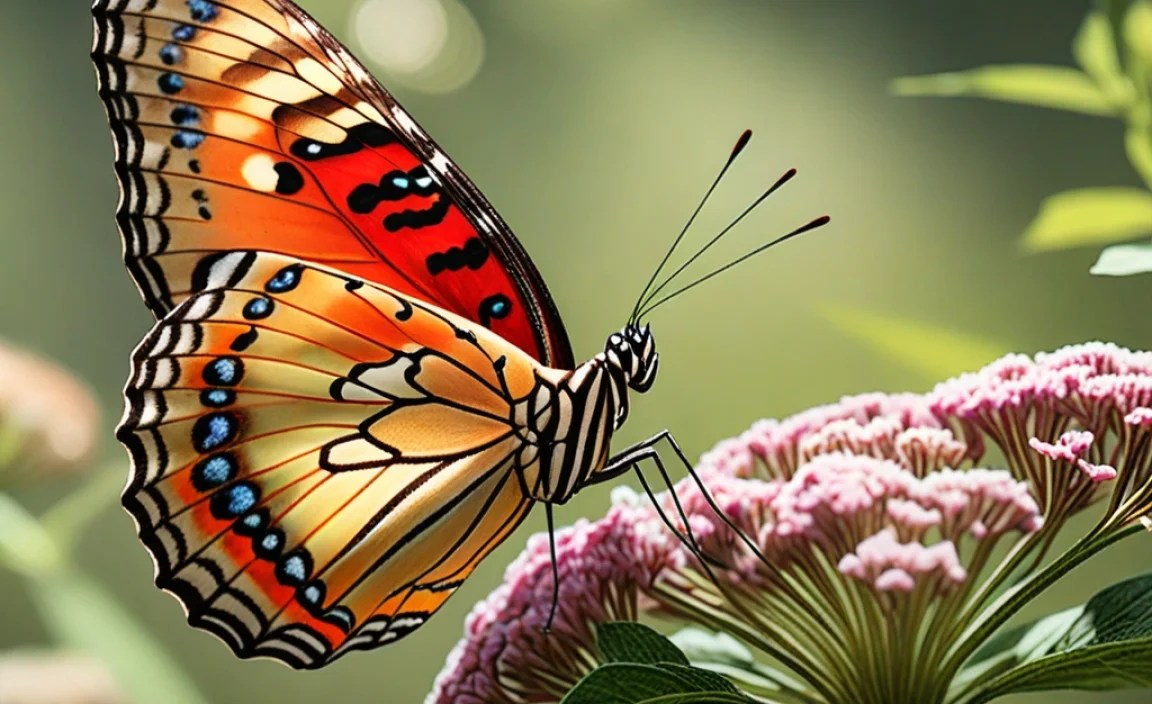
Monarch and Viceroy butterflies look very similar. This is called mimicry. The Viceroy mimics the Monarch to avoid predators. Monarchs are poisonous to some animals. So, Viceroys benefit from looking like them. Both butterflies are orange and black. However, there are some key differences. Monarchs have thicker black veins on their wings. Viceroys have a black line across their hind wings. Monarchs also tend to be larger. Knowing these differences can help you tell them apart. Butterfly identification Eastern USA often comes down to small details. You need to look very closely to tell these two apart.
- Look for the black line on the Viceroy’s hind wings.
- Compare the thickness of the black veins.
- Observe the size of the butterfly.
- Check the location – Monarchs migrate.
- Note the butterfly’s behavior.
- Use a field guide to confirm.
Identifying Monarchs and Viceroys can be a fun challenge. It’s like a visual puzzle. The more you practice, the easier it becomes. Pay attention to the details. The way they fly, the plants they visit, and the time of year you see them. These can all provide clues. Monarchs are famous for their long migration. They travel thousands of miles each year. Viceroys do not migrate as far. This can be another clue to help you identify them. So, keep your eyes open and keep learning. The world of butterflies is full of amazing surprises!
Fun Fact or Stat: Monarch butterflies migrate up to 3,000 miles each year!
What Makes Monarchs Unique?
Imagine a butterfly that travels thousands of miles. That’s a Monarch! Monarchs are famous for their long migration. They fly from Canada and the United States to Mexico. They spend the winter in warm forests. Monarchs are orange and black. They are poisonous to some animals. This protects them from predators. Monarch caterpillars feed on milkweed. Milkweed is essential for their survival. Monarchs are a symbol of nature’s beauty and resilience. Protect their habitat so they can continue their journey.
How Do Viceroys Mimic Monarchs?
Have you ever pretended to be someone else? Viceroys do something similar. They mimic Monarchs. This means they look like Monarchs to avoid predators. Monarchs are poisonous, so predators avoid them. Viceroys are not poisonous, but they look like they are. This trick helps them survive. The Viceroy has a black line on its hind wing. This line helps you tell it apart from a Monarch. Mimicry is a fascinating adaptation in the natural world. It helps animals survive.
Where Do Monarchs and Viceroys Live?
Think about your neighborhood. Where do you usually see your friends? Monarchs and Viceroys also have favorite places. Monarchs can be found in fields and meadows. They like areas with milkweed. Viceroys live in similar habitats. They also like wetlands and forests. Knowing their habitat can help you identify them. If you see an orange butterfly near milkweed, it might be a Monarch. If you see one near a wetland, it might be a Viceroy. Habitat is a helpful clue for butterfly identification Eastern USA.
Identifying Blues and Hairstreaks

Blues and Hairstreaks are small, delicate butterflies. They are often overlooked because of their size. But they are beautiful and fascinating. Blues are usually blue or purple. Hairstreaks have small “tails” on their hind wings. These tails look like hairs, hence the name. Some common Blues include the Eastern Tailed-Blue and the Spring Azure. Some common Hairstreaks include the Gray Hairstreak and the Banded Hairstreak. These butterflies are often found in gardens and woodlands. They are attracted to flowers with small, tubular blossoms. Learning to identify Blues and Hairstreaks can add a new dimension to your butterfly watching. They are small but mighty in the butterfly world.
- Note the small size of these butterflies.
- Observe the blue or purple colors of Blues.
- Look for the “tails” on Hairstreaks.
- Check the habitat – gardens, woodlands.
- See what flowers they visit.
- Use a magnifying glass for closer inspection.
Identifying Blues and Hairstreaks requires a keen eye. These butterflies are small and fast-moving. It can be challenging to get a good look at them. A good pair of binoculars can help. So can a macro lens for your camera. The key is to be patient and observant. Look for small details like the color of the spots or the shape of the tails. Don’t be afraid to use a field guide. It can help you confirm your identification. With practice, you will become a pro at spotting these tiny treasures. The more you observe, the more you will learn about the amazing world of butterflies.
Fun Fact or Stat: Some Hairstreak caterpillars are cared for by ants!
What Colors Are Common Among Blues?
Think of the color blue. What shades come to mind? Blues butterflies come in many shades of blue. Some are light blue. Others are dark blue. Some even have a hint of purple. The Eastern Tailed-Blue is a bright blue. The Spring Azure is a pale blue. The color can vary depending on the butterfly’s gender. Males are often brighter than females. The color of the butterfly can be a helpful clue when identifying it. So, pay attention to the different shades of blue.
What Defines a Hairstreak Butterfly?
Imagine a butterfly with tiny tails. That’s a Hairstreak! Hairstreaks are known for their small “tails” on their hind wings. These tails look like hairs. Some Hairstreaks also have colorful spots near their tails. The Gray Hairstreak is gray with orange spots. The Banded Hairstreak has bands of color on its wings. The tails and spots can help you identify Hairstreaks. They are a unique and beautiful group of butterflies. Look for these details when you are butterfly watching.
Where Can You Find Blues and Hairstreaks?
Imagine you are looking for hidden treasure. Where would you look? Blues and Hairstreaks also have favorite places. They can be found in gardens, woodlands, and meadows. They like areas with lots of flowers. Eastern Tailed-Blues often live in fields with clover. Gray Hairstreaks can be found near oak trees. Knowing their habitat can help you find them. It’s like knowing where to look for treasure. So, explore different habitats and see what you can find. You might discover some beautiful Blues and Hairstreaks.
Tips for Successful Butterfly Identification
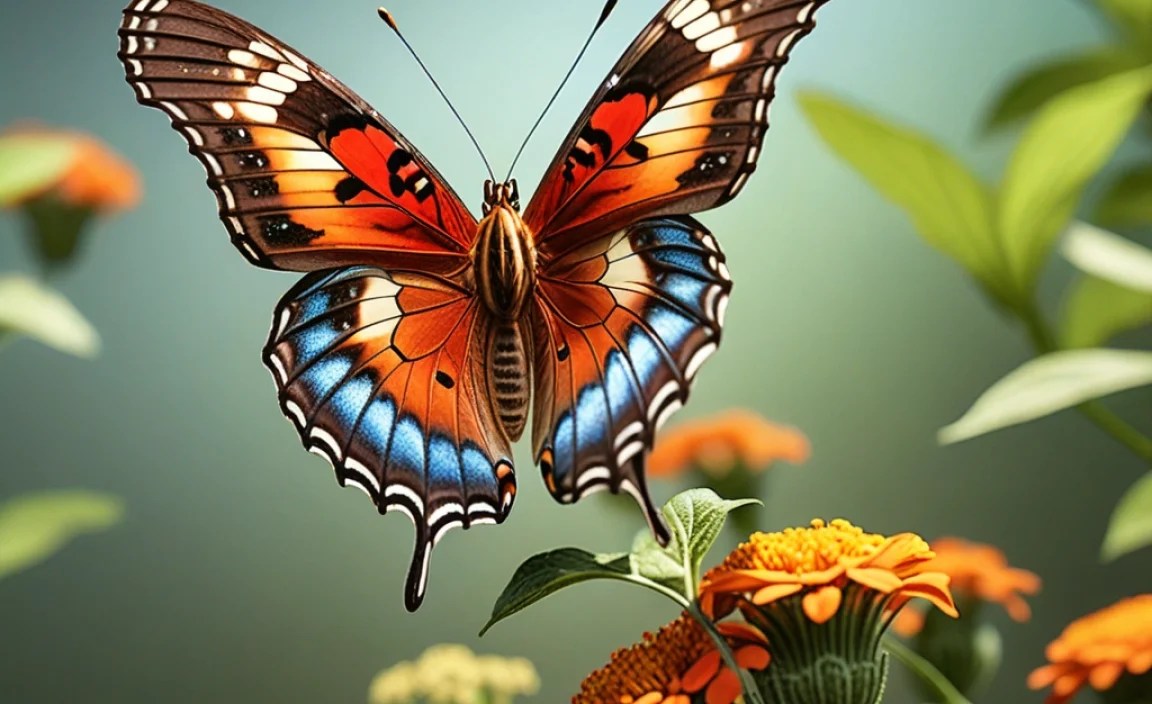
Butterfly identification Eastern USA can be a rewarding hobby. But it takes practice and patience. Here are some tips to help you succeed. First, get a good field guide. A field guide will show pictures and descriptions of different butterflies. Second, observe the butterfly carefully. Note its size, color, and wing patterns. Third, consider the habitat. Where did you find the butterfly? Fourth, use online resources. Websites and apps can help you identify butterflies. Finally, don’t be afraid to ask for help. Local butterfly experts can offer valuable insights. With these tips, you’ll be identifying butterflies like a pro in no time!
- Carry a field guide with you.
- Take photos of butterflies you see.
- Join a local butterfly club.
- Attend butterfly walks and talks.
- Create a butterfly garden.
- Practice regularly.
Successful butterfly identification Eastern USA is a skill that develops over time. The more you practice, the better you will become. Don’t get discouraged if you can’t identify every butterfly right away. Even experts sometimes have trouble. The key is to keep learning and keep exploring. There are many resources available to help you. Books, websites, and local experts can all provide valuable information. So, grab your field guide and get ready to discover the amazing world of butterflies! Remember, every butterfly you see is a chance to learn something new.
Fun Fact or Stat: There are over 700 species of butterflies in North America!
How to Use a Butterfly Field Guide?
Have you ever used a map to find your way? A butterfly field guide is like a map for butterflies. It shows you what different butterflies look like. It also tells you where they live. To use a field guide, start by looking at the pictures. Find the butterfly that looks most like the one you saw. Then, read the description. Does it match what you observed? Pay attention to the details. Size, color, wing patterns, and habitat. These all help you confirm your identification. A field guide is an essential tool for any butterfly enthusiast.
What Role Does Photography Play?
Imagine you are trying to describe a butterfly to a friend. Wouldn’t it be easier to show them a picture? Photography plays a big role in butterfly identification Eastern USA. Taking photos of butterflies allows you to study them later. You can zoom in on details. You can compare them to pictures in a field guide. You can also share your photos with experts for help. A good camera can be a valuable tool for butterfly identification. So, snap away and capture those beautiful butterflies!
Why is Joining a Butterfly Club Helpful?
Think about learning a new sport. Would it help to have a coach and teammates? Joining a butterfly club is like having a coach and teammates for butterfly identification. Butterfly clubs offer a community of experts and enthusiasts. You can learn from their experience. You can share your observations. You can participate in group outings. Butterfly clubs are a great way to learn and grow as a butterfly enthusiast. They provide support, education, and friendship.
Butterfly Habitats in the Eastern USA
The Eastern USA has a variety of butterfly habitats. These include forests, meadows, gardens, and wetlands. Each habitat supports different kinds of butterflies. Forests are home to butterflies like the Eastern Tiger Swallowtail. Meadows are home to butterflies like the Monarch. Gardens attract many butterflies with their colorful flowers. Wetlands provide habitat for butterflies like the Viceroy. Knowing the habitat can help you identify butterflies. It’s like knowing where to find your favorite animals. So, explore different habitats and discover the butterflies that live there. Butterfly identification Eastern USA is more fun when you visit different places.
- Explore forests for woodland butterflies.
- Visit meadows for open-field species.
- Check gardens for cultivated varieties.
- Look for butterflies near water in wetlands.
- Note the specific plants in each habitat.
- Observe the butterfly activity in different areas.
Understanding butterfly habitats is key to butterfly identification Eastern USA. Each habitat offers different resources and conditions. These affect the butterflies that live there. Some butterflies are very specific about their habitat. They only live in certain areas. Others are more adaptable. They can live in a variety of habitats. By learning about butterfly habitats, you can better predict what butterflies you might find. This can make the identification process easier and more rewarding. So, get out there and explore the diverse habitats of the Eastern USA!
Fun Fact or Stat: Butterflies can taste with their feet!
How Do Forests Support Butterflies?
Imagine a forest full of trees and plants. This provides food and shelter for butterflies. Forests are home to many butterflies. They offer shade from the sun. They provide food for caterpillars. They also offer nectar for adult butterflies. Some butterflies lay their eggs on specific trees. The Eastern Tiger Swallowtail lays its eggs on tulip trees. Forests are essential for the survival of many butterfly species. Protect our forests to protect our butterflies.
What Makes Meadows Ideal Habitats?
Think of a meadow filled with wildflowers. Meadows are ideal habitats for butterflies. They offer a variety of nectar sources. They provide open space for flying. They also offer host plants for caterpillars. Monarch caterpillars feed on milkweed, which is common in meadows. Meadows are sunny and warm, which butterflies love. Protecting meadows is important for butterfly conservation. They are home to many butterflies.
Why Are Gardens Important for Butterflies?
Have you ever planted a flower? Gardens can be important for butterflies. They provide a reliable source of nectar. They offer a safe haven from predators. They can also provide host plants for caterpillars. Planting butterfly-friendly flowers can attract many butterflies to your garden. This can help support butterfly populations. Gardens are a great way to help butterflies thrive. Plant some flowers and watch them come!
Summary
Butterfly identification Eastern USA is a fun and rewarding activity. It involves looking at various factors such as size, color, wing patterns, and habitat. Learning to identify butterflies can enhance your appreciation for nature. It can also help you contribute to citizen science projects. Knowing the different butterfly families and their characteristics is essential. Using field guides and online resources can make the process easier. Remember to be patient and observant. The more you practice, the better you will become. So, grab your field guide and get ready to explore the amazing world of butterflies!
The Eastern USA is home to a wide variety of butterflies. From the majestic Swallowtails to the delicate Blues and Hairstreaks, there is always something new to discover. By learning about their habitats and behaviors, you can gain a deeper understanding of these fascinating creatures. So, get outside and start exploring! You might be surprised at what you find.
Conclusion
Butterfly identification Eastern USA is a journey. It’s a journey of discovery and learning. It connects you with nature. It teaches you about the environment. With patience and practice, anyone can learn to identify butterflies. So, start exploring today. The world of butterflies is waiting for you. Enjoy the beauty and wonder of these amazing creatures.
Frequently Asked Questions
Question No 1: What is the best way to start learning about butterfly identification Eastern USA?
Answer: The best way to start learning about butterfly identification is to get a good field guide specific to the Eastern USA. These guides typically include detailed descriptions and photos of different butterfly species. Start by familiarizing yourself with the common butterfly families, such as Swallowtails, Whites and Sulphurs, Blues and Hairstreaks, and Brush-foots. Then, begin observing butterflies in your backyard or local parks, noting their size, color, wing patterns, and behavior. Practice matching your observations to the descriptions in the field guide. Over time, you’ll develop a keen eye for identifying different species.
Question No 2: What are some key characteristics to look for when identifying butterflies?
Answer: When identifying butterflies, there are several key characteristics to consider. First, note the size of the butterfly, as this can help narrow down the possibilities. Next, observe the colors and patterns on its wings, paying attention to any spots, stripes, or other markings. Also, look at the shape of the wings, as some butterflies have distinctive wing shapes. Pay attention to the butterfly’s behavior, such as its flight pattern and feeding habits. Finally, consider the habitat where you found the butterfly, as different species prefer different environments. By carefully observing these characteristics, you can increase your chances of making an accurate identification.
Question No 3: How can I attract more butterflies to my garden to practice butterfly identification Eastern USA?
Answer: Attracting butterflies to your garden is a great way to practice your identification skills. To do this, plant a variety of butterfly-friendly flowers that provide nectar for adult butterflies. Some popular choices include milkweed, butterfly bush, coneflowers, and zinnias. Also, be sure to include host plants for caterpillars, such as milkweed for Monarchs and parsley for Black Swallowtails. Avoid using pesticides in your garden, as these can harm butterflies and other beneficial insects. Provide a water source, such as a shallow dish of water with pebbles for butterflies to land on. With a little planning, you can create a butterfly haven in your own backyard.
Question No 4: Are there any online resources that can help with butterfly identification Eastern USA?
Answer: Yes, there are many online resources that can assist with butterfly identification. Websites like BugGuide.net and Butterflies and Moths of North America offer extensive databases of butterfly species, along with photos, descriptions, and distribution maps. Many smartphone apps are also available that allow you to upload a photo of a butterfly and receive a potential identification. Social media groups dedicated to butterfly enthusiasts can be another valuable resource, where you can share photos and ask for help from experienced identifiers. Just be sure to cross-reference any online identifications with a field guide to ensure accuracy.
Question No 5: What should I do if I find a butterfly that I can’t identify?
Answer: If you encounter a butterfly that you can’t identify, don’t worry! This happens to even the most experienced butterfly enthusiasts. First, take clear photos of the butterfly from multiple angles, if possible. Note the date, time, and location where you found it, as well as any relevant habitat information. Then, consult your field guide and online resources to see if you can narrow down the possibilities. If you’re still stumped, consider reaching out to a local butterfly expert or posting your photos on a butterfly identification forum. Providing as much information as possible will increase your chances of receiving an accurate identification.
Question No 6: How can I contribute to butterfly conservation efforts in the Eastern USA?
Answer: There are many ways to contribute to butterfly conservation efforts. You can start by creating a butterfly-friendly habitat in your own backyard, planting native flowers and avoiding pesticides. You can also participate in citizen science projects, such as butterfly counts and monitoring programs, to help track butterfly populations and distribution. Supporting organizations that work to protect butterfly habitats and advocate for conservation policies is another important way to contribute. Educating others about the importance of butterflies and their role in the ecosystem can also make a big difference. Every little bit helps to protect these amazing creatures for future generations.


