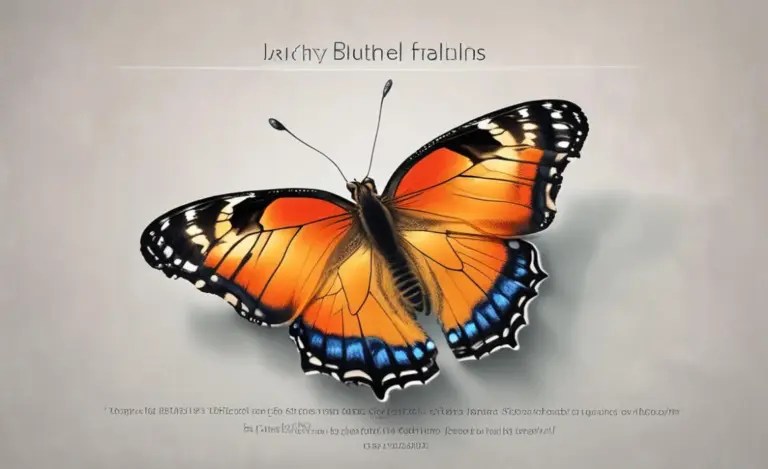
How to Identify Fritillary Butterfly? Easy Guide

Do you love butterflies? Have you ever seen a flash of orange in a meadow? It might have been a fritillary butterfly! These beauties are fun to spot. But how to identify fritillary butterfly species? It can seem tricky at first. Don’t worry, this guide will help you become a fritillary expert.
Fritillary butterflies are special. They have bright colors and cool patterns. They fly in fields and gardens. Learning about them is a great adventure. Let’s explore their world together.
Key Takeaways
- Learning how to identify fritillary butterfly species is fun and rewarding.
- Look for orange or brown wings with black spots and markings.
- Check the size and shape of the butterfly’s wings.
- Observe the habitat where you find the butterfly.
- Notice any unique patterns or colors on the underside of the wings.
How to Identify Fritillary Butterfly Markings

Fritillary butterflies are known for their beautiful wing patterns. These patterns help us tell them apart. The main color is usually orange or brown. Black spots and lines cover their wings. These markings are like fingerprints. No two butterflies have the exact same pattern. Some have bold, clear spots. Others have faint, blurry lines. The shape of the spots also matters. Are they round, square, or oval? Pay close attention to the edges of the wings too. Some fritillaries have a row of small dots along the edge. Others have a solid dark line. These little details make a big difference. Knowing what to look for makes how to identify fritillary butterfly much easier. Grab your magnifying glass and get ready to explore!
- Check the main wing color (orange or brown).
- Look for black spots and lines on the wings.
- Note the shape and size of the spots.
- Examine the edges of the wings for dots or lines.
- Compare the patterns to pictures in a butterfly guide.
The underside of a fritillary’s wings can be very different from the top. The colors might be lighter or more muted. You might see silver or white markings. These shiny spots are very helpful for identification. Some fritillaries have large silver patches. Others have tiny, scattered silver scales. The pattern on the underside can also change with the seasons. Butterflies that emerge in the spring might look different from those that emerge in the summer. This is because the temperature and sunlight affect their development. So, always try to get a good look at both sides of the wings. This will give you more clues. It will help you figure out how to identify fritillary butterfly with confidence.
Fun Fact or Stat: Some fritillary butterfly species migrate long distances, traveling hundreds of miles each year!
Do All Fritillaries Have the Same Spots?
Have you ever wondered if all fritillary butterflies have the same spots? The answer is no! The spots and markings vary a lot between different species. Some have bold, dark spots that stand out. Others have tiny, delicate spots that are harder to see. The shape of the spots also differs. You might see round spots, oval spots, or even spots that look like little dashes. The arrangement of the spots can be different too. Some fritillaries have spots that are evenly spaced across their wings. Others have spots that are clustered together in certain areas. This variation is what makes identifying fritillary butterflies so interesting. It’s like solving a puzzle. You have to look closely at the details to figure out which species you’re seeing.
Why Do Fritillaries Need Camouflage?
Imagine you’re a fritillary butterfly. You’re flying through a meadow, looking for nectar. But you also need to watch out for predators. Birds, lizards, and even some insects like to eat butterflies. That’s why camouflage is so important. The spots and patterns on a fritillary’s wings help it blend in with its surroundings. When it lands on a flower or a leaf, it becomes harder for predators to spot. The colors and patterns break up its outline. This makes it look less like a tasty snack. The underside of the wings is often even more camouflaged than the top. This is because the butterfly often rests with its wings closed. The underside is what predators see most of the time. So, the next time you see a fritillary, remember that its beautiful markings are also helping it survive.
Can Weather Affect a Fritillary’s Spots?
Did you know that the weather can affect a fritillary’s spots? It’s true! The temperature and humidity during the butterfly’s development can influence the size, shape, and color of its markings. In general, butterflies that grow up in cooler temperatures tend to have darker and more distinct spots. This is because darker colors absorb more heat. This helps the butterfly stay warm. Butterflies that grow up in warmer temperatures tend to have lighter and less distinct spots. This helps them stay cool. The amount of moisture in the air can also affect the spots. Butterflies that develop in humid conditions may have larger spots. This is because the extra moisture can make the pigments spread more easily. So, if you see a fritillary with unusual spots, it might be because of the weather.
How to Identify Fritillary Butterfly Size and Shape

Size and shape are important clues. They help you understand how to identify fritillary butterfly species. Some fritillaries are small and dainty. Others are large and impressive. Measure the wingspan. This is the distance from one wingtip to the other. Use a ruler or estimate. The shape of the wings also matters. Are they rounded or pointed? Are they long and narrow, or short and wide? Look at the edges of the wings too. Are they smooth or jagged? Do they have any distinctive curves or angles? Pay attention to the body. Is it slender or stout? Is it brightly colored or dull? All of these details can help you narrow down your options. Remember, size and shape are just one part of the puzzle. You’ll also need to consider the color, markings, and habitat.
- Measure the wingspan of the butterfly.
- Note the shape of the wings (rounded or pointed).
- Observe the edges of the wings (smooth or jagged).
- Check the body size and shape (slender or stout).
- Compare the size and shape to reference guides.
Different fritillary species have different flight patterns. Some fly quickly and erratically. They dart from flower to flower. Others fly more slowly and gracefully. They glide through the air. The way a fritillary flies can be a clue to its identity. Watch how it takes off. Does it flap its wings rapidly, or does it soar? Notice how it lands. Does it perch on a flower with its wings open, or does it close them? Pay attention to its overall behavior. Is it shy and retiring, or is it bold and curious? All of these observations can help you learn how to identify fritillary butterfly more effectively. Keep your eyes peeled and your senses sharp. The more you observe, the better you’ll become at identifying these beautiful creatures.
Fun Fact or Stat: The Queen Alexandra’s Birdwing is the largest butterfly in the world, with a wingspan of up to 12 inches!
Do Male and Female Fritillaries Differ?
Have you ever wondered if male and female fritillary butterflies look different? In many species, they do! This is called sexual dimorphism. The males are often brighter and more colorful than the females. They might have bolder markings or more iridescent scales. The females are often larger than the males. This is because they need to carry eggs. They might also have different wing shapes or patterns. For example, the female might have broader wings for better flight. She might also have different spots or markings for camouflage. These differences can be subtle or dramatic. It depends on the species. So, when you’re trying to identify a fritillary butterfly, pay attention to its sex. This can give you an extra clue.
How Does Wing Shape Affect Flight?
The shape of a fritillary’s wings plays a big role in how it flies. Butterflies with long, narrow wings are usually fast fliers. They can cover a lot of ground quickly. Butterflies with broad, rounded wings are usually more maneuverable. They can turn and twist easily. The wings are covered in tiny scales. These scales help the butterfly fly more efficiently. They create lift and reduce drag. The shape and arrangement of the scales can also affect the butterfly’s color and pattern. The wings are supported by veins. These veins provide structure and strength. They also carry nutrients and oxygen to the wing cells. So, the next time you see a fritillary flying, remember that its wings are a marvel of engineering.
Are Fritillary Caterpillars Different Shapes?
Just like the butterflies, fritillary caterpillars come in different shapes and sizes. Some are long and slender. Others are short and stout. Some are smooth and bare. Others are covered in spines or hairs. These differences help them survive in their environment. Caterpillars that live on leaves are often green. This helps them blend in with their surroundings. Caterpillars that live on the ground are often brown or black. This helps them hide from predators. Some caterpillars have bright colors or patterns. This warns predators that they are poisonous or distasteful. The shape and size of a caterpillar can also affect how it moves. Some caterpillars crawl slowly. Others move quickly. Some can even jump or roll!
Understanding Fritillary Butterfly Habitats

Fritillary butterflies live in different places. These are called habitats. Knowing where a fritillary lives helps you identify it. Some like open meadows with lots of flowers. Others prefer woodlands with shady spots. Some live near streams or rivers. Others live in dry, rocky areas. The type of plants in the habitat is also important. Fritillary caterpillars eat specific plants. The butterflies need nectar from flowers. Look around the area. What kinds of plants do you see? Are there lots of wildflowers? Are there trees and shrubs? Is the area wet or dry? These clues help you figure out how to identify fritillary butterfly species. It’s like being a detective in nature.
- Note the type of habitat (meadow, woodland, etc.).
- Observe the plants that are growing in the area.
- Look for wildflowers that provide nectar.
- Check for host plants for the caterpillars.
- Consider the climate and altitude of the location.
Fritillary butterflies are most active during the day. They need sunlight to warm their bodies. This allows them to fly and feed. They are often seen in the morning and early afternoon. This is when the sun is strongest. They avoid the hottest part of the day. They seek shade or rest in the grass. The time of year is also important. Most fritillaries emerge in the spring or summer. This is when their host plants are growing. Some species have multiple generations per year. Others only have one. Pay attention to the weather conditions. Fritillaries are less active on cloudy or rainy days. They prefer warm, sunny weather with little wind. Understanding their behavior helps you find and identify them.
Fun Fact or Stat: Butterflies taste with their feet!
Why Are Some Habitats Better?
Some habitats are better for fritillary butterflies than others. A good habitat provides everything a fritillary needs to survive. This includes food, shelter, and a place to reproduce. The best habitats have a variety of wildflowers. These provide nectar for the butterflies. They also have host plants for the caterpillars. These are the plants that the caterpillars eat. The habitat should also have plenty of sunlight. Butterflies need sunlight to warm their bodies. It should also have some shade. Butterflies need shade to cool down on hot days. The habitat should be protected from strong winds and pesticides. These can harm the butterflies. When a habitat is healthy, the fritillary population can thrive.
How Do Humans Affect Habitats?
Humans can have a big impact on fritillary butterfly habitats. Development, farming, and logging can destroy or damage these habitats. Pollution can also harm the plants and animals that live there. Climate change is another threat. It can alter the temperature and rainfall patterns in an area. This can make it difficult for fritillaries to survive. But humans can also help protect fritillary habitats. We can create parks and reserves. We can restore damaged habitats. We can reduce pollution. We can take steps to slow down climate change. By working together, we can help ensure that fritillary butterflies have a place to live for many years to come.
Can Fritillaries Live in Cities?
While fritillary butterflies are more common in natural areas, they can sometimes be found in cities. This is especially true if there are parks or gardens with plenty of wildflowers. Fritillaries need nectar from flowers to survive. They also need host plants for their caterpillars. If these plants are available in a city, fritillaries may be able to establish a population. However, cities can be challenging environments for butterflies. There is often a lot of pollution, traffic, and noise. There may also be a lack of suitable habitat. So, while it is possible for fritillaries to live in cities, they are usually more abundant in rural areas.
Comparing Different Types of Fritillary Butterfly

There are many different kinds of fritillary butterflies. They each have unique features. Knowing how to tell them apart is key. It helps you master how to identify fritillary butterfly species. Some common types include the Great Spangled Fritillary, the Aphrodite Fritillary, and the Meadow Fritillary. The Great Spangled Fritillary is large and showy. It has bright orange wings with bold black spots. The Aphrodite Fritillary is smaller and more delicate. It has a reddish-orange color and more subtle markings. The Meadow Fritillary is found in grassy areas. It has a brownish-orange color and a row of dark spots near the edge of its wings. By comparing these different types, you can learn to recognize the key characteristics of each species.
- Learn the common fritillary butterfly species.
- Note the key differences in their appearance.
- Compare their sizes, colors, and markings.
- Observe their preferred habitats.
- Use a field guide to help you identify them.
Each fritillary species has its own unique life cycle. The life cycle includes four stages. These stages are egg, larva (caterpillar), pupa (chrysalis), and adult butterfly. The length of each stage varies depending on the species and the environmental conditions. Some fritillaries lay their eggs on or near their host plants. Others lay their eggs on the ground. The caterpillars hatch from the eggs and begin to feed on the host plants. They grow and molt several times before pupating. The pupa is a resting stage. During this stage, the caterpillar transforms into a butterfly. The adult butterfly emerges from the pupa. It flies off to find a mate and lay eggs. Understanding the life cycle helps you appreciate the complexity of these creatures.
Fun Fact or Stat: A group of butterflies is called a flutter!
Which Fritillary is Most Common?
The most common fritillary butterfly varies depending on the region. In North America, the Great Spangled Fritillary is often one of the most frequently seen species. It is found in a wide range of habitats. These habitats include meadows, woodlands, and gardens. It is also relatively tolerant of human disturbance. In Europe, the Meadow Fritillary is a common species. It is found in grassy areas and pastures. Other common fritillaries include the Silver-washed Fritillary and the Dark Green Fritillary. The abundance of a particular species can also vary from year to year. This depends on factors such as weather conditions and habitat availability. So, the next time you go butterfly watching, keep an eye out for these common fritillaries.
Are Some Fritillaries Endangered?
Yes, some fritillary butterflies are endangered or threatened. This means that their populations are declining. They are at risk of extinction. Habitat loss is one of the main threats. As humans develop more land, there is less habitat available for fritillaries. Climate change is another threat. It can alter the temperature and rainfall patterns in an area. This can make it difficult for fritillaries to survive. Pollution and pesticide use can also harm fritillaries. There are many things we can do to help protect these butterflies. We can protect their habitats. We can reduce pollution. We can take steps to slow down climate change. By working together, we can help ensure that these beautiful creatures survive.
How Do Fritillaries Get Their Names?
The names of fritillary butterflies often come from their appearance or their habitat. The word “fritillary” comes from the Latin word “fritillus.” This means “dice-box.” It refers to the checkered pattern on the wings of some species. The Great Spangled Fritillary gets its name from the large, silvery spots on the underside of its wings. The Aphrodite Fritillary is named after the Greek goddess of love and beauty. The Meadow Fritillary gets its name from its preferred habitat. It lives in grassy meadows. The names of fritillary butterflies can tell us a lot about their characteristics and their ecology. They can also be a fun way to learn more about these fascinating creatures.
Using a Fritillary Butterfly Identification Chart
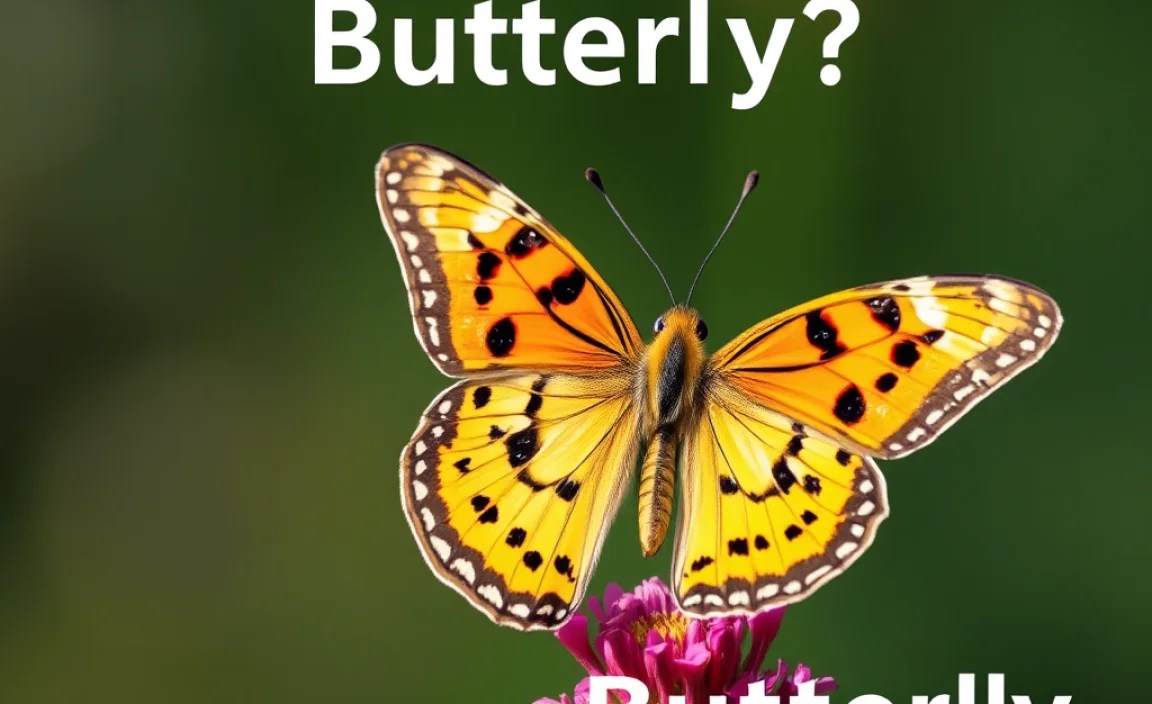
A butterfly identification chart is a helpful tool. It shows pictures of different fritillary species. It lists their key characteristics. These charts make it easier to see the differences between them. Look for a chart that includes accurate photos. The photos should show the butterfly from different angles. They should highlight the important markings. The chart should also include information about the butterfly’s size, habitat, and range. Use the chart to compare the butterfly you see to the pictures and descriptions. This will help you narrow down the possibilities. It’s a great way to learn how to identify fritillary butterfly species. With practice, you’ll become a pro in no time.
| Species | Size (Wingspan) | Color | Habitat |
|---|---|---|---|
| Great Spangled Fritillary | 2.5 – 3.5 inches | Bright orange with black spots | Meadows, woodlands |
| Aphrodite Fritillary | 2 – 2.5 inches | Reddish-orange with subtle markings | Open woods, fields |
| Meadow Fritillary | 1.5 – 2 inches | Brownish-orange with dark spots | Grassy meadows |
| Atlantis Fritillary | 2 – 2.75 inches | Orange-brown with silver spots | Boreal forests, meadows |
- Find a good butterfly identification chart.
- Compare the butterfly to the pictures on the chart.
- Read the descriptions of each species carefully.
- Note the size, color, and markings of the butterfly.
- Consider the habitat where you found the butterfly.
Remember that butterfly identification charts are just a guide. They can help you narrow down the possibilities. But they are not always 100% accurate. Some fritillary species can be very similar in appearance. There can also be variations within a species. So, it’s important to use multiple sources of information. Consult field guides, websites, and experts. Compare your observations to the descriptions and photos. Ask for help from experienced butterfly watchers. With practice and patience, you’ll become more confident in your ability to identify fritillary butterflies. The best way to learn is by doing. Get outside and start exploring!
Fun Fact or Stat: Butterflies can see red, green, and yellow!
Where Can You Find a Good Chart?
You can find good fritillary butterfly identification charts in several places. Many bookstores and nature centers sell field guides. These guides often include detailed charts and descriptions. You can also find charts online. Websites like the Butterfly Identification Project and the North American Butterfly Association offer resources. Some apps can help you identify butterflies. These apps use photos and location data to suggest possible matches. When choosing a chart, look for one that is accurate and easy to use. The photos should be clear and the descriptions should be detailed. It’s also helpful if the chart includes information about the butterfly’s habitat and range.
How Accurate Are Butterfly Charts?
Butterfly identification charts can be very helpful. They are not always 100% accurate. Some fritillary species can be very similar in appearance. There can also be variations within a species. The quality of the chart can also affect its accuracy. Charts with poor photos or inaccurate descriptions can be misleading. It’s important to use multiple sources of information. Consult field guides, websites, and experts. Compare your observations to the descriptions and photos. Ask for help from experienced butterfly watchers. By using a combination of resources, you can improve your chances of identifying fritillary butterflies correctly.
Can Apps Help Identify Butterflies?
Yes, there are many apps that can help you identify butterflies. These apps use photos and location data to suggest possible matches. Some apps also allow you to enter information about the butterfly’s size, color, and markings. The app will then provide a list of possible species. Butterfly identification apps can be a useful tool. They are not always 100% accurate. The accuracy of the app depends on the quality of the photos and the algorithms it uses. It’s important to use the app as a guide. Compare the results to other sources of information. With practice, you can become more confident in your ability to identify fritillary butterflies using these apps.
Tips and Tricks for Fritillary Butterfly Spotting
Spotting fritillary butterflies takes practice. It helps to know some tips and tricks. Go out on warm, sunny days. Fritillaries are most active then. Look in meadows and fields with lots of wildflowers. Bring a pair of binoculars. This helps you see the butterflies up close. Move slowly and quietly. Avoid startling them. Pay attention to the plants they are feeding on. Some fritillaries prefer certain flowers. Take photos of the butterflies you see. This helps you identify them later. Keep a notebook. Write down your observations. With these tips, you’ll improve how to identify fritillary butterfly species.
- Go butterfly spotting on warm, sunny days.
- Look in meadows and fields with wildflowers.
- Bring binoculars for a closer look.
- Move slowly and quietly to avoid startling them.
- Take photos for later identification.
Respect the butterflies and their habitat. Avoid disturbing them. Don’t try to catch them. Don’t pick the flowers they are feeding on. Stay on the trails. Avoid trampling the plants. Leave the area as you found it. By following these guidelines, you can help protect fritillary butterflies. You can also ensure that others can enjoy them for years to come. Remember, butterfly watching is a privilege. It’s important to be a responsible and respectful observer. Your actions can make a difference. You can help protect these beautiful creatures and their environment.
Fun Fact or Stat: Some butterflies can fly up to 30 miles per hour!
What’s the Best Time to See Fritillaries?
The best time to see fritillary butterflies depends on the species and the location. In general, they are most active during the warmer months. This is from late spring to early fall. The peak season for most species is in the summer. The best time of day to see fritillaries is in the morning and early afternoon. This is when the sun is shining and the temperatures are warm. They are less active in the late afternoon and evening. They are also less active on cloudy or rainy days. So, plan your butterfly watching trips for sunny days during the summer months. You’ll have the best chance of seeing these beautiful creatures.
How Can You Attract Fritillaries?
You can attract fritillary butterflies to your garden. Plant wildflowers that provide nectar. Some good choices include milkweed, coneflowers, and asters. Also, plant host plants for their caterpillars. Some good choices include violets and passionflower. Avoid using pesticides. These can harm the butterflies and their caterpillars. Provide a water source. A shallow dish of water with some stones will do. Create a sunny spot in your garden. Butterflies need sunlight to warm their bodies. Provide some shelter from the wind. This can be a hedge or a row of trees. By following these tips, you can create a butterfly-friendly garden.
What Should You Bring Butterfly Spotting?
When you go butterfly spotting, it’s important to bring the right equipment. Here’s a list of essential items: Binoculars, these help you see the butterflies up close. A field guide, this helps you identify the butterflies you see. A notebook and pen, these are for recording your observations. A camera, this is for taking photos of the butterflies. Water and snacks, these will keep you hydrated and energized. Sunscreen and a hat, these will protect you from the sun. Insect repellent, this will protect you from mosquitoes and other insects. A backpack, this is for carrying all of your gear. By bringing these items, you’ll be well-prepared for your butterfly spotting adventure.
Fritillary Butterfly Conservation Efforts
Fritillary butterflies face many threats. Habitat loss is a big problem. Climate change also hurts them. Pollution and pesticides are harmful. Conservation efforts are important. These efforts help protect them. Protecting their habitats is key. Restoring damaged areas is also needed. Reducing pollution helps. Using fewer pesticides is important. Supporting conservation organizations makes a difference. Learn more about how to identify fritillary butterfly and help conserve them. Every little bit helps. Together, we can make a difference.
- Support fritillary butterfly conservation organizations.
- Protect and restore their natural habitats.
- Reduce pollution and pesticide use.
- Educate others about the importance of conservation.
- Plant native wildflowers to provide nectar.
You can help fritillary butterflies in your own backyard. Plant native wildflowers. This provides nectar for the butterflies. Plant host plants for the caterpillars. This gives them food to eat. Avoid using pesticides. These can harm the butterflies and caterpillars. Provide a water source. This helps them stay hydrated. Create a butterfly-friendly garden. This gives them a place to thrive. Educate your friends and neighbors. Tell them about the importance of conservation. By taking these simple steps, you can make a big difference. You can help protect fritillary butterflies for future generations.
Fun Fact or Stat: Butterflies are important pollinators, helping to spread pollen from flower to flower!
How Can We Protect Habitats?
There are many ways to protect fritillary butterfly habitats. We can create parks and reserves. This protects large areas of land. We can restore damaged habitats. This makes them suitable for butterflies again. We can reduce pollution. This makes the environment healthier. We can use sustainable farming practices. This protects the land and the water. We can support conservation organizations. They work to protect habitats around the world. By working together, we can protect these valuable ecosystems.
What is Citizen Science?
Citizen science is when regular people help scientists with their research. This can involve collecting data, making observations, or analyzing samples. There are many citizen science projects focused on butterflies. You can participate by counting butterflies in your area. You can also report sightings of rare or endangered species. Your data can help scientists track butterfly populations. It can also help them understand the threats that butterflies face. By participating in citizen science, you can make a real contribution to butterfly conservation.
Why is Education Important?
Education is essential for fritillary butterfly conservation. When people understand the importance of these creatures, they are more likely to support conservation efforts. Education can also help people make informed decisions. They can choose to buy products that are environmentally friendly. They can also choose to support policies that protect butterfly habitats. Education can take many forms. It can include school programs, nature center exhibits, and online resources. By educating people about fritillary butterflies, we can create a more sustainable future for them.
Summary
Fritillary butterflies are beautiful insects. They have orange or brown wings with black spots. Learning how to identify fritillary butterfly species can be fun. Look at their markings and size. Check their habitat. Use a butterfly identification chart. Spotting these butterflies takes practice. Go out on sunny days. Look in meadows with wildflowers. Move slowly and quietly. These butterflies face threats like habitat loss. Conservation efforts are important. Protect their habitats. Reduce pollution and pesticide use. Support conservation groups. Every effort helps these beautiful creatures.
Conclusion
Fritillary butterflies are a joy to observe in nature. They add beauty to our meadows and woodlands. Learning how to identify fritillary butterfly species can deepen your appreciation for these insects. By understanding their markings, size, and habitat, you can become a skilled butterfly spotter. Remember to respect their environment and support conservation efforts. Together, we can help ensure that these beautiful creatures continue to thrive for generations to come.
Frequently Asked Questions
Question No 1: How can I tell a fritillary from other orange butterflies?
Answer: Fritillary butterflies have specific markings. They are usually orange with black spots. Look for rows of black spots on their wings. Some other orange butterflies don’t have these spots. Also, check the underside of the wings. Fritillaries often have silver or white markings underneath. Pay attention to the habitat. Fritillaries prefer meadows and open woodlands. Knowing these details can help you identify a fritillary. It’s a great skill to learn when you’re trying to understand how to identify fritillary butterfly.
Question No 2: What do fritillary caterpillars eat?
Answer: Fritillary caterpillars are picky eaters. They eat specific plants called host plants. These plants vary depending on the fritillary species. Violets are a common food source for many fritillary caterpillars. Passionflower is another host plant. The caterpillars feed on the leaves of these plants. They grow and molt several times. Then, they transform into pupae. The adult butterflies emerge from the pupae. Knowing the host plants can help you find caterpillars. It can also help you attract butterflies to your garden. It is a key element of how to identify fritillary butterfly at all life stages.
Question No 3: Are fritillary butterflies poisonous?
Answer: Fritillary butterflies are not poisonous to humans. They don’t have toxins that can harm you. However, some butterflies are poisonous to predators. They get these toxins from the plants they eat as caterpillars. The Monarch butterfly is a good example. It eats milkweed, which contains toxins. These toxins make the Monarch taste bad to birds. This protects the Monarch from being eaten. Fritillaries don’t eat poisonous plants. So, they are not poisonous themselves. You can safely observe and admire them. Still, avoid touching or disturbing them.
Question No 4: How long do fritillary butterflies live?
Answer: The lifespan of a fritillary butterfly depends on the species. Most adult fritillaries live for a few weeks to a few months. The entire life cycle, from egg to adult, can take a year or more. Some species overwinter as caterpillars or pupae. They survive the cold winter months. Then, they emerge as adults in the spring. The adult butterflies spend their time flying, feeding, and reproducing. They lay eggs to start the next generation. The short lifespan of adult butterflies makes conservation important. Protecting their habitats helps them survive.
Question No 5: What can I do to help fritillary butterflies?
Answer: There are many things you can do to help fritillary butterflies. Plant native wildflowers in your garden. This provides nectar for the butterflies. Plant host plants for the caterpillars. This gives them food to eat. Avoid using pesticides. These can harm the butterflies and caterpillars. Support conservation organizations. They work to protect butterfly habitats. Educate your friends and neighbors. Tell them about the importance of conservation. By taking these simple steps, you can make a big difference. You can help ensure that these beautiful creatures thrive. This knowledge is key to how to identify fritillary butterfly and conserve them.
Question No 6: Where is the best place to see fritillary butterflies?
Answer: The best place to see fritillary butterflies depends on where you live. They are found in many parts of the world. They prefer meadows, open woodlands, and grassy areas. Look for places with lots of wildflowers. These provide nectar for the butterflies. Parks, nature reserves, and botanical gardens can be good places to start. Ask local butterfly experts for advice. They can tell you where to find fritillaries in your area. Remember to bring your binoculars and camera. Get ready to admire these beautiful creatures. Learning how to identify fritillary butterfly is easier when you know where to look.