Butterfly Species in Canada List: The Ultimate Guide

Have you ever seen a butterfly? These pretty insects fly all around. They add color to our world. Did you know Canada has many kinds of butterflies? It’s true! This article is all about the butterfly species in Canada list. We will explore the amazing world of Canadian butterflies.
Key Takeaways
- Discover the diverse butterfly species in Canada list and where they live.
- Learn about the life cycle of butterflies, from egg to adult.
- Understand the importance of butterflies to the Canadian ecosystem.
- Find out how you can help protect butterflies in your own backyard.
- Identify some common butterflies and their unique characteristics.
Exploring Butterfly Species in Canada List

Canada is home to a wide array of butterflies. These beautiful insects flutter across the country. They live in different habitats. Some like forests. Others prefer meadows. Still, others thrive in urban gardens. The butterfly species in Canada list is long and interesting. It includes common butterflies and rare ones. Each butterfly has its own special look and role. Learning about these butterflies helps us appreciate nature. It also shows us how to protect these amazing creatures. We can all help butterflies survive and thrive in Canada.
- Canada has many different types of butterflies.
- Butterflies live in various habitats across Canada.
- Each butterfly species has unique colors and patterns.
- Butterflies are important for pollination.
- Some butterflies migrate long distances.
Many factors influence the distribution of butterflies in Canada. Climate plays a big role. Different butterflies can live in different temperatures. Availability of food is also key. Butterflies need specific plants to lay eggs. Caterpillars need food to grow. Habitat loss is a major threat. As forests and meadows disappear, so do butterflies. Conservation efforts are very important. Protecting habitats and planting butterfly-friendly gardens can help. People who care about butterflies can make a big difference. They can help keep the butterfly species in Canada list long and vibrant.
Fun Fact or Stat: Did you know that some butterflies can taste with their feet?
What Makes a Butterfly a Butterfly?
Have you ever wondered what makes a butterfly a butterfly? Butterflies are insects. They have six legs. They also have three body parts: a head, a thorax, and an abdomen. Butterflies have two pairs of wings. These wings are covered in tiny scales. These scales give butterflies their colors. Butterflies also have antennae. They use these to smell and feel. Butterflies go through metamorphosis. This means they change a lot during their life cycle. They start as eggs, then become caterpillars, then pupae, and finally, butterflies.
Butterfly Habitats Across Canada
Where do butterflies live in Canada? They live in many places. Some live in forests. Others live in grasslands. You can even find them in cities. Different butterflies like different habitats. Some butterflies need specific plants to survive. For example, the Monarch butterfly needs milkweed. The habitat must have the right food and shelter. Protecting these habitats is important. It helps keep the butterfly species in Canada list healthy. We can all help by planting native plants. These plants provide food and shelter for butterflies.
Threats to Canadian Butterflies
Butterflies in Canada face many threats. Habitat loss is a big problem. As land gets developed, butterflies lose their homes. Climate change is also a threat. It can change the plants butterflies need. Pollution can also hurt butterflies. Pesticides can poison them. Invasive species can compete with them for food. We need to protect butterflies. We can reduce pollution. We can also protect their habitats. Supporting conservation efforts is very important. Every little bit helps protect the butterfly species in Canada list.
Identifying Common Butterfly Species
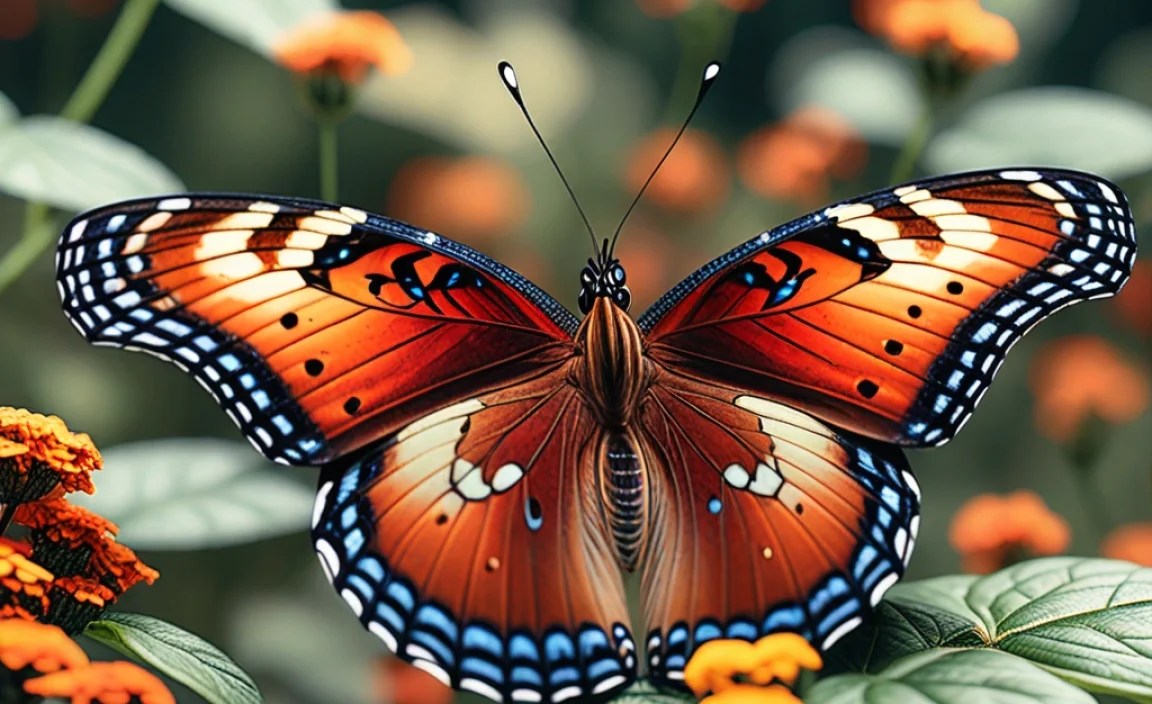
Identifying butterflies can be fun! You can learn to tell them apart by their colors. Look at their patterns, too. The shape of their wings can also help. Some common butterflies in Canada are Monarchs, Viceroys, and Swallowtails. Monarchs are orange and black. Viceroys look like Monarchs but are smaller. Swallowtails have long tails on their wings. Use a butterfly guide to help you. You can also use a website or app. Learning to identify butterflies is a great way to connect with nature. It also helps you appreciate the butterfly species in Canada list.
- Monarchs are orange with black lines and white spots.
- Viceroy butterflies mimic the Monarch’s appearance.
- Swallowtails have distinctive tails on their hindwings.
- Cabbage Whites are small and white.
- Painted Ladies have orange, brown, and white patterns.
- Red Admirals are dark with red bands on their wings.
When identifying butterflies, pay attention to their size. Some butterflies are very small. Others are quite large. Observe their behavior, too. Some butterflies fly quickly. Others flutter slowly. Note what plants they visit. Some butterflies only feed on certain flowers. The time of year also matters. Some butterflies are only seen in the summer. Others emerge in the spring. By paying attention to these details, you can become a butterfly expert. You can also help scientists track butterfly species in Canada list.
Fun Fact or Stat: The Monarch butterfly migrates thousands of miles each year!
Using Butterfly Field Guides
A butterfly field guide is a great tool. It helps you identify butterflies. It has pictures and descriptions. The guide also tells you where butterflies live. It includes information about their behavior. Look for a guide specific to your area. This will make it easier to find the butterflies you see. A good field guide is easy to use. It has clear pictures and simple descriptions. It also includes a range map. This shows where the butterfly is found. Using a field guide is a fun way to learn about the butterfly species in Canada list.
Online Resources for Butterfly Identification
The internet is full of information about butterflies. Many websites can help you identify butterflies. Some websites have pictures of butterflies. Others have descriptions and range maps. Some websites even have videos. You can also use apps on your phone. These apps can identify butterflies from photos. Be careful when using online resources. Make sure the information is accurate. Use reliable sources like university websites. Online resources can be a great way to learn about the butterfly species in Canada list.
Participating in Citizen Science Projects
You can help scientists study butterflies. You can join a citizen science project. These projects allow you to collect data. You can record the butterflies you see. You can also take photos and send them in. Scientists use this data to track butterfly populations. They also use it to study butterfly behavior. Participating in citizen science is a great way to learn. It’s also a great way to help butterflies. Your observations can make a real difference. You can help protect the butterfly species in Canada list.
The Butterfly Life Cycle

The butterfly life cycle is amazing. It has four stages. First, there is the egg. Then comes the larva (caterpillar). Next is the pupa (chrysalis). Finally, there is the adult butterfly. Each stage is very different. The caterpillar eats and grows. The pupa changes inside its shell. The butterfly emerges and flies away. This process is called metamorphosis. Understanding the butterfly life cycle helps us appreciate these insects. It also shows us how to protect them. We can provide food and shelter for each stage. This helps the butterfly species in Canada list thrive.
- Butterflies begin as tiny eggs.
- Caterpillars hatch from the eggs and eat plants.
- The caterpillar forms a pupa or chrysalis.
- Inside the pupa, the caterpillar transforms.
- An adult butterfly emerges from the pupa.
- The butterfly lays eggs and the cycle begins again.
The butterfly life cycle is affected by the environment. Temperature plays a big role. Warm temperatures speed up the process. Cold temperatures slow it down. Food availability is also important. Caterpillars need plenty of food to grow. Habitat loss can disrupt the life cycle. If there are no plants for caterpillars to eat, they will not survive. Protecting butterfly habitats is crucial. We can plant butterfly-friendly gardens. We can also support conservation efforts. Every little bit helps protect the butterfly species in Canada list and their amazing life cycle.
Fun Fact or Stat: Some caterpillars eat their own eggshells after hatching!
The Egg Stage
The butterfly life cycle starts with an egg. Butterflies lay their eggs on plants. They choose plants that caterpillars can eat. Butterfly eggs come in different shapes and sizes. Some are round. Others are oval. Some are smooth. Others are bumpy. The eggs can be different colors, too. Some are white. Others are yellow or green. The egg contains everything the caterpillar needs to grow. It is a tiny package of life. Protecting these eggs is important. It helps ensure the butterfly species in Canada list will continue.
The Larva (Caterpillar) Stage
The larva is also called a caterpillar. Caterpillars hatch from butterfly eggs. They eat a lot. They grow very quickly. Caterpillars shed their skin. This is called molting. They do this several times as they grow. Caterpillars come in different colors and patterns. Some are green. Others are brown or black. Some have stripes or spots. Caterpillars are very important. They turn sunlight into food. They provide food for other animals. They also help pollinate plants. Protecting caterpillars helps the butterfly species in Canada list.
The Pupa (Chrysalis) Stage
The pupa is also called a chrysalis. The caterpillar turns into a pupa. It forms a hard shell around itself. Inside the pupa, the caterpillar changes. It turns into a butterfly. This process is called metamorphosis. The pupa can be green, brown, or even gold. It can blend in with its surroundings. The pupa stage can last for days or weeks. It depends on the butterfly species. The pupa is a time of great change. It is when the butterfly is formed. Protecting pupae helps the butterfly species in Canada list.
Butterfly Habitats and Conservation
Butterflies need healthy habitats to survive. These habitats provide food and shelter. They also provide places to lay eggs. Habitat loss is a major threat to butterflies. We can protect butterfly habitats. We can plant butterfly-friendly gardens. We can also support conservation efforts. These efforts help protect natural areas. They also help restore damaged habitats. By protecting butterfly habitats, we can help the butterfly species in Canada list thrive. We can also enjoy the beauty of these amazing insects.
- Protecting natural habitats is crucial for butterflies.
- Planting butterfly-friendly gardens provides food and shelter.
- Reducing pesticide use helps protect butterflies from harm.
- Supporting conservation organizations helps preserve butterfly habitats.
- Creating corridors between habitats allows butterflies to move freely.
Climate change is also affecting butterfly habitats. As temperatures rise, some habitats become unsuitable for butterflies. Butterflies may need to move to cooler areas. This can be difficult if their habitats are fragmented. We can help butterflies adapt to climate change. We can create corridors between habitats. This allows butterflies to move more easily. We can also reduce greenhouse gas emissions. This helps slow down climate change. By taking action, we can protect the butterfly species in Canada list from the effects of climate change.
Fun Fact or Stat: Butterflies are important pollinators, helping to spread pollen from flower to flower!
Creating Butterfly-Friendly Gardens
You can create a butterfly-friendly garden. Plant flowers that butterflies like. Choose native plants. These plants are best for local butterflies. Provide a water source for butterflies. A shallow dish of water with pebbles works well. Avoid using pesticides. These can harm butterflies. Provide shelter for butterflies. Plant trees and shrubs. These provide places for butterflies to rest. A butterfly-friendly garden is a great way to help butterflies. It also adds beauty to your yard. You can help the butterfly species in Canada list by creating a butterfly garden.
Supporting Conservation Organizations
Many organizations work to protect butterflies. You can support these organizations. You can donate money. You can also volunteer your time. These organizations help protect butterfly habitats. They also educate people about butterflies. They conduct research on butterflies. They advocate for policies that protect butterflies. By supporting these organizations, you can make a big difference. You can help protect the butterfly species in Canada list.
Reducing Pesticide Use
Pesticides can harm butterflies. They can kill caterpillars. They can also poison adult butterflies. Reduce your pesticide use. Use natural methods to control pests. Hand-pick pests off plants. Use insecticidal soap. Attract beneficial insects to your garden. These insects eat pests. By reducing pesticide use, you can help protect butterflies. You can help keep the butterfly species in Canada list healthy.
Threats to Butterfly Populations
Butterfly populations face many threats. Habitat loss is a major threat. Climate change is also a threat. Pesticide use can harm butterflies. Pollution can also hurt them. Invasive species can compete with butterflies for food. These threats can reduce butterfly populations. They can even cause some species to go extinct. We need to protect butterflies from these threats. We can protect their habitats. We can reduce pollution. We can also reduce pesticide use. By taking action, we can help the butterfly species in Canada list survive.
| Threat | Description | Impact on Butterflies |
|---|---|---|
| Habitat Loss | Destruction of natural areas for development. | Reduces food and shelter for butterflies. |
| Climate Change | Changes in temperature and weather patterns. | Disrupts butterfly life cycles and habitats. |
| Pesticide Use | Application of chemicals to kill pests. | Poisons butterflies and reduces their food sources. |
| Invasive Species | Introduction of non-native plants and animals. | Competes with butterflies for resources. |
It is important to understand the combined effects of these threats. For example, habitat loss can make butterflies more vulnerable to climate change. Pesticide use can weaken butterflies, making them more susceptible to disease. We need to address these threats in a comprehensive way. We can protect and restore habitats. We can reduce greenhouse gas emissions. We can also promote sustainable agriculture. By working together, we can protect the butterfly species in Canada list from these threats. We can ensure that future generations can enjoy these beautiful insects.
Fun Fact or Stat: Some butterfly species are endangered due to habitat loss and climate change.
The Impact of Climate Change
Climate change is a serious threat to butterflies. Rising temperatures can change butterfly habitats. They can also disrupt butterfly life cycles. Some butterflies may not be able to adapt to these changes. They may disappear from certain areas. We can help butterflies adapt to climate change. We can protect and restore habitats. We can also reduce greenhouse gas emissions. By taking action, we can protect the butterfly species in Canada list from the effects of climate change.
The Effects of Pesticides
Pesticides can harm butterflies. They can kill caterpillars. They can also poison adult butterflies. Even small amounts of pesticides can be harmful. Reduce your pesticide use. Use natural methods to control pests. Protect butterflies from pesticides. You can help keep the butterfly species in Canada list healthy.
Invasive Species and Competition
Invasive species can compete with butterflies for food. They can also destroy butterfly habitats. Some invasive plants can take over natural areas. This leaves less room for native plants. Butterflies need these native plants to survive. Control invasive species. Remove them from your garden. Protect butterfly habitats from invasive species. You can help the butterfly species in Canada list by controlling invasive species.
How to Help Butterflies
Everyone can help butterflies. You can plant a butterfly garden. You can reduce pesticide use. You can support conservation organizations. You can educate others about butterflies. Even small actions can make a big difference. By working together, we can protect butterflies. We can help keep the butterfly species in Canada list healthy. We can ensure that future generations can enjoy these beautiful insects.
- Plant native flowers to provide food for butterflies.
- Avoid using pesticides in your garden.
- Provide a water source for butterflies.
- Create a shelter for butterflies to rest.
- Educate others about the importance of butterflies.
- Support conservation organizations that protect butterflies.
It is important to remember that every action counts. Even if you only have a small yard, you can still make a difference. Plant a few butterfly-friendly flowers. Reduce your pesticide use. Educate your friends and family about butterflies. By taking these small steps, you can help protect butterflies. You can help ensure that the butterfly species in Canada list continues to thrive. Together, we can create a world where butterflies can flourish.
Fun Fact or Stat: Butterflies are a sign of a healthy ecosystem!
Educating Others About Butterflies
One of the best ways to help butterflies is to educate others. Share what you know about butterflies. Tell your friends and family about the importance of butterflies. Explain how they can help butterflies. You can also share information on social media. Write articles for your local newspaper. Give presentations at schools or community groups. By educating others, you can raise awareness about butterflies. You can also inspire others to take action. You can help protect the butterfly species in Canada list.
Creating Butterfly Habitats in Schools
Schools can create butterfly habitats. Schools can plant butterfly gardens. They can also create educational programs about butterflies. These programs can teach students about the butterfly life cycle. They can also teach them about the importance of butterfly conservation. Creating butterfly habitats in schools is a great way to educate students. It also provides a valuable habitat for butterflies. Schools can help protect the butterfly species in Canada list.
Supporting Butterfly Research
Butterfly research is very important. It helps us understand butterflies. It also helps us protect them. Support butterfly research. Donate to research organizations. Volunteer to help with research projects. Share research findings with others. By supporting butterfly research, you can help protect butterflies. You can help keep the butterfly species in Canada list healthy.
Summary
Canada boasts a remarkable variety of butterflies. The butterfly species in Canada list includes Monarchs, Swallowtails, and Viceroys. These butterflies play important roles in the ecosystem. They pollinate plants and provide food for other animals. However, butterfly populations face many threats. These threats include habitat loss, climate change, and pesticide use. We can all help protect butterflies.
We can plant butterfly gardens. We can reduce pesticide use. We can support conservation organizations. By working together, we can help the butterfly species in Canada list thrive. We can ensure that future generations can enjoy these beautiful insects. Every little bit helps. Let’s all do our part to protect butterflies.
Conclusion
Butterflies are beautiful and important insects. They add beauty to our world. They also play a vital role in the ecosystem. The butterfly species in Canada list is diverse and fascinating. We must protect butterflies from the threats they face. By taking action, we can help butterflies survive. We can also ensure that future generations can enjoy these amazing creatures. Let’s all work together to protect butterflies.
Frequently Asked Questions
Question No 1: What is the most common butterfly in Canada?
Answer: The most common butterfly in Canada varies depending on the region. However, some widely seen species include the Cabbage White, Monarch, and various Swallowtail butterflies. The Cabbage White is often found in gardens and fields across Canada. It is a small, white butterfly. Monarchs are known for their long migrations. Swallowtails are recognized by their distinctive tails. Each of these contributes to the rich tapestry of the butterfly species in Canada list, showcasing the diversity of Canadian wildlife.
Question No 2: How many butterfly species are there in Canada?
Answer: Canada is home to a diverse array of butterfly species. Estimates suggest there are over 300 different species found across the country. This number can vary slightly depending on how species are classified. The vast landscapes and varied climates of Canada support this rich biodiversity. Each species has unique characteristics and habitats. From coast to coast, the butterfly species in Canada list represents a significant part of the country’s natural heritage. Exploring this diversity is a rewarding way to connect with nature.
Question No 3: What can I plant in my garden to attract butterflies?
Answer: To attract butterflies to your garden, plant a variety of native flowers. These plants provide nectar for adult butterflies. They also serve as host plants for caterpillars. Good choices include milkweed for Monarchs, asters, coneflowers, and butterfly bush. Ensure you have plants that bloom at different times of the year. This provides a continuous food source. Avoid using pesticides that can harm butterflies. By creating a butterfly-friendly garden, you can support the butterfly species in Canada list and enjoy their beauty up close.
Question No 4: How do butterflies help the environment?
Answer: Butterflies play a crucial role in the environment. They are important pollinators. As they feed on nectar, they transfer pollen from flower to flower. This helps plants reproduce. Butterflies also serve as a food source for other animals. Birds, lizards, and insects eat butterflies. Butterflies are indicators of a healthy ecosystem. Their presence suggests a balanced environment. Protecting the butterfly species in Canada list helps maintain the health of our planet.
Question No 5: What are some threats to butterfly populations in Canada?
Answer: Butterfly populations in Canada face several threats. Habitat loss is a major concern. As land is developed, butterflies lose their homes and food sources. Climate change also poses a significant threat. Altered weather patterns can disrupt butterfly life cycles. Pesticide use can harm or kill butterflies directly. Invasive species can compete with butterflies for resources. Addressing these threats is essential for preserving the butterfly species in Canada list and ensuring their survival.
Question No 6: Where can I see Monarch butterflies in Canada?
Answer: Monarch butterflies can be seen in various parts of Canada. They are most common in southern Ontario and Quebec. These areas are along their migration routes. You can also find them in other provinces. Look for them in meadows, gardens, and along roadsides. Monarchs migrate to Canada in the summer to breed. They lay their eggs on milkweed plants. Participating in citizen science projects can help track Monarch populations. Observing these iconic butterflies is a rewarding experience. It also raises awareness about the butterfly species in Canada list and their conservation needs.