
How to Identify Northern White Skipper: Easy Guide

Have you ever seen a tiny, fast butterfly? It might be a northern white skipper! These little guys are quick. They zip around fields and gardens. Learning how to identify northern white skipper can be fun. It’s like becoming a nature detective. What if you could tell them apart from other butterflies? Let’s find out how!
Key Takeaways
- Knowing how to identify northern white skipper helps you appreciate nature more.
- Look for small size, orange spots, and white fringes on the wings.
- They often visit blue and purple flowers in sunny meadows.
- These skippers have a hooked tip on their antennae.
- Northern white skippers fly during the summer months.
How to Identify Northern White Skipper Butterflies

Have you ever wondered how to identify northern white skipper butterflies? These small, orange butterflies are common. They live in North America. They are part of the skipper family. Skippers are known for their fast, darting flight. Northern white skippers are small and quick. They can be hard to spot. But knowing what to look for helps. Look at their wings. Check for orange spots. Notice the white fringes. These details make them special. They love sunny places. They visit flowers for nectar. Learning about them helps us protect them. It also makes our time in nature more fun. Let’s explore what makes them unique.
- Check the butterfly’s size. They are usually small.
- Look for orange spots on their wings.
- Notice the white fringes along the wing edges.
- Observe their fast and darting flight.
- See if they visit blue or purple flowers.
Identifying northern white skippers is rewarding. It connects you to nature. You start to notice small details. These details tell you about the butterfly. They tell you about its life. You can use a field guide. It has pictures and descriptions. Compare the butterfly you see to the pictures. Pay attention to the markings. Look at the habitat. Where do you see the butterfly? Northern white skippers like meadows and fields. They need sunlight and flowers. The more you practice, the better you get. Soon, you’ll be an expert at spotting these tiny beauties. Remember to respect their space. Observe them without disturbing them.
Fun Fact or Stat: Northern white skippers can fly up to 20 miles per hour!
What is Their Size and Shape?
Imagine holding a tiny butterfly in your hand. Northern white skippers are small. Their wingspan is about one inch. That’s smaller than your thumb! Their body is slender. The wings are rounded. They have a unique shape. Their wings look different from other butterflies. Skippers have thicker bodies. Their wings are often held at an angle. This helps them fly very fast. The shape of their wings helps them dart around. They can quickly escape from predators. They also have a hooked tip on their antennae. This is another thing that makes them different. When learning how to identify northern white skipper, remember their small size and unique wing shape.
What About Their Wing Patterns?
Have you ever painted a butterfly’s wings? Northern white skippers have pretty wing patterns. Their wings are mostly orange. They have dark borders. There are also white fringes. The females often have more dark markings. These markings help them hide. They blend in with their surroundings. The males have brighter orange wings. They use these to attract mates. The underside of their wings is paler. It has a few spots. These spots are small and light. They help the butterfly camouflage. When you see a small orange butterfly, look closely. The wing patterns can tell you a lot. They can help you figure out if it is a northern white skipper.
What is Their Typical Behavior?
Picture a butterfly dancing in the air. Northern white skippers are very active. They fly quickly from flower to flower. They are often seen in sunny meadows. They like to visit blue and purple flowers. These flowers have lots of nectar. Nectar is their food. They use their long tongue to drink it. They bask in the sun to warm up. Basking helps them fly better. They are most active during the day. They rest at night. They hide in the grass or under leaves. They are shy butterflies. They don’t like to be disturbed. Observe them quietly and respectfully. You can learn a lot about their behavior. When you know how to identify northern white skipper behavior, you will spot them easily.
Where Do Northern White Skippers Live?
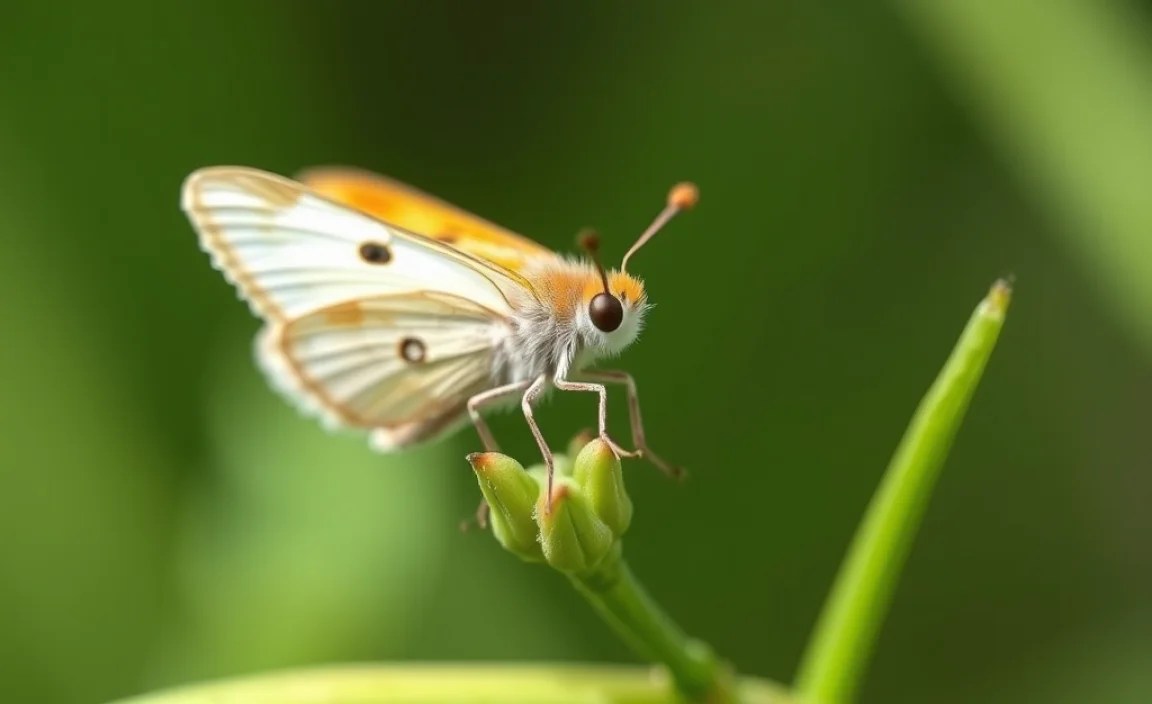
Do you know where butterflies live? Northern white skippers live in North America. They are found in many states. They live in meadows and open fields. They like sunny places. They need flowers for food. They also need grasses for their caterpillars. Caterpillars eat grass. The butterflies lay their eggs on the grass. The caterpillars hatch from the eggs. They grow into butterflies. They are common in the eastern United States. They also live in the Midwest. They are not found in the far west. Their habitat is important. We need to protect their habitat. This helps them survive. Knowing how to identify northern white skipper habitats helps us protect them.
- They live in North America.
- They are found in meadows and fields.
- They prefer sunny locations.
- They need flowers for nectar.
- They need grasses for caterpillars.
- They are common in the eastern US.
Understanding their habitat is key to finding them. Look for areas with plenty of wildflowers. These butterflies love nectar-rich plants. They also need host plants. These are plants where they lay their eggs. The caterpillars feed on these plants. Common host plants include grasses. Protecting these habitats is crucial. Loss of habitat is a big threat. It affects many butterflies. By preserving meadows and fields, we help them thrive. Encourage native plants in your garden. This provides food and shelter. Avoid using pesticides. Pesticides can harm butterflies and other insects. Learn about local conservation efforts. You can volunteer to help protect their habitats. Every small action makes a difference.
Fun Fact or Stat: Northern white skippers are more common in areas with well-drained soil!
What Kind of Habitats Do They Prefer?
Imagine a sunny meadow filled with flowers. Northern white skippers love these places. They prefer open habitats. These include meadows and fields. They like areas with lots of sunlight. They need sunlight to warm their bodies. They also need flowers for nectar. They visit many different kinds of flowers. They especially like blue and purple flowers. They also need grasses. Their caterpillars eat grass. The grasses provide food for the young butterflies. They avoid shady areas. They don’t like forests or dense woods. They need open spaces to fly. When looking for them, think of sunny meadows. That’s where they are most likely to be.
Where Are They Typically Located in North America?
Have you ever looked at a map of butterfly habitats? Northern white skippers are found in many parts of North America. They are common in the eastern United States. They live from Maine to Florida. They also live in the Midwest. You can find them in states like Ohio and Illinois. They are less common in the western United States. They don’t live in the Rocky Mountains. They also don’t live in the desert. Their range depends on the availability of habitat. They need meadows and fields. They also need the right kinds of flowers and grasses. If these are present, they can thrive. Knowing their location helps you know where to look.
What Plants Do They Rely On?
Think about a butterfly sipping nectar from a flower. Northern white skippers rely on many plants. They need nectar for energy. They visit flowers like clover and thistle. They also like milkweed and asters. These flowers provide them with food. Their caterpillars need grasses. They eat grasses like little bluestem. The grasses provide food for the caterpillars. Without these plants, they cannot survive. Protecting these plants is important. Plant native flowers in your garden. This helps them find food. Avoid using herbicides. Herbicides can kill the plants they need. Support local conservation efforts. This helps protect their habitats. When you know how to identify northern white skipper needs, you can help them.
What is the Life Cycle of a Northern White Skipper?

Have you ever watched a caterpillar turn into a butterfly? The life cycle of a northern white skipper is amazing. It starts with an egg. The female lays her eggs on grass. The egg hatches into a caterpillar. The caterpillar eats grass. It grows bigger. It sheds its skin several times. This is called molting. Then, the caterpillar turns into a pupa. The pupa is also called a chrysalis. It hangs from a plant. Inside the pupa, the butterfly develops. After a few weeks, the butterfly emerges. It flies away to find nectar and mate. The whole process takes about a month. It’s a beautiful transformation. Understanding this cycle helps in knowing how to identify northern white skipper.
- It starts with an egg laid on grass.
- The egg hatches into a caterpillar.
- The caterpillar eats grass and grows.
- The caterpillar turns into a pupa.
- The butterfly emerges from the pupa.
- The butterfly flies away to mate.
The life cycle is a delicate process. Each stage needs specific conditions. The eggs need the right temperature. The caterpillars need enough food. The pupa needs protection. Changes in the environment can affect them. Climate change can alter their timing. Habitat loss reduces their food sources. Pesticides can harm them at any stage. By understanding these challenges, we can help them. We can create butterfly-friendly gardens. We can support conservation efforts. We can reduce our use of pesticides. Every action helps protect their future. Remember, even small changes make a big difference. Let’s work together to support these amazing creatures.
Fun Fact or Stat: The entire life cycle of a Northern White Skipper takes about 30-45 days!
How Do They Reproduce?
Imagine a butterfly fluttering around, looking for a mate. Northern white skippers reproduce through eggs. The male and female find each other. They mate. The female lays her eggs on grass. She lays one egg at a time. The eggs are small and green. They take about a week to hatch. The caterpillars emerge from the eggs. They start to eat grass. The female chooses the best grass. She wants to make sure her babies have enough food. Reproduction is important for their survival. Without it, there would be no new butterflies. We need to protect their habitat. This helps them reproduce successfully. Knowing how to identify northern white skipper mating habits can help conservation efforts.
What Do Caterpillars Eat?
Picture a tiny caterpillar munching on a leaf. Northern white skipper caterpillars eat grass. They are herbivores. They only eat plants. They eat many kinds of grass. They like little bluestem and other native grasses. They chew on the leaves and stems. They eat a lot of grass. They need to grow big and strong. They molt several times. Each time, they shed their skin. This allows them to grow bigger. They need a healthy habitat. This provides them with plenty of food. If there is not enough grass, they will not survive. Protecting grasslands is important. It helps the caterpillars find food. We can help them by planting native grasses.
How Long Do They Live?
Have you ever wondered how long a butterfly lives? Northern white skippers have a short lifespan. They live for about a month as adults. This is a common lifespan for butterflies. They spend most of their lives as caterpillars. The caterpillars live for several weeks. They grow and eat. The pupa stage lasts about a week. The butterfly emerges. It flies around and finds a mate. It lays eggs. Then it dies. Their short lifespan is part of their charm. They live quickly and fully. They make the most of their time. We can appreciate their beauty. We can protect their habitat. This helps them live as long as possible. Learning how to identify northern white skipper life stages can improve conservation.
What are the Key Identifying Features?
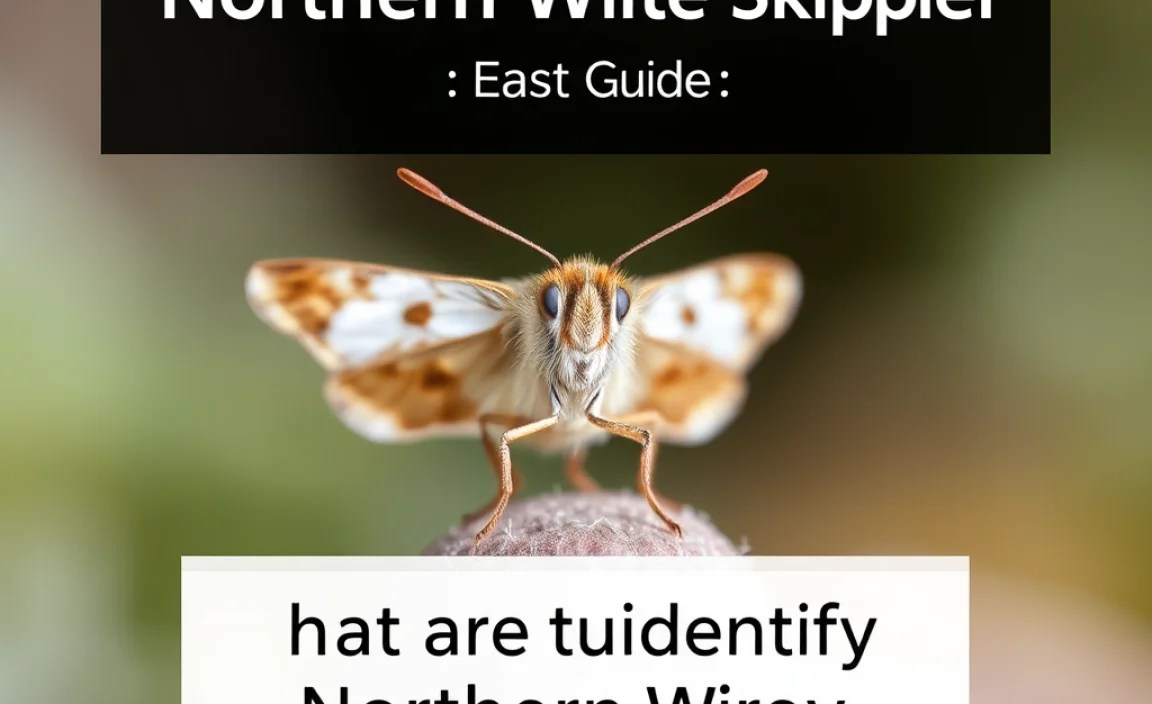
If you want to know how to identify northern white skipper, look closely. These butterflies have key features. These features make them unique. They are small. Their wingspan is about one inch. They have orange spots on their wings. The edges of their wings have white fringes. Their bodies are slender. They fly quickly. They dart around. They have hooked antennae. These features help you tell them apart. Use a field guide. It has pictures and descriptions. Compare the butterfly you see to the pictures. Pay attention to the details. Practice makes perfect. Soon, you’ll be an expert at spotting them. Remember to be patient. Observe them carefully.
- They are small butterflies.
- They have orange spots on their wings.
- Their wings have white fringes.
- They fly quickly and dart around.
- They have hooked antennae tips.
- Females have more dark markings.
Identifying features are not always easy to see. The lighting can affect how they look. The angle can change the appearance. The butterfly might be damaged. Use multiple features. Look at the size, color, and markings. Check the behavior. How does it fly? What flowers does it visit? Consider the location. Where are you seeing it? These clues help you make a correct identification. Don’t be afraid to make mistakes. Everyone makes mistakes. The more you observe, the better you get. Share your findings with others. Join a butterfly club. Learn from experts. Contribute to citizen science projects. Your observations can help scientists track butterfly populations.
Fun Fact or Stat: Male Northern White Skippers have brighter orange wings than females!
What is Their Size and Shape?
Imagine holding a small coin in your hand. That’s about the size of a northern white skipper. They are small butterflies. Their wingspan is about one inch. Their body is slender. Their wings are rounded. Skippers have a unique shape. Their wings are held at an angle. This helps them fly fast. They are different from other butterflies. They have a thicker body. This helps them with their quick flight. They also have hooked antennae. This is a key feature. When you learn how to identify northern white skipper, remember their size and shape. It will help you spot them.
What About Their Wing Patterns?
Have you ever drawn a butterfly? Northern white skippers have distinct wing patterns. Their wings are mostly orange. They have dark borders. The edges of their wings have white fringes. This is a key identifying feature. The females have more dark markings. These markings help them hide. The males have brighter orange wings. They use these to attract mates. The underside of their wings is paler. It has a few spots. These spots help them camouflage. When you see a small orange butterfly, look closely. The wing patterns can tell you a lot. They can help you identify it. Knowing how to identify northern white skipper wings is important.
What is Their Typical Behavior?
Picture a butterfly darting from flower to flower. Northern white skippers are very active. They fly quickly. They are often seen in sunny meadows. They like to visit blue and purple flowers. These flowers have lots of nectar. They use their long tongue to drink it. They bask in the sun to warm up. Basking helps them fly better. They are most active during the day. They rest at night. They hide in the grass or under leaves. They are shy butterflies. They don’t like to be disturbed. Observe them quietly and respectfully. You can learn a lot about their behavior. This behavior helps you identify them. Knowing how to identify northern white skipper habits makes it easier.
What are Common Look-Alikes?
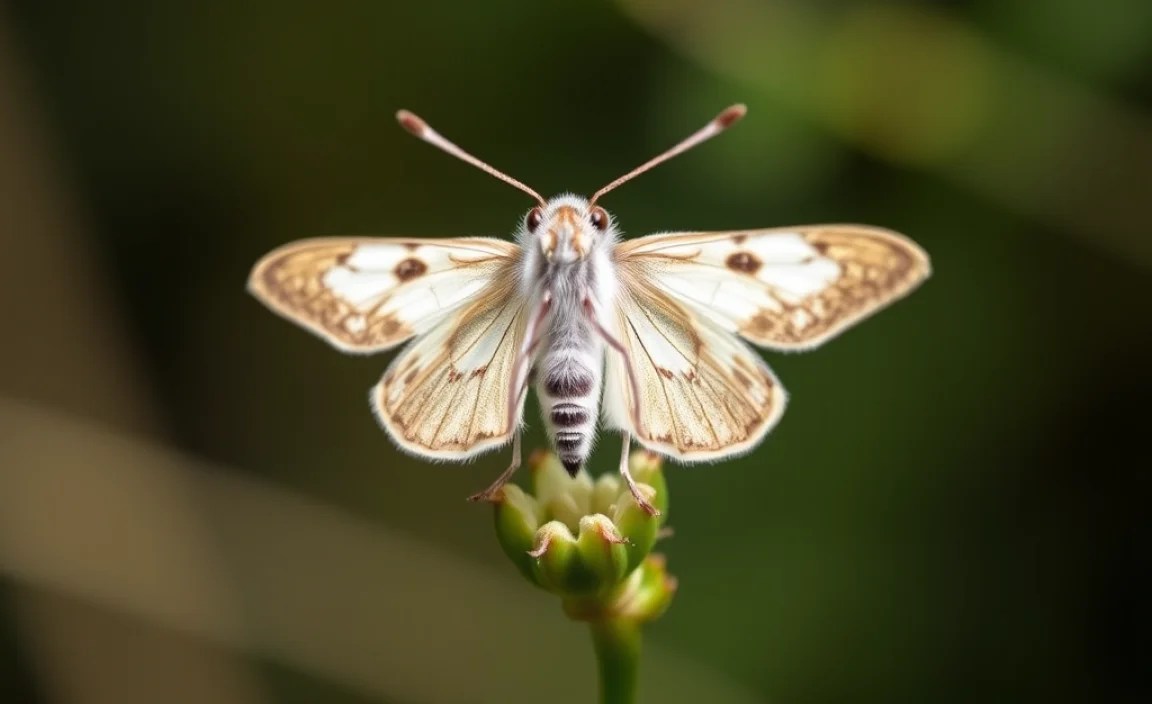
Sometimes, butterflies can look alike. It can be tricky to know how to identify northern white skipper correctly. Some other skippers look similar. The least skipper is small and orange. It has a similar shape. The European skipper is also orange. It is slightly bigger. The Delaware skipper has similar markings. But it is more brown. These butterflies can confuse beginners. Pay close attention to the details. Look at the wing patterns. Check the size. Notice the habitat. These clues will help you tell them apart. Use a field guide. It has pictures and descriptions. Practice makes perfect. Don’t get discouraged. Keep learning. Soon, you’ll be an expert.
| Butterfly | Size | Wing Color | Wing Markings | Habitat |
|---|---|---|---|---|
| Northern White Skipper | Small | Orange | White fringes | Meadows |
| Least Skipper | Small | Orange | No white fringes | Fields |
| European Skipper | Medium | Orange | Dark lines | Grasslands |
| Delaware Skipper | Medium | Brown | Similar markings | Marshes |
| Fiery Skipper | Medium | Orange-brown | Irregular spots | Gardens |
When comparing butterflies, consider several factors. Size is a good starting point. Use a ruler or your finger for reference. Color is another important clue. Notice the shades of orange and brown. Look for patterns. Are there spots or lines? Check the wing shape. Are the wings rounded or pointed? Observe the behavior. How does it fly? What flowers does it visit? Pay attention to the habitat. Where are you seeing the butterfly? All these clues can help you make the right identification. Don’t rely on just one feature. Use a combination of features. This will increase your accuracy. Remember, even experts make mistakes sometimes. The key is to keep learning and observing.
Fun Fact or Stat: The Least Skipper is often mistaken for the Northern White Skipper because of its similar size and color!
How Can You Tell Them Apart from Least Skippers?
Imagine two small, orange butterflies fluttering around. They look very similar. How can you tell them apart? Least skippers are small and orange. They don’t have white fringes. Northern white skippers do. Look closely at the wing edges. The white fringes are a key feature. Least skippers also have different wing patterns. Their spots are less distinct. The habitat can also help. Least skippers are found in fields. Northern white skippers like meadows. These small differences can help you. Pay attention to the details. Use a field guide. Practice makes perfect. Soon, you’ll be able to tell them apart easily.
What About European Skippers?
Have you ever seen a European skipper? They are another look-alike. European skippers are orange. They are slightly bigger than northern white skippers. They also have dark lines on their wings. These lines are not present on northern white skippers. The habitat can also help. European skippers are found in grasslands. Northern white skippers like meadows. Look closely at the size and wing patterns. These clues will help you. Use a field guide. It has pictures and descriptions. Practice makes perfect. Soon, you’ll be able to tell them apart. Knowing how to identify northern white skipper versus European skippers is useful.
Are There Any Other Similar Species?
Picture a field full of different butterflies. There are many similar species. Delaware skippers are another look-alike. They are more brown than orange. They have similar markings. But their color is different. Fiery skippers are also similar. They are orange-brown. They have irregular spots. These differences can help you. Pay attention to the color and markings. Look at the size. Notice the habitat. Use a field guide. It has pictures and descriptions. Practice makes perfect. Don’t get discouraged. Keep learning. Soon, you’ll be able to tell them apart. Understanding how to identify northern white skipper look-alikes is important.
Why is Identification Important?
Have you ever wondered why it matters to know how to identify northern white skipper? Identification is important for many reasons. It helps us understand nature. We learn about different species. We learn about their habitats. We can track their populations. This helps us protect them. Identification is also important for conservation. We can monitor their numbers. We can see if they are declining. We can take action to help them. It is also fun. It connects us to nature. We appreciate the beauty of butterflies. We learn about their life cycles. It is a rewarding hobby. It makes us more aware of the world around us.
- It helps us understand nature better.
- It supports conservation efforts.
- It helps track butterfly populations.
- It connects us to the environment.
- It promotes appreciation for nature.
- It supports scientific research.
Knowing the names of things around us makes us more connected. It is like learning a new language. Each name is a word. It tells us about the plant or animal. It helps us understand its role in the ecosystem. It helps us appreciate its beauty. By knowing how to identify northern white skipper, we become more aware of its importance. We can share our knowledge with others. We can teach our friends and family. We can inspire them to learn about nature. Education is key to conservation. The more people who care, the better. Together, we can protect these amazing creatures. Every small effort makes a difference. Let’s all become nature detectives.
Fun Fact or Stat: Accurate identification helps scientists track changes in butterfly populations due to climate change!
How Does it Help with Conservation Efforts?
Imagine scientists tracking butterflies in a meadow. Identification is crucial for conservation. It helps us monitor butterfly populations. We can see if they are increasing or decreasing. We can identify threats to their survival. We can take action to protect them. If we don’t know what butterflies are present, we can’t help them. Conservation efforts depend on accurate data. We need to know which species are at risk. We need to know where they live. We need to know what they need. Knowing how to identify northern white skipper supports these efforts. It helps us protect their habitats. It helps us ensure their survival. Conservation is a team effort. We all have a role to play.
Why is it Important for Monitoring Populations?
Have you ever counted butterflies in your backyard? Monitoring populations is important. It helps us track changes over time. We can see if a species is thriving or declining. We can identify problems early. We can take action to prevent extinction. Monitoring requires accurate identification. We need to know which species we are counting. We need to know where they are located. We need to use consistent methods. This ensures our data is reliable. Citizen science projects are valuable. They involve volunteers in data collection. Anyone can participate. It’s a great way to learn about nature. It’s also a great way to help protect butterflies. Knowing how to identify northern white skipper helps with monitoring.
How Does it Enhance Our Appreciation of Nature?
Picture yourself walking in a meadow, surrounded by butterflies. Identification enhances our appreciation of nature. When we know the names of things, we see them differently. We notice their unique features. We understand their life cycles. We appreciate their beauty. We feel more connected to the environment. Learning about butterflies is a rewarding hobby. It’s a great way to spend time outdoors. It’s also a great way to relax and de-stress. Nature has a calming effect. It makes us feel happier and healthier. We can share our knowledge with others. We can inspire them to learn about nature. Knowing how to identify northern white skipper makes it more enjoyable.
Summary
Northern white skippers are small, orange butterflies. They are found in North America. They live in meadows and fields. They have distinct features. They have orange spots on their wings. The edges of their wings have white fringes. They fly quickly and dart around. The males have brighter orange wings. They need sunlight and flowers. Their caterpillars eat grass. They have a short lifespan. They are often mistaken for other skippers. Least skippers are similar. But they don’t have white fringes. Learning how to identify northern white skipper helps us appreciate nature. It also supports conservation efforts.
Conclusion
Learning how to identify northern white skipper butterflies can be a fun and rewarding experience. These small, orange butterflies are a joy to watch. They are fast fliers. They live in meadows and fields. By knowing their key features, you can easily spot them. Look for their orange wings. Check for white fringes. Notice their quick flight. With practice, you will become an expert. You can share your knowledge with others. You can help protect these amazing creatures. So get outside and start exploring!
Frequently Asked Questions
Question No 1: What is the best time of year to see Northern White Skippers?
Answer: Northern White Skippers are most active during the summer months. They are usually seen from June to August. This is when their host plants are in full growth. It is also when the adults are actively flying and reproducing. Look for them on warm, sunny days. They like to visit flowers for nectar. The best time to spot them is midday. This is when they are most active. Knowing when they are active makes it easier to find them. It also helps you understand their life cycle. So, plan your butterfly watching trips during the summer. You’ll have the best chance of seeing them.
Question No 2: What kind of flowers do Northern White Skippers like to visit?
Answer: Northern White Skippers love to visit blue and purple flowers. They are attracted to flowers with lots of nectar. Some of their favorite flowers include clover, thistle, and asters. They also like milkweed. These flowers provide them with the energy they need to fly. They use their long tongues to drink the nectar. Planting these flowers in your garden can attract them. It provides them with a food source. It also makes your garden more beautiful. Remember to avoid using pesticides. Pesticides can harm butterflies and other insects. Creating a butterfly-friendly garden is a great way to help them. Knowing their favorite flowers helps in knowing how to identify northern white skipper.
Question No 3: Are Northern White Skippers endangered?
Answer: Northern White Skippers are not currently listed as endangered. However, their populations can be affected by habitat loss. They are also affected by pesticide use. Protecting their habitats is important. This includes meadows and fields. We need to preserve these areas. This ensures they have enough food and shelter. We also need to reduce our use of pesticides. Pesticides can harm them at any stage of their life cycle. Supporting conservation efforts is crucial. This helps protect their future. You can learn about local conservation organizations. You can volunteer to help. Every small action makes a difference. Understanding how to identify northern white skipper helps with conservation.
Question No 4: How can I attract Northern White Skippers to my garden?
Answer: You can attract Northern White Skippers to your garden by planting their favorite flowers. Choose blue and purple flowers. Plant clover, thistle, and asters. Also plant milkweed. Provide a sunny spot. They like to bask in the sun. Provide a water source. A shallow dish of water with pebbles works well. Avoid using pesticides. Pesticides can harm them. Create a butterfly-friendly habitat. This will attract them to your garden. You can also provide host plants for their caterpillars. Plant native grasses. Little bluestem is a good choice. Knowing how to identify northern white skipper needs helps attract them.
Question No 5: What is the difference between a butterfly and a skipper?
Answer: Butterflies and skippers are both types of insects. They belong to the same order. But they have some differences. Skippers have thicker bodies. Their wings are held at an angle. This is different from butterflies. Butterflies have slender bodies. They hold their wings upright. Skippers also have hooked antennae. Butterflies have clubbed antennae. Skippers are usually smaller than butterflies. They fly very fast. Butterflies have a more graceful flight. These differences help you tell them apart. Learning how to identify northern white skipper involves recognizing these differences. It helps distinguish them from true butterflies.
Question No 6: Where can I find more information about Northern White Skippers?
Answer: You can find more information about Northern White Skippers online. There are many websites with information about butterflies. The websites have pictures and descriptions. You can also use field guides. These guides have information about different species. Local nature centers are a great resource. They often have programs about butterflies. Libraries also have books about butterflies. You can also join a butterfly club. You can learn from experts. You can share your knowledge with others. Citizen science projects are another great way to learn. These projects involve volunteers in data collection. Knowing how to identify northern white skipper starts with learning more about them.


