
Insect vs Butterfly: How to Tell [Easy Guide]

Have you ever seen a bug and a butterfly? They both fly. They both have wings. But are they the same? No! It can be tricky to know the difference. This article will teach you insect vs butterfly how to tell. You’ll learn all about their bodies. You will also learn how they act. Get ready to become a bug and butterfly expert!
Key Takeaways
- Knowing insect vs butterfly how to tell helps us appreciate nature more.
- Butterflies have bright wings; insects have plain or colorful wings.
- Butterflies usually fly during the day. Many insects fly at night.
- Insects have three body sections; butterflies also have three sections.
- Butterflies sip nectar; insects eat many things like plants or other bugs.
Insect vs Butterfly: Key Differences
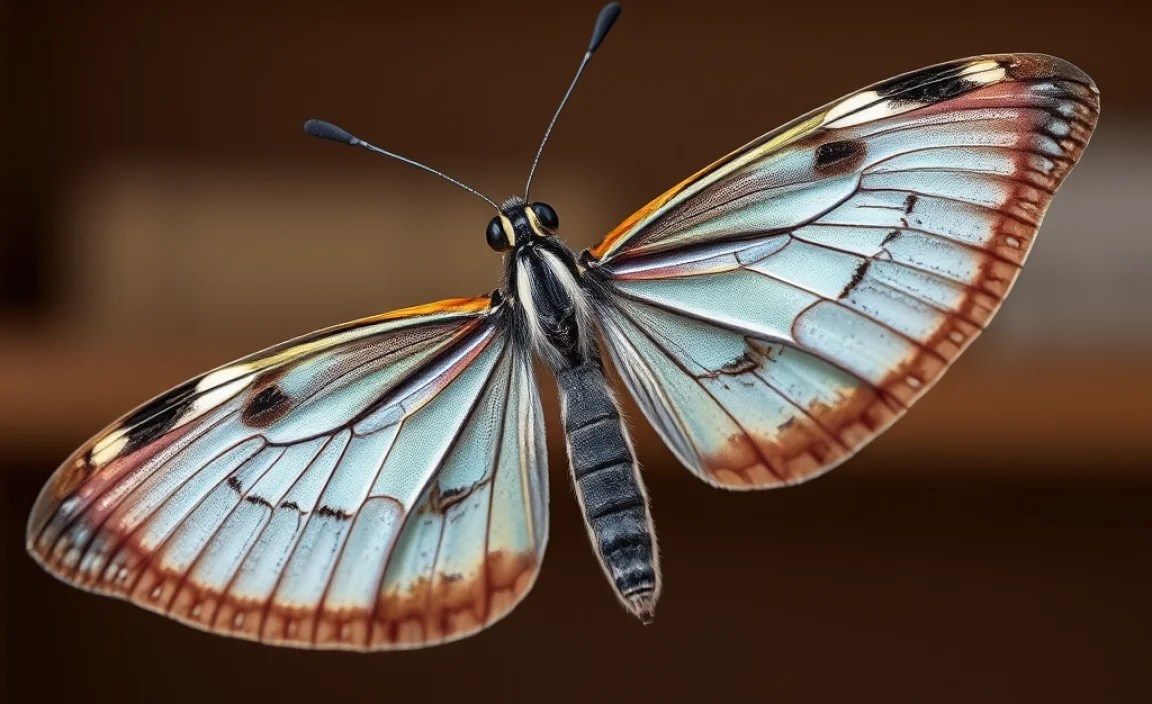
It’s fun to watch bugs and butterflies. They fly around our yards and parks. But how can you tell them apart? Insect vs butterfly how to tell is easier than you think. Look at their wings first. Butterflies have big, colorful wings. Insects can have clear or dull wings. Also, think about when you see them. Butterflies love the sun. Many insects come out when it is dark. There are other things to look for too. We will learn about their bodies and how they eat.
- Butterflies have bright wings with pretty patterns.
- Insects can have clear, brown, or dull-colored wings.
- Butterflies fly during the day to find flowers.
- Many insects are active at night.
- Look closely at their body shapes to tell them apart.
Let’s talk more about bodies. Both insects and butterflies have three main parts. These parts are the head, thorax, and abdomen. The thorax is the middle part. This is where the legs and wings attach. Butterflies have skinny bodies. Insects can have thicker or longer bodies. Butterflies also have long antennas with a club at the end. Insect antennas can be many shapes. They can be long and thin or feathery. Paying attention to these details helps us know insect vs butterfly how to tell.
Fun Fact or Stat: There are over 20,000 different kinds of butterflies in the world!
What Makes a Butterfly Unique?
Have you ever watched a butterfly flutter around a flower garden? Butterflies are special insects. They have unique qualities that set them apart. One of the most obvious is their wings. Butterfly wings are covered in tiny scales. These scales give them their beautiful colors and patterns. The patterns help them attract mates and hide from predators. Also, butterflies have a long, straw-like tongue called a proboscis. They use it to sip nectar from flowers. This is their main source of food.
What Makes an Insect an Insect?
Insects are everywhere! They crawl, fly, and hop all around us. But what makes an insect an insect? One key feature is their body. Insects have three body parts: a head, a thorax, and an abdomen. They also have six legs. These legs are attached to the thorax. Many insects have wings, but not all. Insects have antennas. They use them to sense their surroundings. Insects come in all shapes and sizes. They play important roles in our world.
Why Study Insects and Butterflies?
Why should we care about insects and butterflies? They might seem small and unimportant. But they play a big role in our ecosystem. Butterflies are important pollinators. They help plants make seeds and fruits. Insects help break down dead plants and animals. This puts nutrients back into the soil. Both insects and butterflies are food for other animals. Studying them helps us understand how nature works. Knowing insect vs butterfly how to tell helps us appreciate nature more.
How to Identify Insects: Key Traits
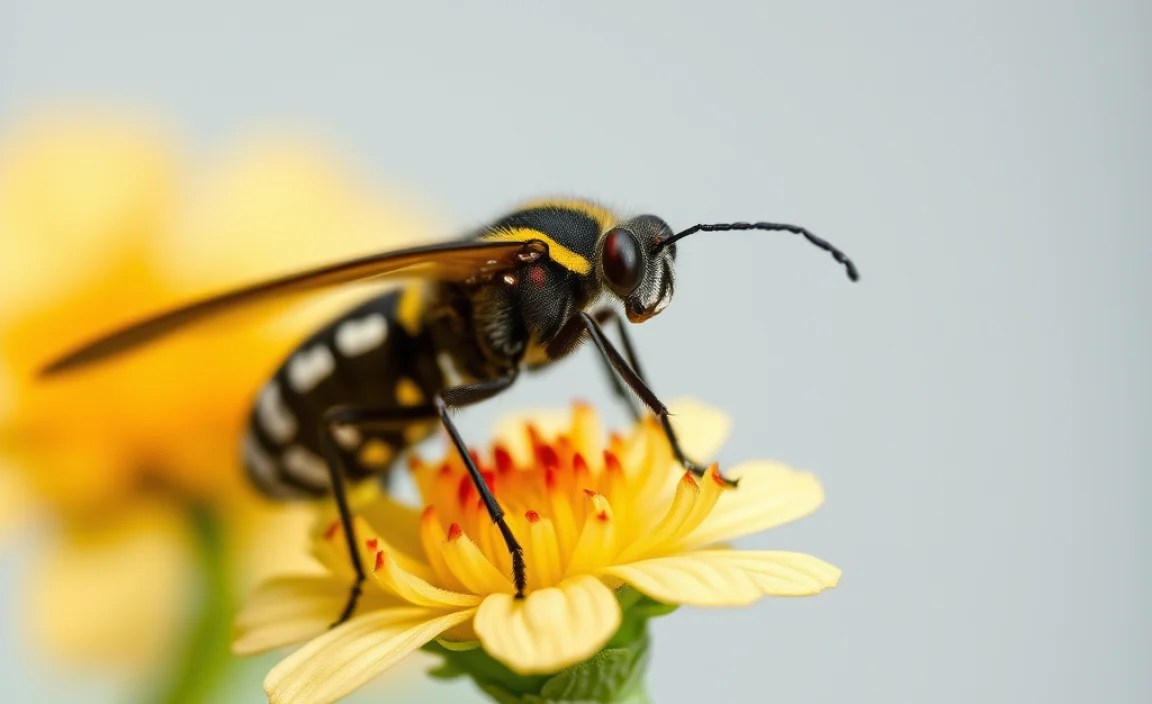
Insects are a huge group of animals. They live in almost every part of the world. To identify insects, look for key traits. First, count their legs. Insects always have six legs. These legs are in three pairs. They also have a body divided into three parts. These parts are the head, thorax, and abdomen. Many insects have wings, but some don’t. Insects also have antennae. The antennae come in different shapes and sizes. Some insects have big eyes. Others have small eyes or no eyes at all.
- Insects have six legs.
- They have a three-part body.
- Many insects have wings.
- Insects have antennae.
- They come in many sizes and shapes.
- Insects live in many places.
Insects have different ways of eating. Some insects chew leaves. Others suck juices from plants or animals. Some insects are predators. They hunt and eat other insects. Some insects are scavengers. They eat dead plants and animals. Insects also have different life cycles. Some insects go through metamorphosis. This means they change their body shape as they grow. Butterflies are one example of insects that do this. Knowing these traits helps us with insect vs butterfly how to tell.
Fun Fact or Stat: Some insects can lift objects 50 times their own weight!
What Are the Main Insect Body Parts?
Imagine an ant crawling on the ground. To understand insects, we need to know their body parts. The main parts are the head, thorax, and abdomen. The head has the eyes, antennae, and mouthparts. The thorax is the middle section. It is where the legs and wings attach. The abdomen is the back section. It contains the insect’s digestive system. Each part plays an important role. Together, they help the insect survive.
How Do Insects Eat?
Have you ever wondered how insects eat? Insects have many different ways of getting food. Some insects have chewing mouthparts. They use these to eat leaves and other solid foods. Other insects have sucking mouthparts. They use these to drink nectar or blood. Some insects have piercing mouthparts. They use these to poke into plants or animals. Insect mouthparts are adapted to their diet. They help them get the nutrients they need.
Where Do Insects Live?
Insects are found almost everywhere on Earth. They live in forests, deserts, and grasslands. They live in water, soil, and even inside other animals. Some insects live in groups. Others live alone. Insects are very adaptable. They can survive in many different environments. This is why they are so common. Understanding where they live helps us appreciate their diversity.
Butterfly Identification: What to Look For

Butterflies are beautiful and graceful. They flit from flower to flower. Identifying butterflies is fun and easy. First, look at their wings. Butterfly wings are usually bright and colorful. They have patterns of spots, stripes, and shapes. Next, look at their body. Butterflies have slender bodies. They also have long, thin antennae with clubs on the end. Butterflies fly during the day. They are attracted to flowers with nectar.
- Butterflies have bright wings.
- They have slender bodies.
- They have clubbed antennae.
- Butterflies fly during the day.
- They drink nectar from flowers.
- Butterfly wings have patterns.
Butterflies go through a big change in their lives. This change is called metamorphosis. They start as eggs. Then they become caterpillars. Caterpillars eat a lot and grow quickly. Next, the caterpillar turns into a pupa. The pupa is inside a chrysalis. Inside the chrysalis, the caterpillar changes into a butterfly. Finally, the butterfly emerges. It flies away to find food and mates. Knowing these stages can help with insect vs butterfly how to tell.
Fun Fact or Stat: The largest butterfly in the world is the Queen Alexandra’s Birdwing, with a wingspan of up to 12 inches!
What Are the Stages of Butterfly Metamorphosis?
Have you ever raised a butterfly from a caterpillar? It’s amazing to watch them change. The first stage is the egg. Butterflies lay their eggs on plants. The eggs hatch into caterpillars. Caterpillars eat and grow. Then, the caterpillar forms a pupa. The pupa is protected inside a chrysalis. Inside, the caterpillar transforms into a butterfly. Finally, the butterfly emerges. It unfolds its wings and flies away.
What Do Butterflies Eat?
Imagine a butterfly sipping nectar from a flower. Butterflies mainly eat nectar. Nectar is a sweet liquid produced by flowers. Butterflies use a long, straw-like tongue called a proboscis to drink nectar. Some butterflies also eat other things. They might eat tree sap or rotting fruit. Butterflies need food for energy. The energy helps them fly and reproduce. Their diet is very important to their survival.
Where Do Butterflies Live?
Butterflies live in many different places. They are found in gardens, meadows, and forests. They live in warm and cold climates. Butterflies need certain things to survive. They need food, water, and shelter. They also need plants to lay their eggs on. Some butterflies migrate long distances. They travel to find better conditions. Their habitat is essential for their survival.
Comparing Wings: Insect vs Butterfly
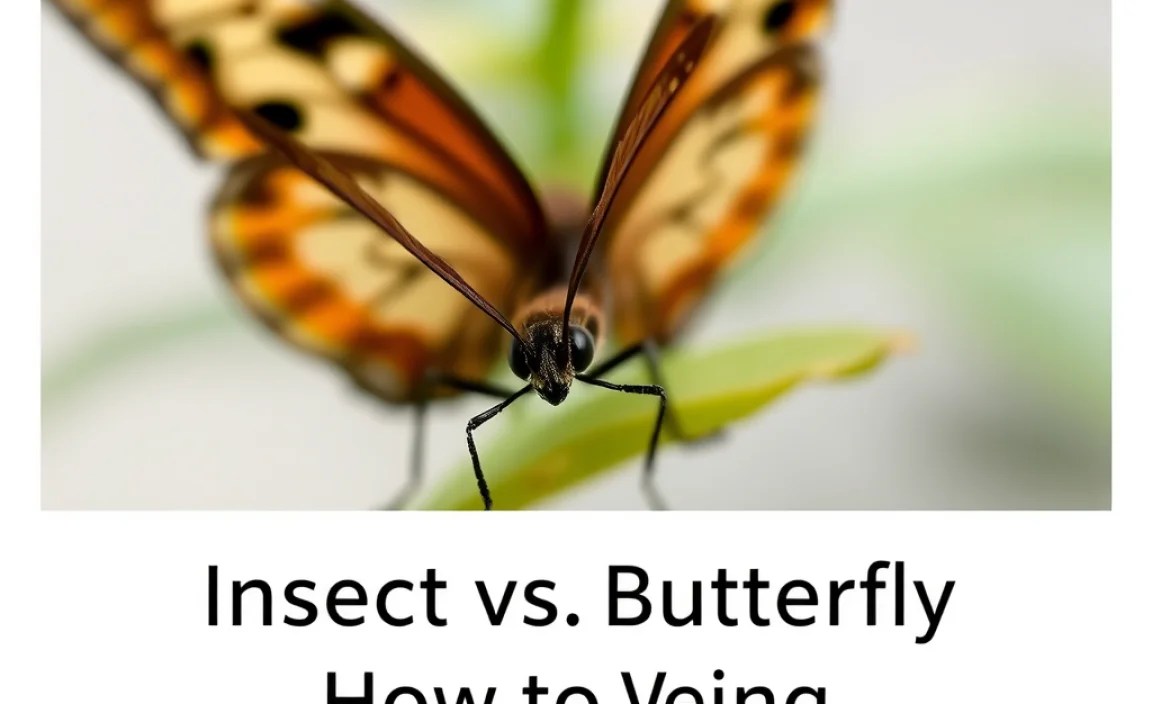
Wings are a key way to tell insects and butterflies apart. Butterfly wings are usually large and colorful. They have scales that create beautiful patterns. Insect wings can be different. Some insect wings are clear or dull. Other insect wings are colorful too. Insect wings can also be different shapes and sizes. Some insects have two wings. Others have four wings. Some insects have no wings at all. Looking at the wings helps us with insect vs butterfly how to tell.
- Butterfly wings are large and colorful.
- Insect wings can be clear or dull.
- Some insects have two wings.
- Others have four wings.
- Some insects have no wings.
- Butterfly wings have scales.
The way insects and butterflies fly is also different. Butterflies have a graceful, fluttering flight. They glide through the air. Insects can fly in different ways. Some insects fly quickly and directly. Others hover or zigzag. The way they fly depends on their wing shape and size. It also depends on their body weight. Watching how they fly is another clue. This clue can help us understand insect vs butterfly how to tell.
Fun Fact or Stat: A butterfly’s wings are transparent. The colors we see come from tiny scales that reflect light!
How Are Butterfly Wings Structured?
Have you ever touched a butterfly’s wing? Butterfly wings are delicate and beautiful. They are covered in tiny scales. These scales overlap like shingles on a roof. The scales give the wings their color and pattern. They also protect the wings from damage. Butterfly wings are supported by veins. These veins carry blood and nutrients. The structure of butterfly wings is amazing.
How Are Insect Wings Structured?
Insect wings come in many different forms. Some insect wings are thin and membranous. Others are thick and leathery. Some insect wings are covered in hairs. Others are smooth. Insect wings are supported by veins. These veins provide strength and flexibility. The structure of insect wings is adapted to their lifestyle. It helps them fly and survive.
What is the Purpose of Wing Patterns?
Why do insects and butterflies have patterns on their wings? Wing patterns serve many purposes. Some patterns help them attract mates. Other patterns help them camouflage. Camouflage helps them hide from predators. Some patterns startle predators. They make the insect or butterfly look bigger or more dangerous. Wing patterns are important for survival.
Antennae Differences: A Clear Indicator
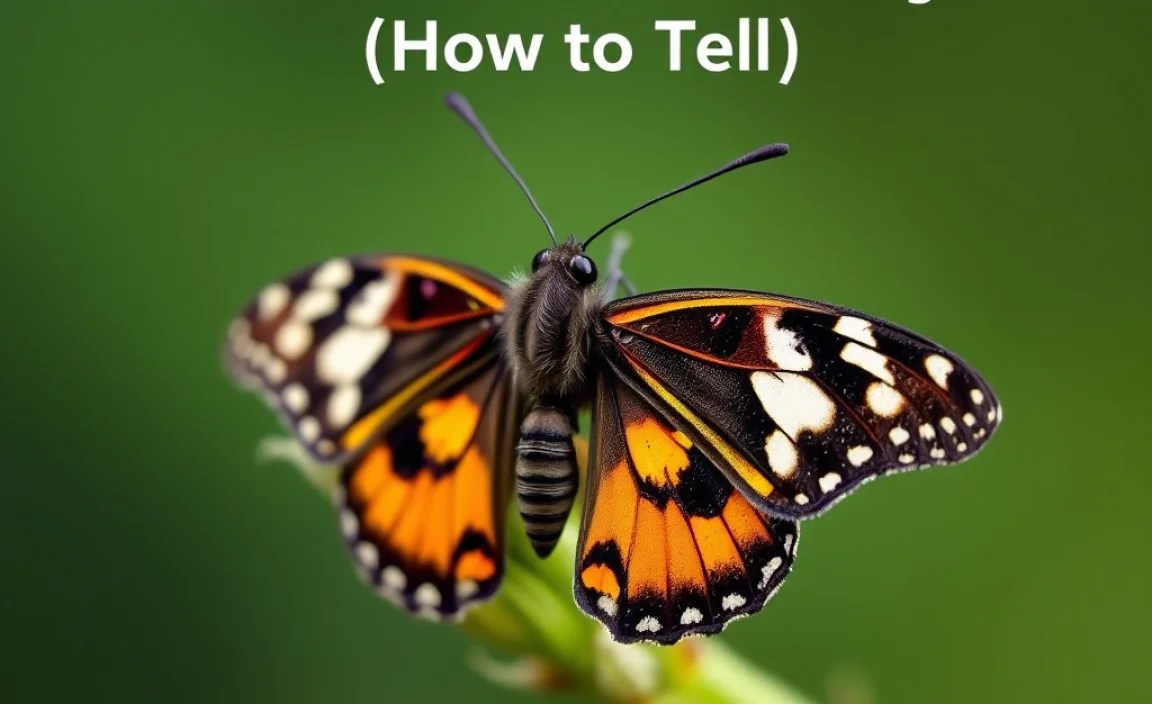
Antennae are another good way to tell insects and butterflies apart. Butterflies have long, thin antennae with a club on the end. The club is a thicker, rounded part. Insect antennae come in many shapes and sizes. Some insect antennae are long and thin. Others are feathery or saw-toothed. The shape of the antennae helps them sense their environment. They use antennae to smell, taste, and feel. Looking at the antennae is a clear indicator for insect vs butterfly how to tell.
- Butterfly antennae have clubs.
- Insect antennae vary in shape.
- Antennae help them smell.
- Antennae help them taste.
- Antennae help them feel.
- Antennae sense the environment.
Butterflies use their clubbed antennae to find flowers. They can smell nectar from far away. Insects use their antennae for many things. They can find food, mates, and shelter. Some insects use their antennae to communicate. They can send and receive signals. The antennae are important sensory organs. They help insects and butterflies survive. Knowing these differences makes insect vs butterfly how to tell easier.
Fun Fact or Stat: Some male moths have feathery antennae that can detect female pheromones from miles away!
What is the Structure of Butterfly Antennae?
Imagine a butterfly’s delicate antennae. Butterfly antennae are long and slender. They have a club at the tip. The club is covered in sensory receptors. These receptors detect chemicals in the air. The chemicals help the butterfly find food and mates. Butterfly antennae are flexible. They can bend and move in different directions. This helps the butterfly sense its surroundings.
What is the Structure of Insect Antennae?
Insect antennae are very diverse. They come in many shapes and sizes. Some are long and thread-like. Others are feathery or clubbed. Insect antennae are covered in sensory receptors. These receptors detect a variety of stimuli. They can sense chemicals, vibrations, and temperature. Insect antennae are important sensory organs. They help insects find food, mates, and avoid danger.
How Do Antennae Work?
How do antennae help insects and butterflies? Antennae work by detecting chemicals in the air. These chemicals bind to receptors on the antennae. The receptors send signals to the brain. The brain interprets the signals. This allows the insect or butterfly to sense its environment. Antennae are very sensitive. They can detect even small amounts of chemicals.
Eating Habits: Nectar vs Other Foods
What insects and butterflies eat is very different. Butterflies mainly drink nectar. They use a long, straw-like proboscis to sip nectar from flowers. Insects eat a wider variety of foods. Some insects eat plants. Others eat other insects. Some eat dead animals or waste. The mouthparts of insects are adapted to their diet. Chewing insects have strong jaws. Sucking insects have a proboscis or other sucking mouthparts.
| Feature | Butterfly | Insect |
|---|---|---|
| Main Food | Nectar | Plants, insects, etc. |
| Mouthparts | Proboscis | Chewing, sucking |
| Feeding Time | Day | Day or night |
| Food Source | Flowers | Many sources |
Butterfly larvae, or caterpillars, eat leaves. They eat a lot to grow quickly. Some caterpillars eat only one type of plant. Others eat many types of plants. Insect larvae also have different diets. Some eat leaves, wood, or roots. Others eat other insects. The eating habits of insects and butterflies are very diverse. They play an important role in the ecosystem. Understanding this helps with insect vs butterfly how to tell.
Fun Fact or Stat: Some butterflies migrate thousands of miles to find food and suitable breeding grounds!
How Do Butterflies Drink Nectar?
Have you ever seen a butterfly unroll its tongue? Butterflies drink nectar using a long, straw-like proboscis. The proboscis is normally coiled up under the butterfly’s head. When the butterfly finds a flower, it unrolls the proboscis. It inserts the proboscis into the flower. It then sucks up the nectar. The proboscis is a very efficient tool. It allows butterflies to feed on nectar quickly and easily.
What Types of Foods Do Insects Eat?
Insects eat a wide variety of foods. Some insects are herbivores. They eat plants. Other insects are carnivores. They eat other animals. Some insects are omnivores. They eat both plants and animals. Some insects are detritivores. They eat dead organic matter. Insect diets are very diverse. They reflect the wide range of lifestyles that insects have.
Why is Pollination Important?
Why is it important that butterflies drink nectar? Pollination is the process of transferring pollen from one flower to another. Pollen is necessary for plants to reproduce. Butterflies help pollinate flowers. As they drink nectar, they pick up pollen on their bodies. When they visit another flower, they transfer the pollen. Pollination is essential for many plants. It helps them produce fruits and seeds.
Day vs Night: Activity Patterns
When you see them can also help you tell insects and butterflies apart. Butterflies are usually active during the day. They fly in the sunshine. They visit flowers to drink nectar. Many insects are active at night. They come out when it is dark. They might be attracted to lights. Some insects are active during the day too. But you are more likely to see butterflies during the day. Paying attention to activity patterns helps with insect vs butterfly how to tell.
- Butterflies are active during the day.
- Many insects are active at night.
- Butterflies visit flowers in the sun.
- Insects may be attracted to lights at night.
- Some insects are active during the day too.
- Time of day is a helpful clue.
There are reasons why some insects are active at night. It might be cooler at night. This can help them avoid overheating. There are fewer predators at night. This can help them stay safe. Some insects feed on plants that are only open at night. The activity patterns of insects and butterflies are adapted to their environment. They help them survive and thrive. This is useful to remember for insect vs butterfly how to tell.
Fun Fact or Stat: Some moths can see in the dark using special light-sensitive cells in their eyes!
Why Are Butterflies Diurnal?
Have you noticed that butterflies love the sunshine? Butterflies are diurnal. This means they are active during the day. They need sunlight to warm their bodies. They also need sunlight to see flowers. Flowers are their main source of food. Butterflies are well-adapted to daytime life. They have bright colors and patterns. These help them attract mates and avoid predators.
Why Are Some Insects Nocturnal?
Imagine a moth fluttering around a light at night. Some insects are nocturnal. This means they are active at night. They avoid the heat of the day. They also avoid daytime predators. Nocturnal insects have special adaptations. They have large eyes that can see in the dark. They also have sensitive antennae that can detect odors.
How Does Light Affect Insects and Butterflies?
How does light affect insects and butterflies? Light is very important to both. Butterflies use sunlight to warm their bodies. They also use light to see flowers. Insects use light for different purposes. Some insects are attracted to light. Others are repelled by light. Light can affect their behavior and survival.
Summary
Learning how to tell insects and butterflies apart is fun. Butterflies have bright wings and fly during the day. Insects can have different kinds of wings. Many insects fly at night. Butterflies have clubbed antennae. Insects have many different antenna shapes. Butterflies drink nectar with a proboscis. Insects eat many things. Look at their bodies and their habits. Now you know insect vs butterfly how to tell!
Remember to look at the wings, antennae, and body shape. Also, think about when you see them. All these clues will help you become an expert. You can share your knowledge with your friends and family. Go outside and explore the world of insects and butterflies. You will be amazed at what you discover.
Conclusion
It’s amazing how many different bugs and butterflies live all around us. Now, you know the basics for telling them apart. Look for bright wings and clubbed antennae to spot a butterfly. Remember that insects have six legs and three body parts. They also come in many shapes and sizes. Keep practicing these skills. You will impress everyone with your knowledge of insect vs butterfly how to tell.
Frequently Asked Questions
Question No 1: What is the biggest difference between an insect and a butterfly?
Answer: The biggest difference is their wings. Butterflies have big, pretty wings with colors. Insects can have clear or dull wings. This difference is usually the first thing you notice. When considering insect vs butterfly how to tell, this is key. Butterflies use their wings to attract mates. Insects use their wings for different things. They might use them to fly away from danger or to find food. Understanding this difference helps you know which is which.
Question No 2: Do all insects have wings?
Answer: No, not all insects have wings. Some insects never have wings in their lives. Other insects lose their wings as they grow. For example, ants only have wings during certain times. They use them to fly and start new colonies. But most of the time, they don’t have wings. So, wings are a helpful clue. But they don’t always tell you if something is an insect. If you are wondering about insect vs butterfly how to tell, remember this fact.
Question No 3: How do butterflies help us?
Answer: Butterflies are important pollinators. This means they help plants make seeds. When butterflies fly from flower to flower, they carry pollen. Pollen helps plants make new plants. This is important for our food supply. Many of the fruits and vegetables we eat need pollinators. Butterflies also make our world more beautiful. They are nice to look at and bring joy. So, they help us in many ways. Knowing this can make insect vs butterfly how to tell more meaningful.
Question No 4: What do insects eat besides plants?
Answer: Insects eat many different things. Some insects eat other insects. They might hunt them or eat them when they are dead. Some insects eat dead animals. They help clean up the environment. Some insects eat poop or other waste. Insects are very important for breaking down materials. They help recycle nutrients back into the soil. When thinking about insect vs butterfly how to tell, remember their different diets.
Question No 5: Are butterflies a type of insect?
Answer: Yes, butterflies are a type of insect. They have all the features of insects. They have six legs, three body parts, and antennae. But they are a special kind of insect. They have bright wings and a proboscis. They also go through metamorphosis. So, butterflies are insects, but they are unique. When learning insect vs butterfly how to tell, remember that butterflies are a subgroup.
Question No 6: Why do some insects come out at night?
Answer: Some insects come out at night to avoid the heat. The daytime can be very hot, especially in deserts. Other insects come out at night to avoid predators. Many birds and other animals hunt during the day. Some insects also eat things that are only available at night. For example, some flowers only open at night. This is why knowing when you see them helps with insect vs butterfly how to tell.


