
Monarch Butterfly Habitat Types: Find Yours!

Quick Summary: Monarch butterflies thrive in a variety of habitats, but they all share a common need: milkweed. These habitats range from open fields and meadows to grasslands, roadsides, and even your backyard garden, as long as milkweed is present. Protecting and creating these habitats is crucial for monarch survival, especially with the challenges they face during their incredible migration.
Have you ever wondered where monarch butterflies feel most at home? These beautiful creatures aren’t too picky, but they do have specific needs to survive and thrive. The most important thing is milkweed, the only plant that monarch caterpillars will eat! Without it, their life cycle simply can’t continue. Understanding the different types of habitats that support monarchs can help us protect them and create more butterfly-friendly spaces.
In this article, we’ll explore the diverse habitats where you can find monarch butterflies, from natural areas to your own backyard. We’ll cover what makes each habitat suitable and how you can contribute to monarch conservation. So, get ready to discover the world of monarch butterfly habitats!
Monarch Butterfly Habitat Types: A Detailed Guide

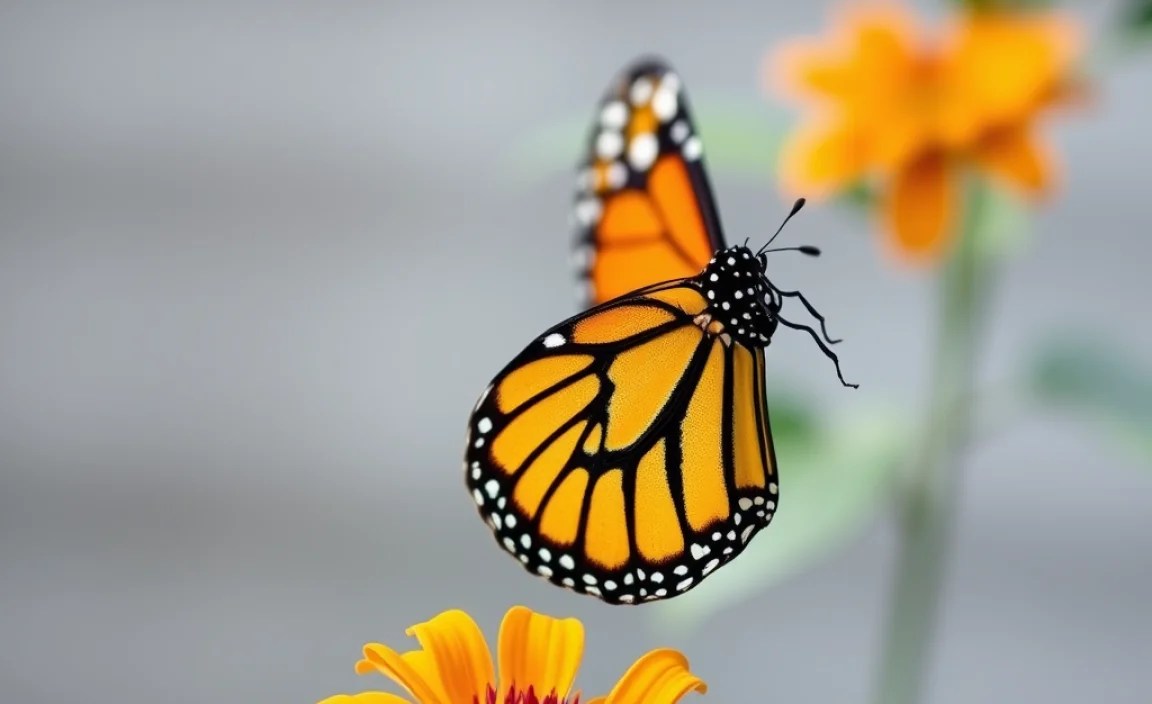
Monarch butterflies, known for their vibrant orange and black wings, are fascinating creatures with specific habitat requirements. Their survival depends on access to milkweed for larval development and nectar sources for adult butterflies. Let’s dive into the different types of habitats where monarch butterflies can be found.
1. Open Fields and Meadows
Open fields and meadows are among the most common and important habitats for monarch butterflies. These areas typically have a diverse mix of wildflowers and grasses, providing both milkweed for caterpillars and nectar for adult butterflies.
- Milkweed Abundance: Open fields often have a variety of milkweed species, which is crucial for monarch reproduction.
- Nectar Sources: Wildflowers like asters, goldenrod, and coneflowers provide essential nectar for adult monarchs, especially during their migration.
- Sunlight: These habitats receive plenty of sunlight, which is necessary for monarchs to regulate their body temperature and for milkweed to grow.
To support monarchs in open fields and meadows, consider planting native milkweed and nectar-rich flowers. Avoid using pesticides, which can harm or kill butterflies and other beneficial insects.
2. Grasslands
Grasslands, including prairies and pastures, also serve as important monarch habitats. While grasslands may not always have as many wildflowers as open fields, they can still provide essential resources for monarchs.
- Milkweed Patches: Grasslands can support patches of milkweed, especially in areas with minimal grazing or disturbance.
- Nectar Availability: Some grassland plants, such as blazing stars and sunflowers, offer nectar for adult monarchs.
- Shelter: Tall grasses can provide shelter for monarch caterpillars and adults, protecting them from predators and harsh weather.
Managing grasslands for monarch conservation may involve controlled burns or grazing to promote milkweed growth and prevent the encroachment of woody vegetation. Protecting existing grasslands from development is also critical.
3. Roadsides and Rights-of-Way
Roadsides and rights-of-way (the land alongside roads, power lines, and other infrastructure) can surprisingly offer valuable monarch habitats. These areas are often unintentionally managed in ways that benefit milkweed and nectar plants.
- Disturbed Ground: Regular mowing or disturbance can create open areas where milkweed can thrive.
- Reduced Herbicide Use: Some transportation departments are reducing herbicide use along roadsides to promote native plant growth.
- Connectivity: Roadsides can act as corridors, connecting fragmented habitats and allowing monarchs to move between them.
However, it’s important to note that roadside habitats can also pose risks to monarchs, such as vehicle collisions and exposure to pollutants. Careful management practices, such as mowing at appropriate times of the year and avoiding pesticide use, are essential.
4. Woodland Edges
Woodland edges, where forests transition into open areas, can provide a mix of resources for monarch butterflies. These areas often have a variety of milkweed and nectar plants, as well as shelter from wind and predators.
- Partial Shade: Woodland edges offer partial shade, which can be beneficial for milkweed in hot, dry climates.
- Diverse Flora: A mix of woodland and open-area plants can provide a continuous supply of nectar throughout the monarch breeding season.
- Protection: Trees and shrubs can offer protection from strong winds and heavy rain, creating a more stable environment for monarchs.
Maintaining woodland edges as monarch habitats may involve selective clearing of trees and shrubs to promote milkweed growth and planting native nectar plants that thrive in partial shade.
5. Backyard Gardens
Your own backyard can be a haven for monarch butterflies! By planting milkweed and nectar-rich flowers, you can create a mini-habitat that supports monarchs throughout their life cycle.
- Milkweed Selection: Choose native milkweed species that are well-suited to your local climate and soil conditions.
- Nectar Plants: Plant a variety of flowers that bloom at different times of the year to provide a continuous source of nectar.
- Pesticide-Free Zone: Avoid using pesticides in your garden, as they can harm or kill monarch butterflies and other beneficial insects.
In addition to providing food sources, you can also create a monarch-friendly habitat by providing a water source, such as a shallow dish of water with pebbles for butterflies to land on, and by leaving some leaf litter or bare ground for overwintering insects.
6. Agricultural Lands
Agricultural lands, such as farms and orchards, can also play a role in monarch conservation. While some agricultural practices can be harmful to monarchs, others can be modified to create more butterfly-friendly habitats.
- Milkweed in Field Edges: Allowing milkweed to grow in field edges and hedgerows can provide habitat for monarch caterpillars.
- Cover Crops: Planting cover crops that bloom can provide nectar for adult monarchs.
- Reduced Pesticide Use: Using integrated pest management (IPM) techniques and reducing pesticide use can minimize the impact on monarchs and other beneficial insects.
Collaborating with farmers and landowners to implement monarch-friendly agricultural practices is essential for creating a more sustainable landscape for these iconic butterflies.
7. Urban Areas
Even in urban environments, monarch butterflies can find suitable habitats. Parks, community gardens, and even small patches of green space can provide essential resources for monarchs.
- Green Roofs: Green roofs with milkweed and nectar plants can create valuable habitat in urban areas.
- Community Gardens: Community gardens can provide opportunities for people to plant milkweed and nectar plants and learn about monarch conservation.
- Urban Parks: Urban parks can be managed to provide monarch habitat by planting native milkweed and nectar plants and reducing pesticide use.
Creating monarch-friendly habitats in urban areas can help connect fragmented populations and provide stepping stones for migrating monarchs.
Creating a Monarch-Friendly Habitat: Step-by-Step Guide
Now that we’ve explored the different types of monarch butterfly habitats, let’s discuss how you can create your own monarch-friendly space. Whether you have a large property or just a small balcony, there are things you can do to support these amazing creatures.
Step 1: Choose the Right Location
Select a location that receives at least six hours of sunlight per day. Monarchs need sunlight to regulate their body temperature, and milkweed requires sunlight to grow properly. Also, choose a spot that is protected from strong winds, which can damage milkweed and make it difficult for butterflies to fly.
Step 2: Plant Native Milkweed
Milkweed is the only food source for monarch caterpillars, so it’s essential to include it in your monarch habitat. Choose native milkweed species that are well-suited to your local climate and soil conditions. Some popular options include:
- Common Milkweed (Asclepias syriaca): This is a widespread species that is easy to grow.
- Butterfly Weed (Asclepias tuberosa): This species has bright orange flowers and is drought-tolerant.
- Swamp Milkweed (Asclepias incarnata): This species prefers moist soils and has pink flowers.
- Showy Milkweed (Asclepias speciosa): This species has large, showy flowers and is native to the western United States.
You can purchase milkweed plants or seeds from local nurseries or online retailers. Be sure to source your milkweed from reputable suppliers to ensure that it is free of pesticides and diseases.
Step 3: Add Nectar Plants
Adult monarch butterflies need nectar for energy, so it’s important to include a variety of nectar-rich flowers in your monarch habitat. Choose plants that bloom at different times of the year to provide a continuous source of nectar throughout the monarch breeding season. Some good options include:
- Asters (Symphyotrichum spp.): These late-blooming flowers provide nectar for monarchs during their fall migration.
- Goldenrod (Solidago spp.): These yellow flowers are another important source of nectar for migrating monarchs.
- Coneflowers (Echinacea spp.): These daisy-like flowers come in a variety of colors and attract many different types of butterflies.
- Zinnias (Zinnia elegans): These colorful annuals are easy to grow and provide a lot of nectar.
- Salvia (Salvia spp.): These plants have long-lasting flowers and attract hummingbirds as well as butterflies.
When choosing nectar plants, prioritize native species that are well-suited to your local climate and soil conditions. Native plants are more likely to thrive and provide the best resources for monarch butterflies and other pollinators.
Step 4: Provide Water
Butterflies need water to stay hydrated, so provide a shallow dish of water with pebbles or marbles for them to land on. The pebbles will prevent the butterflies from drowning. Place the water source in a sunny location where butterflies can easily find it.
Step 5: Avoid Pesticides
Pesticides can harm or kill monarch butterflies and other beneficial insects, so it’s essential to avoid using them in your monarch habitat. If you need to control pests, use natural or organic methods, such as hand-picking insects or using insecticidal soap. Be especially careful to avoid using systemic insecticides, which can be absorbed by plants and kill caterpillars that feed on them.
Step 6: Maintain Your Habitat
Regular maintenance is important to keep your monarch habitat healthy and productive. Remove weeds that compete with milkweed and nectar plants, and water your plants during dry periods. You may also need to prune or deadhead your plants to encourage continued blooming. In the fall, leave the dead stems and seed heads of your plants in place to provide overwintering habitat for insects.
Table: Ideal Plants for Monarch Butterfly Habitats

| Plant Type | Plant Name | Description | Sun Requirements |
|---|---|---|---|
| Milkweed | Common Milkweed (Asclepias syriaca) | Widespread, easy to grow | Full Sun |
| Milkweed | Butterfly Weed (Asclepias tuberosa) | Bright orange flowers, drought-tolerant | Full Sun |
| Milkweed | Swamp Milkweed (Asclepias incarnata) | Prefers moist soils, pink flowers | Full Sun |
| Nectar Plant | Asters (Symphyotrichum spp.) | Late-blooming, nectar for fall migration | Full Sun to Partial Shade |
| Nectar Plant | Goldenrod (Solidago spp.) | Yellow flowers, nectar for migrating monarchs | Full Sun |
| Nectar Plant | Coneflowers (Echinacea spp.) | Daisy-like flowers, various colors | Full Sun |
Table: Monarch Habitat Management Techniques

| Habitat Type | Management Technique | Description | Benefits |
|---|---|---|---|
| Grasslands | Controlled Burns | Prescribed fires to remove dead vegetation | Promotes milkweed growth, reduces woody encroachment |
| Roadsides | Mowing | Selective mowing at appropriate times of year | Creates open areas for milkweed, avoids disturbing breeding monarchs |
| Agricultural Lands | Reduced Pesticide Use | Using integrated pest management (IPM) techniques | Minimizes harm to monarchs and other beneficial insects |
| Backyard Gardens | Native Plantings | Planting native milkweed and nectar plants | Provides essential food sources for monarchs |
FAQ: Monarch Butterfly Habitats
1. What is the most important plant for monarch butterflies?
Milkweed is the most important plant for monarch butterflies because it’s the only food source for monarch caterpillars. Without milkweed, monarchs cannot complete their life cycle.
2. What kind of habitat do monarch butterflies need?
Monarch butterflies need habitats with milkweed for their caterpillars and nectar-rich flowers for adult butterflies. These habitats can include open fields, meadows, grasslands, roadsides, woodland edges, and backyard gardens.
3. How can I create a monarch-friendly habitat in my backyard?
You can create a monarch-friendly habitat by planting native milkweed and nectar plants, providing a water source, and avoiding pesticides. Choose plants that are well-suited to your local climate and soil conditions.
4. What are some good nectar plants for monarch butterflies?
Some good nectar plants for monarch butterflies include asters, goldenrod, coneflowers, zinnias, and salvia. Choose plants that bloom at different times of the year to provide a continuous source of nectar.
5. Why is it important to avoid using pesticides in a monarch habitat?
Pesticides can harm or kill monarch butterflies and other beneficial insects. Even organic pesticides can be harmful, so it’s important to use them sparingly and only when necessary.
6. What is the best time of year to plant milkweed for monarch butterflies?
The best time of year to plant milkweed depends on your local climate. In general, it’s best to plant milkweed in the spring or early summer, after the last frost. This will give the plants time to establish before the monarch breeding season begins. You can consult with your local nursery or extension office for specific recommendations for your area.
7. Where can I learn more about monarch butterfly conservation?
You can learn more about monarch butterfly conservation from organizations like the Xerces Society, Monarch Joint Venture, and Monarch Watch. These organizations provide information about monarch biology, habitat conservation, and citizen science opportunities.
Conclusion
Monarch butterflies are truly remarkable creatures, and understanding their habitat needs is crucial for their conservation. By creating and protecting monarch-friendly habitats, we can help ensure that these beautiful butterflies continue to grace our landscapes for generations to come. Whether you have a large property or a small balcony, there are things you can do to support monarchs. So, plant some milkweed, add some nectar flowers, and create a welcoming space for these amazing butterflies. Every little bit helps!
Remember, even small actions can make a big difference. By educating ourselves and others about monarch butterfly conservation, we can inspire a collective effort to protect these iconic creatures and the habitats they depend on. Let’s all do our part to help monarchs thrive!


