
Monarch Butterfly in National Parks: A Powerful Guide

Quick Summary: Spotting monarch butterflies in national parks is an exciting experience! These beautiful creatures migrate through many parks, especially during the spring and fall. To find them, visit parks with milkweed plants, like Point Pelee National Park or parks along the Pacific Coast. Check park websites for monarch programs and remember to admire them without disturbing their habitat.
Have you ever dreamed of seeing a monarch butterfly fluttering gracefully in a national park? It’s a truly magical experience! But knowing where and when to look can sometimes feel like a puzzle. Don’t worry, you’re not alone. Many nature lovers wonder how to find these iconic butterflies in their natural habitats. This guide will show you exactly how to increase your chances of spotting monarchs in national parks, making your visit unforgettable. We’ll cover the best parks, times of year, and tips for responsible viewing. Get ready to explore the world of monarch butterflies!
Why National Parks are Great for Monarch Spotting

National parks offer protected habitats for monarch butterflies, making them ideal places to observe these fascinating insects. Here’s why:
- Protected Habitats: National parks often have large areas where milkweed and nectar plants thrive, providing essential food and shelter for monarchs.
- Migration Corridors: Many parks are located along monarch migration routes, increasing your chances of seeing them during their journey.
- Conservation Efforts: Parks actively work to conserve monarch habitats through habitat restoration and monitoring programs.
Best National Parks to See Monarch Butterflies

Several national parks across North America are known for their monarch butterfly populations. Here are some top locations:
Point Pelee National Park, Ontario, Canada
Point Pelee is a crucial stopover point for monarchs during their fall migration. Its southern location makes it one of the first places monarchs reach in Canada after crossing Lake Erie.
- Best Time to Visit: Late August to September
- Why it’s great: The park organizes monarch tagging events, allowing visitors to participate in citizen science and learn about monarch migration.
- Things to do: Join a guided monarch walk, visit the visitor center for information, and explore the park’s many trails.
Santa Monica Mountains National Recreation Area, California, USA
This park is part of the Pacific Coast migration route and provides overwintering habitat for monarchs.
- Best Time to Visit: October to February
- Why it’s great: The park has several monarch groves where butterflies gather in large numbers to stay warm during the winter.
- Things to do: Hike to monarch viewing spots, attend a ranger-led program, and learn about the park’s conservation efforts.
Golden Gate National Recreation Area, California, USA
Similar to Santa Monica Mountains, Golden Gate offers overwintering sites for the western monarch population.
- Best Time to Visit: November to January
- Why it’s great: The park’s diverse habitats support a variety of other butterfly species, making it a great place for butterfly enthusiasts.
- Things to do: Explore the Presidio and other park areas known for monarch sightings, participate in volunteer restoration projects, and visit the park’s education center.
Big Bend National Park, Texas, USA
Located in the Chihuahuan Desert, Big Bend is a stopover for monarchs migrating between Canada and Mexico.
- Best Time to Visit: September to October
- Why it’s great: The park’s unique desert ecosystem offers a different perspective on monarch habitat.
- Things to do: Hike in the Chisos Mountains, look for monarchs near water sources, and enjoy the park’s stunning night skies.
Shenandoah National Park, Virginia, USA
Shenandoah provides important breeding habitat for monarchs during the summer months.
- Best Time to Visit: June to August
- Why it’s great: The park’s high elevation meadows are filled with milkweed and nectar plants, attracting monarchs.
- Things to do: Drive along Skyline Drive, hike to viewpoints, and look for monarchs in open fields and meadows.
Step-by-Step Guide to Finding Monarchs

Ready to start your monarch adventure? Here’s a step-by-step guide to help you find these beautiful butterflies in national parks:
Step 1: Plan Your Visit
Research the best time to visit based on the park and monarch migration patterns. Check the park’s website for events and programs.
- Check the Park Website: Look for information on monarch programs, recent sightings, and recommended viewing areas.
- Consider the Season: Plan your trip during peak migration or breeding season for the best chance of seeing monarchs.
- Weather Conditions: Monarchs are most active on warm, sunny days.
Step 2: Identify Monarch Habitat
Look for areas with milkweed, the only plant monarch caterpillars eat, and nectar-rich flowers, which provide food for adult butterflies.
- Milkweed: This is essential for monarch caterpillars. Look for different species of milkweed, as they vary by region.
- Nectar Plants: Adult monarchs feed on nectar from various flowers. Look for brightly colored blooms like asters, goldenrod, and zinnias.
- Open Sunny Areas: Monarchs prefer open areas where they can easily find food and bask in the sun.
Step 3: Observe Monarch Behavior
Learn how monarchs behave to better spot them. Look for them flying, feeding, and resting.
- Flying Patterns: Monarchs have a distinctive, gliding flight pattern. Watch for them flying low to the ground or soaring high in the sky.
- Feeding: Observe monarchs feeding on nectar from flowers. They often stay on a flower for several minutes, allowing for close observation.
- Resting: Monarchs often rest on leaves or branches, especially in the early morning or late afternoon.
Step 4: Use Binoculars and Field Guides
Binoculars can help you get a closer look without disturbing the butterflies. A field guide can help you identify monarchs and other butterfly species.
- Binoculars: Choose a pair of binoculars with good magnification and clarity.
- Field Guides: Select a field guide specific to your region to help identify different butterfly species.
- Apps: Consider using a butterfly identification app on your smartphone.
Step 5: Respect Monarch Habitat
Follow park guidelines to protect monarch habitats. Stay on trails, avoid disturbing plants, and do not collect butterflies.
- Stay on Trails: Avoid trampling milkweed and nectar plants.
- Do Not Collect: Collecting butterflies is prohibited in most national parks.
- Leave No Trace: Pack out everything you pack in and avoid disturbing the natural environment.
Step 6: Report Your Sightings
Many parks and organizations track monarch populations. Report your sightings to help with conservation efforts.
- Journey North: Report your sightings to Journey North, a citizen science project that tracks monarch migration.
- Monarch Joint Venture: Submit your observations to Monarch Joint Venture, a partnership of organizations working to protect monarchs.
- Park Staff: Inform park rangers of any significant monarch sightings or large gatherings.
Tools for Monarch Spotting
Having the right tools can greatly enhance your monarch spotting experience. Here are some essential items to bring along:
- Binoculars: For close-up views without disturbing the butterflies.
- Field Guide: To help identify monarchs and other butterfly species.
- Camera: To capture beautiful photos of monarchs in their natural habitat.
- Notebook and Pen: To record your observations and sightings.
- Comfortable Shoes: For hiking and exploring the park.
- Water and Snacks: To stay hydrated and energized during your visit.
- Sunscreen and Hat: To protect yourself from the sun.
Understanding Monarch Migration
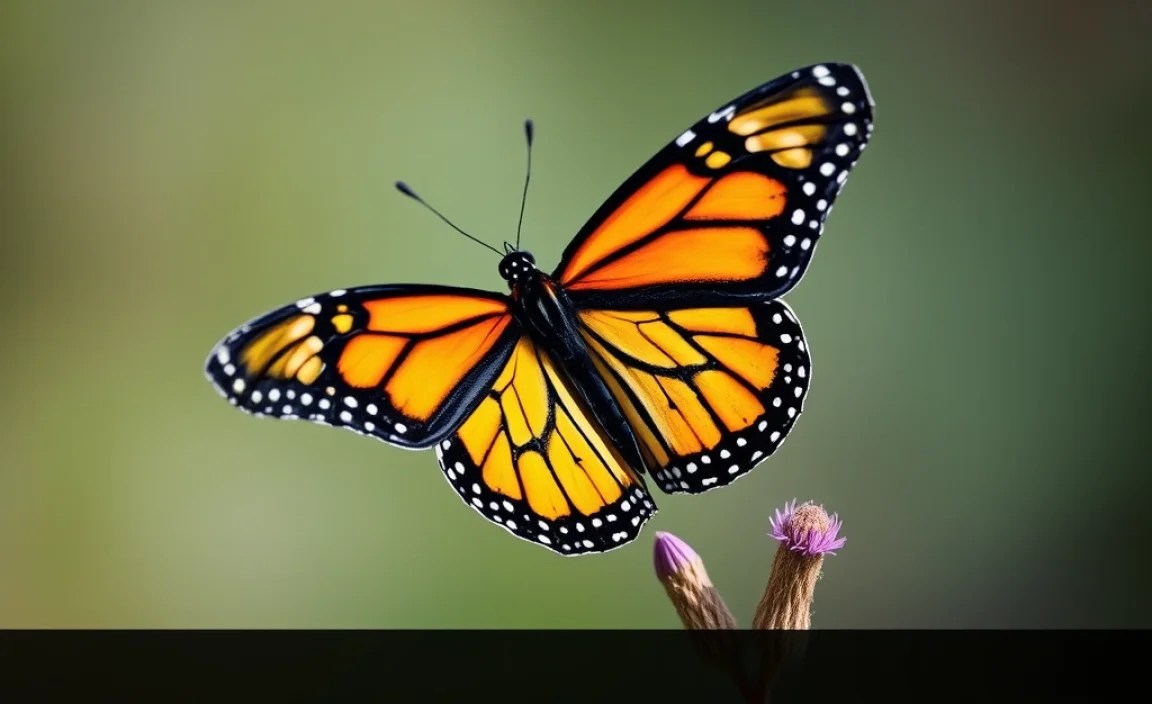
Monarch migration is one of the most spectacular natural events in the world. Understanding the basics of this phenomenon can deepen your appreciation for these butterflies.
The Eastern Population
Monarchs east of the Rocky Mountains migrate to the oyamel fir forests in central Mexico each winter. This journey can be over 3,000 miles.
- Breeding Season: During the spring and summer, monarchs breed and lay eggs in the eastern United States and Canada.
- Fall Migration: As temperatures drop, monarchs begin their long journey south to Mexico.
- Overwintering: Millions of monarchs gather in small areas of oyamel fir forests, forming dense colonies.
The Western Population
Monarchs west of the Rocky Mountains migrate to overwintering sites along the California coast.
- Breeding Season: Western monarchs breed in the western United States and Canada.
- Fall Migration: These monarchs migrate to coastal California to escape the cold winter temperatures.
- Overwintering: Monarchs gather in groves of trees along the coast, similar to the eastern population in Mexico.
Threats to Monarch Migration
Monarchs face numerous threats, including habitat loss, climate change, and pesticide use.
- Habitat Loss: The loss of milkweed and nectar plants due to development and agriculture reduces monarch food sources.
- Climate Change: Extreme weather events can disrupt monarch migration and breeding patterns.
- Pesticide Use: Pesticides can kill monarchs directly or reduce the availability of their food sources.
Conservation Efforts in National Parks
National parks play a crucial role in monarch conservation. Here are some of the ways they are helping to protect these iconic butterflies:
- Habitat Restoration: Parks are actively restoring monarch habitat by planting milkweed and nectar plants.
- Monitoring Programs: Parks monitor monarch populations to track their numbers and distribution.
- Education and Outreach: Parks educate visitors about monarch conservation and encourage them to take action.
- Partnerships: Parks work with other organizations to implement conservation strategies.
Monarch Butterfly Life Cycle
Understanding the monarch butterfly life cycle can enhance your appreciation for these insects and their conservation needs.
- Egg: Monarchs lay their eggs on milkweed plants. The eggs are small, oval, and creamy white.
- Larva (Caterpillar): The caterpillar hatches from the egg and feeds exclusively on milkweed. It molts several times as it grows.
- Pupa (Chrysalis): The caterpillar forms a chrysalis, a green or jade-colored shell. Inside the chrysalis, the caterpillar transforms into a butterfly.
- Adult Butterfly: The adult butterfly emerges from the chrysalis. It has orange wings with black veins and white spots.
Table: Monarch Butterfly Facts
| Fact | Description |
|---|---|
| Scientific Name | Danaus plexippus |
| Lifespan | 2-6 weeks (migratory generation can live up to 9 months) |
| Wingspan | 3.5-4 inches |
| Diet (Larva) | Milkweed |
| Diet (Adult) | Nectar from flowers |
| Migration Distance | Up to 3,000 miles |
| Conservation Status | Threatened |
Table: Milkweed Species by Region
| Region | Common Milkweed Species |
|---|---|
| Eastern US & Canada | Common Milkweed (Asclepias syriaca), Swamp Milkweed (Asclepias incarnata) |
| Western US & Canada | Showy Milkweed (Asclepias speciosa), Narrowleaf Milkweed (Asclepias fascicularis) |
| Southern US | Green Milkweed (Asclepias viridis), Butterfly Weed (Asclepias tuberosa) |
Tips for Photographing Monarchs
Capturing stunning photos of monarchs can be a rewarding experience. Here are some tips to help you get the best shots:
- Use a Macro Lens: A macro lens allows you to capture close-up details of the butterfly.
- Shoot in Natural Light: Avoid using flash, which can startle the butterfly and wash out the colors.
- Focus Carefully: Ensure your focus is sharp, especially on the butterfly’s eyes or wings.
- Be Patient: Monarchs can be active, so be patient and wait for the right moment.
- Respect the Habitat: Avoid disturbing the butterfly or its surroundings.
How to Create a Monarch-Friendly Garden
Even if you can’t visit a national park, you can still help monarchs by creating a butterfly-friendly garden at home.
- Plant Milkweed: Provide a food source for monarch caterpillars.
- Plant Nectar Flowers: Offer a variety of nectar-rich flowers for adult butterflies.
- Avoid Pesticides: Protect monarchs from harmful chemicals.
- Provide Water: Offer a shallow dish of water with pebbles for butterflies to drink.
- Provide Shelter: Plant shrubs and trees to provide shelter from the wind and sun.
FAQ: Monarch Butterflies in National Parks
What is the best time of year to see monarch butterflies in national parks?
The best time to see monarchs depends on the park and their migration patterns. Generally, late summer and early fall (August to October) are ideal for parks along the migration routes, while winter months (November to February) are best for overwintering sites along the California coast.
Where can I find milkweed in national parks?
Milkweed grows in open areas, meadows, and along trails. Check with park rangers for specific locations. Different milkweed species grow in different regions, so learn which types are native to the park you’re visiting.
Are monarch butterflies endangered?
Monarch butterflies are not currently listed as endangered, but they are considered threatened due to declining populations. Conservation efforts are crucial to help them recover.
Can I touch a monarch butterfly?
It’s best not to touch monarch butterflies. Handling them can damage their delicate wings and disrupt their natural behavior. Observe them from a respectful distance.
What should I do if I find an injured monarch butterfly?
If you find an injured monarch, contact the park’s visitor center or a local wildlife rehabilitation center. They can provide guidance on how to help the butterfly.
How can I help monarch conservation efforts?
You can help by planting milkweed and nectar flowers, avoiding pesticides, reporting monarch sightings, and supporting organizations that work to protect monarchs.
Are there guided tours for monarch spotting in national parks?
Yes, many national parks offer guided tours and programs focused on monarch butterflies. Check the park’s website or visitor center for schedules and details.
Conclusion
Exploring national parks in search of monarch butterflies is a rewarding adventure that connects you with nature and contributes to conservation. By understanding monarch migration patterns, identifying key habitats, and following responsible viewing practices, you can increase your chances of witnessing the beauty of these iconic butterflies. So, pack your binoculars, grab your field guide, and embark on a monarch-filled journey in our amazing national parks. Remember, every effort to protect their habitat, whether in a national park or your backyard, makes a difference in ensuring these creatures continue to grace our world with their presence. Happy monarch spotting!


