
Best Time to Photograph Monarchs? Secret Revealed!

Quick Summary: The best time to photograph Monarch butterflies is during the early morning or late afternoon. At these times, the light is softer, creating beautiful, warm tones. Monarchs are also less active when it’s cooler, making them easier to approach and photograph. Overcast days can also provide excellent, diffused light for capturing stunning images.
Have you ever tried to capture the beauty of a Monarch butterfly, only to find your photos are washed out or blurry? It’s a common frustration! Getting the perfect shot of these amazing creatures takes a little planning. But don’t worry, with a few simple tips, you can learn to take breathtaking Monarch photos. This guide will walk you through the best times and conditions to photograph these butterflies, so you can capture their beauty like a pro. We’ll also cover some helpful techniques to make your photos stand out. Let’s get started!
Understanding Monarch Butterfly Behavior

Before we dive into the best times for photography, it’s helpful to understand a bit about Monarch butterfly behavior. These beautiful insects are highly influenced by temperature and sunlight. Knowing their habits will significantly improve your chances of capturing great photos.
Monarch Activity and Temperature
Monarchs are most active when the temperature is between 60°F (15°C) and 85°F (29°C). They need this warmth to fuel their flight and other activities. Here’s how temperature affects their behavior:
- Cool Temperatures (Below 60°F/15°C): Monarchs become sluggish and often perch with their wings closed to conserve heat. This is a great time to find them resting, making them easier to photograph.
- Moderate Temperatures (60°F-85°F/15°C-29°C): This is when Monarchs are most active, flying around, feeding on nectar, and mating. Capturing them in flight during these times can be challenging but rewarding.
- Hot Temperatures (Above 85°F/29°C): Monarchs may seek shade to avoid overheating, reducing their activity. They might be found resting under leaves or in cooler spots.
Daily Activity Patterns
Monarchs follow a fairly predictable daily routine, which affects when and where you’ll find them. Understanding this routine can help you plan your photography sessions effectively.
- Early Morning: Monarchs are often found roosting overnight in sheltered spots. As the sun rises, they bask in the sunlight to warm up their flight muscles. This is a great time to photograph them as they are relatively still and the light is soft.
- Midday: During the warmest part of the day, Monarchs are highly active, flying around to feed and mate. They are more challenging to photograph in flight due to their speed and erratic movements.
- Late Afternoon: As the day cools down, Monarchs become less active again, often seeking out roosting spots for the night. The light is also softer and warmer, making it another excellent time for photography.
The Best Time of Day to Photograph Monarchs
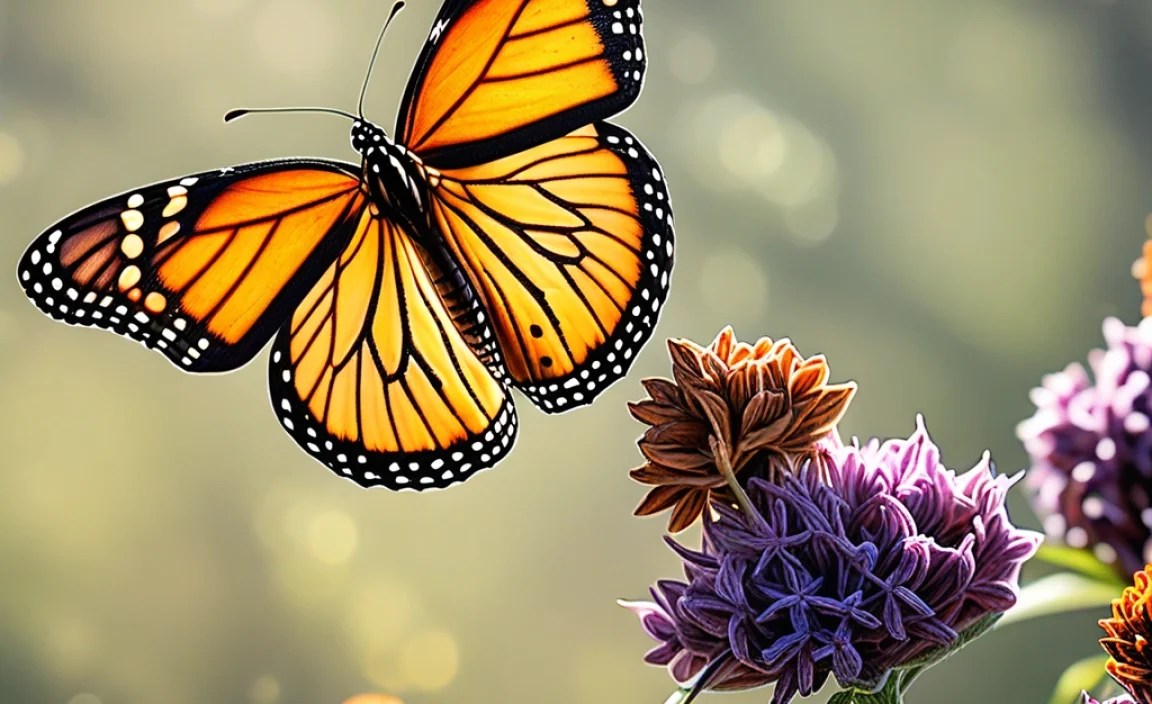
Now that we know how Monarchs behave, let’s look at the best times of day to capture stunning photos of these butterflies.
Golden Hour (Early Morning and Late Afternoon)
The “golden hour,” the period shortly after sunrise and before sunset, is widely considered the best time for photography. Here’s why it’s perfect for Monarchs:
- Soft, Warm Light: The low angle of the sun during these times creates a soft, warm light that enhances the colors of the Monarch’s wings. This light is much more flattering than the harsh midday sun.
- Reduced Activity: Monarchs are less active in the cooler temperatures of early morning and late afternoon. This makes them easier to approach and photograph without disturbing them.
- Basking Behavior: In the early morning, Monarchs often bask in the sunlight to warm up. They will sit with their wings open, providing a perfect opportunity to capture their intricate patterns.
Overcast Days
Don’t underestimate the value of overcast days for butterfly photography. While sunny days are often preferred, overcast conditions offer unique advantages:
- Diffused Light: Overcast skies provide soft, diffused light that reduces harsh shadows and highlights. This creates a more even and balanced exposure, bringing out the details in the Monarch’s wings.
- Consistent Lighting: The light remains consistent throughout the day on overcast days, so you don’t have to worry about constantly adjusting your camera settings.
- Reduced Glare: Diffused light reduces glare on the butterfly’s wings, allowing you to capture their true colors and patterns more accurately.
Seasonal Considerations
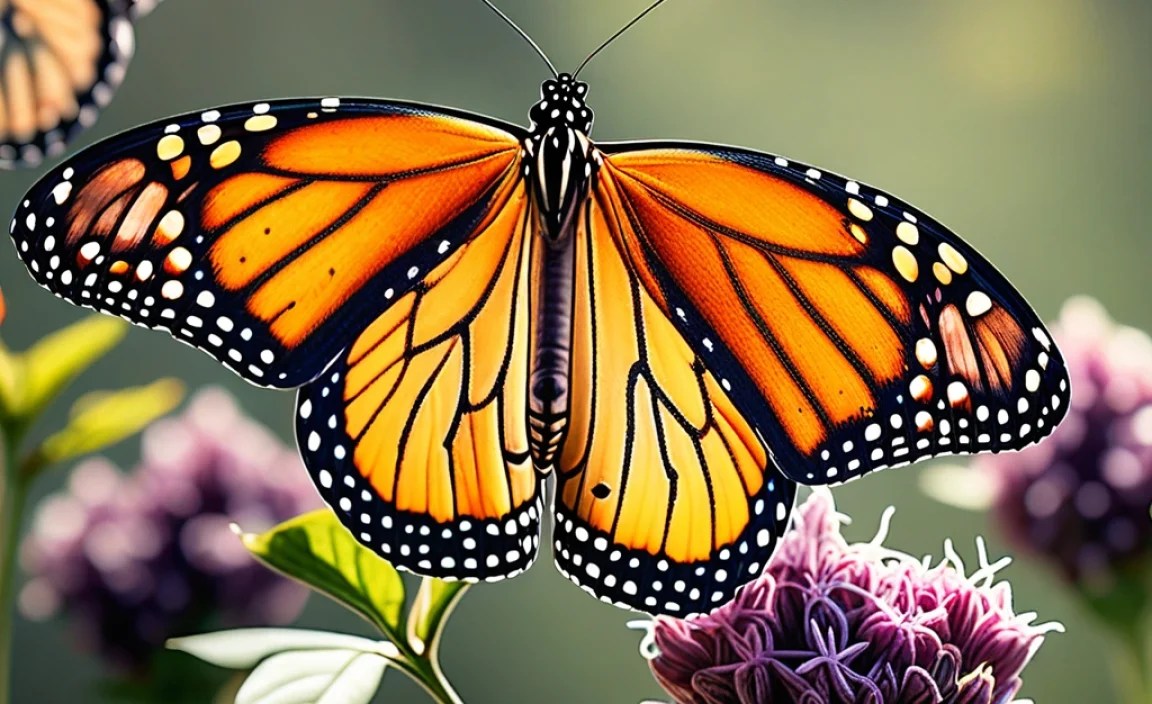
The time of year also plays a crucial role in when and where you can photograph Monarchs. Their migratory patterns and life cycle stages influence their availability and behavior.
Spring and Summer
During spring and summer, Monarchs are in their breeding season. Here’s what to consider:
- Location: Look for Monarchs in meadows, gardens, and fields with plenty of milkweed, their host plant.
- Activity: Monarchs are highly active during these months, laying eggs and feeding on nectar. Focus on capturing them in flight or interacting with flowers.
- Time of Day: Early morning and late afternoon remain the best times, but you can also find them active throughout the day, especially on cloudy days.
Fall Migration
The fall migration is a spectacular event when millions of Monarchs travel south to their overwintering sites. This is a prime time for photography, but it requires specific planning:
- Location: Focus on known migration routes and stopover locations. These include coastal areas, mountain passes, and butterfly sanctuaries. Check resources like Journey North or Monarch Watch for migration updates.
- Roosting Sites: Monarchs often gather in large numbers at roosting sites overnight. These sites provide incredible opportunities for capturing mass gatherings of butterflies.
- Weather Conditions: Monarchs prefer to migrate on clear, sunny days with favorable winds. Keep an eye on the weather forecast and plan your photography trips accordingly.
Winter
In winter, Monarchs gather in overwintering sites in Mexico and California. Photographing them in these locations requires respect and adherence to local regulations:
- Respectful Photography: Avoid disturbing the Monarchs by staying on designated trails and keeping a safe distance.
- Guided Tours: Consider joining a guided tour with a local expert who can provide valuable insights and ensure you are following ethical photography practices.
- Golden Light: The warm, golden light of the winter sun can create stunning images of the Monarch colonies.
Tips for Capturing the Perfect Monarch Photo
Now that you know the best times and seasons, let’s look at some practical tips for taking stunning Monarch photos.
Gear Recommendations
Having the right equipment can make a big difference in your photography. Here are some essential gear recommendations:
- Camera: A DSLR or mirrorless camera with manual controls is ideal for butterfly photography.
- Lens: A macro lens (100mm or longer) allows you to capture close-up details of the Monarch’s wings and body. A telephoto lens (300mm or longer) is useful for photographing butterflies from a distance without disturbing them.
- Tripod: A tripod provides stability and allows you to use slower shutter speeds in low-light conditions.
- Flash: An external flash with a diffuser can help fill in shadows and add light to your photos, especially on cloudy days. However, use it sparingly as it can startle the butterflies.
Camera Settings
Using the correct camera settings is crucial for capturing sharp, well-exposed photos of Monarchs. Here are some recommended settings:
| Setting | Recommendation | Reason |
|---|---|---|
| Aperture | f/5.6 to f/11 | Provides a good balance between depth of field and sharpness. |
| Shutter Speed | 1/250 second or faster | Freezes the motion of the butterfly and prevents blur. |
| ISO | As low as possible (ISO 100-400) | Minimizes noise and maintains image quality. |
| Focus Mode | Manual Focus or Single-Point Autofocus | Allows precise focusing on the butterfly’s eyes or wings. |
| Metering Mode | Evaluative/Matrix Metering | Provides accurate exposure in most lighting conditions. |
Composition Techniques
Composition is key to creating visually appealing photos. Here are some techniques to consider:
- Rule of Thirds: Place the Monarch off-center, along one of the lines or at the intersection points, to create a more dynamic composition.
- Leading Lines: Use natural lines, such as stems or branches, to guide the viewer’s eye towards the butterfly.
- Backgrounds: Choose a clean, uncluttered background that complements the Monarch’s colors and patterns. Avoid distracting elements that could detract from the subject.
- Angles: Experiment with different angles, such as shooting from eye level or from a low perspective, to create unique and interesting compositions.
Patience and Observation
Patience is essential for successful butterfly photography. Spend time observing the Monarchs and learning their behavior. This will help you anticipate their movements and capture them in interesting poses.
- Quiet Approach: Move slowly and quietly to avoid startling the butterflies.
- Respectful Distance: Maintain a respectful distance to avoid disturbing their natural behavior.
- Anticipate Movement: Watch for signs that the Monarch is about to take flight and be ready to capture the moment.
Ethical Considerations
It’s important to photograph Monarchs ethically and responsibly. Here are some guidelines to follow:
- Avoid Handling: Never handle Monarchs or other butterflies. Handling can damage their delicate wings and disrupt their natural behavior.
- Respect Habitats: Stay on designated trails and avoid trampling vegetation. Protect the Monarch’s habitat by leaving it as you found it.
- No Baiting: Do not use bait or attractants to lure Monarchs into a specific location. This can disrupt their natural feeding patterns.
- Minimize Disturbance: Be mindful of your impact on the Monarchs and their environment. Avoid making loud noises or sudden movements that could startle them.
Additional Tips for Success
Here are some additional tips to help you capture the best Monarch photos:
- Check the Weather: Monitor the weather forecast and plan your photography trips for days with favorable conditions, such as sunny mornings or overcast skies.
- Scout Locations: Visit potential photography locations in advance to scout out the best spots and identify areas with high Monarch activity.
- Bring a Friend: Having a friend along can be helpful for spotting Monarchs and carrying equipment.
- Stay Hydrated: Bring water and snacks to stay hydrated and energized during your photography sessions.
- Practice Makes Perfect: The more you practice, the better you will become at capturing stunning Monarch photos. Don’t be afraid to experiment with different techniques and settings.
FAQ: Photographing Monarch Butterflies
What is the best time of day to photograph Monarch butterflies?
The best times are early morning and late afternoon during the “golden hour.” The light is soft and warm, and the Monarchs are less active, making them easier to photograph.
What kind of camera equipment do I need?
A DSLR or mirrorless camera with a macro lens (100mm or longer) is ideal. A telephoto lens (300mm or longer) can also be useful for capturing Monarchs from a distance.
What camera settings should I use?
Use an aperture of f/5.6 to f/11, a shutter speed of 1/250 second or faster, and an ISO as low as possible (ISO 100-400) to minimize noise.
How can I find Monarch butterflies to photograph?
Look for Monarchs in meadows, gardens, and fields with plenty of milkweed, their host plant. Check resources like Journey North or Monarch Watch for migration updates.
Is it ethical to photograph Monarch butterflies?
Yes, but it’s important to do so responsibly. Avoid handling the butterflies, respect their habitats, and minimize disturbance to their natural behavior.
What should I do if it’s a cloudy day?
Cloudy days can provide excellent, diffused light for butterfly photography. The soft light reduces harsh shadows and highlights, bringing out the details in the Monarch’s wings.
How close can I get to a Monarch butterfly without disturbing it?
Maintain a respectful distance and move slowly and quietly. Observe the butterfly’s behavior and back away if it appears to be startled or agitated.
Conclusion
Photographing Monarch butterflies is a rewarding experience that allows you to connect with nature and capture the beauty of these incredible creatures. By understanding their behavior, choosing the right time of day, and using the appropriate gear and techniques, you can create stunning images that showcase the Monarch’s unique charm. Remember to always photograph Monarchs ethically and responsibly, respecting their habitats and minimizing disturbance. Now, grab your camera, head out into nature, and start capturing the magic of Monarch butterflies!


