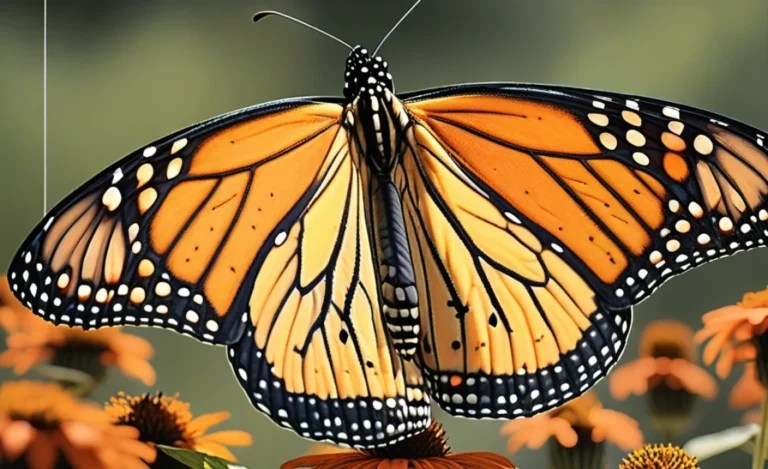
Monarch Butterfly Legal Protection: Is It Enough?

The monarch butterfly currently lacks comprehensive federal legal protection in the United States. While it is a candidate for listing under the Endangered Species Act, this status provides limited immediate protection. Several states and organizations are actively involved in conservation efforts, and understanding these initiatives is crucial for anyone passionate about monarch conservation.
Are you worried about the future of monarch butterflies? These beautiful creatures, known for their incredible migration, face many threats. Habitat loss, climate change, and pesticide use have significantly reduced their populations. Many people wonder if monarchs have legal protection and what we can do to help. It can feel frustrating when a species you love is at risk. The good news is that there are steps you can take!
In this article, we’ll explore the current legal status of monarch butterflies and what protections are in place. We’ll also discuss the ongoing efforts to conserve them and how you can contribute to their survival. Let’s dive in and discover how we can all make a difference for these amazing butterflies!
Understanding Monarch Butterfly Legal Protection

Monarch butterfly legal protection is a complex issue. While many people assume that such an iconic and beloved species would be fully protected under federal law, the reality is more nuanced. Let’s explore the details of their current legal status and the factors influencing it.
Current Legal Status in the United States
Currently, the monarch butterfly does not have full protection under the Endangered Species Act (ESA) in the United States. However, the U.S. Fish and Wildlife Service (USFWS) has been reviewing the monarch for potential listing. In December 2020, the USFWS determined that listing the monarch as endangered or threatened was warranted but precluded. This means that while the monarch needs protection, other species with higher priority took precedence. The monarch is currently a candidate species, and the USFWS re-evaluates its status annually.
What does “warranted but precluded” mean? It means that the USFWS acknowledges the threats to the monarch butterfly and agrees that it needs protection under the ESA. However, the agency has limited resources and must prioritize which species receive protection first. Other species facing more immediate and severe threats are given precedence, pushing the monarch butterfly further down the list.
State-Level Protections and Initiatives
While federal protection is still pending, several states have implemented their own initiatives to protect monarch butterflies and their habitats. These state-level efforts can include:
- Habitat restoration projects
- Educational programs to raise awareness
- Regulations on pesticide use
- Encouraging the planting of milkweed and nectar-rich plants
For example, some states offer tax incentives for landowners who create or maintain monarch-friendly habitats. Others have established “monarch waystations” along migration routes, providing essential resources for the butterflies. These state-level actions are crucial in supporting monarch populations while waiting for potential federal protection.
The Role of International Agreements
Monarch butterflies undertake a remarkable multi-generational migration across North America, spanning the United States, Canada, and Mexico. Therefore, international cooperation is essential for their conservation. Several international agreements and collaborations aim to protect monarch habitats and migration routes.
One key agreement is the Trilateral Committee for Wildlife and Ecosystem Conservation, which involves the United States, Canada, and Mexico. This committee facilitates collaboration on monarch conservation efforts, including habitat protection, research, and education. Additionally, various non-governmental organizations (NGOs) work across borders to support monarch conservation initiatives.
Why Legal Protection Matters for Monarch Butterflies

Legal protection can significantly impact the conservation of monarch butterflies. Understanding the potential benefits of these protections helps to illustrate why they are so important.
Protecting Critical Habitats
One of the primary benefits of legal protection is the ability to safeguard critical habitats. Monarch butterflies rely on specific habitats for breeding, migration, and overwintering. These habitats are increasingly threatened by development, agriculture, and climate change. Legal protection can help prevent habitat destruction and ensure that these vital areas are preserved.
For example, in Mexico, the overwintering sites of monarch butterflies are protected as a UNESCO World Heritage Site. This designation helps to prevent logging and other activities that could harm the forests where monarchs cluster during the winter months. Similar protections in the United States could safeguard breeding grounds and migration corridors.
Regulating Pesticide Use
Pesticides, particularly neonicotinoids, pose a significant threat to monarch butterflies and other pollinators. These chemicals can be toxic to monarchs, both directly and indirectly, by reducing the availability of milkweed and nectar plants. Legal protection could lead to regulations on pesticide use in areas where monarchs are present, reducing their exposure to these harmful substances.
Some states and municipalities have already taken steps to restrict the use of neonicotinoids, but federal regulations could provide broader and more consistent protection. By limiting pesticide use, we can help ensure that monarchs have access to the resources they need to survive and reproduce.
Funding and Resources for Conservation
Listing a species under the Endangered Species Act can unlock significant funding and resources for conservation efforts. These funds can be used for habitat restoration, research, monitoring, and education programs. With increased financial support, conservation organizations and government agencies can implement more effective strategies to protect monarch butterflies.
For example, the USFWS provides grants to states and organizations for monarch conservation projects. These grants support a wide range of activities, from planting milkweed to studying monarch migration patterns. Legal protection could increase the availability of these funds and expand the scope of conservation efforts.
Threats to Monarch Butterflies

Monarch butterflies face a multitude of threats that have contributed to their population decline. Understanding these threats is essential for developing effective conservation strategies.
Habitat Loss
Habitat loss is one of the most significant threats to monarch butterflies. This includes the loss of breeding habitat in the United States and Canada, as well as the loss of overwintering habitat in Mexico. The conversion of grasslands to agriculture, urban development, and logging have all contributed to habitat loss.
In the United States, the widespread use of herbicides has reduced the availability of milkweed, the only plant that monarch caterpillars can eat. In Mexico, illegal logging in the overwintering forests has destroyed critical habitat for monarch butterflies. Addressing habitat loss requires a multi-faceted approach, including habitat restoration, sustainable land management practices, and international cooperation.
Climate Change
Climate change poses a growing threat to monarch butterflies. Changes in temperature and precipitation patterns can disrupt monarch migration, breeding, and overwintering. Extreme weather events, such as droughts and storms, can also damage monarch habitats and reduce their populations.
For example, warmer temperatures can cause milkweed to emerge earlier in the spring, leading to a mismatch between the timing of monarch migration and the availability of food. Changes in precipitation patterns can also affect the growth of milkweed and nectar plants. Mitigating climate change and adapting to its effects are crucial for the long-term survival of monarch butterflies.
Pesticide Use
As mentioned earlier, pesticides are a major threat to monarch butterflies. Neonicotinoids, in particular, are highly toxic to monarchs and other pollinators. These chemicals are widely used in agriculture, horticulture, and urban landscaping. Monarchs can be exposed to pesticides through direct contact, as well as by consuming contaminated milkweed and nectar.
Pesticide exposure can have a variety of negative effects on monarchs, including reduced growth rates, impaired navigation, and increased mortality. Reducing pesticide use and promoting integrated pest management practices are essential for protecting monarch butterflies.
Disease and Parasites
Monarch butterflies are susceptible to various diseases and parasites, which can further weaken their populations. One common parasite is *Ophryocystis elektroscirrha* (OE), a protozoan that infects monarch butterflies. OE infection can reduce monarch survival, reproduction, and migration success.
Monarchs can become infected with OE when they come into contact with spores on milkweed plants or other surfaces. The risk of OE infection is higher in areas where monarchs breed year-round, such as in the southern United States. Promoting healthy monarch habitats and reducing stress on monarch populations can help to minimize the impact of disease and parasites.
How You Can Help Monarch Butterflies
Everyone can play a role in protecting monarch butterflies. Here are some practical steps you can take to support monarch conservation:
Plant Milkweed and Nectar Plants
One of the most effective ways to help monarch butterflies is to plant milkweed and nectar plants in your garden or community. Milkweed is the only food source for monarch caterpillars, and nectar plants provide essential energy for adult butterflies. Choose native milkweed and nectar plants that are appropriate for your region. Here’s a table of some great choices.
| Plant Type | Plant Name | Description |
|---|---|---|
| Milkweed | Common Milkweed (*Asclepias syriaca*) | Grows well in many soil types, fragrant flowers |
| Milkweed | Swamp Milkweed (*Asclepias incarnata*) | Prefers moist soil, beautiful pink flowers |
| Nectar Plant | Purple Coneflower (*Echinacea purpurea*) | Drought-tolerant, attracts many pollinators |
| Nectar Plant | Butterfly Bush (*Buddleja davidii*) | Long bloom time, attracts butterflies and hummingbirds |
Create a Monarch Waystation
A monarch waystation is a garden or habitat that provides resources for monarch butterflies during their migration. To create a monarch waystation, you need to provide milkweed, nectar plants, and a source of water. You can also provide shelter from wind and predators. Certify your waystation with Monarch Watch to contribute to citizen science efforts.
Reduce or Eliminate Pesticide Use
Pesticides can harm monarch butterflies and other pollinators. Reduce or eliminate pesticide use in your garden and community. Consider using natural pest control methods, such as attracting beneficial insects and using organic gardening practices. Advocate for pesticide-free policies in your local area.
Support Conservation Organizations
Many conservation organizations are working to protect monarch butterflies and their habitats. Support these organizations by donating your time or money. You can also participate in citizen science projects, such as monitoring monarch populations and tagging monarch butterflies. Here are some great places to start:
Educate Others
Raise awareness about the importance of monarch butterflies and the threats they face. Share information with your friends, family, and community. Encourage others to take action to protect monarch butterflies. The more people who are aware of the issue, the more likely we are to make a difference.
The Future of Monarch Butterfly Protection

The future of monarch butterfly protection depends on the collective efforts of individuals, organizations, and governments. While the current legal status of monarch butterflies may not be ideal, there is still hope for their conservation.
Continued Monitoring and Research
Continued monitoring and research are essential for understanding monarch populations and the threats they face. By tracking monarch numbers, migration patterns, and habitat conditions, scientists can identify trends and develop effective conservation strategies. Support research efforts by donating to conservation organizations or participating in citizen science projects.
Advocacy for Federal Protection
Advocate for federal protection for monarch butterflies under the Endangered Species Act. Contact your elected officials and urge them to support listing the monarch as endangered or threatened. Share your concerns with the U.S. Fish and Wildlife Service and other relevant agencies. The more voices that call for protection, the more likely it is that the monarch will receive the legal safeguards it needs.
Collaborative Conservation Efforts
Collaborative conservation efforts are crucial for addressing the complex challenges facing monarch butterflies. This includes partnerships between government agencies, conservation organizations, private landowners, and individuals. By working together, we can create a more sustainable future for monarch butterflies and the ecosystems they inhabit.
FAQ About Monarch Butterfly Legal Protection
Here are some frequently asked questions about the legal protection of monarch butterflies:
- Are monarch butterflies protected under the Endangered Species Act?
- No, not yet. The U.S. Fish and Wildlife Service determined that listing the monarch as endangered or threatened was warranted but precluded, meaning other species have higher priority. It is currently a candidate species.
- What does “warranted but precluded” mean?
- It means the USFWS recognizes the monarch needs protection under the ESA, but other species face more immediate threats and are prioritized due to limited resources.
- What can I do to help monarch butterflies?
- Plant milkweed and nectar plants, create a monarch waystation, reduce pesticide use, support conservation organizations, and educate others.
- Why is habitat loss a threat to monarch butterflies?
- Monarchs rely on specific habitats for breeding, migration, and overwintering. Habitat loss reduces the availability of food and shelter, impacting their survival.
- How does climate change affect monarch butterflies?
- Climate change can disrupt monarch migration, breeding, and overwintering patterns. Extreme weather events can also damage monarch habitats.
- Are there any international agreements to protect monarch butterflies?
- Yes, the Trilateral Committee for Wildlife and Ecosystem Conservation involves the U.S., Canada, and Mexico in collaborative monarch conservation efforts.
- What are monarch waystations?
- Monarch waystations are gardens or habitats that provide resources for monarch butterflies during their migration, including milkweed, nectar plants, and water.
Conclusion
While monarch butterflies currently lack full federal legal protection, the efforts of dedicated individuals, organizations, and states are making a difference. By understanding the current legal status, the threats monarchs face, and the actions we can take, we can all contribute to their conservation. Planting milkweed, reducing pesticide use, supporting conservation organizations, and advocating for federal protection are essential steps in ensuring a future where monarch butterflies continue to grace our landscapes.
Let’s work together to protect these incredible creatures and the vital role they play in our ecosystems. Every small action counts, and together, we can make a big difference for monarch butterflies!