
Monarch Butterfly Garden Tips: Your Easy Guide

Want to create a haven for monarch butterflies? It’s easier than you think! Start by planting milkweed, the only food monarch caterpillars eat. Add nectar-rich flowers like zinnias and coneflowers for the adult butterflies. Provide a shallow water source and avoid pesticides. With these simple steps, you can attract these beautiful creatures and help their population thrive.
Have you ever dreamed of a garden filled with fluttering monarch butterflies? These iconic beauties are not only a delight to watch, but they also play a vital role in our ecosystem. Unfortunately, monarch populations have been declining, making it more important than ever to create butterfly-friendly habitats. Don’t worry; attracting these amazing creatures is easier than you think!
This guide will walk you through creating your own monarch butterfly garden, step by step. We’ll cover everything from choosing the right plants to providing essential resources. Get ready to transform your yard into a monarch paradise!
Creating a Monarch Butterfly Garden: A Step-by-Step Guide
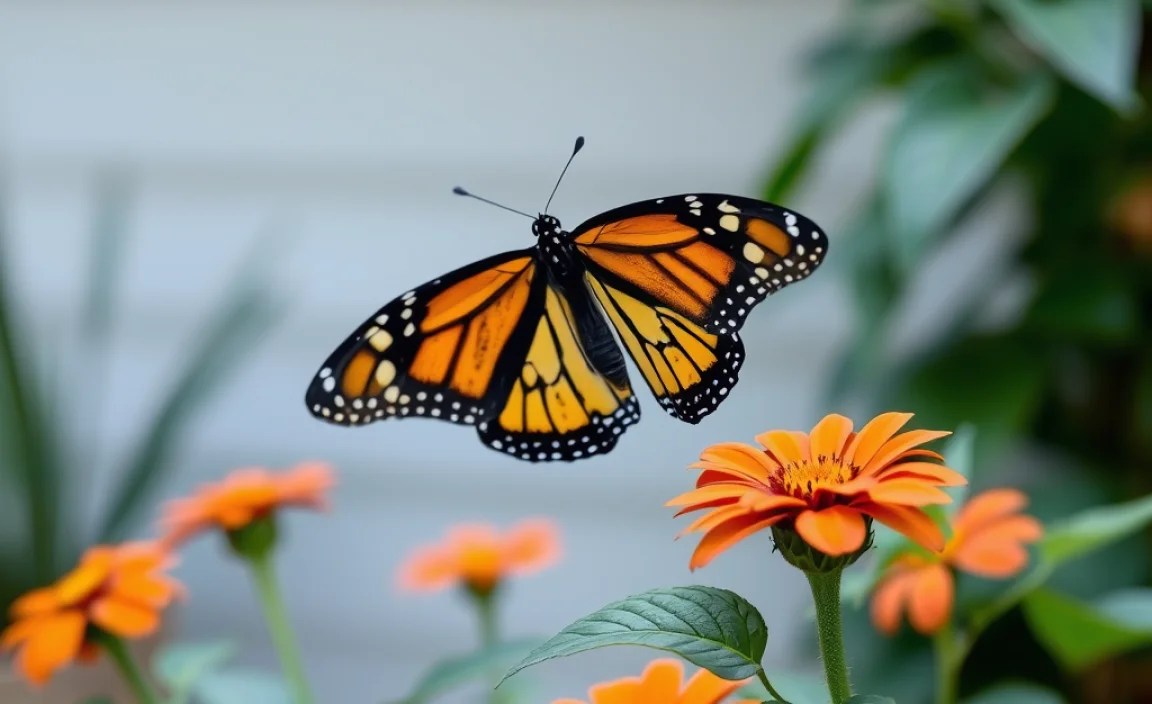
Attracting monarch butterflies to your garden is a rewarding experience. These steps will help you create the perfect habitat for them to thrive.
Step 1: Plant Milkweed
Milkweed is the single most important plant for monarch butterflies. It’s the only plant that monarch caterpillars will eat. Without milkweed, monarchs cannot complete their life cycle.
- Choose native milkweed species: Native milkweed varieties are best suited to your local climate and will support monarch populations more effectively.
- Plant in a sunny location: Milkweed needs at least six hours of sunlight per day.
- Provide enough milkweed: Plant several milkweed plants to ensure enough food for hungry caterpillars.
Step 2: Add Nectar-Rich Flowers
Adult monarch butterflies need nectar for energy. Planting a variety of nectar-rich flowers will provide them with the food they need to fuel their long migration.
- Select a variety of flowers: Choose flowers that bloom at different times of the year to provide a continuous source of nectar.
- Choose native flowers: Native flowers are often the best choice, as they are adapted to your local climate and attract a wider range of pollinators.
- Plant flowers in clusters: Planting flowers in groups makes it easier for butterflies to find them.
Step 3: Provide a Water Source
Butterflies need water to stay hydrated. Providing a shallow water source will encourage them to visit your garden.
- Create a butterfly puddler: Fill a shallow dish with water and add some pebbles or marbles for the butterflies to land on.
- Keep the water clean: Change the water regularly to prevent mosquito breeding.
- Place the puddler in a sunny location: Butterflies prefer to drink in sunny spots.
Step 4: Avoid Pesticides
Pesticides can be harmful to monarch butterflies and other beneficial insects. Avoid using pesticides in your garden to protect these delicate creatures.
- Use natural pest control methods: Encourage beneficial insects like ladybugs and lacewings to control pests.
- Handpick pests: Remove pests by hand whenever possible.
- Use organic pesticides sparingly: If you must use pesticides, choose organic options and apply them carefully.
Step 5: Provide Shelter
Butterflies need shelter from the wind and rain. Planting trees and shrubs can provide them with the protection they need.
- Plant trees and shrubs: Choose native trees and shrubs that provide food and shelter for butterflies.
- Create a windbreak: Plant a row of trees or shrubs to protect your garden from strong winds.
- Provide a place to roost: Butterflies often roost on branches or leaves at night.
Step 6: Monitor Your Garden
Keep an eye on your garden to see how the monarchs are using it. This will help you make adjustments to improve their habitat.
- Look for caterpillars: Check your milkweed plants regularly for monarch caterpillars.
- Observe adult butterflies: Watch to see which flowers the adult butterflies are visiting.
- Take notes: Keep a record of your observations to track the success of your garden.
Choosing the Right Plants for Your Monarch Butterfly Garden

Selecting the right plants is crucial for creating a successful monarch butterfly garden. Here’s a closer look at some of the best options:
Milkweed Varieties
As mentioned earlier, milkweed is the cornerstone of any monarch butterfly garden. Here are some popular and effective varieties:
- Common Milkweed (Asclepias syriaca): This is a widespread and easily recognizable milkweed species. It spreads readily, so give it plenty of room.
- Swamp Milkweed (Asclepias incarnata): This milkweed prefers moist soil and is a great choice for rain gardens or areas with poor drainage.
- Butterfly Weed (Asclepias tuberosa): Despite its name, butterfly weed is also a milkweed! It’s known for its bright orange flowers and drought tolerance.
- Showy Milkweed (Asclepias speciosa): This milkweed has large, fragrant flowers and is a favorite of monarch butterflies.
It’s important to choose milkweed species that are native to your region. Check with your local nursery or extension office for recommendations.
Nectar Plants
Supplementing milkweed with nectar-rich flowers will keep adult monarch butterflies coming back to your garden. Consider these options:
- Zinnias (Zinnia elegans): These annuals come in a wide range of colors and are easy to grow from seed.
- Coneflowers (Echinacea purpurea): These perennials are drought-tolerant and attract a variety of pollinators.
- Asters (Symphyotrichum spp.): These late-blooming flowers provide nectar for monarch butterflies as they prepare for their migration.
- Goldenrod (Solidago spp.): Another late-blooming option, goldenrod is a valuable source of nectar for migrating monarchs.
- Salvia (Salvia spp.): Many salvia varieties are attractive to butterflies and offer a long bloom time.
- Lantana (Lantana spp.): Lantana is a heat-loving plant that produces clusters of colorful flowers.
Additional Considerations for Plant Selection
- Bloom Time: Choose plants that bloom throughout the growing season to provide a continuous source of nectar.
- Plant Height: Mix plants of different heights to create a layered garden that provides shelter and visual interest.
- Color: Butterflies are attracted to bright colors, especially red, orange, yellow, and purple.
Maintaining Your Monarch Butterfly Garden
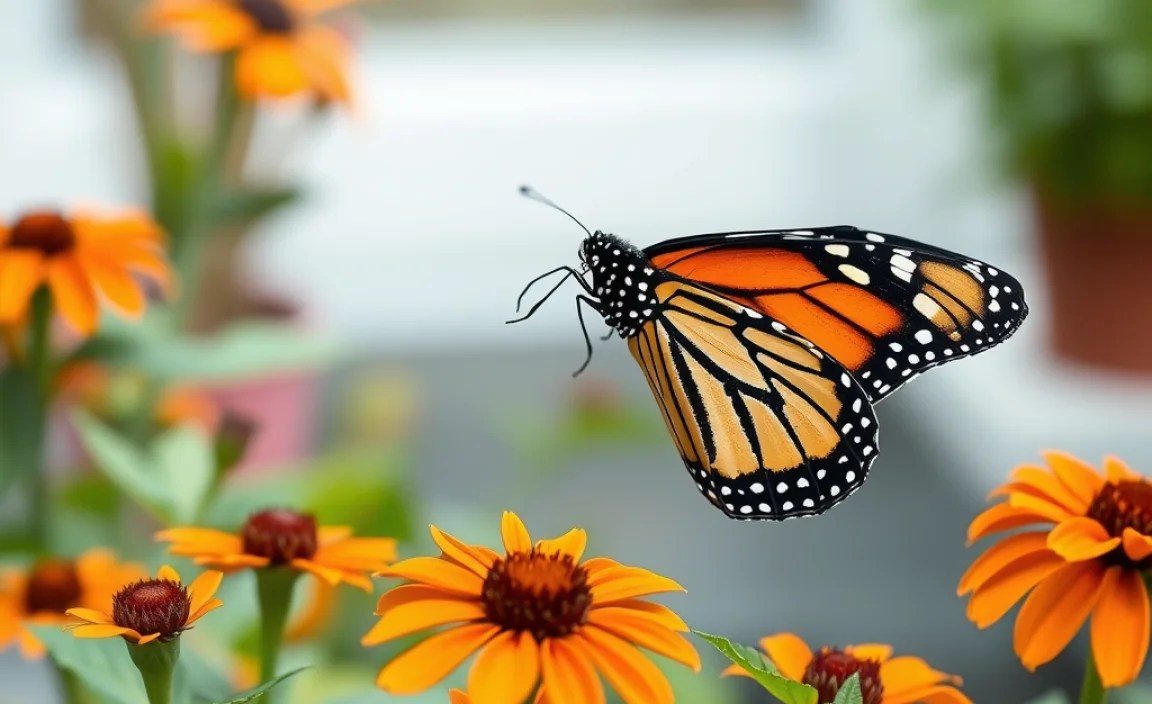
Once your monarch butterfly garden is established, it’s important to maintain it properly to ensure its continued success.
Watering
Water your plants regularly, especially during dry spells. Milkweed and nectar plants need consistent moisture to thrive.
Weeding
Keep your garden free of weeds, which can compete with your plants for resources. Hand-pull weeds or use a hoe to remove them.
Fertilizing
Fertilize your plants sparingly, if at all. Over-fertilizing can lead to lush foliage but fewer flowers. If you do fertilize, use an organic fertilizer.
Pruning
Prune your plants as needed to keep them healthy and attractive. Deadhead spent flowers to encourage more blooms.
Pest Control
Continue to avoid using pesticides in your garden. If you have a pest problem, try natural control methods first. You can also use insecticidal soap or horticultural oil as a last resort.
Fall Cleanup
In the fall, leave the seed heads of your flowers standing to provide food for birds and other wildlife. You can also leave some leaf litter on the ground to provide overwintering habitat for insects.
Troubleshooting Common Problems in Monarch Butterfly Gardens
Even with the best planning, you may encounter some challenges in your monarch butterfly garden. Here are some common problems and how to address them:
Aphids
Aphids are small, sap-sucking insects that can infest milkweed and other plants. They can weaken plants and reduce flower production.
- Solution: Spray aphids with a strong stream of water to dislodge them. You can also use insecticidal soap or horticultural oil. Ladybugs are also natural predators of aphids.
Milkweed Bugs
Milkweed bugs are orange and black insects that feed on milkweed seeds and foliage. They can be unsightly but usually don’t cause serious damage.
- Solution: Handpick milkweed bugs and drop them into a bucket of soapy water. You can also use insecticidal soap or horticultural oil.
Caterpillar Predators
Monarch caterpillars are vulnerable to predators such as birds, wasps, and spiders. You may notice caterpillars disappearing from your milkweed plants.
- Solution: Provide shelter for caterpillars by planting dense foliage. You can also cover milkweed plants with netting to protect caterpillars from predators.
Disease
Milkweed plants can be susceptible to fungal diseases such as rust and powdery mildew.
- Solution: Choose disease-resistant milkweed varieties. Provide good air circulation around plants and avoid overwatering. You can also use a fungicide if necessary.
Monarch Butterfly Life Cycle
Understanding the monarch butterfly life cycle is key to appreciating and supporting these creatures. Here’s a quick overview:
| Stage | Description | Duration |
|---|---|---|
| Egg | Tiny, pearl-white eggs are laid singly on milkweed leaves. | 3-5 days |
| Larva (Caterpillar) | The caterpillar hatches and feeds exclusively on milkweed, molting several times as it grows. | 2-3 weeks |
| Pupa (Chrysalis) | The caterpillar forms a jade-green chrysalis, where it undergoes metamorphosis. | 10-14 days |
| Adult | The adult butterfly emerges from the chrysalis, ready to reproduce and continue the cycle. | 2-6 weeks (non-migratory), up to 8 months (migratory) |
Supporting Monarch Conservation Beyond Your Garden
Creating a monarch butterfly garden is a wonderful way to help these amazing creatures, but there are other things you can do to support their conservation:
- Reduce pesticide use: Advocate for reduced pesticide use in your community and support organic farming practices.
- Support monarch conservation organizations: Donate to organizations that are working to protect monarch butterflies and their habitat, such as the Xerces Society and Monarch Watch.
- Educate others: Share your knowledge about monarch butterflies with your friends, family, and community. The more people who care about monarchs, the better their chances of survival.
- Participate in citizen science projects: Help scientists track monarch populations by participating in citizen science projects such as the Monarch Larva Monitoring Project.
Monarch Butterfly Migration
One of the most fascinating aspects of monarch butterflies is their incredible migration. Here are some key facts:
- Eastern Monarchs: Monarchs east of the Rocky Mountains migrate thousands of miles to overwintering sites in the oyamel fir forests of central Mexico.
- Western Monarchs: Monarchs west of the Rocky Mountains overwinter in coastal California.
- Multiple Generations: The monarchs that make the long journey south are actually several generations removed from the monarchs that migrated north in the spring.
- Navigation: Scientists are still studying how monarchs navigate to their overwintering sites, but it is believed that they use a combination of the sun’s position, the Earth’s magnetic field, and other environmental cues.
Fun Facts About Monarch Butterflies
Here are some fun facts about monarch butterflies that you can share with others:
- Monarchs are poisonous: Monarch caterpillars eat milkweed, which contains toxins that make them poisonous to predators. Adult monarchs retain these toxins, making them unpalatable to birds and other animals.
- Monarchs have a wingspan of 3-4 inches: This makes them one of the largest butterfly species in North America.
- Monarchs can fly up to 25 miles per hour: This allows them to travel long distances during their migration.
- Monarchs can live for up to 8 months: This is much longer than most other butterfly species, which typically live for only a few weeks.
Resources for Learning More
Here are some resources where you can learn more about monarch butterflies and their conservation:
- The Xerces Society: This organization is dedicated to protecting invertebrates and their habitats. They have a wealth of information about monarch butterflies on their website: https://xerces.org/
- Monarch Watch: This organization provides information about monarch butterfly conservation and offers tagging kits for citizen scientists: https://monarchwatch.org/
- Journey North: This organization tracks monarch butterfly migration and other seasonal events: https://journeynorth.org/
- U.S. Fish and Wildlife Service: This government agency provides information about monarch butterfly conservation efforts: https://www.fws.gov/
FAQ About Monarch Butterfly Gardens
Q: What is the most important thing to plant for monarch butterflies?
A: Milkweed is the most important plant to grow, as it is the only food source for monarch caterpillars.
Q: How much sunlight do monarch butterfly gardens need?
A: Monarch butterfly gardens need at least six hours of sunlight per day.
Q: What kind of flowers should I plant in a monarch butterfly garden?
A: Plant a variety of nectar-rich flowers that bloom at different times of the year, such as zinnias, coneflowers, and asters.
Q: How can I protect monarch caterpillars from predators?
A: Provide shelter for caterpillars by planting dense foliage. You can also cover milkweed plants with netting.
Q: Do I need to use pesticides in my monarch butterfly garden?
A: No, avoid using pesticides in your garden, as they can be harmful to monarch butterflies and other beneficial insects.
Q: How can I attract monarch butterflies to my garden?
A: Plant milkweed and nectar-rich flowers, provide a water source, avoid pesticides, and provide shelter.
Q: When is the best time to plant a monarch butterfly garden?
A: The best time to plant is in the spring or fall, depending on your local climate.
Conclusion
Creating a monarch butterfly garden is a rewarding way to connect with nature and help these beautiful creatures thrive. By following these simple steps, you can transform your yard into a haven for monarch butterflies and contribute to their conservation. Remember, every little bit helps! So get out there, plant some milkweed, and watch your garden come alive with the magic of monarch butterflies. I hope these monarch butterfly garden tips will help you create your own haven for these amazing creatures. Happy gardening!


