
Asian Butterflies Checklist: Your Ultimate ID Guide

Have you ever seen a butterfly? They flutter around. They are so pretty. Many kinds live in Asia. Do you want to find them? An Asian butterflies checklist can help. Let’s learn about these amazing bugs.
Key Takeaways
- Use an Asian butterflies checklist to identify different species easily.
- Many Asian butterflies have bright colors and unique patterns.
- Knowing their habitat helps you find more butterflies.
- Respect butterflies and their homes when you are looking.
- Taking photos is a great way to remember your finds.
What is an Asian Butterflies Checklist?
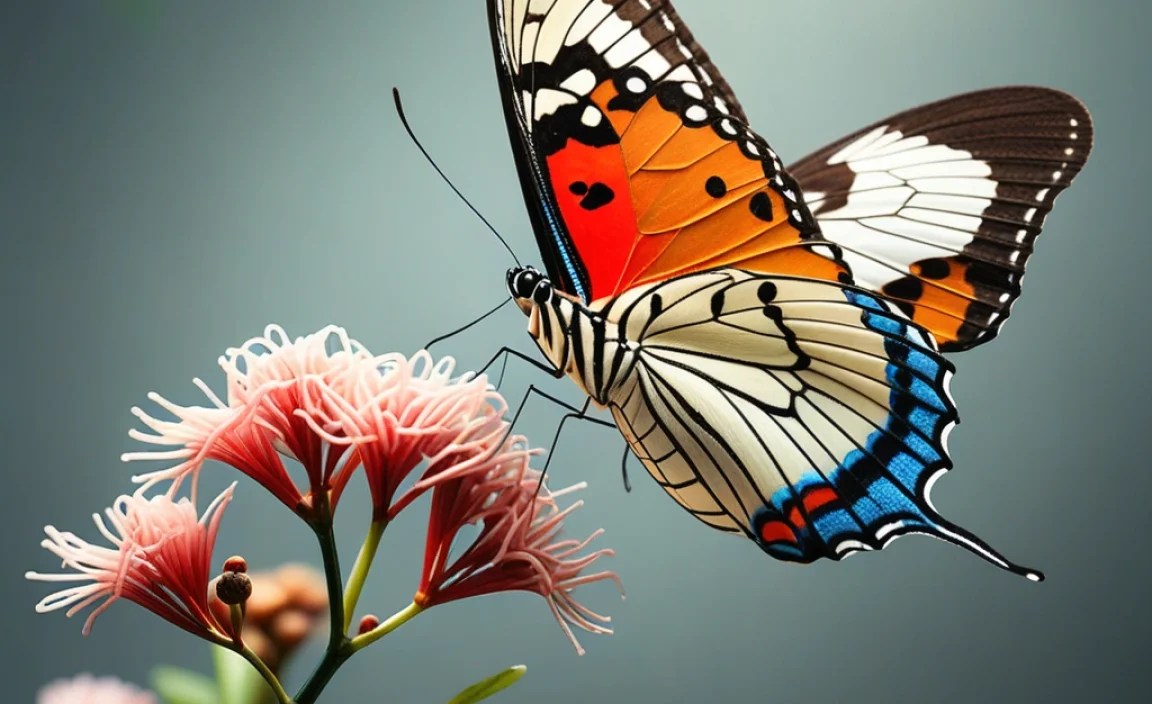
An Asian butterflies checklist is a list. It helps you find and name butterflies. Asia has many kinds of butterflies. The list tells you what to look for. It has names and pictures. You can use it in your backyard. You can use it in a big park. It makes finding butterflies fun and easy. The checklist helps you learn about nature. You can share what you find with friends. It can even help scientists learn more. They can see where different butterflies live. This helps protect the butterflies. The list is a great tool. It helps everyone enjoy these beautiful creatures. It makes butterfly watching more fun.
- It lists butterfly names.
- It shows butterfly pictures.
- It helps you find butterflies.
- It makes learning fun.
- It helps protect butterflies.
Imagine you are on a treasure hunt. The treasure is butterflies. The Asian butterflies checklist is your map. It guides you to find these flying jewels. Each butterfly you find is like discovering a new treasure. The checklist tells you what to look for. It helps you know what you found. It’s like a game. You try to find all the butterflies on the list. Some butterflies are common. Others are rare. The checklist makes it exciting. You never know what you might find. It helps you learn about nature. You become a butterfly expert. It is a fun and rewarding hobby. You will love exploring the world of butterflies.
Fun Fact or Stat: There are over 1,000 species of butterflies in Asia!
Why Use a Checklist?
Why should you use a checklist? It makes things easier. Imagine trying to find all the butterflies. You don’t know what they look like. You don’t know their names. That would be hard. A checklist gives you clues. It shows you pictures. It tells you names. You can match what you see to the list. This helps you know what you found. It also helps you learn. You learn the names of butterflies. You learn what they look like. A checklist makes finding butterflies more fun. It makes it less confusing. It is a helpful tool for anyone. It is great for beginners. It is great for experts too.
What Does the Checklist Include?
What is on an Asian butterflies checklist? It has a lot of helpful things. It has the names of butterflies. It has pictures of butterflies. It tells you where they live. Some butterflies like forests. Others like gardens. The checklist tells you what colors they are. Some are bright. Others are plain. It might tell you when they fly. Some fly in the day. Others fly at night. The checklist can have other facts too. It can tell you what they eat. It can tell you how big they are. All this helps you find and learn about butterflies.
Is it Easy to Use?
Is a checklist easy to use? Yes, it should be! Good checklists are simple. They have clear pictures. They have easy-to-read names. They are organized well. You can find butterflies quickly. Some checklists are online. You can use them on your phone. This makes it easy to take them outside. Other checklists are books. You can flip through the pages. Choose a checklist that works for you. The best checklist is one you will use. It should make finding butterflies fun. It should not be too hard or confusing. Then you will learn a lot.
Common Asian Butterfly Species

Asia is home to many butterfly species. Some are very common. You might see them in your garden. Others live in special places. You might need to go to a forest to find them. Some popular butterflies are the Common Bluebottle. It has bright blue wings. The Common Mormon is another. It comes in many colors. The Red Helen is black with red spots. The Lime Butterfly loves citrus trees. The Plain Tiger is orange and black. These are just a few. An Asian butterflies checklist will show you more. Knowing the common ones is a good start. Then you can look for the rare ones. Each butterfly is special.
- Common Bluebottle is bright blue.
- Common Mormon has many colors.
- Red Helen is black and red.
- Lime Butterfly likes citrus trees.
- Plain Tiger is orange and black.
Imagine you are a detective. You are looking for clues. The butterflies are your suspects. You need to identify them. The Asian butterflies checklist is your detective notebook. It has pictures and descriptions. You can compare the butterflies you see. Do they match the Common Bluebottle? Is it the Common Mormon? Maybe it is something else. The more you look, the better you get. You start to notice small details. The shape of the wings. The pattern of the spots. The color of the body. All these clues help you solve the mystery. You become a butterfly detective. It is a fun and exciting adventure.
Fun Fact or Stat: The Common Mormon butterfly has over 20 different forms!
What Makes Them Special?
What makes these butterflies special? Each one is unique. The Common Bluebottle has bright blue wings. They shimmer in the sun. The Common Mormon has many colors. This helps it hide. The Red Helen has bright red spots. This warns birds it tastes bad. The Lime Butterfly loves citrus trees. It lays its eggs there. The Plain Tiger is orange and black. These colors warn predators. Each butterfly has special features. These help it live and survive. That is what makes them special.
Where Do They Live?
Where do these butterflies live? It depends on the butterfly. The Common Bluebottle likes forests. It flies near streams. The Common Mormon lives in gardens. It also lives in forests. The Red Helen likes warm places. It lives in jungles. The Lime Butterfly is near citrus trees. It is in gardens and farms. The Plain Tiger lives in open areas. It likes fields and roadsides. Knowing where they live helps you find them. Go to the right place. You might see these butterflies.
When Can You See Them?
When can you see these butterflies? Some fly all year. Others fly only in certain seasons. The Common Bluebottle flies in the day. It is most common in summer. The Common Mormon flies in the day too. It is also common in summer. The Red Helen flies in the day. It is common in the rainy season. The Lime Butterfly flies all year. The Plain Tiger flies all year too. Knowing when they fly helps you see them. Go out at the right time. You might see these butterflies.
Using Your Asian Butterflies Checklist
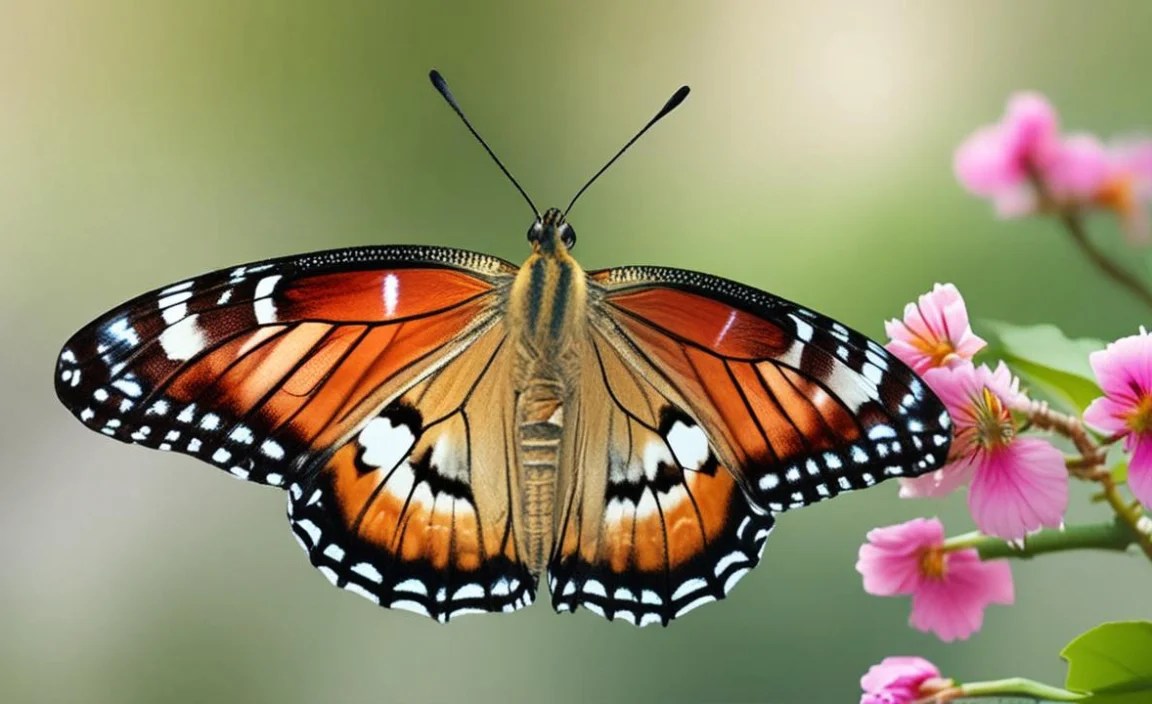
Using your Asian butterflies checklist is easy. First, find a good spot. Gardens, parks, and forests are great. Take your checklist with you. Look for butterflies. When you see one, look at it closely. What color is it? What shape are the wings? Does it have spots or stripes? Compare it to the pictures in your checklist. Read the descriptions. Does it match any of the butterflies? If it does, you found it! Write down the name. You can also take a picture. This helps you remember. Keep looking for more butterflies. See how many you can find. It is a fun way to learn about nature.
- Find a good spot to look.
- Take your checklist with you.
- Look at the butterfly closely.
- Compare it to the pictures.
- Write down the name.
- Take a picture to remember.
Imagine you are a scientist. You are studying butterflies. Your Asian butterflies checklist is your research tool. You use it to identify the butterflies you see. You write down where you found them. You write down when you saw them. You take notes about their behavior. What are they eating? Are they flying alone or in groups? The more you observe, the more you learn. You can use this information to help butterflies. You can plant flowers that they like. You can protect their habitats. You can share what you learn with others. You become a butterfly scientist. It is a rewarding way to use your checklist.
Fun Fact or Stat: Some butterflies migrate thousands of miles!
Where to Find Butterflies?
Where can you find butterflies? They like sunny places. They need flowers for food. Gardens are great places. Parks with lots of plants are good too. Forests can have many butterflies. Look near streams and ponds. Butterflies need water. Look in fields and meadows. They like open spaces. Try different places. You will find different butterflies. The more you explore, the more you will see. Always be respectful. Do not harm the butterflies. Do not pick the flowers.
How to Identify Butterflies?
How do you identify butterflies? Look at the colors. Look at the patterns. Check the size of the wings. Look at the shape of the wings. Use your Asian butterflies checklist. Compare the butterfly to the pictures. Read the descriptions. Pay attention to details. Where did you find it? What was it doing? All this helps you identify it. If you are not sure, take a picture. Ask someone who knows. Keep practicing. You will get better at it.
What to Do After You Find One?
What should you do after you find a butterfly? First, enjoy it! Watch it fly. Admire its beauty. Then, write down what you saw. Note the date and time. Write down where you found it. Identify the butterfly. Use your Asian butterflies checklist. Take a picture if you can. Share your findings with others. Tell your friends. Tell your family. Post it online. Help others learn about butterflies. Protect their habitats. Help butterflies survive.
Butterfly Habitats in Asia

Asia has many different habitats. These are homes for butterflies. Some butterflies live in rainforests. These are wet and warm. Other butterflies live in mountains. These are cold and high. Some live in deserts. These are dry and hot. Others live in grasslands. These are open and grassy. Each habitat has different butterflies. An Asian butterflies checklist can tell you more. Knowing the habitats helps you find butterflies. Go to the right place. You might see new species. Respect the habitats. Keep them clean and safe. This helps butterflies live.
- Rainforests are wet and warm.
- Mountains are cold and high.
- Deserts are dry and hot.
- Grasslands are open and grassy.
- Each has different butterflies.
Imagine you are an explorer. You are traveling to different lands. You are looking for butterflies. Each place is a new adventure. The Asian butterflies checklist is your passport. It tells you what to expect. It helps you identify the butterflies you see. You travel to the rainforest. You see bright, colorful butterflies. You go to the mountains. You find hardy butterflies that can live in the cold. You explore the desert. You discover butterflies that can survive in the heat. You visit the grasslands. You see butterflies that blend in with the grass. Each habitat is unique. It is home to special butterflies. You are a butterfly explorer. It is an exciting way to see the world.
Fun Fact or Stat: Some butterflies can only be found in one specific type of habitat!
Rainforest Butterflies
Rainforests are full of life. They are wet and warm. Many butterflies live here. They are often big and colorful. Some have bright patterns. They help them hide in the leaves. Others have wing shapes. These look like leaves. Some common rainforest butterflies are birdwings. They are big and beautiful. Another is the morpho butterfly. It has shiny blue wings. The rajah Brooke’s birdwing is green and black. These butterflies need the rainforest. Protect their home.
Mountain Butterflies
Mountains are cold and high. Only tough butterflies can live here. They often are small and dark. This helps them stay warm. They might have fuzzy bodies. This also helps them stay warm. Some mountain butterflies are apollos. They are white with red spots. Another is the clouded Apollo. It has black and white wings. These butterflies are special. They can live in harsh places. Protect their mountain homes.
Desert Butterflies
Deserts are hot and dry. Few butterflies can live here. They need to find water. They need to stay cool. Some desert butterflies are blues. They are small and blue. They can fly fast. This helps them escape predators. Another is the painted lady. It can migrate long distances. It can find food and water. These butterflies are amazing. They can survive in tough conditions. Protect their desert homes.
Butterfly Conservation Tips
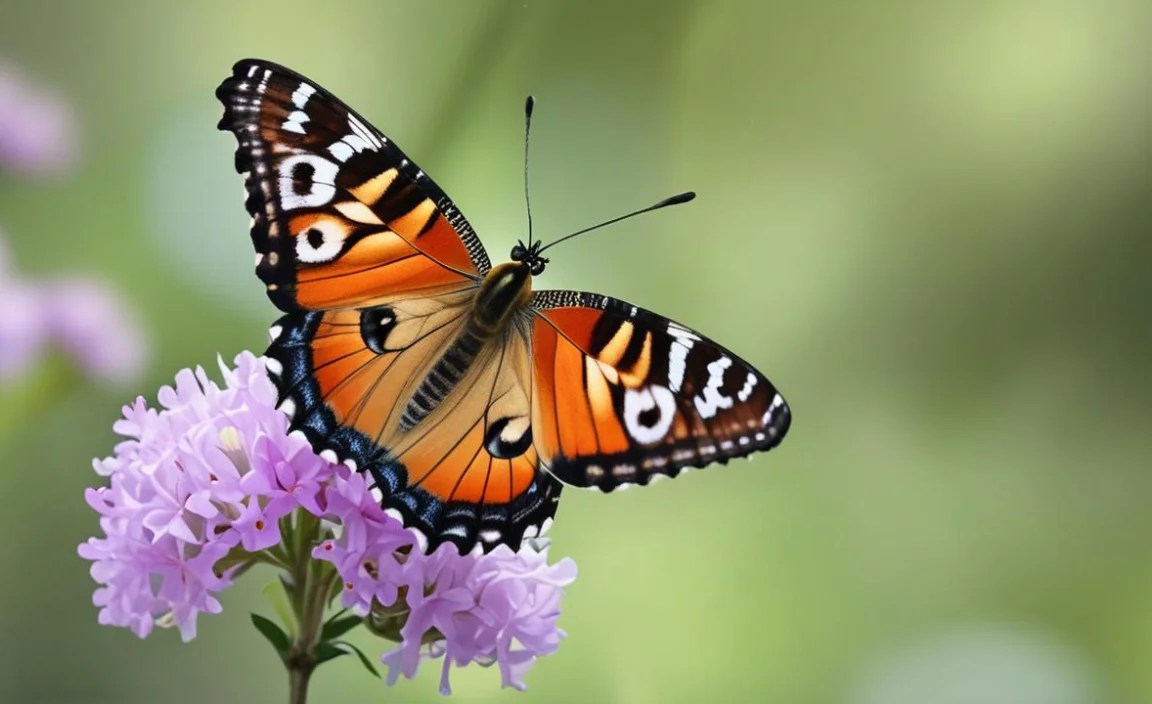
Butterflies need our help. Their homes are disappearing. We can do things to help them. Plant flowers in your garden. Butterflies need nectar for food. Avoid using pesticides. These can kill butterflies. Protect butterfly habitats. Don’t destroy forests or fields. Support organizations that help butterflies. Teach others about butterflies. An Asian butterflies checklist can help. It makes people care about them. Every little bit helps. Together, we can save the butterflies.
| Tip | Description | Why it Helps |
|---|---|---|
| Plant Flowers | Plant flowers that butterflies like. | Provides food for butterflies. |
| Avoid Pesticides | Don’t use chemicals that kill bugs. | Keeps butterflies safe from poison. |
| Protect Habitats | Keep forests and fields safe. | Gives butterflies a place to live. |
| Support Organizations | Donate to groups that help butterflies. | Helps protect butterflies on a larger scale. |
- Plant flowers for food.
- Avoid using pesticides.
- Protect butterfly habitats.
- Support butterfly organizations.
- Teach others about butterflies.
Imagine you are a superhero. You are saving butterflies. Your superpower is knowledge. You know what butterflies need. You know how to help them. The Asian butterflies checklist is your guide. It tells you which butterflies need help. You plant flowers in your garden. You avoid using pesticides. You protect their habitats. You tell others about butterflies. You inspire them to help too. You are a butterfly superhero. You are making a difference. You are saving these beautiful creatures.
Fun Fact or Stat: Many butterfly species are endangered due to habitat loss!
Create a Butterfly Garden
You can create a butterfly garden. It is easy and fun. Choose a sunny spot. Plant flowers that butterflies like. Milkweed is great for monarchs. Lavender is good for many butterflies. Add a water source. Butterflies need water to drink. A shallow dish with pebbles is good. Avoid using pesticides. They will kill the butterflies. Watch your garden. Enjoy the butterflies. You are helping them survive.
Reduce Pesticide Use
Pesticides are harmful to butterflies. They can kill them. They can also harm their food. Reduce pesticide use in your garden. Use natural methods instead. Handpick pests off plants. Use insecticidal soap. Attract beneficial insects. They will eat the pests. Protect butterflies. They are important pollinators. They help plants grow. A healthy garden is good for butterflies. It is good for the environment.
Support Conservation Groups
Many groups help butterflies. They protect their habitats. They educate people. They raise awareness. You can support these groups. Donate money. Volunteer your time. Spread the word. Tell others about butterflies. Tell them about the groups. Together, we can make a difference. We can save the butterflies. They are important to our world. They are beautiful and amazing.
Photographing Asian Butterflies
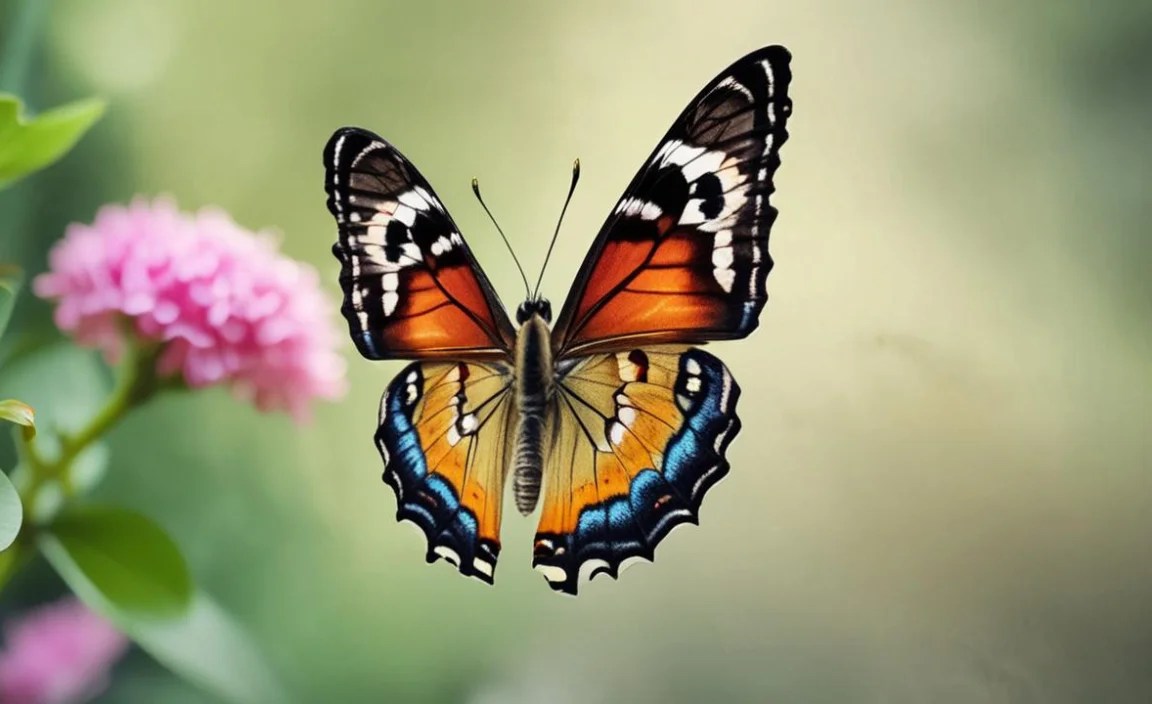
Taking pictures of butterflies is fun. It helps you remember them. It lets you share them with others. Use a camera or your phone. Get close to the butterfly. Be patient. Butterflies move quickly. Focus carefully. Take lots of pictures. Try different angles. Use good lighting. Avoid disturbing the butterfly. Be respectful. Share your photos online. Show others the beauty of butterflies. Use your Asian butterflies checklist to find more butterflies to photograph.
- Use a camera or phone.
- Get close to the butterfly.
- Be patient and focus.
- Take lots of pictures.
- Use good lighting.
- Be respectful of the butterfly.
Imagine you are a nature photographer. You are capturing the beauty of butterflies. Your camera is your tool. The Asian butterflies checklist is your guide. It helps you find the most beautiful butterflies. You go to different places. You wait patiently. You watch the butterflies. You capture their colors. You capture their patterns. You capture their movements. You share your photos with the world. You inspire others to care about butterflies. You are a butterfly photographer. You are showing the world their beauty.
Fun Fact or Stat: The best time to photograph butterflies is early morning when they are still cool and less active!
Best Camera Settings
What are the best camera settings? Use a fast shutter speed. This will freeze the butterfly’s motion. Use a wide aperture. This will blur the background. Use a low ISO. This will reduce noise. Use manual focus. This will help you focus on the butterfly. Take test shots. Adjust the settings as needed. Practice makes perfect. You will get better over time. Learn about your camera. It is a powerful tool.
Tips for Getting Close
How can you get close to butterflies? Be patient. Move slowly. Avoid sudden movements. Wear neutral colors. Butterflies are less likely to be scared. Approach from the side. Don’t block the sun. Use a macro lens. This will help you focus on small details. Get down low. This will give you a better angle. Respect the butterfly. Don’t touch it. Don’t disturb it. Let it go about its business.
Respecting Butterflies
It is important to respect butterflies. They are delicate creatures. Don’t touch them. Don’t catch them. Don’t disturb their habitats. Stay on trails. Don’t trample plants. Don’t leave trash. Pack it out. Be mindful of your impact. Protect butterflies. They are important to our world. They are beautiful and amazing. Let them live in peace.
Summary
An Asian butterflies checklist is a great tool. It helps you find and name butterflies. Asia has many kinds of butterflies. The checklist has names and pictures. It tells you where they live. It makes finding butterflies fun and easy. You can use it in your backyard. You can use it in a big park. It helps you learn about nature. You can share what you find with friends. You can help scientists learn more too. The checklist also helps protect butterflies.
Remember to respect butterflies and their homes. Plant flowers in your garden. Avoid using pesticides. Protect butterfly habitats. Support organizations that help butterflies. Teach others about butterflies. Take pictures of butterflies. Share them with the world. Show others the beauty of butterflies. By using an Asian butterflies checklist and following these tips, you can enjoy and protect these amazing creatures.
Conclusion
Butterflies are beautiful and important. They live in many places. An Asian butterflies checklist can help you find them. It makes learning about butterflies fun. Remember to be kind to butterflies. Protect their homes. Plant flowers for them. Share your love of butterflies with others. Together, we can help butterflies thrive. Go out and explore. Discover the amazing world of Asian butterflies!
Frequently Asked Questions
Question No 1: What is an Asian butterflies checklist?
Answer: An Asian butterflies checklist is a list of butterflies. It helps you find and name them. It has pictures and names. It tells you where they live. It helps you learn about butterflies. It makes finding them fun. You can use it in your garden. You can use it in a park. It is a helpful tool for butterfly lovers. It is great for beginners. It is great for experts too. You can find checklists online or in books.
Question No 2: Where can I find Asian butterflies?
Answer: You can find Asian butterflies in many places. Gardens are good places to start. Parks with lots of flowers are also good. Forests can have many butterflies too. Look near streams and ponds. Butterflies need water. Look in fields and meadows. They like open spaces. Different butterflies live in different places. An Asian butterflies checklist can tell you where to look. Explore different places. You might see new species. Be respectful of their homes.
Question No 3: How can I help protect butterflies?
Answer: There are many things you can do. Plant flowers in your garden. Butterflies need nectar for food. Avoid using pesticides. These can kill butterflies. Protect butterfly habitats. Don’t destroy forests or fields. Support organizations that help butterflies. Teach others about butterflies. Spread the word. Every little bit helps. Together, we can save the butterflies. Using an Asian butterflies checklist helps people learn and care about them.
Question No 4: What if I can’t identify a butterfly?
Answer: Don’t worry if you can’t identify a butterfly. It can be tricky. Take a picture of it. Note where you found it. Look at your Asian butterflies checklist. Compare the picture to the checklist. Ask someone who knows about butterflies. Post the picture online. Ask for help. There are many resources available. Keep learning. You will get better at it. The more you look, the more you will learn.
Question No 5: What do butterflies eat?
Answer: Butterflies eat nectar. Nectar is a sweet liquid. It is found in flowers. Butterflies use their long tongues to drink it. Some butterflies also eat tree sap. Others eat rotting fruit. Some eat pollen. Caterpillars eat leaves. Different butterflies eat different things. Plant a variety of flowers in your garden. This will attract different butterflies. Provide them with food. Help them survive. An Asian butterflies checklist can also tell you what specific butterflies eat.
Question No 6: Why are butterflies important?
Answer: Butterflies are important for many reasons. They are pollinators. They help plants grow. They carry pollen from flower to flower. They are also part of the food chain. Birds and other animals eat them. They are beautiful and interesting. They bring joy to people. They are important to our world. We need to protect them. Using an Asian butterflies checklist helps people appreciate them more. This can lead to more conservation efforts.


