
Glasswing Butterfly Identification: Your Easy Guide

Quick Summary: Identifying a glasswing butterfly (Greta oto) involves observing its unique transparent wings, typically bordered with brown or orange. Look for a medium-sized butterfly (5.5 to 6 cm wingspan) found in Central and South American rainforests. Key features include translucent wing panels, a dark brown wing border, and a slow, deliberate flight pattern. Confirm the location matches their natural habitat to distinguish them from similar species.
Have you ever been mesmerized by a butterfly that seems to disappear before your eyes? The glasswing butterfly, with its unique transparent wings, is a marvel of nature. But identifying one can be tricky! Many butterflies share similar colors and patterns. Don’t worry; with a few key observations, you can confidently identify these incredible insects. This guide will walk you through the process, step by step, making it easier than ever to spot and appreciate the elusive glasswing butterfly.
What You’ll Learn
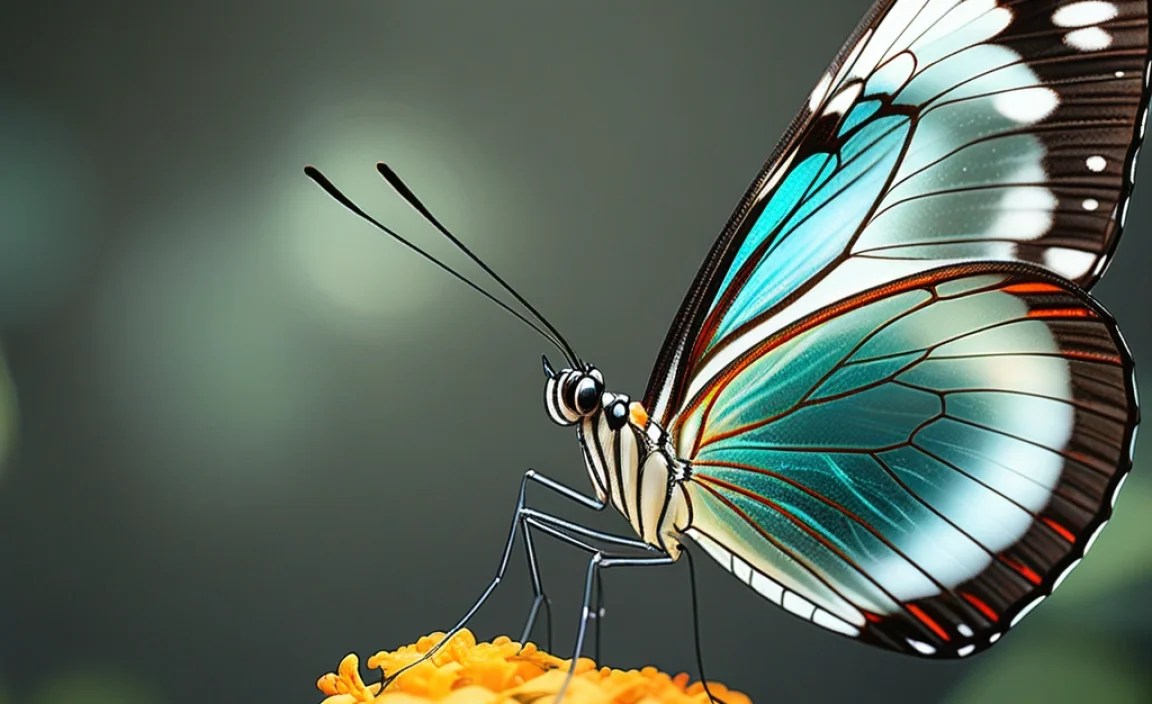
- Key characteristics of glasswing butterflies
- Where to find them in their natural habitat
- How to distinguish them from similar species
- Tips for attracting glasswing butterflies to your garden
Understanding Glasswing Butterflies

Before diving into identification, let’s understand what makes glasswing butterflies so special. These delicate creatures belong to the family Nymphalidae and are renowned for their transparent wings, a rare and fascinating adaptation.
Key Characteristics
The most defining characteristic of the glasswing butterfly is, of course, its transparent wings. But there’s more to it than just that. The wings are not entirely clear; they usually have a dark brown or reddish-brown border, which adds to their distinctive appearance.
- Wingspan: Typically ranges from 5.5 to 6 centimeters (2.2 to 2.4 inches).
- Wing Structure: The transparent sections lack the colored scales found in most butterflies, allowing light to pass through.
- Body: Dark brown body that complements the wing borders.
- Flight: Known for their slow and deliberate flight, making them easier to observe.
Habitat and Distribution
Glasswing butterflies are primarily found in the rainforests of Central and South America. They thrive in humid, tropical environments, from Mexico to Panama, and as far south as Argentina. Knowing their habitat is crucial for identification, as it narrows down the possibilities.
These butterflies prefer the understory of rainforests, where they can find shelter and food. They are often seen near rivers and streams, which provide the humidity they need to survive.
Life Cycle
Understanding the life cycle of a glasswing butterfly can also aid in identification. Like all butterflies, they undergo complete metamorphosis, with distinct egg, larva (caterpillar), pupa (chrysalis), and adult stages.
- Eggs: Small, greenish eggs laid on host plants.
- Larvae: Caterpillars feed on specific host plants, accumulating toxins that make them unpalatable to predators.
- Pupae: The chrysalis is often silvery or golden, providing camouflage.
- Adults: Emerge with transparent wings, ready to reproduce and continue the cycle.
Step-by-Step Guide to Glasswing Butterfly Identification

Now that you have a good understanding of glasswing butterflies, let’s walk through the identification process. Follow these steps to confidently identify these beautiful creatures.
Step 1: Observe the Wings
The wings are the most obvious feature. Look for transparency. The clear sections should allow you to see through the wings, while the borders are typically dark brown or reddish-brown.
- Transparency: Are the wings truly transparent, or just lightly colored?
- Borders: Note the color and width of the borders. Are they solid or patterned?
- Shape: Glasswing butterflies have rounded wings, which helps distinguish them from other butterflies with more angular wings.
Step 2: Check the Size
Glasswing butterflies are medium-sized. Measure or estimate the wingspan. If it falls within the 5.5 to 6 cm range, you’re on the right track.
| Characteristic | Glasswing Butterfly (Greta oto) |
|---|---|
| Wingspan | 5.5 – 6 cm (2.2 – 2.4 inches) |
| Wing Transparency | Mostly transparent with dark borders |
| Body Color | Dark brown |
Step 3: Note the Location
Consider where you are seeing the butterfly. Is it in Central or South America? Glasswing butterflies are not found naturally outside of these regions. Sightings elsewhere are likely misidentifications or escaped specimens.
If you’re in their native habitat, look for them in rainforests, particularly near streams or rivers. They prefer shaded areas with high humidity.
Step 4: Observe the Flight Pattern
Glasswing butterflies have a distinctive flight pattern. They fly slowly and deliberately, often gliding between plants. This contrasts with the rapid, erratic flight of some other butterfly species.
- Speed: Slow and steady.
- Manner: Gliding more than flapping.
- Direction: Often flies in a straight line rather than darting around.
Step 5: Examine the Body
The body of a glasswing butterfly is typically dark brown. This color complements the dark borders of the wings. Look closely at the body shape and size to confirm it matches the description.
Step 6: Host Plants
If you’re observing caterpillars, knowing their host plants can be a great help. Glasswing butterfly caterpillars primarily feed on plants in the genus Cestrum, which are toxic. This toxicity is retained in the adult butterflies, making them less appealing to predators.
Some common host plants include:
- Cestrum diurnum (Day-blooming Jessamine)
- Cestrum nocturnum (Night-blooming Jessamine)
- Other species within the Cestrum genus
Step 7: Use Field Guides and Apps
Field guides and butterfly identification apps can be invaluable tools. These resources provide detailed descriptions and images of glasswing butterflies, as well as similar species. They can help you compare your observations and confirm your identification.
Some recommended resources include:
- Field Guides: Peterson Field Guide to Butterflies of North America, Kaufman Field Guide to Butterflies of North America
- Apps: iNaturalist, Picture Insect
Distinguishing Glasswing Butterflies from Similar Species

One of the biggest challenges in butterfly identification is distinguishing between similar species. Several butterflies have transparent or partially transparent wings, so it’s essential to know what to look for.
Similar Species
- The Clearwing Swallowtail (Protographium marcellus): Has transparent patches on its wings, but also has distinctive tails on its hindwings, which glasswing butterflies lack.
- Some Moth Species: Certain moths also have transparent wings. However, moths typically have thicker bodies and feathery antennae, while butterflies have slender bodies and clubbed antennae.
Key Differences
Here’s a table summarizing the key differences between glasswing butterflies and similar species:
| Characteristic | Glasswing Butterfly (Greta oto) | Clearwing Swallowtail (Protographium marcellus) | Clearwing Moths |
|---|---|---|---|
| Wings | Mostly transparent with dark borders | Transparent patches with dark markings, tails on hindwings | Transparent wings, often with thicker bodies |
| Wingspan | 5.5 – 6 cm | 6 – 8 cm | Varies depending on species |
| Body | Slender, dark brown | Slender, black and white | Thicker, often fuzzy |
| Antennae | Clubbed | Clubbed | Feathery |
| Habitat | Central and South American rainforests | Eastern North America | Worldwide |
Attracting Glasswing Butterflies to Your Garden

If you live in or near the native habitat of glasswing butterflies, you can attract them to your garden by providing the right conditions and host plants. Creating a butterfly-friendly garden is a rewarding way to support these beautiful creatures.
Plant Host Plants
The most effective way to attract glasswing butterflies is to plant their host plants. Cestrum species are the primary food source for their caterpillars. Planting these will encourage them to lay eggs in your garden.
- Cestrum diurnum (Day-blooming Jessamine)
- Cestrum nocturnum (Night-blooming Jessamine)
- Other Cestrum varieties native to your area
Provide Nectar Sources
Adult butterflies feed on nectar from flowers. Plant a variety of nectar-rich flowers that bloom at different times of the year to provide a continuous food source. Native plants are often the best choice.
- Lantana
- Pentas
- Salvia
- Butterfly Bush (Buddleja davidii)
Create a Humid Environment
Glasswing butterflies thrive in humid environments. Create a humid microclimate in your garden by providing a water source, such as a small pond or birdbath. You can also use a sprinkler or mister to increase humidity.
Avoid Pesticides
Pesticides can be harmful to butterflies and other beneficial insects. Avoid using pesticides in your garden, or choose organic and butterfly-friendly alternatives. Encourage natural predators, such as birds and ladybugs, to control pests.
Provide Shelter
Butterflies need shelter from wind and rain. Plant trees and shrubs to provide a protected habitat. A butterfly house can also offer a safe haven.
Conservation Status and Efforts
While glasswing butterflies are not currently listed as endangered, their populations are threatened by habitat loss and degradation. Rainforests are being cleared for agriculture, logging, and development, which reduces the availability of host plants and nectar sources.
Supporting conservation efforts is essential to protect glasswing butterflies and their habitat. Here are some ways you can help:
- Support Conservation Organizations: Donate to or volunteer with organizations that work to protect rainforests and butterfly habitats, such as the Rainforest Alliance and The Xerces Society.
- Promote Sustainable Practices: Support sustainable agriculture and forestry practices that minimize habitat destruction.
- Educate Others: Share your knowledge about glasswing butterflies and the importance of conservation with friends, family, and community members.
- Create Butterfly-Friendly Habitats: Plant host plants and nectar sources in your garden or community to support butterfly populations.
Glasswing Butterfly Symbolism and Cultural Significance
Beyond their scientific interest, glasswing butterflies hold cultural significance in various societies. Butterflies, in general, are often seen as symbols of transformation, beauty, and hope. The unique transparency of the glasswing butterfly adds another layer of meaning.
- Transparency: Symbolizes clarity, honesty, and seeing things as they truly are.
- Transformation: Represents the ability to change and evolve, just as a caterpillar transforms into a butterfly.
- Delicacy: Highlights the fragility of life and the importance of protecting delicate ecosystems.
- Spirituality: In some cultures, butterflies are seen as messengers from the spirit world, bringing guidance and comfort.
Understanding these symbolic meanings can deepen your appreciation for glasswing butterflies and their role in the natural world.
FAQ: Glasswing Butterfly Identification
1. What is the most distinctive feature of a glasswing butterfly?
The most distinctive feature is its transparent wings, which allow you to see through them. They also have dark borders around the transparent sections.
2. Where can I find glasswing butterflies?
Glasswing butterflies are primarily found in the rainforests of Central and South America, from Mexico to Argentina.
3. What do glasswing butterfly caterpillars eat?
Glasswing butterfly caterpillars primarily feed on plants in the genus Cestrum, such as Day-blooming Jessamine and Night-blooming Jessamine.
4. How can I attract glasswing butterflies to my garden?
Plant host plants like Cestrum species and nectar-rich flowers, provide a water source, avoid pesticides, and create a humid environment.
5. Are glasswing butterflies endangered?
Glasswing butterflies are not currently listed as endangered, but their populations are threatened by habitat loss and degradation.
6. What is the wingspan of a glasswing butterfly?
The wingspan of a glasswing butterfly typically ranges from 5.5 to 6 centimeters (2.2 to 2.4 inches).
7. How do glasswing butterflies protect themselves from predators?
Glasswing butterfly caterpillars eat toxic plants, which make both the caterpillars and adult butterflies unpalatable to predators. Their transparent wings also provide camouflage.
Conclusion
Identifying a glasswing butterfly is a rewarding experience that connects you to the wonders of nature. By observing their transparent wings, noting their size and location, and understanding their behavior, you can confidently identify these beautiful creatures. Remember to support conservation efforts to protect their habitats and ensure that future generations can also marvel at the beauty of the glasswing butterfly. So, grab your binoculars, head out into nature, and start exploring the fascinating world of butterflies!


