
Swallowtail Butterfly Pupation Process: The Secret!

The swallowtail butterfly pupation process involves a fascinating transformation! First, the caterpillar finds a safe spot and secures itself with silk. It then sheds its skin one last time, revealing a chrysalis. Inside this protective shell, the caterpillar’s body reorganizes into a butterfly. Finally, after a period of days or weeks, a beautiful swallowtail butterfly emerges!
Have you ever watched a caterpillar munching happily on a leaf and wondered what happens next? The journey from a crawling caterpillar to a soaring swallowtail butterfly is one of nature’s most amazing transformations. Witnessing this process can feel like magic, but it’s actually a carefully orchestrated series of biological events. Understanding the swallowtail butterfly pupation process can help you appreciate the incredible complexity of nature and maybe even help you raise your own butterflies.
In this guide, we’ll explore each stage of the pupation process, from finding the perfect spot to the butterfly’s grand emergence. You’ll learn what to look for, how to support these creatures, and what to do if you find a chrysalis in your backyard. Let’s dive into the wonderful world of swallowtail butterflies!
Frequently Asked Questions
Here are some frequently asked questions about the swallowtail butterfly pupation process:
How long does it take for a swallowtail caterpillar to turn into a butterfly?
The pupation period for swallowtail butterflies typically lasts between 10 to 14 days, but this can vary depending on the species and environmental conditions like temperature.
What does a swallowtail chrysalis look like?
Swallowtail chrysalises can vary in color from green to brown, often blending in with their surroundings. They have a smooth, hard shell and a distinctive shape that hints at the butterfly inside.
Do swallowtail caterpillars move around a lot before pupating?
Yes, swallowtail caterpillars often wander quite a bit in search of the perfect pupation site. They may travel several feet or even yards away from their host plant.
What should I do if I find a swallowtail chrysalis?
If you find a chrysalis, it’s best to leave it undisturbed. If it’s in a vulnerable location, you can carefully move it to a safer spot nearby, such as a sheltered branch or stem.
How can I help swallowtail caterpillars pupate successfully?
Provide a safe and pesticide-free environment with plenty of host plants for the caterpillars to feed on. Avoid disturbing them as they prepare to pupate, and protect the chrysalis from predators.
What happens if a swallowtail chrysalis falls off its perch?
If a chrysalis falls, you can try to reattach it using a small amount of non-toxic glue or by placing it in a secure, breathable container near its original location. Monitor it closely to ensure it remains healthy.
Do swallowtail butterflies emerge at a specific time of day?
Swallowtail butterflies typically emerge in the morning, allowing them time to dry their wings and prepare for their first flight during the warmer part of the day.
Understanding the Swallowtail Butterfly Life Cycle

Before we delve into the pupation process, let’s take a quick look at the complete life cycle of a swallowtail butterfly. This will give you a better understanding of how pupation fits into the bigger picture.
- Egg: The life cycle begins with a tiny egg, usually laid on a host plant that will serve as food for the caterpillar.
- Larva (Caterpillar): The egg hatches into a larva, also known as a caterpillar. The caterpillar’s main job is to eat and grow, molting its skin several times as it gets larger.
- Pupa (Chrysalis): Once the caterpillar reaches its full size, it enters the pupa stage. During this stage, it forms a chrysalis, inside which it undergoes a remarkable transformation.
- Adult Butterfly: Finally, the chrysalis opens, and an adult butterfly emerges. The butterfly’s main goals are to reproduce and continue the cycle.
Recognizing the Signs: When a Caterpillar is Ready to Pupate

Knowing when a swallowtail caterpillar is about to pupate can help you provide the best possible environment for its transformation. Here are some key signs to watch for:
- Wandering: The caterpillar may start wandering away from its host plant, searching for a suitable spot to pupate. This behavior is a clear indication that it’s getting ready to transform.
- Color Change: Some caterpillars change color before pupating. For example, they might become darker or duller in appearance.
- Refusal to Eat: A caterpillar that is ready to pupate will often stop eating. This is because it needs to clear its digestive system before transforming into a chrysalis.
- Silk Pad: The caterpillar will spin a small silk pad on a stem or leaf, which it will use to attach itself securely during pupation.
- Hanging Upside Down: In some species, the caterpillar will hang upside down in a “J” shape for a day or two before pupating.
Step-by-Step Guide to the Swallowtail Butterfly Pupation Process

Now, let’s walk through the pupation process step by step. This will give you a clear understanding of what happens during this amazing transformation.
Step 1: Finding the Perfect Spot
The first step in the pupation process is finding a safe and suitable location. The caterpillar will explore its surroundings, looking for a spot that offers protection from predators and the elements. This might be on a stem, a leaf, or even a nearby structure.
Frances’s Tip: Swallowtail caterpillars often choose spots that blend in with their surroundings. Look for places that are sheltered and camouflaged.
Step 2: Securing the Position
Once the caterpillar has found its spot, it will spin a small silk pad and attach itself securely. Some species also create a silk “belt” around their midsection for extra support. This ensures that the chrysalis will stay in place during the transformation.
Frances’s Tip: The silk pad is incredibly strong. It needs to be to hold the chrysalis in place for up to two weeks!
Step 3: The Final Molt
Next, the caterpillar sheds its skin one last time. This is a critical moment, as it reveals the chrysalis underneath. The caterpillar’s skin splits open, and the chrysalis wriggles free. This process can take several hours.
Frances’s Tip: This is a delicate stage, and it’s important not to disturb the caterpillar during this process. Watch from a distance to avoid causing any stress.
Step 4: Forming the Chrysalis
The newly revealed chrysalis is soft and vulnerable. Over the next few hours, it will harden and take on its final shape and color. The color can vary depending on the species and the surrounding environment.
Frances’s Tip: The color of the chrysalis can be green or brown, depending on the season and the surrounding foliage. This camouflage helps protect it from predators.
Step 5: Transformation Inside
Inside the chrysalis, the caterpillar undergoes a complete transformation. Its body breaks down into a sort of “soup” of cells, which then reassemble into the body parts of the butterfly. This process is known as metamorphosis.
Frances’s Tip: It’s incredible to think that the caterpillar’s body is completely reorganized inside the chrysalis. This is one of nature’s most amazing feats!
Step 6: Emergence
After about 10 to 14 days (or longer, depending on the species and conditions), the chrysalis will become transparent, revealing the butterfly inside. The butterfly will then break free from the chrysalis and emerge.
Frances’s Tip: The emergence is a magical moment! The butterfly’s wings will be crumpled at first, but they will soon expand as it pumps fluid through them.
Step 7: Drying and Flying
Once the butterfly has emerged, it will need some time to dry its wings and prepare for flight. It will cling to the chrysalis or a nearby surface while its wings expand and harden. After a few hours, it will be ready to take its first flight.
Frances’s Tip: The butterfly is vulnerable during this stage, so it’s important to protect it from predators and harsh weather.
Creating a Butterfly-Friendly Environment
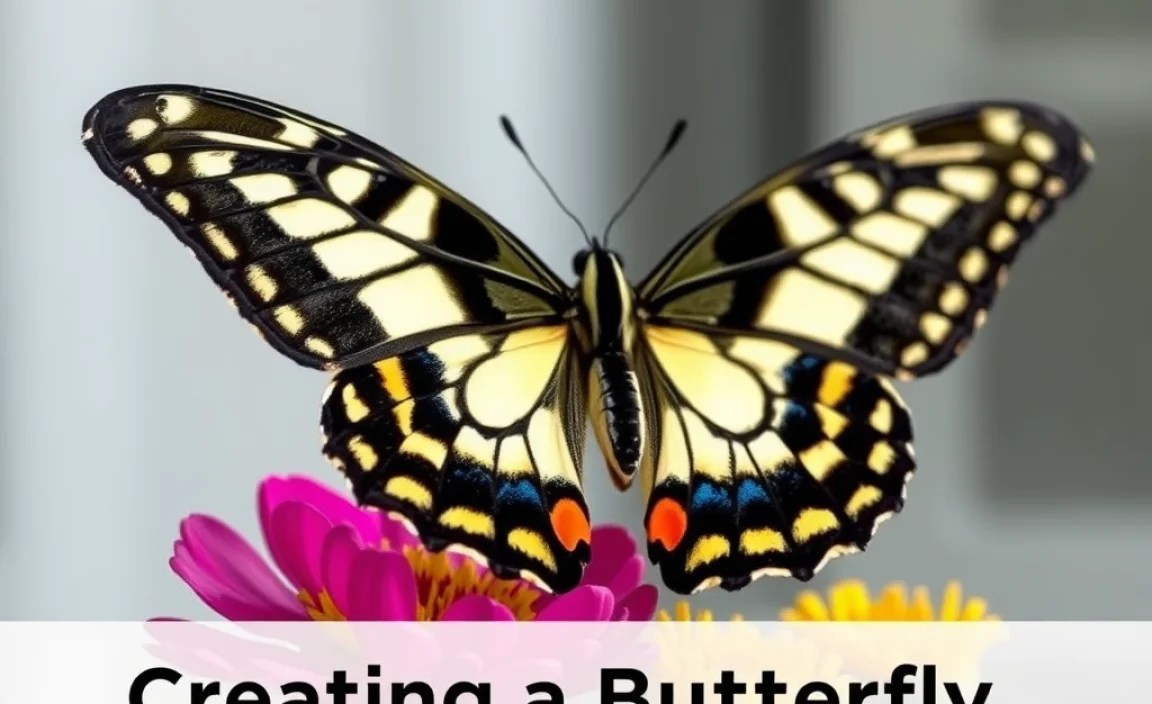
To encourage swallowtail butterflies to pupate in your garden, it’s important to create a butterfly-friendly environment. Here are some tips:
- Plant Host Plants: Plant host plants that swallowtail caterpillars love to eat. Some popular choices include milkweed, dill, parsley, and fennel.
- Avoid Pesticides: Avoid using pesticides in your garden, as they can harm or kill caterpillars and butterflies.
- Provide Shelter: Provide shelter from the elements, such as trees, shrubs, and tall grasses.
- Offer Water: Provide a shallow dish of water with pebbles or marbles for butterflies to drink from.
- Let Nature Take Its Course: Avoid interfering with the pupation process unless absolutely necessary. Let nature take its course, and enjoy watching the transformation unfold.
Troubleshooting Common Issues
Sometimes, things don’t go according to plan during the pupation process. Here are some common issues and how to address them:
Chrysalis Falls Off
If a chrysalis falls off its perch, you can try to reattach it using a small amount of non-toxic glue. Alternatively, you can place it in a secure, breathable container near its original location.
Chrysalis Changes Color Unexpectedly
A sudden color change in the chrysalis can be a sign of illness or parasitism. Unfortunately, there’s not much you can do in this situation, but it’s important to monitor the chrysalis closely.
Butterfly Fails to Emerge
If the butterfly fails to emerge from the chrysalis, it could be due to a variety of factors, such as disease, parasitism, or unfavorable environmental conditions. Again, there’s not much you can do, but it’s important to learn from the experience and try to improve the environment for future butterflies.
Swallowtail Butterfly Pupation: A Detailed Look at Chrysalis Types
Swallowtail butterfly chrysalises come in various shapes and colors, each beautifully adapted to blend with their surroundings. Understanding these differences can help you identify the species and appreciate their unique camouflage strategies.
| Species | Chrysalis Color | Chrysalis Shape | Typical Location |
|---|---|---|---|
| Eastern Black Swallowtail | Green or Brown | Smooth, slightly curved | Stems, leaves, or nearby structures |
| Tiger Swallowtail | Green or Brown | Rounded, with a distinct “horn” shape | Branches, twigs |
| Giant Swallowtail | Brown | Rough, resembling a bird dropping | Branches, tree trunks |
| Spicebush Swallowtail | Green or Brown | Smooth, with a curved shape | Spicebush or sassafras plants |
Frances’s Note: The color variations often depend on the surrounding environment. If the caterpillar pupates in a green area, the chrysalis is more likely to be green. If it’s in a brown area, the chrysalis will likely be brown. This is an amazing example of natural camouflage!
The Role of Temperature and Humidity
Temperature and humidity play crucial roles in the swallowtail butterfly pupation process. These factors can affect the duration of the pupation period, the success rate of emergence, and the overall health of the butterfly.
Temperature
Warmer temperatures generally speed up the pupation process, while cooler temperatures slow it down. The ideal temperature range for pupation is typically between 70°F and 80°F (21°C and 27°C). Extreme temperatures can be harmful or even fatal to the chrysalis.
Frances’s Tip: If you’re raising swallowtail butterflies indoors, you can use a heat mat or a humidifier to maintain the ideal temperature and humidity levels.
Humidity
Humidity is also important for successful pupation. Low humidity can cause the chrysalis to dry out, while high humidity can promote the growth of mold and bacteria. The ideal humidity level is typically between 50% and 70%.
Protecting Chrysalises from Predators
One of the biggest challenges in raising swallowtail butterflies is protecting the chrysalises from predators. Birds, wasps, and other insects can prey on chrysalises, so it’s important to take steps to protect them.
Here are some strategies for protecting chrysalises from predators:
- Netting: Cover the chrysalises with netting to prevent birds and other large predators from reaching them.
- Relocation: If the chrysalis is in a vulnerable location, carefully move it to a safer spot.
- Camouflage: Encourage caterpillars to pupate in areas that offer natural camouflage.
- Monitoring: Regularly check the chrysalises for signs of predation or parasitism.
Frances’s Note: Even with the best protection, some chrysalises will still fall victim to predators. This is a natural part of the ecosystem, but it’s still important to do everything you can to protect these vulnerable creatures.
The Symbolic Meaning of Pupation
Beyond the scientific aspects, the pupation process holds deep symbolic meaning. The transformation from caterpillar to butterfly is often seen as a metaphor for personal growth, change, and spiritual rebirth. Just as the caterpillar undergoes a complete transformation inside the chrysalis, we too can transform ourselves through challenges and self-discovery.
Frances’s Thoughts: For me, witnessing the pupation process is a reminder that change is always possible. Even in the darkest of times, there is always the potential for growth and transformation. The butterfly emerging from its chrysalis is a symbol of hope, resilience, and the beauty of life.
Resources for Further Learning
Want to learn more about swallowtail butterflies and the pupation process? Here are some resources to explore:
- The Xerces Society: This organization offers a wealth of information on butterfly conservation and habitat creation. https://xerces.org/
- National Geographic: Explore articles and videos about butterflies and their life cycles. https://www.nationalgeographic.com/
- Local Butterfly Gardens: Visit a local butterfly garden to see swallowtail butterflies up close and learn from experts.
- Books: Read books about butterfly gardening, identification, and conservation.
Conclusion
The swallowtail butterfly pupation process is a truly remarkable transformation. From the caterpillar’s search for the perfect spot to the butterfly’s grand emergence, each stage is filled with wonder and beauty. By understanding this process, you can create a butterfly-friendly environment in your garden and help these amazing creatures thrive. So, go out there, explore the natural world, and witness the magic of pupation for yourself! You’ll gain a new appreciation for the intricate beauty of nature and the incredible potential for change that exists within all living things. Happy butterfly watching!


