
Butterflies in Himalayan Foothills: A Breathtaking Secret

Quick Summary: Exploring the Himalayan foothills offers a chance to see a dazzling array of butterfly species! This region is a biodiversity hotspot. Key areas include national parks and protected zones. To spot these beauties, visit during the pre-monsoon and post-monsoon seasons. Bring binoculars and a camera, move slowly, and observe their behavior. Remember to respect their habitat! Protecting these fragile creatures and their homes is vital.
Have you ever dreamed of seeing butterflies in a place where snow-capped mountains meet lush green forests? The Himalayan foothills are just that place! It can feel overwhelming to know where to start. But don’t worry. This guide will walk you through everything you need to know to find and appreciate the butterflies in this amazing region. From the best spots to visit to the gear you’ll need, you’ll be ready for an unforgettable butterfly adventure. We’ll even cover how to help protect these delicate creatures. So, let’s begin!
Discovering the Butterflies of the Himalayan Foothills

The Himalayan foothills are a treasure trove of biodiversity, and butterflies are a significant part of this richness. The unique climate and varied altitudes create a perfect environment for a wide range of butterfly species. From the vibrant colors of the Common Bluebottle to the majestic flight of the Himalayan Monarch, the region offers a visual feast for butterfly enthusiasts.
Why the Himalayan Foothills?
The Himalayan foothills are special for several reasons:
- Diverse Habitats: The region includes subtropical forests, temperate zones, and alpine meadows. Each habitat supports different butterfly species.
- Ideal Climate: The moderate temperatures and seasonal rainfall create conditions perfect for butterfly breeding and feeding.
- Rich Flora: The abundance of flowering plants provides nectar sources for adult butterflies and food for caterpillars.
Popular Butterfly Species
Here are some of the butterflies you might encounter:
- Common Bluebottle (Graphium sarpedon): Known for its striking blue bands on black wings.
- Red Helen (Papilio helenus): A large butterfly with red spots on its hindwings.
- Himalayan Monarch (Danaus himalayanus): A majestic butterfly with orange and black markings.
- Indian Red Admiral (Vanessa indica): Recognizable by its red and black patterns.
- Common Leopard (Phalanta phalantha): A vibrant orange butterfly with black spots.
Planning Your Butterfly Expedition
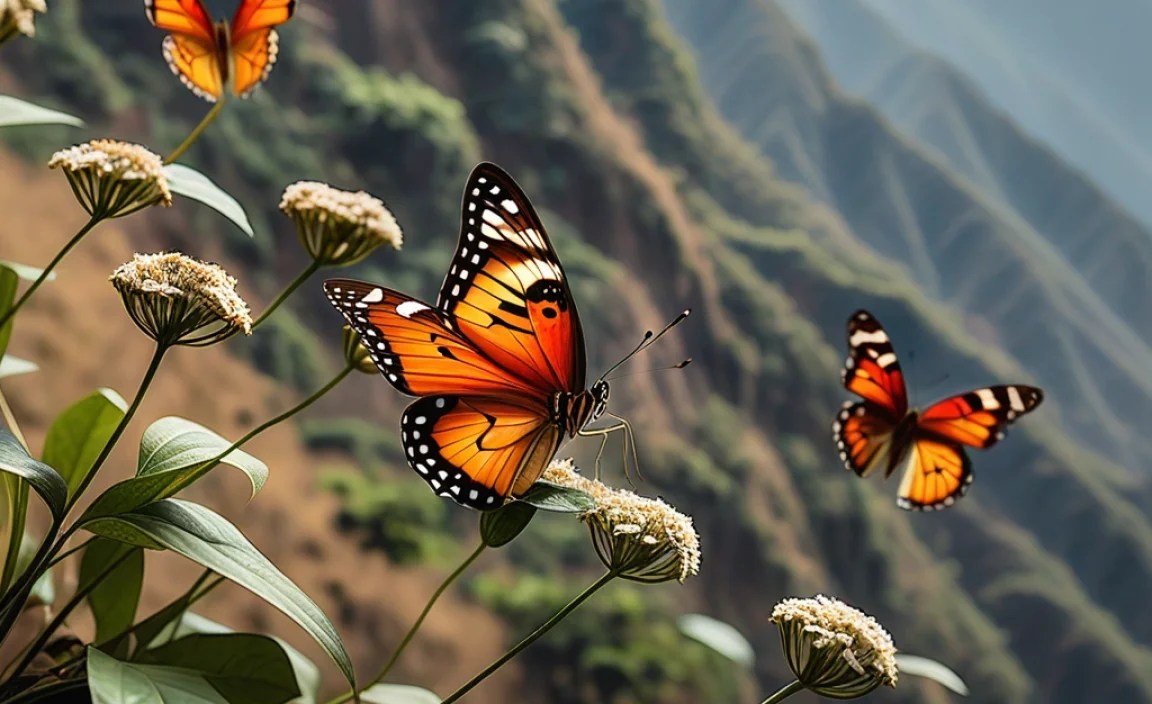
A successful butterfly-watching trip requires careful planning. Here’s how to prepare:
Best Time to Visit
The best times to visit the Himalayan foothills for butterfly watching are:
- Pre-monsoon (March to May): The weather is pleasant, and many butterflies emerge after the winter.
- Post-monsoon (September to November): The landscape is lush, and butterfly activity is high before the cold sets in.
Top Locations
Several locations are renowned for their butterfly populations:
- Nainital, Uttarakhand: Known for its diverse butterfly species in the surrounding hills and forests.
- Mussoorie, Uttarakhand: Offers excellent trails and viewpoints for butterfly watching.
- Dharamshala, Himachal Pradesh: Home to various butterfly species in its lush green areas.
- Darjeeling, West Bengal: Famous for its tea gardens and rich butterfly diversity.
- Eaglenest Wildlife Sanctuary, Arunachal Pradesh: A biodiversity hotspot with a wide array of butterfly species.
Essential Gear
Having the right gear can greatly enhance your experience:
- Binoculars: Essential for observing butterflies from a distance.
- Camera: To capture stunning photos of the butterflies you encounter. A macro lens is helpful for close-up shots.
- Field Guide: A butterfly field guide specific to the Indian subcontinent is invaluable for identification.
- Comfortable Clothing: Wear lightweight, breathable clothing in neutral colors to blend in with the environment.
- Hiking Shoes: Sturdy hiking shoes are important for navigating the trails.
- Water and Snacks: Stay hydrated and energized during your trek.
- Insect Repellent: Protect yourself from mosquitoes and other insects.
- Notebook and Pen: To record your observations and notes.
Butterfly Watching Techniques
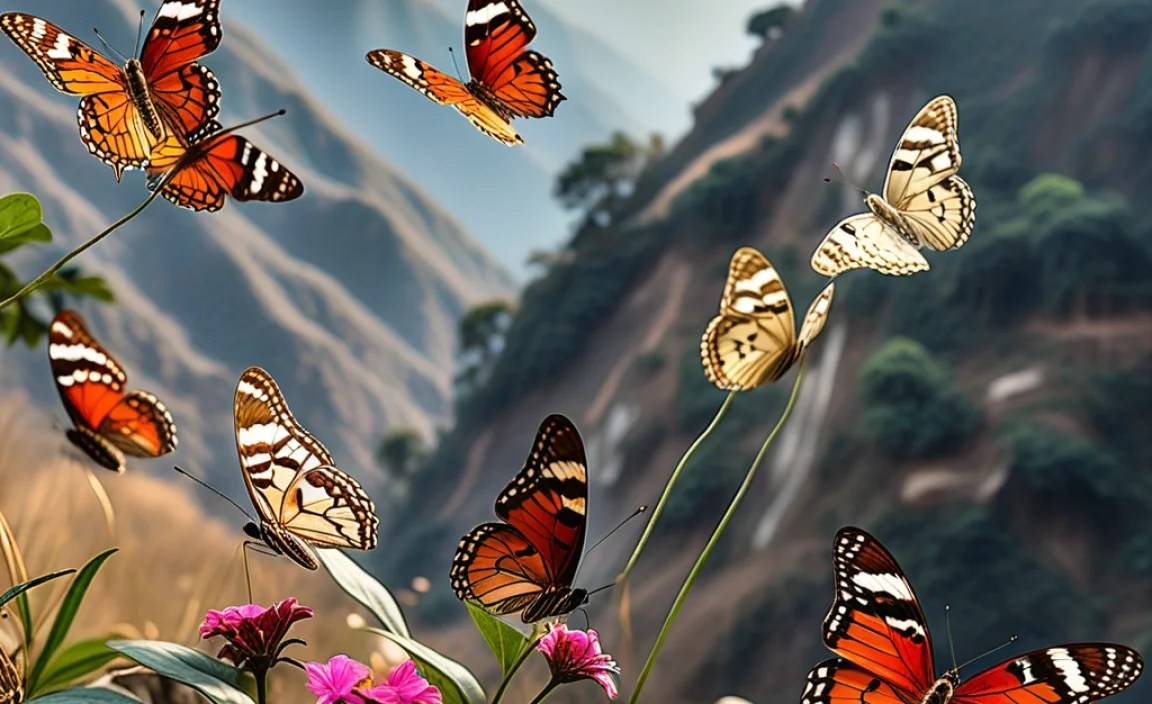
To make the most of your butterfly watching adventure, consider these techniques:
Approaching Butterflies
Butterflies are delicate creatures. Here’s how to approach them without causing disturbance:
- Move Slowly: Avoid sudden movements that might scare them away.
- Stay Quiet: Loud noises can startle butterflies.
- Observe from a Distance: Use binoculars to observe them without getting too close.
Identifying Butterflies
Identifying butterflies can be challenging but rewarding. Here are some tips:
- Note Key Features: Pay attention to size, color, wing patterns, and behavior.
- Use a Field Guide: Compare your observations with the illustrations and descriptions in your field guide.
- Take Photos: Capture clear photos of the butterfly from different angles to aid in identification.
- Consult Experts: If you’re unsure, seek help from experienced butterfly watchers or online forums.
Understanding Butterfly Behavior
Understanding butterfly behavior can help you find and appreciate them:
- Sunbathing: Butterflies often bask in the sun to warm their bodies. Look for them in sunny spots, especially in the morning.
- Nectaring: Butterflies feed on nectar from flowers. Observe them around flowering plants.
- Puddling: Male butterflies gather at puddles to extract minerals and salts. Look for them near wet areas.
- Flight Patterns: Observe their flight patterns, which can vary depending on the species and weather conditions.
Creating a Butterfly-Friendly Garden
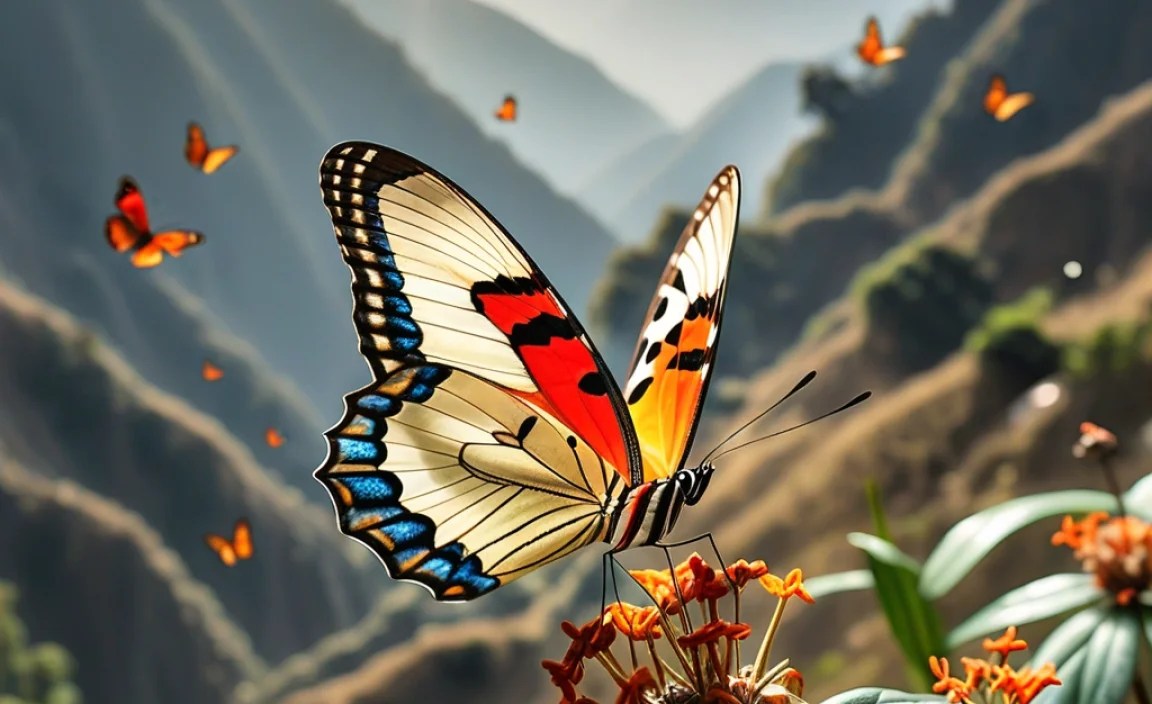
You can attract butterflies to your own garden by creating a butterfly-friendly habitat:
Planting Nectar-Rich Flowers
Choose flowers that provide nectar for adult butterflies:
- Lantana: A popular choice with clusters of colorful flowers.
- Buddleja (Butterfly Bush): Known for attracting a wide variety of butterflies.
- Zinnia: Easy to grow and provides abundant nectar.
- Cosmos: Delicate flowers that attract butterflies and other pollinators.
- Pentas: Star-shaped flowers that bloom continuously.
Providing Host Plants
Caterpillars need specific host plants to feed on. Here are some options:
- Milkweed: The primary host plant for Monarch butterflies.
- Citrus Trees: Host plants for Swallowtail butterflies.
- Dill and Parsley: Host plants for Black Swallowtail butterflies.
- Passionflower Vine: Host plant for Gulf Fritillary butterflies.
- Violet: Host plant for various Fritillary butterflies.
Creating a Water Source
Butterflies need water, but they can’t drink from open water sources. Provide a shallow dish with wet sand or pebbles:
- Shallow Dish: Use a dish that is no more than an inch or two deep.
- Wet Sand or Pebbles: Fill the dish with sand or pebbles and keep them moist.
- Location: Place the dish in a sunny spot where butterflies can easily find it.
Avoiding Pesticides
Pesticides can harm or kill butterflies and other beneficial insects. Avoid using them in your garden:
- Organic Gardening: Use organic methods to control pests and diseases.
- Handpicking: Remove pests by hand whenever possible.
- Beneficial Insects: Encourage beneficial insects like ladybugs and lacewings to control pests.
Butterfly Conservation
Butterflies are facing numerous threats, including habitat loss, climate change, and pesticide use. Here’s how you can help protect them:
Supporting Conservation Organizations
Many organizations are working to protect butterflies and their habitats. Consider supporting them through donations or volunteer work:
- The Xerces Society: A non-profit organization dedicated to protecting invertebrates and their habitats.
- Butterfly Conservation: A UK-based organization focused on conserving butterflies and moths.
- Local Conservation Groups: Support local organizations that are working to protect butterflies in your area.
Promoting Butterfly-Friendly Policies
Advocate for policies that protect butterfly habitats and reduce pesticide use:
- Contact Your Representatives: Let your elected officials know that you support butterfly conservation.
- Support Sustainable Agriculture: Encourage farming practices that minimize pesticide use and protect biodiversity.
- Educate Others: Share your knowledge about butterflies and their importance with others.
Reducing Your Environmental Impact
Take steps to reduce your overall environmental impact, such as:
- Reducing Your Carbon Footprint: Use public transportation, bike, or walk whenever possible.
- Conserving Water: Use water wisely and avoid wasting it.
- Reducing Waste: Recycle and compost to minimize waste.
The Cultural Significance of Butterflies
Butterflies have held symbolic meaning in various cultures throughout history. Understanding these meanings can add another layer of appreciation to these beautiful creatures.
Symbolism in Different Cultures
Here are some common symbolic meanings of butterflies:
- Transformation: Butterflies are often seen as symbols of transformation and rebirth, due to their metamorphosis from caterpillar to butterfly.
- Hope: In many cultures, butterflies represent hope and new beginnings.
- Soul: Some cultures believe that butterflies represent the human soul, either as it leaves the body or as a symbol of immortality.
- Beauty: Butterflies are universally admired for their beauty and grace.
- Freedom: Their ability to fly freely symbolizes freedom and independence.
Butterflies in Art and Literature
Butterflies have inspired artists and writers for centuries. They appear in paintings, poems, and stories as symbols of beauty, transformation, and the ephemeral nature of life.
| Culture | Symbolism | Examples |
|---|---|---|
| Greek | Soul, immortality | Psyche, the goddess of the soul, is often depicted with butterfly wings. |
| Chinese | Love, joy, immortality | Butterflies are often used in Chinese art and literature to represent love and happiness. |
| Japanese | Transformation, joy | Butterflies are often released at weddings to symbolize happiness and a new beginning. |
| Mexican | Souls of the deceased | Monarch butterflies are believed to be the souls of ancestors returning to visit their families during the Day of the Dead. |
Photographing Butterflies
Capturing stunning photos of butterflies can be a rewarding experience. Here are some tips to help you get the best shots:
Equipment
Having the right equipment can make a big difference:
- Camera: A DSLR or mirrorless camera with a macro lens is ideal for capturing close-up shots.
- Macro Lens: A macro lens allows you to focus on small details and capture stunning close-ups.
- Tripod: A tripod can help you keep your camera steady and avoid blurry photos.
- External Flash: An external flash can provide additional light when needed, but use it sparingly to avoid disturbing the butterflies.
Techniques
Here are some techniques to improve your butterfly photography:
- Focus: Use manual focus to ensure that your subject is sharp and clear.
- Aperture: Use a wide aperture (e.g., f/2.8 or f/4) to create a shallow depth of field and blur the background.
- Shutter Speed: Use a fast shutter speed to freeze the motion of the butterfly.
- Composition: Pay attention to composition and try to create visually appealing images. Use the rule of thirds, leading lines, and other compositional techniques.
- Patience: Butterfly photography requires patience. Be prepared to wait for the right moment and be persistent.
Ethical Considerations
It’s important to photograph butterflies ethically and responsibly:
- Avoid Disturbing Butterflies: Do not touch or handle butterflies, and avoid getting too close.
- Respect Their Habitat: Stay on trails and avoid damaging their habitat.
- Do Not Use Baiting Techniques: Avoid using baiting techniques that can disrupt their natural behavior.
The Ecological Importance of Butterflies
Butterflies play a vital role in the ecosystem. Understanding their importance can help you appreciate them even more.
Pollination
Butterflies are important pollinators, helping to transfer pollen from one flower to another. This process is essential for the reproduction of many plants.
Food Source
Butterflies and caterpillars serve as a food source for birds, reptiles, amphibians, and other animals. They are an important part of the food chain.
Indicator Species
Butterflies are sensitive to environmental changes and can serve as indicator species. Their presence or absence can provide valuable information about the health of the ecosystem.
Ecosystem Health
Butterflies contribute to overall ecosystem health by supporting plant reproduction and providing food for other animals. Their presence is an indicator of a healthy and balanced ecosystem.
Frequently Asked Questions (FAQs)
Here are some common questions about butterflies in the Himalayan foothills:
What is the best time of year to see butterflies in the Himalayan foothills?
The best times are pre-monsoon (March to May) and post-monsoon (September to November). The weather is pleasant, and butterfly activity is high.
Where are the best places to go butterfly watching in the Himalayan foothills?
Top locations include Nainital, Mussoorie, Dharamshala, Darjeeling, and Eaglenest Wildlife Sanctuary.
What gear do I need for butterfly watching?
Essential gear includes binoculars, a camera, a field guide, comfortable clothing, hiking shoes, water, snacks, and insect repellent.
How can I attract butterflies to my garden?
Plant nectar-rich flowers and host plants, provide a water source, and avoid using pesticides.
How can I help protect butterflies?
Support conservation organizations, promote butterfly-friendly policies, and reduce your environmental impact.
What do butterflies eat?
Adult butterflies primarily feed on nectar from flowers. Caterpillars feed on the leaves of specific host plants.
Are butterflies important for the environment?
Yes, butterflies are important pollinators, a food source for other animals, and indicators of ecosystem health.
Conclusion
Exploring the butterflies in the Himalayan foothills is an enriching experience that connects you with nature’s beauty. By understanding their habitats, behaviors, and conservation needs, you can become an advocate for these delicate creatures. Whether you’re a seasoned naturalist or a curious beginner, the world of butterflies offers endless opportunities for discovery and appreciation. So, grab your binoculars, pack your field guide, and embark on an adventure to witness the magical world of butterflies in the Himalayan foothills. Every small action counts towards ensuring these beautiful creatures continue to thrive for generations to come.


