
European Butterflies Citizen Science: Easy ID Guide

Quick Summary: Want to help European butterflies? Citizen science projects let you contribute valuable data on butterfly populations and habitats. You can participate by recording sightings, monitoring butterfly gardens, or joining organised surveys. Your observations help scientists track changes, understand butterfly behaviour, and protect these important pollinators.
Butterflies are beautiful, but they’re also vital indicators of environmental health. Unfortunately, many butterfly populations in Europe are facing challenges due to habitat loss, climate change, and pesticide use. You might feel helpless, but there’s a way you can make a real difference! Citizen science projects empower you to become a butterfly researcher and contribute to their conservation. It’s easier than you think, and it’s a fun way to connect with nature.
This guide will walk you through everything you need to know to get involved in European butterfly citizen science. We’ll explore different projects, explain how to collect data, and show you how your contributions can help protect these amazing creatures. Let’s get started!
Why European Butterflies Need Our Help

European butterflies are facing significant threats, and their decline has serious implications for the environment. Understanding these challenges is the first step towards effective conservation.
Threats to Butterfly Populations
- Habitat Loss: The destruction and fragmentation of natural habitats, such as meadows and woodlands, are major drivers of butterfly decline. Agriculture, urban development, and deforestation all contribute to this problem.
- Climate Change: Changing weather patterns, including increased temperatures and altered rainfall, can disrupt butterfly life cycles and shift their ranges. Some species may struggle to adapt to these changes.
- Pesticide Use: Insecticides and herbicides used in agriculture and gardens can directly harm butterflies and their caterpillars, reducing their populations.
- Pollution: Air and water pollution can degrade butterfly habitats and affect their food sources.
The Importance of Butterflies
Butterflies are more than just pretty insects; they play a crucial role in the ecosystem:
- Pollination: Butterflies are important pollinators, helping to fertilise plants and ensure the production of fruits, vegetables, and seeds.
- Food Source: They serve as a food source for birds, bats, and other animals.
- Indicators of Environmental Health: Butterfly populations are sensitive to environmental changes, making them valuable indicators of the health of ecosystems. A decline in butterfly numbers can signal broader environmental problems.
What is Citizen Science?
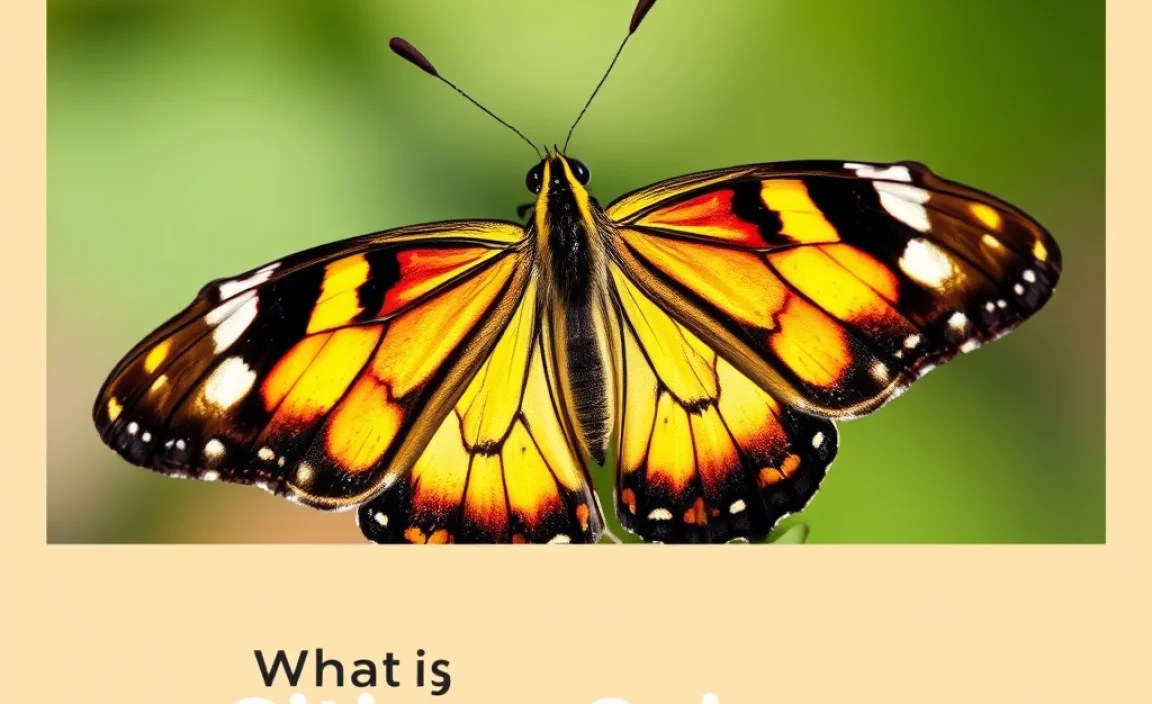
Citizen science involves the public in scientific research. Volunteers work with scientists to collect, analyse, and interpret data. This collaborative approach expands the scope of research and increases public awareness of scientific issues.
Benefits of Citizen Science
- Data Collection: Citizen scientists can gather data over large geographic areas and long time periods, which would be impossible for professional scientists to do alone.
- Increased Awareness: Participation in citizen science projects raises public awareness of environmental issues and promotes conservation efforts.
- Educational Opportunities: Citizen science provides valuable learning experiences for participants, enhancing their understanding of science and nature.
- Cost-Effective Research: By leveraging volunteer efforts, citizen science reduces the cost of research, making it possible to study a wider range of topics.
Getting Involved in European Butterfly Citizen Science

There are many ways to participate in European butterfly citizen science. Here’s a step-by-step guide to get you started:
Step 1: Find a Project
Several citizen science projects focus on European butterflies. Here are a few popular options:
- Butterfly Monitoring Scheme (BMS): Many European countries have their own BMS, coordinated nationally but relying on local volunteers. Search for “[Your Country] Butterfly Monitoring Scheme” to find the relevant organisation. These schemes typically involve regular counts of butterflies along fixed routes.
- iNaturalist: This global platform allows you to record and share observations of any living organism, including butterflies. Your sightings contribute to a vast database used by scientists and conservationists. Learn more about iNaturalist.
- eButterfly: A web and mobile app designed for butterfly enthusiasts to record their sightings, track butterfly populations, and contribute to conservation efforts. While primarily focused on North America, data from Europe is also valuable. Explore eButterfly.
- Project Noah: Similar to iNaturalist, Project Noah is a platform for sharing wildlife sightings and connecting with other nature enthusiasts.
Step 2: Choose a Project That Suits You
Consider your interests, skills, and available time when selecting a project:
- Time Commitment: Some projects require regular monitoring, while others allow you to contribute occasional sightings.
- Location: Choose a project that focuses on butterflies in your region or an area you frequently visit.
- Skill Level: Some projects require advanced butterfly identification skills, while others are suitable for beginners.
Step 3: Learn About Butterfly Identification
Accurate butterfly identification is crucial for citizen science projects. Here are some resources to help you learn:
- Field Guides: Purchase a field guide specific to European butterflies. These guides provide detailed descriptions and illustrations to help you identify different species.
- Online Resources: Websites like Butterfly Conservation and local butterfly organisations offer identification guides, photos, and videos.
- Workshops and Events: Attend butterfly identification workshops or field trips organised by local nature groups or conservation organisations.
Step 4: Gather the Necessary Equipment
Depending on the project, you may need some basic equipment:
- Notebook and Pen: To record your observations.
- Camera or Smartphone: To take photos of butterflies for identification and documentation.
- Binoculars: To get a closer look at butterflies without disturbing them.
- Butterfly Net (Optional): For capturing butterflies for closer examination, but only if you are trained and the project requires it. Always handle butterflies with care and release them promptly.
- GPS Device or Smartphone App: To record the location of your sightings.
Step 5: Start Collecting Data
Follow the specific instructions provided by the citizen science project you have chosen. Here are some general guidelines:
- Record the Date, Time, and Location: Accurate location data is essential for tracking butterfly distributions.
- Identify the Butterfly Species: Use your field guide or online resources to identify the butterfly. If you are unsure, take a photo and submit it to the project for verification.
- Record the Number of Individuals: Count the number of butterflies you see.
- Note the Butterfly’s Behavior: Observe what the butterfly is doing, such as feeding, flying, or resting.
- Describe the Habitat: Note the type of habitat where you observed the butterfly, such as a meadow, woodland, or garden.
Step 6: Submit Your Data
Follow the project’s instructions for submitting your data. This may involve entering your observations into an online database, sending in paper forms, or using a mobile app.
Popular European Butterfly Citizen Science Projects

Let’s take a closer look at some specific citizen science projects focusing on European butterflies:
Butterfly Monitoring Scheme (BMS)
The BMS is a long-running project that monitors butterfly populations across Europe. Volunteers walk fixed routes (transects) at regular intervals and record the butterflies they see.
Key Features of BMS:
- Standardised Methodology: Ensures data is comparable across different sites and years.
- Long-Term Data: Provides valuable insights into butterfly population trends.
- National Coordination: Each country has its own BMS, coordinated by national organisations.
How to Participate:
- Find your country’s BMS organisation (e.g., “UK Butterfly Monitoring Scheme”).
- Contact the organisation to register as a volunteer.
- Receive training on butterfly identification and monitoring protocols.
- Choose a transect to monitor and conduct regular surveys.
- Submit your data to the BMS database.
iNaturalist
iNaturalist is a global platform where you can record and share observations of any living organism, including butterflies. Your sightings contribute to a vast database used by scientists and conservationists.
Key Features of iNaturalist:
- Easy to Use: The iNaturalist app makes it simple to record observations in the field.
- Photo Identification: The app can suggest identifications based on your photos.
- Community Support: Experts and other users can help verify your identifications.
How to Participate:
- Download the iNaturalist app or visit the iNaturalist website.
- Create an account.
- Take photos of butterflies and upload them to iNaturalist.
- Add information about the date, time, and location of your sighting.
- Submit your observation and wait for it to be identified by the community.
eButterfly
eButterfly is a web and mobile app designed specifically for butterfly enthusiasts. It allows you to record your sightings, track butterfly populations, and contribute to conservation efforts.
Key Features of eButterfly:
- Butterfly-Specific: Focused exclusively on butterflies, making it easy to find and identify species.
- Mapping Tools: Provides maps showing butterfly distributions and flight periods.
- Community Engagement: Connect with other butterfly enthusiasts and share your observations.
How to Participate:
- Visit the eButterfly website or download the app.
- Create an account.
- Record your butterfly sightings, including the date, time, location, and species.
- Submit your data to the eButterfly database.
Tips for Successful Butterfly Citizen Science
Here are some tips to help you make the most of your butterfly citizen science experience:
- Practice Butterfly Identification: The more familiar you are with different butterfly species, the more accurate your data will be.
- Take Clear Photos: Good quality photos are essential for verifying your identifications.
- Be Patient: Butterflies can be elusive, so be prepared to spend time searching for them.
- Be Respectful of Nature: Avoid disturbing butterflies or their habitats.
- Follow the Project’s Guidelines: Each project has its own specific protocols, so be sure to follow them carefully.
- Share Your Enthusiasm: Encourage others to get involved in butterfly citizen science.
Benefits of Participating in Butterfly Citizen Science
Participating in butterfly citizen science is a rewarding experience that benefits both you and the butterflies:
- Contribute to Conservation: Your data helps scientists track butterfly populations and develop effective conservation strategies.
- Learn About Nature: You’ll gain a deeper understanding of butterfly ecology and the importance of biodiversity.
- Connect with Nature: Spending time outdoors searching for butterflies is a great way to connect with the natural world.
- Meet New People: You’ll have the opportunity to meet other nature enthusiasts and learn from their experiences.
- Make a Difference: You’ll know that you are making a real difference in protecting these beautiful and important creatures.
Examples of Citizen Science Impact
Citizen science has already made a significant impact on butterfly conservation in Europe. Here are a few examples:
- Tracking Butterfly Declines: Citizen science data has revealed declines in many butterfly species, highlighting the need for conservation action.
- Identifying Important Habitats: Citizen science data has helped identify important butterfly habitats that need protection.
- Evaluating Conservation Efforts: Citizen science data has been used to evaluate the effectiveness of conservation measures, such as habitat restoration projects.
Tools and Resources for Butterfly Citizen Scientists
Here are some useful tools and resources for butterfly citizen scientists:
| Tool/Resource | Description | Link |
|---|---|---|
| Field Guides | Books with detailed descriptions and illustrations of European butterflies. | Search online bookstores for “European butterfly field guide” |
| Butterfly Conservation Website | Provides information on butterfly identification, conservation, and citizen science projects. | Butterfly Conservation |
| iNaturalist App | A mobile app for recording and sharing observations of living organisms. | iNaturalist |
| eButterfly App | A mobile app for recording and tracking butterfly sightings. | eButterfly |
| Local Butterfly Organisations | Offer workshops, field trips, and other resources for butterfly enthusiasts. | Search online for “butterfly organisation [your region]” |
FAQ About European Butterfly Citizen Science
Here are some frequently asked questions about European butterfly citizen science:
- What if I can’t identify a butterfly?
- No problem! Take a clear photo and upload it to iNaturalist or eButterfly. The community can help you identify it. Also, many projects offer training and resources to help you improve your identification skills.
- Do I need to be an expert to participate?
- No, you don’t need to be an expert! Many projects are designed for beginners and provide training and support. The most important thing is to be enthusiastic and willing to learn.
- How much time do I need to commit?
- The time commitment varies depending on the project. Some projects require regular monitoring, while others allow you to contribute occasional sightings. Choose a project that fits your schedule.
- What equipment do I need?
- At a minimum, you’ll need a notebook, pen, and a camera or smartphone. Binoculars and a butterfly net (if permitted by the project) can also be helpful.
- Is it safe to handle butterflies?
- If you need to handle butterflies, do so gently and carefully. Avoid touching their wings, as this can damage them. Always release butterflies promptly after observation.
- Where can I find butterfly citizen science projects in my area?
- Search online for “butterfly citizen science [your country/region]” or contact your local nature conservation organisation.
- How does my data help butterflies?
- Your data helps scientists track butterfly populations, identify important habitats, and evaluate the effectiveness of conservation efforts. This information is used to develop strategies to protect butterflies and their habitats.
Conclusion
European butterflies are facing serious challenges, but you can help! By participating in citizen science projects, you can contribute valuable data that will help protect these amazing creatures. Whether you’re a beginner or an experienced butterfly enthusiast, there’s a project for you. So grab your field guide, download an app, and get ready to explore the wonderful world of European butterflies!
Your observations, combined with the efforts of other citizen scientists, can make a real difference in ensuring the survival of these vital pollinators for generations to come. Every sighting counts, and every effort matters. Let’s work together to protect European butterflies and the ecosystems they call home.


