
Butterfly Time Series Data: Powerful Insights Now

Tracking butterfly populations over time, using butterfly time series data, reveals important trends about their health and the environment. This data, collected through regular counts, helps scientists understand how butterflies are affected by climate change, habitat loss, and other factors. By analyzing these trends, we can take action to protect these vital pollinators and their habitats.
Have you ever wondered how butterflies are doing in your area? Or how their numbers change from year to year? Understanding butterfly populations is more important than ever, especially with all the changes happening in our world. It might seem complicated, but tracking butterflies through time series data is a fascinating way to learn about their lives and the health of our environment. Don’t worry, we’ll break it down into simple steps, so you can easily understand and even contribute to butterfly conservation!
In this article, we will explore what butterfly time series data is, why it’s important, and how you can get involved in collecting and understanding this valuable information. We’ll also look at the tools and techniques used to analyze butterfly populations and how this knowledge can help us protect these beautiful creatures.
What is Butterfly Time Series Data?
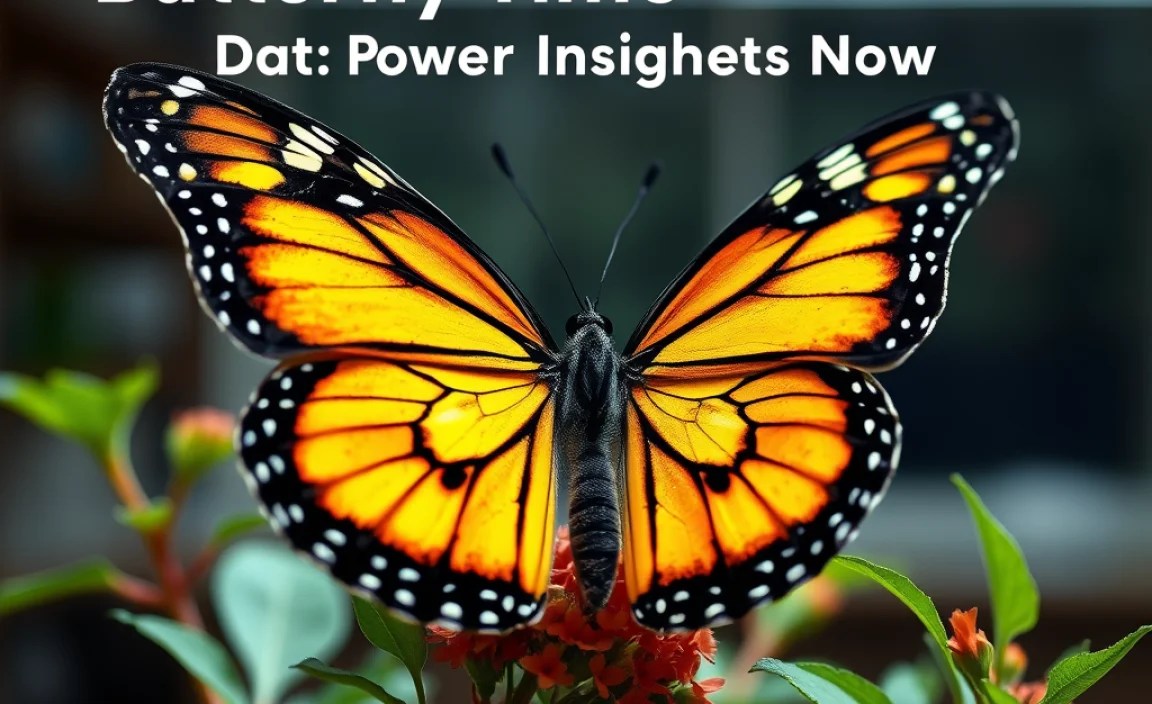
Butterfly time series data is a series of observations of butterfly populations recorded over a period. This can include weekly, monthly, or annual counts of different butterfly species in a specific location. These observations help us understand population trends and patterns over time.
Think of it like keeping a diary of butterfly sightings. Each entry includes the date, location, and number of butterflies you saw. When you put all these entries together, you get a time series that shows how the butterfly population has changed over time.
Why is Butterfly Time Series Data Important?
This data is crucial for several reasons:
- Monitoring Population Health: It helps us track whether butterfly populations are increasing, decreasing, or staying stable.
- Understanding Environmental Impacts: Changes in butterfly populations can indicate the impact of climate change, habitat loss, and pollution.
- Guiding Conservation Efforts: By identifying species in decline, we can focus conservation efforts where they are most needed.
- Predicting Future Trends: Analyzing past data can help us predict future population trends and plan accordingly.
Examples of Butterfly Time Series Data
Here are a few examples of how butterfly time series data is used:
- Annual Butterfly Counts: Many organizations conduct annual butterfly counts where volunteers record the number of butterflies they see in a specific area.
- Long-Term Monitoring Programs: Some research projects involve regular monitoring of butterfly populations over many years to track long-term trends.
- Citizen Science Projects: Platforms like iNaturalist allow anyone to contribute butterfly sightings, creating valuable time series data.
Collecting Butterfly Time Series Data: A Step-by-Step Guide

Collecting butterfly time series data is easier than you might think. Here’s a step-by-step guide to get you started:
Step 1: Choose a Location
Select a location where you can regularly observe butterflies. This could be your garden, a local park, or a nature reserve. It’s important to choose a spot you can visit consistently.
Step 2: Gather Your Supplies
You’ll need a few basic supplies:
- Notebook and Pen: To record your observations.
- Butterfly Identification Guide: To help you identify different species.
- Camera: To take photos for later identification if needed.
- Binoculars: To get a closer look at butterflies from a distance.
- GPS Device or Smartphone: To record the exact location of your observations (optional).
Step 3: Learn to Identify Butterflies
Being able to identify different butterfly species is crucial for collecting accurate data. Use a butterfly identification guide or online resources to learn about the butterflies in your area.
Here are some excellent resources for butterfly identification:
- Butterflies and Moths of North America (BAMONA): A comprehensive website with photos and information on North American butterflies and moths (butterfliesandmoths.org).
- Local Field Guides: Many regions have specific field guides that cover the butterflies in that area.
- iNaturalist: A platform where you can submit photos of butterflies and get help with identification from other users (inaturalist.org).
Step 4: Conduct Regular Counts
Visit your chosen location regularly (e.g., weekly or monthly) and count the number of butterflies you see. Try to visit at the same time of day and under similar weather conditions each time to minimize variability.
Here are some tips for conducting accurate counts:
- Choose a Sunny Day: Butterflies are most active on sunny days.
- Walk a Consistent Route: Follow the same path each time to ensure you’re covering the same area.
- Count Carefully: Avoid double-counting butterflies by keeping track of their movements.
- Record All Species: Note down every species you see, even if it’s just a single individual.
Step 5: Record Your Data
Record your observations in your notebook or a digital spreadsheet. Include the following information:
- Date and Time: When the observation was made.
- Location: Where the observation took place (GPS coordinates if possible).
- Species: The type of butterfly observed.
- Number of Individuals: How many of each species were seen.
- Weather Conditions: Temperature, cloud cover, wind speed, etc.
- Notes: Any additional information, such as butterfly behavior or habitat details.
Here’s an example of how you might record your data:
| Date | Time | Location | Species | Number | Weather | Notes |
|---|---|---|---|---|---|---|
| 2024-07-15 | 10:00 AM | Garden | Monarch | 5 | Sunny, 25°C | Observed feeding on milkweed |
| 2024-07-15 | 10:00 AM | Garden | Swallowtail | 3 | Sunny, 25°C | Flying near flowers |
| 2024-07-22 | 10:00 AM | Garden | Monarch | 8 | Sunny, 27°C | More monarchs than last week |
Step 6: Submit Your Data
Consider submitting your data to a citizen science project or research organization. This helps contribute to a larger dataset and can provide valuable insights into butterfly populations. Some popular platforms include:
- iNaturalist: A platform for sharing biodiversity observations (inaturalist.org).
- eButterfly: A project focused on butterfly monitoring and conservation (e-butterfly.org).
- Local Butterfly Monitoring Programs: Many regions have their own butterfly monitoring programs that you can participate in.
Analyzing Butterfly Time Series Data

Once you’ve collected your data, the next step is to analyze it. This can involve simple visual analysis or more complex statistical methods. Here are some common techniques:
Visual Analysis
The easiest way to start analyzing your data is by creating graphs and charts. This can help you see trends and patterns at a glance.
- Line Graphs: Plot the number of butterflies over time to see how the population changes.
- Bar Charts: Compare the number of butterflies between different years or seasons.
- Scatter Plots: Look for relationships between butterfly populations and environmental factors like temperature or rainfall.
For example, you could create a line graph showing the number of Monarch butterflies observed each month over a year. This would help you see when the Monarch population peaks and declines.
Statistical Analysis
For more in-depth analysis, you can use statistical methods to identify significant trends and patterns. Some common techniques include:
- Regression Analysis: To determine the relationship between butterfly populations and environmental variables.
- Time Series Decomposition: To separate the data into different components, such as trend, seasonality, and random variation.
- Change Point Analysis: To identify points in time where the population trend changes significantly.
Tools like R, Python, and specialized statistical software can be used for these analyses. If you’re new to statistical analysis, there are many online resources and tutorials available to help you get started.
Tools for Analyzing Butterfly Time Series Data
Here are some tools that can help you analyze butterfly time series data:
- R: A powerful statistical programming language with many packages for time series analysis (r-project.org).
- Python: A versatile programming language with libraries like Pandas and Matplotlib for data analysis and visualization (python.org).
- Excel: A spreadsheet program that can be used for basic data analysis and graphing.
- специализированное программное обеспечение для анализа временных рядов: Программы, такие как SAS и SPSS, предлагают расширенные возможности для анализа временных рядов.
Using Butterfly Time Series Data for Conservation

The ultimate goal of collecting and analyzing butterfly time series data is to inform and improve conservation efforts. Here are some ways this data can be used:
Identifying At-Risk Species
By tracking butterfly populations over time, we can identify species that are declining and may be at risk of extinction. This allows conservation organizations to prioritize their efforts and focus on protecting the most vulnerable species.
Assessing the Impact of Conservation Actions
Time series data can be used to evaluate the effectiveness of conservation actions. For example, if a new habitat restoration project is implemented, we can track butterfly populations in the area to see if they increase over time.
Predicting Future Trends
Analyzing past data can help us predict how butterfly populations will respond to future environmental changes. This allows us to proactively plan for conservation and mitigate potential threats.
Educating the Public
Sharing butterfly time series data with the public can raise awareness about the importance of butterfly conservation and inspire people to take action. This can involve creating educational materials, giving presentations, or organizing community events.
Challenges and Considerations

While butterfly time series data is incredibly valuable, there are some challenges and considerations to keep in mind:
- Data Quality: Ensuring the accuracy and consistency of data is crucial. This requires careful training of volunteers and standardized data collection protocols.
- Environmental Factors: Butterfly populations are influenced by many environmental factors, such as weather, habitat, and food availability. It’s important to consider these factors when analyzing the data.
- Long-Term Commitment: Collecting meaningful time series data requires a long-term commitment. It takes many years to track population trends and understand the impact of environmental changes.
- Funding and Resources: Conducting butterfly monitoring programs requires funding and resources. This can be a challenge for many organizations.
Despite these challenges, the benefits of collecting and analyzing butterfly time series data far outweigh the costs. By working together, we can gather the information needed to protect these beautiful and important creatures.
FAQ About Butterfly Time Series Data
What is butterfly monitoring?
Butterfly monitoring involves regularly counting butterflies in a specific area to track changes in their populations over time. It helps us understand how butterflies are doing and how the environment is affecting them.
Why should I participate in butterfly monitoring?
Participating in butterfly monitoring helps scientists and conservationists understand butterfly populations. Your data can contribute to important research and conservation efforts.
What equipment do I need for butterfly monitoring?
You’ll need a notebook, pen, butterfly identification guide, and a camera. Binoculars and a GPS device can also be helpful.
How often should I monitor butterflies?
Ideally, you should monitor butterflies at least once a week during the butterfly season in your area. Consistency is key for collecting useful data.
Where can I submit my butterfly data?
You can submit your data to platforms like iNaturalist, eButterfly, or local butterfly monitoring programs.
What if I can’t identify a butterfly species?
Take a photo of the butterfly and use a butterfly identification guide or online resources to help you identify it. You can also ask for help from other butterfly enthusiasts on platforms like iNaturalist.
How does climate change affect butterfly populations?
Climate change can affect butterfly populations by altering their habitats, food sources, and life cycles. Monitoring butterfly populations helps us understand and respond to these impacts.
Conclusion
Butterfly time series data is a powerful tool for understanding and protecting these vital pollinators. By collecting and analyzing this data, we can track population trends, assess the impact of environmental changes, and guide conservation efforts. Whether you’re a seasoned naturalist or a beginner, there are many ways you can get involved in butterfly monitoring and contribute to this important work.
So, grab your notebook, head out to your garden or a local park, and start counting butterflies! Your observations can make a real difference in helping us protect these beautiful creatures for future generations. Every data point, every sighting, adds to our understanding and strengthens our ability to advocate for butterfly conservation. Let’s work together to ensure a vibrant future for butterflies and the ecosystems they support.


