
Butterfly Conservation Projects: Amazing Impact!

Butterfly Conservation Projects: A Beginner’s Guide
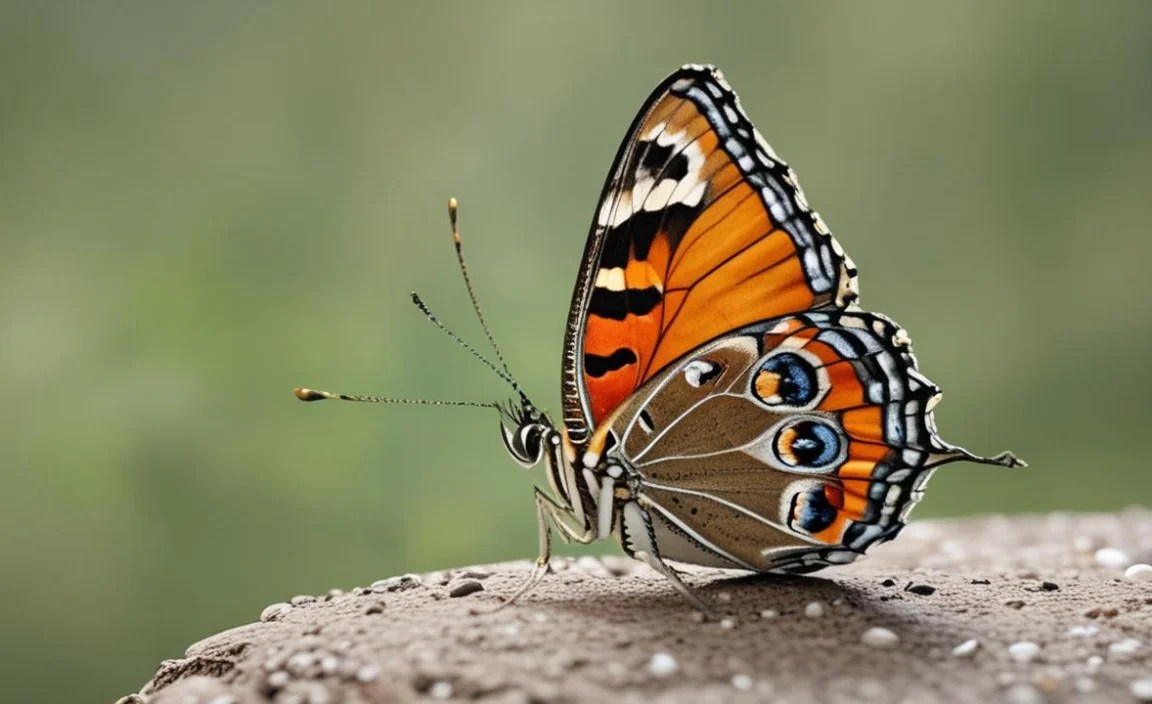
Want to help save butterflies? You can! Butterfly conservation projects focus on protecting these beautiful insects and their habitats. Whether it’s planting butterfly gardens, monitoring populations, or supporting conservation organizations, every action makes a difference. Let’s explore how you can get involved and help butterflies thrive!
Butterflies are more than just pretty faces; they’re vital to our ecosystems. Sadly, many butterfly species are in decline due to habitat loss, pesticide use, and climate change. It might feel overwhelming, but don’t worry! This guide will walk you through simple yet effective ways to participate in butterfly conservation projects. From creating your own butterfly oasis to contributing to citizen science, you’ll discover how rewarding it is to protect these delicate creatures. Ready to make a difference? Let’s begin!
Why Butterfly Conservation Matters
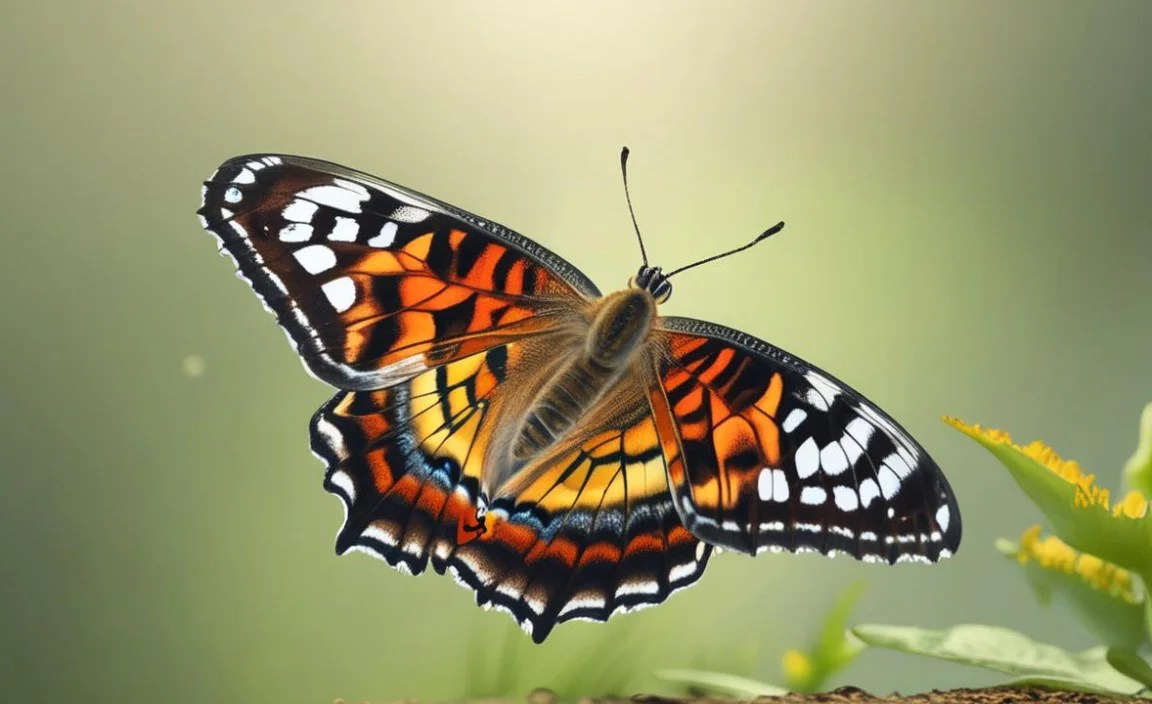
Butterflies play a crucial role in our environment. They are pollinators, just like bees, helping to spread pollen from flower to flower, which is essential for plant reproduction and the health of our ecosystems. Butterflies are also an important part of the food chain, serving as a food source for birds, reptiles, and other insects.
Unfortunately, butterfly populations are declining worldwide. Habitat loss, caused by deforestation, urbanization, and agricultural expansion, is a major threat. Pesticide use also harms butterflies directly, and climate change disrupts their life cycles and habitats. Without conservation efforts, many butterfly species could disappear, leading to a decline in plant diversity and affecting the entire ecosystem.
Getting Started with Butterfly Conservation
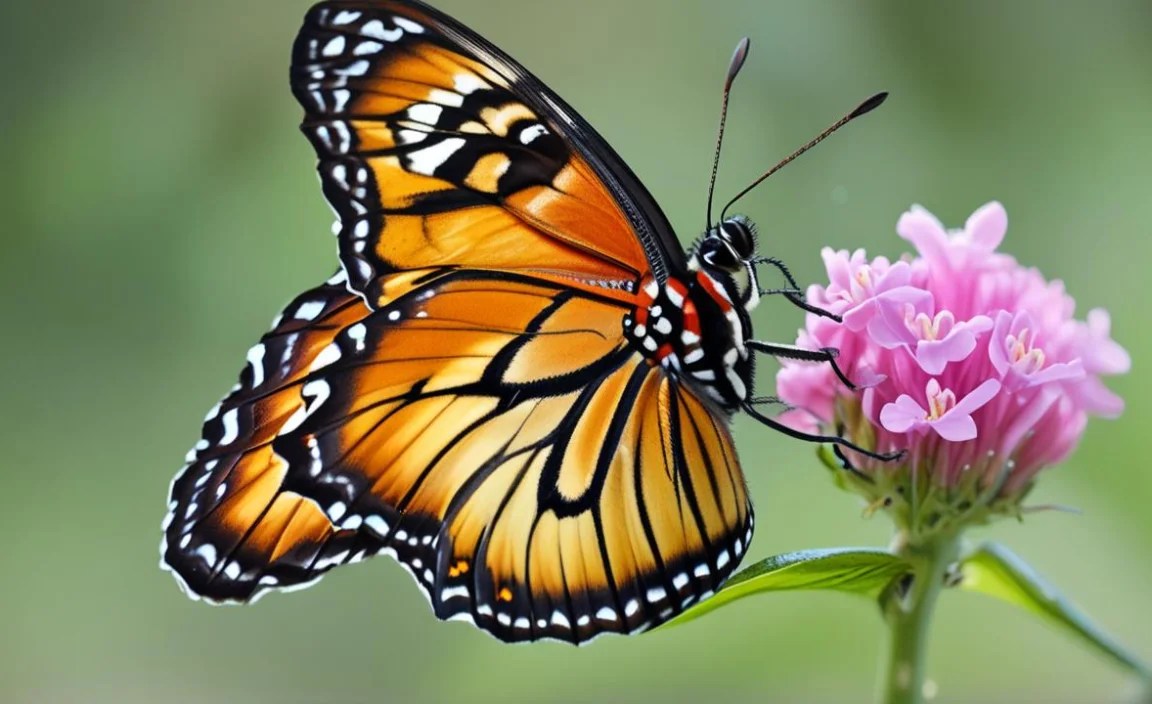
Butterfly conservation can start right in your backyard! Here are several ways you can contribute to butterfly conservation projects:
- Creating a butterfly garden.
- Participating in citizen science projects.
- Supporting conservation organizations.
- Advocating for butterfly-friendly policies.
Let’s dive deeper into each of these areas.
Creating a Butterfly Garden
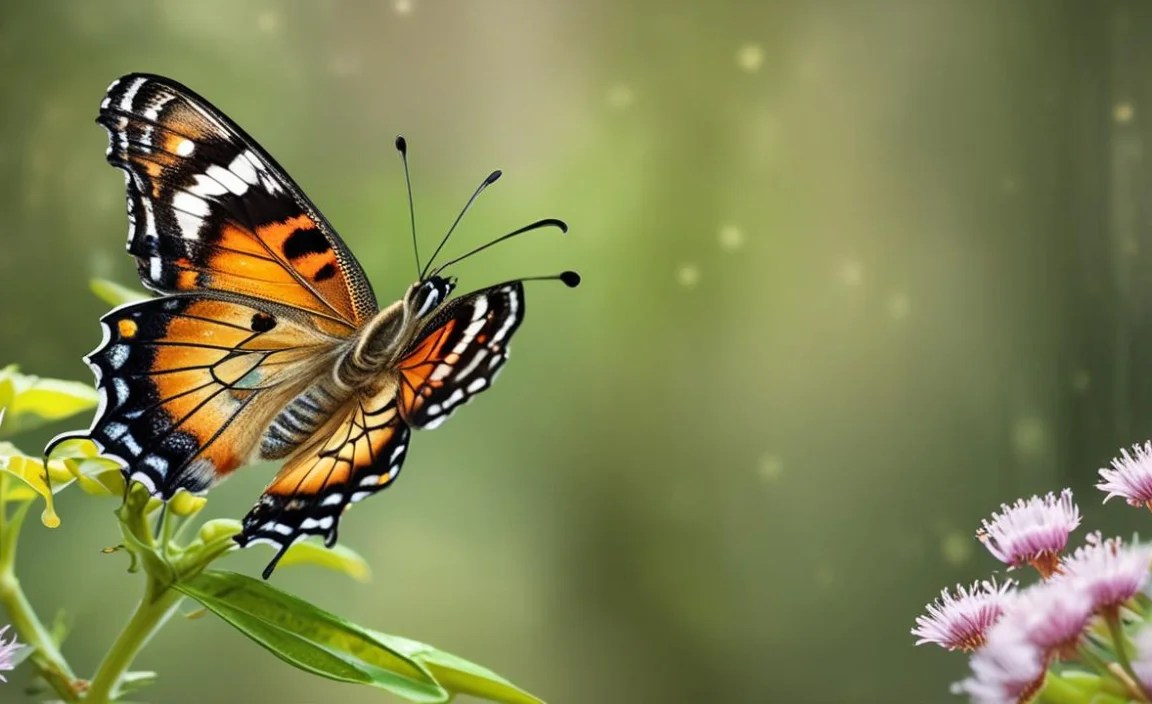
One of the most rewarding ways to help butterflies is by creating a butterfly garden. This involves planting specific flowers and plants that provide food and shelter for butterflies at different stages of their lives. Here’s how to create your own butterfly garden:
1. Choose the Right Location
Butterflies need sunshine and shelter. Select a spot in your yard that gets at least six hours of sunlight per day. Also, choose a location that is protected from strong winds. A south-facing location is ideal, as it will warm up quickly in the morning.
2. Select Host Plants
Host plants are essential for butterfly larvae (caterpillars). These are the plants that caterpillars feed on. Different butterfly species have different host plant preferences. Here are a few examples:
- Monarch butterflies: Milkweed (Asclepias species)
- Black Swallowtail butterflies: Parsley, dill, fennel, carrot tops
- Spicebush Swallowtail butterflies: Spicebush, sassafras
- Gulf Fritillary butterflies: Passionflower vines
Planting a variety of host plants will attract a wider range of butterfly species to your garden.
3. Select Nectar Plants
Nectar plants provide food for adult butterflies. Choose plants that bloom at different times of the year to provide a continuous source of nectar throughout the butterfly season. Here are some popular nectar plants:
- Spring: Phlox, lilac, dandelion
- Summer: Butterfly bush (Buddleja davidii), zinnias, coneflowers (Echinacea), bee balm (Monarda)
- Fall: Asters, sedum, goldenrod
Choose a variety of colors and flower shapes to attract different butterfly species. Butterflies are particularly attracted to red, orange, yellow, and purple flowers.
4. Provide Water
Butterflies need water, but they can’t drink from open water sources like bird baths because they can easily drown. Instead, provide a shallow dish filled with water and pebbles or marbles. The butterflies can land on the pebbles and drink safely.
5. Avoid Pesticides
Pesticides can harm or kill butterflies and other beneficial insects. Avoid using pesticides in your butterfly garden. If you must use them, choose organic options and apply them carefully, avoiding spraying directly on butterfly host or nectar plants.
6. Provide Shelter
Butterflies need shelter from wind and predators. Plant shrubs and trees around your butterfly garden to provide windbreaks and hiding places. You can also create a butterfly house, although butterflies are more likely to use natural shelters.
7. Maintain Your Garden
Keep your butterfly garden healthy by watering regularly, weeding, and deadheading spent flowers. Add compost or other organic matter to the soil to improve its fertility. You can also leave leaf litter in the fall to provide overwintering habitat for butterfly pupae.
Participating in Citizen Science Projects
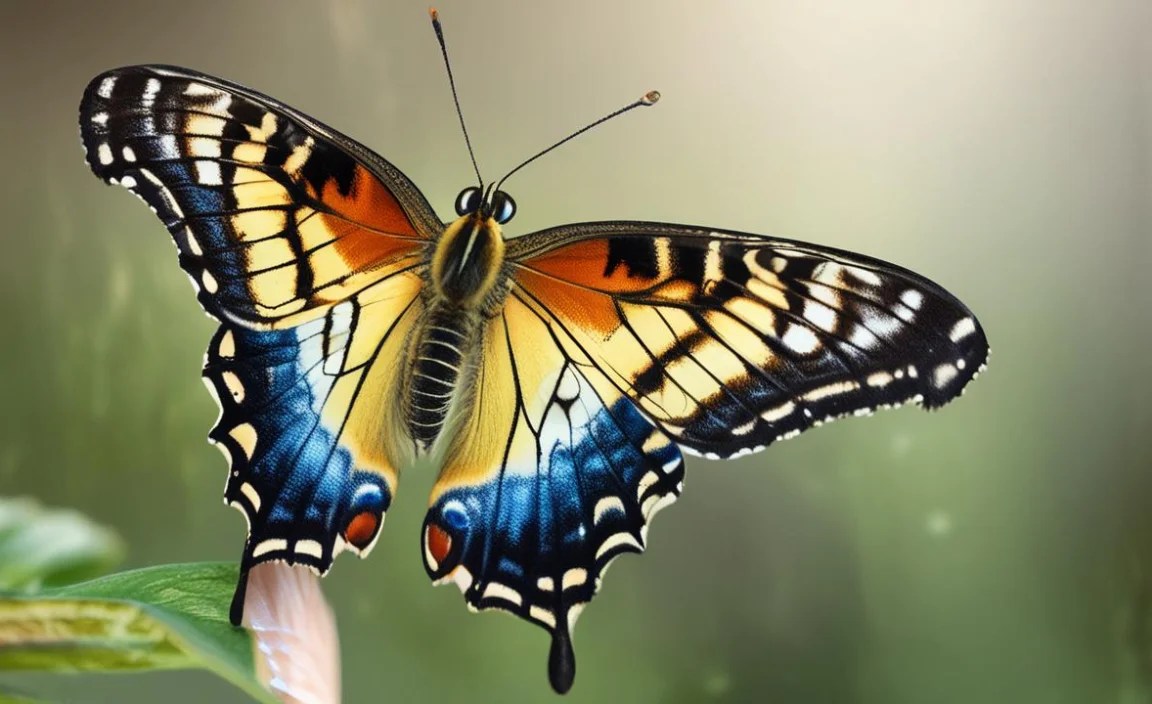
Citizen science projects allow you to contribute valuable data to scientific research. There are many butterfly-related citizen science projects you can participate in, helping scientists monitor butterfly populations, track migration patterns, and assess the impact of environmental changes. Here are a few examples:
1. North American Butterfly Association (NABA) Butterfly Counts
NABA organizes annual butterfly counts where volunteers survey butterflies within a designated area. The data collected helps scientists monitor butterfly populations and track changes over time. Visit the NABA website to find a butterfly count near you.
2. Monarch Watch
Monarch Watch is a program focused on studying and conserving monarch butterflies. Volunteers can participate by tagging monarch butterflies during their fall migration, monitoring monarch breeding habitats, and planting milkweed.
3. Journey North
Journey North tracks the migration of various species, including monarch butterflies. Volunteers can report their sightings of monarch butterflies and milkweed to help scientists understand monarch migration patterns and habitat use.
4. eButterfly
eButterfly is a citizen science project that allows you to submit your butterfly sightings online. The data collected helps scientists monitor butterfly distributions and track changes in butterfly populations.
5. The Xerces Society
The Xerces Society offers a range of citizen science programs focused on invertebrate conservation, including butterfly monitoring. Check their website for opportunities to get involved in butterfly surveys and habitat assessments.
Supporting Conservation Organizations
Many organizations are dedicated to butterfly conservation. Supporting these organizations through donations, volunteering, or advocacy can make a significant difference. Here are some reputable butterfly conservation organizations:
- The Xerces Society: Focuses on protecting invertebrates and their habitats through science-based conservation actions.
- North American Butterfly Association (NABA): Promotes butterfly conservation through education, research, and advocacy.
- Monarch Joint Venture: A partnership of organizations working to protect monarch butterflies and their migration.
- Butterfly Conservation (UK): Dedicated to conserving butterflies and moths in the United Kingdom.
- World Wildlife Fund (WWF): Works to protect endangered species and their habitats worldwide, including butterflies.
By supporting these organizations, you can help fund research, habitat restoration projects, and educational programs that promote butterfly conservation.
Advocating for Butterfly-Friendly Policies
You can also advocate for policies that protect butterflies and their habitats. This can involve contacting your elected officials, supporting legislation that promotes conservation, and raising awareness about butterfly conservation issues. Here are some ways to get involved in advocacy:
- Contact your elected officials: Write letters or emails to your representatives, expressing your support for butterfly conservation policies.
- Support conservation legislation: Support laws that protect butterfly habitats, reduce pesticide use, and promote sustainable land management practices.
- Raise awareness: Share information about butterfly conservation with your friends, family, and community. You can also write letters to the editor of your local newspaper or post about butterfly conservation on social media.
- Join advocacy groups: Join organizations that advocate for environmental protection and conservation policies.
Specific Butterfly Conservation Projects to Consider
Many specific conservation projects are underway around the world, targeting particular butterfly species or habitats. Here are a few examples:
1. Monarch Butterfly Conservation
Monarch butterflies have experienced significant population declines in recent years due to habitat loss and climate change. Conservation efforts focus on restoring monarch breeding habitats by planting milkweed and protecting overwintering sites in Mexico and California. Organizations like Monarch Watch and the Monarch Joint Venture are actively involved in monarch conservation.
2. Schaus Swallowtail Butterfly Conservation
The Schaus swallowtail butterfly is an endangered species found in South Florida. Conservation efforts focus on protecting and restoring its habitat in the Florida Keys, as well as captive breeding and reintroduction programs. The U.S. Fish and Wildlife Service is working to protect this species from extinction.
3. Mission Blue Butterfly Conservation
The Mission blue butterfly is an endangered species found in the San Francisco Bay Area. Conservation efforts focus on restoring its habitat by planting its host plant, the silver lupine. The Golden Gate National Parks Conservancy is actively involved in Mission blue butterfly conservation.
4. Karner Blue Butterfly Conservation
The Karner blue butterfly is an endangered species found in the northeastern and upper midwestern United States. Conservation efforts focus on restoring its habitat by managing oak savannas and pine barrens, which provide the Karner blue butterfly with its host plant, the wild lupine. The U.S. Fish and Wildlife Service is working to protect this species from extinction.
5. Large Blue Butterfly Conservation (UK)
The Large Blue is a European butterfly that went extinct in the UK in 1979. A successful reintroduction program led by Butterfly Conservation has brought the butterfly back to several sites in the UK. The project involves managing grassland habitats to create the right conditions for the butterfly and its ant host species.
Table: Butterfly Conservation Projects and How to Get Involved
| Project Name | Butterfly Species | Location | How to Get Involved |
|---|---|---|---|
| Monarch Watch | Monarch Butterfly | North America | Tagging monarchs, planting milkweed, monitoring populations |
| Schaus Swallowtail Recovery Program | Schaus Swallowtail | Florida Keys, USA | Volunteering with habitat restoration, supporting captive breeding programs |
| Mission Blue Butterfly Habitat Restoration | Mission Blue Butterfly | San Francisco Bay Area, USA | Planting silver lupine, removing invasive species, monitoring populations |
| Karner Blue Butterfly Habitat Management | Karner Blue Butterfly | Northeastern and Midwestern USA | Participating in prescribed burns, removing invasive plants, planting wild lupine |
| Large Blue Butterfly Reintroduction | Large Blue Butterfly | United Kingdom | Volunteering with habitat management, monitoring butterfly populations |
Table: Common Butterfly Garden Plants and Their Uses
| Plant Name | Type | Butterfly Attracted | Use in Garden |
|---|---|---|---|
| Milkweed (Asclepias) | Host Plant | Monarch | Caterpillar food source |
| Butterfly Bush (Buddleja davidii) | Nectar Plant | Various species | Nectar source for adults |
| Zinnia | Nectar Plant | Various species | Nectar source for adults |
| Coneflower (Echinacea) | Nectar Plant | Various species | Nectar source for adults |
| Parsley | Host Plant | Black Swallowtail | Caterpillar food source |
Tips for Success in Butterfly Conservation
Here are some additional tips to help you succeed in your butterfly conservation efforts:
- Learn about local butterfly species: Familiarize yourself with the butterfly species in your area and their specific needs. This will help you choose the right host and nectar plants for your butterfly garden.
- Start small: You don’t need to create a large butterfly garden to make a difference. Even a small patch of butterfly-friendly plants can provide valuable habitat for butterflies.
- Be patient: It may take time for butterflies to find your garden and start using it. Be patient and persistent, and eventually, you will be rewarded with beautiful butterflies fluttering around your yard.
- Connect with other butterfly enthusiasts: Join a local butterfly club or online forum to connect with other butterfly enthusiasts. You can share tips, ask questions, and learn from each other.
- Educate others: Share your knowledge about butterfly conservation with your friends, family, and community. The more people who are aware of the importance of butterfly conservation, the more likely we are to protect these beautiful creatures.
FAQ: Butterfly Conservation Projects
1. What is butterfly conservation?
Butterfly conservation involves protecting butterflies and their habitats through various activities like habitat restoration, monitoring populations, and advocating for butterfly-friendly policies.
2. Why are butterfly populations declining?
Butterfly populations are declining due to habitat loss, pesticide use, climate change, and other environmental factors.
3. How can I create a butterfly garden?
To create a butterfly garden, choose a sunny location, plant host and nectar plants, provide water, avoid pesticides, and provide shelter for butterflies.
4. What are citizen science projects for butterflies?
Citizen science projects involve volunteers collecting data on butterfly populations, migration patterns, and habitat use, which helps scientists monitor and study butterflies.
5. How can I support butterfly conservation organizations?
You can support butterfly conservation organizations by donating, volunteering, or participating in their programs and events.
6. What are host plants and nectar plants?
Host plants are plants that butterfly caterpillars feed on, while nectar plants provide food for adult butterflies.
7. How can I advocate for butterfly-friendly policies?
You can advocate for butterfly-friendly policies by contacting your elected officials, supporting conservation legislation, and raising awareness about butterfly conservation issues.
Conclusion
Butterfly conservation is a vital effort that benefits both butterflies and our environment. By creating butterfly gardens, participating in citizen science projects, supporting conservation organizations, and advocating for butterfly-friendly policies, you can make a real difference in protecting these beautiful and important insects. Every action, no matter how small, contributes to a healthier and more vibrant world for butterflies and for all of us. So, get involved today and help ensure that future generations can enjoy the beauty and wonder of butterflies.


