Easy Species Identification of Aphids: A Simple Guide

Have you ever seen tiny bugs on your plants? They might be aphids! These little critters can cause big problems for gardens. Figuring out what kind they are is important. This is called {species identification of aphids}.
Why does it matter? Knowing the species helps you protect your plants. Let’s learn how to spot different kinds of aphids. We can become garden detectives together!
Many kinds of aphids exist. Some are green, others are black, and some are even pink! Each type likes to munch on different plants. If you know which aphid is on your plant, you can choose the right solution. {Species identification of aphids} is like knowing your enemy. Then, you can protect your leafy friends.
Imagine your tomato plant is covered in tiny green bugs. You try spraying it with water, but they don’t go away. Maybe you have the wrong approach! If you knew they were a specific type of aphid, you could use a special soap. This soap would get rid of them quickly. {Species identification of aphids} saves time and keeps your plants healthy.
Key Takeaways
- {Species identification of aphids} helps you choose the right pest control methods for your garden.
- Aphids come in many colors, including green, black, yellow, and even pink.
- Different aphid species prefer different plants, making identification crucial.
- Look closely at the aphid’s body shape and markings to identify the species.
- Regularly inspect your plants for aphids to catch infestations early.
Importance of Species Identification of Aphids

Why should we care about {species identification of aphids}? Imagine you are a doctor. You need to know what sickness a patient has before you can help them. It is the same with plants! If you want to save your plants from aphids, you need to know which type is attacking. Different aphids like different plants. Some like roses, others like tomatoes. Knowing the species helps you choose the best way to get rid of them. Some sprays work better on certain aphids. Some natural predators only eat certain types. {Species identification of aphids} helps you protect your garden.
- Correct identification leads to effective pest control.
- It prevents damage to your valuable plants.
- You can use specific treatments for each aphid type.
- Knowing the species helps you track aphid populations.
- Identification helps preserve beneficial insects.
- It saves you time and money on ineffective solutions.
Think about it like this: You wouldn’t use the same medicine for a headache as you would for a stomach ache, right? The same goes for aphids. Using the wrong treatment can waste time and even harm your plants. {Species identification of aphids} ensures you are using the right tools for the job. Plus, it is fun to learn about these tiny creatures and their habits. You can become a plant detective and protect your garden like a pro!
Why is Quick Identification Important?
Why is it important to identify aphids quickly? Imagine a small fire starting in your house. If you catch it early, you can put it out easily. But if you wait too long, it can become a big problem! Aphids are similar. If you spot them early, you can remove them by hand or with a simple spray. If you let them multiply, they can take over your plants. {Species identification of aphids} helps you act fast. You can stop the infestation before it causes too much damage. It’s all about being a quick-thinking plant protector!
Benefits of Knowing the Aphid Species
What are the benefits of knowing the aphid species? Imagine you are trying to catch a specific type of fish. You need to know what bait to use, right? It’s the same with aphids! Knowing the species tells you what they like to eat and where they like to hide. You can then use this knowledge to your advantage. You can choose the right trap or spray. You can also attract natural predators that eat that specific aphid. {Species identification of aphids} gives you the upper hand in the battle against these tiny pests. It’s like having a secret weapon in your gardening arsenal!
How Does it Help with Pest Control?
How does {species identification of aphids} help with pest control? Think of it like this: if you know what kind of weed you’re dealing with, you can choose the right weed killer. Some weed killers only work on certain types of weeds. The same is true for aphids. Some insecticides work better on certain species. Knowing the aphid species helps you pick the most effective product. You won’t waste time and money on things that don’t work. Plus, you can avoid harming beneficial insects that might be helping you control the aphids naturally.
Fun Fact or Stat: Did you know that some aphid species can reproduce without mating? This means one aphid can start a whole colony all by itself!
Tools Needed for Accurate Identification of Aphids

To identify aphids accurately, you need a few simple tools. First, a magnifying glass is very helpful. Aphids are tiny, and a magnifying glass lets you see their features clearly. Next, a notebook and pen are useful for taking notes. Write down the aphid’s color, shape, and the plant it’s on. You might also want a camera to take pictures. Photos can help you compare the aphid to pictures in a guidebook. Finally, a good guidebook or website about aphids is essential. These resources will help you match your observations to specific species. {Species identification of aphids} becomes much easier with the right tools.
- A magnifying glass for close observation.
- A notebook and pen for detailed notes.
- A camera for taking clear photos.
- A reliable guidebook or website.
- A small brush to gently move aphids.
- Good lighting for better visibility.
Imagine you are a detective trying to solve a mystery. You wouldn’t go to the crime scene without your tools, right? The same is true for {species identification of aphids}. The magnifying glass is like your magnifying glass at the crime scene. The notebook is where you record your clues. The guidebook is your expert witness. With these tools, you can gather the evidence you need to identify the culprit and protect your plants. Remember, every detail counts when it comes to identifying these tiny pests.
Why Use a Magnifying Glass?
Why is a magnifying glass so important? Imagine trying to read a tiny book without your glasses. It would be very difficult, right? Aphids are so small that it’s hard to see their details with the naked eye. A magnifying glass makes them bigger and clearer. You can see their body shape, color, and any markings. These details are important clues for {species identification of aphids}. A magnifying glass is like a superpower for plant detectives!
What Kind of Guidebook Should I Use?
What kind of guidebook should you use for {species identification of aphids}? Imagine you’re trying to identify a bird. You wouldn’t use a book about fish, right? You need a book that shows you pictures of different birds and describes their features. The same goes for aphids. Look for a guidebook or website that focuses on aphids in your area. It should have clear pictures and descriptions of different species. It should also tell you what plants each aphid likes to eat. This will make your job much easier!
How Does a Camera Help?
How can a camera help with {species identification of aphids}? Imagine you saw a strange animal in the woods. You would want to take a picture so you could show it to an expert, right? A camera lets you capture a clear image of the aphid. You can then compare the photo to pictures in a guidebook or online. You can also send the photo to an expert for help. A picture is worth a thousand words, especially when it comes to identifying tiny bugs!
Fun Fact or Stat: Some aphids are only 1 mm long! That’s smaller than the tip of a pencil!
Examining Physical Characteristics for Aphid ID
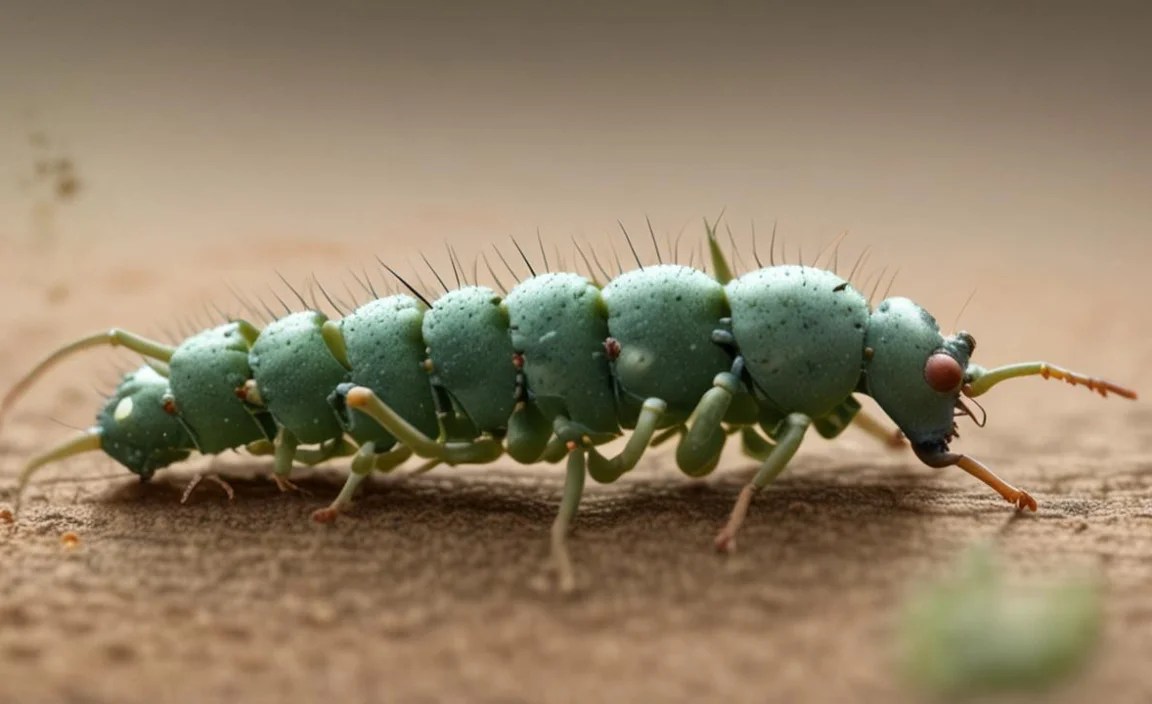
One of the best ways to identify aphids is to look closely at their physical characteristics. What color are they? Are they green, black, yellow, or something else? What shape are their bodies? Are they round or more elongated? Do they have any special markings or patterns? Do they have wings? Some aphids have wings, while others don’t. Also, look at their antennae. How long are they? What shape are they? All of these details can help you narrow down the species. {Species identification of aphids} relies on careful observation.
- Note the aphid’s color.
- Observe its body shape.
- Check for any markings or patterns.
- Look for the presence or absence of wings.
- Examine the length and shape of antennae.
- Consider the size of the aphid.
Think of it like identifying different breeds of dogs. You wouldn’t mistake a Chihuahua for a Great Dane, right? You look at their size, shape, and fur color to tell them apart. The same goes for aphids. By paying attention to their physical characteristics, you can learn to tell different species apart. {Species identification of aphids} becomes easier with practice. The more you look, the better you will get at spotting the differences. It’s like learning a new language – the more you use it, the more fluent you become.
What Does Color Tell Us?
What does the color of an aphid tell us about its species? Imagine you’re sorting candies by color. You know that red candies are different from green ones, right? Aphid color can be a clue. Green aphids are very common, but there are also black, yellow, and pink ones. Some aphids even change color depending on the plant they are eating! While color alone isn’t enough to identify an aphid, it’s a good starting point for {species identification of aphids}.
Do Wings Matter?
Why does it matter if an aphid has wings or not? Imagine you’re watching birds. Some birds can fly long distances, while others stay close to the ground, right? Winged aphids can fly to new plants and spread infestations. Wingless aphids stay on the same plant. The presence of wings can tell you something about the aphid’s life cycle and behavior. This information is helpful for {species identification of aphids} and for controlling them.
How Important Are Markings?
How important are markings on aphids? Imagine you’re trying to identify different types of butterflies. Each butterfly has a unique pattern on its wings, right? Some aphids also have markings or patterns that can help you identify them. These markings might be stripes, spots, or other distinctive features. Look closely and make note of any markings you see. They could be the key to {species identification of aphids}.
Fun Fact or Stat: Some aphids can even clone themselves! This means they can create exact copies of themselves without needing a partner.
Host Plant Preference for Aphid Classification
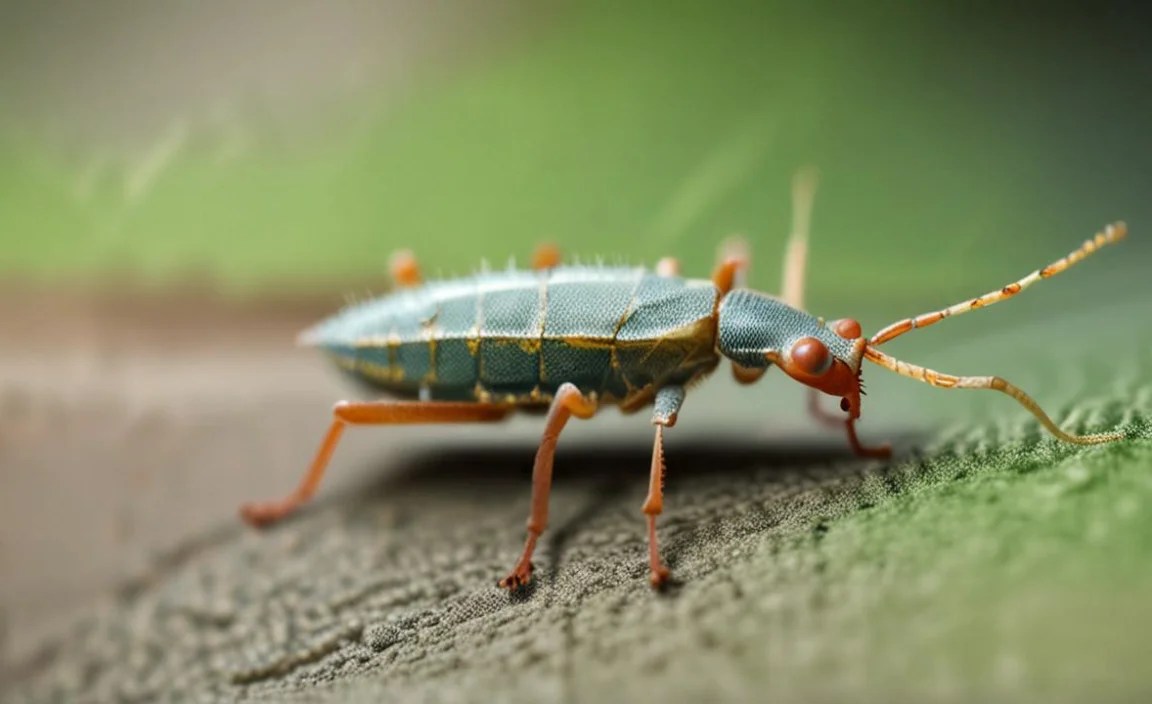
Another important clue for identifying aphids is the type of plant they are on. Different aphid species prefer different host plants. For example, some aphids only attack roses. Others only attack tomatoes. If you know what plant the aphid is on, you can narrow down the possible species. Look closely at the plant too. Are the leaves curled or distorted? Is there a sticky substance on the leaves? These are signs of an aphid infestation. Combining this information with the aphid’s physical characteristics will help you with {species identification of aphids}.
| Aphid Species | Preferred Host Plant |
|---|---|
| Rose Aphid | Roses |
| Tomato Aphid | Tomatoes, Potatoes |
| Pea Aphid | Peas, Beans |
| Cabbage Aphid | Cabbage, Broccoli |
- Note the specific plant the aphid is feeding on.
- Check for signs of damage on the plant.
- Look for curled or distorted leaves.
- Observe any sticky residue on the plant.
- Consider the overall health of the plant.
- Check if other plants nearby are also infested.
Imagine you are a detective trying to solve a crime. You would want to know where the crime took place, right? The location gives you important clues. Similarly, the host plant tells you a lot about the aphid. If you find aphids on your rose bushes, you know it’s likely the rose aphid. If they are on your tomato plants, it’s probably the tomato aphid. Host plant preference is a valuable piece of the puzzle for {species identification of aphids}. It helps you focus your search and find the right answer.
Why Do Aphids Prefer Certain Plants?
Why do aphids prefer certain plants over others? Imagine you have a favorite food. You would rather eat that than something you don’t like, right? Aphids are the same way. Different plants have different nutrients and chemicals. Some aphids are adapted to feed on specific plants that provide them with what they need. This is why knowing the host plant is so helpful for {species identification of aphids}.
What Does Plant Damage Tell Us?
What can plant damage tell us about the aphids infesting it? Imagine you see a tree with holes in its leaves. You would know that something is eating the leaves, right? Plant damage like curled leaves, yellow spots, or sticky residue can indicate an aphid infestation. The type of damage can also give you clues about the species of aphid. Some aphids cause more damage than others. So, pay attention to the plant’s symptoms when trying to do {species identification of aphids}.
How Can Knowing the Host Plant Help with Control?
How can knowing the host plant help you control aphids? Imagine you know that a certain type of bug only eats one kind of plant. You could protect that plant by covering it with a net, right? Knowing the host plant allows you to target your control methods. You can focus on protecting the plants that are most vulnerable to that specific aphid species. This will help you prevent infestations and keep your garden healthy. It all starts with {species identification of aphids}.
Fun Fact or Stat: Aphids can transmit plant viruses! This means they can spread diseases from one plant to another.
Life Cycle Observation for Species Identification

Understanding the aphid’s life cycle is another key to {species identification of aphids}. Aphids have a complex life cycle. They can reproduce quickly, and their appearance can change depending on their stage of development. Some aphids have winged and wingless forms. Some reproduce sexually, while others reproduce asexually. By observing the different stages of the aphid’s life cycle, you can gather more clues about its identity. Look for nymphs (young aphids) and adults. Note any differences in their appearance. This will help you narrow down the species.
- Observe the presence of nymphs and adults.
- Note any differences in appearance between stages.
- Check for winged and wingless forms.
- Consider the time of year.
- Observe the speed of reproduction.
- Look for signs of sexual or asexual reproduction.
Think of it like watching a caterpillar turn into a butterfly. You wouldn’t expect a caterpillar to look the same as a butterfly, right? They go through different stages of development. Aphids are similar. They start as tiny nymphs and grow into adults. Some develop wings, while others don’t. By observing these changes, you can learn more about the aphid’s life cycle and its species. {Species identification of aphids} is like watching a play unfold. You need to see all the acts to understand the story.
What Are Nymphs?
What are aphid nymphs? Imagine baby animals. They often look different from their parents, right? Nymphs are baby aphids. They are smaller than adults and may have a different color or shape. They also don’t have wings. Nymphs go through several stages of development before becoming adults. Observing the nymphs can give you clues about the species of aphid you’re dealing with. Understanding this will help you with {species identification of aphids}.
How Does Reproduction Work?
How do aphids reproduce? Imagine some animals need a partner to have babies, while others can have babies all by themselves, right? Aphids can reproduce in both ways! Some aphids reproduce sexually, with males and females. But many aphids can also reproduce asexually, where females give birth to live young without needing a male. This is why aphids can multiply so quickly! Knowing how they reproduce can help with {species identification of aphids}.
Why Does Timing Matter?
Why does the time of year matter for {species identification of aphids}? Imagine some birds migrate during certain seasons, right? Aphids also have seasonal patterns. Some species are more common in the spring, while others are more common in the summer or fall. The time of year can give you a clue about which aphids are likely to be present. Pay attention to the calendar when trying to identify these pests.
Fun Fact or Stat: Some aphid species can give birth to live young without ever mating! This is called parthenogenesis.
Using Traps to Aid in Aphid Species Identification
Traps can be a helpful tool for {species identification of aphids}. Yellow sticky traps are especially effective. Aphids are attracted to the color yellow. When they land on the trap, they get stuck. You can then examine the trapped aphids closely to identify them. Place traps near infested plants. Check them regularly. Use a magnifying glass to get a better look at the aphids. Traps can also help you monitor aphid populations. This can give you an early warning of an infestation. Remember to replace the traps when they get full.
- Use yellow sticky traps to attract aphids.
- Place traps near infested plants.
- Check traps regularly for trapped aphids.
- Use a magnifying glass for close examination.
- Replace traps when they become full.
- Monitor aphid populations using traps.
Think of it like setting a mousetrap. You put it where you think mice will go, and then you wait to see what you catch, right? Yellow sticky traps work the same way for aphids. You put them near your plants, and the aphids are drawn to the yellow color. Once they land on the trap, they can’t escape. This allows you to collect samples and examine them closely. Traps are a useful tool for both identifying and monitoring aphid populations. {Species identification of aphids} becomes easier when you can collect and examine specimens.
Why Are Yellow Traps Effective?
Why are yellow sticky traps so effective for catching aphids? Imagine you are wearing a bright yellow shirt. You might attract more attention than someone wearing a plain gray shirt, right? Aphids are attracted to the color yellow. Scientists think it’s because young plant shoots are often yellowish-green. Aphids are drawn to this color because they are looking for food. This makes yellow sticky traps a great way to catch them. This can help with {species identification of aphids}.
How Do Traps Help with Monitoring?
How do traps help with monitoring aphid populations? Imagine you are counting the number of fish in a pond. You could throw a net in the pond and see how many fish you catch, right? Traps allow you to estimate the number of aphids in your garden. By checking the traps regularly, you can see if the aphid population is growing or shrinking. This can help you decide when and how to take action to control them. The data can also help you with {species identification of aphids}.
Where Should I Place the Traps?
Where should you place yellow sticky traps in your garden? Imagine you’re trying to catch butterflies. You would put your net near flowers, right? Place your traps near the plants that are most likely to be infested with aphids. This includes plants that are already showing signs of damage, as well as plants that are known to be susceptible to aphids. Putting the traps in the right locations will increase your chances of catching aphids and help with {species identification of aphids}.
Fun Fact or Stat: Yellow sticky traps are also effective for catching other flying insects, like whiteflies and fungus gnats!
Seeking Expert Advice for Aphid Identification
Sometimes, {species identification of aphids} can be tricky. There are many different species, and they can look very similar. If you are unsure, don’t hesitate to seek expert advice. Your local agricultural extension office can be a great resource. They can help you identify the aphid and recommend the best control methods. You can also contact a local nursery or garden center. They may have experts on staff who can help. Finally, there are online forums and communities where you can post pictures of your aphids and get help from other gardeners.
- Contact your local agricultural extension office.
- Visit a local nursery or garden center.
- Post pictures on online gardening forums.
- Consult with a professional entomologist.
- Use online identification resources.
- Compare your findings with reliable sources.
Think of it like going to a doctor when you are sick. Sometimes you can figure out what’s wrong on your own. But if you’re not sure, it’s best to get a professional opinion, right? The same is true for {species identification of aphids}. If you’ve tried your best and you’re still not sure what kind of aphid you’re dealing with, don’t be afraid to ask for help. Experts have the knowledge and experience to identify even the most difficult species. They can also provide you with valuable advice on how to protect your plants.
What is an Agricultural Extension Office?
What is an agricultural extension office? Imagine you have questions about farming or gardening. Where would you go to get answers, right? An agricultural extension office is a local office that provides information and resources to farmers and gardeners. They can answer your questions about plant diseases, pests, and other gardening topics. They can also help you identify aphids and recommend control methods. It’s a great place to get free, reliable advice.
Why Ask a Nursery for Help?
Why should you ask a nursery or garden center for help with {species identification of aphids}? Imagine you are trying to fix your car. You might ask a mechanic for help, right? Nurseries and garden centers employ people who know a lot about plants and pests. They can often identify aphids just by looking at them. They can also recommend products and techniques to control them. They are a valuable resource for any gardener.
How Can Online Forums Help?
How can online gardening forums help with {species identification of aphids}? Imagine you have a question about a video game. You might ask other players on an online forum, right? Online forums are a great place to connect with other gardeners and share information. You can post pictures of your aphids and ask for help identifying them. Other gardeners may have encountered the same species before and can offer advice. Just be sure to get your information from a reliable source!
Fun Fact or Stat: Entomologists are scientists who study insects! They can be a great resource for identifying aphids and other pests.
Summary
Proper {species identification of aphids} is essential for effective pest control in your garden. By examining physical characteristics, knowing host plant preferences, and understanding aphid life cycles, you can become a better plant detective. Tools like magnifying glasses and sticky traps can aid in the identification process. Remember, different aphid species require different control methods, so accurate identification saves time and resources. Don’t hesitate to seek expert advice from local agricultural extension offices or online forums if you are unsure.
Knowing your enemy is half the battle! Once you can identify the aphid species affecting your plants, you can choose the most effective and environmentally friendly way to protect your garden. Quick identification also prevents significant damage. Taking the time to learn about these tiny pests will keep your plants healthy and thriving. This knowledge empowers you to be a responsible and successful gardener.
Conclusion
{Species identification of aphids} is a useful skill for any gardener. By learning to identify different aphid species, you can protect your plants from damage. Use the tools and techniques described in this article. Don’t be afraid to ask for help when needed. With a little practice, you can become an expert at spotting and controlling these tiny pests. Happy gardening!
Frequently Asked Questions
Question No 1: Why is it so important to identify aphid species correctly?
Answer: Identifying aphid species correctly is very important because different species can cause different levels of damage to plants. Some species might only cause minor leaf curling, while others can transmit serious plant viruses. Knowing the species allows you to choose the most effective control methods. Some insecticides are more effective against certain species. Plus, some natural predators only eat specific types of aphids. Accurate {species identification of aphids} saves time, money, and prevents unnecessary damage to your plants.
Question No 2: What are the key characteristics to look for when trying to identify an aphid?
Answer: When trying to identify an aphid, look for a few key characteristics. First, note the aphid’s color. Aphids can be green, black, yellow, pink, or even white. Next, observe the body shape. Are they round or more elongated? Check for the presence or absence of wings. Some aphids have wings, while others don’t. Also, look at their antennae. How long are they? What shape are they? Finally, consider the host plant. Different aphid species prefer different plants. By examining all of these features, you can narrow down the possible species.
Question No 3: Can I use a mobile app to help with {species identification of aphids}?
Answer: Yes, there are several mobile apps that can assist with {species identification of aphids} and other pests. These apps often use image recognition technology. You take a picture of the aphid, and the app compares it to a database of images. It then suggests possible matches. However, it’s important to remember that these apps are not always accurate. Always double-check the app’s suggestions with a reliable guidebook or website. And if you’re still not sure, seek expert advice. Mobile apps can be a helpful tool, but they shouldn’t be your only source of information.
Question No 4: What are some common mistakes people make when trying to identify aphids?
Answer: One common mistake is relying solely on color for {species identification of aphids}. While color is a helpful clue, it’s not always enough. Some aphids can change color depending on their environment or the plant they are feeding on. Another mistake is not paying attention to the host plant. Different aphids prefer different plants. Ignoring this can lead to misidentification. Finally, some people don’t use a magnifying glass to get a close look at the aphid’s features. This can make it difficult to see important details. Always use multiple clues and tools for accurate identification.
Question No 5: What if I can’t identify the aphid species? What should I do?
Answer: If you can’t identify the aphid species, don’t panic! There are still things you can do to protect your plants. Start by using a general-purpose insecticide that is safe for your plants. You can also try natural control methods, such as spraying the aphids with soapy water or introducing beneficial insects like ladybugs. Monitor your plants closely and repeat treatments as needed. Even without knowing the exact species, you can still manage the infestation and prevent serious damage. It’s always better to take some action than to do nothing at all. Seek help with {species identification of aphids} while also using safe treatments.
Question No 6: Are some aphid species more harmful than others?
Answer: Yes, some aphid species are more harmful than others. Some aphids primarily feed on plant sap, causing leaves to curl or become distorted. This can weaken the plant and reduce its growth. Other aphid species can transmit plant viruses, which can cause serious diseases. Some aphids also produce large amounts of honeydew, a sticky substance that attracts ants and promotes the growth of sooty mold. The level of harm depends on the aphid species, the plant species, and the overall health of the plant. That’s why correct {species identification of aphids} matters.