
Butterflies of Central America: A Colorful Guide

The butterflies of Central America boast a stunning array of colors, shapes, and sizes! This region is a biodiversity hotspot, home to everything from the iconic Blue Morpho to the delicate Glasswing butterfly. Discovering these incredible insects is easy, even for beginners, with the right resources and a little patience. Get ready to explore the fascinating world of Central American butterflies!
Have you ever dreamed of wandering through a rainforest, surrounded by butterflies? Central America is a fantastic place to make that dream come true! This region is famous for its amazing variety of butterflies. It might seem overwhelming to identify them all, but don’t worry. This guide will help you learn about some of the most beautiful and interesting butterflies in Central America. We’ll explore their habitats, identify key characteristics, and even discuss how you can help protect them. Let’s begin our butterfly adventure!
Exploring the Enchanting World of Central American Butterflies

Central America is a true paradise for butterfly enthusiasts. Its diverse landscapes, ranging from lush rainforests to cloud forests and coastal plains, create a haven for a remarkable variety of butterfly species. Each country within Central America—Belize, Costa Rica, El Salvador, Guatemala, Honduras, Nicaragua, and Panama—offers unique opportunities to observe and appreciate these winged jewels. Let’s delve into the key aspects of understanding and identifying these fascinating creatures.
Why Central America is a Butterfly Hotspot
Several factors contribute to Central America’s incredible butterfly diversity:
- Tropical Climate: Warm temperatures and high humidity create ideal conditions for butterfly development and survival.
- Diverse Habitats: The varied ecosystems provide a wide range of food sources and breeding grounds for different butterfly species.
- Geographic Location: Central America acts as a bridge between North and South America, allowing for the mixing of species from both continents.
- Abundant Flora: The region’s rich plant life provides essential nectar sources for adult butterflies and food for their caterpillars.
Common Butterfly Families in Central America
Understanding butterfly families is a crucial first step in identification. Here are some of the most prominent families you’ll encounter in Central America:
- Nymphalidae (Brush-footed Butterflies): This is one of the largest butterfly families, characterized by their reduced front legs. Examples include Morphos, Emperors, and Admirals.
- Papilionidae (Swallowtail Butterflies): Known for their elegant tails on their hindwings, Swallowtails are often large and brightly colored.
- Pieridae (Whites and Sulphurs): These butterflies are typically white, yellow, or orange, and are often seen fluttering in open fields.
- Lycaenidae (Gossamer-winged Butterflies): Small and delicate, these butterflies often have intricate patterns and metallic colors.
- Hesperiidae (Skippers): Skippers are small, stout-bodied butterflies with hooked antennae and rapid, darting flight.
Identifying Common Central American Butterflies
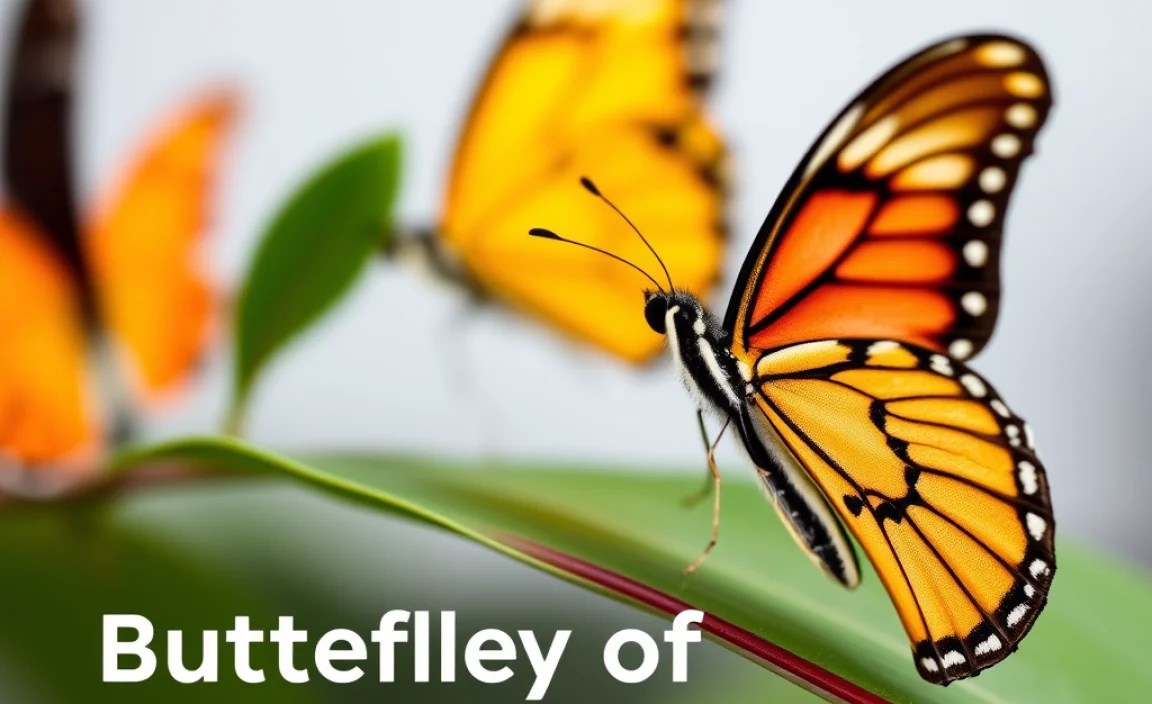
Now, let’s explore some of the most iconic and frequently observed butterfly species in Central America. We’ll cover their key characteristics, habitats, and behaviors.
The Majestic Blue Morpho (Morpho peleides)
The Blue Morpho is perhaps the most recognizable butterfly in Central America. Its iridescent blue wings shimmer in the sunlight, creating a breathtaking spectacle.
- Appearance: Wingspan of 5-8 inches. The upper side of the wings is a brilliant, iridescent blue, while the underside is brown with eyespots.
- Habitat: Tropical rainforests, often near streams and rivers.
- Behavior: Known for their strong, soaring flight. They feed on fermenting fruit and tree sap.
- Fun Fact: The iridescent blue color is not due to pigment, but rather to the microscopic structure of the scales on the wings, which reflects light.
The Striking Monarch (Danaus plexippus)
While primarily known for its migrations in North America, the Monarch butterfly is also found in parts of Central America, particularly during the winter months.
- Appearance: Wingspan of 3-4 inches. Orange wings with black veins and a black border with white spots.
- Habitat: Open fields, gardens, and areas with milkweed, the Monarch caterpillar’s only food source.
- Behavior: Known for their long-distance migrations. They feed on nectar from various flowers.
- Fun Fact: Monarch butterflies undertake an incredible multi-generational migration, with each generation traveling a portion of the journey.
The Elusive Glasswing (Greta oto)
The Glasswing butterfly is a marvel of nature, with its transparent wings allowing it to blend seamlessly into its surroundings.
- Appearance: Wingspan of 2-2.5 inches. The wings are mostly transparent, with a thin brown or black border.
- Habitat: Moist rainforests, often in shaded areas.
- Behavior: Slow, fluttering flight. They feed on nectar from various flowers.
- Fun Fact: The transparent wings are a result of the lack of scales on certain parts of the wing membrane.
The Vibrant Zebra Longwing (Heliconius charithonia)
The Zebra Longwing is a striking butterfly with long, narrow wings and a distinctive black and white striped pattern.
- Appearance: Wingspan of 3-4 inches. Black wings with narrow white stripes.
- Habitat: Open woodlands, gardens, and parks.
- Behavior: Slow, graceful flight. They feed on nectar and pollen, which allows them to live longer than most butterflies.
- Fun Fact: Zebra Longwings are one of the few butterfly species that can digest pollen, providing them with essential amino acids.
The Colorful Gulf Fritillary (Agraulis vanillae)
The Gulf Fritillary is a common and widespread butterfly with bright orange wings adorned with black markings.
- Appearance: Wingspan of 2.5-3 inches. Bright orange wings with black spots and silver markings on the underside.
- Habitat: Open fields, gardens, and disturbed areas.
- Behavior: Fast, erratic flight. They feed on nectar from various flowers.
- Fun Fact: Gulf Fritillary caterpillars feed exclusively on passionflower vines.
Butterfly Habitats in Central America

Understanding the preferred habitats of different butterfly species is essential for successful observation and identification. Here’s a glimpse into some of the key butterfly habitats in Central America:
- Rainforests: These lush, humid forests are home to the greatest diversity of butterfly species, including Morphos, Swallowtails, and Glasswings.
- Cloud Forests: High-altitude forests with persistent cloud cover provide habitat for unique butterfly species adapted to cooler temperatures and high humidity.
- Dry Forests: These seasonal forests experience a distinct dry season, influencing the types of butterflies that can thrive there.
- Open Fields and Meadows: Grassy areas with abundant wildflowers provide habitat for butterflies like Monarchs, Sulphurs, and Fritillaries.
- Gardens and Parks: Human-modified landscapes can also provide important habitat for butterflies, especially if they include nectar-rich flowers and host plants for caterpillars.
Attracting Butterflies to Your Garden

Creating a butterfly-friendly garden is a rewarding way to support these beautiful creatures and enjoy their presence up close. Here are some tips for attracting butterflies to your garden:
- Plant Nectar-Rich Flowers: Choose a variety of flowers that provide nectar throughout the butterfly season. Some popular choices include lantana, butterfly bush (Buddleja davidii), zinnias, and salvia.
- Provide Host Plants for Caterpillars: Butterflies lay their eggs on specific host plants that their caterpillars can feed on. Research which butterflies are common in your area and plant their preferred host plants. For example, Monarchs need milkweed, and Gulf Fritillaries need passionflower vines.
- Offer a Water Source: Butterflies need water to stay hydrated. Provide a shallow dish of water with pebbles or stones for them to land on.
- Provide Shelter: Plant trees and shrubs to provide shelter from wind and predators.
- Avoid Pesticides: Pesticides can harm or kill butterflies and other beneficial insects. Choose organic gardening methods to protect your butterfly garden.
Butterfly Watching Tips
Butterfly watching can be a relaxing and rewarding hobby. Here are some tips to help you make the most of your butterfly observations:
- Choose the Right Time of Day: Butterflies are most active on warm, sunny days, especially in the morning and early afternoon.
- Visit Butterfly Hotspots: Research areas known for their butterfly diversity, such as botanical gardens, nature reserves, and parks.
- Be Patient and Observant: Butterflies can be elusive, so be patient and take your time. Observe their behavior, flight patterns, and feeding habits.
- Use Binoculars: Binoculars can help you get a closer look at butterflies without disturbing them.
- Take Photos: Photography is a great way to document your butterfly sightings and help with identification.
- Use a Butterfly Guide: A field guide specific to Central American butterflies can be invaluable for identifying the species you encounter.
Conservation Efforts for Central American Butterflies
Many butterfly species in Central America face threats from habitat loss, climate change, and pesticide use. Supporting conservation efforts is crucial to protect these beautiful creatures for future generations.
Threats to Butterfly Populations
- Habitat Loss: Deforestation for agriculture, logging, and development is a major threat to butterfly habitats.
- Climate Change: Changes in temperature and rainfall patterns can disrupt butterfly life cycles and alter their distribution.
- Pesticide Use: Pesticides can directly kill butterflies and other beneficial insects, and can also contaminate their food sources.
- Illegal Collection: Some butterfly species are illegally collected for sale to collectors, further threatening their populations.
How You Can Help
- Support Conservation Organizations: Donate to or volunteer with organizations that are working to protect butterfly habitats and promote sustainable practices.
- Create Butterfly-Friendly Habitats: Plant native flowers and host plants in your garden or community to provide food and shelter for butterflies.
- Reduce Pesticide Use: Choose organic gardening methods and avoid using pesticides that can harm butterflies.
- Educate Others: Share your knowledge and passion for butterflies with others to raise awareness about their importance and the threats they face.
- Support Sustainable Tourism: Choose eco-friendly tourism options that support local communities and protect natural habitats.
Butterfly Symbolism and Cultural Significance
Butterflies have long held symbolic meaning in various cultures around the world. In Central America, butterflies are often associated with transformation, rebirth, and the souls of the departed.
- Transformation: The butterfly’s metamorphosis from a caterpillar to a beautiful winged creature symbolizes personal growth, change, and transformation.
- Rebirth: In some cultures, butterflies are seen as symbols of rebirth and resurrection.
- Spiritual Connection: Butterflies are often believed to carry messages from the spirit world or to represent the souls of loved ones who have passed away.
- Good Luck: In some traditions, seeing a butterfly is considered a sign of good luck or a positive omen.
Resources for Further Exploration
To deepen your knowledge of Central American butterflies, here are some valuable resources:
- Field Guides: Look for field guides specific to Central American butterflies, such as “A Swift Guide to the Butterflies of Mexico and Central America” by Jeffrey Glassberg.
- Websites: Explore websites like Butterflies and Moths of North America and the Xerces Society for information on butterfly identification, conservation, and gardening.
- Botanical Gardens and Nature Centers: Visit local botanical gardens and nature centers to observe butterflies in their natural habitats and learn from experts.
- Online Forums and Communities: Join online forums and communities dedicated to butterfly enthusiasts to share your observations, ask questions, and connect with other butterfly lovers.
Examples of Butterfly Sanctuaries in Central America
If you’re planning a trip to Central America specifically to see butterflies, consider visiting one of the region’s many butterfly sanctuaries. These protected areas provide ideal habitats for butterflies and offer visitors the opportunity to observe them up close.
| Sanctuary Name | Country | Highlights |
|---|---|---|
| La Paz Waterfall Gardens | Costa Rica | One of the largest butterfly observatories in the world, featuring a wide variety of species. |
| The Butterfly Farm | Aruba (Technically outside Central America, but a popular destination) | Features butterflies from around the world in a lush, tropical setting. |
| Drake Bay Butterfly Garden | Costa Rica | A smaller, more intimate garden focused on local species and conservation efforts. |
| Butterfly Atrium at the Panama Rainforest Discovery Center | Panama | Showcases the butterflies of the rainforest canopy. |
Identifying Challenges and Solutions
Identifying butterflies can be challenging, especially for beginners. Here’s a summary of potential challenges and practical solutions to overcome them:
| Challenge | Solution |
|---|---|
| Similar-Looking Species | Use a detailed field guide with clear illustrations and descriptions. Pay attention to subtle differences in wing patterns, size, and shape. |
| Rapid Movement | Be patient and observe butterflies from a distance. Use binoculars to get a closer look. |
| Damaged Wings | Focus on identifying key features that are still visible, such as wing shape, color patterns, and body characteristics. |
| Varying Color Patterns | Be aware that some butterfly species have different color patterns depending on their sex, age, or geographic location. Consult multiple resources for accurate identification. |
| Rare or Uncommon Species | Consult with experienced butterfly watchers or experts for assistance. Submit photos to online forums or communities for identification help. |
FAQ About Central American Butterflies
Here are some frequently asked questions about the butterflies of Central America:
What is the best time of year to see butterflies in Central America?
The best time to see butterflies is during the rainy season (May to November) when plants are lush and flowering. However, many species can be seen year-round.
Are butterflies important to the environment?
Yes! Butterflies are important pollinators, helping to spread pollen from flower to flower as they feed on nectar. They also serve as a food source for birds and other animals.
How can I tell the difference between a butterfly and a moth?
Butterflies typically have slender bodies, clubbed antennae, and hold their wings upright when at rest. Moths usually have thicker bodies, feathery antennae, and hold their wings flat.
What do butterflies eat?
Adult butterflies primarily feed on nectar from flowers. Some species also feed on tree sap, fermenting fruit, and even mud puddles.
Where can I find butterflies in Central America?
You can find butterflies in a variety of habitats, including rainforests, cloud forests, gardens, and parks. Look for areas with abundant flowers and host plants.
Are there any poisonous butterflies in Central America?
Some butterflies, like the Monarch and Heliconius species, are poisonous to predators because their caterpillars feed on toxic plants. They often have bright colors to warn predators of their toxicity.
What should I bring when butterfly watching?
Bring a field guide, binoculars, a camera, water, sunscreen, and insect repellent. Wear light-colored clothing and comfortable shoes.
Conclusion
The butterflies of Central America are a testament to the region’s incredible biodiversity and natural beauty. From the shimmering Blue Morpho to the delicate Glasswing, these winged wonders captivate our imagination and inspire a sense of awe. By learning about their habitats, behaviors, and conservation needs, we can all play a role in protecting these precious creatures for generations to come. So, grab your field guide, venture into the rainforest, and discover the enchanting world of Central American butterflies. Happy butterfly watching!


