
European Butterflies Genus Names: The Ultimate Guide

Quick Summary: Exploring European butterfly genus names unlocks a deeper understanding of these fascinating insects. Each genus groups butterflies with shared characteristics, evolutionary history, and ecological roles. Learning these names helps you classify butterflies, appreciate their diversity, and contribute to conservation efforts. From the vibrant Aglais to the elegant Gonepteryx, each genus tells a story of adaptation and survival.
Have you ever wondered how scientists classify the butterflies fluttering around your garden? It all starts with understanding their genus names. These names, often derived from Latin or Greek, group butterflies with similar traits. Getting to grips with European butterfly genus names might seem daunting, but it’s actually a fun way to deepen your appreciation for these amazing creatures. This guide will walk you through the most common and interesting genera found in Europe. We’ll explore how these names reflect the butterflies’ unique characteristics and ecological roles.
Understanding Butterfly Classification
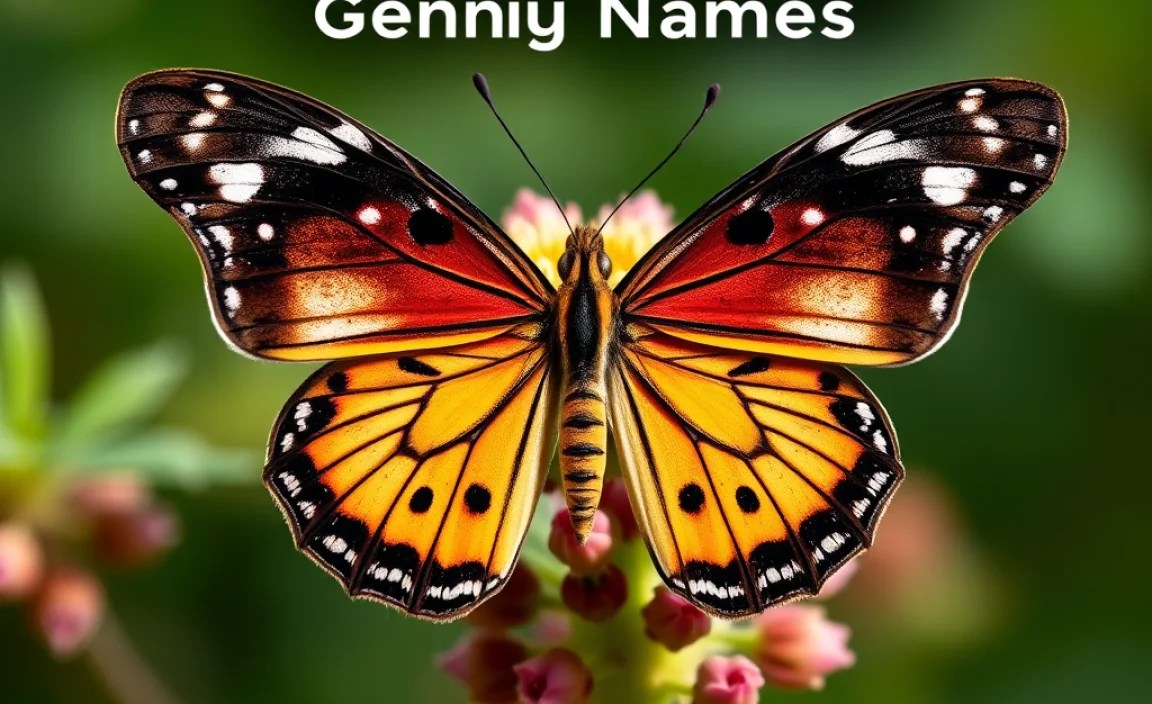
Before diving into specific genus names, let’s take a quick look at how butterflies are classified. The classification system, known as taxonomy, helps scientists organize and understand the relationships between different species. Here’s a simplified breakdown:
- Kingdom: Animalia (all animals)
- Phylum: Arthropoda (insects, spiders, crustaceans)
- Class: Insecta (all insects)
- Order: Lepidoptera (butterflies and moths)
- Family: A group of related genera (e.g., Nymphalidae)
- Genus: A group of closely related species (e.g., Pieris)
- Species: A specific type of butterfly (e.g., Pieris rapae)
The genus name is always written first and is capitalized, while the species name follows and is written in lowercase. Both are usually italicized.
Common European Butterfly Genera

Let’s explore some of the most common and fascinating butterfly genera found in Europe. We’ll look at their key characteristics, common species, and what makes them special.
Aglais (Tortoiseshells and Relatives)
Aglais is a genus of brightly colored butterflies known for their striking patterns and relatively large size. They belong to the family Nymphalidae.
Key Characteristics:
- Bright orange, red, and yellow wings with black markings
- Distinctive patterns that provide camouflage and warning coloration
- Medium to large size
Common Species:
- Aglais urticae (Small Tortoiseshell): A very common and widespread butterfly with bright orange wings and black and yellow markings.
- Aglais io (European Peacock): Known for its distinctive eyespots on its wings, which deter predators.
Ecological Notes:
Aglais butterflies are often found in gardens, meadows, and woodlands. Their caterpillars feed on nettles, making them a familiar sight in areas with abundant nettle growth. They are important pollinators and contribute to the biodiversity of their habitats.
Gonepteryx (Brimstones)
Gonepteryx is a genus of butterflies characterized by their leaf-like shape and distinctive yellow or white coloration. They also belong to the family Pieridae.
Key Characteristics:
- Wings shaped like leaves, providing excellent camouflage
- Yellow (male) or white (female) coloration
- Long lifespan compared to other butterflies
Common Species:
- Gonepteryx rhamni (Common Brimstone): A widespread species with bright yellow wings (male) or greenish-white wings (female).
Ecological Notes:
Brimstone butterflies are often found in woodlands and scrublands. Their caterpillars feed on buckthorn, and the adults are known for their long lifespan, often overwintering as adults. Their leaf-like camouflage helps them avoid predators.
Pieris (Whites)
Pieris is a genus of small to medium-sized white butterflies, often with black markings. They belong to the family Pieridae and are among the most common butterflies in Europe.
Key Characteristics:
- Predominantly white wings with black tips or spots
- Relatively small size
- Widespread distribution
Common Species:
- Pieris brassicae (Large White): A common garden pest whose caterpillars feed on cabbages and other brassicas.
- Pieris rapae (Small White): Similar to the Large White but smaller, also a common garden butterfly.
- Pieris napi (Green-veined White): Distinguished by the greenish veins on the underside of its wings.
Ecological Notes:
Pieris butterflies are found in a variety of habitats, including gardens, fields, and woodlands. Their caterpillars can be agricultural pests, feeding on various crops. However, they also play a role in pollination and are a food source for other animals.
Lycaena (Coppers)
Lycaena is a genus of small, brightly colored butterflies, often with copper or orange hues. They belong to the family Lycaenidae, also known as the gossamer-winged butterflies.
Key Characteristics:
- Bright copper, orange, or red coloration on the upper wings
- Small size
- Often found in grasslands and meadows
Common Species:
- Lycaena phlaeas (Small Copper): A common and widespread species with bright copper-colored wings.
- Lycaena dispar (Large Copper): A larger species with vibrant orange wings, now rare and protected in many areas.
Ecological Notes:
Lycaena butterflies are often found in grasslands, meadows, and heathlands. Their caterpillars feed on various plants, including sorrel and dock. Some species have a symbiotic relationship with ants, where the ants protect the caterpillars in exchange for honeydew secretions.
Polyommatus (Blues)
Polyommatus is a large and diverse genus of small blue butterflies. They belong to the family Lycaenidae and are known for their intricate wing patterns and often complex life cycles.
Key Characteristics:
- Males usually have blue upper wings, while females are often brown or blue
- Small size
- Complex life cycles, often involving interactions with ants
Common Species:
- Polyommatus icarus (Common Blue): A very common and widespread species with bright blue wings in males and brown wings with blue scales in females.
Ecological Notes:
Polyommatus butterflies are found in a wide range of habitats, including grasslands, meadows, and woodlands. Their caterpillars feed on various legumes, and many species have a close relationship with ants. The ants protect the caterpillars from predators and parasites in exchange for honeydew.
Vanessa (Painted Ladies and Admirals)
Vanessa is a genus of migratory butterflies known for their striking patterns and long-distance flights. They belong to the family Nymphalidae.
Key Characteristics:
- Distinctive wing patterns with orange, brown, and black markings
- Strong migratory behavior
- Medium to large size
Common Species:
- Vanessa atalanta (Red Admiral): A striking butterfly with black wings, red bands, and white spots.
- Vanessa cardui (Painted Lady): A widespread migratory species with orange and brown wings and black markings.
Ecological Notes:
Vanessa butterflies are found in a wide range of habitats and are known for their long-distance migrations. The Painted Lady, for example, can migrate thousands of kilometers from North Africa to Europe. Their caterpillars feed on various plants, including thistles and nettles.
Papilio (Swallowtails)
Papilio is a genus of large, showy butterflies known for their distinctive tails on their hindwings. They belong to the family Papilionidae, the swallowtail butterflies.
Key Characteristics:
- Large size
- Distinctive tails on the hindwings
- Bright colors and patterns
Common Species:
- Papilio machaon (Old World Swallowtail): A large and beautiful butterfly with yellow wings, black markings, and blue and red spots on the hindwings.
Ecological Notes:
Papilio butterflies are found in a variety of habitats, including meadows, gardens, and woodlands. Their caterpillars feed on various plants, including fennel and rue. They are important pollinators and contribute to the biodiversity of their habitats.
Table of Common European Butterfly Genera

| Genus Name | Common Name | Key Characteristics | Common Species |
|---|---|---|---|
| Aglais | Tortoiseshells | Bright orange, red, and yellow wings with black markings | Aglais urticae (Small Tortoiseshell), Aglais io (European Peacock) |
| Gonepteryx | Brimstones | Leaf-like shape, yellow or white coloration | Gonepteryx rhamni (Common Brimstone) |
| Pieris | Whites | Predominantly white wings with black tips or spots | Pieris brassicae (Large White), Pieris rapae (Small White) |
| Lycaena | Coppers | Bright copper, orange, or red coloration | Lycaena phlaeas (Small Copper), Lycaena dispar (Large Copper) |
| Polyommatus | Blues | Males usually blue, females often brown or blue | Polyommatus icarus (Common Blue) |
| Vanessa | Painted Ladies and Admirals | Orange, brown, and black markings, migratory | Vanessa atalanta (Red Admiral), Vanessa cardui (Painted Lady) |
| Papilio | Swallowtails | Large size, tails on hindwings, bright colors | Papilio machaon (Old World Swallowtail) |
How to Identify Butterflies by Genus

Identifying butterflies to the genus level involves observing their key characteristics and comparing them to descriptions and images. Here’s a step-by-step guide:
- Observe the Butterfly: Note its size, shape, color, and any distinctive markings.
- Consult a Field Guide: Use a reliable field guide to European butterflies. These guides typically include detailed descriptions and illustrations of different genera and species.
- Compare to Images: Compare your observations to images in the field guide or online resources. Pay attention to the wing patterns, colors, and overall shape.
- Consider Habitat: Note the habitat where you found the butterfly. Some genera are more common in certain habitats than others.
- Use Online Resources: Websites like Butterfly Conservation and Euro Butterflies offer valuable information and images for identifying European butterflies.
The Importance of Genus Names in Conservation

Understanding butterfly genus names is not just an academic exercise; it plays a crucial role in conservation efforts. Here’s why:
- Accurate Identification: Correctly identifying butterflies to the genus level allows for more accurate monitoring of populations and distribution.
- Targeted Conservation Efforts: Knowing the specific needs of different genera helps conservationists develop targeted strategies to protect their habitats and food sources.
- Understanding Evolutionary Relationships: Genus names reflect the evolutionary relationships between different species. This knowledge is essential for understanding biodiversity and developing effective conservation plans.
- Raising Awareness: Learning about butterfly genus names can inspire a deeper appreciation for these fascinating creatures and motivate people to support conservation efforts.
Resources for Further Learning
To deepen your knowledge of European butterfly genus names and butterfly identification, consider exploring these resources:
- Field Guides:
- “Butterflies of Britain and Europe” by Tristan Lafranchis
- “Collins Butterfly Guide” by Tom Tolman and Richard Lewington
- Websites:
- Butterfly Conservation
- Euro Butterflies
- Naturespot – Butterflies and Moths
- Local Butterfly Groups: Join a local butterfly conservation group to learn from experienced enthusiasts and participate in surveys and conservation activities.
FAQ: European Butterfly Genus Names
Here are some frequently asked questions about European butterfly genus names:
What is a genus in butterfly classification?
A genus is a group of closely related butterfly species that share common characteristics and evolutionary history. It’s a level of classification between family and species.
Why are genus names important?
Genus names help scientists and enthusiasts accurately identify, classify, and study butterflies. They also play a crucial role in conservation efforts by enabling targeted protection of specific groups of butterflies.
Are genus names always in Latin?
Yes, genus names are typically derived from Latin or Greek, following the rules of binomial nomenclature (the scientific naming system for organisms).
How can I learn to identify butterfly genera?
Start by observing key characteristics like size, color, and wing patterns. Use field guides and online resources to compare your observations to known genera. Practice and patience are key!
What is the difference between a genus and a species?
A genus is a broader grouping that includes multiple closely related species. A species is a specific, distinct type of butterfly within a genus (e.g., Pieris rapae is a species within the genus Pieris).
Do all butterflies in the same genus look alike?
Not necessarily. While butterflies within the same genus share common characteristics, there can be significant variation in color, size, and wing patterns among different species within the genus.
How do scientists decide which butterflies belong to the same genus?
Scientists use a combination of physical characteristics (morphology), genetic data, and evolutionary relationships to determine which butterflies belong to the same genus. This involves analyzing their DNA, comparing their anatomy, and studying their evolutionary history.
Conclusion
Exploring the world of European butterfly genus names opens a window into the incredible diversity and complexity of these beautiful insects. By learning to recognize common genera like Aglais, Gonepteryx, and Vanessa, you can deepen your appreciation for butterflies and contribute to their conservation. So, grab a field guide, head out into nature, and start discovering the fascinating world of butterfly genera!


