
Brown Veined White Butterfly: A Powerful Guide

The Brown Veined White butterfly (Belenois aurota) is a common sight across Africa, Asia, and parts of the Middle East. Recognizable by its striking brown veins against a white background, it’s a medium-sized butterfly known for its migratory habits. This butterfly thrives in open habitats, gardens, and agricultural lands, and plays a crucial role in pollination.
Have you ever noticed a delicate, white butterfly flitting through your garden, its wings traced with intricate brown lines? It might just be the Brown Veined White! These lovely butterflies are common in many parts of the world, and they’re fascinating to watch. But identifying them and understanding their life cycle can sometimes feel a bit tricky. Don’t worry; you’re not alone!
In this guide, we’ll explore everything you need to know about the Brown Veined White. From identifying features to their life cycle, habitat, and even how to attract them to your garden. Let’s dive into the wonderful world of these beautiful butterflies!
What is the Brown Veined White Butterfly?

The Brown Veined White butterfly, scientifically known as Belenois aurota, is a widespread butterfly species belonging to the family Pieridae, which includes other whites and yellows. It’s known for its distinctive wing pattern and migratory behavior.
Key Characteristics
- Appearance: Predominantly white wings with prominent brown or dark veins. The underside has more distinct markings.
- Size: Medium-sized, with a wingspan typically ranging from 4 to 5 centimeters (1.6 to 2 inches).
- Habitat: Open areas, gardens, agricultural lands, and light forests.
- Distribution: Found throughout Africa, Asia (including India, Southeast Asia), and parts of the Middle East.
Taxonomy
The classification of the Brown Veined White is as follows:
- Kingdom: Animalia
- Phylum: Arthropoda
- Class: Insecta
- Order: Lepidoptera
- Family: Pieridae
- Genus: Belenois
- Species: Belenois aurota
Understanding its taxonomy helps to place it within the broader context of butterflies and insects, highlighting its evolutionary relationships and unique characteristics.
Identifying the Brown Veined White
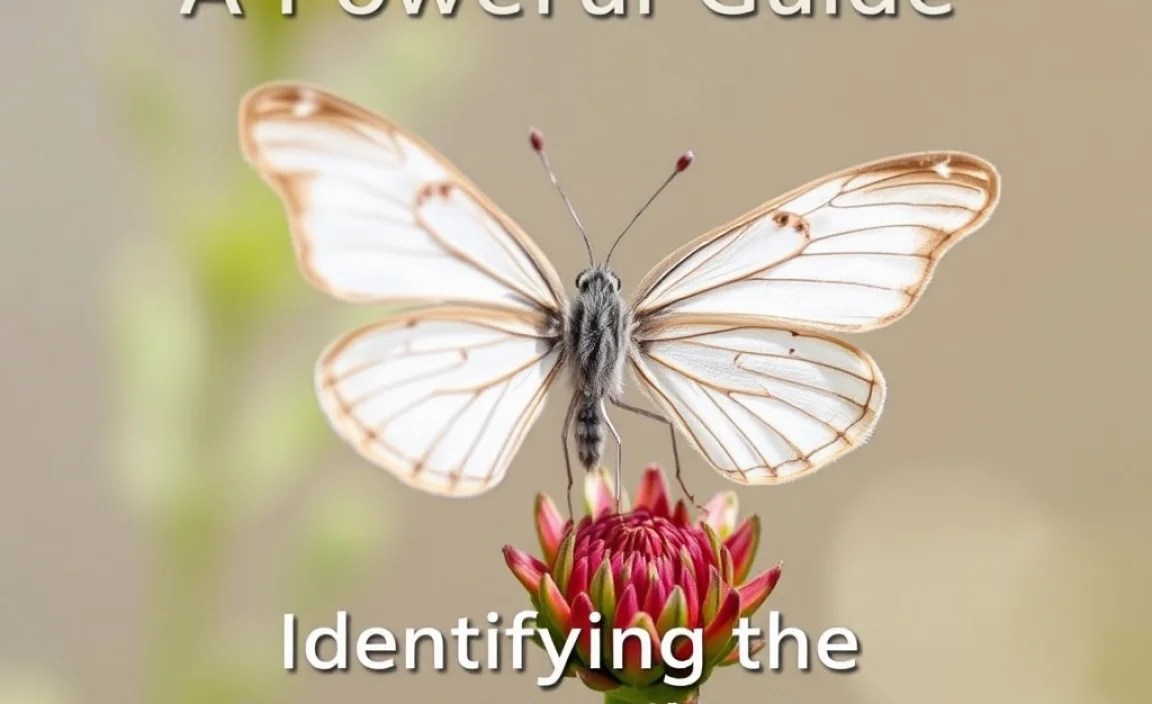
Correctly identifying butterflies is key to appreciating and studying them. Here’s how to recognize the Brown Veined White.
Visual Identification
The most distinctive feature of the Brown Veined White is its wing pattern. Here’s what to look for:
- Upperside of Wings: White with dark brown or black veins that stand out clearly.
- Underside of Wings: More intricate patterns with yellowish or brownish hues, and more pronounced veining.
- Body: Dark colored, which contrasts with the white wings.
Distinguishing Features
To differentiate the Brown Veined White from other similar species:
- Vein Color: The dark veins are a consistent feature, unlike some other white butterflies where the veins are less prominent.
- Size: It is a medium-sized butterfly; other white butterflies can be smaller or larger.
- Flight Pattern: Typically a strong and sustained flight, especially during migration.
Comparison with Similar Species
Here’s a table comparing the Brown Veined White with similar butterflies:
| Species | Key Features | Distinguishing Characteristics |
|---|---|---|
| Brown Veined White (Belenois aurota) | White wings with dark brown veins | Prominent veins on both sides of the wings |
| Cabbage White (Pieris rapae) | White wings with small black spots | Smaller size, less prominent veining, distinct black spots |
| Indian Cabbage White (Pieris canidia) | Similar to Cabbage White but with more extensive black markings | More black markings, especially at the wing tips |
Life Cycle of the Brown Veined White

The life cycle of the Brown Veined White, like all butterflies, includes four stages: egg, larva (caterpillar), pupa (chrysalis), and adult.
Egg Stage
- Appearance: Small, often laid in clusters on host plants. They are typically white or yellowish.
- Location: Usually found on the underside of leaves of host plants.
- Duration: Eggs hatch in about 4-7 days, depending on environmental conditions.
Larva (Caterpillar) Stage
- Appearance: The caterpillars are typically green with light-colored stripes.
- Feeding: They feed voraciously on the leaves of host plants.
- Growth: The caterpillar goes through several instars (molting stages) as it grows.
- Duration: This stage lasts for about 2-3 weeks.
Pupa (Chrysalis) Stage
- Appearance: The pupa is green or brown and blends with the surrounding foliage.
- Location: Attached to a stem or leaf of the host plant or nearby vegetation.
- Transformation: Inside the pupa, the caterpillar transforms into a butterfly.
- Duration: This stage lasts for about 1-2 weeks.
Adult Stage
- Emergence: The adult butterfly emerges from the pupal case.
- Wings: Initially, the wings are soft and crumpled, but they expand and harden within a few hours.
- Reproduction: Adult butterflies mate and the females lay eggs, continuing the cycle.
- Lifespan: Adult butterflies typically live for about 2-4 weeks, depending on environmental conditions and predation.
Host Plants
The Brown Veined White caterpillars primarily feed on plants from the Capparaceae family. Common host plants include:
- Caper bushes (Capparis species)
- Mustard plants
Habitat and Distribution
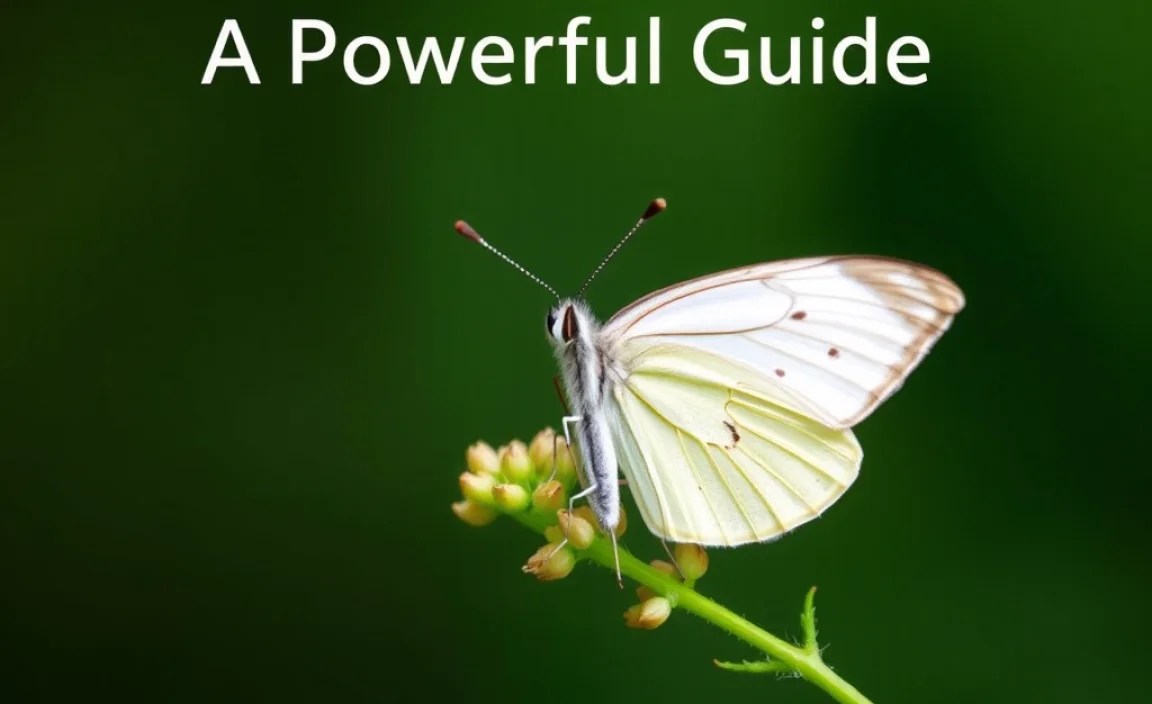
Understanding where the Brown Veined White lives and its migration patterns is key to appreciating its ecological role.
Geographical Range
The Brown Veined White is found across a wide geographical area, including:
- Africa: Throughout most of the continent.
- Asia: India, Southeast Asia, and parts of the Middle East.
Preferred Habitats
This butterfly thrives in a variety of open habitats, such as:
- Gardens
- Agricultural lands
- Open woodlands
- Grasslands
Migration Patterns
The Brown Veined White is known for its migratory behavior, especially in response to seasonal changes and food availability.
- Triggers: Migration is often triggered by drought or the depletion of host plant resources.
- Behavior: Large numbers of butterflies may migrate together, covering significant distances.
- Direction: Migration patterns can vary depending on the region and environmental conditions.
Behavior and Ecology
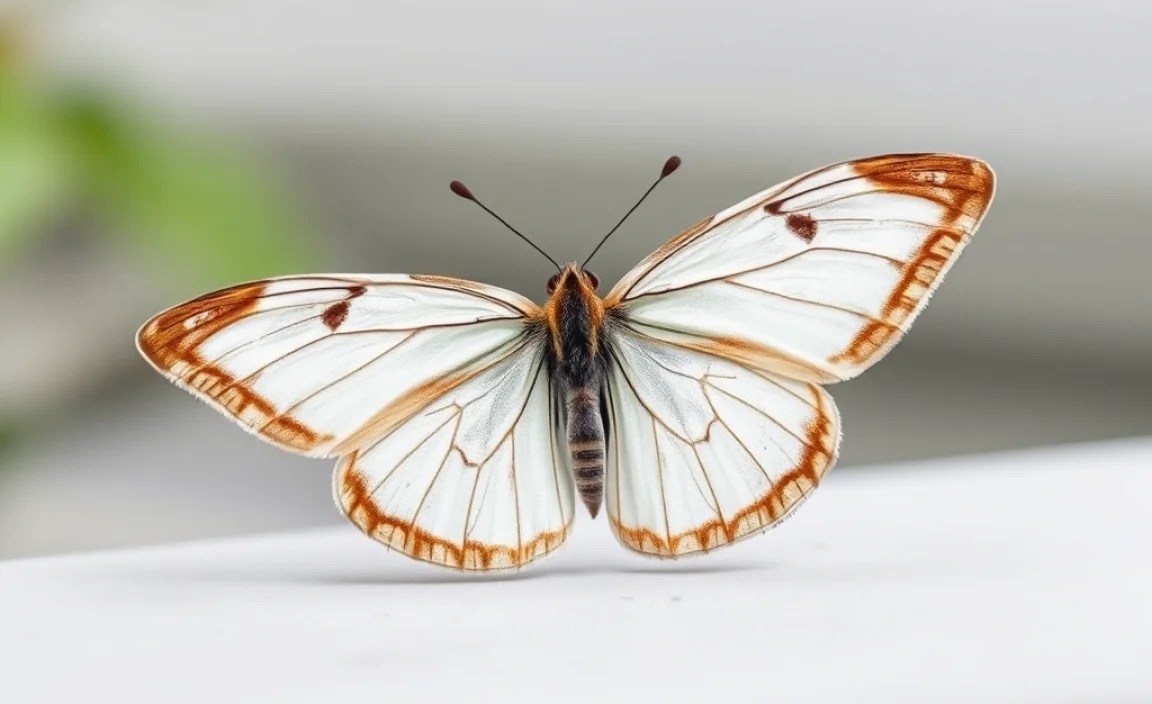
The Brown Veined White plays several important ecological roles.
Feeding Habits
- Adults: Feed on nectar from a variety of flowers, contributing to pollination.
- Larvae: Feed on the leaves of host plants, which can sometimes cause minor agricultural damage.
Reproduction
- Mating: Butterflies engage in courtship rituals before mating.
- Egg-Laying: Females lay eggs on or near host plants to ensure the caterpillars have a food source upon hatching.
Ecological Role
- Pollination: As nectar feeders, adult butterflies help pollinate various plant species.
- Food Source: They serve as a food source for birds, spiders, and other predators.
Attracting Brown Veined Whites to Your Garden
Creating a butterfly-friendly garden can attract Brown Veined Whites and other butterfly species.
Planting Host Plants
Providing host plants is essential for the caterpillars. Consider planting:
- Caper bushes (Capparis species)
- Mustard plants
Providing Nectar Sources
Planting nectar-rich flowers will attract adult butterflies. Good choices include:
- Lantana
- Zinnia
- Butterfly bush (Buddleja davidii)
Creating a Butterfly-Friendly Environment
Other ways to make your garden appealing to butterflies include:
- Sunlight: Butterflies need sunlight to warm their bodies.
- Shelter: Provide shrubs and trees for shelter from wind and rain.
- Water Source: A shallow dish of water with pebbles can provide a place for butterflies to drink.
- Avoid Pesticides: Pesticides can harm or kill butterflies and other beneficial insects.
Conservation Status and Threats
Understanding the conservation status and threats facing the Brown Veined White can help inform conservation efforts.
Conservation Status
The Brown Veined White is not currently listed as endangered or threatened. It is a widespread and common species.
Potential Threats
Despite its current stable status, the Brown Veined White faces several potential threats:
- Habitat Loss: Urbanization and agricultural expansion can reduce the availability of suitable habitats and host plants.
- Pesticide Use: Pesticides can directly harm butterflies and reduce the availability of host plants.
- Climate Change: Changes in temperature and rainfall patterns can affect butterfly populations and migration patterns.
Conservation Measures
While specific conservation measures are not currently targeted at this species, general butterfly conservation practices can help:
- Habitat Preservation: Protecting and restoring natural habitats.
- Sustainable Agriculture: Reducing pesticide use and promoting butterfly-friendly farming practices.
- Public Education: Raising awareness about the importance of butterflies and their conservation.
Cultural Significance and Symbolism
Butterflies have long held cultural significance and are often associated with various symbolic meanings.
Symbolism in Different Cultures
- Transformation: Butterflies are often seen as symbols of transformation and rebirth, reflecting their dramatic life cycle.
- Freedom: Their ability to fly and travel long distances symbolizes freedom and independence.
- Beauty: Their delicate beauty and vibrant colors make them symbols of grace and elegance.
Spiritual Meanings
- Soul: In some cultures, butterflies are believed to represent the human soul.
- Messages: Some believe that butterflies can carry messages from loved ones who have passed away.
Art and Literature
Butterflies have been a popular subject in art and literature throughout history, often used to convey themes of beauty, change, and the ephemeral nature of life.
Observing and Studying Brown Veined Whites
If you’re interested in observing and studying Brown Veined Whites, here are some tips to get you started.
Tips for Butterfly Watching
- Time of Day: Butterflies are most active during the warm, sunny hours of the day.
- Location: Visit gardens, meadows, and other open areas where butterflies are likely to be found.
- Patience: Butterflies can be elusive, so be patient and observant.
- Binoculars: A good pair of binoculars can help you get a closer look at butterflies without disturbing them.
Photography
- Camera: A camera with a macro lens is ideal for capturing close-up shots of butterflies.
- Lighting: Natural light is best, but avoid harsh sunlight that can create glare.
- Approach: Approach butterflies slowly and carefully to avoid scaring them away.
Citizen Science
Participating in citizen science projects can help contribute to our understanding of butterfly populations and distribution.
- Butterfly Surveys: Many organizations conduct butterfly surveys to monitor populations and track migration patterns.
- Data Collection: You can contribute by submitting your butterfly sightings to online databases.
Frequently Asked Questions
Here are some frequently asked questions about the Brown Veined White butterfly.
What do Brown Veined White caterpillars eat?
Brown Veined White caterpillars primarily eat the leaves of plants in the Capparaceae family, such as caper bushes and mustard plants.
Are Brown Veined White butterflies migratory?
Yes, they are known for their migratory behavior, especially in response to seasonal changes and food availability.
How can I attract Brown Veined White butterflies to my garden?
You can attract them by planting host plants like caper bushes and nectar-rich flowers like lantana and zinnia.
What is the lifespan of a Brown Veined White butterfly?
Adult butterflies typically live for about 2-4 weeks, depending on environmental conditions and predation.
Are Brown Veined White butterflies endangered?
No, they are not currently listed as endangered or threatened. They are a widespread and common species.
What is the scientific name of the Brown Veined White butterfly?
The scientific name is Belenois aurota.
What is the difference between male and female Brown Veined White butterflies?
While both sexes have similar wing patterns, females may have slightly more pronounced markings and can sometimes be larger than males.
Conclusion
The Brown Veined White butterfly is more than just a pretty insect; it’s a vital part of the ecosystem, playing a role in pollination and serving as a food source for other animals. By understanding its life cycle, habitat, and behavior, we can better appreciate and protect this fascinating species.
Whether you’re a seasoned butterfly enthusiast or just starting to explore the world of nature, the Brown Veined White offers a wonderful opportunity to connect with the natural world. So, take a moment to observe these beautiful creatures in your garden or local park, and consider how you can contribute to their conservation. Every small action, from planting a butterfly-friendly garden to supporting conservation efforts, makes a difference.
Embrace the beauty and wonder of the Brown Veined White, and let it inspire you to become a steward of the environment. Happy butterfly watching!


