
Blue Morpho “Why” Questions? Powerful Secrets Revealed!

Have you ever seen a butterfly so blue it looks like the sky? That might be a Blue Morpho! These butterflies are famous for their bright blue wings. But have you ever stopped to wonder about Blue Morpho “why” questions? Like, why are they so blue? Or why do they live in the rainforest? Let’s find out all about these amazing insects!
Imagine you are walking in a rainforest. Suddenly, a flash of blue catches your eye. It’s a Blue Morpho butterfly, fluttering through the trees. You might ask, “Why is it so bright?” or “Why does it live here?” These are great Blue Morpho “why” questions. There is so much to learn about these butterflies.
Key Takeaways
- Blue Morpho butterflies are known for their bright, metallic blue wings.
- Their shiny wings help them to scare away predators in the rainforest.
- Why are they so blue? The color comes from tiny structures on their wings.
- They live in rainforests of Central and South America.
- Caterpillars eat many different leaves, but butterflies drink tree sap and fruit juice.
Why Are Blue Morpho Butterflies So Blue?

Have you ever wondered why Blue Morpho butterflies are such a vibrant blue color? It’s not because of pigment, like paint. The blue color comes from the tiny structures on their wings. These structures are like tiny mirrors. They reflect blue light. This is called structural coloration. When light hits the wings, only the blue light bounces back to our eyes. That is why we see them as blue. The other colors get absorbed. This makes them look super bright and shiny. It is a very cool trick of nature. The special structure helps them stand out. It also helps them confuse predators. This unique feature makes them one of the most beautiful butterflies in the world.
- The blue color isn’t from pigment.
- Tiny structures on the wings reflect blue light.
- This is called structural coloration.
- Other colors of light are absorbed.
- This makes the blue appear very bright.
Imagine you have a bunch of tiny mirrors. You arrange them just right. They would reflect only blue light. That is kind of how a Blue Morpho’s wings work. The scales on the wings are shaped in a way that does this. It’s like a natural light show! This amazing adaptation helps them survive. It helps them attract mates. These butterflies are truly special. Understanding the science behind their color makes them even more fascinating. It shows how nature can create amazing things. It is a great example of how things aren’t always as they seem. What appears simple is often complex. The world is full of surprises if you just look closely.
Fun Fact or Stat: Blue Morpho butterflies can be seen from up to 400 meters away because of their bright blue color!
How Does Light Affect the Butterfly’s Color?
Have you noticed how colors can look different in different lights? Well, the same thing happens with Blue Morpho butterflies. The way light hits their wings can change how bright the blue looks. In bright sunlight, they seem to sparkle. But in dimmer light, the blue might look a little darker. Why does this happen? It is because the angle of the light changes. When the light hits the wings at a certain angle, more blue light is reflected. This is why they look extra bright on sunny days. It’s like they are putting on a show for us. They show how light and color work together. It’s a beautiful example of physics in nature. These butterflies are like living rainbows. They change with the light around them. It’s just another reason to be amazed by them.
Why Is Structural Coloration Important?
Why do Blue Morphos use structural coloration instead of pigments? Structural coloration has some advantages. Pigments can fade over time. But structural color doesn’t fade as easily. Also, structural color can create brighter, more vibrant colors. This helps the butterflies attract mates. It also helps them to scare away predators. The shiny, reflective surface can startle animals that want to eat them. Plus, structural coloration can create interesting effects. For example, the color can change depending on the viewing angle. This makes it harder for predators to track them. It’s like a built-in camouflage system. So, structural coloration is a clever way for Blue Morphos to survive and thrive. It gives them a colorful edge in the rainforest.
What Other Animals Use Structural Coloration?
Blue Morphos aren’t the only animals that use structural coloration. Many other insects, birds, and even some fish use it too. For example, peacocks have colorful feathers. The colors come from tiny structures on their feathers. Some beetles also have shiny, metallic colors. These colors are created by structural coloration. Even some types of soap bubbles get their colors this way. Why is this important? Because it shows that nature has found many ways to create color. Structural coloration is a common trick. It’s a great way to get bright, vibrant colors without using pigments. It’s like nature’s own special effects. It shows how creative nature can be. From butterflies to birds, structural coloration is all around us.
Where Do Blue Morpho Butterflies Live?
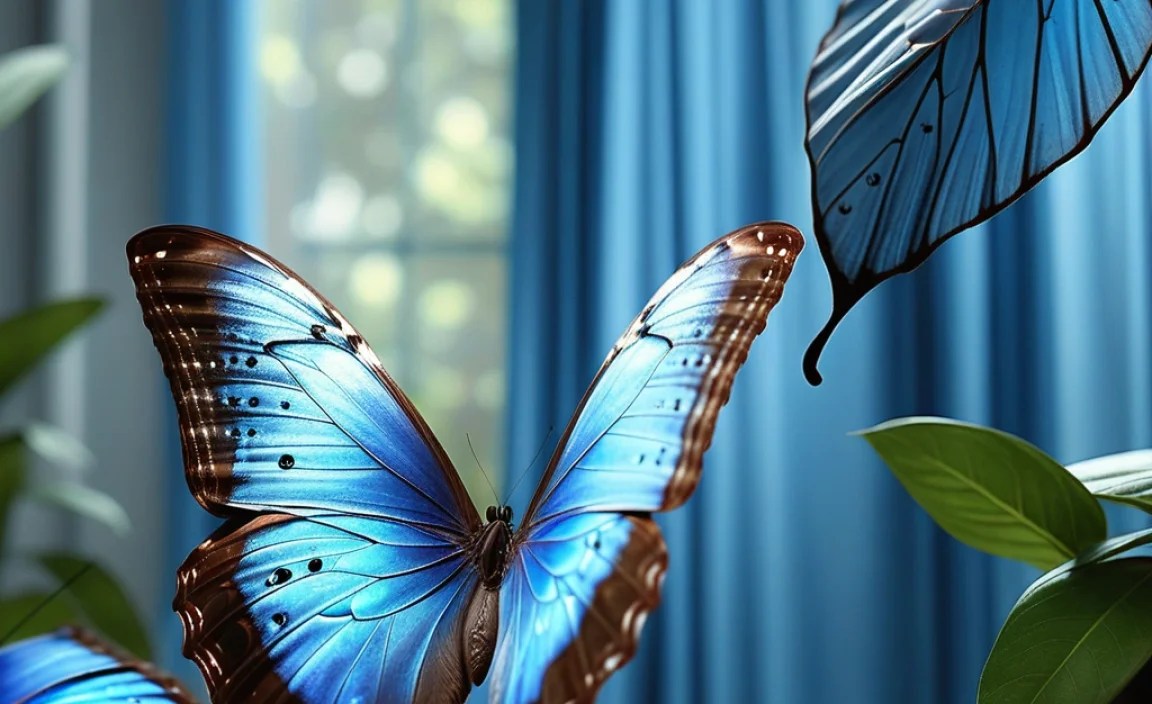
Blue Morpho butterflies live in the rainforests of Central and South America. They like warm, humid places. You can find them from Mexico to Brazil. They live high up in the trees. They like the canopy layer. This is where they can find food and shelter. Why do they live in the rainforest? The rainforest provides everything they need. There are plenty of plants for the caterpillars to eat. There is also tree sap and fruit for the adults. The rainforest also protects them from predators. The dense trees and plants make it hard for predators to find them. The bright blue color helps them stand out. It also helps them find each other. The rainforest is the perfect home for these beautiful butterflies. It gives them everything they need to survive and thrive.
- They live in Central and South American rainforests.
- They prefer warm, humid environments.
- They live high in the trees, in the canopy.
- The rainforest provides food and shelter.
- It also protects them from predators.
- Their bright blue color helps them find each other.
Imagine flying high above the rainforest. You see a flash of blue among the green trees. That is a Blue Morpho butterfly. They love to fly in the sunshine. They also like to hide in the shade. The rainforest is full of hiding places. It is like a giant playground for them. They can fly, eat, and find mates. The rainforest is their home. It is important to protect these rainforests. They are home to many amazing animals. Blue Morpho butterflies are just one example. We need to take care of the rainforests. These amazing places depend on us. If we don’t, these beautiful creatures could disappear. We must conserve their habitat for future generations to appreciate.
Fun Fact or Stat: Blue Morpho butterflies rarely come down to the forest floor, preferring the canopy!
What Makes the Rainforest a Good Habitat?
Why is the rainforest such a good place for Blue Morpho butterflies? The rainforest is full of life. It has many different plants and animals. This variety provides everything the butterflies need. The plants give food for the caterpillars. The tree sap and fruit feed the adults. The tall trees offer shelter. They protect the butterflies from wind and rain. The rainforest also has a warm, humid climate. This is perfect for butterflies. They need warm temperatures to fly and reproduce. The rainforest is like a giant buffet and a safe haven. It is the perfect place for Blue Morpho butterflies to thrive. It has the right conditions for their survival.
How Do They Find Food in the Rainforest?
How do Blue Morpho butterflies find food in the rainforest? The caterpillars eat leaves from many different plants. The adult butterflies drink tree sap and fruit juice. They use their long tongues to sip the liquids. Why do they eat these things? The leaves provide nutrients for the caterpillars to grow. The tree sap and fruit juice give the adults energy. They need energy to fly and reproduce. The butterflies have special sensors. They help them find food. They can smell the fruit from far away. They can also see the bright colors of the flowers. The rainforest is full of food. The butterflies just have to know where to look. Their senses help them to survive.
What Other Animals Share Their Habitat?
Blue Morpho butterflies share their rainforest habitat with many other animals. There are monkeys, sloths, and jaguars. There are also many different kinds of birds and insects. Why is this important? Because all these animals are connected. They depend on each other for survival. The monkeys eat the fruit. The jaguars eat the monkeys. The butterflies pollinate the flowers. The rainforest is a complex web of life. Everything is connected. If one animal disappears, it can affect the whole ecosystem. So, it’s important to protect all the animals in the rainforest. Each one plays a role in keeping the ecosystem healthy. The butterflies are part of this amazing community.
What Do Blue Morpho Caterpillars Eat?
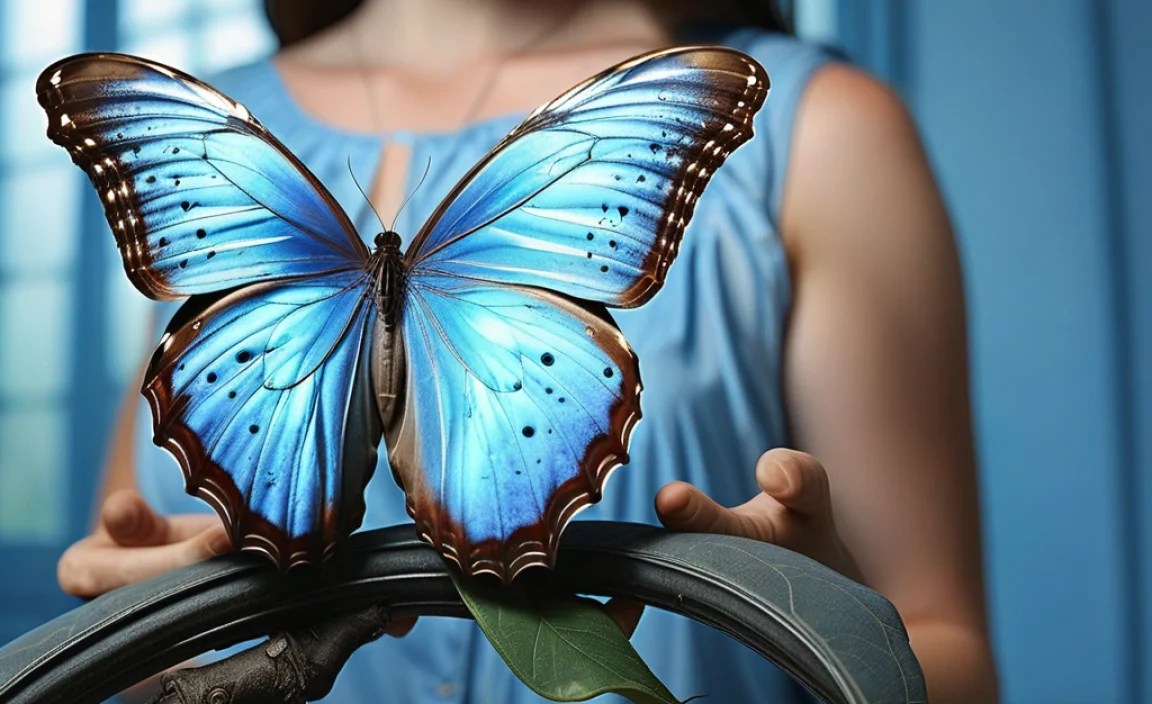
Blue Morpho caterpillars are picky eaters. They don’t eat just any leaves. They prefer certain types of plants. These plants contain special chemicals. These chemicals can be poisonous to other animals. But the caterpillars are immune to them. Why do they eat these poisonous plants? The chemicals protect them from predators. When a predator tries to eat them, they taste bad. This teaches the predator to leave them alone. The caterpillars also store the chemicals in their bodies. This makes them poisonous even after they become butterflies. It’s a clever way to stay safe. They use the plants’ poison to protect themselves. This shows how smart nature can be. It is an example of a complex survival strategy. They have adapted to their environment in a remarkable way.
- They eat specific types of plants.
- These plants contain poisonous chemicals.
- The caterpillars are immune to these chemicals.
- The chemicals protect them from predators.
- They store the chemicals in their bodies.
- This makes them poisonous even as butterflies.
Imagine being a caterpillar. You are surrounded by green leaves. But only some of them are safe to eat. You have to know which ones are the right ones. Blue Morpho caterpillars have this skill. They can identify the plants that will protect them. It is like having a secret weapon. The poison in the leaves makes them taste bad to predators. This helps them survive long enough to become butterflies. Their specific diet is key to their survival. It is a great example of adaptation. They have evolved to eat plants that other animals can’t. This gives them a unique advantage. It helps them thrive in the rainforest.
Fun Fact or Stat: Blue Morpho caterpillars are cannibalistic, meaning they sometimes eat each other!
How Do Caterpillars Find the Right Plants?
Why is it so important for the caterpillars to find the right plants? It is because not all plants are safe. Some plants can be harmful or even deadly. The caterpillars have special senses. They help them find the right plants. They can smell the chemicals in the leaves. They can also taste the leaves to see if they are safe. It’s like they have a built-in plant detector. They use these senses to choose the best plants to eat. This helps them grow big and strong. It ensures they have the nutrients they need. Finding the right plants is crucial for their survival.
What Happens if They Eat the Wrong Plant?
What happens if a Blue Morpho caterpillar eats the wrong plant? It could get sick. It might not grow as big. In some cases, it could even die. That is why it’s so important for them to be picky eaters. They need to be careful about what they eat. They have to avoid plants that are poisonous or harmful. Eating the wrong plant can have serious consequences. It can affect their ability to survive and reproduce. So, they have to be very selective about their diet. This helps them stay healthy and strong.
Do They Eat the Same Plants as Butterflies?
Do Blue Morpho caterpillars eat the same things as the adult butterflies? No, they don’t. Caterpillars eat leaves. Butterflies drink tree sap and fruit juice. Why the change? Caterpillars need to eat a lot to grow. They need to store energy for their transformation. Butterflies need energy to fly and reproduce. They get this energy from sugary liquids. It’s like they have different diets for different stages of their lives. The caterpillars are like growing machines. The butterflies are like flying machines. Each stage has different needs. Their changing diets reflect these needs.
How Do Blue Morpho Butterflies Defend Themselves?
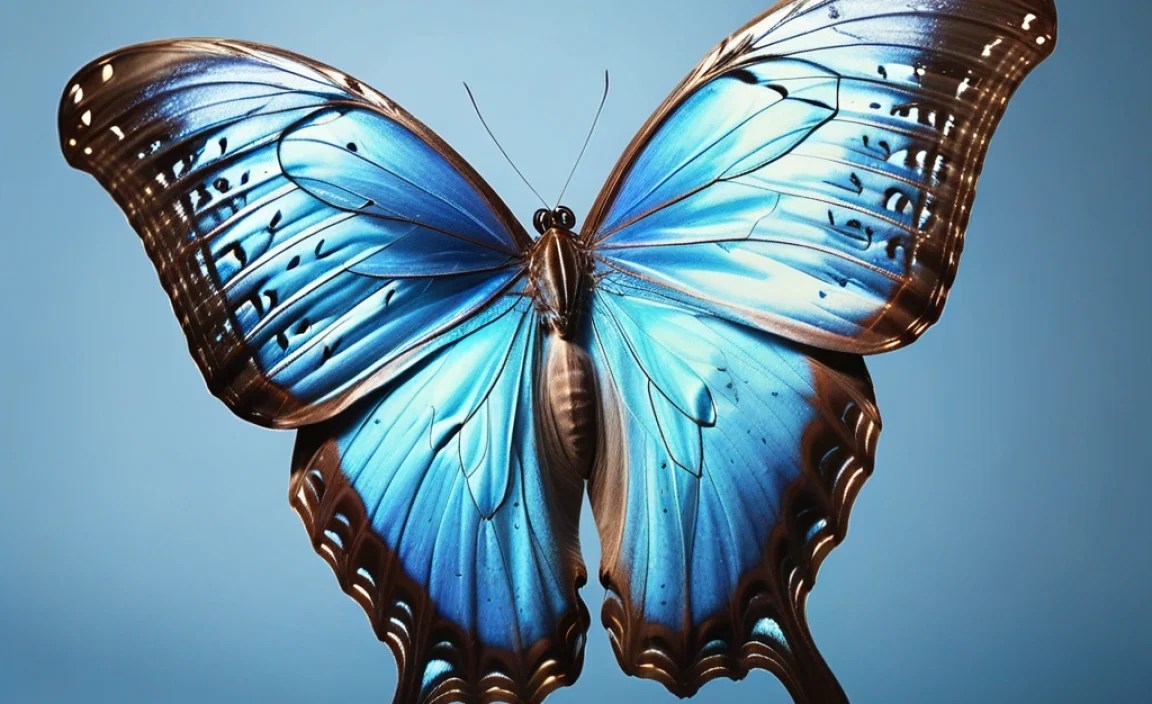
Blue Morpho butterflies have some cool ways to defend themselves. Their bright blue color helps them to startle predators. When they fly, the blue flashes. This can confuse the predator. They also have brown undersides on their wings. When they land, they close their wings. This makes them blend in with the leaves. Why do they need these defenses? The rainforest is full of predators. Birds, lizards, and other insects want to eat them. They need to protect themselves to survive. Their bright color and camouflage help them stay safe. It’s like they have a double defense system. They can be flashy and hidden, depending on the situation. This helps them avoid becoming someone else’s lunch.
- Their bright blue color startles predators.
- They flash their wings while flying.
- Brown undersides help them blend in.
- They close their wings when they land.
- This camouflage helps them hide from predators.
Imagine you are a Blue Morpho butterfly. You are flying through the rainforest. Suddenly, you see a bird coming towards you. What do you do? You flash your bright blue wings! This might scare the bird away. If that doesn’t work, you land on a branch. You close your wings. Now you look like a brown leaf. The bird might not even see you. These are the tricks that Blue Morpho butterflies use to stay alive. They are masters of disguise and distraction. They use their colors and patterns to their advantage. It is a constant game of hide-and-seek. They have to be alert and ready to defend themselves at any moment.
Fun Fact or Stat: The scales on a Blue Morpho’s wings are loosely attached. This allows them to escape from predators by leaving behind a few scales!
Why Is Camouflage Important for Survival?
Why is camouflage so important for Blue Morpho butterflies? Camouflage helps them hide from predators. It allows them to blend in with their surroundings. When they are resting, they look like dead leaves. This makes it hard for predators to spot them. Camouflage is a great way to avoid being eaten. It is a simple but effective defense. It helps them survive in a dangerous environment. It is like having an invisibility cloak. They can disappear into the background. This gives them a better chance of survival.
How Do They Use Their Bright Colors for Defense?
How can bright colors help defend against predators? It seems like bright colors would make them easier to see. But in some cases, bright colors can startle predators. The sudden flash of blue can surprise them. This gives the butterfly a chance to escape. The bright colors can also warn predators. It can signal that the butterfly is poisonous or tastes bad. This is called warning coloration. The bright colors are like a sign that says, “Stay away!” It’s a bold strategy, but it can be very effective. It takes advantage of the predator’s instincts.
What Other Insects Use Similar Defenses?
Blue Morpho butterflies aren’t the only insects that use these defenses. Many other butterflies and moths use camouflage and bright colors to protect themselves. Some insects mimic the appearance of other animals. They might look like sticks or leaves. This helps them blend in with their environment. Other insects have bright colors to warn predators. They might be poisonous or have a bad taste. Why is this so common? Because these defenses work! They help insects survive in a world full of predators. They have evolved these strategies over millions of years. They are proven methods of survival.
What Is the Life Cycle of a Blue Morpho Butterfly?
The life cycle of a Blue Morpho butterfly has four stages. These stages are egg, larva (caterpillar), pupa (chrysalis), and adult. The female butterfly lays her eggs on plants. The eggs hatch into caterpillars. The caterpillars eat a lot and grow quickly. They shed their skin several times. Then, the caterpillar turns into a pupa. The pupa is protected by a hard shell. Inside the pupa, the caterpillar transforms into a butterfly. Finally, the butterfly emerges from the pupa. It flies off to find a mate and lay eggs. Why does it go through these stages? Each stage is important for its survival. The caterpillar eats and grows. The pupa transforms. The butterfly reproduces. This cycle ensures the survival of the species.
| Stage | Description | Duration | Main Activity |
|---|---|---|---|
| Egg | Small and round, laid on plants | Few days | Hatching |
| Larva (Caterpillar) | Eats leaves, grows rapidly | Several weeks | Eating and molting |
| Pupa (Chrysalis) | Hard shell, transformation occurs | 2-3 weeks | Transformation |
| Adult | Flies, reproduces, drinks sap | Few weeks to months | Reproduction and dispersal |
Imagine a tiny egg on a leaf. That is the beginning of a Blue Morpho butterfly’s life. The egg hatches into a small caterpillar. The caterpillar eats and eats. It grows bigger and bigger. It sheds its skin several times. Then, it turns into a pupa. Inside the pupa, something amazing happens. The caterpillar transforms into a butterfly. When the butterfly emerges, it is ready to fly. It is a beautiful transformation. It is one of the wonders of nature. It shows how much change is possible. The life cycle of a butterfly is truly amazing. It highlights nature’s incredible processes.
Fun Fact or Stat: The entire life cycle of a Blue Morpho butterfly, from egg to adult, takes about 115 days!
What Happens Inside the Chrysalis?
Why is the chrysalis stage so important? Inside the chrysalis, the caterpillar undergoes a complete transformation. Its body breaks down. New structures form. These structures will become the wings, legs, and other parts of the butterfly. It’s like the caterpillar is being rebuilt from scratch. This process takes time and energy. The chrysalis protects the caterpillar while it transforms. It is a safe place for this amazing change to occur. The chrysalis is like a cocoon of magic. It is where the butterfly is born.
How Do They Shed Their Skin?
How do Blue Morpho caterpillars shed their skin? As they grow, their skin becomes too tight. They need to shed it to grow bigger. This process is called molting. The caterpillar grows a new skin underneath the old one. Then, the old skin splits open. The caterpillar crawls out of the old skin. It leaves it behind. The new skin is soft and stretchy. This allows the caterpillar to grow even more. Molting happens several times during the caterpillar’s life. Each time, the caterpillar gets bigger and stronger. It’s a necessary part of its growth. It lets them reach their full potential.
What Do Adult Butterflies Do?
What do adult Blue Morpho butterflies do? They fly around the rainforest. They look for mates. They lay eggs. They drink tree sap and fruit juice. They need energy to fly and reproduce. Why do they do these things? To continue the cycle of life. To ensure that there will be more Blue Morpho butterflies in the future. They play an important role in the ecosystem. They pollinate flowers. They provide food for other animals. They are a beautiful and important part of the rainforest. They add to the ecosystem’s biodiversity.
What Threats Do Blue Morpho Butterflies Face?
Blue Morpho butterflies face several threats. One of the biggest threats is habitat loss. The rainforests are being cut down for farming and logging. This destroys the butterflies’ homes. Another threat is climate change. Changes in temperature and rainfall can affect their food supply. Pollution can also harm them. Pesticides can poison them. Why are these threats so serious? Because they can lead to the extinction of the butterflies. If they lose their habitat, they can’t survive. If the climate changes, they can’t adapt. It is important to protect these butterflies. We need to protect their rainforest habitat. We need to reduce pollution and fight climate change. We must ensure their survival for future generations.
- Habitat loss from deforestation is a big threat.
- Climate change affects their food supply.
- Pollution and pesticides can poison them.
- These threats can lead to extinction.
- Protecting their habitat is crucial.
Imagine the rainforest disappearing. The trees are cut down. The land is cleared for farms. Where will the Blue Morpho butterflies live? They will have no place to go. This is what is happening in many parts of the world. Rainforests are being destroyed at an alarming rate. This is a serious threat to Blue Morpho butterflies. It is also a threat to many other animals and plants. We need to protect these rainforests. They are vital for the health of our planet. They provide clean air and water. They are home to many amazing species. We must act now to save them.
Fun Fact or Stat: Deforestation is happening at a rate of about 18.7 million acres per year, threatening the Blue Morpho’s habitat!
How Does Deforestation Affect Butterflies?
Why does deforestation have such a big impact on Blue Morpho butterflies? When the rainforest is cut down, the butterflies lose their homes. They lose their food supply. They lose their shelter. They can’t survive without these things. Deforestation also disrupts the ecosystem. It affects the climate. It can lead to soil erosion. It has a ripple effect on the entire environment. It is not just about losing trees. It is about losing a complex web of life. We need to understand the consequences of our actions. We must protect the rainforests for the sake of the butterflies and for our own sake.
What Can Be Done to Protect Their Habitat?
What can we do to protect the Blue Morpho butterflies’ habitat? We can support sustainable farming practices. We can reduce our consumption of products that contribute to deforestation. We can donate to organizations that protect rainforests. We can educate others about the importance of conservation. We can also advocate for policies that protect the environment. Why is it important to do these things? Because every little bit helps. Every action we take can make a difference. We can all play a role in protecting these amazing butterflies. We must act now to save them and their habitat.
How Does Climate Change Impact Them?
How does climate change affect Blue Morpho butterflies? Changes in temperature and rainfall can disrupt their life cycle. It can affect the plants they eat. It can also increase the risk of extreme weather events. These events can destroy their habitat. Why is this a problem? Because butterflies are very sensitive to changes in their environment. They need specific conditions to survive. Climate change is making these conditions less stable. This puts the butterflies at risk. We need to address climate change to protect these beautiful creatures. We must reduce our carbon emissions and promote sustainable practices.
Summary
Blue Morpho butterflies are amazing insects. They are known for their bright blue wings. Why are they so blue? The color comes from tiny structures on their wings. These structures reflect blue light. They live in rainforests of Central and South America. The caterpillars eat leaves from specific plants. The butterflies drink tree sap and fruit juice. They have cool ways to defend themselves. They use their bright colors and camouflage. They also face threats like habitat loss and climate change. We need to protect these butterflies and their rainforest home. By understanding Blue Morpho “why” questions, we can better appreciate and conserve them.
Conclusion
Blue Morpho butterflies are more than just pretty insects. They are a vital part of the rainforest ecosystem. They have unique adaptations that help them survive. They also face serious threats from human activities. It is our responsibility to protect these butterflies and their habitat. By understanding Blue Morpho “why” questions, we can help ensure their survival. We can support conservation efforts. We can make sustainable choices. Together, we can make a difference. Let’s work together to protect these amazing creatures for future generations.
Frequently Asked Questions
Question No 1: Why are Blue Morpho butterflies so blue?
Answer: Blue Morpho butterflies are blue because of tiny structures on their wings. These structures reflect blue light. This is called structural coloration. It’s like they have tiny mirrors on their wings. These mirrors bounce back the blue light. This makes them appear very bright and shiny. It’s not from a pigment or dye. It is a trick of light and structure. It is a fascinating example of how nature creates color. Why is this important? It helps them attract mates and confuse predators.
Question No 2: What do Blue Morpho caterpillars eat?
Answer: Blue Morpho caterpillars are picky eaters. They eat leaves from specific plants. These plants contain chemicals. The chemicals can be poisonous to other animals. But the caterpillars are immune to them. They use these chemicals for protection. Why do they eat these poisonous plants? Because the chemicals make them taste bad to predators. This helps them survive. They are adapted to eat these plants. It is a unique survival strategy that helps them thrive in the rainforest. Their diet is crucial for their development.
Question No 3: Where do Blue Morpho butterflies live?
Answer: Blue Morpho butterflies live in rainforests. You can find them in Central and South America. They like warm, humid places. They live high up in the trees. They like the canopy layer. This is where they can find food and shelter. Why do they live in the rainforest? Because it provides everything they need. There are plenty of plants for the caterpillars to eat. There is also tree sap and fruit for the adults. The rainforest also protects them from predators.
Question No 4: How do Blue Morpho butterflies defend themselves?
Answer: Blue Morpho butterflies have several ways to defend themselves. Their bright blue color can startle predators. They also have brown undersides on their wings. This helps them blend in with the leaves. Why do they need these defenses? The rainforest is full of predators. Birds, lizards, and other insects want to eat them. They need to protect themselves to survive. Their bright color and camouflage help them stay safe. It’s like they have a double defense system.
Question No 5: What are the threats to Blue Morpho butterflies?
Answer: Blue Morpho butterflies face several threats. One of the biggest threats is habitat loss. The rainforests are being cut down for farming and logging. This destroys the butterflies’ homes. Another threat is climate change. Changes in temperature and rainfall can affect their food supply. Pollution can also harm them. Why are these threats so serious? Because they can lead to the extinction of the butterflies. If they lose their habitat, they can’t survive.
Question No 6: How can I help protect Blue Morpho butterflies?
Answer: You can help protect Blue Morpho butterflies in several ways. You can support sustainable farming practices. You can reduce your consumption of products that contribute to deforestation. You can donate to organizations that protect rainforests. You can educate others about the importance of conservation. You can also advocate for policies that protect the environment. Why is it important to do these things? Because every little bit helps. Every action you take can make a difference. We can all play a role in protecting these amazing butterflies.


