
Asian Butterfly Research Topics: Discover Secrets!

Have you ever seen a butterfly? They flutter around in gardens. Butterflies are so colorful and pretty. Scientists study butterflies to learn about nature. Asian butterfly research topics help us understand these insects. What are some things scientists study about them?
Key Takeaways
- Asian butterfly research topics include migration, habitats, and conservation.
- Butterfly conservation efforts help protect these beautiful creatures from extinction.
- Scientists study butterfly migration patterns to understand climate change effects.
- Butterfly habitats in Asia are diverse, ranging from forests to mountains.
- Research helps us learn how butterflies adapt to different environments.
Exploring Asian Butterfly Research Topics
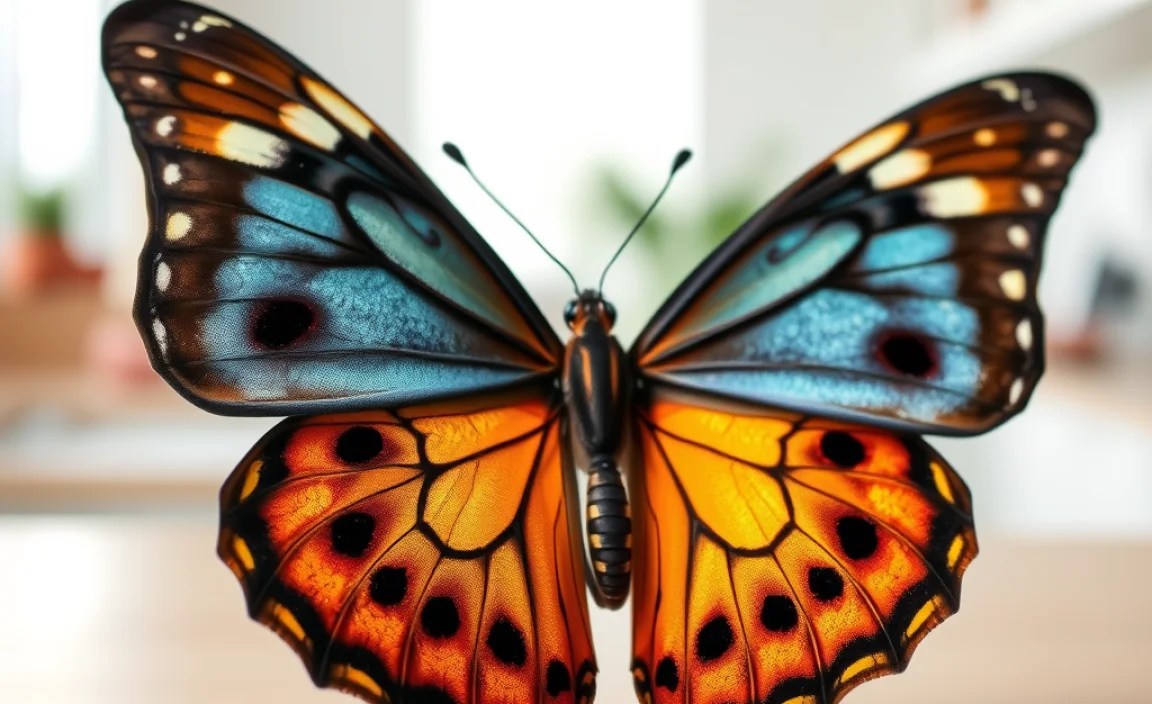
Asian butterfly research topics cover many exciting areas. Scientists study where butterflies live. They also study how butterflies change over time. Researchers want to know how to protect butterflies. Butterflies are important to our world. They help plants grow by spreading pollen. Learning about butterflies can help us protect the environment. Some butterflies travel long distances. This is called migration. Scientists track butterflies to see where they go. They use tiny tags to follow them. This helps us understand how butterflies find food and mates. Butterfly research is important for understanding nature. It also helps us protect these beautiful insects for the future.
- Butterflies help pollinate flowers.
- Many butterflies migrate long distances.
- Scientists study butterfly habitats.
- Research helps protect butterflies.
- Butterflies change over time.
Butterflies are important indicators of a healthy environment. Studying them can tell us a lot about the health of our planet. When butterfly populations decline, it can be a warning sign. It might mean that their habitats are being destroyed. It could also mean that the climate is changing. Scientists monitor butterfly populations to track these changes. They also study how pollution affects butterflies. Some pollutants can harm butterflies and their food sources. By understanding these impacts, we can take steps to protect butterflies. Protecting butterflies also helps protect other plants and animals that depend on the same habitats.
Fun Fact or Stat: Some butterfly species migrate over 3,000 miles!
What Habitats Do Butterflies Prefer?
Butterflies live in many different places. They can live in forests, meadows, and even deserts. Each type of butterfly has its favorite habitat. Some like warm, sunny places. Others prefer cool, shady areas. The habitat must have the right food for caterpillars. Caterpillars eat leaves and plants. They need specific plants to survive. Butterflies also need nectar for food. Nectar is a sweet liquid found in flowers. Different flowers attract different butterflies. Scientists study habitats to understand what butterflies need. They look at the types of plants and the climate. This helps them protect butterfly habitats.
How Do Butterflies Adapt to Their Surroundings?
Butterflies have amazing ways to adapt. They can change their colors to blend in. This helps them hide from predators. Some butterflies have patterns that look like eyes. These patterns can scare away birds. Butterflies can also change their behavior. They might fly faster or hide under leaves. Butterflies also adapt to different climates. Some can survive in very hot or cold places. They have special bodies that help them stay warm or cool. Scientists study these adaptations to learn how butterflies survive. This can help us understand how other animals adapt too.
Why Is Butterfly Conservation Important?
Butterfly populations are declining in many areas. This is because of habitat loss and climate change. We need to protect butterflies to keep our ecosystems healthy. Butterflies help pollinate plants. They are also food for birds and other animals. If we lose butterflies, it can affect the whole food chain. Conservation efforts can help protect butterflies. This includes protecting their habitats and reducing pollution. We can also plant butterfly gardens. These gardens provide food and shelter for butterflies. By working together, we can help butterflies thrive.
Studying Butterfly Migration Patterns in Asia
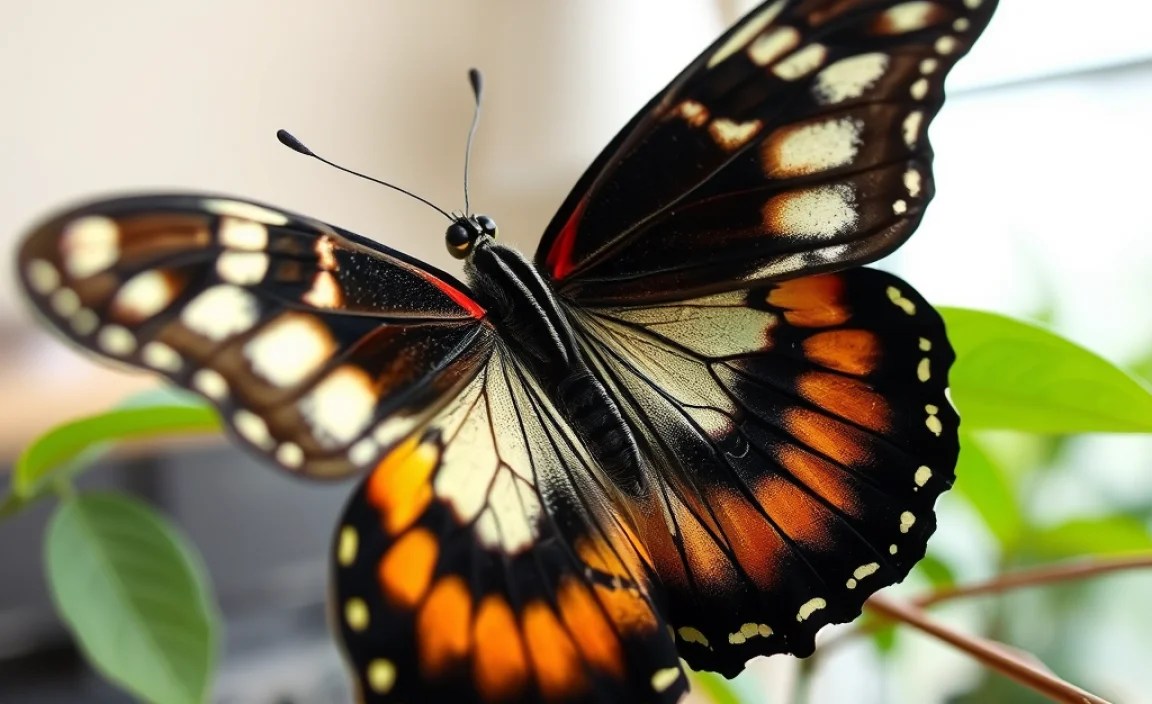
Asian butterfly research topics include butterfly migration. Some butterflies travel very far. They migrate to find food or to breed. The Painted Lady butterfly migrates across Asia. It travels thousands of miles each year. Scientists study how butterflies find their way. They use tags and GPS to track them. They also study the weather patterns that affect migration. Climate change can affect migration patterns. It can change the timing of migration. It can also make it harder for butterflies to find food. Understanding migration patterns is important for protecting butterflies. We can help them by protecting their migration routes.
- Butterflies migrate to find food.
- Migration helps butterflies breed.
- Climate change affects migration.
- Scientists track butterflies with tags.
- Protecting migration routes is important.
Butterfly migration is a complex and fascinating phenomenon. Some butterflies migrate in large groups, forming spectacular displays. These migrations can attract tourists and boost local economies. However, they also face many challenges. Deforestation, habitat loss, and pesticide use can disrupt migration routes. Light pollution can also disorient butterflies, causing them to lose their way. Scientists and conservationists are working together to address these challenges. They are creating protected areas along migration routes. They are also promoting sustainable farming practices that reduce pesticide use. By protecting migration routes, we can help ensure that butterflies continue to thrive.
Fun Fact or Stat: Monarch butterflies migrate over 2,500 miles each year!
What Challenges Do Migrating Butterflies Face?
Migrating butterflies face many dangers. They have to fly long distances. They can get tired and hungry. The weather can be bad. Storms can blow them off course. They can also get caught in spider webs. People can also harm them. They might destroy their habitats. They might use pesticides that kill them. Climate change is also a big threat. It can change the timing of migration. It can also make it harder to find food. We need to help butterflies by protecting their habitats. We can also reduce pollution and climate change.
How Do Scientists Track Butterfly Migration?
Scientists use different methods to track butterflies. They use tiny tags to mark them. Each tag has a number. When someone finds a tagged butterfly, they can report it. This helps scientists see where the butterfly has been. Scientists also use GPS trackers. These are small devices that record the butterfly’s location. The trackers send the data to satellites. Scientists can then see the butterfly’s route on a map. They also use radar to track large groups of butterflies. Radar can detect the butterflies even when it is cloudy.
Why Is Studying Butterfly Migration Important?
Studying butterfly migration helps us understand the environment. Butterflies are sensitive to changes in the environment. Their migration patterns can tell us if something is wrong. For example, if butterflies are migrating earlier, it could mean the climate is changing. If they are not migrating as far, it could mean they are losing their habitats. By studying migration, we can learn how to protect butterflies. We can also learn how to protect the environment. This helps us keep our planet healthy.
Conserving Butterfly Habitats in Asia

Asian butterfly research topics also focus on conservation. Many butterfly habitats are being destroyed. Forests are being cut down. Wetlands are being drained. This leaves butterflies with nowhere to live. Conservation efforts help protect these habitats. This includes creating protected areas. It also includes restoring damaged habitats. We can plant trees and flowers to create new habitats. We can also reduce pollution to make habitats healthier. Conservation helps butterflies and other animals. It also helps people by providing clean air and water.
- Habitats are being destroyed.
- Conservation protects habitats.
- We can create new habitats.
- Pollution harms habitats.
- Conservation helps people too.
Conserving butterfly habitats is crucial for maintaining biodiversity. Butterflies are an important part of the ecosystem. They pollinate plants and serve as food for other animals. When butterfly habitats are destroyed, it can have a ripple effect throughout the ecosystem. Other plants and animals may also suffer. Conservation efforts often involve working with local communities. Local people can help protect habitats by managing forests and wetlands sustainably. They can also benefit from ecotourism, which provides income from butterfly watching and other nature-based activities. By working together, we can create a win-win situation for both people and butterflies.
Fun Fact or Stat: Butterflies are more active on warm, sunny days!
How Can We Protect Butterfly Habitats?
There are many ways to protect butterfly habitats. We can create protected areas like parks and reserves. These areas are safe from development. We can also restore damaged habitats. This includes planting trees and removing pollution. We can support sustainable farming practices. These practices help protect habitats on farms. We can also educate people about the importance of butterflies. This helps them understand why we need to protect them. Every little bit helps butterflies thrive.
What Are the Biggest Threats to Butterfly Habitats?
The biggest threats to butterfly habitats are habitat loss and climate change. Habitat loss is caused by deforestation, agriculture, and urbanization. As forests and wetlands are converted to other uses, butterflies lose their homes. Climate change is causing changes in temperature and rainfall. This can affect the plants that butterflies need for food. Pollution is also a threat. Pesticides can kill butterflies. Air pollution can harm their food sources. We need to address these threats to protect butterflies.
Why Is Community Involvement Important for Conservation?
Community involvement is very important for conservation. Local people know the land best. They can help protect habitats by managing them sustainably. They can also benefit from conservation. Ecotourism can provide income. Sustainable farming can improve their livelihoods. When local people are involved in conservation, they are more likely to support it. This makes conservation efforts more successful. By working together, we can protect butterflies and their habitats.
Understanding Butterfly Life Cycles in Asia

Asian butterfly research topics include life cycles. Butterflies go through different stages. First, they are eggs. Then, they become caterpillars. Next, they form a pupa or chrysalis. Finally, they emerge as butterflies. Each stage is important. Caterpillars eat a lot of leaves. They grow bigger and bigger. The pupa is a resting stage. Inside the pupa, the caterpillar changes into a butterfly. The butterfly comes out of the pupa. It flies away to find food and mates. Understanding the life cycle helps us protect butterflies.
- Butterflies start as eggs.
- Caterpillars eat leaves.
- The pupa is a resting stage.
- Butterflies emerge from pupae.
- The life cycle is very important.
The butterfly life cycle is a remarkable transformation. Each stage is uniquely adapted to its environment. The eggs are often laid on specific host plants that will provide food for the caterpillars. The caterpillars are voracious eaters, growing rapidly as they molt their skin several times. The pupa, or chrysalis, is a protective shell where the caterpillar undergoes metamorphosis. Inside the pupa, the caterpillar’s body breaks down and reforms into a butterfly. This process can take several weeks or even months. When the butterfly emerges, it is a delicate creature that must quickly learn to fly and find food.
Fun Fact or Stat: A butterfly’s wings are covered in tiny scales!
What Do Caterpillars Eat?
Caterpillars eat leaves. Different caterpillars eat different leaves. Some eat only one type of leaf. Others eat many types of leaves. Monarch caterpillars eat milkweed leaves. Swallowtail caterpillars eat citrus leaves. The type of leaf depends on the butterfly species. Caterpillars eat a lot of leaves. They need the energy to grow. They also need the nutrients to become butterflies. Without the right food, caterpillars cannot survive. This is why it is important to protect their food plants.
How Long Does It Take for a Butterfly to Develop?
The time it takes for a butterfly to develop varies. It depends on the species. It also depends on the weather. Some butterflies develop in a few weeks. Others take several months. The egg stage can last a few days. The caterpillar stage can last a few weeks. The pupa stage can also last a few weeks. The butterfly stage can last a few days or several months. Some butterflies live only a few days. Others live for many months.
What Happens Inside the Pupa?
Inside the pupa, the caterpillar transforms into a butterfly. This is a magical process. The caterpillar’s body breaks down. It reforms into a butterfly. The pupa is a protective shell. It protects the caterpillar during this transformation. The butterfly develops wings, legs, and antennae. It also develops its colors and patterns. When the butterfly is ready, it breaks out of the pupa. It flies away to start its new life. This process is called metamorphosis.
Analyzing Butterfly Genetics in Asia
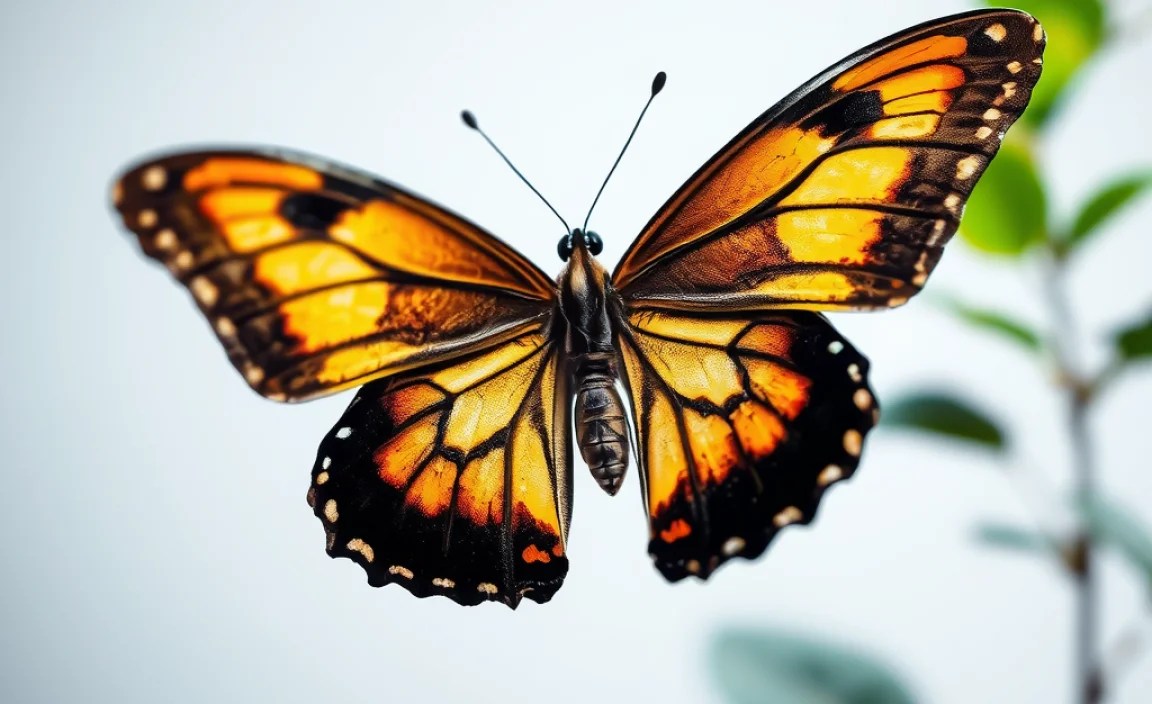
Asian butterfly research topics now include genetics. Genetics is the study of genes. Genes control how butterflies look and act. Scientists study butterfly genes to understand how they evolve. They also study how genes affect their survival. Some genes help butterflies adapt to different environments. Other genes control their colors and patterns. By studying genes, we can learn more about butterflies. This can help us protect them from extinction. Genetics is a powerful tool for understanding nature.
- Genetics studies genes.
- Genes control butterfly traits.
- Scientists study butterfly genes.
- Genes affect survival.
- Genetics helps protect butterflies.
Butterfly genetics is a rapidly advancing field. Scientists are using new technologies to study butterfly genomes. A genome is the complete set of genes in an organism. By comparing the genomes of different butterfly species, scientists can learn about their evolutionary relationships. They can also identify genes that are responsible for specific traits, such as wing color and pattern. This information can be used to develop new conservation strategies. For example, scientists can identify populations that are genetically distinct and prioritize them for protection.
Fun Fact or Stat: Butterflies taste with their feet!
How Do Genes Affect Butterfly Colors?
Genes control butterfly colors. Some genes make pigments. Pigments are chemicals that give butterflies their colors. Different genes make different pigments. The combination of pigments determines the butterfly’s color. Some genes control the patterns on the wings. These genes tell the pigments where to go. Mutations in these genes can change the colors and patterns. This can make butterflies look different. Scientists study these genes to understand how colors evolve.
What Can Butterfly Genes Tell Us About Evolution?
Butterfly genes can tell us a lot about evolution. By comparing the genes of different butterfly species, we can see how they are related. We can also see how they have changed over time. Some genes are very similar in different species. This means they are ancient genes. Other genes are very different. This means they have evolved more recently. By studying these genes, we can learn about the history of butterflies. This helps us understand how life on Earth has evolved.
How Does Genetics Help Butterfly Conservation?
Genetics helps butterfly conservation in many ways. We can use genetics to identify populations that are at risk. We can also use genetics to track the health of populations. If a population is losing genetic diversity, it may be more vulnerable to disease. We can also use genetics to guide breeding programs. We can breed butterflies to increase their genetic diversity. This can help them survive in the wild. Genetics is a valuable tool for protecting butterflies.
Examining Butterfly Behavior in Asian Species
Asian butterfly research topics also look at behavior. Butterflies do many interesting things. They fly, feed, and mate. They also interact with other animals. Scientists study butterfly behavior to understand how they survive. They study how they find food. They study how they avoid predators. They study how they find mates. Behavior is important for survival. Butterflies need to be able to find food and avoid danger. Understanding their behavior can help us protect them.
- Butterflies fly and feed.
- They also mate.
- Scientists study behavior.
- Behavior helps them survive.
- We can protect them by studying behavior.
Butterfly behavior is diverse and fascinating. Some butterflies are solitary, while others are social. Some butterflies are active during the day, while others are active at night. Some butterflies migrate long distances, while others stay in the same area their whole lives. Butterfly behavior is influenced by many factors, including genetics, environment, and experience. Scientists use a variety of methods to study butterfly behavior, including observation, experimentation, and modeling. By understanding butterfly behavior, we can gain insights into the complex interactions between butterflies and their environment.
Fun Fact or Stat: Butterflies can see ultraviolet light!
How Do Butterflies Find Food?
Butterflies find food using their senses. They use their eyes to see flowers. They use their antennae to smell nectar. They also use their feet to taste nectar. Butterflies have special receptors on their feet. These receptors can detect the sugar in nectar. When a butterfly lands on a flower, it can taste the nectar with its feet. If the nectar is sweet, the butterfly will drink it. Butterflies also use their wings to find food. Some butterflies have patterns on their wings that attract other butterflies to food sources.
How Do Butterflies Avoid Predators?
Butterflies avoid predators in many ways. Some butterflies have camouflage. They blend in with their surroundings. This makes it hard for predators to see them. Other butterflies have bright colors. These colors warn predators that they are poisonous. Some butterflies mimic other animals. They look like animals that predators avoid. Some butterflies fly very fast. This makes it hard for predators to catch them. Butterflies also use their behavior to avoid predators. They might hide under leaves or fly away quickly.
How Do Butterflies Find Mates?
Butterflies find mates using different strategies. Some butterflies use visual signals. The males have bright colors or patterns. They display these colors to attract females. Other butterflies use chemical signals. The females release pheromones. Pheromones are chemicals that attract males. The males can smell the pheromones from far away. Some butterflies use courtship dances. The males perform special dances to impress the females. Butterflies also use sound to find mates. Some butterflies make clicking sounds with their wings.
Analyzing the Impact of Climate Change on Asian Butterflies
Asian butterfly research topics now explore climate change. Climate change is affecting butterflies. Temperatures are rising. Rainfall patterns are changing. This can affect butterfly habitats. It can also affect their food sources. Some butterflies are moving to new areas. Others are struggling to survive. Scientists are studying how climate change affects butterflies. This can help us protect them. We need to reduce climate change to save butterflies.
- Climate change affects butterflies.
- Temperatures are rising.
- Rainfall patterns are changing.
- Butterflies are moving.
- We need to reduce climate change.
| Climate Change Impact | Effect on Butterflies | Possible Solutions |
|---|---|---|
| Rising Temperatures | Changes in migration patterns, altered breeding cycles | Reduce greenhouse gas emissions, create shade habitats |
| Changes in Rainfall | Habitat loss due to drought or flooding, reduced food availability | Conserve water, restore wetlands, plant drought-resistant plants |
| Extreme Weather Events | Direct mortality, habitat destruction | Create protected areas, build resilient habitats |
| Changes in Plant Life | Loss of food sources for caterpillars, decline in nectar availability | Protect plant diversity, plant native species |
Climate change is a major threat to butterflies around the world. Rising temperatures and changing rainfall patterns are altering butterfly habitats and food sources. Extreme weather events, such as droughts and floods, can directly kill butterflies and destroy their habitats. Climate change can also disrupt butterfly life cycles, causing them to emerge at the wrong time of year. This can lead to mismatches between butterflies and their food plants. Scientists are working to understand how climate change is affecting butterflies. They are also developing strategies to help butterflies adapt to these changes. These strategies include protecting and restoring butterfly habitats, reducing greenhouse gas emissions, and planting climate-resilient plants.
Fun Fact or Stat: Some butterflies can fly up to 30 miles per hour!
How Are Butterfly Habitats Affected by Climate Change?
Butterfly habitats are affected by climate change in many ways. Rising temperatures can cause habitats to dry out. This can kill plants that butterflies need for food. Changes in rainfall patterns can lead to floods or droughts. This can also destroy habitats. Extreme weather events like hurricanes and tornadoes can also damage habitats. Climate change is also causing changes in plant life. Some plants are moving to new areas. Others are dying out. This can affect the food sources for butterflies.
How Does Climate Change Affect Butterfly Food Sources?
Climate change affects butterfly food sources in several ways. Rising temperatures can cause plants to bloom earlier. This can lead to a mismatch between butterflies and their food plants. If butterflies emerge before the plants bloom, they will not have any food. Changes in rainfall patterns can also affect plants. Droughts can kill plants. Floods can wash away plants. Climate change can also affect the quality of nectar. Nectar may become less nutritious. This can make it harder for butterflies to survive.
What Can We Do to Help Butterflies Adapt to Climate Change?
There are many things we can do to help butterflies adapt to climate change. We can reduce greenhouse gas emissions. This will help slow down climate change. We can protect and restore butterfly habitats. This will give butterflies a place to live. We can plant climate-resilient plants. These plants can survive in changing conditions. We can also educate people about climate change and butterflies. This will help them understand the importance of protecting butterflies. By working together, we can help butterflies survive climate change.
Summary
Asian butterfly research topics are very important. Scientists study butterflies to learn about their lives. They study where they live and how they change. They also study how climate change affects them. This research helps us protect butterflies. Butterflies are important for our environment. They help pollinate flowers. They are also food for other animals. By studying and protecting butterflies, we can help keep our planet healthy. Asian butterfly research topics show us how fascinating and important these insects are.
Conclusion
Butterflies are amazing creatures. They are beautiful and important. Scientists study Asian butterfly research topics to learn about them. This helps us understand their lives and protect them. We need to protect their habitats and reduce climate change. By working together, we can help butterflies thrive. Let’s all do our part to save these beautiful insects. They are an important part of our world.
Frequently Asked Questions
Question No 1: Why are Asian butterfly research topics important?
Answer: Asian butterfly research topics are important because butterflies are vital to our ecosystem. They pollinate plants, which helps them reproduce. They are also a food source for birds and other animals. Studying them helps us understand how to protect them and maintain a healthy environment. Climate change and habitat loss threaten butterflies, so research is essential to find solutions. Understanding their behavior and genetics also helps us conserve them.
Question No 2: What are some common threats to butterflies in Asia?
Answer: Common threats include habitat loss due to deforestation and urbanization. Climate change also poses a significant threat, altering their migration patterns and food availability. Pesticide use in agriculture can harm or kill butterflies directly. Pollution can also damage their habitats and food sources. Invasive species can compete with native butterflies for resources. All these factors contribute to the decline of butterfly populations in Asia.
Question No 3: How do scientists study butterfly migration?
Answer: Scientists use several methods to study butterfly migration. They attach tiny tags to butterflies to track their movements. They use GPS trackers to record their location. They use radar to detect large groups of butterflies. They also analyze weather patterns to understand how they affect migration. Citizen scientists also help by reporting sightings of tagged butterflies. All this information helps scientists understand migration routes and patterns.
Question No 4: What can I do to help protect butterflies in my backyard?
Answer: You can create a butterfly-friendly garden by planting native flowers that provide nectar for butterflies and host plants for caterpillars. Avoid using pesticides in your garden. Provide a water source, like a shallow dish of water with pebbles. Protect butterflies from strong winds by providing shelter, such as shrubs and trees. Educate others about the importance of butterflies. Even small actions can make a big difference.
Question No 5: How does climate change affect butterfly habitats?
Answer: Climate change affects butterfly habitats by altering temperature and rainfall patterns. Rising temperatures can cause habitats to dry out, killing plants that butterflies need for food. Changes in rainfall can lead to floods or droughts, destroying habitats. Extreme weather events, like hurricanes and tornadoes, can also damage habitats. These changes make it harder for butterflies to find food and shelter. Studying Asian butterfly research topics related to climate change is crucial.
Question No 6: What role do genetics play in butterfly research?
Answer: Genetics helps scientists understand how butterflies adapt to their environment. By studying butterfly genes, they can learn about the evolution of different traits, such as wing color and migration patterns. Genetics can also help identify populations that are at risk and guide conservation efforts. Understanding the genetic diversity of butterflies is crucial for ensuring their long-term survival. Asian butterfly research topics increasingly use genetics to understand these insects.


