
Butterfly Mimicry Asia Case Study: Powerful Secrets

Have you ever seen a butterfly that looks just like another? Some butterflies are great at copying others. This is called butterfly mimicry. It helps them stay safe from predators. Let’s explore a cool butterfly mimicry Asia case study. We can learn how these amazing insects trick their enemies.
Imagine a small butterfly in a big forest. Birds and other animals want to eat it. But this butterfly has a secret weapon. It looks just like a butterfly that tastes bad. Predators avoid the bad-tasting one. So, they also leave the look-alike alone. This is nature’s way of protecting the weak.
In Asia, many butterflies use mimicry. Some copy poisonous butterflies. Others copy butterflies that are simply not tasty. Scientists study these butterflies. They want to understand how mimicry works. A butterfly mimicry Asia case study gives us clues. It shows how animals adapt to survive.
Ready to become a butterfly expert? We will dive into the world of butterfly mimicry. We will see real examples from Asia. You will learn how butterflies use colors and patterns. They fool predators and live longer. Let’s begin our adventure!
Key Takeaways
- Butterfly mimicry helps butterflies survive by copying other species.
- In Asia, many butterfly species use mimicry to avoid predators.
- A butterfly mimicry Asia case study shows adaptation in nature.
- Mimicry involves copying colors, patterns, and even flight styles.
- Studying mimicry helps us understand evolution and survival strategies.
Butterfly Mimicry: An Overview

Butterfly mimicry is a fascinating survival strategy. Some butterflies look like other, dangerous or distasteful butterflies. This trick fools predators. Birds and other animals avoid them. There are two main types of mimicry. Batesian mimicry is when a harmless butterfly copies a harmful one. Müllerian mimicry is when two harmful butterflies copy each other. This reinforces the warning signal. Both types are common in Asia. They help butterflies survive in a world full of dangers. Many butterfly mimicry Asia case study examples exist. These studies show how evolution shapes these insects. The butterflies change over time to better copy their models. This increases their chances of survival. It’s a constant game of trickery and adaptation.
- Batesian mimicry: Harmless copies harmful.
- Müllerian mimicry: Harmful copies harmful.
- Mimicry protects from predators.
- Evolution shapes mimicry.
- Butterflies adapt over time.
Mimicry is not just about looks. Some butterflies also copy the way other butterflies fly. They move their wings in the same way. This makes the mimicry even more effective. Predators are more likely to be fooled. The more accurate the mimicry, the better the protection. Scientists study the genes that control mimicry. They want to know how these traits are passed down. Butterfly mimicry is a complex and amazing adaptation. It shows the power of natural selection. It helps butterflies thrive in challenging environments.
Fun Fact or Stat: Some butterflies can perfectly mimic the wing patterns of poisonous butterflies, even down to the tiny scales!
What is Batesian Mimicry?
Have you ever pretended to be someone else? Maybe to get out of trouble? Batesian mimicry is similar. A harmless butterfly pretends to be a harmful one. Predators avoid the harmful butterfly. So, they also avoid the harmless copycat. This is a great trick for survival. The harmless butterfly gets protection without having to be poisonous. But it only works if the harmful butterfly is common. If not, predators might learn that the copycat is safe to eat. Batesian mimicry is named after Henry Walter Bates. He was a scientist who studied butterflies in the Amazon. He noticed that some butterflies looked like others that were poisonous.
What is Müllerian Mimicry?
Imagine two kids who both wear bright vests. These vests warn cars to be careful. Müllerian mimicry is like that. Two or more harmful butterfly species look alike. This helps them all. Predators learn to avoid the pattern faster. Both butterflies benefit from the shared warning signal. This is different from Batesian mimicry. In Müllerian mimicry, both species are harmful. They are not tricking anyone. They are just working together to send a stronger message. This type of mimicry is common in areas with many poisonous butterflies.
How Does Mimicry Evolve?
How do butterflies become such good mimics? It happens over a long time. Small changes occur in their genes. These changes affect their appearance. Butterflies that look more like the harmful model are more likely to survive. Predators avoid them. They pass on their genes to the next generation. Over many generations, the butterflies become better and better mimics. This process is called natural selection. It is how evolution works. The environment “selects” the butterflies that are best suited to survive. Mimicry is a great example of this process in action.
Case Study: The Asian Swallowtail
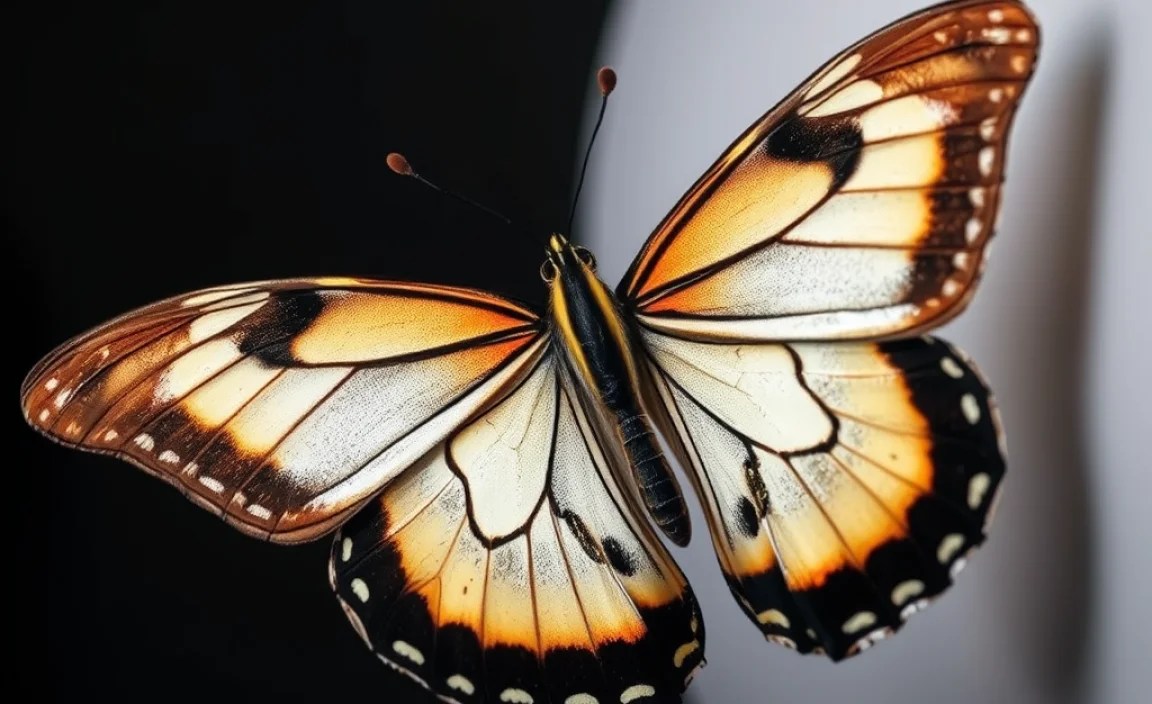
The Asian Swallowtail butterfly is a classic butterfly mimicry Asia case study. This butterfly has several different forms. Some of these forms mimic poisonous butterflies. The most famous example is the female Asian Swallowtail. It mimics the Common Rose butterfly. The Common Rose is poisonous to predators. So, the Asian Swallowtail gets protection by looking like it. This mimicry is very accurate. It includes the same colors and patterns. It even includes the same flight style. This makes it very difficult for predators to tell the two butterflies apart. Scientists have studied this mimicry for many years. They have learned a lot about how it works. This example shows how powerful mimicry can be.
- Asian Swallowtail mimics Common Rose.
- Female butterflies are the mimics.
- Mimicry includes colors and patterns.
- Flight style is also mimicked.
- Protects from predators.
- Well-studied example.
The Asian Swallowtail is not the only butterfly in Asia that uses mimicry. Many other species do the same. Some mimic other poisonous butterflies. Others mimic butterflies that are simply not tasty. This shows how important mimicry is for survival in Asia. The forests and jungles of Asia are full of predators. Butterflies need every advantage they can get. Mimicry gives them that advantage. It allows them to survive and reproduce. Without mimicry, many of these butterflies would not be able to exist. It’s a crucial part of the ecosystem. It helps to maintain the balance of nature. The butterfly mimicry Asia case study highlights this balance.
Fun Fact or Stat: Some Asian Swallowtail butterflies can switch between different mimicry forms depending on their location!
Why Do Only Females Mimic?
Have you ever wondered why only female Asian Swallowtails mimic the Common Rose? The answer has to do with reproduction. Female butterflies need to lay eggs. This makes them more vulnerable to predators. They are slower and more focused on finding food for their eggs. Males, on the other hand, spend most of their time looking for mates. They are more agile and can escape predators more easily. So, the females need extra protection. Mimicry provides that protection. The males don’t need it as much. This is why only the females mimic the Common Rose. It’s a matter of survival for the next generation.
How Accurate is the Mimicry?
Imagine copying someone’s drawing exactly. That’s how accurate the mimicry of the Asian Swallowtail is. The female butterflies have the same colors, patterns, and even flight style as the Common Rose. This makes it very difficult for predators to tell them apart. Scientists have measured the accuracy of the mimicry. They have found that it is almost perfect. This is because the better the mimicry, the better the protection. Butterflies that are not good mimics are more likely to be eaten. So, natural selection favors those that are very accurate.
What Happens if the Model Disappears?
What would happen if the Common Rose butterfly disappeared? This would be a big problem for the Asian Swallowtail. The mimicry would no longer be effective. Predators would learn that the butterflies that look like the Common Rose are safe to eat. This would put the Asian Swallowtail at risk. It would lose its protection. This shows how important it is for the model species to be common. The more common the model, the more effective the mimicry. This is why conservation is so important. We need to protect all species, not just the ones that are being mimicked.
The Role of Genetics in Mimicry

Genetics play a big role in butterfly mimicry. Genes are like instructions. They tell a butterfly how to grow and what to look like. Some genes control the colors and patterns on the wings. Other genes control the shape of the wings. When a butterfly mimics another species, it means that its genes have changed. These changes make it look more like the model species. Scientists study these genes. They want to understand how mimicry evolves. They have found that some genes have a big effect. A single gene can change the color of a butterfly’s wings. Other genes have a smaller effect. It takes many genes working together to create perfect mimicry. The butterfly mimicry Asia case study is a great example of this genetic complexity.
- Genes control butterfly traits.
- Some genes affect wing color.
- Other genes affect wing shape.
- Mimicry involves genetic changes.
- Scientists study these genes.
Genetics also explain why some butterflies can mimic multiple species. These butterflies have genes that allow them to switch between different mimicry patterns. This is very useful if the environment changes. For example, if one model species becomes rare, the butterfly can switch to mimicking another species. This flexibility is a big advantage. It allows the butterfly to adapt to changing conditions. The study of genetics is helping us understand the amazing complexity of butterfly mimicry. It shows how nature uses genes to create incredible adaptations. These adaptations help butterflies survive in a challenging world.
Fun Fact or Stat: Scientists have identified specific genes that control wing pattern mimicry in some butterfly species!
How Do Genes Change Over Time?
Have you ever wondered how genes change over time? It’s a slow process. It happens through mutations. Mutations are small changes in the DNA. Most mutations are harmful. But some mutations can be helpful. If a mutation makes a butterfly look more like a model species, it is more likely to survive. Predators will avoid it. It will pass on its genes to the next generation. Over many generations, the helpful mutation will become more common. This is how evolution works. Natural selection favors the butterflies with the best genes for survival.
Can We Predict Mimicry Evolution?
Imagine if we could predict the future of mimicry. That would be amazing! Scientists are trying to do just that. They use mathematical models to study how mimicry evolves. These models take into account factors like the abundance of the model species, the accuracy of the mimicry, and the strength of selection. By using these models, scientists can make predictions about how mimicry will change over time. These predictions can help us understand how evolution works. They can also help us protect endangered species.
What is Genetic Drift?
Sometimes, changes in genes happen by chance. This is called genetic drift. It’s like flipping a coin. Sometimes you get heads, and sometimes you get tails. Genetic drift can cause genes to become more or less common in a population. This is especially true in small populations. In these populations, a single event can have a big impact on the gene pool. Genetic drift can sometimes work against natural selection. It can cause harmful genes to become more common, or helpful genes to become less common. This is why it’s important to have large, healthy populations.
Environmental Factors and Mimicry
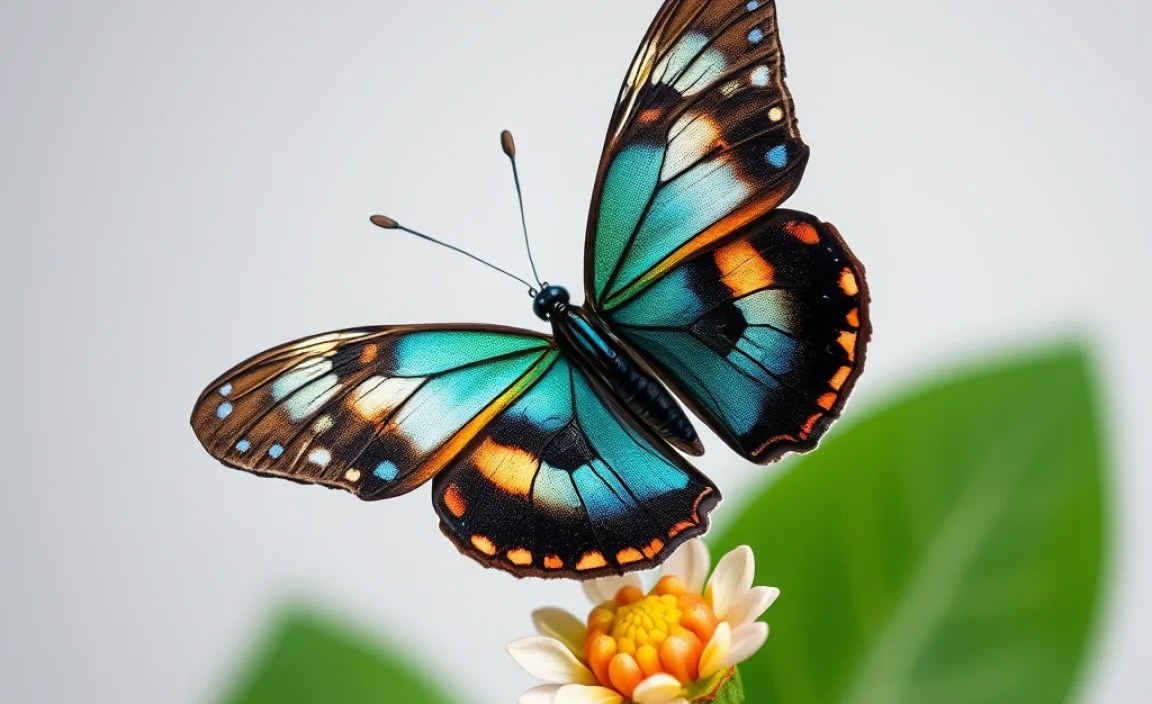
The environment plays a big role in butterfly mimicry. Different environments have different predators. They also have different model species. Butterflies need to adapt to their specific environment. For example, a butterfly in a forest might mimic a poisonous butterfly that lives in the same forest. A butterfly in a grassland might mimic a different species. The environment also affects the accuracy of the mimicry. In some environments, predators are very good at telling the difference between the mimic and the model. In these environments, the mimicry needs to be very accurate. In other environments, predators are not as good at telling the difference. In these environments, the mimicry can be less accurate. The butterfly mimicry Asia case study shows how environments shape mimicry.
- Different environments, different predators.
- Butterflies adapt to their environment.
- Mimicry accuracy varies.
- Predator skills matter.
- Environment shapes mimicry.
Climate change is also affecting butterfly mimicry. As the climate changes, the distribution of butterflies and their predators is also changing. This can disrupt the mimicry relationship. For example, if a model species moves to a new area, the mimic species might not be able to follow. This can leave the mimic species vulnerable to predators. It’s important to study how climate change is affecting mimicry. This will help us protect these amazing butterflies. We need to understand how they are adapting to the changing environment.
Fun Fact or Stat: Changes in temperature can affect the development of wing patterns in butterflies, influencing mimicry!
How Does Habitat Loss Affect Mimicry?
Imagine your home disappearing. That’s what happens when butterflies lose their habitat. Habitat loss is a big problem for butterflies. It reduces the number of butterflies. It also reduces the number of model species. This can make mimicry less effective. If there are fewer model species, predators are less likely to learn to avoid the mimic. This can put the mimic at risk. Habitat loss is a major threat to biodiversity. We need to protect butterfly habitats. This will help to preserve mimicry and other important adaptations.
What Role Does Pollution Play?
Pollution can also affect mimicry. Pollution can harm butterflies directly. It can also harm the plants that they feed on. This can make it harder for butterflies to survive. Pollution can also affect the colors and patterns on butterfly wings. This can make mimicry less accurate. Some pollutants can even change the behavior of predators. This can make them more likely to attack mimics. Pollution is a serious threat to butterfly mimicry. We need to reduce pollution to protect these amazing creatures.
How Does Climate Change Impact Mimicry?
Climate change is a big problem for the whole world. It also affects butterflies. Climate change can change the distribution of butterflies and their model species. This can disrupt mimicry relationships. Climate change can also change the timing of butterfly life cycles. This can make it harder for mimics to find their models. Climate change is a complex problem. It requires a global solution. We need to reduce greenhouse gas emissions. This will help to protect butterflies and other species from the effects of climate change.
The Importance of Model Species

Model species are very important for butterfly mimicry. They are the butterflies that the mimics copy. Without model species, mimicry would not work. Predators need to learn to avoid the model species. Then, they will also avoid the mimics. The more common the model species, the more effective the mimicry. If the model species is rare, predators might not learn to avoid it. This can put the mimics at risk. Model species also benefit from mimicry. When mimics copy them, it reinforces the warning signal. This makes predators even more likely to avoid them. This is called Müllerian mimicry. The butterfly mimicry Asia case study shows how important model species are.
- Models are copied by mimics.
- Mimicry needs models.
- Common models are best.
- Models benefit from mimicry.
- Müllerian mimicry reinforces warnings.
Protecting model species is very important. If a model species becomes extinct, the mimics that copy it will also be at risk. They will lose their protection from predators. This can lead to a decline in their population. Conservation efforts should focus on protecting both mimics and models. This will help to maintain the balance of nature. It will also help to ensure that mimicry continues to protect these amazing butterflies. The butterfly mimicry Asia case study highlights the importance of conservation.
Fun Fact or Stat: Some model butterfly species have bright colors that warn predators they are poisonous!
What Makes a Good Model Species?
Have you ever wondered what makes a good model species? There are a few key characteristics. First, the model species needs to be unpalatable or poisonous. This is what makes predators avoid it. Second, the model species needs to be common. The more common it is, the more likely predators are to learn to avoid it. Third, the model species needs to have a distinctive appearance. This makes it easy for predators to recognize it. Butterflies that have these characteristics make good model species.
How Does Mimicry Affect Model Species?
Mimicry is not just good for the mimics. It can also benefit the model species. When mimics copy the model species, it reinforces the warning signal. This makes predators even more likely to avoid the model species. This is especially true in Müllerian mimicry. In this type of mimicry, both the mimic and the model are unpalatable. They both benefit from the shared warning signal. Mimicry can help to protect model species from predators.
What Happens if a Model Becomes Rare?
What would happen if a model species became rare? This would be bad news for the mimics. The mimicry would become less effective. Predators would be less likely to learn to avoid the model species. This would put the mimics at risk. The mimics might even go extinct. This shows how important it is to protect model species. We need to make sure that they don’t become rare or extinct. This will help to protect the mimics that depend on them.
Conservation Efforts for Mimicking Butterflies
Conserving mimicking butterflies is very important. These butterflies are a vital part of the ecosystem. They play a role in pollination and food chains. Many mimicking butterflies are threatened by habitat loss and climate change. Conservation efforts can help to protect these butterflies. These efforts include protecting their habitats, reducing pollution, and addressing climate change. Education is also important. People need to learn about the importance of mimicking butterflies. They need to understand the threats that these butterflies face. By working together, we can help to ensure that these amazing creatures survive. The butterfly mimicry Asia case study shows why conservation is so crucial.
- Mimicking butterflies are important.
- They face many threats.
- Conservation efforts are needed.
- Protect habitats.
- Reduce pollution.
- Address climate change.
- Education is key.
One important conservation strategy is to create butterfly gardens. These gardens provide food and shelter for butterflies. They can also help to educate people about the importance of butterflies. Butterfly gardens can be created in schools, parks, and even backyards. Another important strategy is to support sustainable agriculture. This type of agriculture uses farming practices that are good for the environment. It can help to reduce pollution and protect butterfly habitats. By supporting sustainable agriculture, we can help to ensure that butterflies have a safe place to live. The butterfly mimicry Asia case study reinforces the need for these actions.
Fun Fact or Stat: Planting native plants in your garden can attract mimicking butterflies and their model species!
How Can We Protect Butterfly Habitats?
Imagine creating a safe home for butterflies. That’s what protecting butterfly habitats is all about. We can protect butterfly habitats by setting aside land for conservation. We can also restore degraded habitats. This involves planting native plants and removing invasive species. It’s also important to reduce pollution in butterfly habitats. This can be done by reducing the use of pesticides and fertilizers. By protecting butterfly habitats, we can help to ensure that these amazing creatures survive.
What is Sustainable Agriculture?
Have you ever heard of sustainable agriculture? It’s a way of farming that is good for the environment. Sustainable agriculture uses farming practices that reduce pollution and protect natural resources. This can include using crop rotation, cover crops, and integrated pest management. Sustainable agriculture can help to protect butterfly habitats. It can also help to reduce the use of pesticides that can harm butterflies. By supporting sustainable agriculture, we can help to create a healthier environment for butterflies and other wildlife.
How Can Education Help?
Education is a powerful tool. It can help to raise awareness about the importance of mimicking butterflies. It can also help to inspire people to take action to protect these butterflies. Education can be done in many ways. This includes creating educational programs for schools, developing educational materials for the public, and conducting research on mimicking butterflies. By educating people about the importance of mimicking butterflies, we can help to ensure that these amazing creatures survive.
| Conservation Effort | Description | Benefits |
|---|---|---|
| Habitat Protection | Reserving land for butterfly habitats. | Provides safe places for butterflies to live and breed. |
| Habitat Restoration | Planting native plants and removing invasive species. | Improves the quality of butterfly habitats. |
| Pollution Reduction | Reducing the use of pesticides and fertilizers. | Protects butterflies from harmful chemicals. |
| Sustainable Agriculture | Using farming practices that are good for the environment. | Reduces pollution and protects butterfly habitats. |
| Education | Raising awareness about the importance of butterflies. | Inspires people to take action to protect butterflies. |
Summary
Butterfly mimicry is a cool trick that butterflies use to stay safe. Some butterflies look like other, dangerous butterflies. This fools predators. In Asia, many butterflies use mimicry. The Asian Swallowtail is a famous example. It mimics the Common Rose, which is poisonous. Butterfly mimicry Asia case study shows how important genetics and the environment are. Genes control the colors and patterns on the wings. The environment determines which butterflies are mimicked. Conservation efforts are needed to protect mimicking butterflies. We need to protect their habitats and reduce pollution. Education is also important. People need to learn about these amazing creatures.
Conclusion
Butterfly mimicry is a fascinating example of evolution. It shows how animals adapt to survive. The butterfly mimicry Asia case study helps us understand how these adaptations work. By studying mimicry, we can learn about genetics, the environment, and conservation. Mimicking butterflies are an important part of the ecosystem. We need to protect them. We can all play a role in helping these amazing creatures thrive. By protecting their habitats and reducing pollution, we can make a difference.
Frequently Asked Questions
Question No 1: What is butterfly mimicry?
Answer: Butterfly mimicry is when one butterfly looks like another. Usually, a harmless butterfly copies a harmful one. This helps the harmless butterfly avoid predators. Birds and other animals think it will taste bad. So, they leave it alone. Mimicry is a clever way for butterflies to survive. It’s like wearing a disguise to trick your enemies. Some butterflies are very good at it. They look almost exactly like the butterflies they are copying.
Question No 2: Why do butterflies mimic other butterflies?
Answer: Butterflies mimic other butterflies for protection. The butterflies they copy are often poisonous or taste bad. Predators learn to avoid these butterflies. When a harmless butterfly looks like a harmful one, it gets the same protection. This is a great way to stay safe. It’s like wearing armor without having to be strong. The butterfly mimicry Asia case study shows how effective this strategy can be. Butterflies that mimic others are more likely to survive and reproduce.
Question No 3: What is the Asian Swallowtail case study?
Answer: The Asian Swallowtail is a type of butterfly found in Asia. Some female Asian Swallowtails mimic the Common Rose butterfly. The Common Rose is poisonous. So, the Asian Swallowtail gets protection by looking like it. This is a classic example of Batesian mimicry. Scientists have studied this mimicry for many years. They have learned a lot about how it works. The butterfly mimicry Asia case study is a great example of how natural selection can lead to amazing adaptations. It’s a story of survival through imitation.
Question No 4: How does genetics play a role in butterfly mimicry?
Answer: Genetics control the colors and patterns on a butterfly’s wings. When a butterfly mimics another species, its genes have changed. These changes make it look more like the model species. Scientists study these genes to understand how mimicry evolves. Some genes have a big effect. Others have a smaller effect. It takes many genes working together to create perfect mimicry. The butterfly mimicry Asia case study shows how complex this genetic process can be. These genes are passed down through generations.
Question No 5: How does the environment affect butterfly mimicry?
Answer: The environment plays a big role in butterfly mimicry. Different environments have different predators and different model species. Butterflies need to adapt to their specific environment. Climate change can also affect mimicry. As the climate changes, the distribution of butterflies and their predators is also changing. This can disrupt the mimicry relationship. For example, if a model species moves to a new area, the mimic species might not be able to follow. This can leave the mimic species vulnerable to predators. So, the environment is key.
Question No 6: What can we do to protect mimicking butterflies?
Answer: We can protect mimicking butterflies by protecting their habitats. This includes setting aside land for conservation and restoring degraded habitats. We can also reduce pollution. This can be done by reducing the use of pesticides and fertilizers. It’s also important to address climate change. This requires a global effort to reduce greenhouse gas emissions. By taking these steps, we can help to ensure that mimicking butterflies survive. The butterfly mimicry Asia case study teaches us that conservation is essential for these creatures.


