
Asian Butterfly Feeding Behavior: The Secret Revealed

Have you ever seen a butterfly sip nectar from a flower? Butterflies are very cool insects. They flutter around in gardens. They add color to our world. Asian butterflies have special ways of eating. Their feeding behavior is unique. It helps them survive in their habitats. Let’s learn more about how they eat!
Key Takeaways
- Asian butterfly feeding behavior includes using a long, straw-like tongue.
- They sip nectar from flowers to get energy for flying and living.
- Some butterflies also drink from mud puddles to get minerals.
- Different Asian butterfly species like different kinds of food sources.
- Butterfly conservation helps protect their feeding habitats.
Understanding Asian Butterfly Feeding Behavior
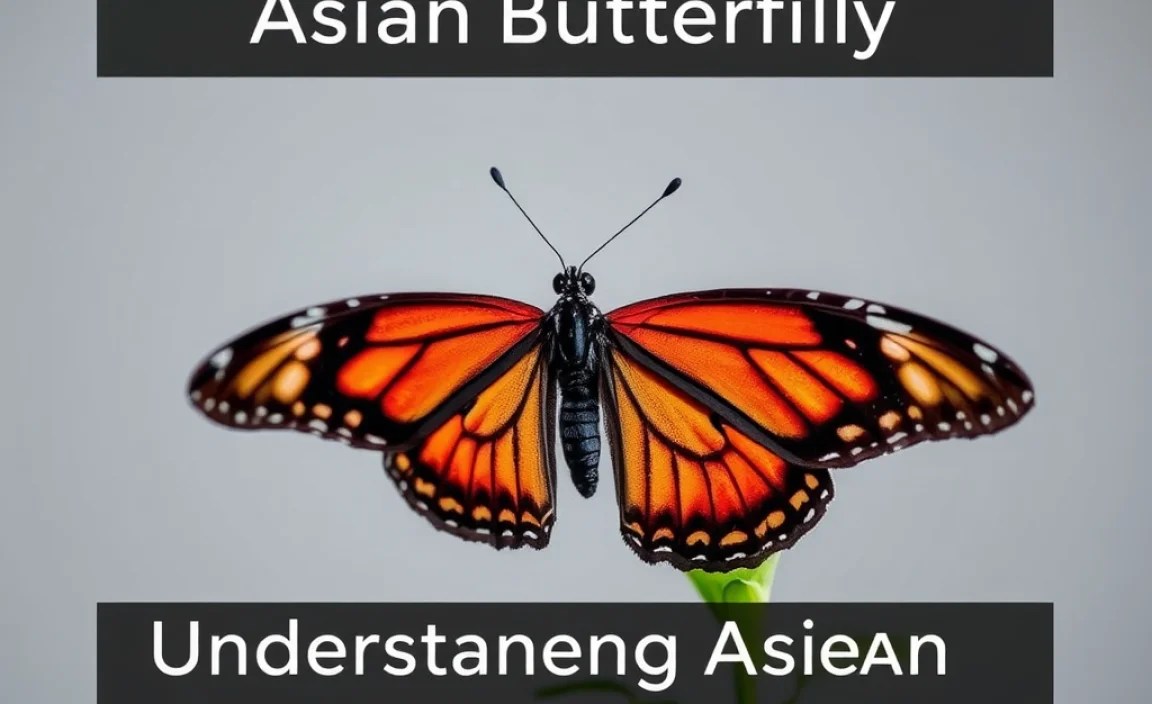
Asian butterflies have fascinating feeding behaviors. They use a special tube called a proboscis. This works like a straw. Butterflies unroll it to drink nectar. Nectar is a sweet liquid in flowers. It gives them energy. But, do you know that they don’t just eat nectar? Some butterflies also drink from mud puddles! They get important minerals from the mud. These minerals help them stay healthy. Different species have different tastes. Some like specific flowers. Others are more flexible. This helps them find food in different places. Understanding their feeding behavior is important. It helps us protect them and their habitats.
- Butterflies use a proboscis to drink.
- Nectar provides energy for them.
- Mud puddles give them minerals.
- Different species like different foods.
- Protecting habitats helps them eat.
The proboscis is a very cool tool. When a butterfly is not eating, it rolls up neatly. It sits under its head. When it’s time to eat, the butterfly unrolls it. It pokes it into a flower. Then, it sucks up the nectar. It’s like drinking juice with a straw. Butterflies also use their feet to taste. They have sensors on their feet. These sensors help them find the best flowers. This is how they know if a flower has good nectar. Their feeding habits are closely linked to the plants around them. If there are no flowers, they can’t eat. That’s why it’s important to plant lots of flowers. This helps Asian butterflies thrive in their environment.
What is a Butterfly Proboscis?
Have you ever used a straw to drink your juice? A butterfly’s proboscis is like that! It is a long, straw-like tube. The butterfly keeps it curled up when it is not eating. When it finds a tasty flower, it uncurls its proboscis. It pokes it deep into the flower. Then, it sucks up the sweet nectar. The proboscis is made of two tubes that zip together. This creates one long straw. It is a very delicate and useful tool. Without it, butterflies could not eat. Different butterflies have different lengths of proboscises. This depends on the kinds of flowers they like to eat from. Some flowers have long, narrow tubes. Butterflies with long proboscises can reach the nectar inside.
How Do Butterflies Find Food?
Imagine you’re trying to find your favorite snack. You use your eyes and nose. Butterflies use their eyes and feet! They can see bright colors. Flowers that are red, yellow, and orange are easy to spot. They also have special sensors on their feet. These sensors can taste the flower. When a butterfly lands on a flower, it tastes it with its feet. If it tastes good, it will unroll its proboscis. Then, it will start to drink the nectar. Butterflies also use their antennae to smell. They can smell flowers from far away. This helps them find food even if they can’t see it. It’s like having a super-powered nose and taste buds!
Why Do Butterflies Need Minerals?
We need to eat healthy foods. These foods give us vitamins and minerals. Butterflies need minerals too. They get them from mud puddles. Male butterflies especially need minerals. These minerals help them reproduce. They help make healthy eggs. When butterflies gather at mud puddles, it’s called “puddling.” You might see many butterflies together. They are all drinking up the minerals. They also get salts and other nutrients. These help them stay strong and healthy. So, mud puddles are like a vitamin smoothie for butterflies! They are a very important part of their diet. Without minerals, butterflies can’t live long and healthy lives.
Fun Fact or Stat: Some butterfly species have proboscises that are twice as long as their bodies!
Nectar Sources for Asian Butterflies
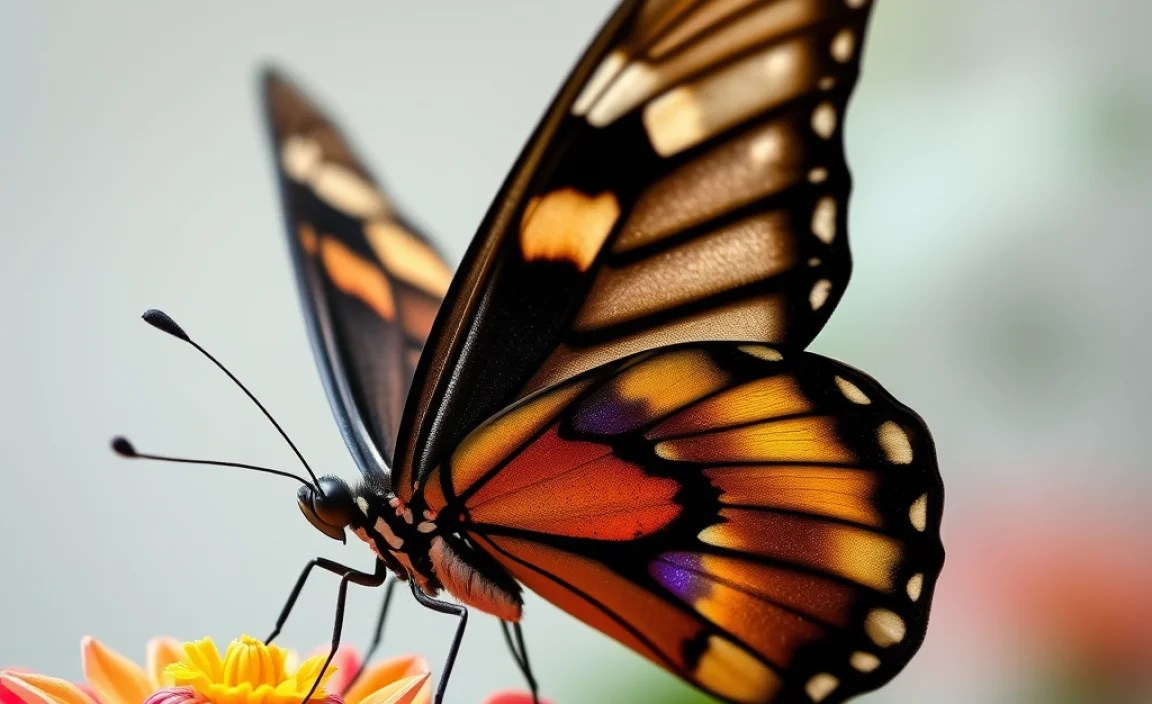
Asian butterflies get most of their food from nectar. Nectar is a sweet liquid made by flowers. Different flowers have different kinds of nectar. Some nectar is very sugary. Other nectar has different nutrients. Butterflies have favorite flowers. These are flowers that give them the best energy. Some popular nectar sources include milkweed, lantana, and butterfly bush. These flowers are full of nectar. They are also brightly colored. This makes them easy for butterflies to find. Butterflies also like native plants. Native plants are plants that grow naturally in an area. These plants are often the best source of food for butterflies. Planting these flowers in your garden can help butterflies thrive. It gives them a place to eat and live.
- Nectar is a sweet liquid in flowers.
- Different flowers have different nectar.
- Butterflies have favorite flowers.
- Milkweed, lantana, and butterfly bush are popular.
- Native plants are often the best.
- Planting flowers helps butterflies.
The type of nectar a butterfly prefers can vary. It depends on the species of butterfly. Some butterflies are very picky. They only like one type of flower. Others are more flexible. They will drink from many different kinds of flowers. This is helpful because it means they can find food in different places. The color and shape of the flower also matter. Butterflies can see bright colors like red, yellow, and orange. Flowers with flat petals are easier to land on. This makes it easier for the butterfly to drink. Gardeners can help butterflies by planting a variety of flowers. This ensures there is always something for them to eat. It also makes the garden more beautiful!
Why Do Butterflies Prefer Certain Flowers?
Have you ever wondered why you like some foods more than others? Butterflies are the same way! They prefer certain flowers because of the nectar. Some flowers have more sugar in their nectar. This gives butterflies more energy. Other flowers have a different mix of nutrients. Butterflies need these nutrients to stay healthy. They also like flowers that are the right shape. Flowers with short, wide tubes are easy to drink from. Flowers with long, narrow tubes need a long proboscis. The color of the flower also matters. Butterflies can see some colors better than others. They are drawn to bright colors like red and yellow.
What Are Native Plants?
Imagine a plant that has always lived in your town. That is like a native plant! Native plants are plants that grow naturally in an area. They have adapted to the local climate and soil. This means they are often easier to care for. They also provide the best food and shelter for local wildlife. Native plants are very important for butterflies. They have co-evolved with butterflies over time. This means the butterflies know how to find them. The plants provide the right kind of nectar. Planting native plants in your garden is a great way to help butterflies. It also helps the environment.
How Can Gardeners Help Butterflies?
Do you want to help butterflies in your garden? It’s easy! Plant lots of flowers. Choose a variety of colors and shapes. This will attract different kinds of butterflies. Make sure to include native plants. These are the best source of food for local butterflies. Avoid using pesticides. Pesticides can harm butterflies and other insects. Provide a water source. A shallow dish of water with some pebbles is perfect. The butterflies can land on the pebbles and drink. You can also create a mud puddle. Butterflies need minerals from mud. A small, wet area in your garden will attract them. By following these tips, you can create a butterfly-friendly garden.
Fun Fact or Stat: Butterflies can taste with their feet, helping them find the best flowers!
Other Food Sources for Asian Butterflies

While nectar is a main food source, Asian butterflies eat other things. Some butterflies drink from rotting fruit. The fruit gives them sugar and other nutrients. Others sip sap from trees. Sap is a sugary liquid inside trees. Mud puddles are also important. Butterflies get minerals and salts from the mud. These minerals help them stay healthy. Male butterflies especially need these minerals. Pollen is another food source. Some butterflies eat pollen from flowers. Pollen is full of protein. This helps them grow and reproduce. These extra food sources help butterflies survive. They give them the nutrients they need.
- Butterflies drink from rotting fruit.
- They sip sap from trees.
- Mud puddles provide minerals.
- Pollen gives them protein.
- These sources help them survive.
The need for these other food sources depends on the species. Some butterflies rely heavily on nectar. Others need the extra nutrients from fruit or mud. The environment also plays a role. In areas where flowers are scarce, butterflies may need to find other ways to eat. For example, in a forest, sap from trees might be an important food source. Understanding these alternative feeding behaviors helps us protect butterflies. We can make sure they have access to all the food they need. This includes planting flowers, leaving out fruit, and providing mud puddles.
Why Do Butterflies Drink from Rotting Fruit?
Have you ever seen fruit that is too ripe? It might be soft and mushy. It might even smell a little funny. But butterflies love it! Rotting fruit is full of sugar. It is also easy for butterflies to drink. The soft fruit is easy for their proboscis to poke into. The sugar gives them a quick burst of energy. This is especially helpful when they can’t find flowers. Rotting fruit also has other nutrients. These help butterflies stay healthy. Gardeners can leave out overripe fruit. This will attract butterflies to their gardens. Just make sure to clean it up before it gets too smelly!
What is Tree Sap?
Imagine a tree bleeding sweet juice. That is kind of what tree sap is like! Tree sap is a sugary liquid. It flows through the inside of trees. Sometimes, trees get damaged. This can cause the sap to leak out. Butterflies love to drink this sap. It is a good source of sugar and minerals. Some butterflies even specialize in drinking sap. They have special mouthparts that help them get the sap. Tree sap is especially important in forests. There may not be many flowers in the forest. Sap provides a valuable food source for butterflies.
How Does Puddling Help Butterflies?
Think of a group of friends hanging out at a juice bar. Butterflies do something similar! They gather at mud puddles to drink. This is called puddling. Mud puddles have important minerals and salts. These are like vitamins for butterflies. Male butterflies need these minerals to reproduce. They help them make healthy sperm. The minerals also help butterflies stay strong and healthy. Puddling is a social activity for butterflies. You might see many butterflies together at a mud puddle. They are all getting the nutrients they need. Providing a mud puddle in your garden is a great way to help butterflies.
Fun Fact or Stat: Butterflies sometimes gather in large groups at mud puddles, a behavior called “puddling,” to get essential minerals.
The Role of Butterfly Feeding in Pollination

Asian butterfly feeding behavior is closely linked to pollination. When butterflies drink nectar, they also carry pollen. Pollen is a powder that helps plants make seeds. Butterflies carry pollen from one flower to another. This helps the plants reproduce. Butterflies are important pollinators. They help many plants make new seeds and grow. Some plants depend on butterflies for pollination. Without butterflies, they would not be able to survive. This makes butterflies very important for the environment. They help keep our ecosystems healthy and strong.
- Butterflies carry pollen while feeding.
- Pollen helps plants make seeds.
- Butterflies are important pollinators.
- Some plants depend on butterflies.
- Butterflies help ecosystems stay healthy.
The relationship between butterflies and flowers is very special. Flowers provide nectar for butterflies to eat. Butterflies help flowers reproduce by carrying pollen. This is called a mutualistic relationship. Both the butterfly and the flower benefit. Different butterflies pollinate different flowers. Some butterflies are better at pollinating certain plants. For example, butterflies with long proboscises can pollinate flowers with long tubes. Protecting butterflies is important for protecting plants. When we protect butterflies, we also protect the plants they pollinate. This helps keep our environment healthy and diverse.
What is Pollination?
Imagine helping a plant make a baby! That’s kind of what pollination is. Pollination is when pollen moves from one flower to another. Pollen is a yellow powder. It is made by the male part of the flower. It needs to get to the female part of the flower. Then, the flower can make a seed. Wind, water, and animals can carry pollen. Butterflies are one kind of animal that helps. They carry pollen on their bodies. When they visit another flower, some of the pollen rubs off. This helps the flower make a seed. Without pollination, many plants could not reproduce.
How Do Butterflies Carry Pollen?
Think of butterflies as tiny delivery trucks for pollen! When a butterfly lands on a flower, pollen sticks to its body. The pollen is very light and powdery. It easily attaches to the butterfly’s wings and legs. As the butterfly flies to another flower, some of the pollen falls off. This pollinates the new flower. Some butterflies have special hairs on their bodies. These hairs help them carry more pollen. The more pollen they carry, the more plants they can pollinate. This makes them very important for the environment.
Why is Pollination Important?
Imagine a world without fruits or vegetables. That is what the world would be like without pollination! Pollination is important because it helps plants reproduce. Many of the foods we eat come from plants that need pollination. This includes fruits, vegetables, and nuts. Without pollination, these plants would not be able to make seeds. They would not be able to grow new plants. Pollination is also important for the environment. Many animals depend on plants for food and shelter. Without pollination, these plants would disappear. This would affect the whole ecosystem.
Fun Fact or Stat: Butterflies pollinate about one-third of the world’s food crops!
Impact of Habitat Loss on Butterfly Feeding

Habitat loss is a big problem for Asian butterflies. When forests and fields are destroyed, butterflies lose their homes. They also lose their food sources. This makes it hard for them to survive. Butterfly feeding is directly affected by habitat loss. If there are no flowers, butterflies cannot eat. If there are no mud puddles, they cannot get minerals. Habitat loss can lead to a decline in butterfly populations. Some species may even become extinct. Protecting butterfly habitats is very important. It helps them find food and survive.
- Habitat loss destroys butterfly homes.
- They lose their food sources.
- Butterfly feeding is directly affected.
- Populations can decline.
- Protecting habitats is important.
There are many things that cause habitat loss. Deforestation, or cutting down trees, is a major cause. Urban development, or building cities, also destroys habitats. Agriculture, or farming, can also harm butterfly habitats. When farmers use pesticides, they can kill butterflies and their food sources. Climate change is another threat. Changes in temperature and rainfall can affect butterfly habitats. This can make it hard for them to find food. We need to take action to protect butterfly habitats. This includes planting trees, reducing pesticide use, and fighting climate change.
What is Habitat Loss?
Imagine your home being torn down. That is what habitat loss is like for animals. Habitat loss is when an animal’s home is destroyed. This can happen for many reasons. People might cut down forests to build houses. They might drain wetlands to create farmland. They might pollute rivers and streams. When habitats are destroyed, animals lose their food, shelter, and water. This makes it hard for them to survive. Habitat loss is a major threat to wildlife around the world. It is important to protect habitats so animals have a place to live.
How Does Deforestation Affect Butterflies?
Think of a forest as a giant butterfly buffet! Forests provide butterflies with food and shelter. When forests are cut down, butterflies lose these resources. Deforestation removes the trees and plants that butterflies need to eat. It also removes the places where they lay their eggs. Deforestation can also change the climate. It can make the area hotter and drier. This can make it even harder for butterflies to survive. Protecting forests is very important for protecting butterflies. We need to plant more trees and stop deforestation.
What Can We Do to Help?
Do you want to be a butterfly hero? There are many things you can do! Plant native flowers in your garden. Avoid using pesticides. Support organizations that protect butterfly habitats. Educate your friends and family about the importance of butterflies. Reduce your carbon footprint by using less energy. Recycle and reuse materials. These small actions can make a big difference. Together, we can help protect butterflies and their habitats. We can make sure they have a place to live and thrive. Every little bit helps!
Fun Fact or Stat: Some butterfly species have declined by over 90% due to habitat loss!
Conservation Efforts for Asian Butterflies
Many people are working to protect Asian butterflies. These conservation efforts help butterflies survive. They also protect their feeding habitats. One important effort is habitat restoration. This involves planting native plants. It also means cleaning up polluted areas. Another effort is captive breeding programs. These programs raise butterflies in a safe place. Then, they release them into the wild. Education is also important. People need to learn about butterflies. They need to understand why they are important. By working together, we can help Asian butterflies thrive.
- Habitat restoration helps butterflies.
- Captive breeding programs raise them.
- Education is also important.
- People need to learn about butterflies.
- We can help them thrive.
Governments, organizations, and individuals all play a role in conservation. Governments can create laws to protect butterfly habitats. Organizations can raise money for conservation projects. Individuals can plant butterfly gardens. Everyone can make a difference. By supporting these efforts, we can help ensure that Asian butterflies continue to flutter around for many years to come. Protecting their feeding behavior and habitats is key. It is essential for maintaining healthy ecosystems.
What is Habitat Restoration?
Imagine fixing up an old house. That is kind of what habitat restoration is. Habitat restoration is when we try to bring back a damaged habitat. This might involve planting native plants. It might also involve removing invasive species. Invasive species are plants or animals that don’t belong in an area. They can harm the native plants and animals. Habitat restoration can also involve cleaning up pollution. The goal is to make the habitat healthy again. This allows native plants and animals to thrive.
How Do Captive Breeding Programs Help?
Think of captive breeding programs as butterfly nurseries! These programs raise butterflies in a safe environment. The butterflies are protected from predators and diseases. They are also given plenty of food. Once the butterflies are old enough, they are released into the wild. This helps to increase the butterfly population. Captive breeding programs are especially important for endangered species. These are species that are at risk of extinction. By raising them in captivity, we can help them survive.
How Can Education Help Butterflies?
Imagine teaching everyone about the importance of butterflies! Education is a powerful tool for conservation. When people learn about butterflies, they are more likely to care about them. They are also more likely to take action to protect them. Education can involve teaching people about butterfly feeding behavior. It can also involve teaching them about habitat loss. By raising awareness, we can inspire people to make a difference. We can help create a world where butterflies can thrive.
| Conservation Action | Description | Benefits |
|---|---|---|
| Habitat Restoration | Planting native plants and cleaning up pollution. | Provides food and shelter for butterflies. |
| Captive Breeding | Raising butterflies in a safe environment and releasing them. | Increases butterfly populations. |
| Education | Teaching people about butterflies and their importance. | Raises awareness and inspires action. |
| Reduce Pesticide Use | Using fewer pesticides in gardens and farms. | Protects butterflies from harmful chemicals. |
Fun Fact or Stat: Some conservation programs have successfully increased butterfly populations by over 50%!
Future Research on Asian Butterfly Feeding Behavior
Scientists are always learning more about Asian butterflies. They want to understand their feeding behavior even better. Future research will focus on several areas. One area is the impact of climate change. Scientists want to know how changes in temperature and rainfall affect butterfly feeding. Another area is the role of pesticides. They want to understand how pesticides affect butterfly health. They also want to learn more about the different kinds of nectar that butterflies prefer. This information can help us protect butterflies. It can also help us restore their habitats.
- Scientists study climate change impact.
- They study the role of pesticides.
- They learn about nectar preferences.
- This helps protect butterflies.
- Research helps restore habitats.
Technology will play a big role in future research. Scientists can use GPS trackers to follow butterflies. They can use drones to map butterfly habitats. They can use DNA analysis to study butterfly diets. These tools will help us learn more about butterflies than ever before. By continuing to study Asian butterfly feeding behavior, we can better understand their needs. This will help us protect them for future generations. It will also keep our ecosystems healthy and strong.
How Can GPS Trackers Help?
Imagine putting a tiny backpack on a butterfly! That is kind of what GPS trackers do. GPS trackers are small devices that can track the location of an animal. Scientists can attach these trackers to butterflies. They can then follow the butterflies’ movements. This helps them understand where the butterflies go to find food. It also helps them understand how they use their habitats. GPS trackers can provide valuable information. This helps us protect butterflies and their habitats.
What Can DNA Analysis Tell Us?
Think of DNA as a butterfly’s secret code! DNA analysis can tell us a lot about a butterfly. It can tell us what kind of food the butterfly has been eating. It can also tell us about the butterfly’s health. Scientists can collect small samples from butterflies. They can then analyze the DNA. This helps them understand the butterfly’s diet. It also helps them identify any diseases. DNA analysis is a powerful tool. It helps us learn more about butterflies.
Why is Continued Research Important?
Imagine trying to solve a puzzle with missing pieces. That is what it’s like trying to protect butterflies without enough information. Continued research is important because it helps us fill in the missing pieces. It helps us understand the threats that butterflies face. It also helps us develop effective conservation strategies. By continuing to study butterflies, we can learn how to protect them. We can also ensure that they continue to thrive in our world. Research is the key to a healthy future for butterflies.
Fun Fact or Stat: Scientists are using drones to map butterfly habitats, providing a more detailed understanding of their feeding areas!
Summary
Asian butterfly feeding behavior is a fascinating topic. Butterflies use a proboscis to drink nectar. They also get minerals from mud puddles. Different species have different food preferences. Habitat loss is a major threat to butterflies. Conservation efforts are helping to protect them. These efforts include habitat restoration and captive breeding programs. Future research will help us understand butterflies even better. Learning about Asian butterfly feeding behavior helps us protect these beautiful creatures. Protecting their habitats and food sources is vital.
Conclusion
Asian butterflies are important pollinators. They play a key role in our ecosystems. Their feeding behavior is closely linked to their survival. By understanding how they eat, we can help them thrive. We must protect their habitats and food sources. We can also support conservation efforts. Together, we can ensure that these beautiful insects continue to flutter around for many years. Butterfly conservation helps maintain biodiversity. It keeps our planet healthy.
Frequently Asked Questions
Question No 1: What do Asian butterflies eat?
Answer: Asian butterflies primarily eat nectar. Nectar is a sweet liquid found in flowers. They use a long, straw-like proboscis to sip the nectar. Some butterflies also drink from mud puddles. They get minerals and salts from the mud. Rotting fruit and tree sap are other food sources. These provide additional nutrients. Different butterfly species have different food preferences. Some like specific types of flowers. Others are more flexible and will eat a variety of foods. Understanding their diet helps us protect them.
Question No 2: How do butterflies find food?
Answer: Butterflies use their senses to find food. They can see bright colors. Flowers that are red, yellow, and orange are easy to spot. They also have taste sensors on their feet. When they land on a flower, they can taste it with their feet. If it tastes good, they will unroll their proboscis. Butterflies also use their antennae to smell. They can smell flowers from far away. This helps them find food even if they can’t see it. It’s like having a super-powered nose and taste buds!
Question No 3: Why is habitat loss a problem for butterflies?
Answer: Habitat loss is a major threat to butterflies. When forests and fields are destroyed, butterflies lose their homes. They also lose their food sources. This makes it hard for them to survive. If there are no flowers, butterflies cannot eat. If there are no mud puddles, they cannot get minerals. Habitat loss can lead to a decline in butterfly populations. Some species may even become extinct. Protecting butterfly habitats is very important. It helps them find food and survive. Preserving natural areas is crucial for butterfly survival.
Question No 4: What can I do to help butterflies in my garden?
Answer: There are many things you can do to help butterflies. Plant native flowers in your garden. These provide the best source of nectar for local butterflies. Avoid using pesticides. Pesticides can harm butterflies and other insects. Provide a water source. A shallow dish of water with some pebbles is perfect. You can also create a mud puddle. Butterflies need minerals from mud. By following these tips, you can create a butterfly-friendly garden. Remember, supporting Asian butterfly feeding behavior starts at home.
Question No 5: What are conservation efforts for butterflies?
Answer: Many people are working to protect butterflies. These conservation efforts help butterflies survive. They also protect their habitats. Habitat restoration is one important effort. This involves planting native plants and cleaning up polluted areas. Captive breeding programs raise butterflies in a safe place. Then, they release them into the wild. Education is also important. People need to learn about butterflies and why they are important. By working together, we can help butterflies thrive. These actions support healthy butterfly populations.
Question No 6: How does climate change affect butterflies?
Answer: Climate change is a growing threat to butterflies. Changes in temperature and rainfall can affect butterfly habitats. This can make it hard for them to find food. Some flowers may bloom earlier or later than usual. This can disrupt the timing of butterfly feeding. Extreme weather events, like droughts and floods, can also damage butterfly habitats. Reducing our carbon footprint is important. It helps to slow down climate change. This can help protect butterflies and their habitats. Supporting sustainable practices benefits butterfly conservation.


