
Asian Butterfly Names List: The Ultimate Guide

Have you ever seen a butterfly and wondered what it was? Butterflies are beautiful and come in many colors. Some butterflies have very unique names. Did you know there is a whole {Asian butterfly names list}? Learning about these butterflies can be fun. It can also teach you about nature.
Butterflies are important. They help plants grow. They also make our world more beautiful. Let’s explore some amazing butterflies from Asia.
Key Takeaways
- Discover the amazing diversity of butterflies on the {Asian butterfly names list}.
- Learn how to identify butterflies by their unique colors and wing patterns.
- Understand the important role butterflies play in their natural habitats.
- Explore the cultural significance of butterflies in different Asian countries.
- Find out how you can help protect butterflies and their habitats.
Exploring Asian Butterfly Names List
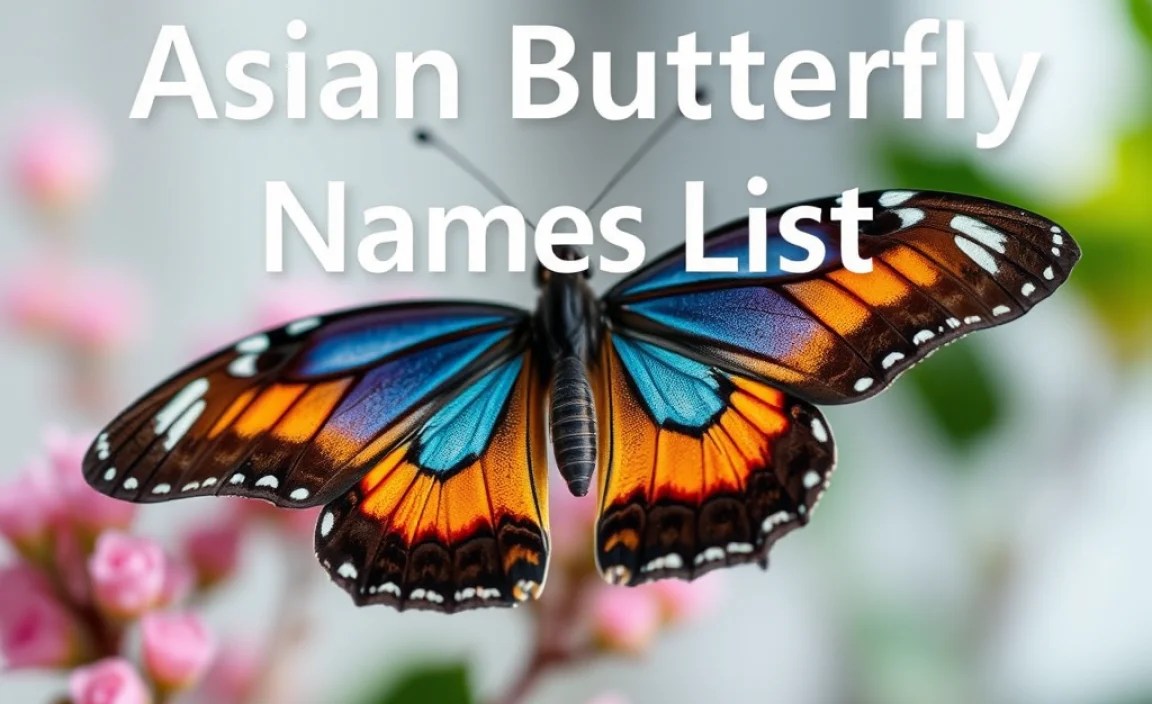
The world of butterflies is full of wonder. Asia has some of the most beautiful butterflies. These butterflies have unique names. The Asian butterfly names list is long and interesting. Each name tells a story about the butterfly. Some names describe the colors. Other names talk about where the butterfly lives. Some names even tell about the butterfly’s behavior. Learning these names helps us understand the butterflies better. It also helps us appreciate their beauty. Butterflies are more than just pretty insects. They are important to our world. They help plants grow. They are also food for other animals. By learning about them, we can help protect them. So, let’s dive into the amazing world of Asian butterflies and their names.
- The Common Bluebottle is a beautiful blue butterfly.
- The Red Helen is known for its striking red spots.
- The Great Mormon is one of the largest butterflies.
- The Painted Lady is found all over the world.
- The Cruiser butterfly flies very fast.
Asian butterflies face many dangers. Their homes are being destroyed. People are cutting down forests. This makes it hard for butterflies to find food and places to live. Climate change is also a big problem. The weather is changing, and this affects the butterflies. We can help protect these butterflies. We can plant flowers that butterflies like. We can also help protect their forests. Even small actions can make a big difference. Learning about the Asian butterfly names list is just the first step. We need to take action to help these amazing creatures survive. By working together, we can make sure that future generations can enjoy the beauty of Asian butterflies.
What Makes a Butterfly Asian?
What makes a butterfly “Asian”? It’s all about where it lives! If a butterfly is found in Asia, it can be called an Asian butterfly. Asia is a huge continent. It has many different climates and habitats. This means there are many different types of butterflies in Asia. Some butterflies live in the mountains. Others live in the rainforests. Some even live in deserts. Each type of butterfly has adapted to its specific environment. This makes Asian butterflies very diverse. When we talk about the Asian butterfly names list, we are talking about butterflies that call Asia home. They are a special part of Asia’s natural beauty. Learning about where they live helps us understand them better.
How Do Scientists Name Butterflies?
Have you ever wondered how scientists name butterflies? It’s a careful process. Scientists often use Latin or Greek words. These words describe something about the butterfly. It could be the color, shape, or where it lives. For example, a butterfly with bright colors might have a name that means “bright” or “colorful.” A butterfly found in a specific region might have a name that includes the region’s name. Sometimes, butterflies are named after people. This could be a scientist who studied them or someone important. The Asian butterfly names list includes names that follow these rules. The names help scientists all over the world know which butterfly they are talking about. It’s like giving each butterfly its own special identity.
Why Are Butterflies Important to Asia?
Butterflies are super important to Asia. They help plants make seeds. This is called pollination. Butterflies fly from flower to flower. They carry pollen on their bodies. This pollen helps the flowers grow into fruits and vegetables. Many people in Asia depend on these plants for food. Butterflies also help keep the environment healthy. They are food for birds and other animals. They also show us if the environment is clean. If there are many butterflies, it means the environment is healthy. The Asian butterfly names list represents a group of insects that play a vital role in Asia’s ecosystem. Protecting butterflies means protecting Asia’s environment and food supply.
Fun Fact or Stat: There are over 1,000 different species of butterflies in Asia!
Understanding Butterfly Colors and Patterns

Butterfly colors and patterns are amazing. They are not just pretty to look at. They also help butterflies survive. Bright colors can warn predators that the butterfly is poisonous. Some butterflies have patterns that look like eyes. These patterns scare away predators. Other butterflies have colors that help them blend in with their surroundings. This is called camouflage. Camouflage helps them hide from predators. The colors and patterns on a butterfly’s wings are made by tiny scales. These scales reflect light. This is what makes the colors so bright and beautiful. When we look at the Asian butterfly names list, we see butterflies with all kinds of colors and patterns. Each one is unique and special. Understanding these colors and patterns helps us understand how butterflies survive in the wild.
- Bright colors can warn predators.
- Eye patterns can scare away enemies.
- Camouflage helps butterflies hide.
- Scales reflect light to create colors.
- Patterns help butterflies find mates.
The colors and patterns of butterflies can also tell us about their health. If a butterfly’s colors are dull, it might be sick. If its wings are damaged, it might not be able to fly properly. Scientists study butterfly colors and patterns to learn about the environment. Changes in butterfly colors can indicate pollution. They can also show how climate change is affecting butterflies. The Asian butterfly names list is a valuable resource for scientists. By studying these butterflies, scientists can learn more about the health of our planet. We can all help by keeping our environment clean. This will help butterflies stay healthy and beautiful. We can also plant flowers that butterflies like. This will give them the food they need to survive.
What Makes Butterfly Wings Colorful?
Have you ever wondered what makes butterfly wings so colorful? It’s all about tiny scales! Butterfly wings are covered in thousands of tiny scales. These scales are like tiny tiles. They overlap each other. The scales contain pigments. Pigments are substances that give things color. Some scales have special structures. These structures reflect light in different ways. This creates shimmering and iridescent colors. The combination of pigments and light reflection makes butterfly wings so vibrant. The Asian butterfly names list includes butterflies with all sorts of colorful wings. Each butterfly’s wings are a unique work of art. They are a testament to the beauty of nature.
Do All Butterflies Have the Same Patterns?
Do all butterflies have the same patterns? No way! Each butterfly species has its own unique patterns. These patterns help them attract mates. They also help them avoid predators. Some butterflies have patterns that look like eyes. These eye spots can startle predators. Other butterflies have patterns that blend in with their surroundings. This camouflage helps them hide from danger. Even within the same species, butterflies can have slightly different patterns. This is because of genetics and environmental factors. The Asian butterfly names list showcases the incredible variety of butterfly patterns. From simple spots to complex swirls, each pattern is a masterpiece of evolution.
How Do Butterflies Use Their Colors to Survive?
Butterflies use their colors to survive in many ways. Bright colors can warn predators that they are poisonous. This is called warning coloration. Predators learn to avoid butterflies with these colors. Other butterflies use camouflage to blend in with their surroundings. This helps them hide from predators. Some butterflies have patterns that mimic other animals. This can scare away predators. Butterflies also use their colors to attract mates. Males and females often have different colors and patterns. The Asian butterfly names list includes examples of all these survival strategies. Butterfly colors are not just for show. They are essential for survival.
Fun Fact or Stat: Some butterfly wing patterns are so detailed, they can only be seen under a microscope!
Importance of Asian Butterflies in Ecosystems

Asian butterflies are very important to their ecosystems. They play a key role in pollination. Pollination is when butterflies move pollen from one flower to another. This helps plants make seeds and reproduce. Many plants depend on butterflies for pollination. Without butterflies, these plants would not be able to survive. Butterflies are also a food source for other animals. Birds, lizards, and spiders all eat butterflies. Butterflies help keep the food chain balanced. The Asian butterfly names list represents a group of insects that are vital to the health of Asian ecosystems. Protecting butterflies means protecting the plants and animals that depend on them. We can all help by planting flowers that attract butterflies. We can also avoid using pesticides that can harm them.
- Butterflies pollinate many plants.
- They are food for birds and lizards.
- They help keep the food chain balanced.
- They indicate the health of the environment.
- They support plant reproduction.
Butterflies are also indicators of environmental health. If there are many butterflies in an area, it means the environment is healthy. If there are few butterflies, it could mean there is pollution or other problems. Scientists study butterfly populations to monitor the health of ecosystems. The Asian butterfly names list helps scientists identify different species of butterflies. This information is important for tracking changes in butterfly populations. We can all help by keeping our environment clean. This will help butterflies thrive. We can also support organizations that are working to protect butterfly habitats. By working together, we can ensure that butterflies continue to play their important role in Asian ecosystems.
How Do Butterflies Help Pollinate Plants?
Have you ever watched a butterfly flitting from flower to flower? They are helping plants make seeds! Butterflies have long, straw-like tongues called proboscises. They use these to drink nectar from flowers. As they drink, pollen sticks to their bodies. When they fly to another flower, they transfer the pollen. This is called pollination. Many plants depend on butterflies for pollination. Without butterflies, they would not be able to reproduce. The Asian butterfly names list includes many species that are important pollinators. Protecting these butterflies is essential for maintaining healthy plant populations.
What Other Animals Eat Butterflies?
Butterflies are a tasty snack for many animals! Birds are one of the most common predators of butterflies. They swoop down and catch butterflies in mid-air. Lizards also eat butterflies. They often sit and wait for butterflies to come close. Spiders are another predator of butterflies. They build webs to trap butterflies. Even some insects eat butterflies. Praying mantises are known to ambush butterflies. The Asian butterfly names list includes butterflies that have developed strategies to avoid these predators. Some have camouflage. Others have bright colors that warn predators they are poisonous. Survival in the wild is a constant struggle.
Why Are Butterflies Called “Indicators” of Health?
Butterflies are like living thermometers for the environment. They are very sensitive to changes in their surroundings. If there is pollution, habitat loss, or climate change, butterfly populations will decline. Scientists can track butterfly populations to monitor the health of ecosystems. A healthy butterfly population indicates a healthy environment. A declining butterfly population indicates a problem. The Asian butterfly names list is a valuable tool for scientists. By identifying different butterfly species, they can track changes in their populations. This information helps them understand the health of our planet and take action to protect it.
Fun Fact or Stat: Some butterflies can fly over 3,000 miles during migration!
Cultural Significance of Butterflies in Asia

Butterflies have a special place in Asian culture. They are often seen as symbols of beauty, joy, and transformation. In many Asian countries, butterflies are featured in art, literature, and music. They are also used in traditional medicine. In China, butterflies are associated with love and happiness. Two butterflies flying together symbolize a happy marriage. In Japan, butterflies are believed to represent the souls of the dead. They are often released at funerals. The Asian butterfly names list reflects the cultural importance of butterflies. Many butterfly names are inspired by mythology, folklore, and local traditions. Butterflies are more than just insects. They are an important part of Asia’s cultural heritage.
- Butterflies symbolize beauty and joy.
- They represent love and happiness in China.
- They are believed to be souls in Japan.
- They are used in traditional medicine.
- They inspire art and literature.
The cultural significance of butterflies extends beyond symbolism. In some Asian countries, butterflies are also used for practical purposes. For example, some communities collect butterfly pupae (chrysalises) for food. Others use butterfly wings to create beautiful artwork. The Asian butterfly names list is a reminder of the close relationship between humans and nature. Butterflies provide us with beauty, inspiration, and even sustenance. We have a responsibility to protect them and their habitats. By preserving Asian butterflies, we are also preserving a valuable part of our cultural heritage. Let’s appreciate the beauty and cultural significance of these amazing creatures.
What Do Butterflies Symbolize in China?
In China, butterflies are symbols of love, joy, and happiness. They are often associated with young lovers. Two butterflies flying together symbolize a happy marriage. Butterflies are also seen as symbols of immortality. This is because they transform from caterpillars into beautiful winged creatures. Butterflies are a popular motif in Chinese art and literature. They are often depicted with flowers, which represent beauty and prosperity. The Asian butterfly names list includes many butterflies with names that reflect these positive associations. Butterflies are a cherished symbol in Chinese culture.
How Are Butterflies Used in Japanese Funerals?
In Japan, butterflies are believed to represent the souls of the dead. They are often released at funerals to guide the souls to the afterlife. The white color of many butterflies symbolizes purity and peace. The act of releasing butterflies is a way to honor the deceased and wish them well on their journey. This tradition is rooted in ancient beliefs about the connection between the living and the dead. The Asian butterfly names list includes butterflies that are considered particularly sacred. These butterflies are often used in religious ceremonies and festivals.
Are Butterflies Used in Traditional Asian Medicine?
Yes, butterflies are used in traditional Asian medicine. In some cultures, butterfly wings and bodies are believed to have medicinal properties. They are used to treat a variety of ailments, such as skin problems and respiratory illnesses. The use of butterflies in traditional medicine is based on ancient beliefs about the healing power of nature. However, it is important to note that there is limited scientific evidence to support these claims. The Asian butterfly names list includes butterflies that are commonly used in traditional medicine. It is important to consult with a qualified healthcare professional before using any natural remedies.
Fun Fact or Stat: Some Asian cultures believe that butterflies can bring good luck!
Butterfly Habitats and Conservation in Asia

Butterflies need specific habitats to survive. These habitats provide them with food, shelter, and places to lay their eggs. Many Asian butterfly species are threatened by habitat loss. Deforestation, urbanization, and agriculture are destroying butterfly habitats. Climate change is also a major threat. Changes in temperature and rainfall can affect butterfly populations. Conservation efforts are needed to protect Asian butterflies. These efforts include protecting existing habitats, restoring degraded habitats, and educating people about the importance of butterflies. The Asian butterfly names list helps conservationists identify which butterfly species are most at risk. By working together, we can help protect these amazing creatures and their habitats.
- Butterflies need specific habitats to survive.
- Habitat loss threatens many species.
- Climate change affects butterfly populations.
- Conservation efforts are crucial.
- Education helps protect butterflies.
There are many ways to help protect Asian butterflies. One way is to plant native flowers in your garden. These flowers provide butterflies with nectar and pollen. Another way is to avoid using pesticides. Pesticides can harm butterflies and other beneficial insects. You can also support organizations that are working to protect butterfly habitats. These organizations work to protect forests, wetlands, and other important butterfly habitats. The Asian butterfly names list is a valuable resource for understanding the diversity of Asian butterflies. By learning about these butterflies, we can appreciate their beauty and understand the importance of protecting them. Let’s all do our part to help Asian butterflies thrive.
What Type of Habitats Do Asian Butterflies Need?
Asian butterflies need a variety of habitats to thrive. Some butterflies live in rainforests. These rainforests provide them with plenty of food and shelter. Other butterflies live in grasslands. These grasslands offer open spaces for flying and foraging. Some butterflies even live in deserts. These deserts provide unique challenges, but also offer opportunities for specialized adaptations. The Asian butterfly names list includes butterflies that have adapted to a wide range of habitats. Protecting these habitats is essential for ensuring the survival of Asian butterflies.
How Does Deforestation Affect Butterfly Populations?
Deforestation is a major threat to butterfly populations. When forests are cut down, butterflies lose their homes and food sources. Many butterfly species depend on specific trees and plants for survival. When these trees and plants are removed, the butterflies cannot survive. Deforestation also leads to soil erosion and water pollution. This can further degrade butterfly habitats. The Asian butterfly names list includes many butterflies that are threatened by deforestation. Protecting forests is crucial for protecting these butterflies and the ecosystems they support.
What Can We Do to Help Protect Butterfly Habitats?
There are many things we can do to help protect butterfly habitats. One simple thing is to plant native flowers in your garden. These flowers provide butterflies with nectar and pollen. Another thing is to avoid using pesticides. Pesticides can harm butterflies and other beneficial insects. You can also support organizations that are working to protect butterfly habitats. These organizations work to protect forests, wetlands, and other important butterfly habitats. The Asian butterfly names list is a valuable resource for understanding the diversity of Asian butterflies. By learning about these butterflies, we can appreciate their beauty and understand the importance of protecting them. Together, we can make a difference.
Fun Fact or Stat: Some butterfly habitats are protected as national parks!
Identifying Common Asian Butterfly Species
Learning to identify butterflies can be a fun and rewarding experience. There are many different species of butterflies in Asia. Each species has its own unique colors, patterns, and behaviors. Some common Asian butterfly species include the Common Bluebottle, the Red Helen, and the Great Mormon. The Common Bluebottle is known for its beautiful blue wings. The Red Helen is known for its striking red spots. The Great Mormon is one of the largest butterflies in Asia. The Asian butterfly names list can help you identify these and other butterfly species. You can use field guides, online resources, and butterfly gardens to learn more about butterflies. With a little practice, you will be able to identify many different species of butterflies.
- The Common Bluebottle is blue.
- The Red Helen has red spots.
- The Great Mormon is very large.
- Use field guides to identify butterflies.
- Visit butterfly gardens to learn more.
Identifying butterflies can also help you understand their ecology. Different butterfly species have different food preferences and habitat requirements. By identifying the butterflies in your area, you can learn about the plants and animals that support them. This knowledge can help you become a better steward of the environment. The Asian butterfly names list is a valuable resource for anyone interested in learning more about butterflies. By using this list, you can identify different species, learn about their ecology, and contribute to their conservation. Let’s all become butterfly experts and help protect these amazing creatures.
How Can I Tell Different Butterfly Species Apart?
Telling different butterfly species apart can seem tricky. But it’s easier than you think! Start by looking at the colors and patterns on their wings. Each species has its own unique markings. Pay attention to the size and shape of the wings. Some butterflies are large and have rounded wings. Others are small and have pointed wings. Observe the butterfly’s behavior. Some butterflies fly quickly and erratically. Others glide slowly and gracefully. The Asian butterfly names list includes descriptions of the key features of each species. Use this list to help you identify the butterflies in your area. With practice, you’ll become a butterfly identification expert!
What Tools Can Help Me Identify Butterflies?
There are several tools that can help you identify butterflies. A field guide is a great resource. Field guides contain pictures and descriptions of different butterfly species. They often include information about their habitat, behavior, and food preferences. Online resources are also helpful. Many websites and apps provide information about butterflies. These resources often include photos, videos, and interactive identification tools. A pair of binoculars can help you get a closer look at butterflies without disturbing them. The Asian butterfly names list is a valuable resource for comparing your observations with known species. With these tools, you’ll be able to identify butterflies like a pro!
Where Can I See Butterflies in Asia?
Asia is a great place to see butterflies. Many countries have butterfly gardens and nature reserves. These places provide safe and protected habitats for butterflies. Some popular butterfly destinations in Asia include Malaysia, Thailand, and Indonesia. These countries have a wide variety of butterfly species. You can also see butterflies in your own backyard! Plant native flowers that attract butterflies. Avoid using pesticides that can harm them. The Asian butterfly names list can help you identify the butterflies in your area. By creating a butterfly-friendly habitat, you can enjoy the beauty of these creatures up close.
Fun Fact or Stat: Some butterflies can taste with their feet!
## Table of Common Asian Butterflies
| Butterfly Name | Color | Size | Habitat |
|---|---|---|---|
| Common Bluebottle | Blue | Medium | Forests |
| Red Helen | Black and Red | Large | Forests |
| Great Mormon | Black and White | Very Large | Forests, Gardens |
| Painted Lady | Orange and Brown | Medium | Open Areas |
Conserving Butterflies: What You Can Do
Conserving butterflies is important for the environment. Butterflies help pollinate plants. This helps plants grow and produce food. Butterflies are also a food source for other animals. By conserving butterflies, we can help maintain healthy ecosystems. There are many things you can do to help conserve butterflies. You can plant native flowers in your garden. Native flowers provide butterflies with the food they need. You can also avoid using pesticides. Pesticides can harm butterflies and other beneficial insects. You can also support organizations that are working to protect butterfly habitats. The Asian butterfly names list helps us understand the diversity of butterflies. This understanding is essential for effective conservation efforts. Let’s all do our part to help butterflies thrive.
- Plant native flowers for food.
- Avoid using harmful pesticides.
- Support conservation organizations.
- Protect butterfly habitats.
- Educate others about butterflies.
Conserving butterflies is not just about protecting individual species. It’s also about protecting the ecosystems that support them. This means protecting forests, wetlands, and other natural habitats. It also means addressing the threats that butterflies face, such as climate change and pollution. The Asian butterfly names list is a reminder of the beauty and diversity of the natural world. By working together, we can protect this beauty for future generations. Let’s all become butterfly advocates and help create a world where butterflies can thrive.
How Can I Create a Butterfly-Friendly Garden?
Creating a butterfly-friendly garden is easy and fun. First, choose native flowers that butterflies love. These flowers provide nectar and pollen, which are essential for butterfly survival. Plant a variety of flowers that bloom at different times of the year. This will ensure that butterflies have a constant food source. Provide a water source for butterflies. A shallow dish of water with pebbles will do the trick. Avoid using pesticides, which can harm butterflies and other beneficial insects. The Asian butterfly names list can help you choose the right plants for your local butterflies. With a little planning, you can create a beautiful and inviting garden for butterflies.
What Are Some Alternatives to Using Pesticides?
Pesticides can harm butterflies and other beneficial insects. Luckily, there are many alternatives to using pesticides. One option is to use natural pest control methods. These methods include attracting beneficial insects, such as ladybugs and lacewings. These insects eat pests that can harm your plants. Another option is to use organic pesticides. These pesticides are made from natural ingredients and are less harmful to the environment. You can also try hand-picking pests off your plants. The Asian butterfly names list reminds us of the importance of protecting these delicate creatures. By using alternatives to pesticides, we can help create a healthier environment for butterflies and other wildlife.
How Can I Support Butterfly Conservation Organizations?
Supporting butterfly conservation organizations is a great way to help protect butterflies. There are many organizations that are working to protect butterfly habitats and educate people about the importance of butterflies. You can support these organizations by donating money, volunteering your time, or spreading the word about their work. Many organizations have websites where you can learn more about their mission and how to get involved. The Asian butterfly names list is a product of the research and dedication of these organizations. By supporting them, we can help ensure that butterflies continue to thrive for generations to come.
Fun Fact or Stat: Butterflies are more attracted to purple, yellow, and orange colors!
Summary
We have explored the amazing world of Asian butterflies. We learned about the Asian butterfly names list. We discovered how to identify different species. We discussed the importance of butterflies in ecosystems. Butterflies play a key role in pollination. They are also a food source for other animals. We also learned about the cultural significance of butterflies in Asia. Butterflies symbolize beauty, joy, and transformation. We explored butterfly habitats and conservation efforts. Habitat loss and climate change are major threats to butterflies. We can help by planting native flowers and avoiding pesticides.
Conserving butterflies is essential for maintaining healthy ecosystems. By learning about butterflies and taking action to protect them, we can make a difference. The Asian butterfly names list is a reminder of the beauty and diversity of the natural world. Let’s all do our part to help butterflies thrive. We also talked about the importance of butterfly colors and patterns, and how they adapt to survive. Butterflies are important to the world.
Conclusion
Asian butterflies are beautiful and important creatures. They play a vital role in their ecosystems. They also hold cultural significance in many Asian countries. By learning about butterflies and their habitats, we can help protect them. We can plant native flowers, avoid pesticides, and support conservation organizations. The Asian butterfly names list is a valuable resource for understanding the diversity of Asian butterflies. Let’s all work together to ensure that these amazing creatures continue to thrive for generations to come. Butterflies make the world a better place.
Frequently Asked Questions
Question No 1: What is the most common Asian butterfly?
Answer: The most common Asian butterfly varies depending on the region. However, some widespread species include the Common Bluebottle, the Common Mormon, and various Swallowtail butterflies. These butterflies are often seen in gardens, forests, and other natural habitats across Asia. Identifying them can be a fun activity. The Asian butterfly names list can help you recognize these common species and learn more about their characteristics. They are fun to look at. Their populations are greatly affected by pollution and deforestation.
Question No 2: How can I attract butterflies to my garden?
Answer: Attracting butterflies to your garden is easy! Plant native flowers that provide nectar and pollen. Butterflies are attracted to bright colors, especially purple, yellow, and orange. Provide a water source, such as a shallow dish of water with pebbles. Avoid using pesticides, which can harm butterflies and other beneficial insects. Create a sunny and sheltered spot in your garden. The Asian butterfly names list includes many species that are attracted to specific plants. Research which plants are native to your area and provide the best food source for your local butterflies. This is a great way to help them.
Question No 3: Are any Asian butterflies endangered?
Answer: Yes, several Asian butterfly species are endangered due to habitat loss, climate change, and pollution. Some examples include certain species of Birdwing butterflies and Swallowtail butterflies. Conservation efforts are underway to protect these endangered species and their habitats. The Asian butterfly names list helps conservationists identify which species are most at risk. By supporting conservation organizations, we can help protect these vulnerable butterflies and ensure their survival. Each butterfly is important. Every butterfly matters for pollination.
Question No 4: What is the lifespan of an Asian butterfly?
Answer: The lifespan of an Asian butterfly varies depending on the species. Some butterflies live only a few weeks, while others can live for several months. The lifespan of a butterfly is also affected by environmental factors, such as temperature and food availability. Many factors can affect how long a butterfly lives. The Asian butterfly names list often includes information about the lifespan of each species. You can research specific species to learn more about their life cycles. Each butterfly is unique and different.
Question No 5: Do butterflies migrate in Asia?
Answer: Yes, some butterfly species in Asia migrate long distances. The Painted Lady butterfly is one example of a migratory species found in Asia. These butterflies migrate in search of food and suitable breeding grounds. Migration patterns can vary depending on the species and the region. The Asian butterfly names list includes migratory species, and scientists study their movements to understand their behavior and conservation needs. Butterflies can fly very far. Some butterflies travel all across Asia.
Question No 6: How can I learn more about Asian butterflies?
Answer: There are many ways to learn more about Asian butterflies. You can visit butterfly gardens, nature reserves, and museums. You can also read books, articles, and websites about butterflies. Online resources, such as the Asian butterfly names list, provide valuable information about different species. You can also join a local butterfly club or organization. These groups often organize field trips, workshops, and other activities. Learning about butterflies is a fun and rewarding experience. It is a wonderful hobby for kids and adults alike.


