
Butterflies in Myanmar Species: Discover the Beauty!

Have you ever seen a butterfly? These colorful insects flutter all around us. Some places have many kinds of butterflies. One of those places is Myanmar. The country is home to unique {butterflies in Myanmar species}. These butterflies are special and interesting to learn about. Let’s discover the world of butterflies in Myanmar!
Myanmar has many different habitats. These habitats are perfect for butterflies. Forests and mountains give them homes. The weather helps them live there too. These things make Myanmar a butterfly paradise. Many kinds of {butterflies in Myanmar species} thrive here.
Butterflies are more than just pretty. They help the environment. They move pollen from flower to flower. This helps plants make seeds and grow. Protecting butterflies helps the whole ecosystem. Learning about {butterflies in Myanmar species} helps us protect them.
Key Takeaways
- Myanmar is a biodiversity hotspot with a rich variety of {butterflies in Myanmar species}.
- Protecting butterfly habitats in Myanmar helps preserve unique ecosystems.
- Many factors threaten butterfly populations, including habitat loss and climate change.
- Studying butterflies gives insights into the health of the environment.
- Butterflies play a vital role in pollination and ecosystem balance in Myanmar.
Discovering Myanmar Butterfly Species

Myanmar is a land of incredible natural beauty. It has many different ecosystems. These ecosystems are home to a huge number of butterfly species. Scientists are still discovering new {butterflies in Myanmar species} there. The country’s location helps. It sits between different climate zones. This means butterflies from different areas can live there. Some butterflies are found nowhere else. These are called endemic species. Myanmar’s diverse landscapes make it a butterfly hotspot. The mountains, rainforests, and plains all support different butterfly communities. Protecting these habitats is very important. It helps keep the {butterflies in Myanmar species} safe. We must also learn more about these butterflies. This knowledge can help us protect them better. Every butterfly plays a role in the environment. Let’s explore the fascinating world of Myanmar’s butterflies.
- Myanmar has a high number of butterfly species.
- Some butterflies are only found in Myanmar.
- Different habitats support different butterflies.
- Protecting habitats is vital for butterfly survival.
- Learning about butterflies helps us protect them.
The study of {butterflies in Myanmar species} is fascinating. It helps us understand more about the environment. Each species has its own role in the ecosystem. Butterflies are also very sensitive to changes. This makes them good indicators of environmental health. If butterflies are struggling, it could mean something is wrong. Scientists study butterfly populations to monitor the environment. They also look at how climate change affects butterflies. Some species may need to move to cooler areas. Others may struggle to adapt. Understanding these changes is very important. It helps us protect butterflies and their habitats. By studying {butterflies in Myanmar species}, we can learn a lot about the world around us. This knowledge is key to conservation efforts.
What Makes Myanmar Unique for Butterflies?
Have you ever wondered why some places have more butterflies than others? Myanmar’s unique geography makes it a butterfly paradise. The country has mountains, rainforests, and coastal areas. These different environments create lots of different habitats. Different {butterflies in Myanmar species} live in each habitat. The climate in Myanmar is also perfect for butterflies. It is warm and humid, which butterflies like. The monsoon season brings rain, which helps plants grow. Butterflies need plants for food and shelter. Myanmar’s position between India and Southeast Asia also matters. This allows butterflies from both regions to live there. The combination of all these things makes Myanmar special. It is a place where many different butterfly species can thrive. That’s why it is important to protect this unique environment.
Endemic Species of Myanmar
Imagine finding an animal that lives nowhere else on Earth! Myanmar is home to some of these unique creatures. These are called endemic species. Some {butterflies in Myanmar species} are also endemic to Myanmar. This means they are only found in this country. These butterflies are very special and important. If they disappear from Myanmar, they disappear forever. Scientists are working hard to identify and protect these species. One example is the Kaiser-i-Hind butterfly. It is a rare and beautiful butterfly found in the mountains. Another example is the White Dragontail. These endemic butterflies are a treasure. Protecting their habitats is very important. It helps ensure that these unique creatures survive. Learning about endemic species helps us appreciate biodiversity.
How Climate Affects Butterflies in Myanmar
The weather can change a lot, can’t it? These changes can affect butterflies. Climate change is a big problem for {butterflies in Myanmar species}. As the Earth gets warmer, butterfly habitats change. Some areas may become too hot or dry for butterflies to live there. Other areas may become too wet. Changes in rainfall can also affect the plants that butterflies need. Some butterflies may need to move to cooler areas. But they may not be able to find new homes. Climate change can also affect the timing of butterfly life cycles. Butterflies may emerge earlier in the spring. This can cause problems if their food plants are not ready. Protecting butterfly habitats is very important. It helps them survive the effects of climate change. We can also help by reducing our carbon footprint.
Fun Fact or Stat: Myanmar is estimated to have over 1,000 species of butterflies, making it one of the most butterfly-rich countries in Southeast Asia!
Threats to Myanmar Butterfly Habitats

Butterflies need safe places to live. These places are called habitats. Sadly, {butterflies in Myanmar species} face many threats. One big threat is habitat loss. This happens when forests are cut down for farming or logging. When forests disappear, butterflies lose their homes and food. Another threat is the use of pesticides. Farmers use pesticides to kill insects that eat crops. But pesticides can also harm butterflies. Climate change is also a threat. Changes in temperature and rainfall can affect butterfly habitats. Pollution is another problem. Air and water pollution can harm butterflies and their food plants. Protecting butterfly habitats is very important. We need to find ways to reduce these threats. This will help ensure that butterflies can survive in Myanmar.
- Habitat loss is a major threat to butterflies.
- Pesticides can harm butterflies and other insects.
- Climate change affects butterfly habitats.
- Pollution can harm butterflies and their food.
- Protecting habitats is vital for butterfly survival.
Conserving {butterflies in Myanmar species} is essential. This involves protecting their natural habitats. We can establish protected areas like national parks. These areas provide safe havens for butterflies. It is also important to promote sustainable farming practices. This means using fewer pesticides and protecting forests. Education is also key. We need to teach people about the importance of butterflies. They can then help protect them. Local communities can play a big role in conservation. They can help monitor butterfly populations. They can also help restore degraded habitats. By working together, we can make a difference. We can ensure that butterflies continue to thrive in Myanmar. Conservation efforts require long-term commitment.
Deforestation and Its Impact
Have you ever seen a forest being cut down? Deforestation is a big problem in many parts of the world. It has a big impact on {butterflies in Myanmar species}. When forests are cut down, butterflies lose their homes. They also lose their food plants. Many butterfly species can only live in forests. When the forests disappear, they disappear too. Deforestation also affects the climate. Trees help to regulate rainfall and temperature. When forests are cut down, the climate can change. This can make it even harder for butterflies to survive. We need to find ways to stop deforestation. This will help protect butterflies and other wildlife. We can also plant trees to restore degraded forests.
The Role of Pesticides in Butterfly Decline
Imagine spraying something that kills all the insects in your garden. Pesticides are used to kill pests. But they can also harm helpful insects like butterflies. Many {butterflies in Myanmar species} are very sensitive to pesticides. Even small amounts of pesticides can kill them. Pesticides can also harm butterfly larvae. These are the caterpillars that turn into butterflies. Pesticides can also pollute the environment. They can get into the water and soil. This can harm other plants and animals. We need to find ways to reduce the use of pesticides. Farmers can use other methods to control pests. These include using natural predators and planting pest-resistant crops. Reducing pesticide use will help protect butterflies and other wildlife.
Urbanization and Butterfly Habitats
Cities are growing bigger and bigger, aren’t they? This is called urbanization. Urbanization can have a negative impact on {butterflies in Myanmar species}. As cities grow, they replace natural habitats. This means less space for butterflies to live. Buildings, roads, and other infrastructure take up space. This leaves fewer areas for butterflies to find food and shelter. Urbanization can also create pollution. Air and water pollution can harm butterflies and their food plants. However, cities can also be designed to be more butterfly-friendly. Parks, gardens, and green roofs can provide habitats for butterflies. Planting native plants can also help. These plants provide food and shelter for butterflies. By making cities more green, we can help butterflies survive.
Fun Fact or Stat: Some butterfly species have declined by as much as 70% in certain areas due to habitat loss and pesticide use!
Conservation Efforts for Myanmar Butterflies
Protecting {butterflies in Myanmar species} requires a lot of work. Many people are working hard to help these beautiful creatures. Conservation efforts include protecting butterfly habitats. This means setting aside areas where butterflies can live safely. It also means restoring damaged habitats. Planting trees and native plants can help. Another important effort is education. People need to learn about the importance of butterflies. They can then help protect them. Scientists are also studying butterflies. They are learning about their needs and how to protect them. Local communities can also play a big role. They can help monitor butterfly populations and protect habitats. By working together, we can make a difference. We can ensure that butterflies continue to thrive in Myanmar.
- Protecting butterfly habitats is very important.
- Restoring damaged habitats helps butterflies.
- Education is key to butterfly conservation.
- Scientists study butterflies to learn how to protect them.
- Local communities can help protect butterflies.
One successful conservation project involves working with local communities. These communities live near butterfly habitats. They can help protect these areas. They can also benefit from ecotourism. Ecotourism involves people visiting natural areas to see wildlife. This can bring money to local communities. This money can then be used to protect butterfly habitats. Another successful project involves captive breeding. This means raising butterflies in captivity and then releasing them into the wild. This can help boost butterfly populations. It is important to release butterflies into suitable habitats. These habitats must have enough food and shelter. Conservation efforts require ongoing monitoring. This helps us track the success of the projects. It also helps us identify any new threats to butterflies.
Establishing Protected Areas
Imagine creating a safe place for butterflies to live. Establishing protected areas is a key conservation strategy. Protected areas are places where development is limited. This helps protect butterfly habitats. National parks and wildlife sanctuaries are examples of protected areas. These areas provide safe havens for {butterflies in Myanmar species}. They also protect other wildlife and plants. Protected areas need to be well-managed. This means enforcing laws and preventing illegal activities. It also means monitoring butterfly populations. This helps us track the health of the ecosystem. Local communities can play a role in managing protected areas. They can help monitor wildlife and prevent poaching. By establishing and managing protected areas, we can help butterflies thrive.
Promoting Sustainable Farming Practices
Farming is important for food, but it can also affect butterflies. Promoting sustainable farming practices helps protect {butterflies in Myanmar species}. Sustainable farming means using methods that are good for the environment. This includes using fewer pesticides. Pesticides can harm butterflies and other insects. Sustainable farming also means protecting forests and other habitats. Farmers can plant trees and create buffer zones around fields. This provides habitat for butterflies and other wildlife. Sustainable farming also means using water wisely. This helps protect water resources. Consumers can also support sustainable farming. They can buy products from farmers who use sustainable practices. By promoting sustainable farming, we can help protect butterflies and the environment.
Ecotourism and Community Involvement
Have you ever visited a place to see wildlife? Ecotourism can help protect {butterflies in Myanmar species}. Ecotourism involves visiting natural areas to see wildlife. This can bring money to local communities. This money can then be used to protect butterfly habitats. Ecotourism can also raise awareness about the importance of butterflies. Local communities can play a big role in ecotourism. They can guide tours and provide accommodation. They can also help protect butterfly habitats. It is important to ensure that ecotourism is sustainable. This means minimizing its impact on the environment. Ecotourism can be a win-win situation. It can benefit both butterflies and local communities.
Fun Fact or Stat: Some ecotourism projects have helped increase local awareness about butterfly conservation by as much as 50%!
Identifying Common Butterflies in Myanmar
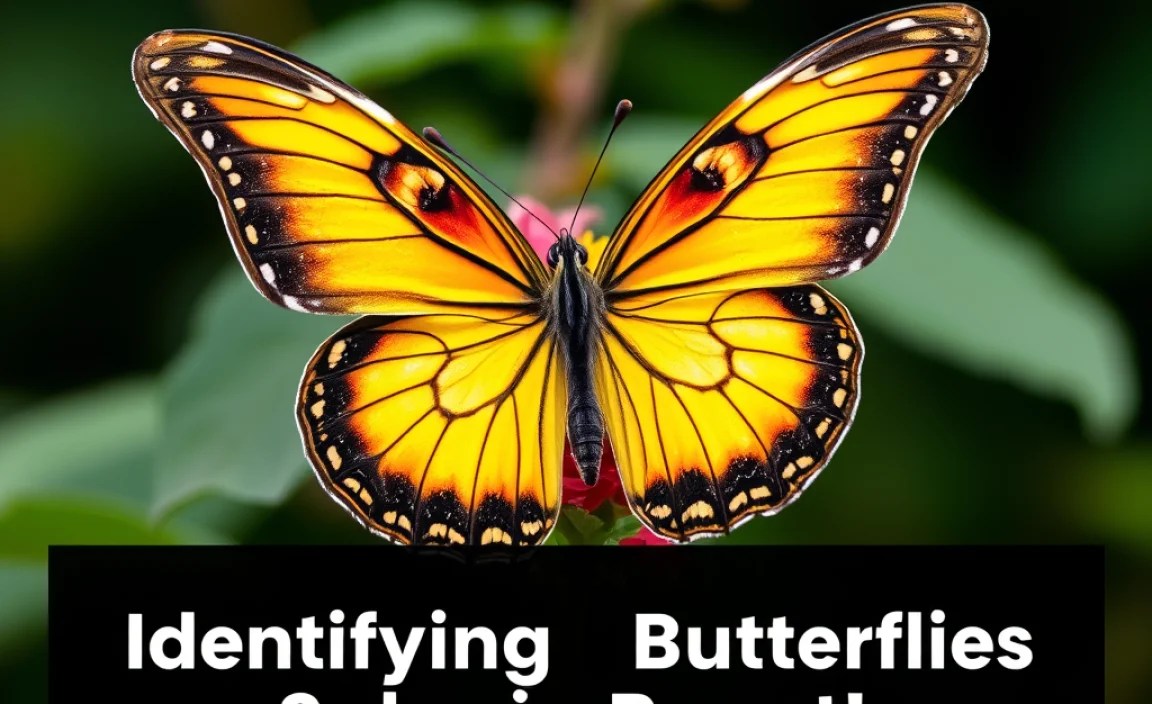
Learning to identify butterflies is fun. It helps us appreciate the diversity of {butterflies in Myanmar species}. Some butterflies are very common. You might see them in your garden or in a park. Other butterflies are rarer. You might only see them in specific habitats. Butterflies can be identified by their color, size, and shape. The patterns on their wings are also important. Some butterflies have bright colors. Others have more muted colors. Some butterflies have long tails. Others have short tails. Field guides can help you identify butterflies. These guides have pictures and descriptions of different species. You can also join a butterfly watching group. These groups go on trips to see butterflies. They can help you learn to identify different species.
- Butterflies can be identified by their color.
- Size and shape are also important features.
- Wing patterns help identify different species.
- Field guides can help you identify butterflies.
- Butterfly watching groups are a fun way to learn.
One common butterfly in Myanmar is the Common Mormon. This butterfly is black with white spots. The female can have different color forms. Another common butterfly is the Lime Butterfly. This butterfly is green and black. It feeds on citrus plants. The Common Rose is another beautiful butterfly. It is black with red spots. It is often seen near forests. The Plain Tiger is a brown and orange butterfly. It is often seen in open areas. The Bluebottle is a blue and black butterfly. It is known for its fast flight. Learning to identify these common butterflies is a good start. It helps you appreciate the beauty of {butterflies in Myanmar species}. You can then learn about other species as well.
Using Field Guides and Resources
Imagine having a book that tells you everything about butterflies. Field guides are very helpful for identifying {butterflies in Myanmar species}. These guides have pictures and descriptions of different species. They also have information about their habitats and behavior. Field guides can be used in the field. This means you can take them with you when you go butterfly watching. They can also be used at home. You can use them to identify butterflies that you have seen. There are also online resources that can help you identify butterflies. These resources have pictures and information about different species. Some websites also have forums where you can ask questions. Using field guides and online resources can help you become a butterfly expert.
Distinguishing Similar Species
Some butterflies look very similar to each other. Distinguishing similar species can be tricky. But there are some things you can look for. One thing to look for is the pattern on the wings. Even small differences in the pattern can help you identify a species. Another thing to look for is the size of the butterfly. Some species are larger than others. The shape of the wings can also be helpful. Some species have rounded wings. Others have more pointed wings. The color of the body can also be a clue. Some species have black bodies. Others have colored bodies. Using a field guide can help you distinguish similar species. The guide will point out the key differences between them. Practice makes perfect. The more you look at butterflies, the easier it will become to identify them.
The Role of Photography in Identification
Taking pictures of butterflies can help you identify them. Photography plays a big role in butterfly identification. When you take a picture of a butterfly, you can look at it more closely later. You can also compare it to pictures in a field guide. A good picture will show the key features of the butterfly. This includes the color, size, and shape of the wings. It also includes the pattern on the wings. Try to take pictures from different angles. This will give you a better view of the butterfly. You can also use a macro lens to take close-up pictures. These pictures will show even more detail. Sharing your pictures online can also help. Other people may be able to identify the butterfly for you. Photography is a valuable tool for butterfly identification.
Fun Fact or Stat: Butterfly enthusiasts often use macro lenses on their cameras to capture the intricate details of butterfly wings for identification!
| Butterfly Species | Color | Size | Habitat |
|---|---|---|---|
| Common Mormon | Black with white spots | Medium | Gardens, forests |
| Lime Butterfly | Green and black | Medium | Citrus groves |
| Common Rose | Black with red spots | Large | Forests |
| Plain Tiger | Brown and orange | Medium | Open areas |
The Life Cycle of Butterflies in Myanmar

Butterflies have a fascinating life cycle. It is called metamorphosis. This means they change a lot during their lives. First, a butterfly lays an egg. The egg hatches into a larva, which is also called a caterpillar. The caterpillar eats a lot and grows bigger. Then, the caterpillar turns into a pupa. The pupa is also called a chrysalis. Inside the chrysalis, the caterpillar changes into a butterfly. Finally, the butterfly emerges from the chrysalis. It spreads its wings and flies away. The life cycle of {butterflies in Myanmar species} is similar to that of other butterflies. But some species have unique adaptations. For example, some caterpillars can camouflage themselves. This helps them avoid predators. Understanding the life cycle of butterflies helps us protect them.
- Butterflies go through metamorphosis.
- The life cycle includes egg, larva, pupa, and adult.
- Caterpillars eat a lot and grow bigger.
- The pupa is also called a chrysalis.
- Butterflies emerge from the chrysalis.
The larval stage is very important for butterflies. This is when they eat and grow. Caterpillars eat different kinds of plants. Some caterpillars only eat one kind of plant. These are called specialist feeders. Other caterpillars eat many kinds of plants. These are called generalist feeders. The plants that caterpillars eat are called host plants. Butterflies lay their eggs on or near their host plants. This ensures that the caterpillars have food when they hatch. The pupal stage is also important. This is when the caterpillar transforms into a butterfly. The chrysalis provides protection during this transformation. The adult stage is when butterflies reproduce. They fly around and find mates. Female butterflies lay eggs. The life cycle then starts all over again.
Egg Laying and Host Plants
Have you ever seen a butterfly laying eggs? Female butterflies carefully choose where to lay their eggs. They lay their eggs on or near their host plants. Host plants are the plants that the caterpillars will eat. Different {butterflies in Myanmar species} have different host plants. Some butterflies only lay eggs on one kind of plant. Others lay eggs on several kinds of plants. The female butterfly uses her antennae to find the right host plant. She can smell the plant and tell if it is the right one. The eggs are usually very small. They can be different colors and shapes. Some eggs are round. Others are oval. Some eggs are smooth. Others are bumpy. The eggs are attached to the plant with a sticky substance.
Caterpillar Development and Diet
Imagine being a caterpillar, eating all day long! Caterpillars eat a lot. They need to grow big quickly. Caterpillars eat different kinds of plants. Some caterpillars are specialist feeders. This means they only eat one kind of plant. Other caterpillars are generalist feeders. This means they eat many kinds of plants. Caterpillars have strong jaws that they use to chew leaves. They also have silk glands. They use silk to make shelters and to attach themselves to plants. As caterpillars grow, they shed their skin. This is called molting. They molt several times before they turn into pupae. The diet of a caterpillar affects the size and color of the butterfly. It also affects its ability to reproduce.
Pupation and Emergence
The pupa is a special stage in the butterfly’s life cycle. During pupation, the caterpillar transforms into a butterfly. The caterpillar forms a chrysalis around itself. Inside the chrysalis, the caterpillar’s body breaks down. Then, it rebuilds itself into a butterfly. This process takes several weeks. When the butterfly is ready, it emerges from the chrysalis. The butterfly’s wings are wet and crumpled. It takes several hours for the wings to dry and expand. The butterfly then flies away. The timing of pupation and emergence can be affected by the weather. Warmer temperatures can speed up the process. Colder temperatures can slow it down. The emergence of {butterflies in Myanmar species} is a beautiful sight.
Fun Fact or Stat: Some butterfly caterpillars increase their weight by over 1,000 times before pupating!
Butterfly Watching in Myanmar
Butterfly watching is a fun and rewarding hobby. It is also a great way to learn about nature. Myanmar is a great place for butterfly watching. There are many different species of {butterflies in Myanmar species} to see. You can go butterfly watching in forests, gardens, and parks. You will need some equipment. A good pair of binoculars will help you see butterflies more clearly. A field guide will help you identify different species. A notebook and pencil will help you record your observations. You should also wear comfortable shoes and clothing. Bring water and snacks. Be respectful of the environment. Do not disturb the butterflies or their habitats. Have fun and enjoy the beauty of nature.
- Butterfly watching is a fun hobby.
- Myanmar has many different butterfly species.
- Binoculars help you see butterflies more clearly.
- Field guides help you identify species.
- Be respectful of the environment.
When you go butterfly watching, pay attention to the details. Look at the color, size, and shape of the butterflies. Notice the patterns on their wings. Observe their behavior. What are they eating? Where are they flying? Are they interacting with other butterflies? Record your observations in your notebook. You can also take pictures of the butterflies. This will help you identify them later. Share your observations with others. You can join a butterfly watching group. You can also post your pictures online. Butterfly watching is a great way to connect with nature. It is also a great way to learn about conservation. By appreciating butterflies, we can help protect them.
Best Locations for Butterfly Spotting
Are you ready to go butterfly spotting? Myanmar has many great locations for seeing {butterflies in Myanmar species}. Some of the best locations are in national parks and wildlife sanctuaries. These areas have protected habitats. This means there are more butterflies to see. Some popular locations include Alaungdaw Kathapa National Park, Hkakabo Razi National Park, and Inle Lake. These areas have diverse habitats. This means you can see many different species of butterflies. When you visit these locations, be sure to follow the rules. Stay on the trails and do not disturb the wildlife. Respect the environment and leave no trace.
Tips for Successful Butterfly Observation
Want to see more butterflies? Here are some tips for successful butterfly observation. Go butterfly watching on sunny days. Butterflies are more active when it is warm and sunny. Avoid going butterfly watching on windy days. Butterflies do not like to fly in the wind. Wear bright colors. Butterflies are attracted to bright colors. Bring a field guide. This will help you identify the butterflies you see. Be patient. It may take time to find butterflies. Look carefully. Butterflies can be small and camouflaged. Be quiet. Loud noises can scare butterflies away. Be respectful. Do not disturb the butterflies or their habitats. Follow these tips and you will have a successful butterfly watching experience.
Ethical Considerations for Butterfly Watching
It’s important to be kind to butterflies. Ethical considerations are important for butterfly watching. Do not collect butterflies. Collecting butterflies can harm their populations. Do not disturb butterfly habitats. Stay on the trails and do not damage plants. Do not use flash photography. Flash photography can disturb butterflies. Do not get too close to butterflies. Give them space. Do not handle butterflies. Handling butterflies can damage their wings. Report any illegal activities. This includes poaching and habitat destruction. Support conservation efforts. Donate to organizations that protect butterflies. By following these ethical considerations, you can help protect {butterflies in Myanmar species}.
Fun Fact or Stat: Experienced butterfly watchers often say that the best time to see butterflies is between 10 AM and 2 PM on a sunny day!
Summary
Myanmar is a treasure trove of biodiversity. The country has many different species of {butterflies in Myanmar species}. These butterflies are important for the ecosystem. They help pollinate plants. They also provide food for other animals. However, butterflies face many threats. Habitat loss, pesticides, and climate change are all problems. Conservation efforts are needed to protect butterflies. These efforts include protecting habitats and promoting sustainable farming. Education is also important. People need to learn about the importance of butterflies. By working together, we can ensure that butterflies continue to thrive in Myanmar. Learning about these creatures is the first step in protecting them. Each of us can make a difference in preserving the beauty of Myanmar’s butterflies.
Conclusion
Butterflies are beautiful and important creatures. Myanmar is home to a rich variety of {butterflies in Myanmar species}. These butterflies face many threats. We must work together to protect them. By protecting their habitats, we can help them survive. We can also support conservation efforts. Learning about butterflies is the first step. Let’s all do our part to protect these amazing insects. This will ensure that future generations can enjoy them.
Frequently Asked Questions
Question No 1: Why are there so many butterfly species in Myanmar?
Answer: Myanmar’s location and diverse habitats help butterflies thrive. The country has mountains, rainforests, and plains. These different environments create lots of different habitats. Different {butterflies in Myanmar species} live in each habitat. The climate in Myanmar is also perfect for butterflies. It is warm and humid, which butterflies like. The monsoon season brings rain, which helps plants grow. Butterflies need plants for food and shelter. Myanmar’s position between India and Southeast Asia also matters. This allows butterflies from both regions to live there.
Question No 2: What are the main threats to butterflies in Myanmar?
Answer: Butterflies in Myanmar face several threats. Habitat loss is a major concern. Deforestation for agriculture and logging reduces their living spaces. Pesticide use in farming also harms butterflies directly. Climate change affects their habitats and food sources. Pollution from urbanization and industrial activities further degrades their environment. These threats combine to endanger many {butterflies in Myanmar species}, making conservation efforts vital for their survival.
Question No 3: How can I help protect butterflies in Myanmar?
Answer: There are many ways you can help. You can support organizations that protect butterfly habitats. You can also promote sustainable farming practices. This means using fewer pesticides and protecting forests. Education is also key. Teach others about the importance of butterflies. You can also plant butterfly-friendly plants in your garden. Avoid using pesticides in your garden. By taking these actions, you can make a difference. Even small actions can help protect {butterflies in Myanmar species}.
Question No 4: What is the life cycle of a butterfly?
Answer: The life cycle of a butterfly is fascinating. It starts with an egg. The egg hatches into a larva, which is also called a caterpillar. The caterpillar eats a lot and grows bigger. Then, the caterpillar turns into a pupa. The pupa is also called a chrysalis. Inside the chrysalis, the caterpillar changes into a butterfly. Finally, the butterfly emerges from the chrysalis. It spreads its wings and flies away. This process is called metamorphosis. It takes several weeks for a butterfly to complete its life cycle. The life cycle of {butterflies in Myanmar species} is similar to other species.
Question No 5: What is the best time of year to see butterflies in Myanmar?
Answer: The best time to see butterflies in Myanmar is during the dry season. This is from November to April. During this time, the weather is warm and sunny. There is also less rain. This makes it easier for butterflies to fly around. The monsoon season can be very wet. This can make it difficult to see butterflies. However, some species are more active during the monsoon season. It depends on the specific species and the location. Always check the local weather conditions before planning a butterfly watching trip. The variety of {butterflies in Myanmar species} can be seen year-round.
Question No 6: Are there any butterfly festivals or events in Myanmar?
Answer: While specific butterfly festivals might not be widely publicized, keep an eye out for local nature or conservation events. These events may include butterfly-watching activities or educational programs about local insects. Check with local tourism boards or conservation organizations for up-to-date information on events related to {butterflies in Myanmar species}. Participating in such events can be a great way to learn more and support butterfly conservation efforts in Myanmar.


