
Swallowtail Butterfly Emergence Time: Spot It!

The emergence time for swallowtail butterflies varies depending on the species, temperature, and geographic location. Generally, they emerge from their chrysalises in the morning, usually between 6 AM and 11 AM. This timing allows their wings to dry and harden throughout the day, preparing them for their first flight.
Have you ever eagerly awaited the magical moment when a swallowtail butterfly emerges from its chrysalis? It’s a truly captivating experience! Knowing when to expect this transformation can be a bit tricky, as it depends on several factors. But don’t worry, I’m here to guide you through the process. We’ll explore the typical emergence times, what influences them, and how you can best witness this beautiful event. Get ready to discover the secrets of the swallowtail’s grand debut!
Understanding Swallowtail Butterfly Emergence
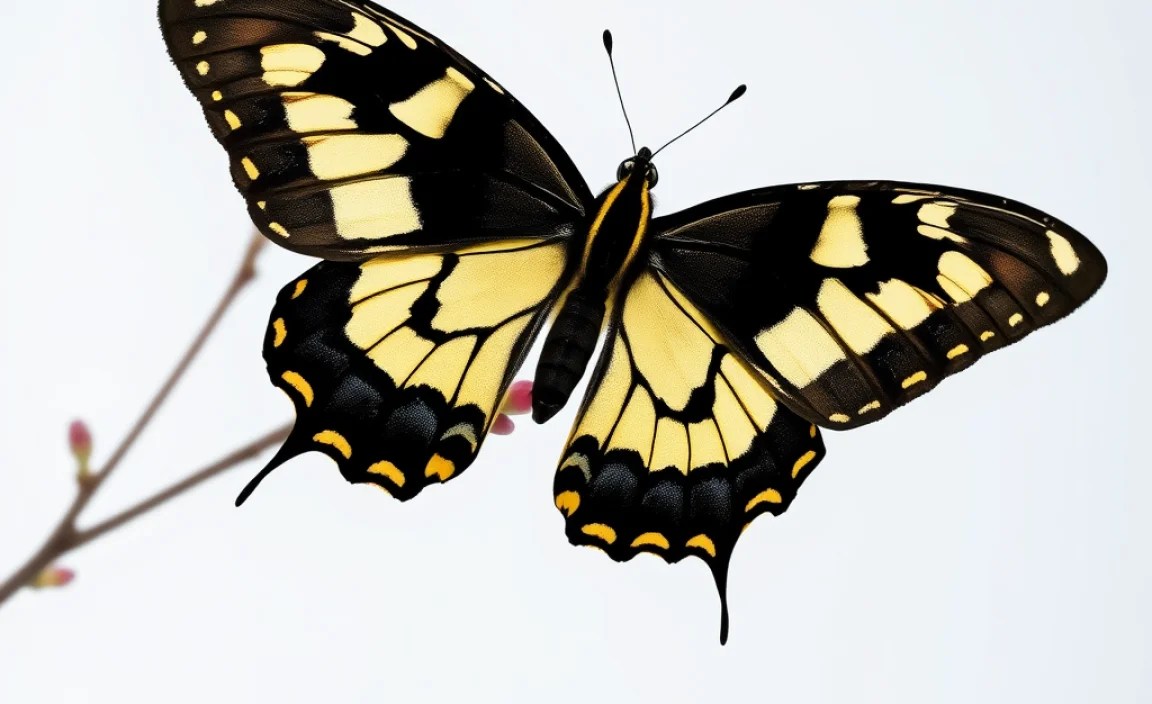
The emergence of a swallowtail butterfly from its chrysalis is a pivotal moment in its life cycle. This process, known as eclosion, is when the fully formed butterfly breaks free from its pupal skin and unfolds its wings for the first time. Timing is crucial for successful emergence, and several factors play a significant role.
Typical Emergence Time
Most swallowtail butterflies emerge in the morning hours. This timing is advantageous because:
- Temperature: Morning temperatures are usually cooler, which helps prevent the butterfly from overheating as it struggles to break free.
- Wing Drying: The butterfly needs several hours to dry and harden its wings before it can fly. Emerging in the morning gives it the entire day to prepare.
- Predator Avoidance: Emerging early allows the butterfly to become active and find shelter before the peak activity times of many predators.
While the specific time can vary, most swallowtails emerge between 6:00 AM and 11:00 AM. Observing your chrysalis during these hours gives you the best chance of witnessing the emergence.
Factors Influencing Emergence Time
Several factors can influence when a swallowtail butterfly emerges:
- Species: Different species of swallowtails may have slightly different emergence times. For example, the Eastern Tiger Swallowtail might emerge a bit earlier than the Black Swallowtail.
- Temperature: Warmer temperatures can speed up the development process, potentially leading to earlier emergence. Cooler temperatures can slow it down.
- Sunlight: Exposure to sunlight can also affect emergence. Chrysalises in sunny locations might warm up faster, prompting earlier emergence.
- Humidity: Proper humidity levels are essential for successful emergence. If the environment is too dry, the butterfly might have difficulty breaking free from the chrysalis.
Step-by-Step Guide to Predicting and Observing Emergence
Predicting the exact moment of emergence can be challenging, but here’s a step-by-step guide to help you anticipate and observe this incredible event:
Step 1: Identify the Chrysalis
First, make sure you have correctly identified a swallowtail butterfly chrysalis. Swallowtail chrysalises come in various colors, often blending with their surroundings. Some common types include:
- Green Chrysalis: Often found on green stems and leaves.
- Brown Chrysalis: Typically found on twigs and branches.
Knowing the specific type of swallowtail you’re observing can also provide clues about the expected emergence time, as different species may have slightly different developmental periods.
Step 2: Monitor the Chrysalis Regularly
Once you’ve identified the chrysalis, check on it regularly, especially during the morning hours. Look for signs that indicate the butterfly is about to emerge:
- Color Change: The chrysalis may become more transparent, allowing you to see the butterfly’s wings inside.
- Darkening: The chrysalis might darken as the butterfly prepares to break free.
- Movement: You might notice slight movements or twitching within the chrysalis.
Step 3: Prepare Your Observation Area
Before the expected emergence, prepare a quiet and comfortable observation area. Make sure you have a clear view of the chrysalis. It’s best to observe from a distance to avoid disturbing the butterfly.
Step 4: Watch During Peak Emergence Time
The peak emergence time for most swallowtails is between 6:00 AM and 11:00 AM. Set aside time during these hours to watch the chrysalis closely. Be patient, as the process can take several minutes to an hour.
Step 5: Document the Emergence
If possible, document the emergence with photos or videos. This can be a wonderful way to remember the experience and share it with others. However, avoid using flash photography, as it can disturb the butterfly.
Step 6: Provide Support (If Needed)
In some cases, the butterfly might have difficulty emerging from the chrysalis. If you notice the butterfly struggling for an extended period (more than an hour) and it’s clear it needs help, you can very carefully assist by gently moistening the chrysalis with a damp cotton swab. Important: Only intervene if it’s clear the butterfly is in distress, and always be extremely gentle.
Step 7: Observe the Wing Drying Process
After emerging, the butterfly will hang upside down to allow its wings to expand and dry. This process can take several hours. Do not touch the butterfly during this time. Once the wings are fully expanded and hardened, the butterfly will be ready to fly.
Creating a Butterfly-Friendly Habitat
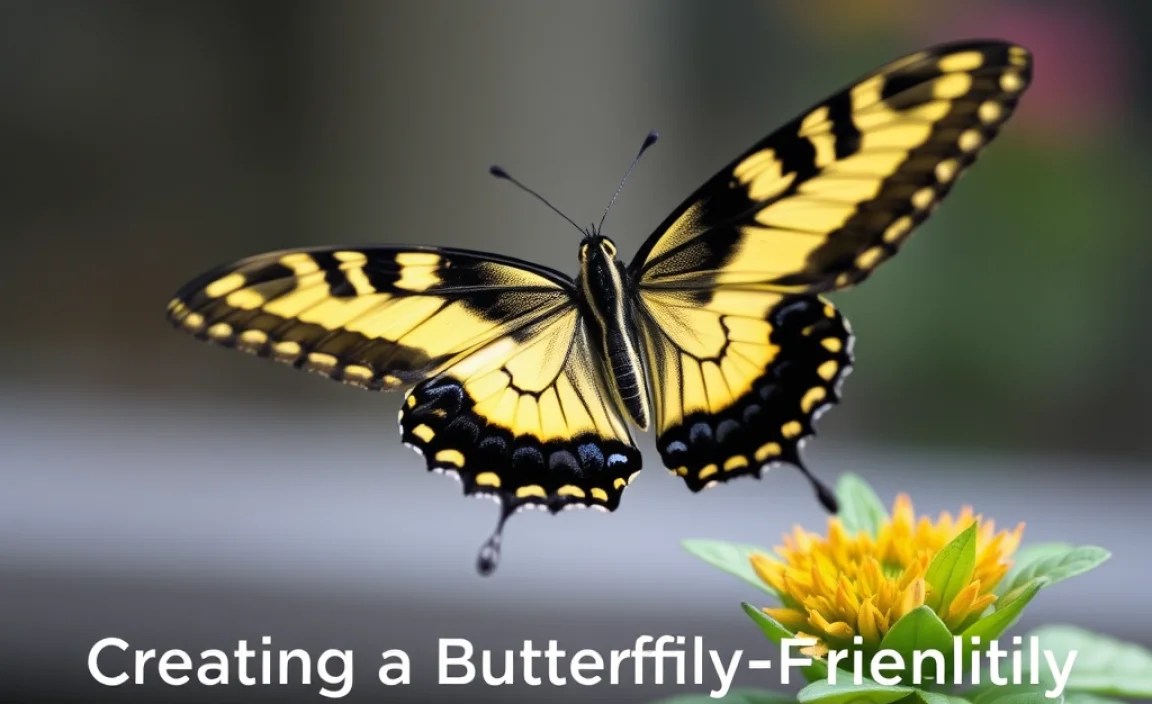
To increase your chances of observing swallowtail emergence, consider creating a butterfly-friendly habitat in your garden. This involves providing host plants for caterpillars and nectar sources for adult butterflies.
Host Plants for Swallowtail Caterpillars
Swallowtail caterpillars are very particular about their food sources. Planting the right host plants is essential for attracting them to your garden. Here are some popular host plants for different swallowtail species:
- Black Swallowtail: Parsley, dill, fennel, carrot tops, rue
- Eastern Tiger Swallowtail: Tulip tree, wild cherry, ash, birch
- Giant Swallowtail: Citrus trees, Hercules’ club, rue
- Spicebush Swallowtail: Spicebush, sassafras
- Pipevine Swallowtail: Pipevine (Aristolochia)
Nectar Sources for Adult Butterflies
Adult swallowtail butterflies need nectar for energy. Planting nectar-rich flowers will attract them to your garden and provide them with the sustenance they need. Some excellent nectar sources include:
- Butterfly bush (Buddleja)
- Zinnia
- Lantana
- Salvia
- Coneflower (Echinacea)
- Milkweed (Asclepias)
Other Habitat Considerations
In addition to host plants and nectar sources, consider these other factors when creating a butterfly-friendly habitat:
- Sunlight: Butterflies need sunlight to warm their bodies and fly. Make sure your garden has plenty of sunny spots.
- Shelter: Provide shelter from wind and rain with trees, shrubs, and tall grasses.
- Water: Butterflies need water to stay hydrated. Provide a shallow dish of water with pebbles for them to land on.
- Avoid Pesticides: Pesticides can be harmful to butterflies and other beneficial insects. Avoid using them in your garden.
Common Challenges and Solutions
Observing swallowtail emergence can sometimes present challenges. Here are some common issues and how to address them:
Challenge 1: Chrysalis Falls
Sometimes, a chrysalis might fall from its attachment point. If this happens, you can try to reattach it using a small amount of non-toxic glue or by gently pinning it to a suitable surface. Make sure the chrysalis is positioned upright.
Challenge 2: Parasitism
Unfortunately, swallowtail chrysalises can sometimes be parasitized by wasps or flies. If you notice small holes in the chrysalis or see parasitic insects emerging, it’s likely that the butterfly will not survive. While this can be disappointing, it’s a natural part of the ecosystem.
Challenge 3: Failure to Emerge
In some cases, the butterfly might fail to emerge from the chrysalis. This can be due to various factors, such as disease, injury, or improper environmental conditions. If the butterfly has been struggling for an extended period and shows no signs of progress, it’s unlikely to survive.
Challenge 4: Deformed Wings
Sometimes, a butterfly might emerge with deformed wings. This can be caused by viral infections, physical damage to the chrysalis, or improper humidity levels. If the wings are only slightly deformed, the butterfly might still be able to fly. However, if the wings are severely deformed, the butterfly might not survive in the wild. In this case, you can provide it with food and shelter in a protected environment.
Interesting Facts About Swallowtail Butterflies

Here are some fascinating facts about swallowtail butterflies that you might enjoy:
- Mimicry: Some swallowtail butterflies mimic poisonous butterflies to protect themselves from predators. For example, the female Tiger Swallowtail can have a dark form that mimics the poisonous Pipevine Swallowtail.
- Swallowtail Name: The name “swallowtail” comes from the elongated extensions on their hindwings, which resemble the tails of swallows.
- Global Distribution: Swallowtail butterflies are found all over the world, except for Antarctica.
- Largest Butterflies: Some swallowtail species are among the largest butterflies in the world, with wingspans reaching up to 12 inches.
- Cultural Significance: In many cultures, butterflies symbolize transformation, hope, and new beginnings.
Swallowtail Butterfly Species and Their Emergence Times
While the general emergence time for swallowtail butterflies is in the morning, specific species may vary slightly. Here’s a table outlining common swallowtail species and their typical emergence periods:
| Species | Typical Emergence Time | Host Plants |
|---|---|---|
| Eastern Tiger Swallowtail (Papilio glaucus) | Late morning to early afternoon (7:00 AM – 12:00 PM) | Wild cherry, tulip tree, ash |
| Black Swallowtail (Papilio polyxenes) | Early morning (6:00 AM – 10:00 AM) | Dill, parsley, fennel, carrot |
| Giant Swallowtail (Papilio cresphontes) | Mid-morning (8:00 AM – 11:00 AM) | Citrus, Hercules’ club, rue |
| Spicebush Swallowtail (Papilio troilus) | Early morning (6:30 AM – 10:30 AM) | Spicebush, sassafras |
| Pipevine Swallowtail (Battus philenor) | Late morning (9:00 AM – 11:30 AM) | Pipevine |
Note: These times are approximate and can vary based on local conditions and weather patterns.
Tools and Resources for Butterfly Enthusiasts
To enhance your butterfly observation and gardening experience, here are some useful tools and resources:
- Butterfly Identification Guides: Field guides can help you identify different butterfly species in your area. Some popular guides include the “Kaufman Field Guide to Butterflies of North America” and the “National Audubon Society Field Guide to North American Butterflies.
- Butterfly Gardening Books: Books on butterfly gardening can provide valuable information on creating a butterfly-friendly habitat. Look for titles like “Attracting Native Pollinators” by The Xerces Society and “Butterfly Gardening: How to Create a Butterfly Habitat in Your Backyard” by the Brooklyn Botanic Garden.
- Online Resources: Websites like the Xerces Society and the Butterflies and Moths of North America offer a wealth of information on butterfly identification, conservation, and gardening.
- Binoculars: A good pair of binoculars can help you observe butterflies from a distance without disturbing them.
- Camera: A camera with a macro lens can be useful for documenting butterfly emergence and other interesting behaviors.
- Butterfly Net: A butterfly net can be used to capture butterflies for closer examination, but be sure to handle them gently and release them promptly.
FAQ About Swallowtail Butterfly Emergence
What time of day do swallowtail butterflies typically emerge?
Swallowtail butterflies usually emerge from their chrysalises in the morning, between 6:00 AM and 11:00 AM, to allow their wings to dry and harden throughout the day.
How long does it take for a swallowtail butterfly to emerge from its chrysalis?
The emergence process can take anywhere from several minutes to about an hour. Once out, the butterfly needs several hours to fully expand and dry its wings.
What are the signs that a swallowtail butterfly is about to emerge?
Signs include the chrysalis becoming more transparent, darkening in color, and slight movements or twitching within the chrysalis.
Can I help a butterfly that is struggling to emerge from its chrysalis?
Only intervene if the butterfly is clearly struggling for an extended period. Gently moisten the chrysalis with a damp cotton swab. Avoid pulling or forcing the butterfly out.
What should I do if a chrysalis falls off its attachment point?
You can try to reattach it using a small amount of non-toxic glue or by gently pinning it to a suitable surface, ensuring it’s positioned upright.
How can I attract swallowtail butterflies to my garden?
Plant host plants for their caterpillars (like dill, parsley, or citrus) and nectar-rich flowers for the adults (like butterfly bush, zinnia, or milkweed). Also, provide sunlight, shelter, and water.
What if a butterfly emerges with deformed wings?
Deformed wings can be caused by viral infections, physical damage, or improper humidity. If the wings are only slightly deformed, it might still fly. If severely deformed, provide food and shelter in a protected environment.
Conclusion
Witnessing the emergence of a swallowtail butterfly is a truly magical experience, connecting us to the wonders of nature. By understanding the factors that influence emergence time and creating a butterfly-friendly habitat, you can increase your chances of observing this incredible event. Remember to be patient, observant, and respectful of these delicate creatures. Every effort to protect and support butterflies contributes to a healthier, more vibrant world for all of us. Happy butterfly watching!


