
Swallowtail Butterfly Eggs Identification: Easy Guide

Swallowtail butterfly eggs are typically small, round, and range in color from pale yellow to cream or green. They’re often laid singly on host plants like dill, parsley, or citrus leaves. As they mature, some species’ eggs turn brown or black before hatching. Identifying the host plant is also key to confirming the egg’s species.
Have you ever spotted tiny, mysterious eggs on your prized garden plants and wondered if they might belong to a beautiful swallowtail butterfly? It’s a common question for gardeners and nature lovers alike! Identifying these tiny treasures can be tricky, but it’s also incredibly rewarding. Knowing what to look for means you can protect and nurture these future butterflies, turning your garden into a haven for these fluttering jewels.
This guide will walk you through the key characteristics of swallowtail butterfly eggs. We’ll cover everything from their appearance and location to the host plants they favor. Get ready to become a butterfly egg identification expert!
Why Identify Swallowtail Butterfly Eggs?
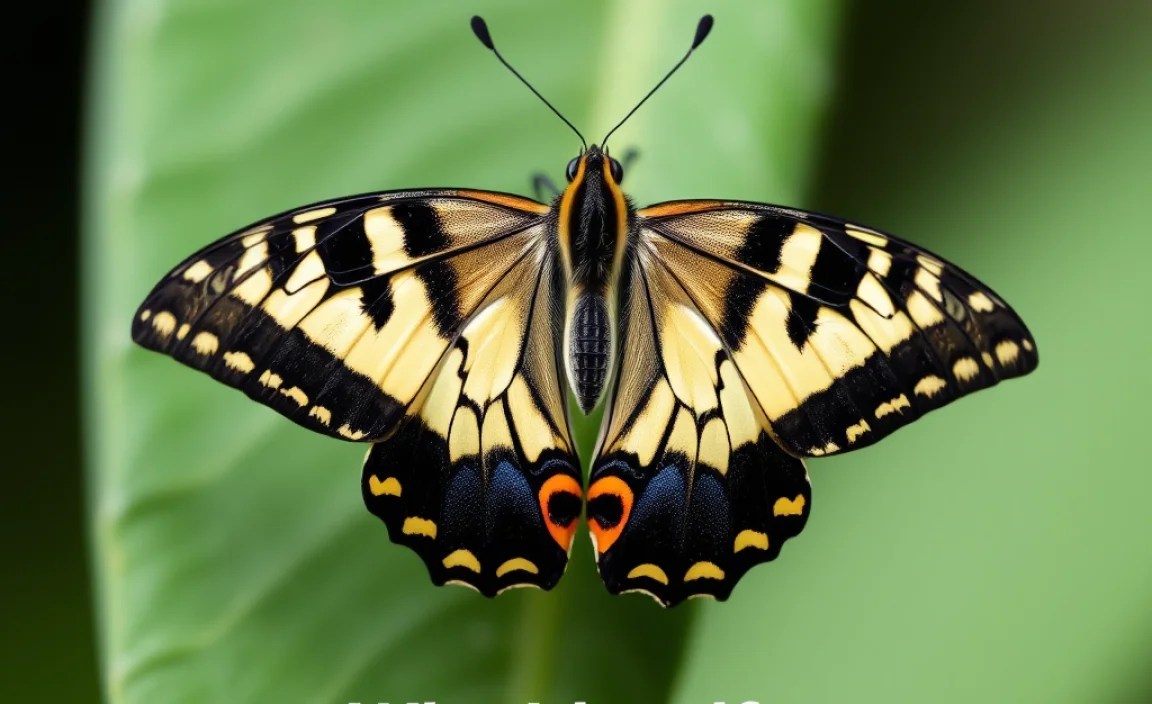
Identifying swallowtail butterfly eggs is more than just a fun activity. It’s a vital step in supporting these beautiful creatures and enhancing your garden’s ecosystem. Here’s why:
- Conservation: Swallowtail butterflies, like many pollinators, face habitat loss and other environmental challenges. By recognizing their eggs, you can protect them from accidental harm, such as being sprayed with pesticides.
- Gardening Benefits: Knowing which plants attract swallowtails allows you to create a butterfly-friendly garden. These butterflies are not only beautiful but also play a role in pollination.
- Educational Opportunity: Identifying butterfly eggs offers a fantastic learning experience for all ages. It connects you with the natural world and deepens your understanding of life cycles.
- Personal Enjoyment: There’s a unique joy in watching a tiny egg transform into a magnificent butterfly. It’s a rewarding experience that brings you closer to nature.
Key Characteristics of Swallowtail Butterfly Eggs

Swallowtail butterfly eggs share some common traits, but there are also variations depending on the species. Here’s what to look for:
Shape and Size
Swallowtail eggs are typically small and spherical, resembling tiny beads. Their size varies slightly, but they generally range from 1 to 1.5 millimeters in diameter.
Color
The color of swallowtail eggs can vary depending on the species and the stage of development. Freshly laid eggs are often:
- Pale yellow
- Creamy white
- Light green
As the eggs mature, they may change color, often becoming:
- Brown
- Dark brown
- Black
These color changes indicate that the larva inside is developing and the egg is nearing its hatching time.
Texture
Swallowtail eggs usually have a smooth, glossy surface. They lack any distinct patterns or ridges, making them appear simple yet elegant under close inspection.
Where to Find Swallowtail Butterfly Eggs

Knowing where to look for swallowtail eggs is just as important as knowing what they look like. Swallowtails are particular about where they lay their eggs, choosing specific host plants that will provide food for their caterpillars.
Host Plants
Swallowtail butterflies are known for their specific host plant preferences. These plants provide the necessary nutrients for the caterpillars to grow and develop. Here are some common host plants for different swallowtail species:
- Eastern Black Swallowtail: Dill, parsley, fennel, carrot tops, and Queen Anne’s lace.
- Giant Swallowtail: Citrus trees (orange, lemon, grapefruit), Hercules’ club, and rue.
- Tiger Swallowtail: Wild cherry, tulip tree, sweetbay magnolia, and birch.
- Spicebush Swallowtail: Spicebush and sassafras.
- Pipevine Swallowtail: Pipevine (Aristolochia).
Placement on the Plant
Swallowtail butterflies typically lay their eggs singly on the host plant. They are often found on the:
- Undersides of leaves
- Stems
- Flower buds
This strategic placement helps protect the eggs from predators and harsh weather conditions. Regularly inspect these areas of your host plants, especially during the butterfly season (spring through fall), to increase your chances of finding swallowtail eggs.
Swallowtail Butterfly Egg Identification by Species

While many characteristics are shared, some subtle differences can help you identify the eggs of specific swallowtail species.
Eastern Black Swallowtail (Papilio polyxenes)
Eastern Black Swallowtail eggs are usually laid singly on host plants. The eggs start as a pale yellow or cream color and turn reddish-brown as they mature. The host plants include dill, parsley, fennel, carrot tops, and Queen Anne’s lace.
Giant Swallowtail (Papilio cresphontes)
Giant Swallowtail eggs are laid singly on the upper and undersides of new leaves of host plants. The eggs are relatively large, round, smooth, and yellowish-brown. They are primarily found on citrus trees (orange, lemon, grapefruit), Hercules’ club, and rue.
Tiger Swallowtail (Papilio glaucus)
Tiger Swallowtail eggs are laid singly on the upper and undersides of leaves of host plants. The eggs are round and green. The host plants include wild cherry, tulip tree, sweetbay magnolia, and birch.
Spicebush Swallowtail (Papilio troilus)
Spicebush Swallowtail eggs are laid singly on the undersides of spicebush and sassafras leaves. The eggs are pale green and turn orange as they mature.
Pipevine Swallowtail (Battus philenor)
Pipevine Swallowtail eggs are laid in clusters on the stems and undersides of leaves of pipevine plants. The eggs are reddish-orange.
| Species | Color | Host Plants | Other Notes |
|---|---|---|---|
| Eastern Black Swallowtail | Pale yellow to reddish-brown | Dill, parsley, fennel, carrot tops | Laid singly |
| Giant Swallowtail | Yellowish-brown | Citrus trees, Hercules’ club, rue | Relatively large |
| Tiger Swallowtail | Green | Wild cherry, tulip tree, sweetbay magnolia | Laid singly |
| Spicebush Swallowtail | Pale green to orange | Spicebush, sassafras | Laid singly |
| Pipevine Swallowtail | Reddish-orange | Pipevine | Laid in clusters |
Tools for Identification
Identifying swallowtail butterfly eggs can be easier with the right tools. Here are a few items that can help you in your search:
- Magnifying Glass: A magnifying glass allows you to get a closer look at the eggs, helping you to see their shape, color, and texture more clearly.
- Camera or Smartphone: Taking photos of the eggs can help you compare them to images online or in field guides. Plus, you can track their development over time.
- Field Guide: A good field guide to butterflies and caterpillars in your region can provide valuable information about the eggs of different species.
- Notebook and Pen: Keeping a notebook to record your observations can help you track the eggs you find and learn more about their development.
Step-by-Step Guide to Identifying Swallowtail Butterfly Eggs
Identifying swallowtail butterfly eggs can be a rewarding experience. Here’s a step-by-step guide to help you through the process:
- Inspect Host Plants: Regularly check the host plants known to attract swallowtail butterflies. Focus on the undersides of leaves, stems, and flower buds.
- Look for the Right Shape and Size: Swallowtail eggs are typically small and spherical, about 1 to 1.5 millimeters in diameter.
- Note the Color: Pay attention to the color of the eggs. Freshly laid eggs are often pale yellow, cream, or light green. As they mature, they may turn brown or black.
- Check the Placement: Swallowtail butterflies usually lay their eggs singly on the host plant. Pipevine swallowtails lay eggs in clusters.
- Use a Magnifying Glass: Use a magnifying glass to get a closer look at the eggs. This will help you see their texture and any subtle markings.
- Take Photos: Take photos of the eggs from different angles. This will allow you to compare them to images in field guides or online.
- Consult a Field Guide or Online Resource: Use a field guide or online resource to compare your observations to known descriptions of swallowtail butterfly eggs.
- Monitor Development: If you’re unsure about the identification, monitor the eggs over time. As the larva develops, the egg may change color or become more transparent, providing additional clues.
- Identify the Caterpillar: Once the egg hatches, identify the caterpillar. This can confirm your initial identification of the egg.
Protecting Swallowtail Butterfly Eggs
Once you’ve identified swallowtail butterfly eggs in your garden, it’s essential to protect them. Here are some steps you can take:
- Avoid Pesticides: Never use pesticides on or near host plants. Pesticides can kill the eggs and caterpillars, as well as harm adult butterflies.
- Provide Shelter: Plant host plants in sheltered locations to protect the eggs from strong winds and harsh weather.
- Monitor for Predators: Keep an eye out for potential predators, such as ants, spiders, and birds. If necessary, you can cover the host plant with a fine mesh net to protect the eggs.
- Leave the Eggs Alone: Avoid handling the eggs unless absolutely necessary. If you must move them, do so carefully and gently.
Attracting Swallowtails to Your Garden
Attracting swallowtail butterflies to your garden is a great way to ensure they have a place to lay their eggs. Here are some tips to make your garden more butterfly-friendly:
- Plant Host Plants: Plant a variety of host plants to attract different species of swallowtail butterflies.
- Provide Nectar Sources: Plant nectar-rich flowers that will provide food for adult butterflies. Some good choices include zinnias, butterfly bush, and milkweed.
- Offer a Water Source: Butterflies need water to drink. Provide a shallow dish of water with pebbles or stones for them to land on.
- Create a Sunny Spot: Butterflies like to bask in the sun. Create a sunny spot in your garden where they can warm up.
- Avoid Insecticides: Avoid using insecticides in your garden, as they can harm butterflies and other beneficial insects.
Common Mistakes in Identification
Identifying swallowtail butterfly eggs can be challenging, and it’s easy to make mistakes. Here are some common errors to avoid:
- Misidentifying Host Plants: Make sure you correctly identify the host plants in your garden. Mistaking one plant for another can lead to incorrect identification of the eggs.
- Ignoring Color Changes: Pay attention to the color of the eggs. Many beginners make the mistake of only looking for one color, when the eggs may change color as they mature.
- Overlooking Placement: Remember that swallowtail butterflies typically lay their eggs singly on the host plant. If you find a cluster of eggs, they may belong to a different species.
- Using Inaccurate Resources: Be sure to use reliable field guides and online resources. Inaccurate information can lead to misidentification.
Resources for Further Learning
If you want to deepen your knowledge of swallowtail butterflies and their eggs, here are some valuable resources:
- The Xerces Society: The Xerces Society is a non-profit organization that protects wildlife through the conservation of invertebrates and their habitats. Their website offers a wealth of information about butterflies and other pollinators.
- Butterfly Identification Guides: Field guides like “Butterflies of North America” by Jim P. Brock and Kenn Kaufman can help you identify different species of butterflies and their eggs.
- University Extension Websites: Many university extension websites offer information about butterflies and other insects in your region. These websites are often a great source of local expertise.
- Online Forums and Communities: Online forums and communities dedicated to butterflies and gardening can be a great place to ask questions and share your observations.
FAQ: Swallowtail Butterfly Eggs
1. What do swallowtail butterfly eggs look like?
Swallowtail butterfly eggs are typically small, round, and range in color from pale yellow to cream or green. Some species’ eggs turn brown or black as they mature.
2. Where do swallowtail butterflies lay their eggs?
Swallowtail butterflies lay their eggs on specific host plants that their caterpillars will eat. Common host plants include dill, parsley, fennel, citrus trees, and spicebush.
3. How can I tell if a butterfly egg is going to hatch?
As a butterfly egg matures, it often changes color and may become more transparent. You may even be able to see the developing caterpillar inside.
4. What should I do if I find swallowtail butterfly eggs in my garden?
Protect the eggs by avoiding pesticides and providing shelter. Monitor them for predators and leave them undisturbed as much as possible.
5. How can I attract swallowtail butterflies to my garden?
Plant host plants and nectar-rich flowers, provide a water source, create a sunny spot, and avoid using insecticides.
6. Are swallowtail butterflies endangered?
Some swallowtail butterfly species are threatened or endangered due to habitat loss and other factors. Protecting their eggs and host plants can help support their populations.
7. Do all swallowtail butterfly eggs look the same?
No, there are some differences in the appearance of swallowtail butterfly eggs depending on the species. Color, size, and placement on the plant can vary.
Conclusion
Identifying swallowtail butterfly eggs is a wonderful way to connect with nature and support these beautiful creatures. By understanding their key characteristics, knowing where to look, and taking steps to protect them, you can transform your garden into a haven for swallowtail butterflies. Each tiny egg represents a future jewel, a testament to the beauty and resilience of the natural world. So, grab your magnifying glass, head out to your garden, and embark on this exciting journey of discovery. You might just find yourself captivated by the hidden wonders of the butterfly life cycle and the magic of nature unfolding right before your eyes.


