
Swallowtail Butterfly Feeding Behavior: Secret Revealed

Swallowtail butterflies primarily feed on nectar from flowers using their long proboscis, a straw-like tongue. They prefer brightly colored, fragrant blooms like milkweed, zinnias, and butterfly bushes. They also “puddle,” drinking water and minerals from damp soil or puddles, essential for reproduction.
Have you ever wondered what those beautiful swallowtail butterflies are doing when they flutter around your garden? It’s fascinating to watch them, isn’t it? But understanding their feeding behavior can be a bit tricky. What flowers do they like best? How do they even eat? And what’s this “puddling” behavior you might have heard about?
Don’t worry! I’m Frances O’Brien from ButterflyAsk.com, and I’m here to guide you through the wonderful world of swallowtail butterfly feeding. We’ll explore their favorite foods, how they use their unique proboscis, and even how you can create a garden that will have them flocking to your yard. Get ready to uncover the secrets of these amazing creatures!
Understanding Swallowtail Butterfly Feeding Behavior
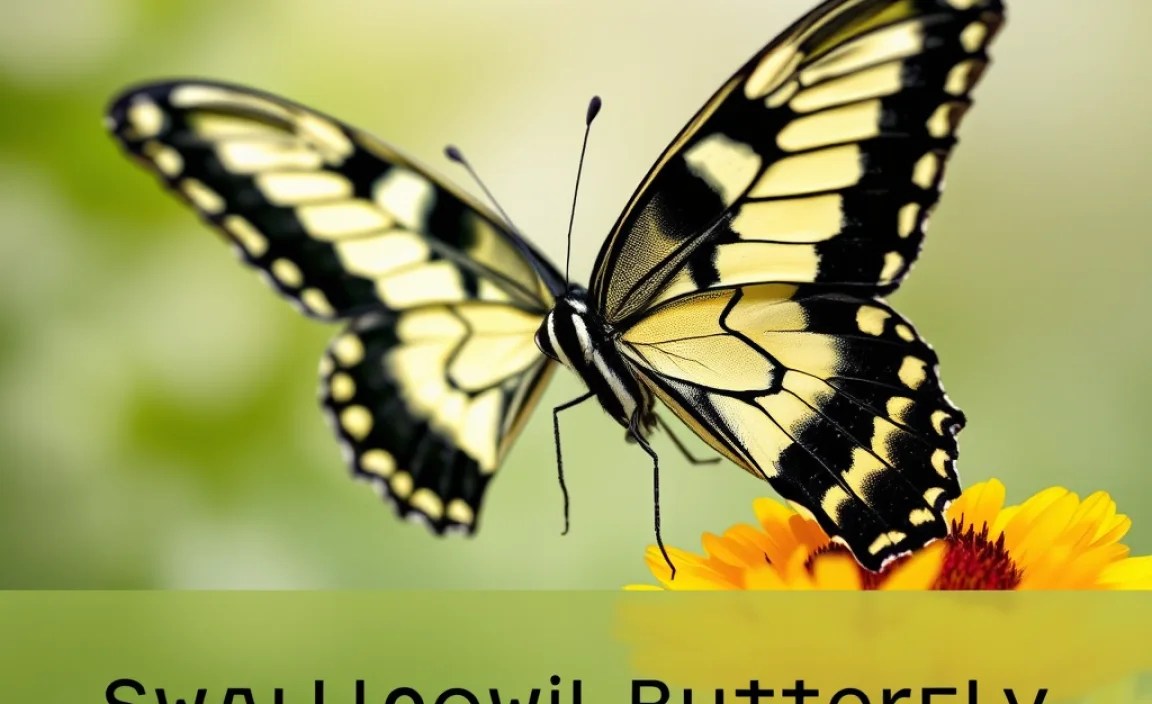
Swallowtail butterflies are not only beautiful to observe, but their feeding habits are also crucial to their survival and the health of our ecosystems. These butterflies, known for their distinctive tails and vibrant colors, play a vital role in pollination. Let’s dive into the specifics of how they eat and what attracts them.
The Swallowtail’s Proboscis: A Remarkable Feeding Tool
The most distinctive feature of a swallowtail butterfly’s feeding apparatus is its proboscis. This long, straw-like structure remains coiled up under the butterfly’s head when not in use. When a swallowtail finds a suitable flower, it uncoils its proboscis and uses it to sip nectar. Here’s what makes it so remarkable:
- Adaptability: The proboscis can reach deep into flowers that other insects can’t access.
- Efficiency: It allows the butterfly to quickly extract nectar, making feeding fast and efficient.
- Delicacy: The proboscis is gentle enough to avoid damaging the flower while feeding.
Nectar Feeding: The Main Source of Energy
Nectar is the primary food source for adult swallowtail butterflies. It’s rich in sugars, which provide the energy they need for flying, mating, and laying eggs. Swallowtails are attracted to flowers with bright colors and strong fragrances, which signal the presence of nectar. Some of their favorite nectar sources include:
- Milkweed: A crucial plant for Monarch butterflies, also loved by Swallowtails.
- Zinnias: Bright and easy to grow, offering a plentiful nectar supply.
- Butterfly Bush (Buddleja): A magnet for butterflies with its long, fragrant flower spikes.
- Lantana: Colorful and long-blooming, providing a consistent nectar source.
- Phlox: Fragrant and available in various colors, attracting many Swallowtails.
Puddling: Gathering Essential Minerals
Besides nectar, swallowtail butterflies engage in a behavior called “puddling.” This involves gathering minerals and salts from damp soil, puddles, or even animal waste. Puddling is particularly important for male butterflies, as the minerals they obtain are used in sperm production. Here’s why puddling is important:
- Reproduction: Minerals like sodium are crucial for sperm production in males.
- Nutrient Supplement: Puddling provides nutrients not found in nectar alone.
- Attraction: Male butterflies often gather in large groups at puddling sites, making it a social activity.
Host Plants vs. Nectar Plants: Understanding the Difference
It’s important to distinguish between host plants and nectar plants. Nectar plants provide food for adult butterflies, while host plants are where female butterflies lay their eggs, and the caterpillars feed on the leaves. Some popular host plants for swallowtail butterflies include:
- Citrus Trees: Host plants for Giant Swallowtails.
- Dill, Parsley, Fennel: Host plants for Black Swallowtails.
- Pipevine: Host plant for Pipevine Swallowtails.
- Spicebush: Host plant for Spicebush Swallowtails.
How to Attract Swallowtail Butterflies to Your Garden

Creating a butterfly-friendly garden is a rewarding experience. By providing the right food sources and habitat, you can attract these beautiful creatures to your yard. Here are some practical steps to get started:
Step 1: Plant a Variety of Nectar-Rich Flowers
Choose a mix of flowers that bloom at different times of the year to provide a continuous nectar source. Consider native plants, which are often best suited to local butterfly populations. Here are some top choices:
- Bee Balm (Monarda): Attracts hummingbirds and butterflies alike.
- Coneflowers (Echinacea): Drought-tolerant and long-blooming.
- Asters: Provide late-season nectar when other flowers are scarce.
- Joe-Pye Weed (Eutrochium): A tall, impressive plant that butterflies love.
Step 2: Include Host Plants for Caterpillars
Don’t forget to plant host plants to support the entire butterfly lifecycle. This means providing plants where the females can lay their eggs, and the caterpillars can feed. Here are some examples:
- Black Swallowtail: Plant dill, parsley, or fennel.
- Giant Swallowtail: Plant citrus trees or Hercules’ Club.
- Pipevine Swallowtail: Plant pipevine.
- Spicebush Swallowtail: Plant spicebush or sassafras.
Step 3: Create a Puddling Station
Provide a shallow dish or tray filled with sand or soil and keep it consistently moist. You can add a pinch of sea salt or wood ash to provide extra minerals. Place the puddling station in a sunny spot in your garden. Here’s how to make one:
- Find a shallow dish: A plant saucer or baking pan works well.
- Fill with sand or soil: Use a material that retains moisture.
- Add water: Keep the soil consistently damp but not soggy.
- Add minerals: A pinch of sea salt or wood ash can be beneficial.
- Place in a sunny spot: Butterflies prefer warm locations for puddling.
Step 4: Avoid Pesticides
Pesticides can harm or kill butterflies and caterpillars. Opt for organic gardening methods to protect these beneficial insects. Here are some alternatives to pesticides:
- Handpicking: Remove pests manually from plants.
- Beneficial Insects: Introduce ladybugs or lacewings to control aphids.
- Neem Oil: A natural insecticide that is safe for butterflies when used correctly.
- Row Covers: Protect plants from pests with physical barriers.
Step 5: Provide Shelter and Sunlight
Butterflies need sunny spots to warm their bodies and shelter from wind and rain. Plant shrubs and trees to provide these essential elements. Consider the following:
- Sunny Areas: Butterflies need to bask in the sun to raise their body temperature.
- Windbreaks: Shrubs and trees can protect butterflies from strong winds.
- Resting Spots: Provide flat rocks or leaves where butterflies can rest.
Swallowtail Butterfly Feeding Preferences: A Detailed Guide

Understanding the specific feeding preferences of different swallowtail species can help you tailor your garden to attract the ones you love most. Here’s a detailed look at some common swallowtail species and their favorite foods:
Eastern Black Swallowtail (Papilio polyxenes)
The Eastern Black Swallowtail is a common and beautiful butterfly found throughout North America. Its caterpillars feed on plants in the parsley family, while the adults enjoy a variety of nectar sources.
- Caterpillar Host Plants: Dill, parsley, fennel, carrot tops, rue.
- Adult Nectar Plants: Milkweed, zinnias, coneflowers, butterfly bush, phlox.
Giant Swallowtail (Papilio cresphontes)
The Giant Swallowtail is one of the largest butterflies in North America, known for its striking black and yellow markings. Its caterpillars feed on citrus trees, making it both a beloved and sometimes problematic species.
- Caterpillar Host Plants: Citrus trees (orange, lemon, lime), Hercules’ Club (Zanthoxylum clava-herculis).
- Adult Nectar Plants: Lantana, bougainvillea, Japanese honeysuckle, salvia.
Tiger Swallowtail (Papilio glaucus)
The Tiger Swallowtail is a large, yellow butterfly with black stripes, resembling a tiger. It is found throughout eastern North America and is a frequent visitor to gardens and woodlands.
- Caterpillar Host Plants: Wild cherry, tulip tree, sweetbay magnolia, willow.
- Adult Nectar Plants: Milkweed, Joe-Pye weed, butterfly bush, honeysuckle, lilac.
Pipevine Swallowtail (Battus philenor)
The Pipevine Swallowtail is a dark, iridescent butterfly with a distinctive wing shape. Its caterpillars feed exclusively on pipevine, making this plant essential for its survival.
- Caterpillar Host Plant: Pipevine (Aristolochia).
- Adult Nectar Plants: Thistle, milkweed, lantana, salvia, zinnia.
Spicebush Swallowtail (Papilio troilus)
The Spicebush Swallowtail is a beautiful butterfly with green and blue iridescent markings. Its caterpillars feed on spicebush and sassafras, plants found in eastern North American woodlands.
- Caterpillar Host Plants: Spicebush (Lindera benzoin), sassafras (Sassafras albidum).
- Adult Nectar Plants: Honeysuckle, jewelweed, thistle, milkweed, azalea.
Swallowtail Butterfly Feeding: Seasonal Considerations
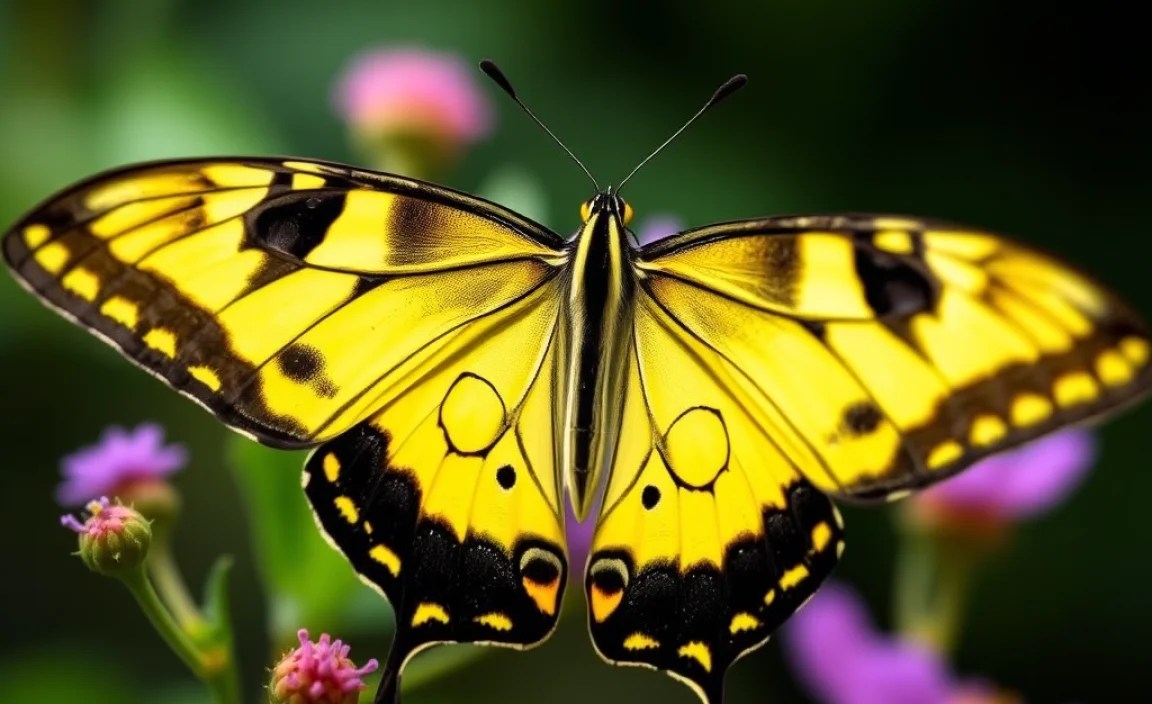
Butterfly feeding behavior is closely tied to the seasons. Understanding how their needs change throughout the year can help you provide the best support for them.
Spring
In the spring, butterflies emerge from their overwintering sites and need to replenish their energy reserves. Early-blooming flowers are crucial at this time. Consider planting:
- Crocuses: Provide early nectar for emerging butterflies.
- Dandelions: Often overlooked, but a valuable early nectar source.
- Violets: Attract a variety of butterflies and other pollinators.
Summer
Summer is the peak season for butterfly activity. A wide variety of flowers are in bloom, providing ample nectar. Focus on plants like:
- Milkweed: Essential for Monarchs and attractive to Swallowtails.
- Zinnias: Easy to grow and provide abundant nectar.
- Butterfly Bush: A butterfly magnet with long-lasting blooms.
Autumn
As autumn approaches, butterflies prepare for migration or overwintering. Late-blooming flowers are essential for building up their energy reserves. Plant:
- Asters: Provide late-season nectar when other flowers are scarce.
- Goldenrod: A valuable late-season nectar source for many butterflies.
- Sedum: Drought-tolerant and provides late-season blooms.
Here’s a seasonal table for easy reference:
| Season | Key Needs | Recommended Plants |
|---|---|---|
| Spring | Replenish energy after overwintering | Crocuses, Dandelions, Violets |
| Summer | Peak activity and reproduction | Milkweed, Zinnias, Butterfly Bush |
| Autumn | Prepare for migration or overwintering | Asters, Goldenrod, Sedum |
Common Issues and Solutions
Even with the best intentions, you might encounter some challenges when trying to attract swallowtail butterflies to your garden. Here are some common issues and their solutions:
Issue: Lack of Butterfly Activity
If you’ve planted nectar-rich flowers but aren’t seeing many butterflies, consider the following:
- Solution: Ensure your plants are getting enough sunlight and water. Butterflies prefer sunny locations.
- Solution: Check for pesticide use in your area. Talk to your neighbors about avoiding pesticides.
- Solution: Add a puddling station to provide essential minerals.
Issue: Caterpillars Eating Your Plants
While it’s great to support caterpillars, they can sometimes defoliate your plants. Here’s what to do:
- Solution: Plant extra host plants to accommodate the caterpillars’ appetite.
- Solution: Relocate caterpillars to other host plants if necessary.
- Solution: Accept some leaf damage as a natural part of the butterfly life cycle.
Issue: Pests Affecting Your Plants
Pests like aphids can weaken your plants and reduce nectar production. Try these solutions:
- Solution: Use insecticidal soap or neem oil to control pests.
- Solution: Introduce beneficial insects like ladybugs to prey on aphids.
- Solution: Regularly inspect your plants and remove pests manually.
FAQ About Swallowtail Butterfly Feeding Behavior
Here are some frequently asked questions about swallowtail butterfly feeding behavior:
What do swallowtail butterflies eat?
Swallowtail butterflies primarily feed on nectar from flowers. They also drink water and minerals from damp soil or puddles.
How do swallowtail butterflies drink nectar?
They use a long, straw-like proboscis to sip nectar from flowers. The proboscis uncoils and reaches deep into the flower to access the nectar.
Why do butterflies puddle?
Puddling is a behavior where butterflies, especially males, gather minerals and salts from damp soil or puddles. These minerals are essential for reproduction.
What are the best flowers to attract swallowtail butterflies?
Some of the best flowers include milkweed, zinnias, butterfly bush, lantana, and phlox. Choose a variety of colors and fragrances to attract different species.
What is the difference between host plants and nectar plants?
Nectar plants provide food for adult butterflies, while host plants are where female butterflies lay their eggs, and the caterpillars feed on the leaves.
How can I create a puddling station in my garden?
Fill a shallow dish with sand or soil, keep it consistently moist, and add a pinch of sea salt or wood ash. Place it in a sunny spot in your garden.
Are pesticides harmful to swallowtail butterflies?
Yes, pesticides can harm or kill butterflies and caterpillars. Opt for organic gardening methods to protect these beneficial insects.
Conclusion
Understanding the feeding behavior of swallowtail butterflies is key to attracting and supporting these beautiful creatures in your garden. By providing a variety of nectar-rich flowers, host plants, and a puddling station, you can create a haven for swallowtails and enjoy their presence throughout the seasons.
Remember, creating a butterfly-friendly garden is not just about providing food. It’s about creating a healthy, balanced ecosystem that supports the entire butterfly lifecycle. So, get out there, plant some flowers, and watch your garden come alive with the magic of swallowtail butterflies. Happy gardening!


