
Species Identification of Cockroaches: Easy Guide

Have you ever seen a bug run super fast across the floor? Was it flat and brown? It might have been a cockroach! There are many kinds of cockroaches. Learning about species identification of cockroaches can help. It lets you know what kind of bug you saw. It also helps you know how to get rid of it.
Key Takeaways
- Species identification of cockroaches is key to choosing the right pest control.
- Cockroaches can spread germs, so knowing them helps keep you healthy.
- Different cockroaches like different places. This helps find them.
- You can tell cockroaches apart by size, color, and where they live.
- Some cockroaches fly, while others just run on the ground quickly.
Importance of Species Identification of Cockroaches

Imagine you are a detective. You need to solve a mystery. The mystery is: what kind of cockroach is in your house? Species identification of cockroaches is like being a bug detective. It helps you figure out what kind of cockroach you are dealing with. Different cockroaches act differently. Some like to live in kitchens. Others prefer bathrooms. Knowing which kind you have helps you find where they are hiding. It also helps you choose the best way to get rid of them. This keeps your home clean and healthy.
- Some roaches like warm, wet places.
- Others like dark, quiet spots.
- Knowing the species helps you set traps.
- It also helps you clean the right areas.
- Different roaches need different treatments.
Why is it so important to know the type of cockroach? Well, think of it like this. If you have a cold, you need to know if it’s just a sniffle or something more serious. The same goes for cockroaches. Some cockroaches are just a nuisance. Others can spread germs and make you sick. They can get into your food and cause allergies. Knowing the species helps you take the right steps. You can protect your family and your home. Species identification of cockroaches is the first step in keeping your home pest-free.
Why Classifying Cockroaches Helps
Have you ever wondered why scientists give everything a name? It’s because names help us understand things better. When we classify cockroaches, we put them into groups based on what they look like and how they act. This makes it easier to study them. It also helps us learn how to control them. If we know the type of cockroach, we can find out what it likes to eat. We can learn where it likes to hide. Then, we can use that information to get rid of it.
How Identification Impacts Pest Control
Imagine you are trying to catch a fish. Would you use the same bait for every fish? No way! You would choose the right bait for the fish you want to catch. Species identification of cockroaches works the same way. Different cockroaches like different things. Some are attracted to sweet things. Others prefer greasy food. Knowing what they like helps you choose the right bait for your traps. It also helps you choose the right spray or other treatment.
Preventative Measures After Identification
After you figure out what kind of cockroach you have, what’s next? You need to stop them from coming back! This means cleaning up their favorite hiding spots. It means sealing up cracks and holes where they can get in. It also means keeping your food stored properly. Cockroaches need food and water to survive. If you take those things away, they will go somewhere else. Then your home will be roach-free.
Fun Fact or Stat: There are over 4,000 species of cockroaches in the world, but only a few are commonly found in homes!
Key Physical Traits for Cockroach ID
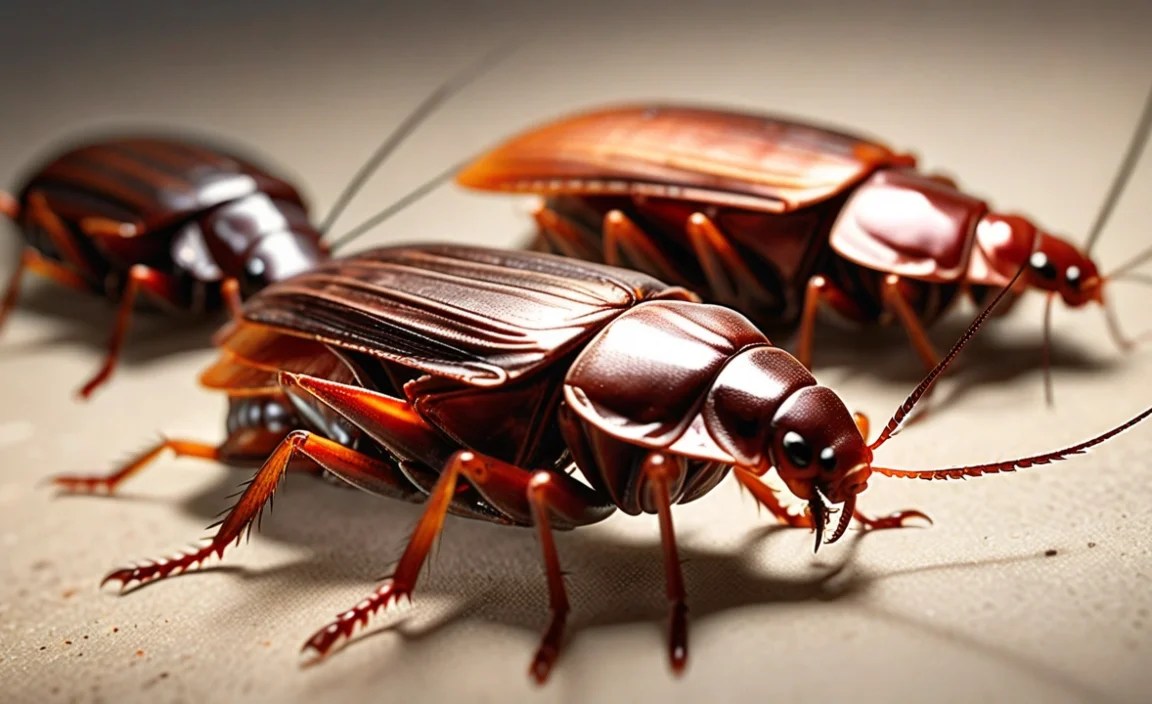
Species identification of cockroaches can be like a fun game of “I Spy.” You look for clues to figure out what kind of cockroach you have. One of the best clues is what the cockroach looks like. How big is it? What color is it? Does it have any special markings? These are all important details. Some cockroaches are big and brown. Others are small and tan. Some even have stripes! Pay attention to these details. They will help you solve the cockroach mystery.
- Size is a big clue.
- Color helps narrow it down.
- Look for any patterns or stripes.
- Check the shape of its body.
- Notice if it has wings or not.
- Antennae length can be helpful.
Think of it like identifying different types of birds. You look at their size, color, and markings. You listen to their songs. Cockroaches are the same way. Each species has its own unique look. For example, the German cockroach is small and light brown. The American cockroach is big and reddish-brown. By paying attention to these details, you can become a cockroach expert. You will be able to tell them apart in no time!
Size and Shape Variations
Have you ever noticed that things come in different sizes and shapes? Cockroaches are no different. Some are tiny, like the size of a grain of rice. Others are huge, almost as big as your thumb! The shape of their body also varies. Some are long and skinny. Others are round and fat. These differences can help you identify the species. It’s like knowing the difference between a chihuahua and a great dane.
Color and Markings as Indicators
Imagine you are painting a picture. You use different colors to make it interesting. Cockroaches also come in different colors. They have unique markings. Some are light brown. Others are dark brown. Some even have black stripes or spots. These colors and markings can be important clues. They help you figure out what kind of cockroach you are looking at.
Importance of Wing Morphology
Did you know that some cockroaches can fly? Others can only run. The shape and size of their wings can tell you a lot. Some cockroaches have long wings that cover their whole body. Others have short wings that only cover part of their body. Some don’t have wings at all! Looking at their wings is like checking if a bird can fly or not. It’s an important clue for species identification of cockroaches.
Fun Fact or Stat: The Madagascar hissing cockroach can grow up to 3 inches long and makes a hissing sound!
Habitat and Behavior in Species Identification of Cockroaches

Where did you find the cockroach? Was it in the kitchen? Was it in the bathroom? Where a cockroach lives and how it acts can help you figure out what kind it is. Species identification of cockroaches includes looking at their habitat. It also means watching their behavior. Some cockroaches like warm, wet places. Others prefer dark, dry spots. Some are active during the day. Others only come out at night. These clues can help you solve the cockroach puzzle.
- Check where you see them most often.
- Notice if they are out during the day or night.
- See if they run or fly.
- Look for signs of them near food or water.
- Check for droppings or egg cases.
Think of it like studying animals in the zoo. You learn about their natural habitat. You watch how they behave. This helps you understand them better. Cockroaches are the same way. By observing their habitat and behavior, you can learn a lot about them. You can use this information to get rid of them. You can also stop them from coming back. Then you can enjoy a pest-free home.
Preferred Habitats of Different Species
Imagine you are building a house for a cockroach. Where would you put it? Would you put it near food and water? Would you put it in a warm place? Different cockroaches have different preferences. Some like to live in kitchens, near crumbs and spills. Others like to live in bathrooms, near leaky pipes. Knowing their favorite spots helps you find them. It also helps you clean up the areas they like.
Nocturnal vs. Diurnal Activity
Are you a morning person or a night owl? Cockroaches are the same way. Some are active during the day (diurnal). Others are active at night (nocturnal). Most cockroaches are nocturnal. This means they come out when it’s dark. But some cockroaches, like the Asian cockroach, are active during the day. Knowing when they are active helps you find them. It also helps you set traps at the right time.
Behavioral Patterns and Aggregation
Do you like to hang out with your friends? Cockroaches also have social habits. Some like to live in groups. Others prefer to be alone. German cockroaches like to live in large groups. American cockroaches are more solitary. How they behave can give you clues. It can help you figure out what kind of cockroach you have. It can also help you find their hiding places.
Fun Fact or Stat: Cockroaches can live for a week without their head!
Using Traps and Monitoring for Cockroach Identification
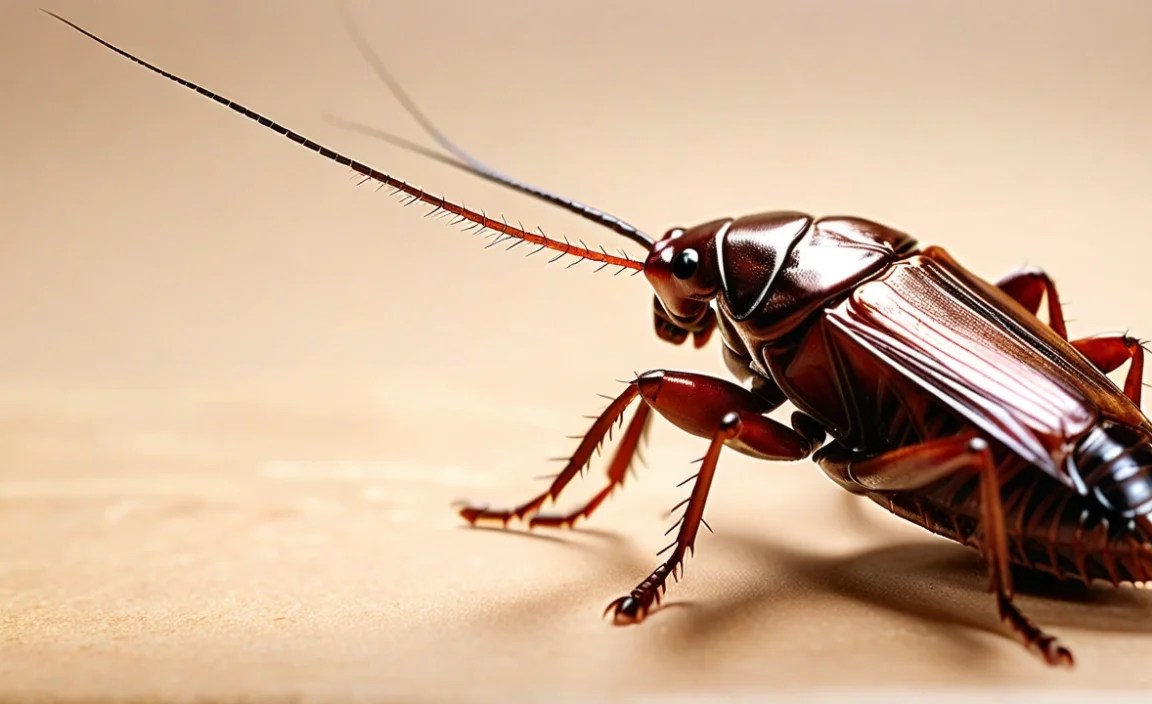
Sometimes, it’s hard to get a good look at a cockroach. They are fast and sneaky! That’s where traps and monitors come in handy. These tools can help you catch cockroaches. They let you get a closer look. This can help with species identification of cockroaches. Traps and monitors can also tell you how many cockroaches you have. This helps you know if your pest control efforts are working.
- Use sticky traps to catch them.
- Place traps in areas where you see them.
- Check the traps regularly.
- Use monitors to track their activity.
- Note the size and color of the roaches you catch.
Think of traps and monitors as your spy gadgets. They help you gather information about the cockroaches in your home. Sticky traps catch cockroaches. They let you examine them up close. Monitors track their movements. They show you where they are most active. This information helps you identify the species. It also helps you target your pest control efforts.
Types of Traps for Effective Catching
Just like there are different kinds of fishing lures, there are different kinds of cockroach traps. Some traps use bait to lure cockroaches in. Others use sticky surfaces to trap them. Some traps even use pheromones. Pheromones are special chemicals that attract cockroaches. Choosing the right trap can make a big difference. It can help you catch more cockroaches. It can also help you identify them more easily.
Placement Strategies for Monitoring Devices
Where you put your traps and monitors is very important. You want to put them where cockroaches are most likely to be. This means placing them in kitchens, bathrooms, and other areas where they can find food and water. You should also put them along walls and in corners. Cockroaches like to travel along edges. By placing your traps strategically, you can catch more cockroaches. You can also get a better idea of what kind you have.
Interpreting Trap Catches for Identification
So, you’ve caught some cockroaches in your traps. Now what? It’s time to examine your catch! Look at the size, color, and markings of the cockroaches. Compare them to pictures of different species. This will help you identify them. You can also use a magnifying glass for a closer look. The more you practice, the better you will get at identifying cockroaches.
Fun Fact or Stat: Cockroaches can hold their breath for up to 40 minutes!
Common Cockroach Species: A Visual Guide
Let’s meet some of the most common cockroach species. Knowing what they look like can make species identification of cockroaches much easier. Think of this as your cockroach yearbook. We’ll look at pictures and descriptions of each species. You’ll learn about their size, color, and markings. You’ll also learn about their favorite habitats. By the end, you’ll be able to recognize these cockroaches on sight.
- German Cockroach: Small, light brown.
- American Cockroach: Large, reddish-brown.
- Oriental Cockroach: Dark brown, almost black.
- Brown-banded Cockroach: Tan with brown bands.
- Smokybrown Cockroach: Large, dark brown, shiny.
Imagine you are learning about different breeds of dogs. You study their pictures and descriptions. You learn about their size, color, and temperament. Cockroaches are the same way. Each species has its own unique characteristics. By studying these characteristics, you can become a cockroach identification expert. You’ll be able to tell them apart with ease.
Here is a table to compare some common cockroach species:
| Species | Size | Color | Wings | Habitat |
|---|---|---|---|---|
| German Cockroach | Small (1/2 inch) | Light Brown | Yes | Kitchens, Bathrooms |
| American Cockroach | Large (2 inches) | Reddish-Brown | Yes | Drains, Basements |
| Oriental Cockroach | Medium (1 inch) | Dark Brown/Black | No (males have short wings) | Damp, Cool Places |
| Brown-banded Cockroach | Small (1/2 inch) | Tan with Brown Bands | Yes | Warm, Dry Places |
German Cockroach: The Most Common Pest
Have you ever seen a small, light brown cockroach scurrying across your kitchen counter? Chances are, it was a German cockroach. This is one of the most common cockroach pests in the world. They are small and reproduce quickly. This makes them very difficult to get rid of. They love warm, moist places. They can often be found in kitchens and bathrooms.
American Cockroach: The Big One
Imagine seeing a cockroach as big as your thumb! That’s probably an American cockroach. These are the largest cockroaches you’ll find in your home. They are reddish-brown in color. They like to live in damp, dark places. You might find them in drains, basements, or sewers. They can also fly, which can be quite startling!
Oriental Cockroach: The Water Bug
Have you ever heard of a “water bug”? That’s often what people call the Oriental cockroach. These cockroaches are dark brown or black. They like damp, cool places. You might find them outdoors under leaves or stones. They can also be found in basements and crawl spaces. They are not as common as German or American cockroaches.
Fun Fact or Stat: A female cockroach can lay hundreds of eggs in her lifetime!
Health Risks Associated with Different Cockroach Species
Cockroaches are not just creepy. They can also be dangerous. Different species identification of cockroaches is important. It helps us know what health risks they pose. Some cockroaches carry germs. They can spread diseases. They can also cause allergies and asthma. Knowing which species you have can help you protect your health.
- Cockroaches can spread bacteria.
- They can contaminate food.
- Their droppings can cause allergies.
- They can trigger asthma attacks.
- Different species carry different germs.
Think of cockroaches as tiny germ-carrying machines. They crawl through dirty places. They pick up bacteria and viruses. Then they bring those germs into your home. They can contaminate your food and surfaces. This can make you and your family sick. Some people are allergic to cockroaches. Their droppings and shed skin can cause sneezing, coughing, and itchy eyes.
Allergenic Potential of Various Species
Do you ever sneeze or cough when you’re in a certain room? It could be cockroaches! Some people are allergic to cockroaches. Their bodies react to proteins in cockroach droppings and shed skin. Different species produce different allergens. Some are more allergenic than others. If you have allergies, it’s important to get rid of cockroaches. This can help you breathe easier.
Disease Transmission by Cockroaches
Imagine cockroaches as tiny delivery trucks for germs. They can carry bacteria, viruses, and parasites on their bodies. They can spread these germs to your food and surfaces. This can cause diseases like Salmonella, E. coli, and gastroenteritis. These diseases can make you feel very sick. They can cause diarrhea, vomiting, and fever.
Impact on Asthma and Respiratory Issues
Do you have asthma? Cockroaches can make it worse. Cockroach allergens can trigger asthma attacks. They can cause wheezing, coughing, and shortness of breath. If you have asthma, it’s important to keep your home clean. Get rid of cockroaches to reduce your exposure to allergens. This can help you breathe easier and stay healthy.
Fun Fact or Stat: Cockroaches can survive radiation levels that would kill humans!
Effective Control Strategies Based on Species Identification of Cockroaches
So, you’ve identified the cockroach species in your home. Now what? It’s time to take action! Different cockroaches require different control strategies. What works for one species might not work for another. Species identification of cockroaches helps you choose the most effective methods. This will help you get rid of them quickly and efficiently.
- Use baits for German cockroaches.
- Seal cracks and crevices.
- Use boric acid in hard-to-reach areas.
- Clean up food and water sources.
- Consider professional pest control.
Think of it like choosing the right tool for a job. You wouldn’t use a hammer to screw in a screw, would you? You would use a screwdriver. Cockroach control is the same way. You need to use the right methods for the specific species you have. This will give you the best results. It will also save you time and money.
Tailoring Treatment to Specific Species
Imagine you are a doctor treating a patient. You wouldn’t give the same medicine to everyone, would you? You would diagnose the problem first. Then you would prescribe the right treatment. Cockroach control is the same way. You need to identify the species first. Then you can choose the right treatment. This will ensure that you get rid of the cockroaches for good.
DIY vs. Professional Pest Control Options
Can you handle the cockroach problem yourself? Or do you need to call in the professionals? That depends on the species and the severity of the infestation. For small infestations of German cockroaches, you might be able to handle it yourself with baits and traps. But for larger infestations, or for more difficult species like American cockroaches, you might need professional help.
Preventative Measures Post-Treatment
You’ve gotten rid of the cockroaches. Congratulations! But your work isn’t done yet. You need to take steps to prevent them from coming back. This means sealing cracks and crevices, cleaning up food and water sources, and keeping your home clean. By taking these preventative measures, you can keep your home cockroach-free for good.
Fun Fact or Stat: Cockroaches can survive without food for a month!
Summary
Species identification of cockroaches is super important for getting rid of them. Knowing what kind of cockroach you have helps you pick the right way to fight them. You can tell them apart by looking at their size, color, and where they like to live. Some like kitchens, and others like bathrooms. Traps and monitors can help you catch them and see what they look like up close. Some common ones are German, American, and Oriental cockroaches. They can spread germs and make you sick, so it’s important to get rid of them.
You can use baits, seal up holes, and clean up food to keep them away. Sometimes, you might need to ask a professional for help. Knowing about species identification of cockroaches helps you keep your home safe and healthy.
Conclusion
Learning about species identification of cockroaches can help you. It lets you know what kind of bug is in your house. You can find them by looking at their color and size. You can also see where they like to hide. Knowing the species helps you get rid of them. It also helps you keep them from coming back. Now you can protect your home from roaches.
Frequently Asked Questions
Question No 1: Why is species identification of cockroaches important?
Answer: Knowing what kind of cockroach you have is really important! Different kinds of cockroaches like different things. Some like warm, wet places. Others like dark, dry places. If you know what kind you have, you can find where they are hiding. You can also choose the best way to get rid of them. This helps keep your home clean and healthy.
Question No 2: How can I identify different cockroach species?
Answer: You can tell cockroaches apart by looking at them closely. Pay attention to their size and color. Some are big and brown. Others are small and tan. Also, look at where you find them. Some like kitchens, and others like bathrooms. You can also use traps to catch them. This lets you get a better look. Then you can compare them to pictures of different species to figure out what kind they are.
Question No 3: What are some common cockroach species I might find in my home?
Answer: Some common cockroaches you might see are German cockroaches. These are small and light brown. American cockroaches are large and reddish-brown. Oriental cockroaches are dark brown or black. Brown-banded cockroaches have brown bands on their bodies. Each of these likes different places. Knowing which one you see helps you get rid of them.
Question No 4: Are cockroaches dangerous?
Answer: Yes, cockroaches can be dangerous. They can carry germs that can make you sick. They can spread bacteria and viruses to your food and surfaces. Some people are allergic to cockroaches. Their droppings and shed skin can cause allergies and asthma. It is important to get rid of cockroaches to protect your health. Species identification of cockroaches helps you know what risks they pose.
Question No 5: What can I do to get rid of cockroaches?
Answer: There are many things you can do to get rid of cockroaches. You can use baits and traps to catch them. You can seal up cracks and holes where they can get in. You can clean up food and water sources. You can also consider calling a professional pest control company. They can help you get rid of the cockroaches quickly and effectively. The right approach depends on species identification of cockroaches.
Question No 6: How can I prevent cockroaches from coming back?
Answer: To keep cockroaches away, you need to make your home less attractive to them. Keep your home clean and tidy. Store food in airtight containers. Clean up spills and crumbs right away. Seal up cracks and holes where they can get in. Fix any leaky pipes or faucets. By taking these steps, you can help prevent cockroaches from coming back. Species identification of cockroaches can inform your prevention strategies.


