
Easy Species Identification of Arthropods: A Smart Guide

Have you ever seen a bug and wondered what it was? There are so many kinds of bugs. Some are big, and some are small. Figuring out what bug you see is called species identification of arthropods. It is like being a detective for insects.
Imagine you find a cool spider in your backyard. How do you know what kind of spider it is? Species identification of arthropods can help you. It uses clues like color and size. Let’s learn more about how to identify these tiny creatures!
Key Takeaways
- Species identification of arthropods helps us understand the many types of bugs.
- Using a key is a great way to identify different kinds of arthropods.
- Looking closely at body parts can help identify arthropods.
- Many tools, like books and apps, help with identification.
- Knowing bugs helps us protect our world.
Importance of Arthropod Identification

Why is species identification of arthropods so important? Well, arthropods are everywhere! They include insects, spiders, and crustaceans. They play big roles in our world. Some help pollinate plants. Others eat pests that can hurt our gardens. Knowing what they are helps us understand our environment. It also helps us protect the good bugs and control the bad ones. Species identification of arthropods helps scientists study how these creatures live. It helps them understand how they interact with each other. This knowledge helps us keep our planet healthy. It also helps us learn more about the amazing world around us.
- Arthropods are important for pollination.
- Some arthropods control pests.
- Identification helps us protect good bugs.
- It helps us understand ecosystems.
- Scientists study arthropod interactions.
- We can learn about the world around us.
Think about a farmer trying to grow crops. If they know which bugs are eating their plants, they can use the right methods to protect them. If they don’t know what the bugs are, they might use the wrong spray. This could hurt the good bugs too! Species identification of arthropods is like giving the farmer a superpower. It helps them make smart choices. It also helps them keep their crops healthy. This is just one example of why knowing your bugs is so important. It helps us in many different ways, from farming to protecting our environment.
Fun Fact or Stat: There are more species of arthropods than all other animal species combined!
Why Study Arthropods?
Have you ever wondered why scientists spend so much time studying bugs? There are many reasons! Bugs, or arthropods, are a huge part of our world. They do important things like pollinating flowers and cleaning up waste. Species identification of arthropods helps us understand how these creatures live. It helps us see how they affect our environment. By studying arthropods, we can learn about things like food chains and ecosystems. We can also find new medicines and technologies. Some insects make chemicals that could help us fight diseases. Others have amazing ways of moving or building things. Studying arthropods is like opening a treasure chest of knowledge. It can help us solve problems and make the world a better place.
Arthropods and Ecosystems
Imagine an ecosystem like a big puzzle. Every plant and animal is a piece of the puzzle. Arthropods are a very important piece. They help keep the ecosystem balanced. They eat plants, other bugs, and even dead stuff. This helps recycle nutrients and keep things clean. Some arthropods, like bees, pollinate flowers. This helps plants make fruits and seeds. Species identification of arthropods helps us understand how they fit into this puzzle. If we know what each bug does, we can better protect the ecosystem. When we lose arthropods, it can cause problems. The whole system can become unbalanced. So, understanding and protecting arthropods is important for a healthy planet.
Arthropods and Human Health
Did you know that some arthropods can affect our health? Some bugs, like mosquitoes and ticks, can spread diseases. Others, like spiders and scorpions, can bite or sting. Knowing about these arthropods can help us stay safe. Species identification of arthropods helps us know which bugs to avoid. It also helps us know what to do if we get bitten or stung. For example, if you know you were bitten by a tick, you can watch for signs of Lyme disease. Some arthropods can also cause allergies. Dust mites are tiny creatures that live in our homes. They can make some people sneeze and itch. Understanding these connections helps us protect our health.
Basic Arthropod Anatomy for Identification
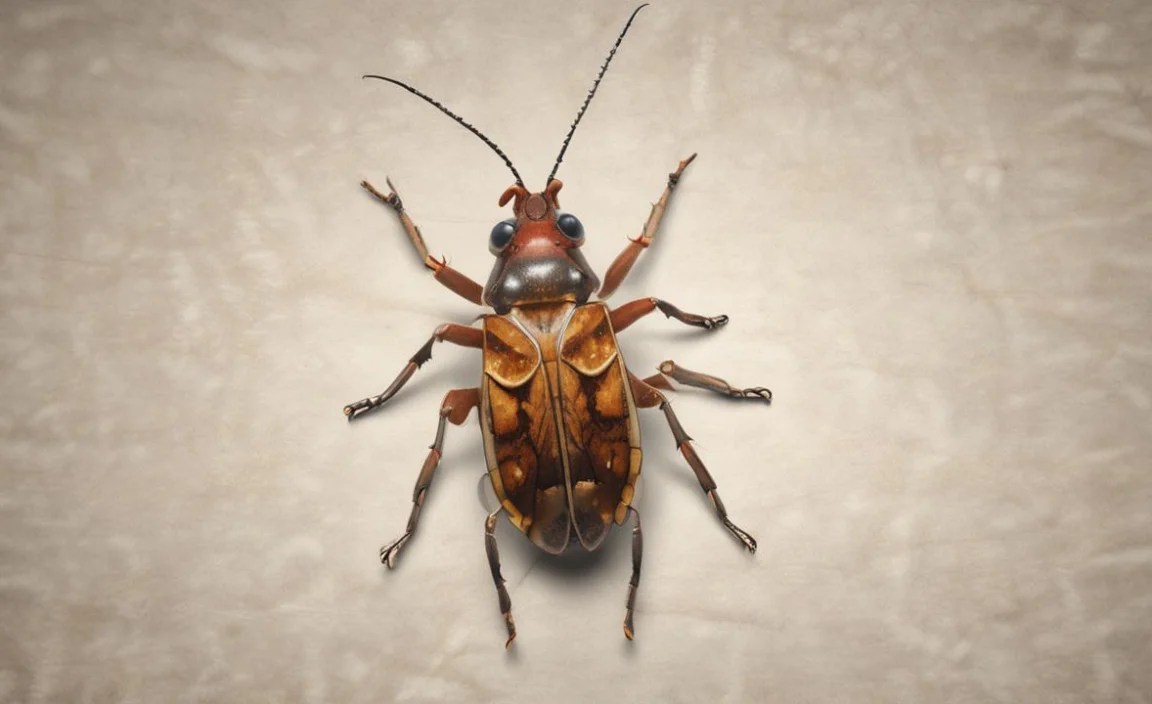
To do species identification of arthropods, you need to know their body parts. Arthropods have bodies divided into sections. Insects have three parts: head, thorax, and abdomen. Spiders have two parts: cephalothorax and abdomen. Crustaceans, like crabs, also have sections. They all have an exoskeleton. This is a hard outer shell that protects them. Look at their legs, antennae, and wings. How many legs does it have? Does it have wings? Are the antennae long or short? These details help you tell them apart. The more you know about arthropod anatomy, the better you’ll be at identifying them. It’s like learning a new language, but for bugs!
- Insects have three body sections.
- Spiders have two body sections.
- Crustaceans also have body sections.
- Arthropods have an exoskeleton.
- Look at the legs and antennae.
- Wings can also help with ID.
Imagine you are trying to describe a friend to someone who has never met them. You would talk about their hair, eyes, and height. You might mention if they wear glasses or have any special marks. Describing arthropods is similar. You need to pay attention to their unique features. The number of legs, the shape of their wings, and the color of their body are all clues. These clues help you figure out what kind of arthropod it is. Species identification of arthropods is like being a detective. You gather clues and use them to solve the mystery of the bug’s identity. The more you practice, the better you will get.
Fun Fact or Stat: Some insects have more than two eyes! They have compound eyes made of many smaller lenses.
Insect Body Parts
Have you ever looked closely at an insect? Insects have three main body parts: the head, thorax, and abdomen. The head has eyes, antennae, and mouthparts. The thorax is where the legs and wings attach. The abdomen is the back part of the insect. Each of these parts can look different on different insects. Some insects have long antennae, while others have short ones. Some have big eyes, while others have small ones. The shape and size of these parts can help you identify the insect. Species identification of arthropods often starts with looking at these basic body parts. It’s like learning the alphabet before you can read.
Spider Anatomy
Spiders are different from insects. They have two main body parts: the cephalothorax and the abdomen. The cephalothorax is like the head and chest combined. It has the eyes, mouthparts, and legs. Spiders have eight legs, unlike insects, which have six. The abdomen is the back part of the spider. Spiders also have spinnerets on their abdomen. They use these to make silk. The shape and size of the spider’s body parts can help you identify it. Some spiders have long, skinny legs, while others have short, thick ones. Some have colorful markings on their abdomen. These details are important for species identification of arthropods.
Crustacean Features
Crustaceans are arthropods that live mostly in the water. Crabs, lobsters, and shrimp are all crustaceans. They have a hard exoskeleton that protects their body. They also have antennae, eyes, and mouthparts. Crustaceans have different numbers of legs depending on the type. Crabs have ten legs, while shrimp have many more. They also have claws, which they use for catching food and defending themselves. The shape and size of the crustacean’s body parts can help you identify it. Some have wide bodies, while others have long, skinny ones. Species identification of arthropods includes knowing the features of crustaceans too.
Using Identification Keys for Arthropods
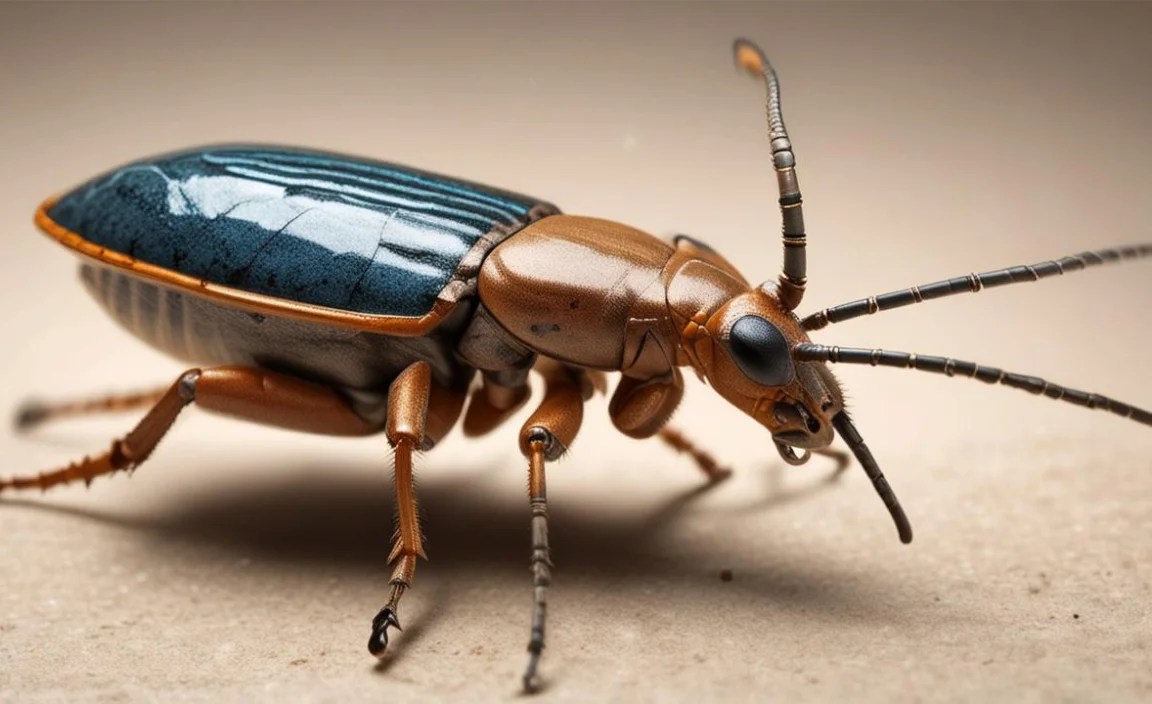
What if you need help figuring out what bug you see? That’s where identification keys come in handy! An identification key is like a flow chart. It asks you questions about the bug. Does it have wings? How many legs does it have? What color is it? Based on your answers, it leads you to the next question. Eventually, it will tell you what kind of arthropod it is. Identification keys are great tools for species identification of arthropods. They help you break down the process into simple steps. They are often found in books or online. Some apps also have identification keys. These keys make identifying arthropods easier and more fun!
- Keys use questions to identify bugs.
- They are like flow charts.
- Keys ask about wings and legs.
- Color is also an important clue.
- Keys can be found in books.
- Some apps have identification keys.
Imagine you find a beetle in your garden. You want to know what kind of beetle it is. You grab your identification key and start answering questions. Does it have a hard shell? Yes. Is the shell shiny? No. Is it longer than one inch? Yes. Based on these answers, the key leads you to a picture of a specific beetle. You compare the picture to your beetle, and it’s a match! That’s how identification keys work. They guide you step by step. They help you narrow down the possibilities. With a little practice, you’ll be identifying arthropods like a pro! Species identification of arthropods becomes much easier with these keys.
Fun Fact or Stat: Some identification keys are specifically designed for kids!
Dichotomous Keys
Have you ever heard of a dichotomous key? “Dichotomous” means divided into two parts. A dichotomous key gives you two choices at each step. You pick the choice that best describes the arthropod you are trying to identify. Each choice leads you to another pair of choices. You keep going until you reach the name of the arthropod. Dichotomous keys are very useful for species identification of arthropods. They help you break down the identification process. They make it easy to follow along. They are a great way to learn about the different features of arthropods. Each step teaches you something new.
Online Identification Keys
The internet is a great resource for identifying arthropods. Many websites have online identification keys. These keys often have pictures and videos. This can make the identification process easier. You can also find information about the arthropod’s habitat and behavior. This can help you confirm your identification. Online keys are a great tool for species identification of arthropods. They are easy to use and accessible. You can use them on your computer or phone. Just be sure to use reliable sources. Some websites may have incorrect information.
Using Apps for Identification
Did you know there are apps that can help you identify arthropods? Some apps use your phone’s camera to take a picture of the bug. Then, the app compares the picture to its database. It suggests possible matches. Other apps ask you questions about the bug. Based on your answers, it suggests possible identifications. These apps are a fun and easy way to learn about arthropods. They can be very helpful for species identification of arthropods. However, it’s important to remember that apps are not always perfect. Always double-check your identification with a reliable source.
Tools for Arthropod Species Identification

What tools can help you with species identification of arthropods? A magnifying glass is a great tool. It helps you see small details. A field guide is a book with pictures and descriptions of arthropods. A net can help you catch bugs to get a closer look. A notebook and pencil are useful for taking notes. You can write down what you see. You can also draw pictures of the arthropods. A camera can help you take pictures. You can use the pictures to compare to images in a field guide. With the right tools, identifying arthropods can be easier and more fun!
- A magnifying glass helps see details.
- Field guides have pictures and info.
- Nets help catch bugs carefully.
- Notebooks are for taking notes.
- Cameras help take pictures.
- Use tools to make ID easier.
Imagine you are going on a bug-collecting adventure! You pack your backpack with all your tools. You have your magnifying glass to see tiny details. You have your field guide to compare your findings. You have your net to catch bugs gently. You have your notebook to write down your observations. You even have your camera to take pictures. You are ready to explore the world of arthropods! Species identification of arthropods is like a treasure hunt. The right tools can help you find the hidden treasures of the bug world.
Fun Fact or Stat: Some scientists use microscopes to study arthropods in even greater detail!
Magnifying Glasses
A magnifying glass is a simple but powerful tool. It helps you see small details that you might otherwise miss. This is especially helpful when identifying arthropods. You can use it to see the tiny hairs on a bee’s legs. You can see the intricate patterns on a butterfly’s wings. You can even see the tiny eyes of a spider. A magnifying glass is an essential tool for species identification of arthropods. It allows you to get a closer look at the features that make each species unique. It’s like having a superpower that lets you see the invisible world.
Field Guides
A field guide is a book that helps you identify plants and animals. There are field guides specifically for arthropods. These guides have pictures and descriptions of different species. They also include information about their habitat and behavior. A field guide is a great resource for species identification of arthropods. It helps you compare the bug you found to the pictures in the book. It also gives you clues about where to look for certain species. A field guide is like having an expert in your pocket. It can help you learn about the amazing world of arthropods.
Collecting Equipment
If you want to study arthropods up close, you might need some collecting equipment. A net can help you catch bugs without hurting them. A jar or container can hold the bugs temporarily. A small brush can help you move them gently. Remember to always be careful when handling arthropods. They are living creatures. Treat them with respect. Releasing them back into their habitat after you have studied them is important. Collecting equipment can be helpful for species identification of arthropods. It allows you to observe the bugs more closely. But always remember to be responsible and ethical.
Arthropod Habitats and Their Influence on Identification

Where an arthropod lives can give you clues about what it is. Some bugs live in the water. Others live on land. Some live in forests. Others live in deserts. The habitat can affect the arthropod’s appearance. For example, bugs that live in the desert may be light-colored. This helps them stay cool in the sun. Bugs that live in forests may be green or brown. This helps them blend in with the trees. Knowing the habitat can help you narrow down the possibilities. It can make species identification of arthropods easier. It is like knowing where to look for a hidden treasure.
| Habitat | Common Arthropods | Identification Clues |
|---|---|---|
| Forest | Beetles, spiders, ants | Camouflage colors, leaf-like shapes |
| Grassland | Grasshoppers, crickets | Long legs for jumping, green or brown colors |
| Aquatic | Dragonflies, water striders | Streamlined bodies, adapted for swimming |
| Desert | Scorpions, ants | Light colors, drought-resistant features |
- Habitat gives clues about species.
- Desert bugs may be light-colored.
- Forest bugs may be green or brown.
- Water bugs live in water.
- Knowing habitat narrows the options.
- It makes ID easier to understand.
Imagine you are trying to find a specific kind of fish. You wouldn’t look for it in the desert, would you? You would look in the ocean or a lake. The same is true for arthropods. Each species has a preferred habitat. Some like warm, sunny places. Others like cool, shady places. Some live on specific plants. Others live in the soil. Knowing where to look can save you time and effort. It can also help you find arthropods you might not otherwise see. Species identification of arthropods becomes more efficient when you consider the habitat.
Fun Fact or Stat: Some arthropods can survive in extreme environments, like hot springs or frozen tundra!
Forest Habitats
Forests are home to many different kinds of arthropods. Beetles, spiders, ants, and caterpillars are common. These arthropods play important roles in the forest ecosystem. They help decompose dead leaves and wood. They pollinate flowers. They also serve as food for other animals. Identifying forest arthropods can be challenging. There are so many different species! But knowing the common types and their habitats can help. Species identification of arthropods in forests requires patience and a keen eye. Look closely at the leaves, bark, and soil. You might be surprised at what you find.
Aquatic Habitats
Aquatic habitats, like ponds, lakes, and streams, are home to many arthropods. Dragonflies, damselflies, and water striders are common. These arthropods are adapted to life in the water. They have streamlined bodies for swimming. They also have gills for breathing. Identifying aquatic arthropods can be fun. You can use a net to catch them and observe them in a container. Remember to release them back into the water afterward. Species identification of arthropods in aquatic habitats requires a different set of skills. You need to know how to find them and how to handle them carefully.
Urban Habitats
Even in cities, you can find many arthropods. Spiders, ants, and cockroaches are common in urban areas. These arthropods have adapted to living in human environments. They can find food and shelter in our homes and gardens. Identifying urban arthropods can be important for pest control. Knowing what kind of bug you have can help you choose the right treatment. Species identification of arthropods in urban habitats can also be interesting. You can learn about how these creatures have adapted to living alongside humans. It’s a reminder that nature is all around us, even in the city.
Common Arthropod Families and Their Characteristics
Arthropods are grouped into families. A family is a group of related species. Knowing the common arthropod families can help you identify them. For example, beetles belong to the family Coleoptera. They have hard wing covers called elytra. Butterflies and moths belong to the family Lepidoptera. They have colorful wings covered in scales. Spiders belong to the family Araneae. They have eight legs and make silk. Species identification of arthropods can be easier if you know the family characteristics. It helps you narrow down the possibilities.
- Families group related species.
- Beetles are in the Coleoptera family.
- Butterflies are in the Lepidoptera family.
- Spiders are in the Araneae family.
- Knowing families helps with ID.
- It narrows down the possibilities.
Imagine you are learning about different kinds of cars. You might learn about sedans, trucks, and SUVs. Each type of car has its own characteristics. Sedans are usually small and fuel-efficient. Trucks are usually big and strong. SUVs are usually a mix of both. Learning about these car types can help you identify them. The same is true for arthropod families. Each family has its own characteristics. Learning about these families can help you with species identification of arthropods. It’s like learning the rules of the game.
Fun Fact or Stat: There are over one million known species of arthropods!
Beetle Families
Beetles are one of the most diverse groups of arthropods. There are many different beetle families. Some common families include ground beetles, ladybugs, and weevils. Ground beetles are often black and shiny. They live in the soil and eat other insects. Ladybugs are often red or orange with black spots. They eat aphids and other plant pests. Weevils have long snouts. They eat plants and seeds. Knowing these beetle families can help you identify them. Species identification of arthropods in the beetle family requires careful observation. Look at the shape, size, and color of the beetle.
Butterfly and Moth Families
Butterflies and moths are beautiful and important pollinators. They belong to the order Lepidoptera. There are many different butterfly and moth families. Some common families include swallowtails, monarchs, and moths. Swallowtails have long tails on their wings. Monarchs are orange and black. Moths are often dull-colored and fly at night. Knowing these butterfly and moth families can help you identify them. Species identification of arthropods in the Lepidoptera order is a rewarding experience. You can learn about their life cycle and their role in the ecosystem.
Spider Families
Spiders are fascinating creatures. They are important predators in many ecosystems. There are many different spider families. Some common families include orb-weavers, jumping spiders, and wolf spiders. Orb-weavers make large, circular webs. Jumping spiders have excellent eyesight. They jump on their prey. Wolf spiders are fast runners. They hunt on the ground. Knowing these spider families can help you identify them. Species identification of arthropods in the spider family requires careful observation. Look at the shape of the web, the size of the spider, and its behavior.
Ethical Considerations in Arthropod Identification
When studying arthropods, it’s important to be ethical. This means treating them with respect. Do not harm them unnecessarily. If you catch them, release them back into their habitat. Avoid disturbing their homes. Do not collect rare or endangered species. Follow the rules and regulations in your area. Learn about the conservation status of different species. Report any unusual sightings. Species identification of arthropods comes with responsibility. We must protect these creatures and their environment. We should ensure that future generations can enjoy them too.
- Treat arthropods with respect.
- Release them back to habitat.
- Avoid disturbing their homes.
- Don’t collect rare species.
- Follow local rules.
- Protect their environment.
Imagine you are visiting a friend’s house. You would be polite and respectful. You would not break anything or make a mess. The same is true when you are studying arthropods. You are visiting their home. You should treat it with respect. You should not disturb their lives. You should not harm them unnecessarily. Species identification of arthropods should be done in a way that minimizes harm to the creatures and their environment. It’s about learning and appreciating, not about destroying or disrupting.
Fun Fact or Stat: Some arthropod species are declining in numbers due to habitat loss and climate change.
Minimizing Harm
When studying arthropods, it’s important to minimize harm. Avoid using harsh chemicals or pesticides. These can kill or harm the arthropods. Use gentle methods for collecting them. A soft brush or a net is best. Handle them carefully. Avoid squeezing or dropping them. Release them back into their habitat as soon as possible. Minimize the time they spend in captivity. Species identification of arthropods should not come at the expense of their well-being. We must strive to study them in a way that is safe and respectful.
Habitat Preservation
Arthropods need healthy habitats to survive. Habitat loss is a major threat to many species. We can help protect arthropods by preserving their habitats. Support conservation efforts in your area. Plant native plants in your garden. Avoid using pesticides and herbicides. These can harm arthropods and their food sources. Educate others about the importance of habitat preservation. Species identification of arthropods can help us understand the importance of protecting their homes. The more we know about them, the better we can protect them.
Responsible Collection
Collecting arthropods can be a valuable way to study them. But it’s important to do it responsibly. Only collect what you need for your research. Avoid collecting rare or endangered species. Obtain permission before collecting on private or public land. Follow all local rules and regulations. Keep accurate records of your collections. Label each specimen with the date, location, and habitat. Species identification of arthropods can be enhanced by responsible collection practices. It allows us to study them in a way that is both informative and ethical.
Summary
Species identification of arthropods is important for understanding the world around us. Arthropods play key roles in ecosystems. They help with pollination and pest control. Knowing their names and habits helps us protect them. We can use tools like magnifying glasses and field guides. Identification keys help us narrow down the possibilities. We need to consider their habitat and body parts. Learning about common families is useful. Being ethical is crucial, so we treat them with respect. This knowledge helps us appreciate the amazing diversity of life on Earth. It also helps us protect our planet.
Remember, species identification of arthropods is like being a bug detective. You gather clues and solve mysteries. With practice and patience, you can become an expert. You can share your knowledge with others. You can help protect these amazing creatures. So, go outside and explore the world of arthropods. See what you can discover!
Conclusion
We learned a lot about species identification of arthropods. It is a fun and important skill. It helps us understand the bugs around us. We can use tools and keys to identify them. Remember to be careful and respectful of arthropods. They are an important part of our world. Keep exploring and learning about these amazing creatures. Every bug has a story to tell. With practice, you can learn to understand it. You can help protect their homes. Now you know how to ID arthropods.
Frequently Asked Questions
Question No 1: What is an arthropod?
Answer: An arthropod is a type of animal. Insects, spiders, and crustaceans are all arthropods. They have a hard exoskeleton. This is like a suit of armor that protects their body. They also have segmented bodies. This means their body is divided into sections. Arthropods are very diverse. They live in almost every habitat on Earth. Species identification of arthropods helps us learn about these amazing creatures. It helps us understand their role in the world.
Question No 2: Why is species identification of arthropods important?
Answer: Species identification of arthropods is important for many reasons. Arthropods play important roles in ecosystems. They help with pollination. They also help control pests. Knowing what kind of arthropod you have can help you make informed decisions. For example, if you know you have a beneficial insect, you can protect it. If you know you have a pest, you can control it. Understanding the different species also helps scientists study ecosystems. This knowledge can lead to new discoveries and innovations.
Question No 3: What tools can I use to identify arthropods?
Answer: There are many tools you can use to identify arthropods. A magnifying glass is helpful for seeing small details. A field guide provides pictures and descriptions. An identification key helps you narrow down the possibilities. A net can help you catch bugs for a closer look. A notebook and pencil are useful for taking notes. A camera can help you take pictures. With the right tools, species identification of arthropods can be a fun and rewarding experience.
Question No 4: How do I use an identification key?
Answer: An identification key is like a flow chart. It asks you questions about the arthropod you are trying to identify. You answer the questions based on what you see. Each answer leads you to another question. Eventually, you will reach the name of the arthropod. Identification keys are often dichotomous. This means they give you two choices at each step. They are a great tool for species identification of arthropods. They help you break down the process into simple steps.
Question No 5: What is a habitat, and why is it important for arthropod identification?
Answer: A habitat is the place where an arthropod lives. It includes the physical environment. It also includes the other plants and animals that live there. The habitat can provide clues about the arthropod’s identity. For example, some arthropods only live in forests. Others only live in deserts. Knowing the habitat can help you narrow down the possibilities. It can make species identification of arthropods much easier. Consider where you found the bug when trying to identify it.
Question No 6: How can I be ethical when studying arthropods?
Answer: Being ethical when studying arthropods means treating them with respect. Avoid harming them unnecessarily. If you catch them, release them back into their habitat. Avoid disturbing their homes. Do not collect rare or endangered species. Follow the rules and regulations in your area. Learn about the conservation status of different species. Report any unusual sightings. Remember, species identification of arthropods comes with responsibility. We must protect these creatures and their environment.


