
Blue Butterflies in Asia: Discover Rare Beauty!

Quick Summary: Discover Asia’s breathtaking blue butterflies! This guide explores their diverse species, habitats from tropical forests to urban gardens, and fascinating life cycles. Learn how to identify these jewel-toned insects, attract them to your garden with host plants, and support their conservation in a changing world. Get ready to be amazed by the beauty and importance of these fluttering gems!
Have you ever glimpsed a flash of brilliant blue dancing through the air and wondered what magical creature it could be? In Asia, that fleeting vision might just be one of the region’s many stunning blue butterflies. With their iridescent wings and delicate flight, they captivate nature lovers and gardeners alike. But identifying them, understanding their habitats, and knowing how to support these beauties can feel overwhelming. Don’t worry! We’ll explore the world of Asian blue butterflies, from identification to conservation, making it easy to appreciate and protect these incredible insects.
Exploring the Azure Wings of Asia: An Introduction to Blue Butterflies

Asia is a continent brimming with biodiversity, and its butterfly populations are no exception. Among the most enchanting are the blue butterflies, belonging mostly to the Lycaenidae family. These butterflies are not only visually stunning, but also play vital roles in their ecosystems as pollinators and indicators of environmental health.
Diversity of Blue Butterfly Species in Asia
The term “blue butterfly” encompasses a wide variety of species, each with its unique markings, size, and habitat preferences. Here are some notable examples:
- Common Blue (Polyommatus icarus): Though widespread across Europe, parts of Asia also host this adaptable species. Males boast vibrant blue wings, while females display a mix of blue and brown.
- Orchid Tit (Chliaria othona): This Southeast Asian beauty is known for its striking iridescent blue wings and distinctive “tails” on its hindwings.
- Forget-Me-Not (Catochrysops strabo): Found throughout South and Southeast Asia, this small butterfly features pale blue wings with intricate dark markings.
- Pointed Ciliate Blue (Anthene lycaenina): Distributed across Asia, Africa and Oceania, this butterfly is recognized by the small hair-like projections along the edge of its wings.
It’s important to note that many butterflies may appear blue due to structural coloration, where microscopic structures on the wings reflect blue light. This creates the iridescent effect that makes these butterflies so captivating.
Habitats and Distribution
Blue butterflies thrive in a range of habitats across Asia, from lush tropical rainforests to open grasslands and even urban gardens. Their distribution is often closely tied to the availability of their larval host plants, which are the plants that caterpillars feed on.
Here’s a glimpse into the types of environments where you might spot these butterflies:
- Tropical Rainforests: Southeast Asia’s rainforests are biodiversity hotspots, providing shelter and food for numerous blue butterfly species.
- Grasslands and Meadows: Open areas with abundant wildflowers support various blue butterfly populations, especially those with wider distributions.
- Gardens and Parks: Urban green spaces can also attract blue butterflies, particularly if they feature butterfly-friendly plants.
- Montane Regions: Some species are adapted to higher altitudes, where they can be found flitting among alpine meadows and forests.
Identifying Blue Butterflies: A Beginner’s Guide
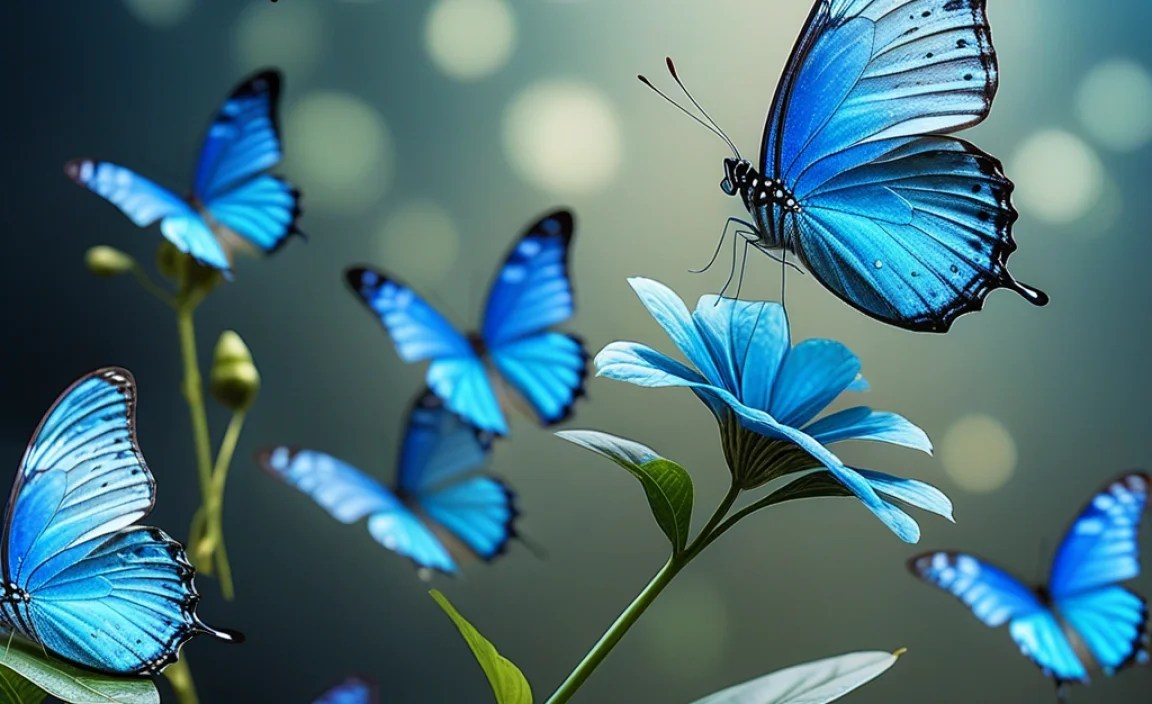
Identifying blue butterflies can be a rewarding challenge. Here are some key features to look for:
Wing Color and Markings
The most obvious characteristic is, of course, the color of the wings. However, be aware that the intensity and shade of blue can vary between species and even between males and females of the same species. Also, pay attention to the markings on the wings, such as spots, stripes, and borders.
Size and Shape
Blue butterflies range in size from small to medium. Note the overall shape of the wings, as some species have rounded wings while others have more angular or pointed wings.
Behavior and Habitat
Observe the butterfly’s behavior and habitat preferences. Some species are more active during certain times of the day or prefer specific types of vegetation. This information can help narrow down the possibilities.
Using Field Guides and Online Resources
Field guides specifically focused on Asian butterflies can be invaluable for identification. Websites and apps dedicated to butterfly identification can also be helpful, allowing you to compare your observations with photos and descriptions.
Here is a table to help you in identifying some common blue butterflies:
| Species | Wing Color | Size | Habitat |
|---|---|---|---|
| Common Blue (Polyommatus icarus) | Males: Bright Blue, Females: Blue/Brown | Small | Grasslands, Meadows |
| Orchid Tit (Chliaria othona) | Iridescent Blue | Small | Tropical Rainforests |
| Forget-Me-Not (Catochrysops strabo) | Pale Blue | Small | Gardens, Open Woodlands |
| Pointed Ciliate Blue (Anthene lycaenina) | Light Blue | Small | Gardens, Parks, and Scrublands |
The Life Cycle of Blue Butterflies

Understanding the life cycle of blue butterflies is essential for appreciating their biology and supporting their conservation. Butterflies undergo complete metamorphosis, with four distinct stages:
Egg
Female butterflies lay their eggs on or near their larval host plants. The eggs can vary in shape, size, and color depending on the species. Some species lay their eggs singly, while others lay them in clusters.
Larva (Caterpillar)
The larva, or caterpillar, is the feeding stage of the butterfly’s life cycle. Caterpillars consume vast amounts of plant material as they grow and molt (shed their skin) several times. Each instar (stage between molts) may look different.
Pupa (Chrysalis)
Once the caterpillar has reached its full size, it enters the pupa stage. The pupa, also known as a chrysalis, is a protective casing in which the caterpillar undergoes metamorphosis. The pupa can be camouflaged to blend in with its surroundings.
Adult Butterfly
After a period of time ranging from a few weeks to several months, the adult butterfly emerges from the pupa. The newly emerged butterfly’s wings are soft and crumpled, but they soon expand as they fill with hemolymph (insect blood). The adult butterfly’s primary function is to reproduce, and it feeds on nectar to fuel its activities.
Attracting Blue Butterflies to Your Garden
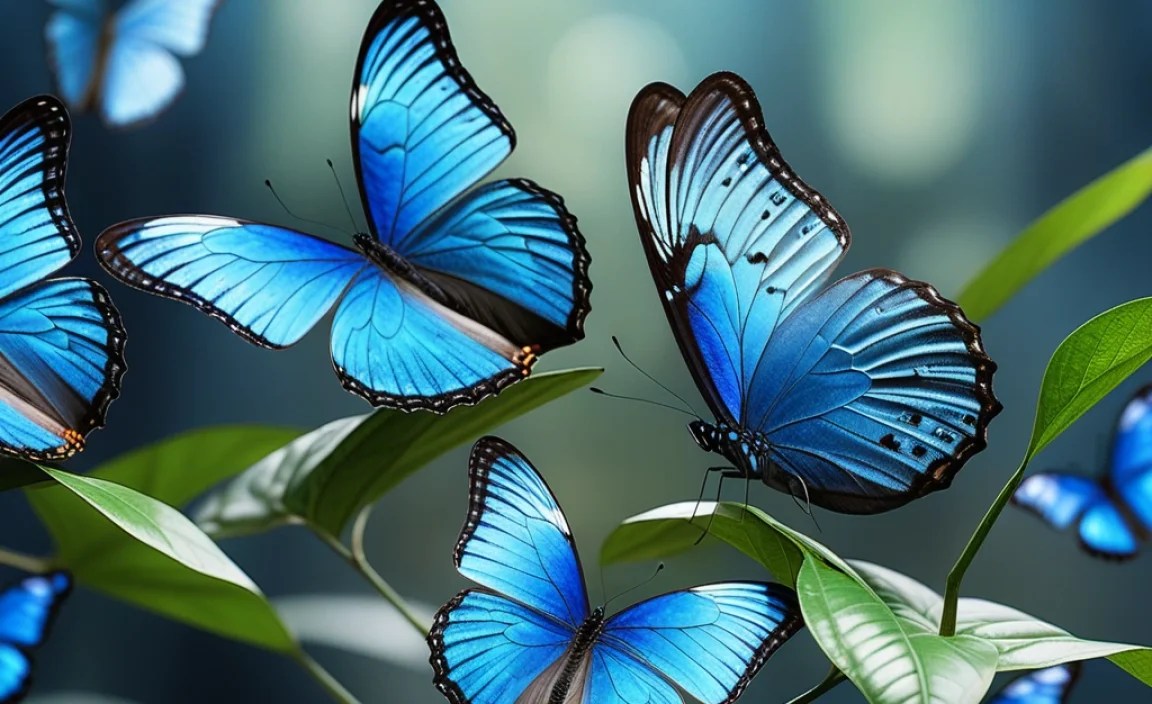
Creating a butterfly-friendly garden is a wonderful way to support blue butterfly populations and enjoy their beauty up close. Here are some tips:
Planting Host Plants
Host plants are essential for butterfly reproduction, as they provide food for the caterpillars. Research which blue butterfly species are found in your area and plant their corresponding host plants. Some examples include:
- Legumes: Many blue butterfly caterpillars feed on legumes such as clover, alfalfa, and beans.
- Specific Native Plants: Local nurseries or butterfly gardening guides can help you identify native plants that serve as host plants for specific blue butterfly species in your region.
Providing Nectar Sources
Adult butterflies need nectar for energy. Plant a variety of nectar-rich flowers that bloom at different times of the year to provide a continuous food source. Some good choices include:
- Lantana: These colorful flowers are highly attractive to butterflies.
- Zinnia: Zinnias come in a variety of colors and are easy to grow.
- Butterfly Bush (Buddleja davidii): While popular, be aware that butterfly bush can be invasive in some areas. Consider planting native alternatives.
Creating a Butterfly-Friendly Environment
In addition to food sources, butterflies need shelter from the elements and places to bask in the sun. Provide:
- Sunny Basking Spots: Butterflies need to warm their bodies in the sun before they can fly. Place flat rocks or pavers in sunny locations for them to bask on.
- Shelter from Wind and Rain: Plant shrubs and trees to provide shelter from strong winds and heavy rain.
- Water Source: Butterflies need water, but they can’t drink from open water sources like bird baths because they can drown. Provide a shallow dish of water with pebbles or marbles for them to land on.
Avoid using pesticides in your garden, as they can harm or kill butterflies and other beneficial insects. Opt for organic gardening practices instead.
Conservation Status and Threats
Many blue butterfly species face threats from habitat loss, pesticide use, and climate change. Understanding their conservation status is crucial for protecting these vulnerable insects.
Habitat Loss
The destruction and fragmentation of natural habitats due to urbanization, agriculture, and deforestation are major threats to blue butterflies. As their habitats disappear, so do their host plants and nectar sources.
Pesticide Use
Pesticides can directly kill butterflies and other beneficial insects, as well as contaminate their food sources. Even pesticides that are not directly toxic to butterflies can have sublethal effects, such as reducing their reproductive success.
Climate Change
Climate change is altering butterfly habitats and disrupting their life cycles. Changes in temperature and rainfall patterns can affect the availability of host plants and nectar sources, as well as the timing of butterfly emergence and migration.
Conservation Efforts
Numerous organizations and individuals are working to conserve blue butterflies and their habitats. These efforts include:
- Habitat Restoration: Restoring degraded habitats by planting native vegetation and removing invasive species.
- Protected Areas: Establishing and managing protected areas to safeguard important butterfly habitats.
- Sustainable Agriculture: Promoting sustainable agricultural practices that reduce pesticide use and protect butterfly habitats.
- Citizen Science: Engaging the public in monitoring butterfly populations and collecting data on their distribution and abundance.
How to Support Blue Butterfly Conservation
You can play a vital role in supporting blue butterfly conservation by taking action in your own community.
Create a Butterfly-Friendly Garden
As mentioned earlier, creating a butterfly-friendly garden is a great way to provide food and shelter for blue butterflies. Even a small garden can make a difference.
Support Local Conservation Organizations
Donate to or volunteer with local conservation organizations that are working to protect butterfly habitats. Your support can help fund habitat restoration projects, educational programs, and advocacy efforts.
Educate Others
Share your knowledge about blue butterflies and their conservation with friends, family, and neighbors. The more people who are aware of the threats facing these insects, the more likely they are to take action to protect them.
Reduce Pesticide Use
Avoid using pesticides in your garden and encourage others to do the same. Advocate for policies that reduce pesticide use in agriculture and other sectors.
Support Sustainable Practices
Support sustainable agricultural and forestry practices that protect butterfly habitats. Choose products that are certified as sustainably produced.
Blue Butterflies in Culture and Symbolism
Butterflies, including blue butterflies, hold cultural and symbolic significance in many societies around the world. They often represent:
- Transformation and Rebirth: The butterfly’s metamorphosis from caterpillar to pupa to adult is a powerful symbol of transformation and rebirth.
- Beauty and Grace: Butterflies are admired for their beauty and delicate flight.
- Freedom and Joy: Butterflies are often associated with freedom, joy, and lightness of spirit.
- Soul and Spirituality: In some cultures, butterflies are believed to represent the human soul or spirit.
In art, literature, and folklore, blue butterflies may be used to symbolize these concepts or to evoke feelings of wonder and enchantment.
Frequently Asked Questions (FAQs)
What is the difference between a butterfly and a moth?
Butterflies are typically active during the day, have brightly colored wings, and hold their wings upright when at rest. Moths are often nocturnal, have duller colors, and hold their wings flat or folded around their bodies.
How long do blue butterflies live?
The lifespan of a blue butterfly varies depending on the species and environmental conditions. Some species may live only a few weeks, while others can live for several months.
What do blue butterfly caterpillars eat?
Blue butterfly caterpillars feed on a variety of plants, depending on the species. Many species feed on legumes, while others are more specific in their host plant preferences. Researching the specific host plants for blue butterflies in your area is essential for attracting them to your garden.
Are blue butterflies poisonous?
Most blue butterflies are not poisonous. However, some species may have evolved defense mechanisms, such as toxic compounds that they sequester from their host plants. These compounds can make them unpalatable to predators.
How can I tell if a butterfly is male or female?
In many blue butterfly species, males and females have different wing colors. Males often have brighter blue wings, while females may have a mix of blue and brown. However, this is not always the case, and some species are sexually monomorphic (males and females look alike).
What is structural coloration?
Structural coloration is a phenomenon where the color of an object is produced by microscopic structures that reflect certain wavelengths of light. In blue butterflies, the iridescent blue color is often due to structural coloration on the wing scales.
Are blue butterflies endangered?
The conservation status of blue butterflies varies depending on the species and location. Some species are common and widespread, while others are rare and endangered. Habitat loss, pesticide use, and climate change are major threats to blue butterfly populations.
Conclusion
The world of Asian blue butterflies is a realm of dazzling beauty and ecological importance. From their iridescent wings to their vital role as pollinators, these insects are a treasure of the natural world. By learning about their identification, habitats, and life cycles, we can better appreciate and protect these vulnerable creatures. Whether you’re a seasoned naturalist or a budding butterfly enthusiast, there’s always something new to discover about these fluttering gems. So, get outside, explore your local environment, and keep an eye out for the azure wings of Asia’s blue butterflies. Your actions, big or small, can make a real difference in their conservation.


