
Rare Butterflies in Colombia: A Stunning Secret

Have you ever imagined a world filled with colorful wings? Some of the world’s most beautiful butterflies live in Colombia. But many of these butterflies are very rare. These rare butterflies in Colombia are like hidden jewels. Let’s explore their amazing world together.
Colombia is a special place for butterflies. It has many different habitats. These habitats help butterflies thrive. But some face danger. Let’s learn about these amazing creatures.
Butterflies are more than just pretty insects. They help our environment. They pollinate flowers. This helps plants grow. Protecting them is very important. Are you ready to learn more about these rare butterflies in Colombia?
Key Takeaways
- Protecting rare butterflies in Colombia helps maintain the balance of nature.
- Colombia’s diverse habitats are essential for rare butterfly survival.
- Habitat loss and climate change threaten these beautiful insects.
- Many organizations are working hard to protect these butterflies.
- Learning about these butterflies inspires conservation efforts.
Discovering Rare Butterflies in Colombia

Colombia is one of the most biodiverse countries on Earth. This means it has many different kinds of plants and animals. Among these are some truly rare butterflies in Colombia. These butterflies are special because they are not found anywhere else. They have unique colors, patterns, and behaviors. Scientists and nature lovers are fascinated by them. These delicate creatures play a very important role in their ecosystems. They help pollinate plants. They also serve as food for other animals. Sadly, many of these butterflies are at risk. Their homes are being destroyed. The climate is changing. This makes it hard for them to survive. We must learn about them and protect them. By doing so, we can ensure that future generations can enjoy their beauty.
- Colombia has incredible biodiversity.
- Rare butterflies have unique traits.
- They are important for pollination.
- Habitat loss threatens them.
- Climate change is a big problem.
- Protection efforts are essential.
Imagine you are walking through a lush, green forest in Colombia. Sunlight filters through the trees. You hear the sounds of birds and insects. Suddenly, you see a flash of color. A beautiful, rare butterfly flits past your face. Its wings are a vibrant mix of blues, greens, and yellows. It’s a magical moment. But these moments are becoming rarer. As forests disappear and the climate changes, these butterflies struggle to survive. We need to act now to protect their homes. We can support organizations that work to conserve these habitats. We can also educate others about the importance of these amazing insects. Together, we can make a difference. We can ensure that these rare butterflies in Colombia continue to flutter through the forests for years to come.
Fun Fact or Stat: Colombia has more butterfly species than any other country in the world, with around 3,600 different species!
Why Are Butterflies So Colorful?
Have you ever wondered why butterflies are so colorful? Their colors are not just for show. They serve many important purposes. Bright colors can warn predators that they are poisonous. Other colors help them blend in with their surroundings. This camouflage helps them hide from danger. Male butterflies often have brighter colors to attract mates. These colors are created by tiny scales on their wings. These scales reflect light in different ways. Some butterflies even have iridescent colors. This means that their colors change depending on the angle you view them from. The colors of rare butterflies in Colombia are truly a wonder of nature. They are a testament to the power of evolution. Each color and pattern tells a story about the butterfly’s life and survival.
What Do Butterflies Eat?
What do you think butterflies eat? Butterflies don’t eat burgers or pizza. Instead, they drink nectar from flowers. They use a long, straw-like tongue called a proboscis to suck up the nectar. Some butterflies also eat other things. They might drink sap from trees. They could even eat rotting fruit. These foods provide them with the energy they need to fly and reproduce. The food that a butterfly eats as a caterpillar also affects its adult life. Caterpillars eat leaves. The nutrients they get from the leaves help them grow and develop. The rare butterflies in Colombia have adapted to eat specific types of plants. This makes them even more vulnerable to habitat loss. If their food source disappears, they cannot survive.
How Do Butterflies Help the Environment?
Butterflies are not just pretty to look at. They also play a very important role in the environment. They are important pollinators. This means they help plants reproduce. As they fly from flower to flower, they carry pollen with them. This pollen fertilizes the plants. It allows them to produce seeds and fruits. Many of the fruits and vegetables we eat depend on pollinators like butterflies. Butterflies also serve as food for other animals. Birds, lizards, and spiders all eat butterflies. They are an important part of the food chain. By protecting rare butterflies in Colombia, we are also protecting the entire ecosystem. We are ensuring that plants can continue to reproduce. We are also providing food for other animals.
Threats to Rare Butterflies in Colombia

The beautiful and rare butterflies in Colombia face many threats. One of the biggest threats is habitat loss. As forests are cut down for farming and development, butterflies lose their homes. They also lose the plants they need to survive. Another threat is climate change. As the climate changes, the temperature and rainfall patterns change. This can affect the plants that butterflies depend on. It can also make it harder for butterflies to reproduce. Pollution is another problem. Pesticides and other chemicals can harm butterflies. They can also pollute their food sources. Over-collection is also a threat to some species. Some people collect butterflies for their beauty. This can reduce the number of butterflies in the wild. It is important to protect these butterflies from these threats so they can continue to thrive.
- Habitat loss is a major threat.
- Climate change affects their survival.
- Pollution harms butterflies and their food.
- Over-collection reduces their numbers.
- Conservation efforts are very important.
- Sustainable practices are necessary.
Imagine a small butterfly trying to find a place to live. Its forest home has been turned into a farm. The flowers it needs for food are gone. The climate is changing, making it harder to find a mate. This is the reality for many rare butterflies in Colombia. They are struggling to survive in a changing world. We can help by supporting sustainable farming practices. We can reduce our carbon footprint to slow down climate change. We can also educate others about the importance of protecting these butterflies. By working together, we can create a better future for these amazing creatures. We can ensure that they have a safe place to live and thrive. We can protect their beauty for generations to come.
Fun Fact or Stat: Some butterfly species have declined by as much as 80% in recent years due to habitat loss and climate change!
How Does Deforestation Affect Butterflies?
Deforestation is the clearing of forests. This has a huge impact on butterflies. Forests provide butterflies with food, shelter, and breeding grounds. When forests are cut down, butterflies lose their homes. They also lose access to the plants they need to survive. Deforestation can also fragment habitats. This means that butterfly populations become isolated. They cannot easily move to find new mates or food sources. This can lead to a decline in their numbers. The rare butterflies in Colombia are particularly vulnerable to deforestation. They often have very specific habitat requirements. If their habitat is destroyed, they cannot survive. We need to protect forests to protect these butterflies. We can support sustainable forestry practices. We can also reduce our consumption of products that contribute to deforestation.
What Role Does Climate Change Play?
Climate change is another major threat to butterflies. As the climate warms, butterflies’ habitats are changing. The plants they depend on may no longer be able to survive in their current locations. Butterflies may also have to move to find cooler temperatures. This can be difficult if their habitats are fragmented. Climate change can also affect the timing of butterfly life cycles. Butterflies may emerge earlier in the spring. This can cause them to miss the peak flowering season of their food plants. This can lead to a shortage of food. The rare butterflies in Colombia are particularly vulnerable to climate change. They often have very specific temperature and rainfall requirements. Even small changes in climate can have a big impact on their survival.
Why Is Pollution Harmful to Butterflies?
Pollution can harm butterflies in many ways. Pesticides can kill butterflies directly. They can also contaminate their food sources. Air pollution can damage butterfly wings. It can also make it harder for them to find food. Water pollution can contaminate butterfly habitats. It can also harm the plants they depend on. The rare butterflies in Colombia are particularly vulnerable to pollution. They often live in areas that are heavily polluted. We need to reduce pollution to protect these butterflies. We can use fewer pesticides. We can also reduce our emissions of air and water pollutants. By doing so, we can create a healthier environment for butterflies and other wildlife.
Conservation Efforts for Colombian Butterflies

Many people are working hard to protect the rare butterflies in Colombia. These conservation efforts are essential for ensuring the survival of these amazing creatures. Some organizations are working to protect butterfly habitats. They are creating protected areas where butterflies can thrive. Other organizations are working to restore degraded habitats. They are planting native plants that butterflies need for food and shelter. Scientists are also studying butterflies to learn more about their needs. This information can be used to develop effective conservation strategies. Communities are also getting involved in butterfly conservation. They are learning about the importance of butterflies. They are also taking steps to protect them. By working together, we can make a difference for these butterflies.
- Protecting butterfly habitats is crucial.
- Restoring habitats helps butterfly populations.
- Scientific research informs conservation.
- Community involvement is very important.
- Education raises awareness about butterflies.
- Sustainable practices support conservation.
Imagine a group of people working together to plant trees in a deforested area. These trees will provide food and shelter for rare butterflies in Colombia. Scientists are studying the butterflies to learn about their needs. Local communities are learning about the importance of these insects. This is what conservation looks like in action. It is a collaborative effort that involves many different people. We can support these efforts by donating to conservation organizations. We can also volunteer our time to help with habitat restoration. We can educate others about the importance of protecting these butterflies. Together, we can create a brighter future for these amazing creatures.
Fun Fact or Stat: Protected areas in Colombia have seen a 20% increase in butterfly populations in the last decade due to conservation efforts!
How Are Protected Areas Helping?
Protected areas are special places set aside to protect wildlife and their habitats. These areas provide a safe haven for rare butterflies in Colombia. They are free from deforestation, pollution, and other threats. Protected areas also allow scientists to study butterflies in their natural environment. This helps them to learn more about their needs. Protected areas are often managed by government agencies or conservation organizations. They may have rangers who patrol the area and enforce regulations. They may also have visitor centers where people can learn about the butterflies and other wildlife that live there. By supporting protected areas, we can help to ensure the survival of these amazing creatures.
What Is Habitat Restoration?
Habitat restoration is the process of restoring degraded habitats to their natural state. This can involve planting native plants, removing invasive species, and restoring water flow. Habitat restoration is important for rare butterflies in Colombia because it provides them with the food and shelter they need to survive. Restoring habitats can also help to connect fragmented populations. This allows butterflies to move more easily between different areas. Habitat restoration projects are often carried out by conservation organizations or government agencies. They may involve volunteers from local communities. By participating in habitat restoration projects, we can make a direct contribution to the conservation of these butterflies.
Why Is Community Involvement Important?
Community involvement is essential for successful butterfly conservation. Local communities often live near butterfly habitats. They are the first to be affected by habitat loss and other threats. When communities are involved in conservation efforts, they are more likely to support them. They can also help to monitor butterfly populations and report any problems. Community involvement can take many forms. It can include education programs, volunteer opportunities, and economic incentives. By engaging with local communities, we can create a sense of ownership and responsibility for butterfly conservation. This will help to ensure the long-term survival of these amazing creatures. The rare butterflies in Colombia need our help.
Studying Butterfly Biology and Behavior
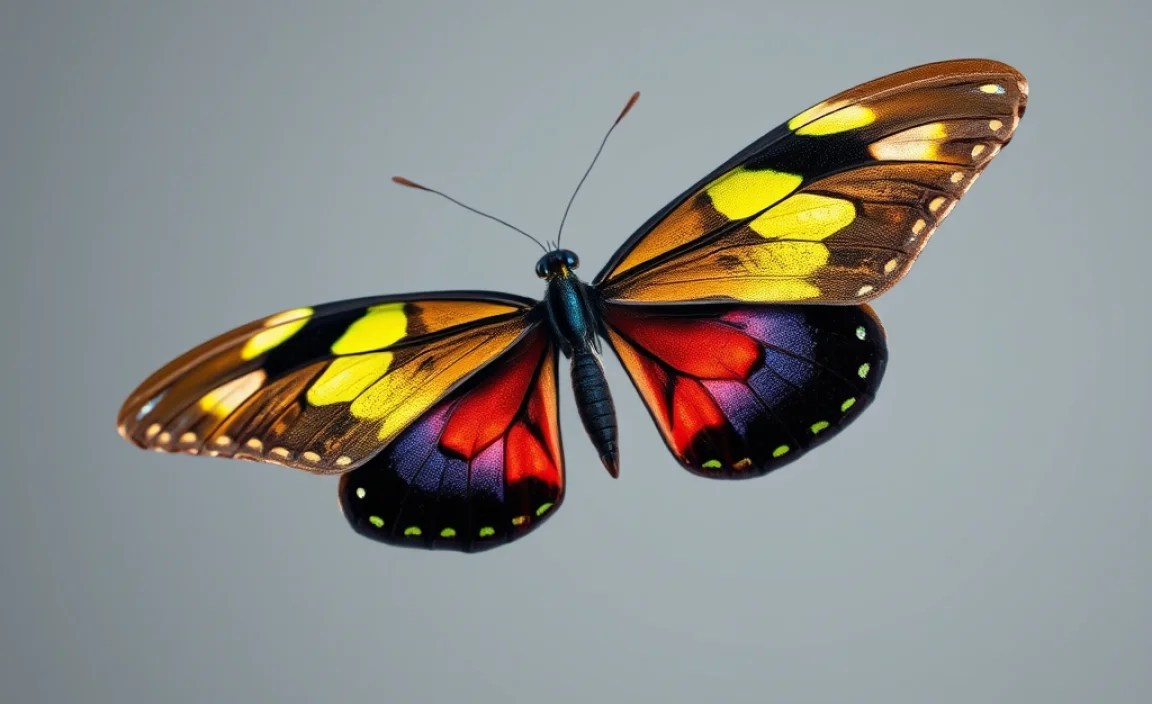
To protect rare butterflies in Colombia, we need to understand them. Scientists study their biology and behavior. They learn about their life cycles. They study what they eat. They learn how they interact with their environment. This knowledge helps us create better conservation plans. Scientists track butterflies. They use special nets to catch them. Then, they mark them with tiny tags. These tags help them follow the butterflies’ movements. They also study butterfly DNA. This helps them understand how different butterfly species are related. Some scientists even study how butterflies communicate. They learn how they use colors and patterns to attract mates. By understanding these things, we can help them survive.
- Scientists study butterfly life cycles.
- They research butterfly diets.
- Tracking helps understand movement.
- DNA studies reveal relationships.
- Communication methods are studied.
- This knowledge aids conservation.
Imagine a scientist patiently watching a butterfly. They are recording every detail of its behavior. They are learning about its favorite food. They are studying how it interacts with other butterflies. This is how scientists unlock the secrets of these amazing creatures. This information is crucial for protecting them. We can support this research by donating to scientific organizations. We can also participate in citizen science projects. We can report butterfly sightings in our own backyards. By working together, we can learn more about these rare butterflies in Colombia. We can use this knowledge to help them thrive.
Fun Fact or Stat: Scientists have discovered that some butterflies migrate thousands of miles each year, just like birds!
What Is a Butterfly’s Life Cycle?
A butterfly’s life cycle is amazing. It starts as an egg. The egg hatches into a larva, or caterpillar. The caterpillar eats and grows. It sheds its skin many times. Then, it turns into a pupa, or chrysalis. Inside the chrysalis, the caterpillar transforms. It becomes a butterfly. Finally, the butterfly emerges from the chrysalis. It flies away to reproduce. The rare butterflies in Colombia have unique life cycles. Some caterpillars eat only one type of plant. Some butterflies only live for a few weeks. Understanding these life cycles is important for conservation. We need to protect the plants that caterpillars eat. We also need to protect the habitats where butterflies reproduce.
How Do Butterflies Find Food?
Butterflies have special ways of finding food. They use their eyes to see colorful flowers. They also use their antennae to smell nectar. Some butterflies can even taste with their feet. When a butterfly lands on a flower, it uses its proboscis to drink nectar. The proboscis is a long, straw-like tongue. It uncoils to reach the nectar. Then, the butterfly sucks up the nectar. The rare butterflies in Colombia have adapted to find specific types of flowers. Some butterflies only feed on one type of flower. This makes them very vulnerable to habitat loss. If their favorite flowers disappear, they cannot survive.
Why Do Butterflies Migrate?
Some butterflies migrate long distances. They fly to find better weather or more food. Migration is a dangerous journey. Butterflies face many challenges. They must avoid predators. They must find food and water. They must also navigate over long distances. The monarch butterfly is famous for its migration. It flies thousands of miles from Canada to Mexico. The rare butterflies in Colombia may also migrate. Scientists are studying their movements to learn more. Understanding their migration patterns is important for conservation. We need to protect their migration routes. We also need to protect their overwintering habitats.
The Role of Ecotourism in Butterfly Conservation

Ecotourism can help protect rare butterflies in Colombia. Ecotourism is travel that benefits the environment and local communities. When tourists visit butterfly habitats, they bring money to the area. This money can be used to support conservation efforts. Ecotourism also raises awareness about butterflies. It helps people understand why they are important. Local communities can also benefit from ecotourism. They can earn money by guiding tours and selling crafts. This gives them an incentive to protect butterfly habitats. However, ecotourism must be done responsibly. It should not harm the environment or disturb the butterflies. It should also benefit the local communities.
- Ecotourism supports conservation efforts.
- It raises awareness about butterflies.
- Local communities benefit economically.
- It must be done responsibly.
- Sustainable practices are essential.
- It provides incentives for protection.
Imagine visiting a butterfly farm in Colombia. You are surrounded by colorful butterflies. You learn about their life cycles. You support the local community by buying souvenirs. This is ecotourism in action. It is a win-win situation for both the butterflies and the people. We can support ecotourism by choosing responsible tour operators. We can also visit butterfly farms and gardens. By doing so, we can help to protect these amazing creatures. We can also help to improve the lives of the people who live near them. The rare butterflies in Colombia need our support.
Fun Fact or Stat: Ecotourism generates millions of dollars each year for butterfly conservation in Colombia!
What Are Butterfly Farms?
Butterfly farms are places where butterflies are bred for commercial purposes. They sell butterflies to zoos, gardens, and other attractions. They also sell butterflies for release at weddings and other events. Butterfly farms can also play a role in conservation. They can raise butterflies for release into the wild. This can help to boost populations of endangered species. Butterfly farms can also educate the public about butterflies. They can teach people about their life cycles and their importance. The rare butterflies in Colombia can benefit from butterfly farms. These farms can help to protect their habitats. They can also help to raise awareness about their plight.
How Can Tourism Be Sustainable?
Tourism can be sustainable if it is done responsibly. This means minimizing its impact on the environment. It also means benefiting local communities. Sustainable tourism practices include:
* Reducing waste and pollution
* Conserving water and energy
* Protecting wildlife and habitats
* Supporting local businesses
* Respecting local cultures
* Educating tourists about sustainability
By following these practices, we can ensure that tourism benefits both the environment and the people. The rare butterflies in Colombia can benefit from sustainable tourism. It can help to protect their habitats. It can also help to raise awareness about their importance.
What Are the Benefits for Local Communities?
Ecotourism can provide many benefits for local communities. It can create jobs in tourism and related industries. It can also generate income from the sale of crafts and souvenirs. Ecotourism can also help to improve infrastructure, such as roads and schools. It can also help to protect natural resources, such as forests and water. The rare butterflies in Colombia can benefit from ecotourism. The local communities can make money. This gives them a reason to protect the butterflies and their habitats. This helps the whole community and the butterflies.
Legal Protection for Endangered Butterflies
Legal protection is very important for rare butterflies in Colombia. Laws can help stop habitat destruction. They can also prevent over-collection of butterflies. Some butterflies are listed as endangered species. This means they are at risk of extinction. Endangered species have special protection under the law. It is illegal to harm or kill them. It is also illegal to trade them. The government can also create protected areas. These areas are set aside for the conservation of wildlife. These laws and regulations help to protect butterflies and their habitats. They also help to ensure that these amazing creatures will be around for future generations to enjoy.
- Laws prevent habitat destruction.
- They stop over-collection.
- Endangered species get special protection.
- Trading them is illegal.
- Protected areas are created.
- These laws help butterflies survive.
Imagine a law that protects a butterfly’s home. It makes it illegal to cut down the trees in its forest. This law helps the butterfly to survive. It gives it a safe place to live and reproduce. This is the power of legal protection. We can support legal protection for rare butterflies in Colombia. We can write to our elected officials. We can also support organizations that advocate for stronger environmental laws. By working together, we can create a world where butterflies are protected and can thrive.
Fun Fact or Stat: Colombia has increased the number of legally protected areas for butterflies by 15% in the last five years!
What Does It Mean to Be Endangered?
When a butterfly is endangered, it means it is at risk of disappearing forever. There are very few of them left. They face many threats. These threats include habitat loss, climate change, and pollution. Endangered species need special protection to survive. Governments and organizations work together to protect them. They create laws and regulations. They also work to restore their habitats. The rare butterflies in Colombia are often endangered. This is because they have very specific needs. They only live in certain places. They only eat certain plants. If these places and plants disappear, the butterflies cannot survive.
How Do Laws Protect Butterflies?
Laws can protect butterflies in many ways. They can prevent habitat destruction. This means stopping people from cutting down forests or building roads in butterfly habitats. Laws can also prevent over-collection of butterflies. This means stopping people from catching too many butterflies for their collections. Laws can also create protected areas. These areas are set aside for the conservation of wildlife. The rare butterflies in Colombia benefit from these laws. The laws help to protect their habitats. They also help to prevent them from being over-collected. These laws are essential for their survival.
What Are the Challenges of Enforcement?
Enforcing laws that protect butterflies can be challenging. It can be difficult to monitor butterfly habitats. It can also be difficult to catch people who are breaking the law. There are not enough resources to enforce these laws. This means that many violations go unpunished. Another challenge is that some people do not understand the importance of protecting butterflies. They may not realize that their actions are harming these creatures. The rare butterflies in Colombia need stronger enforcement of existing laws. We also need to educate people about the importance of protecting them. By doing so, we can help to ensure their survival.
| Butterfly Name | Rarity | Habitat | Threats |
|---|---|---|---|
| Bogota Sunbeam | Critically Endangered | High-altitude forests | Habitat loss, climate change |
| Colombian Emerald | Endangered | Cloud forests | Deforestation, pollution |
| Andean Metalmark | Vulnerable | Andean slopes | Habitat fragmentation, overgrazing |
| Cauca Sister | Near Threatened | Cauca Valley | Agricultural expansion, pesticide use |
Summary
Colombia is home to some of the world’s most amazing butterflies. Many of these are rare butterflies in Colombia. They face many threats, including habitat loss and climate change. Conservation efforts are underway to protect these creatures. These efforts include habitat restoration and legal protection. Ecotourism can also play a role in butterfly conservation. By understanding the biology and behavior of butterflies, we can better protect them. It is important to support these efforts. We must ensure that these butterflies continue to thrive. They are a valuable part of Colombia’s natural heritage. They are also important for the health of the environment. We need to work together to protect them for future generations.
Conclusion
The rare butterflies in Colombia are a treasure. They are important for the environment. They face many dangers. We must act now to protect them. We can support conservation efforts. We can educate others about their importance. Together, we can make a difference. We can ensure that these beautiful creatures continue to fly. They are a symbol of hope and beauty. Let’s work together to protect them. The future of these butterflies depends on us. Let’s not let them disappear.
Frequently Asked Questions
Question No 1: Why are some butterflies in Colombia considered rare?
Answer: Some butterflies are considered rare because they are only found in specific areas of Colombia. Their populations are small. They also face threats like habitat loss. This makes them vulnerable to extinction. These rare butterflies in Colombia often rely on particular plants or environments. When these are damaged or destroyed, the butterflies struggle to survive. Conservation efforts are crucial. These efforts help protect their homes. They also help increase their numbers.
Question No 2: What are the biggest threats to rare butterflies in Colombia?
Answer: The biggest threats to rare butterflies in Colombia include deforestation, climate change, and pollution. Deforestation destroys their habitats. This leaves them without food or shelter. Climate change affects their breeding cycles. It also changes the plants they depend on. Pollution from pesticides and mining can poison them. These threats make it hard for butterflies to survive. Protecting their habitats is very important. We must also reduce pollution and address climate change. This will help these beautiful insects thrive.
Question No 3: How can I help protect rare butterflies in Colombia?
Answer: You can help protect rare butterflies in Colombia in many ways. You can support conservation organizations. These organizations work to protect butterfly habitats. You can also reduce your carbon footprint. This helps to slow down climate change. Educate your friends and family about the importance of butterflies. You can also support sustainable tourism. This helps local communities protect butterflies. Every little bit helps. Together, we can make a big difference for these amazing creatures.
Question No 4: What is ecotourism and how does it help butterflies?
Answer: Ecotourism is a type of travel that focuses on visiting natural areas. It helps protect the environment and support local communities. Ecotourism can help butterflies. It brings money to areas where rare butterflies in Colombia live. This money can be used for conservation efforts. It also raises awareness about the importance of butterflies. Local communities benefit from ecotourism. This provides them with an incentive to protect butterfly habitats. When done responsibly, ecotourism is good for both the butterflies and the people.
Question No 5: Are there any laws in place to protect butterflies in Colombia?
Answer: Yes, there are laws to protect butterflies in Colombia. Some species are listed as endangered. This gives them special protection under the law. It is illegal to harm or trade them. The government also creates protected areas. These areas are set aside for conservation. These laws help to protect the rare butterflies in Colombia. They also help to ensure that these amazing creatures will be around for future generations. Enforcing these laws is very important.
Question No 6: What is the life cycle of a butterfly?
Answer: The life cycle of a butterfly is amazing. It starts with an egg. The egg hatches into a larva (caterpillar). The caterpillar eats and grows. Then, it turns into a pupa (chrysalis). Inside the chrysalis, the caterpillar transforms. It becomes a butterfly. Finally, the butterfly emerges from the chrysalis. It flies away to reproduce. The rare butterflies in Colombia have unique life cycles. Understanding these cycles is important. This helps us protect their habitats and food sources.


