
Rare Butterflies Behavior Secrets: Revealed!

Have you ever seen a butterfly? They flutter around in gardens. Some butterflies are very common. Others are super rare. Did you know rare butterflies have behavior secrets? These secrets help them survive. Let’s learn about these amazing insects!
Butterflies are not just pretty. They play a big part in nature. They help flowers make seeds. They are food for other animals. When rare butterflies disappear, it hurts the whole world. Their behavior secrets are important to understand.
Imagine a world without butterflies. No colorful wings floating by. No caterpillars munching on leaves. It would be very sad! That is why learning about rare butterflies is important. We need to protect their behavior secrets.
Do you want to know more? Keep reading to discover the rare butterflies behavior secrets. We will learn where they live. We will find out what they eat. We will explore how they stay safe. Get ready for a butterfly adventure!
Key Takeaways
- Protecting rare butterflies helps our planet stay healthy and beautiful.
- Rare butterflies use camouflage to hide from predators and stay safe.
- Some rare butterflies migrate long distances to find food or better weather.
- Understanding rare butterflies behavior secrets is key to helping them survive.
- Certain rare butterflies have unique diets, needing specific plants to live.
Understanding Rare Butterfly Behavior Secrets
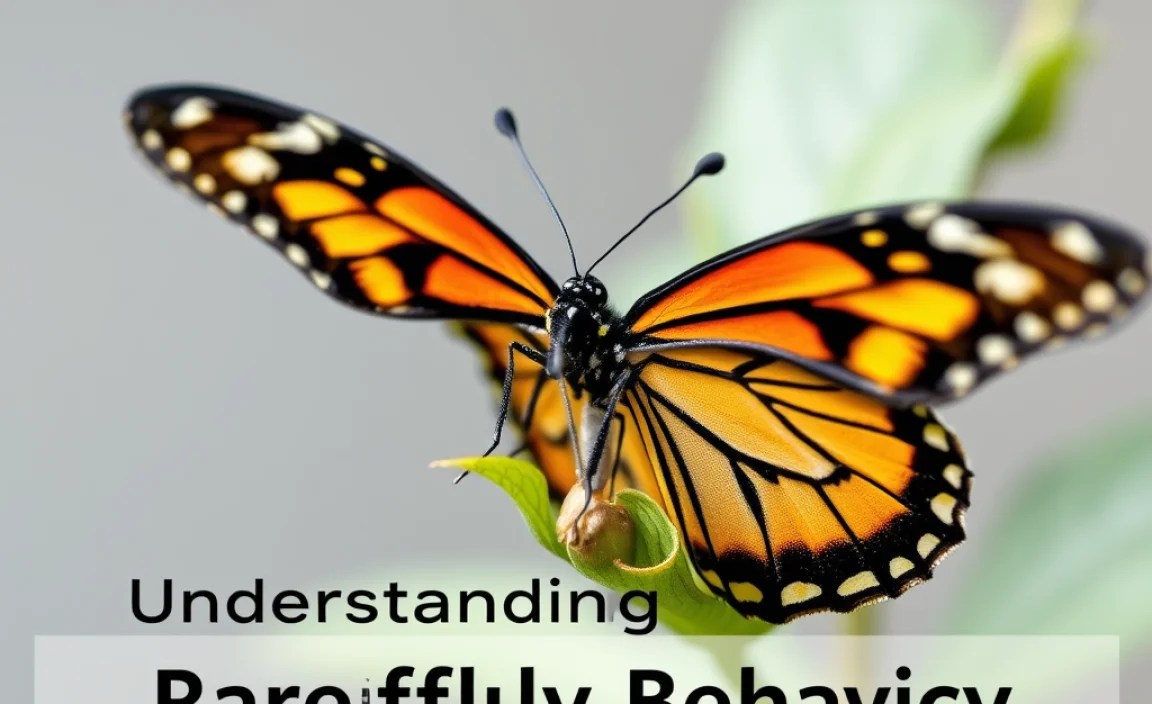
Rare butterflies have special ways of acting. These are their behavior secrets. They do things that help them live in their world. They need to find food. They need to stay away from danger. They need to find a mate. Mating helps them make baby butterflies. All these things are part of their behavior. Understanding these secrets helps us protect them. We can learn what they need to survive. Then we can make sure they have it. This might mean protecting their homes. It might mean planting special plants. Or it could mean stopping pollution. Every little bit helps these fragile creatures.
- Butterflies use their antennae to smell and find food.
- Some butterflies can taste with their feet.
- Butterflies often bask in the sun to warm up.
- Caterpillars eat a lot to prepare for becoming butterflies.
- Butterflies have different colors to attract mates.
Learning about rare butterflies behavior secrets is like being a detective. We look for clues. We study what they do. We try to understand why they do it. It’s a lot of work, but it’s also very exciting! The more we know, the better we can help them. There are scientists who spend their whole lives studying butterflies. They learn all sorts of amazing things. They share their knowledge with the world. This helps everyone understand how important these little creatures are. We can all be butterfly detectives!
Why Study Butterfly Behavior?
Why should we study how butterflies act? Well, it is more important than you might think! Butterfly behavior tells us a lot about the environment. If butterflies are healthy, it means their home is healthy too. If they are struggling, it means there’s a problem. Maybe the air is polluted. Maybe their food is gone. By watching butterflies, we can learn about dangers in nature. Then, we can fix those problems. So, studying butterfly behavior helps protect the whole planet. It is like checking the Earth’s health using butterflies as our guide. Every flutter of their wings has a message for us, if we know how to listen.
How Do Butterflies Communicate?
Butterflies don’t talk like us. So, how do they share messages? They use colors! Their bright wings are like flags. They can signal to other butterflies. Some colors attract mates. Other colors warn enemies to stay away. Butterflies also use smells. They release chemicals called pheromones. These smells can travel far. They tell other butterflies where to find food. They can also signal danger. So, butterflies have their own secret language. It’s a beautiful way to communicate without words.
What Threats Do Butterflies Face?
Butterflies face many dangers in the world. One big problem is losing their homes. People cut down forests and build houses. This leaves butterflies with nowhere to live. Another danger is pollution. Chemicals in the air and water can hurt them. Climate change is also a threat. It changes the weather patterns. This can make it hard for butterflies to find food. Some people also collect butterflies. This can make rare species disappear. We need to protect butterflies from these threats. We can save their homes, reduce pollution, and stop collecting them.
Fun Fact or Stat: Some butterfly species are so rare that only a few hundred individuals are known to exist in the wild!
Habitat and Rare Butterfly Behavior Secrets

Where butterflies live is very important. Their habitat must have the right plants. These plants are food for caterpillars. The habitat must also be safe. Butterflies need places to hide from predators. Different butterflies need different habitats. Some like forests. Others like grasslands. Some live in mountains. Rare butterflies behavior secrets often depend on their habitat. They have adapted to live in very specific places. If their habitat is destroyed, they cannot survive. Protecting their habitats is key to protecting them. We need to make sure they have the right food and shelter. Then they can continue to flutter and fly.
- Butterflies need sunlight to warm their bodies.
- Some butterflies live in tropical rainforests.
- Others live in cold, snowy mountains.
- The type of habitat affects butterfly behavior.
- Protecting habitats helps butterflies survive.
Imagine a butterfly looking for a home. It needs a place with the right plants to lay its eggs. The caterpillars need to eat those plants. The butterfly also needs nectar to drink. Nectar is a sweet liquid from flowers. It gives the butterfly energy. If the butterfly cannot find these things, it will not survive. This is why protecting habitats is so important. We need to make sure butterflies have everything they need. This means protecting forests, grasslands, and other natural areas. Even small gardens can help. Planting butterfly-friendly flowers can make a big difference.
What Makes a Good Butterfly Habitat?
A good butterfly habitat has many things. First, it needs the right plants. These plants are food for caterpillars. They are also a source of nectar for adult butterflies. Second, it needs sunlight. Butterflies need sunlight to warm their bodies. Third, it needs shelter. Butterflies need places to hide from predators. Fourth, it needs water. Butterflies need water to drink. A good butterfly habitat is like a perfect home for butterflies. It has everything they need to survive and thrive. We can create these habitats in our own backyards!
How Do Habitats Affect Butterfly Migration?
Some butterflies travel long distances. This is called migration. They migrate to find food or better weather. Their habitats play a big role in migration. They need places to rest and refuel along the way. If their habitats are destroyed, they cannot complete their journey. This can be very dangerous for them. Protecting their habitats helps them migrate safely. It ensures they have the resources they need. Migration is a difficult and dangerous journey. We need to do everything we can to help them.
Can We Create Butterfly Habitats?
Yes, we can create butterfly habitats! It’s easier than you might think. We can plant butterfly-friendly flowers in our gardens. These flowers provide nectar for butterflies. We can also plant host plants for caterpillars. Host plants are the plants that caterpillars eat. We can also provide water for butterflies. A shallow dish with water and pebbles will do. We can also avoid using pesticides. Pesticides can harm butterflies and other insects. Creating a butterfly habitat is a great way to help butterflies and enjoy nature.
Fun Fact or Stat: Some butterflies are so picky that their caterpillars will only eat one specific type of plant!
Diet and Nutrition: Rare Butterflies Behavior Secrets

What butterflies eat is very important. Caterpillars eat leaves. They need to eat a lot to grow. Adult butterflies drink nectar. Nectar is a sweet liquid from flowers. It gives them energy. Some rare butterflies have very special diets. They only eat certain types of plants. If those plants disappear, the butterflies will too. Understanding their diets is part of understanding rare butterflies behavior secrets. We need to protect the plants they eat. Then they will have the food they need to survive. We can plant these plants in our gardens. This will help the butterflies in our area.
- Caterpillars eat leaves to grow big.
- Butterflies drink nectar from flowers.
- Some butterflies eat tree sap or fruit juice.
- Diet affects butterfly health and survival.
- Protecting food sources helps butterflies.
Imagine a caterpillar munching on a leaf. It eats and eats and eats. It needs to grow big and strong. Then it can turn into a butterfly. But what if the caterpillar’s favorite leaf is gone? What if someone cut down the tree? The caterpillar would not have enough food. It would not be able to become a butterfly. This is why it’s so important to protect the plants that caterpillars eat. We need to make sure they have enough food to grow. Then we will have more butterflies in the world.
Why Is Nectar Important for Butterflies?
Nectar is like a butterfly’s energy drink. It gives them the energy they need to fly. They use this energy to find mates. They also use it to lay eggs. Without nectar, butterflies would not be able to survive. They would not be able to reproduce. Nectar is a sweet liquid made by flowers. Butterflies use their long tongues to drink it. Planting flowers that produce nectar is a great way to help butterflies. It gives them the energy they need to thrive.
Do Butterflies Only Eat Nectar?
Most butterflies drink nectar. But some butterflies eat other things too. Some butterflies eat tree sap. Tree sap is a sugary liquid that comes from trees. Some butterflies eat fruit juice. They like the sweet juice from ripe fruits. Some butterflies even eat pollen. Pollen is a powder from flowers. It’s a good source of protein. So, butterflies have a variety of foods they can eat. But nectar is still their main source of energy.
How Can We Help Butterflies Find Food?
We can help butterflies find food in many ways. We can plant butterfly-friendly flowers in our gardens. These flowers provide nectar for butterflies. We can also avoid using pesticides. Pesticides can kill the plants that butterflies eat. We can also protect natural areas. These areas provide a variety of food sources for butterflies. By doing these things, we can help butterflies find the food they need to survive. Even small actions can make a big difference.
Fun Fact or Stat: A butterfly’s tongue, called a proboscis, can be longer than its body!
Camouflage and Defense: Rare Butterflies Behavior Secrets

Butterflies have many ways to stay safe. They can hide from predators. This is called camouflage. Some butterflies look like leaves. Others look like bark. This helps them blend in with their surroundings. Some butterflies have bright colors. These colors warn predators that they are poisonous. These are all examples of rare butterflies behavior secrets. They help them survive in a dangerous world. By understanding these secrets, we can help protect them. We can make sure they have safe places to hide. We can also avoid using chemicals that might harm them.
- Camouflage helps butterflies hide from predators.
- Bright colors can warn predators.
- Some butterflies mimic other insects.
- Butterflies can fly quickly to escape danger.
- Defense mechanisms help butterflies survive.
Imagine a butterfly trying to hide from a bird. The bird is looking for a tasty meal. The butterfly needs to be clever. It needs to blend in with its surroundings. If it looks like a leaf, the bird might not see it. If it has bright colors, the bird might think it’s poisonous. These are all ways that butterflies protect themselves. It’s like a game of hide-and-seek. The butterfly needs to be good at hiding to survive. We can help them by protecting their habitats. This gives them more places to hide.
How Does Camouflage Work for Butterflies?
Camouflage helps butterflies blend in with their surroundings. They can look like leaves, bark, or even bird droppings. This makes it hard for predators to see them. Some butterflies have patterns that break up their outline. This makes them even harder to spot. Camouflage is a very effective defense mechanism. It helps butterflies stay safe from predators. It’s like wearing an invisibility cloak. Predators simply cannot see them.
Why Do Some Butterflies Have Bright Colors?
Bright colors can be a warning sign. Some butterflies are poisonous to eat. Their bright colors tell predators to stay away. This is called warning coloration. Predators learn to avoid butterflies with these colors. They know that they will get sick if they eat them. This is a very clever way to stay safe. It’s like wearing a sign that says “Do Not Eat!”. Predators get the message and leave them alone.
What Other Defense Mechanisms Do Butterflies Have?
Besides camouflage and warning coloration, butterflies have other defense mechanisms. Some butterflies can fly very quickly. This helps them escape from predators. Some butterflies can release bad-tasting chemicals. This makes them unpleasant to eat. Some butterflies can even mimic other insects. They can look like wasps or bees. This scares away predators. Butterflies are very resourceful when it comes to defending themselves.
Fun Fact or Stat: Some butterflies have fake eyespots on their wings to trick predators into attacking the wrong part of their body!
Lifecycle and Metamorphosis: Rare Butterflies Behavior Secrets
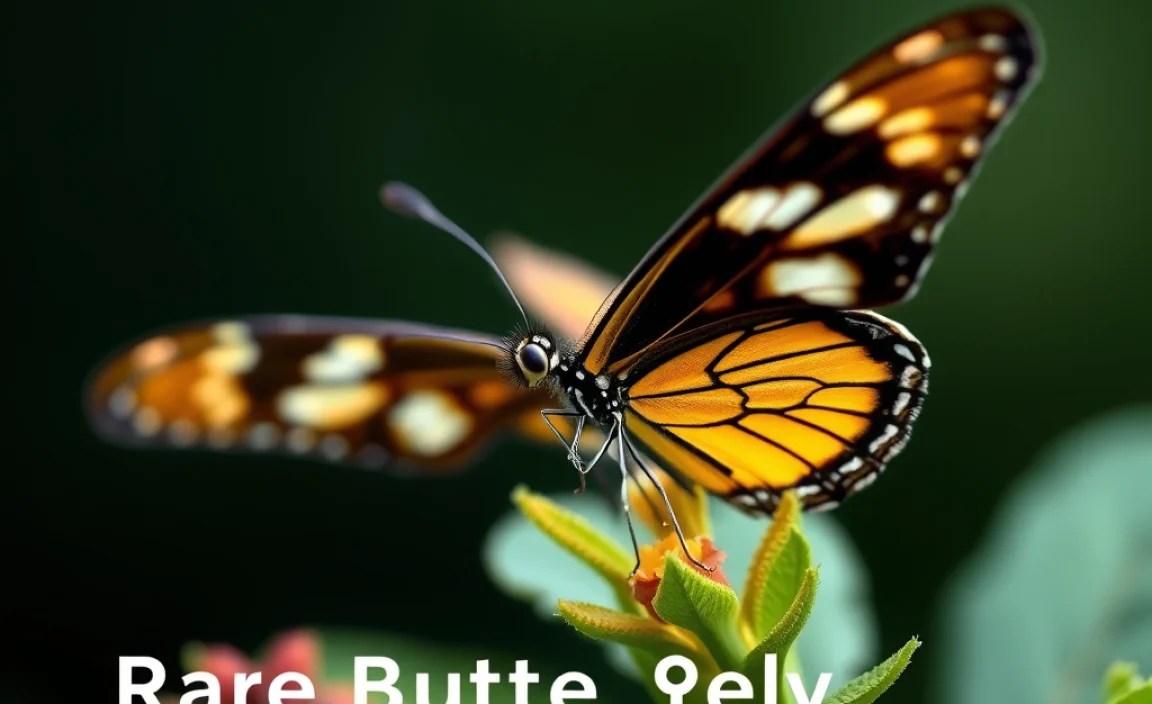
Butterflies go through a big change. This is called metamorphosis. They start as eggs. Then they become caterpillars. Caterpillars eat a lot and grow big. Then they turn into pupae. The pupa is inside a chrysalis. Inside the chrysalis, the caterpillar changes. It turns into a butterfly. Finally, the butterfly emerges. It flies away to find food and mates. This whole process is amazing. Understanding it is part of understanding rare butterflies behavior secrets. Each stage of life is important. We need to protect butterflies at every stage.
- Butterflies start as eggs.
- Caterpillars hatch from eggs.
- Caterpillars eat and grow.
- Caterpillars turn into pupae.
- Butterflies emerge from pupae.
Imagine a tiny egg on a leaf. Inside the egg is a baby caterpillar. When the egg hatches, the caterpillar starts to eat. It eats and eats and eats. It grows bigger and bigger. Soon, it’s too big for its skin. It sheds its skin. This is called molting. The caterpillar molts several times. Then it’s ready to turn into a pupa. It makes a chrysalis around itself. Inside the chrysalis, a big change happens. The caterpillar turns into a butterfly. This is one of the most amazing things in nature.
What Happens Inside the Chrysalis?
Inside the chrysalis, the caterpillar’s body breaks down. It turns into a soup of cells. These cells then rearrange themselves. They form the body of a butterfly. This is a very complex process. Scientists are still learning about it. It’s like taking apart a toy and building something completely different. The chrysalis is like a magic box. It transforms a caterpillar into a butterfly.
How Long Does Metamorphosis Take?
The length of metamorphosis varies. It depends on the species of butterfly. It can take a few weeks. Or it can take several months. Some butterflies even spend the winter as pupae. They wait for warmer weather to emerge. The length of metamorphosis also depends on the environment. Warmer temperatures can speed up the process. Colder temperatures can slow it down.
Why Is Each Stage of Life Important?
Each stage of life is important for butterflies. The egg stage is when the butterfly begins its life. The caterpillar stage is when it grows and stores energy. The pupa stage is when it transforms into a butterfly. The adult stage is when it reproduces and lays eggs. If any of these stages are disrupted, the butterfly may not survive. This is why it’s important to protect butterflies at every stage of their life cycle.
Fun Fact or Stat: Some butterfly caterpillars can increase their weight by over 1,000 times before turning into a pupa!
Conservation Efforts: Rare Butterflies Behavior Secrets
Many rare butterflies are in danger. They are losing their habitats. They are being affected by pollution. Climate change is also a threat. We need to take action to protect them. This is called conservation. Conservation efforts can help rare butterflies survive. We can protect their habitats. We can reduce pollution. We can also educate people about the importance of butterflies. Understanding rare butterflies behavior secrets helps us know how to protect them. Every little bit helps. We can all make a difference.
- Protecting habitats helps butterflies survive.
- Reducing pollution benefits butterflies.
- Educating people about butterflies is important.
- Supporting conservation organizations helps.
- Even small actions can make a difference.
Imagine a world without butterflies. It would be a sad place. Butterflies are important for our environment. They help pollinate flowers. They are food for other animals. We need to protect them for future generations. Conservation is not just about protecting butterflies. It’s about protecting our planet. It’s about making sure that future generations can enjoy the beauty of nature. We all have a role to play in conservation.
What Can We Do to Help Butterflies?
There are many things we can do to help butterflies. We can plant butterfly-friendly flowers in our gardens. We can avoid using pesticides. We can protect natural areas. We can also educate others about the importance of butterflies. Even small actions can make a big difference. Every little bit helps to protect these amazing creatures. We can all be butterfly heroes!
What Are Some Successful Conservation Stories?
There are many successful conservation stories. One example is the reintroduction of the Large Blue butterfly in the UK. This butterfly had become extinct. But thanks to conservation efforts, it has been brought back. Another example is the protection of the Monarch butterfly migration route. This route is threatened by habitat loss. But conservation efforts are helping to protect it. These stories show that conservation can work.
How Can We Support Conservation Organizations?
We can support conservation organizations in many ways. We can donate money. We can volunteer our time. We can also spread awareness about their work. Conservation organizations are working hard to protect butterflies and other wildlife. They need our support to continue their important work. By supporting them, we can help make a difference in the world.
| Conservation Action | Description | Benefit to Butterflies | How You Can Help |
|---|---|---|---|
| Habitat Protection | Preserving natural areas where butterflies live. | Provides food, shelter, and breeding grounds. | Support land conservation organizations. |
| Pollution Reduction | Minimizing the use of pesticides and pollutants. | Protects butterflies from harmful chemicals. | Use eco-friendly products. |
| Education | Raising awareness about butterfly conservation. | Increases public support for conservation efforts. | Share information about butterflies. |
| Butterfly Gardening | Planting butterfly-friendly flowers in gardens. | Provides nectar and host plants for butterflies. | Plant a butterfly garden. |
Fun Fact or Stat: Some conservation organizations use trained dogs to find rare butterfly caterpillars in the wild!
Future Research: Rare Butterflies Behavior Secrets
There is still much to learn about rare butterflies. Scientists are constantly making new discoveries. They are studying their behavior. They are learning about their habitats. They are finding out how to protect them. Future research will help us understand rare butterflies behavior secrets even better. This will help us protect them more effectively. The more we know, the better we can help. Research is key to saving these amazing creatures.
- Scientists are studying butterfly behavior.
- They are learning about their habitats.
- They are finding out how to protect them.
- Future research is essential for conservation.
- We can support research by donating or volunteering.
Imagine a scientist studying butterflies in the rainforest. They are watching how they move. They are observing what they eat. They are collecting data. This data will help them understand butterfly behavior. It will also help them understand how to protect them. Research is like a puzzle. Scientists are trying to put the pieces together. The more pieces they find, the clearer the picture becomes. We can all support research by learning about butterflies and sharing our knowledge with others.
What Are Some Unanswered Questions About Butterflies?
There are many unanswered questions about butterflies. How do they navigate during migration? How do they choose their mates? How do they adapt to climate change? These are just a few of the questions that scientists are trying to answer. There is still much to learn about these amazing creatures. The more we learn, the better we can protect them.
How Can Technology Help Butterfly Research?
Technology can play a big role in butterfly research. Drones can be used to survey butterfly habitats. GPS trackers can be used to track butterfly migration. Genetic analysis can be used to study butterfly evolution. Technology can help us learn more about butterflies than ever before. It can also help us protect them more effectively.
Why Is Continued Research Important?
Continued research is essential for butterfly conservation. The world is changing rapidly. Habitats are being destroyed. The climate is changing. Butterflies are facing new threats. We need to continue to study them to understand how to protect them. Research is the key to saving these amazing creatures for future generations.
Fun Fact or Stat: Scientists are using DNA barcoding to identify different species of butterflies more accurately!
Summary
Rare butterflies behavior secrets are fascinating. They help these insects survive in a challenging world. From camouflage to special diets, each adaptation plays a crucial role. Understanding these secrets is key to protecting them. Habitat loss, pollution, and climate change threaten many rare species. Conservation efforts are essential to ensure their survival. By learning about their needs and taking action, we can help these beautiful creatures thrive for generations to come. Protecting rare butterflies also helps our planet stay healthy.
Conclusion
Rare butterflies are more than just pretty insects. They are an important part of our ecosystem. They face many threats. We must protect them. Understanding rare butterflies behavior secrets is crucial. We can help them survive. By planting butterfly gardens and supporting conservation, we can make a difference. Let’s work together to ensure these beautiful creatures continue to flutter in our world.
Frequently Asked Questions
Question No 1: Why are some butterflies so rare?
Answer: Some butterflies are rare because they need very specific things to live. They might only eat one type of plant. If that plant disappears, the butterfly disappears too. Their habitats might be destroyed by people building houses or farms. Pollution can also hurt them. Climate change can make it too hot or too cold for them to survive. Protecting these rare species means protecting their homes and food sources.
Question No 2: What do rare butterfly caterpillars eat?
Answer: Butterfly caterpillars are picky eaters! Many rare butterfly caterpillars only eat one specific type of plant. This plant is called a host plant. For example, the Monarch butterfly caterpillar only eats milkweed. If there’s no milkweed, there are no Monarch butterflies. Other caterpillars eat different types of leaves. Protecting these host plants is very important for the survival of rare butterflies. Planting these plants in your garden can help.
Question No 3: How do butterflies hide from predators?
Answer: Butterflies are masters of disguise! They use camouflage to blend in with their surroundings. Some butterflies look like leaves. Others look like bark. Some even look like bird droppings! This makes it hard for predators to see them. Some butterflies also have bright colors that warn predators they are poisonous. Understanding these rare butterflies behavior secrets is important to protect them in their environments.
Question No 4: What is the biggest threat to rare butterflies?
Answer: The biggest threat to rare butterflies is losing their homes. People cut down forests and build houses or farms. This leaves butterflies with nowhere to live. Pollution is also a big problem. Chemicals in the air and water can hurt them. Climate change is making the weather unpredictable. This can make it hard for butterflies to find food and survive. We need to protect their habitats and reduce pollution to help them.
Question No 5: How can I help protect rare butterflies?
Answer: You can do many things to help protect rare butterflies! You can plant butterfly-friendly flowers in your garden. These flowers provide nectar for butterflies to eat. You can also plant host plants for caterpillars. Avoid using pesticides, as they can harm butterflies. Support conservation organizations that work to protect butterfly habitats. Educate your friends and family about the importance of butterflies. Even small actions can make a big difference! Understanding rare butterflies behavior secrets helps us protect them.
Question No 6: What makes rare butterfly behavior secrets so important?
Answer: The behavior of rare butterflies helps them survive. They have adapted to specific environments. Their behavior helps them find food, avoid predators, and find mates. If their environment changes, they may not be able to adapt. That is why we need to understand their behavior. This helps us to protect their specific needs. When we protect them, we protect biodiversity. Every creature plays a role in our world.


