
Rare Butterflies in Canada: A Stunning Secret

Have you ever seen a butterfly? They flutter around, so pretty and free. But some butterflies are hard to find. These are the rare butterflies in Canada. They need our help to stay safe. Let’s learn about these special insects.
These butterflies are important to our world. They are part of nature. We must protect them. Are you ready to learn more?
Key Takeaways
- Protecting rare butterflies in Canada helps keep nature healthy.
- Some rare butterflies include the Karner Blue and Frosted Elfin.
- Habitat loss is a big threat to these beautiful insects.
- You can help by planting native plants in your garden.
- Learning about butterflies helps us care for our planet.
Identifying Rare Butterflies In Canada
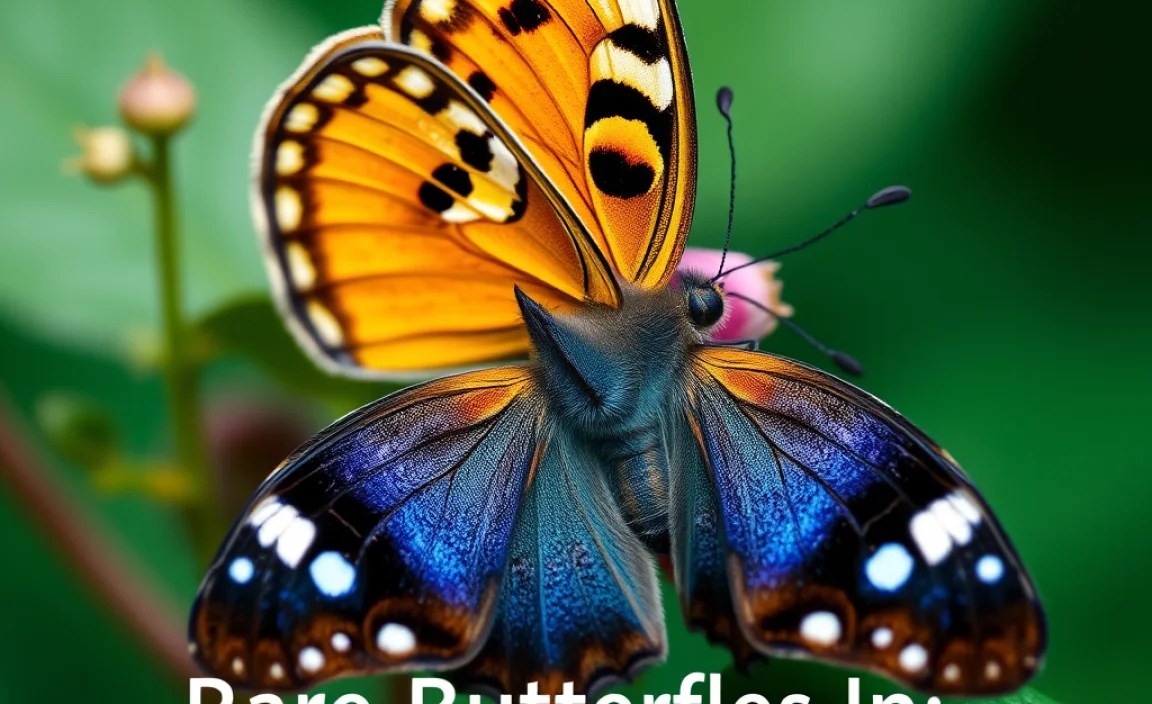
Identifying rare butterflies in Canada can be tricky. Many butterflies look alike. But there are clues to help you. Look at the size and color. Check the patterns on the wings. Note where you see the butterfly. Some only live in certain places. Use a field guide to help you. Field guides have pictures and descriptions. You can also ask an expert. Experts know a lot about butterflies. They can help you tell them apart. Remember to be gentle. Don’t touch the butterfly’s wings. Their wings are very delicate. Taking photos is a great way to remember what you saw. Always respect their home.
- Check the size of the butterfly.
- Notice the colors on its wings.
- Look for patterns and spots.
- See where you found it.
- Use a butterfly field guide.
Learning about butterfly habitats is also important. Some rare butterflies in Canada live in forests. Others live in meadows or near water. The Karner Blue butterfly likes oak savannas. The Frosted Elfin lives near pitch pines. Each butterfly has its own special place. Knowing where they live helps us protect them. When we protect their homes, we help them survive. Remember, every little bit helps. Even planting a few flowers can make a difference. These actions can create a safe space. Then butterflies can thrive.
Fun Fact or Stat: Some rare butterflies in Canada can only be found in very small areas, sometimes less than a few square kilometers!
What Makes a Butterfly Rare?
What makes a butterfly rare? Many things can cause it. One reason is habitat loss. When we build houses and roads, butterflies lose their homes. Pollution can also hurt butterflies. Pesticides can poison them. Climate change is another threat. It can change the plants butterflies need. Sometimes, a butterfly is only found in one place. If something happens there, the butterfly is in trouble. That is why it is important to protect their homes. We should also try to reduce pollution. By helping butterflies, we help the whole world.
How Can You Identify Them?
How can you identify rare butterflies in Canada? The first step is to learn about them. Find out what they look like and where they live. Use books and websites to study them. Look for special markings. Some butterflies have unique spots or stripes. Pay attention to the plants around them. Some butterflies only eat certain plants. If you see a butterfly you don’t know, take a picture. Then you can look it up later. You can also ask a butterfly expert for help. They can tell you what kind of butterfly it is.
Why Is Identification Important?
Why is identification important? It helps us protect butterflies. When we know what butterflies are rare, we can focus on saving them. We can protect their habitats. We can also help them by planting the right plants. Knowing which butterflies are in trouble helps scientists. They can study them and learn how to help them. If we don’t know what butterflies are rare, we can’t help them. Identifying them is the first step. It is like being a detective for butterflies.
Habitats Of Rare Canadian Butterflies

The habitats of rare butterflies in Canada are very special. These butterflies need specific places to live. Some like forests with lots of trees. Others prefer open meadows with flowers. Some need wetlands or rocky areas. Each butterfly has its own favorite spot. When their habitats are destroyed, they have nowhere to go. That’s why it’s important to protect these places. We can create parks and reserves. We can also help by planting native plants. Native plants provide food and shelter for butterflies. Protecting habitats is like protecting their homes.
- Forests provide shelter for some butterflies.
- Meadows offer flowers for food.
- Wetlands are home to unique species.
- Rocky areas provide warmth.
- Native plants give butterflies food.
- Parks and reserves protect habitats.
Think of a butterfly’s habitat like your own home. You need food, water, and shelter to survive. Butterflies need the same things. They need plants to eat and lay their eggs on. They need places to hide from predators. They also need places to stay warm. If their habitat is destroyed, they can’t find these things. This makes it hard for them to survive. We can help by keeping their habitats clean and safe. We can also teach others about the importance of protecting these places. Together, we can make a difference.
Fun Fact or Stat: Some butterfly habitats are so specific that the butterfly can only survive within a few meters of a certain plant!
What Types of Habitats Do They Need?
What types of habitats do they need? Some butterflies need forests with lots of trees. These forests provide shelter from the wind and rain. Other butterflies need open meadows with lots of flowers. These flowers provide nectar for them to eat. Some butterflies need wetlands with lots of water. These wetlands provide a place for them to lay their eggs. Each butterfly has its own special needs. It is important to understand these needs. Then we can protect their habitats.
Where Are These Habitats Located?
Where are these habitats located? They are found all across Canada. Some are in the mountains. Others are in the prairies. Some are in the forests. And some are along the coast. The location of a habitat depends on the butterfly. Each butterfly has its own favorite place to live. Some rare butterflies in Canada live in only one place. That is why it is important to protect these special places. We need to keep them safe from harm.
Why Is Habitat Protection Important?
Why is habitat protection important? Without their habitats, butterflies cannot survive. They need food, water, and shelter. Their habitats provide these things. When we destroy their habitats, we take away their homes. This makes it hard for them to live. Habitat protection helps butterflies thrive. It also helps other animals and plants. Protecting habitats is good for everyone. It keeps our planet healthy.
Threats To Rare Butterfly Populations

There are many threats to rare butterfly populations. One big threat is habitat loss. This happens when people build houses, roads, and farms. These things take away the butterfly’s homes. Another threat is pollution. Pollution can harm the plants that butterflies need to eat. Pesticides can also kill butterflies. Climate change is another problem. It can change the weather and make it hard for butterflies to survive. Invasive species can also be a threat. These are plants or animals that don’t belong in an area. They can compete with butterflies for food and space. We need to work together to protect butterflies from these threats.
- Habitat loss destroys butterfly homes.
- Pollution harms butterfly food sources.
- Pesticides can kill butterflies directly.
- Climate change affects butterfly survival.
- Invasive species compete for resources.
Imagine you are a butterfly. Your home is a beautiful meadow filled with flowers. One day, you come back and see bulldozers. They are tearing up the meadow to build houses. Where will you go? What will you eat? This is what happens to butterflies when their habitats are destroyed. We need to think about the impact of our actions. We can help by supporting conservation efforts. We can also plant native plants in our yards. Even small actions can make a big difference for rare butterflies in Canada.
Fun Fact or Stat: Some butterfly populations have declined by over 90% in the last few decades due to habitat loss and other threats!
What Are The Main Threats?
What are the main threats to rare butterflies in Canada? Habitat loss is a big one. When we build on their homes, they have nowhere to live. Pollution is also a problem. It can poison the plants that butterflies need to eat. Climate change is making things worse. It is changing the weather and making it harder for butterflies to survive. These threats are serious. We need to take action to protect butterflies.
How Does Climate Change Affect Them?
How does climate change affect them? Climate change is making the weather warmer. This can change the plants that butterflies need. Some plants may not be able to survive in the warmer weather. This means that butterflies will not have enough to eat. Climate change can also cause more extreme weather events. These events can destroy butterfly habitats. Butterflies are very sensitive to changes in the environment. Climate change is a big threat to their survival.
What Role Do Humans Play?
What role do humans play in these threats? Humans are the main cause of these threats. We destroy habitats when we build houses and roads. We pollute the environment with our cars and factories. We contribute to climate change by burning fossil fuels. But we can also be part of the solution. We can protect habitats. We can reduce pollution. We can take action to stop climate change. We have the power to help butterflies survive.
Conservation Efforts For Rare Species
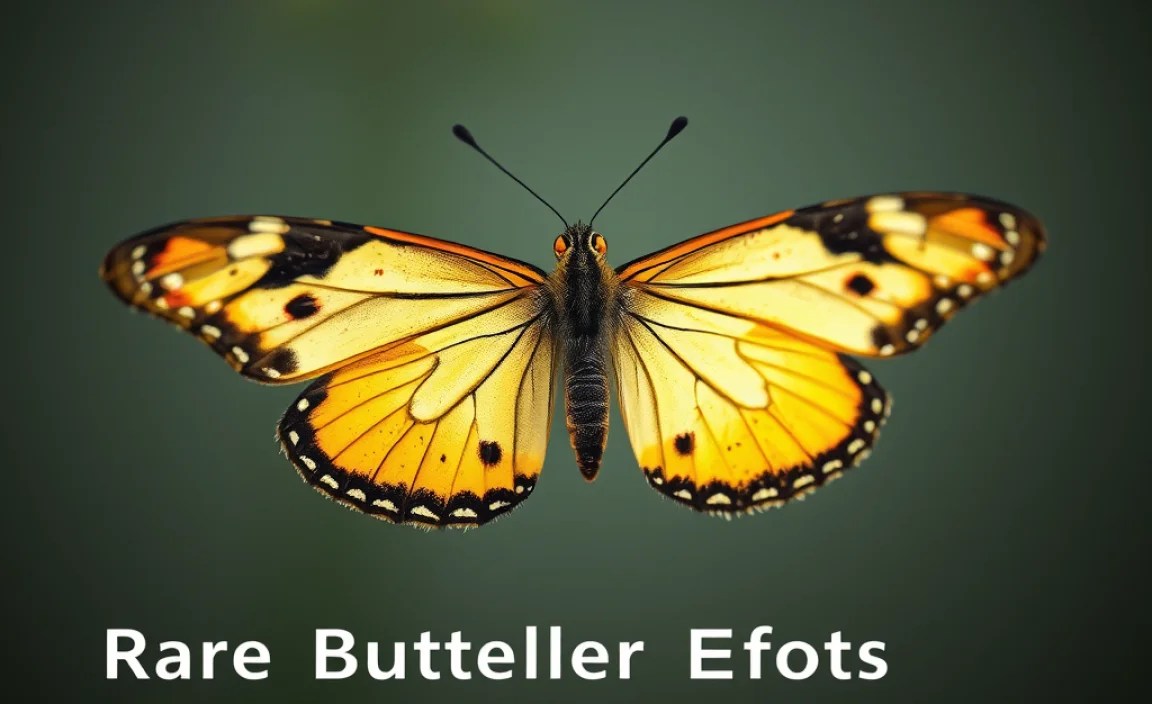
Many people are working hard on conservation efforts for rare species of butterflies. These efforts help protect butterflies and their homes. Scientists study butterflies to learn about their needs. Conservation groups work to protect their habitats. Governments create laws to protect endangered species. Individuals can also help by planting native plants and reducing pollution. Together, we can make a difference for butterflies. These efforts give butterflies a better chance to survive. It is important to support these efforts.
- Scientists study butterfly needs.
- Groups protect butterfly habitats.
- Governments make protective laws.
- People plant native plants.
- Reducing pollution helps butterflies.
Imagine you are part of a team helping butterflies. You might be planting flowers that butterflies like. You might be cleaning up a polluted stream. Or you might be teaching others about the importance of butterflies. Every action helps. Conservation is like being a doctor for the environment. We need to diagnose the problems and find solutions. By working together, we can heal the planet and help butterflies thrive. These little actions really do help rare butterflies in Canada.
Fun Fact or Stat: Conservation efforts have helped some butterfly populations rebound from the brink of extinction!
What Conservation Programs Exist?
What conservation programs exist for rare butterflies in Canada? There are many different programs. Some programs focus on protecting habitats. Others focus on breeding butterflies in captivity. Some programs work to educate the public about butterflies. These programs are run by governments, conservation groups, and individuals. Each program plays a role in helping butterflies. By supporting these programs, we can help butterflies survive.
How Can People Get Involved?
How can people get involved in conservation efforts? There are many ways to help. You can volunteer with a conservation group. You can plant native plants in your yard. You can reduce pollution by using less energy. You can educate others about the importance of butterflies. Even small actions can make a big difference. Every little bit helps. Together, we can make a big impact.
What Are The Success Stories?
What are the success stories of conservation efforts? There are some great examples of butterflies that have been saved from extinction. These butterflies were once on the brink of disappearing. But thanks to conservation efforts, their populations have grown. These success stories show that conservation works. They give us hope for the future. We can save butterflies if we work together.
The Importance Of Native Plants

Native plants are very important for rare butterflies in Canada. Butterflies need plants to survive. They eat nectar from flowers. They also lay their eggs on plants. The caterpillars eat the leaves of the plants. Native plants are plants that naturally grow in an area. They are adapted to the local climate and soil. Butterflies have evolved to eat these plants. When we plant native plants, we provide food and shelter for butterflies. This helps them survive and thrive. It is a simple way to help butterflies.
- Butterflies eat nectar from flowers.
- Butterflies lay eggs on plants.
- Caterpillars eat plant leaves.
- Native plants are adapted locally.
- Native plants provide food.
- Native plants offer shelter.
Imagine you are a butterfly looking for food. You fly around and see lots of green plants. But they are not the right kind. They don’t have the nectar you need. You keep flying and flying, but you can’t find anything to eat. Finally, you find a patch of native plants. They are full of flowers with sweet nectar. You can finally eat and rest. This is why native plants are so important for butterflies. They provide the food and shelter that butterflies need to survive.
Fun Fact or Stat: Some butterfly species can only survive on one specific type of native plant!
Which Plants Are Best For Butterflies?
Which plants are best for rare butterflies in Canada? It depends on the butterfly. Some butterflies like milkweed. Milkweed is a favorite of Monarch butterflies. Other butterflies like asters and goldenrod. These plants provide nectar in the fall. Some caterpillars only eat certain plants. For example, Karner Blue caterpillars eat wild lupine. It is important to research which plants are best for the butterflies in your area. Then you can plant those plants in your garden.
How Do Native Plants Help?
How do native plants help butterflies? They provide food for butterflies. The nectar from flowers gives butterflies energy. Native plants also provide shelter for butterflies. Butterflies can hide in the plants to protect themselves from predators. Native plants are also important for caterpillars. Caterpillars eat the leaves of native plants. Without these plants, caterpillars cannot survive.
Where Can You Find Native Plants?
Where can you find native plants? You can find them at local nurseries. Look for nurseries that specialize in native plants. You can also find them at plant sales. Some conservation groups hold plant sales to raise money. You can also collect seeds from native plants. But be careful not to take too many seeds. You want to leave enough for the plants to reproduce. Planting native plants is a great way to help butterflies.
Butterfly Gardens And Citizen Science
Butterfly gardens are a great way to help rare butterflies in Canada. A butterfly garden is a garden that is designed to attract butterflies. It includes plants that provide food and shelter for butterflies. You can create a butterfly garden in your backyard, at your school, or in a community garden. Citizen science is another way to help butterflies. Citizen science is when regular people help scientists collect data. You can participate in butterfly counts and surveys. This helps scientists track butterfly populations.
- Butterfly gardens attract butterflies.
- Gardens provide food and shelter.
- You can create a garden anywhere.
- Citizen science helps scientists.
- You can count and survey butterflies.
- This helps track populations.
Imagine you are a scientist studying butterflies. You need to know how many butterflies there are and where they live. But you can’t do it all by yourself. That’s where citizen scientists come in. They help you collect data by counting butterflies in their gardens. They also report sightings of rare butterflies in Canada. This information helps you understand how butterfly populations are changing. It also helps you develop conservation strategies. Citizen science is a powerful tool for protecting butterflies.
Fun Fact or Stat: Citizen science projects have contributed significantly to our understanding of butterfly distribution and abundance!
How To Create A Butterfly Garden?
How do you create a butterfly garden? First, choose a sunny spot. Butterflies need sunlight to stay warm. Then, plant native plants that butterflies like. Include plants that provide nectar for adults. Also, include plants that caterpillars can eat. Provide a water source for butterflies. You can use a shallow dish of water with pebbles. Avoid using pesticides. Pesticides can harm butterflies and other insects.
What Is Citizen Science?
What is citizen science? It is when regular people help scientists with their research. Citizen scientists can collect data, analyze data, and share their findings. Citizen science projects can be about anything. There are citizen science projects about birds, plants, and butterflies. Citizen science is a great way to learn about science. It is also a great way to contribute to scientific research.
How Can You Participate?
How can you participate in citizen science? There are many ways to get involved. You can join a local butterfly count. You can report sightings of butterflies online. You can also create a butterfly garden and track the butterflies that visit. Look for citizen science projects in your area. You can find them online or through local conservation groups. Participating in citizen science is a fun way to help butterflies.
Legal Protection For Endangered Butterflies
Legal protection is very important for endangered butterflies in Canada. Laws can help protect butterflies and their habitats. The Species at Risk Act is a Canadian law that protects endangered species. This law makes it illegal to harm or kill endangered species. It also protects their critical habitats. Provinces and territories also have laws to protect endangered species. These laws help ensure that butterflies have a chance to survive. Without legal protection, butterflies would be more vulnerable to threats.
- Laws protect endangered species.
- The Species at Risk Act helps.
- It is illegal to harm them.
- Habitats are also protected.
- Provinces have their own laws.
Imagine you are a rare butterfly in Canada. You are struggling to survive. Your habitat is being destroyed. People are using pesticides that kill you. Without legal protection, you would have no chance. But thanks to laws like the Species at Risk Act, you have a chance. These laws protect your home. They also make it illegal to harm you. This gives you a better chance to survive and thrive. Legal protection is like having a shield against harm.
Fun Fact or Stat: Legal protection has been shown to be effective in helping endangered species recover their populations!
What Laws Protect Butterflies?
What laws protect rare butterflies in Canada? The Species at Risk Act is the main law. It protects endangered and threatened species. The law makes it illegal to kill, harm, or harass these species. It also protects their critical habitats. Provinces and territories also have laws. These laws protect species within their borders. These laws are important for butterfly survival.
How Do These Laws Help?
How do these laws help butterflies? They protect butterflies from harm. They also protect their habitats. This gives butterflies a better chance to survive. The laws also require the government to develop recovery plans. These plans outline how to help endangered species recover. These plans can include habitat restoration and captive breeding programs.
What Are The Challenges?
What are the challenges of legal protection? One challenge is enforcement. It can be difficult to catch people who are harming butterflies or destroying their habitats. Another challenge is funding. It costs money to enforce the laws and implement recovery plans. There is also the challenge of balancing conservation with economic development. Sometimes, protecting butterflies can conflict with development projects.
| Butterfly | Habitat | Threats | Protection Status |
|---|---|---|---|
| Karner Blue | Oak Savannas | Habitat Loss, Fire Suppression | Endangered |
| Frosted Elfin | Pine Barrens | Habitat Loss, Fire Suppression | Threatened |
| Monarch | Fields and Meadows | Habitat Loss, Climate Change | Special Concern |
| West Virginia White | Deciduous Forests | Habitat Loss, Deer Browsing | Vulnerable |
Summary
Canada is home to many beautiful butterflies. Some of these butterflies are rare butterflies in Canada. They face many threats, including habitat loss, pollution, and climate change. But there are things we can do to help. We can protect their habitats. We can reduce pollution. We can also plant native plants in our gardens.
Conservation efforts are helping some butterfly populations recover. Legal protection is also important. It helps protect butterflies from harm. By working together, we can ensure that these beautiful creatures survive for generations to come. Every little bit helps!
Conclusion
Rare butterflies in Canada need our help. Habitat loss and climate change threaten them. We must act now to protect them. Plant native plants and reduce pollution. Support conservation efforts and educate others. Together, we can make a difference. These actions ensure future generations enjoy these butterflies.
Frequently Asked Questions
Question No 1: What makes a butterfly rare in Canada?
Answer: A butterfly is considered rare in Canada if its population is very small. They might only live in a few specific places. Habitat loss is a big reason for rarity. Pollution and climate change also hurt butterfly populations. These factors make it hard for them to survive. That’s why they are considered rare. We need to protect them.
Question No 2: Where can I find rare butterflies in Canada?
Answer: Rare butterflies in Canada live in specific habitats. These habitats include forests, meadows, and wetlands. The location depends on the butterfly species. Some butterflies live only in small areas. You might find them in national parks. Nature reserves are also good places to look. Remember to be respectful of their homes. Don’t disturb them.
Question No 3: What can I do to help protect rare butterflies?
Answer: You can do many things to help. Plant native plants in your garden. Native plants provide food and shelter for butterflies. Reduce pollution by using less energy. Support conservation groups that protect butterfly habitats. Educate others about the importance of butterflies. Even small actions can make a big difference for rare butterflies in Canada. Every little bit helps!
Question No 4: Are there any laws protecting rare butterflies?
Answer: Yes, there are laws to protect rare butterflies in Canada. The Species at Risk Act is one important law. It protects endangered species and their habitats. Provinces and territories also have their own laws. These laws help ensure that butterflies have a chance to survive. They prevent people from harming them or their homes. These laws are important.
Question No 5: Why are native plants important for butterflies?
Answer: Native plants are very important for butterflies. Butterflies have adapted to eat these plants. Native plants provide nectar for adult butterflies. They also provide food for caterpillars. Without native plants, butterflies cannot survive. Planting native plants is a great way to help butterflies. It gives them the food and shelter they need. It also helps rare butterflies in Canada thrive.
Question No 6: What is citizen science and how can it help?
Answer: Citizen science is when regular people help scientists with research. You can participate in butterfly counts and surveys. This helps scientists track butterfly populations. You can report sightings of rare butterflies in Canada. This information helps scientists understand their needs. Citizen science is a powerful tool for protecting butterflies. It allows everyone to contribute to conservation efforts.


