
Monarch Butterfly Decline Causes: The Powerful Truth

The primary causes of monarch butterfly decline include habitat loss (especially milkweed), climate change, pesticide use, and disease. These factors disrupt their breeding, migration, and overwintering, leading to fewer monarchs each year. Conservation efforts focusing on habitat restoration and reducing threats are crucial to reverse this decline.
Have you noticed fewer monarch butterflies fluttering around lately? You’re not alone. These beautiful orange and black butterflies are facing some serious challenges. It can be disheartening to see the decline of such an iconic species. But understanding the reasons behind it is the first step toward helping them. Don’t worry; we’ll break down the main culprits and explore ways you can make a difference. Together, we can help these amazing creatures thrive again.
Understanding Monarch Butterfly Decline Causes
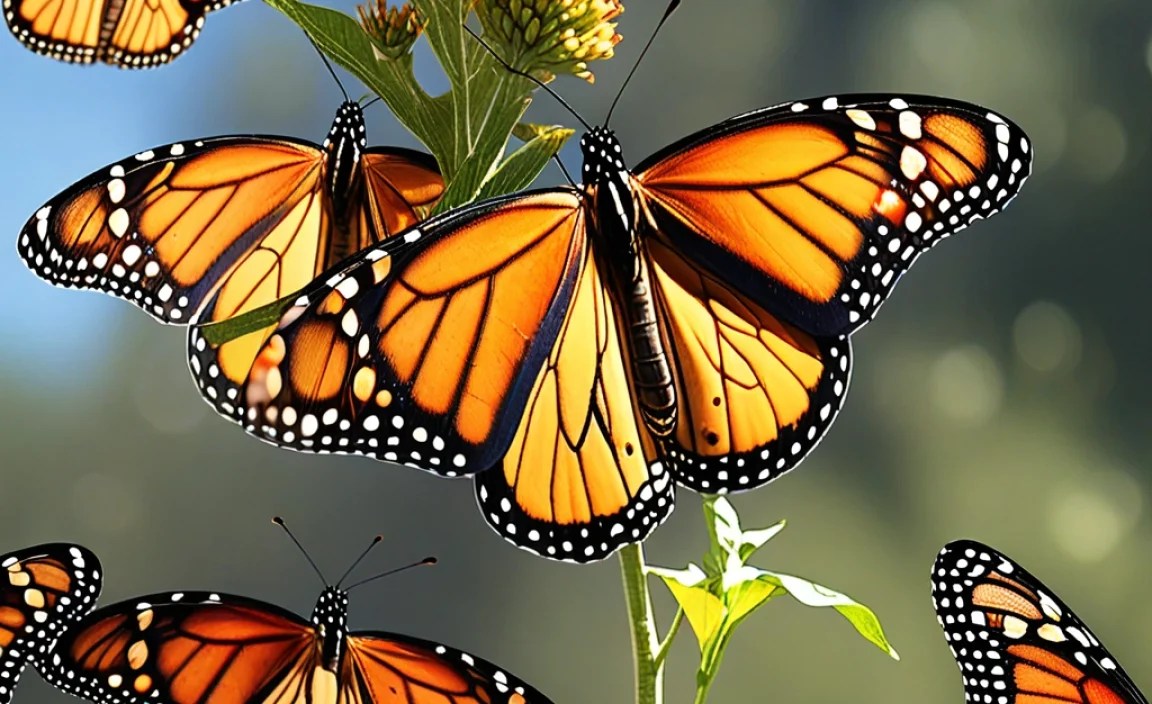
Monarch butterflies, known for their incredible migration, are facing significant population declines. Several factors contribute to this worrying trend, each impacting different aspects of their life cycle. Let’s explore these causes in detail.
Habitat Loss: The Disappearance of Milkweed
One of the most significant threats to monarch butterflies is the loss of their habitat, particularly milkweed. Milkweed is the only plant that monarch caterpillars can eat, making it essential for their survival. The decline in milkweed is due to several factors:
- Agricultural Practices: The widespread use of herbicides in agriculture kills milkweed plants in and around crop fields.
- Development: Urban and suburban development reduces the amount of available habitat for milkweed to grow.
- Roadside Maintenance: The mowing and spraying of roadsides, where milkweed often grows, further reduces its availability.
Without enough milkweed, monarch caterpillars cannot survive to become adult butterflies. This directly impacts the population size.
Climate Change: Disrupting the Monarch Life Cycle
Climate change is another major factor affecting monarch butterflies. Changes in temperature and precipitation patterns can disrupt their breeding, migration, and overwintering habits.
- Extreme Weather Events: More frequent and severe storms, droughts, and freezes can kill monarch butterflies and damage their habitats.
- Changes in Temperature: Warmer temperatures can cause monarchs to emerge from their overwintering sites too early, before milkweed is available for their caterpillars.
- Altered Migration Patterns: Shifting weather patterns can disrupt the timing and success of the monarch migration, making it harder for them to reach their overwintering grounds.
These climate-related challenges add significant stress to monarch populations, making them more vulnerable.
Pesticide Use: A Toxic Threat
Pesticides, especially insecticides, pose a direct threat to monarch butterflies. These chemicals can kill monarchs outright or weaken them, making them more susceptible to disease and other threats.
- Neonicotinoids: These widely used insecticides are particularly harmful to pollinators, including monarch butterflies. They can contaminate milkweed and nectar, poisoning both caterpillars and adults.
- Direct Spraying: Monarchs can be directly exposed to pesticides when they are sprayed on crops or in residential areas.
- Indirect Exposure: Pesticides can also harm monarchs indirectly by reducing the availability of nectar plants they rely on for food.
Reducing pesticide use is crucial for protecting monarch butterflies from this toxic threat.
Disease: A Growing Problem
Disease is becoming an increasingly significant threat to monarch butterflies, particularly in areas where they congregate in large numbers, such as overwintering sites.
- Ophryocystis elektroscirrha (OE): This protozoan parasite infects monarch butterflies, causing deformities, reduced flight ability, and decreased lifespan. OE spores are spread when monarchs lay eggs on contaminated milkweed.
- Crowding: Overcrowding at overwintering sites can increase the transmission of OE and other diseases.
- Habitat Degradation: Poor habitat quality can weaken monarchs, making them more susceptible to disease.
Managing disease in monarch populations requires careful monitoring and habitat management.
Other Contributing Factors
In addition to the major causes discussed above, several other factors contribute to the decline of monarch butterflies.
- Illegal Logging: In the overwintering sites in Mexico, illegal logging destroys the forests that provide crucial shelter for monarchs.
- Invasive Species: Invasive plants can outcompete milkweed and nectar plants, reducing the availability of food and habitat for monarchs.
- Road Mortality: Monarchs can be killed by vehicles as they migrate across roads and highways.
Addressing these additional factors is also important for protecting monarch butterflies.
The Impact on Migration
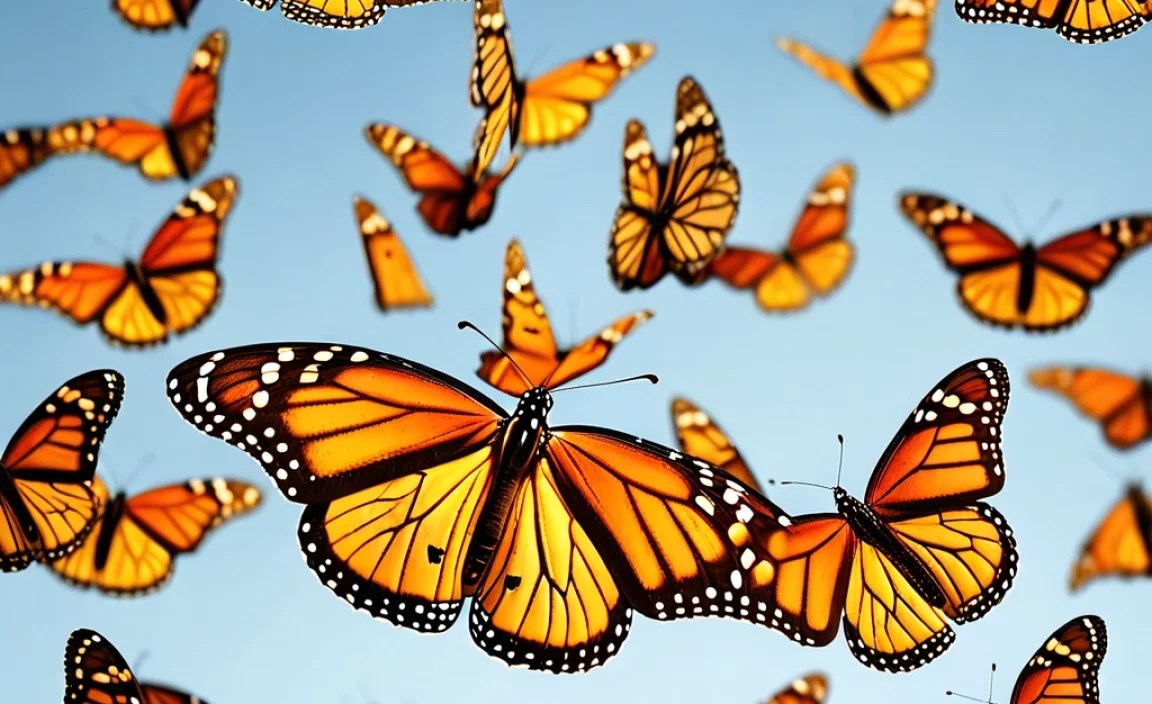
The monarch butterfly’s migration is one of the most spectacular natural events on Earth. However, the factors discussed above are severely impacting this incredible journey.
Disrupted Migration Routes
Habitat loss and climate change are disrupting the traditional migration routes of monarch butterflies. As milkweed becomes scarcer and weather patterns change, monarchs may struggle to find suitable breeding and stopover sites along their migration route.
Reduced Population Size
The overall decline in monarch populations means that fewer butterflies are making the migration each year. This reduces the spectacle of the migration and makes the population more vulnerable to further declines.
Increased Mortality
The challenges of migration, combined with the stressors of habitat loss, climate change, pesticide exposure, and disease, increase the mortality rate of monarch butterflies during their migration. This further reduces the population size.
Conservation Efforts: What Can Be Done?

Despite the challenges facing monarch butterflies, there is hope. Many organizations and individuals are working to protect these amazing creatures. Here are some of the key conservation efforts:
Habitat Restoration
Restoring and creating monarch habitat is one of the most important things we can do to help them. This includes planting milkweed and nectar plants in gardens, parks, and along roadsides.
- Plant Native Milkweed: Choose milkweed species that are native to your area to provide the best food source for monarch caterpillars.
- Plant Nectar Plants: Plant a variety of nectar-rich flowers that bloom throughout the monarch migration season to provide food for adult butterflies.
- Create Butterfly Gardens: Design gardens that provide food, water, shelter, and breeding sites for monarch butterflies and other pollinators.
Reducing Pesticide Use
Reducing the use of pesticides is crucial for protecting monarch butterflies from toxic exposure.
- Avoid Neonicotinoids: Do not use neonicotinoid insecticides in your garden or on your property.
- Use Integrated Pest Management (IPM): Use IPM strategies to control pests without relying on harmful chemicals.
- Support Organic Farming: Buy organic produce to support farmers who do not use synthetic pesticides.
Supporting Conservation Organizations
Many organizations are working to protect monarch butterflies through research, education, and conservation projects. Supporting these organizations can make a big difference.
- The Xerces Society: This organization conducts research, provides education, and advocates for policies that protect monarch butterflies and other invertebrates.
- Monarch Joint Venture: This partnership of organizations and individuals works to conserve monarch butterflies and their habitats.
- World Wildlife Fund (WWF): WWF supports monarch conservation efforts in Mexico, where monarchs overwinter.
Citizen Science
Participating in citizen science projects can help researchers track monarch populations and migration patterns.
- Monarch Watch: This program engages volunteers in tagging monarch butterflies to track their migration.
- Journey North: This program invites people to report their sightings of monarch butterflies and milkweed to help track their distribution and migration.
- iNaturalist: This platform allows you to record your observations of monarch butterflies and other species, contributing to a global database of biodiversity information.
How You Can Help Monarch Butterflies
There are many things you can do to help monarch butterflies in your own backyard and community.
Plant a Butterfly Garden
Creating a butterfly garden is a great way to provide food and habitat for monarch butterflies. Here are some tips for designing a butterfly garden:
- Choose a Sunny Location: Monarch butterflies need sunlight to warm their bodies and nectar plants need sunlight to produce flowers.
- Provide Water: Monarch butterflies need water to drink. You can provide water by placing a shallow dish of water with pebbles in your garden.
- Avoid Pesticides: Do not use pesticides in your butterfly garden, as they can harm monarch butterflies and other pollinators.
Raise Monarch Butterflies
Raising monarch butterflies is a rewarding way to learn about their life cycle and help increase their population. Here are some tips for raising monarch butterflies:
- Collect Eggs or Caterpillars: Collect monarch eggs or caterpillars from milkweed plants in your area.
- Provide Fresh Milkweed: Feed the caterpillars fresh milkweed leaves every day.
- Protect from Predators: Protect the caterpillars from predators such as birds, spiders, and wasps.
- Release the Butterflies: Once the butterflies emerge from their chrysalises, release them into the wild.
Educate Others
Educating others about the importance of monarch butterflies and the threats they face is crucial for inspiring conservation action.
- Share Information: Share information about monarch butterflies with your friends, family, and community.
- Volunteer: Volunteer with a conservation organization that works to protect monarch butterflies.
- Advocate: Advocate for policies that protect monarch butterflies and their habitats.
The Role of Milkweed in Monarch Conservation
Milkweed is the cornerstone of monarch butterfly conservation. Without milkweed, monarch caterpillars cannot survive. Understanding the importance of milkweed and how to grow it is essential for helping monarch butterflies.
Why Milkweed Matters
Milkweed is the only plant that monarch caterpillars can eat. It contains compounds that make the caterpillars and butterflies toxic to predators. Monarch butterflies lay their eggs exclusively on milkweed plants, making it essential for their reproduction.
Types of Milkweed
There are many different species of milkweed, each adapted to different climates and growing conditions. Here are some common types of milkweed:
| Milkweed Species | Description | Growing Conditions |
|---|---|---|
| Common Milkweed (Asclepias syriaca) | Tall plant with large leaves and fragrant pink flowers. | Full sun, well-drained soil. |
| Swamp Milkweed (Asclepias incarnata) | Medium-sized plant with narrow leaves and pink or purple flowers. | Full sun, moist soil. |
| Butterfly Weed (Asclepias tuberosa) | Low-growing plant with bright orange flowers. | Full sun, well-drained soil. |
| Showy Milkweed (Asclepias speciosa) | Tall plant with large leaves and showy pink flowers. | Full sun, well-drained soil. |
Growing Milkweed
Growing milkweed is easy and rewarding. Here are some tips for growing milkweed in your garden:
- Choose the Right Species: Choose milkweed species that are native to your area and suited to your growing conditions. You can often find native milkweed seeds or plants at local nurseries or native plant sales.
- Plant in Full Sun: Milkweed needs at least six hours of sunlight per day to thrive.
- Provide Well-Drained Soil: Milkweed prefers well-drained soil. If your soil is heavy clay, amend it with compost or other organic matter to improve drainage.
- Water Regularly: Water milkweed regularly, especially during dry periods.
- Avoid Pesticides: Do not use pesticides on or near milkweed plants, as they can harm monarch caterpillars.
Addressing Climate Change for Monarchs
Climate change is a complex issue, but there are many things we can do to reduce our carbon footprint and help monarch butterflies adapt to a changing climate.
Reduce Your Carbon Footprint
Reducing your carbon footprint can help slow down climate change and protect monarch butterflies and other species.
- Conserve Energy: Use less energy by turning off lights when you leave a room, using energy-efficient appliances, and insulating your home.
- Drive Less: Walk, bike, or take public transportation instead of driving whenever possible.
- Eat Local and Sustainable Food: Eat locally grown and sustainably produced food to reduce the carbon emissions associated with transportation and agriculture.
- Reduce, Reuse, Recycle: Reduce your consumption, reuse items whenever possible, and recycle materials to reduce waste and pollution.
Support Climate Action
Supporting policies and initiatives that address climate change can make a big difference for monarch butterflies and other species.
- Advocate for Climate Policies: Contact your elected officials and urge them to support policies that reduce greenhouse gas emissions and promote renewable energy.
- Support Climate Organizations: Donate to or volunteer with organizations that are working to address climate change.
- Educate Others: Share information about climate change and its impacts on monarch butterflies and other species.
Help Monarchs Adapt
Helping monarch butterflies adapt to a changing climate can increase their chances of survival.
- Plant a Variety of Milkweed Species: Planting a variety of milkweed species can help monarchs adapt to changing climate conditions. Some species may be more resilient to drought or heat than others.
- Provide Shelter: Providing shelter from extreme weather events, such as wind and rain, can help monarch butterflies survive.
- Maintain Healthy Habitats: Maintaining healthy habitats can help monarch butterflies cope with the stresses of climate change.
FAQ: Monarch Butterfly Decline Causes
Here are some frequently asked questions about the decline of monarch butterflies and its causes.
Why are monarch butterflies declining?
Monarch butterflies are declining due to a combination of factors, including habitat loss (especially milkweed), climate change, pesticide use, and disease. These factors disrupt their breeding, migration, and overwintering.
What is the main cause of monarch butterfly decline?
Habitat loss, particularly the decline of milkweed, is considered the main cause. Milkweed is the only food source for monarch caterpillars, and its disappearance greatly impacts their survival.
How does climate change affect monarch butterflies?
Climate change disrupts monarch breeding, migration, and overwintering patterns through extreme weather, temperature changes, and altered migration routes. This makes it harder for them to thrive.
What role do pesticides play in monarch decline?
Pesticides, especially neonicotinoids, can directly kill monarchs or weaken them, making them more vulnerable to disease and other threats. They also reduce the availability of nectar plants.
What can I do to help monarch butterflies?
You can help by planting milkweed and nectar plants, reducing pesticide use, supporting conservation organizations, participating in citizen science, and educating others about monarch conservation.
Is it possible to reverse the monarch butterfly decline?
Yes, it is possible. By addressing the main causes of decline through habitat restoration, reduced pesticide use, and climate action, we can help monarch populations recover.
Where do monarch butterflies overwinter?
Eastern monarch butterflies overwinter in the oyamel fir forests of central Mexico, while western monarchs overwinter along the California coast.
Conclusion
The decline of monarch butterflies is a serious issue, but it is not too late to take action. By understanding the causes of their decline and working together to address them, we can help these amazing creatures thrive once again. Plant milkweed, reduce pesticide use, support conservation organizations, and educate others about the importance of monarch butterflies. Every small action makes a difference. Let’s work together to ensure that future generations can enjoy the beauty of monarch butterflies.


