
Rare Butterflies in Europe Mountains: A Powerful Guide

Have you ever hiked in the Europe mountains? Imagine seeing a flash of color. It’s not a bird but a rare butterfly! These amazing insects live high up. They face many dangers to survive. What makes these butterflies so special? Let’s explore the world of rare butterflies in Europe mountains.
Key Takeaways
- Protecting habitats is key for rare butterflies in Europe mountains to thrive.
- Climate change is a big danger to these fragile butterfly populations.
- Some rare butterflies only live in specific mountain areas.
- Scientists are studying them to learn how to help them survive.
- Many rare butterfly species are now protected by law.
Discovering Rare Butterflies in Europe Mountains

The Europe mountains are home to many kinds of rare butterflies. These butterflies live in special places. They need certain plants to eat. They also need the right weather. Some only live on one mountain! This makes them very special and very fragile. Changes in the mountains can hurt them. Pollution, climate change, and people can all cause problems. We need to learn about these butterflies. Then we can help them survive. It is important to protect their homes. We can also help them by keeping the mountains clean. Every little bit helps these rare butterflies.
- Butterflies are important for the food chain.
- Mountains have many different habitats.
- Some butterflies only eat one kind of plant.
- Climate change is warming the mountains.
- We can help by planting butterfly gardens.
Imagine you are a tiny butterfly. You need a special plant to eat. This plant only grows on one mountain. Now imagine the weather changes. The plant starts to die. What will you do? This is the problem for many rare butterflies in Europe mountains. They are very sensitive to changes. We need to be careful. Our actions can affect them. By learning about these butterflies, we can make a difference. We can help them have a safe place to live. We must work together to protect these amazing creatures.
Where Do These Butterflies Live?
Many rare butterflies live high up in the mountains. They like the cold weather and the special plants. Some live in meadows. Others live near rocky areas. The Alps are a popular place for these butterflies. The Pyrenees are also home to many species. Each mountain range has its own special butterflies. These butterflies have adapted to the harsh conditions. They can survive in the cold and wind. They are truly amazing creatures. We must respect their homes. We need to keep the mountains clean and safe for them.
What Do These Butterflies Eat?
Butterflies need food to survive. They eat nectar from flowers. Caterpillars eat plants. Some caterpillars are very picky! They only eat one type of plant. This is a problem if the plant disappears. The rare butterflies in Europe mountains depend on these plants. If the climate changes, the plants may die. Then the butterflies will have no food. We need to protect these plants. We can plant them in our gardens. We can also protect the mountains from pollution. Every little bit helps the butterflies get enough food.
Why Are These Butterflies Rare?
Many things make these butterflies rare. Climate change is a big problem. The mountains are getting warmer. This changes the plants and the butterfly’s habitat. Pollution also hurts the butterflies. People can also cause problems. If we build too many roads or buildings, we destroy their homes. Some butterflies are also collected. People catch them and sell them. This makes them even rarer. We need to stop these things from happening. We need to protect the rare butterflies in Europe mountains.
Fun Fact or Stat: Some rare butterflies can only be found above 6,000 feet in the Europe mountains!
Identifying Butterflies: A Visual Guide
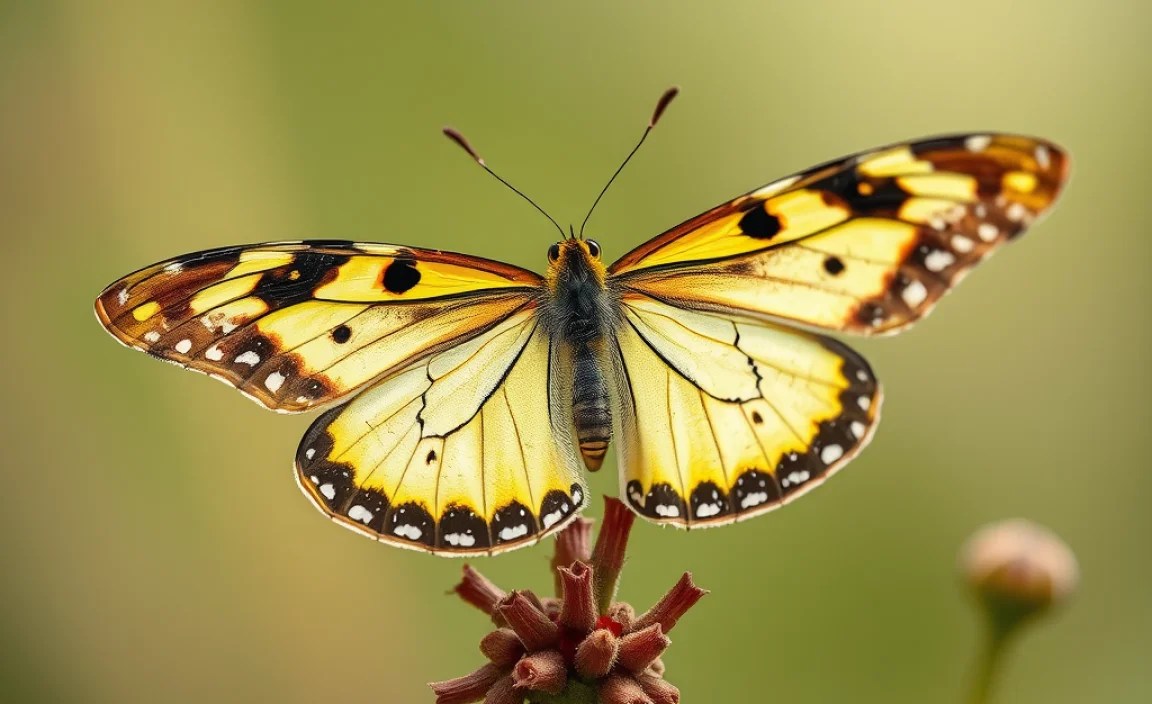
Identifying butterflies can be tricky. Many butterflies look alike. But there are some key differences. Look at the colors and patterns on the wings. Notice the size and shape of the wings. Pay attention to where you see the butterfly. Some butterflies only live in certain areas. This can help you identify them. Use a butterfly guide to help you. Take pictures of the butterflies. Then you can look them up later. Remember, it’s important to be respectful. Don’t touch or disturb the butterflies. Just enjoy watching them in their natural habitat. The rare butterflies in Europe mountains are a treat to see.
- Wing color can help identify a butterfly.
- Wing patterns are also important.
- Size and shape matter too.
- Where you see it helps.
- Use a butterfly guide book.
- Take photos but don’t touch.
Imagine you are hiking in the mountains. You see a beautiful butterfly. It’s small and blue. You want to know what kind it is. You take a picture with your camera. Later, you look it up in your butterfly guide. You learn it’s a rare Mountain Blue butterfly. It only lives in this part of the mountains. You feel excited to see such a special creature. This is why identifying butterflies is so fun. It helps you learn about the world around you. It also helps you appreciate the rare butterflies in Europe mountains.
What Colors Are They?
Butterflies come in many colors. Some are bright and colorful. Others are dull and camouflaged. The colors help them survive. Bright colors can warn predators. Dull colors help them hide. The rare butterflies in Europe mountains have different colors. Some are blue, some are brown, and some are yellow. The colors depend on where they live. They also depend on what they eat. The colors help them blend in with their surroundings. This protects them from danger. Pay attention to the colors of the butterflies you see.
What Patterns Do They Have?
Butterfly wings have amazing patterns. Some have spots. Others have stripes. Some have intricate designs. The patterns help them attract mates. They also help them scare away predators. The rare butterflies in Europe mountains have unique patterns. These patterns help them survive in their environment. Look closely at the patterns on the wings. You might see something surprising. The patterns are like a secret code. They tell a story about the butterfly’s life.
How Big Are They?
Butterflies come in different sizes. Some are tiny. Others are large. The size depends on the species. It also depends on the environment. The rare butterflies in Europe mountains are often small. This helps them hide from predators. It also helps them survive in the harsh weather. Small butterflies can find shelter more easily. They don’t need as much food. Pay attention to the size of the butterflies you see. This can help you identify them. It can also help you understand their life in the mountains.
Fun Fact or Stat: The wingspan of some rare mountain butterflies is less than one inch!
Threats to Rare Butterflies in Europe Mountains

Rare butterflies in Europe mountains face many threats. Climate change is a big one. The mountains are getting warmer. This changes the plants they eat. It also changes their habitat. Pollution is another threat. Air pollution can harm the butterflies. Water pollution can hurt the plants they need. Habitat loss is also a problem. When people build roads or buildings, they destroy the butterfly’s homes. Over-collecting can also hurt butterfly populations. We need to protect these butterflies from these threats. We can help by reducing pollution. We can also protect their habitat. Every little bit makes a difference.
- Climate change warms their habitat.
- Pollution harms their food sources.
- Habitat loss destroys their homes.
- Over-collecting reduces their numbers.
- Invasive species can outcompete them.
Imagine you are a rare butterfly. Your home is in the mountains. But the weather is changing. It’s getting warmer. The plants you eat are dying. Your home is shrinking. This is the reality for many rare butterflies in Europe mountains. They are struggling to survive. We need to help them. We can reduce our carbon footprint. We can support conservation efforts. We can educate others about these threats. Together, we can make a difference. We can protect these amazing creatures for future generations.
How Does Climate Change Affect Them?
Climate change is a big threat to butterflies. The mountains are getting warmer. This changes the plants they eat. It also changes when they can fly. Some butterflies need cold weather to survive. If it gets too warm, they can’t live there. Climate change can also cause more storms. These storms can destroy butterfly habitats. The rare butterflies in Europe mountains are very sensitive to climate change. We need to reduce our carbon footprint. This will help protect them.
What Role Does Pollution Play?
Pollution can harm butterflies in many ways. Air pollution can damage their wings. It can also make it harder for them to breathe. Water pollution can kill the plants they eat. It can also poison the caterpillars. The rare butterflies in Europe mountains are especially vulnerable. They live in delicate ecosystems. These ecosystems are easily damaged by pollution. We need to reduce pollution. This will help protect these butterflies and their homes.
Why Is Habitat Loss a Problem?
Habitat loss is a major threat to butterflies. When people build roads or buildings, they destroy butterfly habitats. When forests are cut down, butterflies lose their homes. The rare butterflies in Europe mountains need specific habitats to survive. If these habitats are destroyed, the butterflies will disappear. We need to protect butterfly habitats. We can do this by supporting conservation efforts. We can also avoid building in sensitive areas. This will help protect these amazing creatures.
Fun Fact or Stat: Some mountain butterfly populations have declined by 50% in the last 20 years due to habitat loss!
Conservation Efforts for Rare Butterflies

Many people are working to protect rare butterflies in Europe mountains. Scientists are studying them. They want to learn more about their needs. Conservation groups are working to protect their habitats. They are also educating people about the importance of these butterflies. Governments are passing laws to protect them. These laws make it illegal to collect or harm them. You can also help. You can plant butterfly gardens. You can support conservation groups. You can educate your friends and family. Together, we can make a difference for these amazing creatures.
- Scientists study their needs.
- Groups protect their habitats.
- Laws protect them from harm.
- Gardens provide food and shelter.
- Education raises awareness.
- Citizen science tracks populations.
Imagine you are a scientist. You study rare butterflies in Europe mountains. You want to know what they need to survive. You track their movements. You study their food sources. You work with conservation groups. Together, you create a plan to protect them. This plan includes protecting their habitat. It also includes educating the public. This is how conservation efforts work. It takes a team effort. But it can make a big difference. It can help these rare butterflies thrive for years to come.
What Are Protected Areas?
Protected areas are special places. They are set aside to protect wildlife. These areas can be national parks. They can also be nature reserves. Protected areas provide safe homes for butterflies. They protect their habitats from development. They also help to reduce pollution. The rare butterflies in Europe mountains benefit from these areas. They provide a safe place for them to live and breed. We need to support protected areas. They are essential for butterfly conservation.
How Does Habitat Restoration Help?
Habitat restoration is the process of fixing damaged habitats. This can involve planting native plants. It can also involve removing invasive species. Habitat restoration can help butterflies in many ways. It can provide them with more food. It can also provide them with shelter. The rare butterflies in Europe mountains often live in damaged habitats. Habitat restoration can help them recover. We need to support habitat restoration projects. They can make a big difference for these butterflies.
Why Is Education Important?
Education is key to butterfly conservation. When people learn about butterflies, they are more likely to care about them. When people understand the threats to butterflies, they are more likely to take action. Education can take many forms. It can include school programs. It can also include public events. The rare butterflies in Europe mountains need our help. Education can help us protect them. We need to educate others about these amazing creatures. This will help ensure their survival.
Fun Fact or Stat: Protected areas in the Alps have seen a 20% increase in rare butterfly populations!
Butterfly Life Cycle in Mountain Habitats

Butterflies go through a fascinating life cycle. It starts with an egg. The egg hatches into a caterpillar. The caterpillar eats and grows. Then, it turns into a pupa. The pupa is also called a chrysalis. Inside the pupa, the butterfly develops. Finally, the butterfly emerges. The rare butterflies in Europe mountains have adapted to this life cycle. They can survive in the harsh mountain environment. Understanding their life cycle is important. It helps us protect them. We can protect their eggs, caterpillars, and pupae. We can also protect their adult butterflies.
- Eggs are laid on host plants.
- Caterpillars eat and grow quickly.
- Pupae form a protective shell.
- Adults emerge and reproduce.
- Mountain butterflies adapt to cold.
Imagine you are a butterfly egg. You are small and fragile. You are attached to a leaf. The weather is cold and windy. You need to survive until you hatch. This is the challenge for rare butterflies in Europe mountains. Their eggs must survive harsh conditions. We can help by protecting their host plants. We can also help by reducing pollution. This will give the eggs a better chance of survival. It will help the butterflies complete their life cycle.
What Do Caterpillars Eat?
Caterpillars eat plants. Some caterpillars are very picky. They only eat one type of plant. This plant is called the host plant. The rare butterflies in Europe mountains depend on their host plants. If the host plants disappear, the caterpillars will starve. We need to protect these host plants. We can do this by planting them in our gardens. We can also protect their habitats from destruction. This will help the caterpillars get enough food to grow.
How Do Pupae Survive the Winter?
Pupae are vulnerable to the cold. They need to find a safe place to spend the winter. Some pupae bury themselves in the ground. Others hide under rocks or leaves. The rare butterflies in Europe mountains have adapted to survive the winter. Their pupae can withstand freezing temperatures. We can help by protecting their winter habitats. We can also avoid disturbing them during the winter months. This will help the pupae survive until spring.
How Long Do Adult Butterflies Live?
Adult butterflies don’t live very long. Some only live for a few weeks. Others live for several months. Their main job is to reproduce. They need to find a mate and lay eggs. The rare butterflies in Europe mountains face many challenges. They need to avoid predators. They also need to find food. We can help by providing them with nectar-rich flowers. We can also protect their habitats from destruction. This will help them live longer and lay more eggs.
Fun Fact or Stat: Some mountain butterfly pupae can survive temperatures as low as -20 degrees Fahrenheit!
Butterfly Habitats in Europe’s Mountain Ranges
Europe’s mountain ranges offer diverse habitats. These habitats are perfect for rare butterflies. The Alps, Pyrenees, and Carpathian Mountains are key areas. Each range has unique conditions. Some butterflies prefer alpine meadows. Others thrive in rocky slopes. Forest edges also provide shelter. Understanding these habitats is crucial. It helps us protect the rare butterflies in Europe mountains. We must conserve these special places. They are essential for butterfly survival. By protecting their habitats, we ensure their future.
- Alpine meadows offer nectar-rich flowers.
- Rocky slopes provide shelter and warmth.
- Forest edges offer varied conditions.
- Different ranges host unique species.
- Habitat diversity supports more butterflies.
Imagine hiking through the Alps. You notice different habitats. First, you see a lush meadow. Wildflowers bloom everywhere. Then, you climb to a rocky slope. It’s sunny and warm. Finally, you reach a forest edge. The air is cool and shady. Each habitat hosts different butterflies. This variety is important. The rare butterflies in Europe mountains depend on it. Protecting these habitats means protecting these butterflies. We must work together to conserve these special places.
What Makes Alpine Meadows Special?
Alpine meadows are high-altitude grasslands. They are full of wildflowers. These flowers provide nectar for butterflies. The meadows are sunny and warm. This helps butterflies stay active. They are also relatively protected from wind. The rare butterflies in Europe mountains rely on these meadows. The meadows provide food and shelter. Protecting these meadows is essential. It ensures the butterflies have what they need to survive. We can support conservation efforts. They help preserve these special places.
Why Are Rocky Slopes Important?
Rocky slopes offer different benefits. The rocks absorb heat from the sun. This creates warm microclimates. Butterflies can bask on the rocks. This helps them regulate their body temperature. Rocky slopes also provide shelter from wind. They can also offer hiding places from predators. The rare butterflies in Europe mountains use these slopes. They provide warmth and protection. Conserving rocky slopes is important. It supports butterfly survival in harsh conditions.
How Do Forest Edges Help?
Forest edges are the transition zones. They are between forests and open areas. They offer a mix of sun and shade. This creates varied conditions for butterflies. Forest edges also provide shelter from strong winds. They support a variety of plants. These plants provide food for caterpillars. The rare butterflies in Europe mountains benefit from forest edges. They offer diverse resources. Maintaining these edges is important. It enhances butterfly habitat and supports biodiversity.
| Habitat Type | Benefits for Butterflies | Typical Butterfly Species |
|---|---|---|
| Alpine Meadows | Nectar-rich flowers, sunny conditions | Mountain Apollo, Alpine Blue |
| Rocky Slopes | Warm microclimates, shelter from wind | Rock Grayling, Xerces Blue |
| Forest Edges | Mix of sun and shade, varied plants | Duke of Burgundy, White Admiral |
| Bogs and Wetlands | Specialized plants, moist conditions | Cranberry Blue, Large Heath |
Fun Fact or Stat: Alpine meadows in the Alps can have over 100 different species of flowering plants, providing a feast for butterflies!
Citizen Science and Butterfly Monitoring
Citizen science helps track butterflies. People like you can join in! You can record the butterflies you see. This data helps scientists. They can learn about butterfly populations. They can also see how they are changing. Monitoring is important for rare butterflies in Europe mountains. It helps us understand their needs. It also helps us protect them. You can participate in butterfly counts. You can also report sightings online. Your observations can make a big difference.
- Citizen science involves public participation.
- Monitoring tracks butterfly populations.
- Data helps scientists understand trends.
- You can report butterfly sightings.
- Counts provide valuable information.
Imagine you are a citizen scientist. You love butterflies. You decide to participate in a butterfly count. You visit a local park. You record all the butterflies you see. You send your data to scientists. They use your data to track butterfly populations. You feel proud to contribute. You are helping protect rare butterflies in Europe mountains. This is how citizen science works. It empowers people to make a difference. It helps us understand and protect the natural world.
How Can You Get Involved?
Getting involved in citizen science is easy. You can join a local butterfly group. You can also participate in online projects. Many organizations offer training. They teach you how to identify butterflies. They also teach you how to collect data. You can use a smartphone app. This makes it easy to record sightings. The rare butterflies in Europe mountains need your help. Your observations can make a big difference. Start exploring the world of citizen science today.
What Tools Do You Need?
You don’t need much to get started. A butterfly guidebook is helpful. It helps you identify different species. Binoculars can help you see butterflies up close. A notebook and pen are useful. You can record your observations. A camera is also helpful. You can take pictures of butterflies. There are also smartphone apps available. They make it easy to collect data. The rare butterflies in Europe mountains will appreciate your efforts. Your observations can contribute to their conservation.
Why Is Data Collection Important?
Data collection is crucial for butterfly conservation. It helps scientists understand butterfly populations. It also helps them identify threats. By tracking changes over time, they can assess the impact of climate change. They can also see the effects of habitat loss. This information helps them develop conservation strategies. The rare butterflies in Europe mountains benefit from data collection. It provides insights into their needs. It supports effective conservation action. Your participation can help make a difference.
Fun Fact or Stat: Citizen scientists have helped discover new populations of rare butterflies in previously unmonitored areas!
Summary
The rare butterflies in Europe mountains are a special part of our world. They live in unique habitats. They face many threats, like climate change and habitat loss. But people are working hard to protect them. Scientists are studying them. Conservation groups are protecting their homes. You can also help by planting butterfly gardens and reducing pollution. Citizen science projects let you track butterfly populations. Every little bit makes a difference for these amazing creatures. By learning about these butterflies, we can help them survive. We must work together to protect these rare butterflies.
Conclusion
Rare butterflies in Europe mountains need our help. They are beautiful and important. They face many challenges. Climate change and habitat loss threaten them. We can make a difference. We can support conservation efforts. We can reduce pollution and protect their habitats. Every action counts. Let’s work together to protect these amazing creatures. They deserve a safe and healthy home in the mountains.
Frequently Asked Questions
Question No 1: What makes a butterfly rare?
Answer: A butterfly is considered rare when its population is small. It may only live in a few places. Sometimes, it has very specific needs. This makes it hard to survive. Rare butterflies in Europe mountains often live in special habitats. These habitats are threatened by climate change. They are also threatened by human activities. When a butterfly is rare, it needs extra protection. This helps it survive and thrive. Protecting these butterflies is important for biodiversity.
Question No 2: Where can I see rare butterflies in Europe?
Answer: You can find rare butterflies in many mountain areas. The Alps are a great place to start. The Pyrenees are also home to many species. The Carpathian Mountains are another good choice. Look for protected areas and national parks. These places often have healthy butterfly populations. Remember to be respectful of their habitat. Stay on trails and avoid disturbing the butterflies. Bring a butterfly guide to help you identify them. Seeing rare butterflies in Europe mountains is a special experience.
Question No 3: How does climate change affect mountain butterflies?
Answer: Climate change is a big threat to butterflies. The mountains are getting warmer. This changes the plants they eat. It also changes when they can fly. Some butterflies need cold weather to survive. If it gets too warm, they can’t live there. Climate change can also cause more storms. These storms can destroy butterfly habitats. The rare butterflies in Europe mountains are very sensitive to climate change. We need to reduce our carbon footprint to help them survive this.
Question No 4: What can I do to help rare butterflies?
Answer: You can do many things to help butterflies. Plant a butterfly garden with native plants. Reduce your use of pesticides. Support conservation organizations that protect butterfly habitats. Educate your friends and family about the importance of butterflies. Participate in citizen science projects to track butterfly populations. Reduce your carbon footprint to help fight climate change. Even small actions can make a big difference for the rare butterflies in Europe mountains. Remember, every effort counts towards their survival.
Question No 5: Are there laws to protect these butterflies?
Answer: Yes, many countries have laws. These laws protect rare species. These laws often include butterflies. The laws may protect their habitats. They can also make it illegal to collect or harm them. International agreements also help. These agreements protect butterflies across borders. The Bern Convention is one example. These laws are important. They help ensure the survival of rare butterflies in Europe mountains. We must respect these laws and support their enforcement.
Question No 6: What is citizen science, and how does it help?
Answer: Citizen science means that regular people help scientists. They collect data about the world around them. For butterflies, this means counting them. It also means reporting where you see them. This data helps scientists track populations. They can see if butterflies are declining. They can also learn about their habitats. The rare butterflies in Europe mountains benefit from this. Citizen science provides valuable information. It helps scientists protect these amazing creatures. You can easily participate in citizen science projects.


