
Oregon Silverspot Butterfly: See Its Secret Life!

Quick Summary: The Oregon silverspot butterfly (Speyeria zerene hippolyta) is a threatened species found in specific coastal areas of Oregon and northern California. Conservation efforts focus on restoring its habitat of coastal meadows with its required food plant, the early blue violet (Viola adunca). You can help by supporting habitat restoration projects and learning to identify this beautiful butterfly!
Have you ever heard of a butterfly so rare it’s considered threatened? The Oregon silverspot butterfly is one of those special creatures. These butterflies are only found in a few coastal meadows in Oregon and northern California. Sadly, their habitat is shrinking, and they need our help to survive. But don’t worry! Learning about them is the first step to making a difference.
In this guide, we’ll explore everything about the Oregon silverspot butterfly. We’ll cover what they look like, where they live, why they’re endangered, and most importantly, what you can do to help protect them. Get ready to discover the fascinating world of this beautiful butterfly and become a conservation hero!
What is the Oregon Silverspot Butterfly?

The Oregon silverspot butterfly (Speyeria zerene hippolyta) is a subspecies of the Zerene fritillary. It’s a beautiful butterfly with distinctive markings and a critical role in its coastal ecosystem.
Appearance
Oregon silverspots are visually striking butterflies.
- Wingspan: They typically have a wingspan of about 2 to 2.5 inches (5 to 6.4 cm).
- Coloration: The upper side of their wings is orange with black markings. The underside of the hindwings is what gives them their name – they have distinct silver spots against a background of brown and orange.
- Sexual Dimorphism: Females tend to be slightly larger and have more rounded wings than males.
Life Cycle
Understanding the life cycle of the Oregon silverspot is crucial to understanding its conservation needs.
- Eggs: Females lay their eggs in late summer on or near the dried stems of grasses near violet plants (their larvae’s food source).
- Larvae (Caterpillars): The larvae hatch in the fall but don’t feed immediately. They overwinter near the egg site. In the spring, they emerge and feed exclusively on the early blue violet (Viola adunca).
- Pupae (Chrysalis): After several weeks of feeding and growing, the larvae pupate, forming a chrysalis.
- Adults: Adult butterflies emerge from the chrysalis in late summer (typically late July to early September). They live for only a few weeks, during which time they mate and lay eggs, continuing the cycle.
Habitat
Oregon silverspots are very particular about where they live.
- Coastal Meadows: They are found exclusively in coastal meadows and grasslands in Oregon and a small portion of northern California.
- Violet Dependence: Their habitat must contain the early blue violet (Viola adunca), as this is the only food source for their larvae.
- Nectar Sources: Adult butterflies also need access to nectar-rich flowers for food.
Why are Oregon Silverspot Butterflies Endangered?

The Oregon silverspot butterfly is listed as a threatened species under the Endangered Species Act. Several factors have contributed to their decline.
Habitat Loss
This is the biggest threat to the Oregon silverspot.
- Development: Coastal development, including housing and recreational facilities, has destroyed or fragmented their habitat.
- Invasive Species: Invasive plants can outcompete the early blue violet, reducing the food source for the larvae.
- Changes in Land Use: Conversion of grasslands to other uses, such as agriculture, has also reduced their habitat.
Habitat Degradation
Even when habitat remains, it may not be suitable for the butterflies.
- Fire Suppression: Historically, natural fires helped maintain the open grasslands that Oregon silverspots need. Fire suppression has allowed forests to encroach on these grasslands.
- Grazing: Overgrazing by livestock can damage violet populations and other nectar sources.
- Pesticide Use: Pesticides can directly kill butterflies and their larvae, as well as harm their food sources.
Small Population Size
Small, isolated populations are more vulnerable to extinction.
- Genetic Bottleneck: Small populations have less genetic diversity, making them more susceptible to disease and environmental changes.
- Random Events: A single severe weather event or disease outbreak can wipe out a small population.
How to Identify an Oregon Silverspot Butterfly

Identifying an Oregon silverspot butterfly can be tricky, as they can be confused with other fritillary butterflies. Here’s a guide to help you distinguish them.
Key Identification Features
- Silver Spots: Look for the distinctive silver spots on the underside of the hindwings. This is the most reliable identifying feature.
- Wing Pattern: The upper side of the wings is orange with black markings, but pay attention to the specific pattern. Consult field guides or online resources for detailed images.
- Size: They are a medium-sized butterfly, with a wingspan of about 2 to 2.5 inches.
- Location: If you are in a known Oregon silverspot habitat (coastal meadows of Oregon and northern California), it’s more likely that you’ve spotted one.
Similar Species
Be careful not to confuse Oregon silverspots with these similar butterflies:
- Zerene Fritillary (Speyeria zerene): This is the broader species to which the Oregon silverspot belongs. Other subspecies of the Zerene fritillary can look very similar.
- Other Fritillaries: Several other fritillary butterflies occur in the same region and can have similar orange and black patterns.
Tips for Accurate Identification
- Use a Field Guide: Carry a good field guide to butterflies of the Pacific Northwest.
- Take Photos: If possible, take clear photos of the butterfly from different angles. This will help you compare it to images in field guides or online resources.
- Note the Location: Record the location where you saw the butterfly. This can help narrow down the possibilities.
- Consult Experts: If you’re unsure, consult with a local butterfly expert or naturalist.
Conservation Efforts: How to Help Oregon Silverspot Butterflies

Many organizations and individuals are working to protect the Oregon silverspot butterfly. Here’s how you can get involved.
Habitat Restoration
Restoring and managing their habitat is crucial for their survival.
- Violet Planting: Planting early blue violets in suitable habitats can increase the food source for the larvae.
- Invasive Species Removal: Removing invasive plants that compete with violets and other nectar sources is essential.
- Controlled Burns: Prescribed burns can help maintain open grasslands and prevent forests from encroaching on butterfly habitat.
Captive Breeding Programs
These programs help to boost the population size.
- Oregon Zoo: The Oregon Zoo has a captive breeding program where they raise Oregon silverspot butterflies and release them into the wild to augment existing populations.
- Other Organizations: Other conservation organizations may also be involved in captive breeding and release programs.
Supporting Conservation Organizations
Many organizations are dedicated to protecting endangered species and their habitats.
- The Nature Conservancy: This organization works to protect and restore habitats around the world, including those used by the Oregon silverspot.
- Xerces Society: The Xerces Society focuses on invertebrate conservation, including butterflies. They provide valuable resources and support for habitat restoration and monitoring efforts.
- U.S. Fish and Wildlife Service: This federal agency is responsible for implementing the Endangered Species Act and managing the recovery of threatened and endangered species.
Individual Actions
You can make a difference in your own backyard.
- Plant Native Flowers: Plant native nectar-rich flowers in your garden to provide food for adult butterflies.
- Avoid Pesticides: Avoid using pesticides, as they can harm butterflies and their larvae.
- Support Local Conservation Efforts: Volunteer with local conservation groups to help with habitat restoration projects.
- Educate Others: Spread the word about the Oregon silverspot butterfly and the importance of conservation.
Creating a Butterfly-Friendly Garden
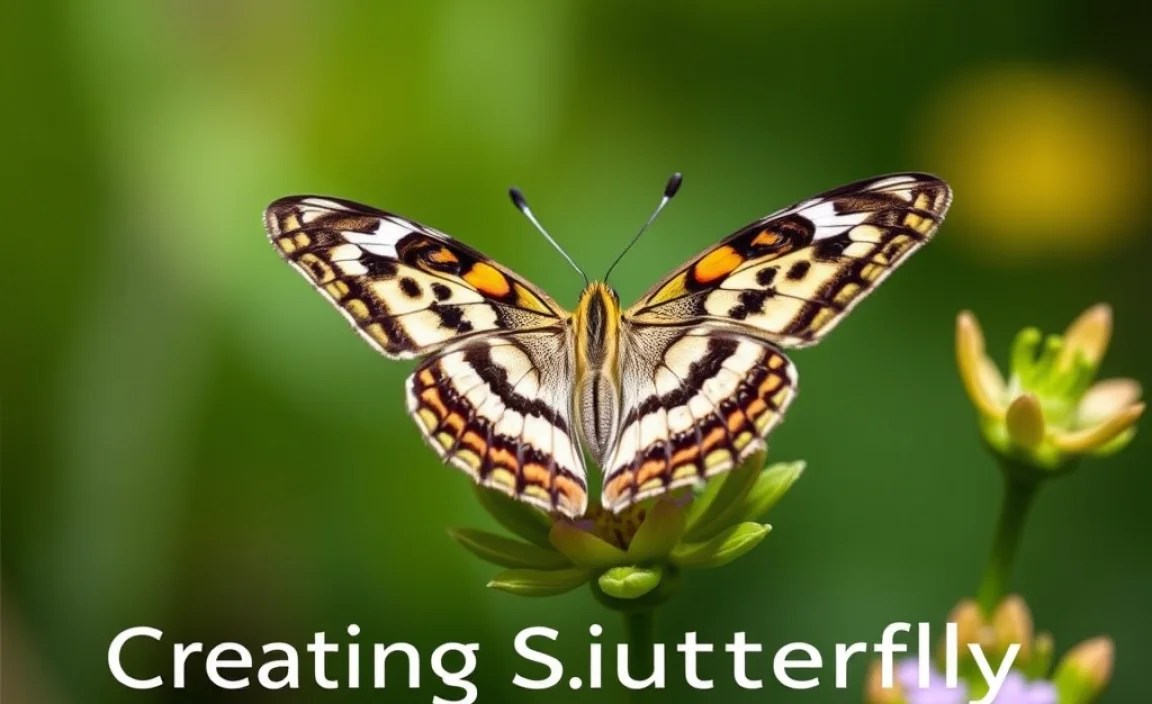
Even if you don’t live near Oregon silverspot habitat, you can create a garden that benefits butterflies and other pollinators.
Choosing the Right Plants
Select plants that provide both nectar for adult butterflies and food for caterpillars.
- Nectar Plants: Choose a variety of native flowering plants that bloom at different times of the year. Some good options include:
- Asters
- Coneflowers
- Milkweed
- Bee balm
- Host Plants: If you want to attract specific butterfly species, you’ll need to plant their host plants (the plants that their caterpillars eat). For example, monarchs need milkweed.
Providing Shelter and Water
Butterflies need shelter from the wind and rain, as well as a source of water.
- Shelter: Plant shrubs and trees to provide shelter.
- Water: Create a shallow dish of water with pebbles or stones for butterflies to land on and drink.
Avoiding Pesticides
Pesticides can harm butterflies and other beneficial insects.
- Use Natural Pest Control Methods: Encourage beneficial insects like ladybugs and lacewings to control pests.
- Hand-Pick Pests: Remove pests by hand if possible.
- Use Insecticidal Soap or Horticultural Oil: These are less harmful to beneficial insects than broad-spectrum pesticides.
Oregon Silverspot Butterfly Facts
Here are some fascinating facts about the Oregon silverspot butterfly:
| Fact | Description |
|---|---|
| Scientific Name | Speyeria zerene hippolyta |
| Habitat | Coastal meadows and grasslands in Oregon and northern California |
| Food Source (Larvae) | Early blue violet (Viola adunca) |
| Threats | Habitat loss, habitat degradation, small population size |
| Conservation Status | Threatened (under the Endangered Species Act) |
| Wingspan | Approximately 2 to 2.5 inches (5 to 6.4 cm) |
| Lifespan (Adult) | A few weeks |
The Symbolism and Cultural Significance of Butterflies
Butterflies have been symbols of transformation, beauty, and hope in many cultures throughout history.
Transformation and Rebirth
The butterfly’s life cycle, from egg to caterpillar to chrysalis to butterfly, is a powerful metaphor for transformation and rebirth. This symbolism is often associated with personal growth, spiritual awakening, and overcoming challenges.
Beauty and Joy
Butterflies are often seen as symbols of beauty, joy, and happiness. Their delicate wings and vibrant colors evoke feelings of wonder and delight.
Hope and Resilience
Despite their fragility, butterflies are resilient creatures that can adapt to different environments. They represent hope, perseverance, and the ability to overcome adversity.
Cultural Interpretations
Different cultures have their own unique interpretations of butterfly symbolism.
- In some cultures, butterflies are believed to be the souls of the dead.
- In others, they are seen as messengers from the spirit world.
- In many cultures, butterflies are associated with good luck and fortune.
Frequently Asked Questions (FAQs)
What does it mean that the Oregon silverspot butterfly is “threatened?”
Being “threatened” means the Oregon silverspot butterfly is likely to become endangered in the foreseeable future throughout all or a significant portion of its range. This is due to factors like habitat loss and small population sizes.
Where can I see Oregon silverspot butterflies in the wild?
They are found in specific coastal meadows and grasslands in Oregon and a small area of northern California. Some known locations include areas within Siuslaw National Forest in Oregon.
What is the early blue violet, and why is it important?
The early blue violet (Viola adunca) is a specific type of violet plant that is the sole food source for Oregon silverspot butterfly larvae (caterpillars). Without it, they cannot survive.
What can I plant in my garden to help butterflies?
Plant native nectar-rich flowers like asters, coneflowers, milkweed, and bee balm to provide food for adult butterflies. If you’re in their range, consider planting early blue violets.
Are captive breeding programs effective for saving the Oregon silverspot?
Yes, captive breeding programs, like the one at the Oregon Zoo, are an important part of the conservation effort. They help boost population numbers by raising butterflies in a safe environment and releasing them into the wild.
How can I tell the difference between an Oregon silverspot and other similar butterflies?
Look for the distinctive silver spots on the underside of the hindwings. Also, pay attention to the specific wing pattern and consult a field guide for accurate identification.
What are some organizations I can support to help protect endangered butterflies?
You can support organizations like The Nature Conservancy, the Xerces Society, and the U.S. Fish and Wildlife Service, all of which are involved in conservation efforts for butterflies and their habitats.
Conclusion
The Oregon silverspot butterfly is a beautiful and important part of our coastal ecosystems. By understanding the threats they face and supporting conservation efforts, we can help ensure their survival for generations to come. Whether it’s planting native flowers in your garden, volunteering with a local conservation group, or simply spreading the word about these amazing creatures, every action makes a difference. Let’s work together to protect the Oregon silverspot butterfly and the precious habitats they call home. Remember, even small steps can create big changes when it comes to protecting our planet’s incredible biodiversity.


