
Glasswing vs Clearwing: Spot the Secret Differences!

Quick Summary: Glasswing butterflies, like Greta oto, have transparent wings with colored borders, while clearwing moths have entirely see-through wings. Glasswings are diurnal (active during the day) and feed on nectar, while clearwings are typically diurnal moths that mimic wasps and bees. Key differences lie in their antennae, body shape, wing structure, and behavior.
Have you ever spotted a butterfly with wings so clear, it looks like you’re seeing right through them? Or perhaps you’ve seen a moth that buzzes around during the day, resembling a bee? It’s easy to mix up glasswing butterflies and clearwing moths because of their similar transparent wings. But don’t worry, telling them apart is easier than you think! This guide will walk you through the key differences, so you can confidently identify these fascinating insects. We’ll explore everything from their wing structure to their behavior, making you a pro in no time.
Understanding Glasswing Butterflies
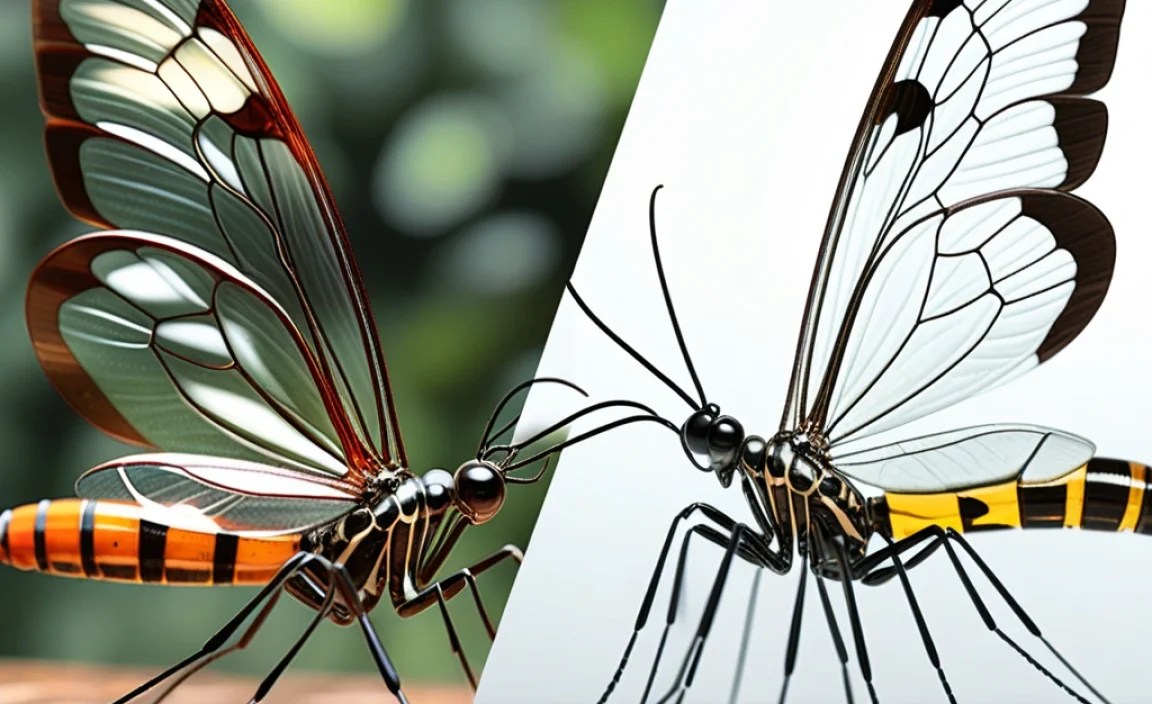
Glasswing butterflies are renowned for their unique transparent wings. This remarkable adaptation serves as excellent camouflage, allowing them to blend seamlessly into their surroundings. Let’s dive deeper into the characteristics that define these delicate creatures.
Key Characteristics of Glasswing Butterflies
- Transparent Wings: The most distinctive feature is the clear, glass-like appearance of their wings. This transparency is due to the lack of colored scales in certain wing sections.
- Colored Borders: While the main part of the wings is transparent, the edges often feature colored borders, typically in shades of brown, orange, or red.
- Delicate Structure: Glasswing butterflies have a fragile and lightweight structure, which aids in their agile flight.
- Diurnal Behavior: These butterflies are active during the day, feeding on nectar from various flowering plants.
Detailed Look at the Glasswing Butterfly (Greta oto)
The most well-known species is Greta oto, found in Central and South America. Let’s explore its specific attributes:
- Appearance: Greta oto has transparent wings with a wingspan of about 5.6 to 6.1 cm (2.2 to 2.4 inches). The borders are usually a reddish-brown color.
- Habitat: They thrive in humid forests, where they can easily find nectar sources and host plants for their larvae.
- Diet: Adults feed on nectar, while caterpillars primarily consume plants from the Cestrum genus, which contain toxins that make the butterflies unpalatable to predators.
- Behavior: Glasswing butterflies are known for their slow, deliberate flight, often fluttering through the undergrowth of forests.
Ecological Role and Significance
Glasswing butterflies play an important role in their ecosystems:
- Pollination: As they feed on nectar, they contribute to the pollination of various plant species.
- Prey: They serve as a food source for birds and other insectivorous animals, despite their toxicity.
- Indicator Species: Their presence and health can indicate the overall health of their forest habitats.
Exploring Clearwing Moths
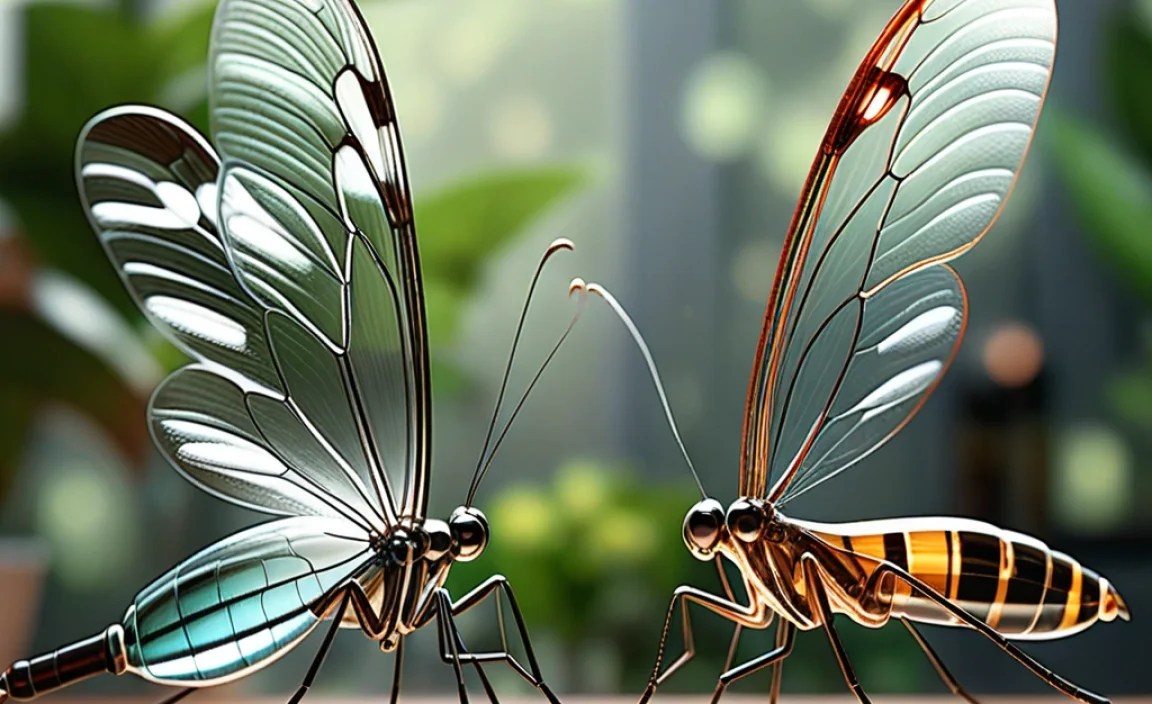
Clearwing moths, belonging to the family Sesiidae, are fascinating insects known for their resemblance to wasps and bees. Their transparent wings and diurnal behavior make them unique among moths. Let’s uncover what makes them so special.
Key Characteristics of Clearwing Moths
- Transparent Wings: Similar to glasswing butterflies, clearwing moths have transparent wings, but the transparency is usually more complete, lacking the colored borders seen in glasswings.
- Wasp-like Appearance: They often have black and yellow markings, mimicking wasps to deter predators.
- Diurnal Activity: Unlike most moths that are nocturnal, clearwings are active during the day.
- Narrow Body Shape: Their bodies are slender, further enhancing their wasp-like appearance.
Detailed Look at a Clearwing Moth Species (e.g., Hemaris thysbe)
One common species is Hemaris thysbe, also known as the hummingbird clearwing. Here’s a closer look:
- Appearance: Hemaris thysbe has transparent wings and a thick, furry body with reddish-brown and yellow markings. They resemble small hummingbirds as they hover and feed on nectar.
- Habitat: They are found in gardens, meadows, and woodland edges across North America.
- Diet: Adults feed on nectar from flowers, while caterpillars feed on plants like honeysuckle and snowberry.
- Behavior: These moths are active during the day, hovering in front of flowers to drink nectar, much like hummingbirds.
Ecological Role and Significance
Clearwing moths play vital roles in their ecosystems:
- Pollination: They are effective pollinators, contributing to the reproduction of various flowering plants.
- Mimicry: Their wasp-like appearance is a form of Batesian mimicry, where they imitate dangerous species to avoid predation.
- Larval Impact: Some clearwing moth larvae can be pests, boring into the stems and roots of plants, but they also contribute to nutrient cycling.
Detailed Comparison: Glasswing Butterfly vs. Clearwing Moth

To clearly differentiate between glasswing butterflies and clearwing moths, let’s compare their key features side-by-side.
Morphological Differences
Here’s a table summarizing the visual differences:
| Feature | Glasswing Butterfly (e.g., Greta oto) | Clearwing Moth (e.g., Hemaris thysbe) |
|---|---|---|
| Wings | Transparent with colored borders | Entirely transparent, often lacking colored borders |
| Antennae | Clubbed antennae (thicker at the tip) | Thread-like or feathery antennae |
| Body Shape | Slender, butterfly-like | Thick, furry, wasp-like |
| Wing Covering | Sparse scales, mostly transparent | Very few scales, completely transparent |
| Legs | Long and thin | Shorter and thicker |
Behavioral Differences
Understanding their behavior can also help distinguish between the two:
- Flight Pattern: Glasswing butterflies have a slow, fluttering flight, while clearwing moths often hover like hummingbirds.
- Activity Period: Both are diurnal, but clearwing moths are more likely to be mistaken for bees or wasps due to their rapid movements.
- Habitat: Glasswing butterflies are typically found in humid forests, while clearwing moths can be seen in gardens, meadows, and woodland edges.
Ecological Differences
Their ecological roles also differ:
- Diet: Glasswing butterfly larvae feed on specific toxic plants, making them unpalatable to predators. Clearwing moth larvae have a more varied diet, sometimes including plant stems and roots.
- Mimicry: Clearwing moths exhibit Batesian mimicry, resembling wasps to deter predators. Glasswing butterflies rely more on camouflage due to their transparent wings and toxicity.
- Pollination Efficiency: Both are pollinators, but clearwing moths, with their hovering behavior, may be more efficient at pollinating certain types of flowers.
Detailed Feature Breakdown

Let’s delve deeper into each feature to highlight the nuances that set these insects apart.
Wing Structure and Transparency
The transparency of both glasswing butterflies and clearwing moths is a result of reduced scales on their wings. However, the structure and composition differ.
- Glasswing Butterfly: The wings have fewer scales, and the scales are arranged in a way that minimizes light reflection, creating a transparent effect. The colored borders are due to areas with more concentrated scales.
- Clearwing Moth: The wings have even fewer scales than glasswing butterflies, resulting in almost complete transparency. The scales are often lost during their first flight, enhancing the clear appearance.
Antennae: A Key Differentiator
The antennae are a crucial feature for distinguishing between butterflies and moths:
- Glasswing Butterfly: They have clubbed antennae, meaning the tips are thicker and more rounded. This is a characteristic feature of butterflies.
- Clearwing Moth: They have thread-like or feathery antennae, which are typical of moths. Some species may have slightly thickened antennae, but they never have a distinct club shape.
Body Composition and Markings
The body shape and markings provide additional clues:
- Glasswing Butterfly: They have slender bodies similar to other butterflies, with subtle markings that blend with their surroundings.
- Clearwing Moth: Their bodies are thicker and often have bright yellow or orange bands, mimicking the appearance of wasps. This is a key adaptation for protection.
Flight and Movement
Observing their flight patterns can also help in identification:
- Glasswing Butterfly: They fly slowly and deliberately, often fluttering through the undergrowth.
- Clearwing Moth: They are fast fliers, often hovering in front of flowers to feed, resembling hummingbirds or bees.
Step-by-Step Identification Guide
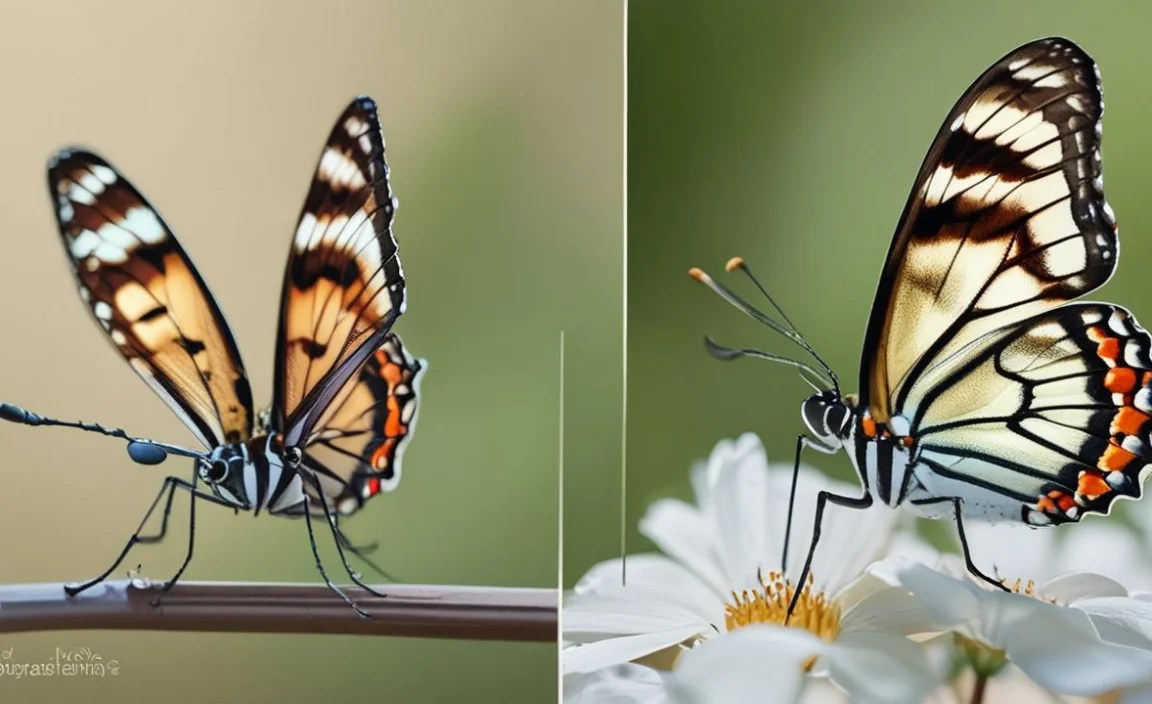
Follow these steps to accurately identify whether you’re observing a glasswing butterfly or a clearwing moth:
- Observe the Wings: Check for colored borders. If the wings are entirely transparent, it’s more likely a clearwing moth.
- Examine the Antennae: Look closely at the antennae. Clubbed antennae indicate a butterfly (glasswing), while thread-like or feathery antennae suggest a moth (clearwing).
- Note the Body Shape: A slender, butterfly-like body points to a glasswing, while a thick, furry, wasp-like body suggests a clearwing moth.
- Watch the Flight Pattern: Slow, fluttering flight indicates a glasswing, while rapid hovering suggests a clearwing moth.
- Consider the Habitat: Glasswing butterflies are typically found in humid forests, while clearwing moths can be seen in various habitats, including gardens and meadows.
Attracting and Conserving These Insects
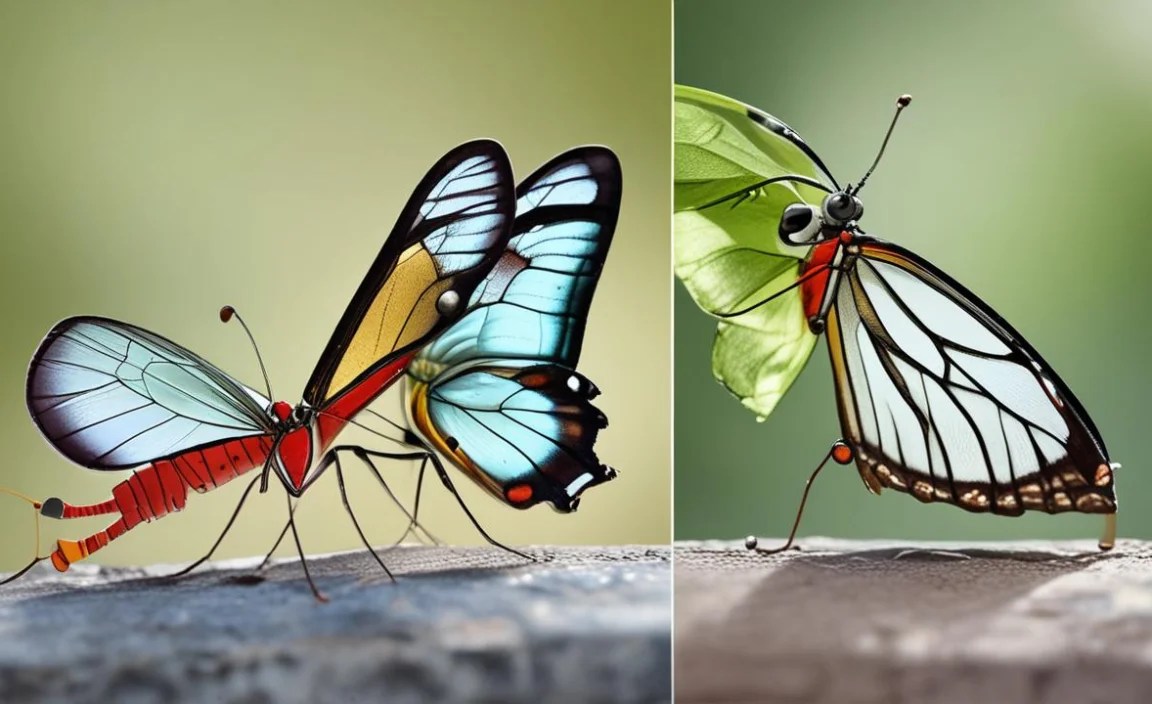
Both glasswing butterflies and clearwing moths are important parts of their ecosystems. Here’s how you can help protect and attract them:
Creating a Butterfly-Friendly Garden
- Plant Nectar-Rich Flowers: Provide a variety of flowering plants that offer nectar sources throughout the growing season. Native plants are often the best choice.
- Provide Host Plants: Research the specific host plants for glasswing butterfly and clearwing moth larvae and include them in your garden.
- Avoid Pesticides: Pesticides can harm or kill these insects. Opt for natural pest control methods.
- Offer Water Sources: Provide a shallow dish of water with pebbles for them to drink from.
Supporting Conservation Efforts
- Protect Natural Habitats: Support organizations that work to conserve forests and other natural habitats where these insects live.
- Educate Others: Share your knowledge about glasswing butterflies and clearwing moths with friends, family, and community members to raise awareness.
- Participate in Citizen Science: Join local butterfly monitoring programs to help track populations and gather data on their distribution and health. You can find resources through organizations like the Xerces Society.
Examples of Common Species
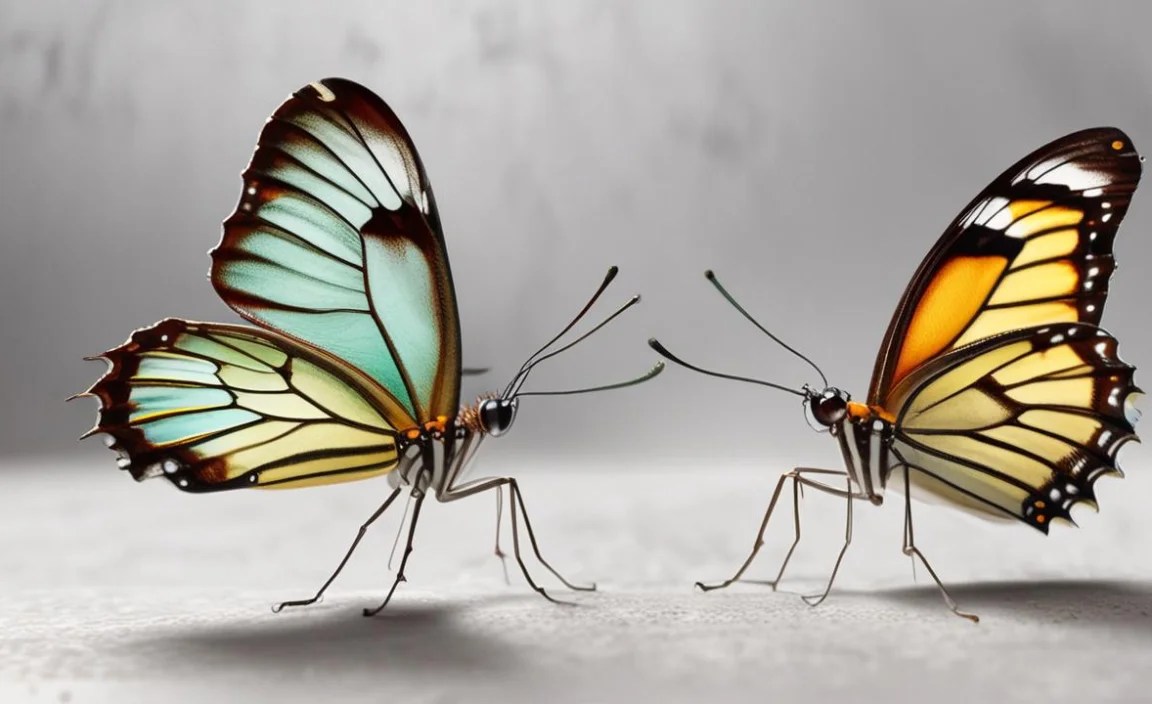
Let’s look at a few more examples to reinforce your identification skills.
Additional Glasswing Butterfly Species
- Greta andromica: Similar to Greta oto but with slightly different wing patterns.
- Greta diaphane: Known for its almost entirely transparent wings, with minimal colored borders.
Additional Clearwing Moth Species
- Hemaris diffinis: The snowberry clearwing, often seen hovering around snowberry bushes.
- Podosesia syringae: The lilac borer, which can be a pest to lilac trees.
Quick Reference Table
Here is a quick reference table to help you remember the key differences:
| Feature | Glasswing Butterfly | Clearwing Moth |
|---|---|---|
| Wings | Transparent with colored borders | Entirely transparent |
| Antennae | Clubbed | Thread-like or feathery |
| Body | Slender | Thick, wasp-like |
| Flight | Fluttering | Hovering |
| Activity | Diurnal | Diurnal |
FAQ: Distinguishing Glasswing Butterflies and Clearwing Moths
Here are some frequently asked questions to help clarify any remaining points.
Q1: Are glasswing butterflies and clearwing moths related?
A1: No, they belong to different insect orders. Glasswing butterflies are in the order Lepidoptera, family Nymphalidae, while clearwing moths are in the same order Lepidoptera, but family Sesiidae.
Q2: Why do clearwing moths mimic wasps?
A2: Clearwing moths mimic wasps as a defense mechanism. This is known as Batesian mimicry, where a harmless species imitates a harmful one to deter predators.
Q3: Can I attract glasswing butterflies and clearwing moths to my garden?
A3: Yes, by planting nectar-rich flowers and host plants for their larvae. Avoid using pesticides, and provide a water source.
Q4: Are glasswing butterflies poisonous?
A4: Glasswing butterflies are not poisonous in the traditional sense, but their larvae feed on toxic plants, making the butterflies unpalatable to predators.
Q5: Do clearwing moths sting like wasps?
A5: No, clearwing moths cannot sting. They only mimic the appearance of wasps to avoid being eaten by predators.
Q6: Where are glasswing butterflies typically found?
A6: Glasswing butterflies are commonly found in the humid forests of Central and South America.
Q7: What do clearwing moth caterpillars eat?
A7: Clearwing moth caterpillars have varied diets depending on the species. Some feed on the stems and roots of plants, while others consume leaves of plants like honeysuckle and snowberry.
Conclusion
Distinguishing between glasswing butterflies and clearwing moths can be a delightful challenge for any nature enthusiast. While both share the fascinating trait of transparent wings, their differences in appearance, behavior, and ecological roles set them apart. By observing their wing structure, antennae, body shape, and flight patterns, you can confidently identify these incredible insects. Whether you’re a gardener, a student, or simply a lover of nature, understanding these differences enriches your appreciation for the biodiversity around us. So, the next time you spot a clear-winged beauty, take a closer look – you’ll now know exactly what you’re seeing!


